


A minor scrape or a bad step can quickly become a major setback, leading to stall rest, vet bills, and lost time in the saddle. We all know proactive care is the best way to keep our horses sound and happy. One of the most effective ways to prevent common injuries is by using the right gear. A quality pair of leg protection boots isn't just an accessory—it's your first line of defense. They shield against interference and impact, giving you peace of mind and keeping your horse comfortable, confident, and ready for your next ride.
Key Takeaways
- Choose Purpose-Built Protection: Your horse's leg protection should align with their job. Everyday flatwork requires different gear than high-impact sports like jumping or trailering, so select boots specifically designed to handle the risks of your discipline.
- A Secure Fit is Non-Negotiable: The wrong size can cause more harm than good, leading to sores or restricted circulation. Always measure your horse's legs and check that you can fit one finger between the boot and the leg for a safe, effective fit.
- Invest in Quality Materials: The best boots balance durability with comfort. Look for materials that offer excellent shock absorption, are tough enough to withstand wear, and provide breathability to keep your horse's tendons cool and healthy.
Does Your Horse Really Need Leg Protection Boots?
As horse owners, keeping our four-legged partners safe and sound is always top of mind. A horse’s legs are incredibly powerful, but they’re also surprisingly delicate. That’s where leg protection comes in. Think of horse boots and wraps as essential pieces of safety gear, designed to shield the vulnerable bones, tendons, and ligaments in your horse’s lower legs from injury. Whether you’re in the arena, out on the trail, or traveling in a trailer, the right horse tack can make all the difference.
So, why are they so important? The primary job of a horse boot is to protect against impact and trauma. Horses can easily injure themselves by knocking a jump rail, brushing against a fence post, or even just hitting their own legs together—a common issue known as interference. A good pair of boots is designed to absorb and dissipate the force from these kinds of impacts, preventing everything from minor scrapes to serious injuries that could require stall rest.
Beyond general protection, boots are crucial for horses in specific disciplines or for those with certain ways of moving. For example, jumpers and eventers rely on sturdy boots to guard against contact with obstacles. In fast-paced Western events, protective boots help prevent injuries during sharp turns and quick stops. Ultimately, using leg protection is a proactive step you can take to support your horse’s well-being, giving you peace of mind and helping them stay comfortable and confident in their work.
Find the Right Horse Boot for Your Ride
With so many different styles of horse boots on the market, it can be tough to figure out what your horse actually needs. Each type is designed for a specific purpose, from protecting against minor scrapes during a trail ride to providing serious support during competition. Think of this as your go-to guide for choosing the right leg protection to keep your horse safe, sound, and comfortable, no matter what you’re doing together. We’ll walk through the most common types so you can feel confident you’re making the best choice for your four-legged partner.
Splint Boots: Your Go-To for Everyday Rides
Splint boots, often called brushing boots, are the workhorses of leg protection. Their main job is to shield the lower leg, particularly the splint bones on either side of the cannon bone, from the horse's opposite hoof. This "brushing" or interference can happen during any activity, from lunging to flatwork. These boots are typically lined with soft padding like neoprene or fleece and secured with simple straps, making them a quick and easy option for daily use. They’re an essential piece of horse tack for any rider looking to prevent everyday nicks and bruises.
Bell Boots: Preventing Painful Overreaches
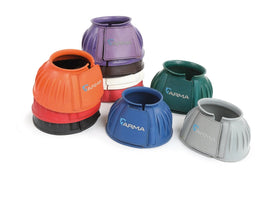
If you’ve ever heard the clinking sound of a horse clipping its own front heels with its back feet, you know what overreaching is. Bell boots are designed to stop this. Shaped like a bell, they fit around the pastern and cover the entire hoof, protecting the sensitive heel bulbs and coronary band from injury. They’re also fantastic for preventing a horse from stepping on and pulling off a front shoe. You can find them in a variety of materials, from classic, durable rubber to flexible neoprene. Some even come with a soft fleece lining for horses with sensitive skin, offering both protection and comfort.
Support Boots: When Your Horse Needs More Stability
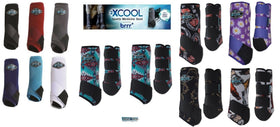
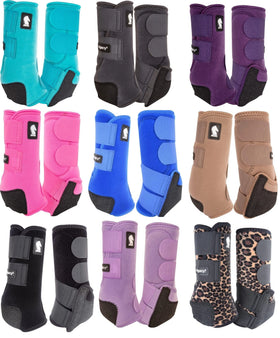
While splint boots focus on impact protection, support boots are designed to do a little more. They cradle the delicate structures of the lower leg, offering support to the tendons and ligaments, especially during more strenuous work. These boots are a great choice for everything from long trail rides to demanding training sessions. Flexible neoprene is a popular material because it moves with the horse and absorbs shock, while classic leather boots offer a firmer, more traditional form of support. Think of them as a step up in stability for horses that need extra reinforcement during exercise.
Polo Wraps: For Flexible, Custom Support
Polo wraps are long, fleece bandages that provide a snug, custom fit. Unlike pre-molded boots, they conform perfectly to the unique shape of your horse’s legs, offering light support and protection without any pressure points. This makes them a favorite in disciplines like reining and cutting, where horses make quick, athletic movements. While they offer great protection against scrapes and bumps, it’s crucial to learn how to apply them correctly. Wrapping too tightly or unevenly can do more harm than good, so practice is key to using them safely and effectively.
Shipping Boots: For Safe Travels
Traveling in a trailer can be a bumpy ride, and a horse can easily lose its balance and step on itself. Shipping boots offer maximum protection to prevent travel-related injuries. These boots are heavily padded and provide full coverage, extending from below the knee or hock all the way down to the floor, covering the hoof. This ensures that the cannon bones, tendons, fetlocks, pasterns, and coronary bands are all shielded from scrapes and impact. If you plan on trailering your horse anywhere, a sturdy set of shipping boots is a non-negotiable for their safety.
Cross-Country Boots: Built for Tough Terrain
Eventing and cross-country riding demand the most from horse leg protection. These boots are engineered to be tough, lightweight, and protective against solid obstacles like logs and fences. They typically feature a hard, durable outer shell to deflect impact, while the inner lining is designed to be breathable and not absorb water—a critical feature when you’re galloping through water jumps. Cross-country boots provide robust protection for high-impact situations without holding water or weighing the horse down, allowing them to perform at their best while staying safe on course.
Skid Boots: For Reining and Quick Stops
For riders in fast-paced Western disciplines, skid boots are an absolute must-have. Specifically designed for sports like reining and cutting, these boots protect the back of the hind fetlocks and pasterns from abrasion during sliding stops and sharp, athletic turns. When a horse sits down deep to stop, their hind legs can get burned or scraped by the ground. Skid boots provide a tough, protective barrier right where it's needed most. They typically feature a durable outer shell and a comfortable, padded interior, secured with simple hook-and-loop closures for a snug fit that won’t interfere with movement. They are a crucial piece of protective horse tack for any performance horse.
Trail Boots: Durability for Rugged Adventures
Heading out on the trail means preparing for the unexpected, from rocky paths to overgrown branches. Trail boots are built to handle it all. Unlike boots designed for arena work, these are constructed with maximum durability in mind to withstand the rigors of rugged terrain. They feature a tough outer shell that shields the horse's entire lower leg from scrapes, impacts, and punctures from trail hazards. They offer more coverage than a standard splint boot and are designed to stay securely in place over long distances. Investing in a quality pair of trail boots gives you peace of mind, knowing your horse’s legs are protected while you both enjoy your adventure.
Specialty Boots: Hock, Knee, and Ice Boots
Sometimes, a horse needs more than just general leg protection. Specialty boots are designed to address specific needs, whether it’s providing extra support to vulnerable joints or aiding in recovery after a tough workout. These boots play a key role in both preventing injury and managing your horse’s long-term soundness. From hock and knee boots that cushion high-stress areas to ice boots that soothe tired legs, this specialized equipment is an important part of a comprehensive care routine for any equine athlete. Understanding when and how to use them can make a significant difference in your horse's comfort and performance.
Hock and Knee Boots
The hock and knee are complex joints that handle a tremendous amount of strain, especially in disciplines that involve jumping, sharp turns, or deep stops. Hock and knee boots are anatomically shaped to fit these areas, providing targeted support and impact protection. They help cushion these vulnerable joints during high-impact activities, reducing the risk of injury and providing stability. These boots are an excellent choice for horses in demanding sports or for those who may need a little extra reinforcement due to their conformation or a previous injury, helping to keep them comfortable and sound in their work.
Ice Boots for Therapy
Just like human athletes, horses benefit immensely from cold therapy after strenuous exercise. Ice boots are a clean, efficient way to reduce inflammation and soothe sore legs. Designed to conform to the leg and provide even cooling, these boots are used to decrease swelling and ease discomfort after a workout or to help manage an acute injury. They are far more convenient than hosing and ensure consistent cold application to the tendons and ligaments. Having a set of ice boots on hand is a smart, proactive way to support your horse’s recovery and keep their legs feeling fresh and tight.
Shop This Post

How to Get the Perfect Fit on Horse Boots
Finding the right size horse boot is a lot like finding the right pair of running shoes for yourself. A bad fit can cause more problems than it solves, leading to rubbing, sores, or even injury. But when you get it just right, you provide comfort and security where your horse needs it most. Since every horse has a unique build and every brand has slightly different sizing, taking the time to measure and check the fit is one of the most important things you can do. It ensures the boots can do their job effectively, whether you’re on a trail ride, in the arena, or traveling in the trailer. Let’s walk through how to get that perfect, secure fit.
How to Measure Your Horse's Legs
Before you even start browsing for boots, grab a soft measuring tape—the kind used for sewing works perfectly. For boots that go around the cannon bone, like splint or support boots, you’ll want to measure the circumference at the widest point, which is usually right below the knee. For other types, like hock boots, you’ll need to measure the joint itself. It’s a good idea to measure both legs, as there can be slight differences. Jot these numbers down and keep them handy. This simple step takes the guesswork out of comparing size charts and is the best way to ensure you’re starting with the right size from the get-go.
Understanding Size Charts and Fasteners
Once you have your horse’s measurements, you can compare them to the manufacturer’s size chart. Remember that a "Medium" in one brand might be a "Large" in another, so always refer to the specific chart for the product you’re considering. When you put the boots on, the fit should be snug and firm enough to prevent slipping, but not so tight that it restricts blood flow. A good rule of thumb is that you should be able to slide one finger comfortably between the boot and your horse’s leg. Also, pay close attention to the fasteners. Proper horse leg protection guidelines state that straps should always wrap so the ends point toward the back of the horse, ensuring they don’t get snagged on each other.
Is It a Good Fit? Signs to Look For
A well-fitted boot will contour smoothly to your horse’s leg without any gaps, bunching, or pressure points. It should stay securely in place during movement without twisting or sliding down. After a ride, remove the boots and check your horse’s legs for any signs of rubbing, chafing, or unusual swelling. If a boot is too loose, it can slip and cause sores; if it’s too tight, it can damage delicate tendons. The goal is to find a balance that offers solid protection and support, allowing your horse to move freely and confidently. Finding the right fit in our horse tack collection will give you peace of mind knowing your partner is comfortable and protected.
What Makes a Great Horse Boot?
Once you know the type of boot you need, the next step is to look at the materials and construction. The right materials can make all the difference in your horse’s comfort, safety, and performance. High-quality boots are an investment in your horse's well-being, so it’s worth paying attention to the details. From flexible neoprene that moves with your horse to advanced therapeutic fabrics, here’s what to look for when choosing the best leg protection.
Neoprene & Rubber: For Flexibility and Shock Absorption
For everyday riding and turnout, you want boots that offer a balance of protection and flexibility. Materials like neoprene and rubber are fantastic for this. Neoprene is soft and pliable, allowing it to conform snugly to your horse’s leg for a secure fit that prevents rubbing. Both materials are excellent at absorbing shock from impacts, which helps protect delicate tendons and ligaments from bumps and scrapes. You’ll often find them used in splint boots and bell boots. These materials are also easy to clean, making them a practical choice for daily use in various conditions, from dusty arenas to muddy trails.
Ballistic Nylon: The Ultimate in Durability
If your horse is particularly hard on their gear or you’re involved in demanding disciplines, durability is a top priority. Look for boots constructed with tough materials like ballistic nylon. This rugged fabric is designed to resist rips, tears, and punctures, offering superior protection against serious strikes and abrasions. It’s often used as the outer shell on high-performance boots, paired with a softer, shock-absorbing inner layer. Investing in boots made with ballistic nylon means you’ll get more wear out of them, ensuring your horse’s legs are protected by reliable horse tack season after season.
Leather and Memory Foam: Traditional Materials and Modern Tech
For a classic look that offers incredible durability, leather is a timeless choice. It provides a firm, structured form of support that molds to your horse’s leg over time, creating a nearly custom fit. This traditional material is known for its longevity, making it a staple in many tack rooms. But today’s best boots often blend this classic strength with modern innovations. By combining leather with advanced linings, you get the best of both worlds: the proven resilience of a traditional material and the enhanced comfort of new technology. This ensures the horse tack you choose is both reliable and comfortable.
On the modern side, memory foam has become a game-changer in leg protection. This material is exceptional at absorbing shock and distributing pressure evenly, which helps protect delicate tendons and ligaments from impact. When a boot features a memory foam lining, it cradles the leg, providing a secure fit that minimizes rubbing and enhances comfort during strenuous work. This technology allows for boots that are tough on the outside and soft on the inside, striking the perfect balance between durability and comfort and keeping your horse safe and sound.
Breathable Fabrics to Keep Legs Cool and Dry
A horse's legs can generate a lot of heat during exercise, and trapping that heat can be harmful to their tendons. That’s why breathability is a critical feature in quality leg protection. Modern horse boots often incorporate advanced, moisture-wicking fabrics and designs like "3D Mesh" or perforated materials. These features allow air to circulate freely, which helps dissipate heat and sweat. Keeping your horse's legs cool and dry not only enhances their comfort but also supports tendon health. This is especially important for long training sessions or for horses working in warm climates.
Therapeutic Boots: Exploring Magnetic and Ceramic Options
For horses in intense training, those recovering from injury, or seniors dealing with stiffness, therapeutic boots can offer advanced support. These boots are embedded with materials that provide benefits beyond simple protection. For example, some boots use ceramic-infused fabrics that reflect the horse’s own body heat as infrared waves, which can help increase circulation and ease inflammation. Others incorporate magnets, which are thought to support recovery from conditions like arthritis and capped hocks. While not for everyday use, these therapeutic options can be a valuable tool in your horse care routine.
Advanced Fabrics: Welltex® and Cooling Technologies
Beyond standard materials, some therapeutic boots feature innovative fabrics designed to support your horse's recovery and comfort. One of the most well-known is Welltex®, a fabric infused with ceramic particles that reflects your horse's body heat back as infrared energy. This process is designed to help increase circulation and reduce inflammation, making it a fantastic option for horses in rigorous training or those recovering from an injury. At the other end of the spectrum, you'll find advanced cooling technologies. Since tendons can be damaged by overheating during intense work, some boots are made with materials specifically engineered to draw heat and moisture away from the leg. These breathable, cooling fabrics help maintain an optimal temperature, which is crucial for protecting tendon health during strenuous exercise. Investing in horse tack with these specialized materials can be a game-changer for your horse's overall well-being.
Why Use Leg Protection? The Key Benefits
Investing in a good set of horse boots is one of the smartest decisions you can make for your partner's health and soundness. Think of it as essential safety gear, just like your own helmet or riding boots. Whether you're schooling in the arena, hitting the trails, or competing, your horse's delicate lower legs are exposed to all kinds of risks. The right horse leg protection does more than just prevent scrapes; it provides crucial support and stability where it's needed most, helping to ensure your horse stays comfortable, confident, and ready for whatever you ask of them. The lower leg is a marvel of biological engineering, but it has very little muscle or fatty tissue to cushion the bones, tendons, and ligaments from impact. This makes it particularly vulnerable to injury. By using boots, you’re providing an essential layer of defense against everything from accidental overreaches and interference to bumps against fences or trail obstacles. It’s a proactive step that can prevent minor issues from becoming major setbacks, keeping your horse happy, sound, and in consistent work.
Protect from Bumps, Scrapes, and Strikes
One of the most straightforward benefits of horse boots is their ability to guard against external trauma. During any kind of work, a horse can accidentally strike one leg with another hoof—an action known as interference—or knock a rail in the arena. These impacts can cause everything from minor scrapes to painful bruises or splints. A quality boot acts as a durable shield, absorbing and distributing the force of an impact to protect the cannon bone, tendons, and other soft tissues. This simple layer of defense can prevent nagging injuries that could otherwise lead to downtime and unexpected vet bills.
Support Joints and Tendons Under Strain
For many athletic horses, well-fitted boots provide essential reinforcement to their joints and soft tissues. The ligaments and tendons in a horse's lower leg work like powerful elastic bands, but they can be susceptible to strains, tears, or even hyperextension under the demands of training and competition. Support-style boots are designed to cradle these structures, limiting excessive movement and providing a stabilizing effect without restricting performance. This added support is especially valuable during high-impact activities like jumping, reining, or navigating uneven terrain, giving you peace of mind that you’re protecting your horse’s long-term soundness.
Keep Wounds Clean for Gentle Training
Sometimes, despite our best efforts, minor nicks and cuts happen. While serious injuries always require rest and veterinary care, a clean, properly fitted boot can be used to cover a minor wound during light work. This protects the area from dirt, flies, and further irritation, allowing you to continue with gentle exercise like walking or light lunging. This can be a great way to keep your horse’s mind and body active during recovery. Always make sure the wound is properly cleaned and dressed before applying a boot, and ensure the boot itself is clean to prevent infection.
Regulate Temperature for Better Comfort
Modern horse boots are designed with both protection and comfort in mind. A key factor is breathability, as trapping heat and moisture against the leg can potentially damage sensitive tendons. High-quality boots are made from materials that allow air to circulate and wick sweat away, keeping the leg cool and dry. The weight of the boot also matters; a lightweight, flexible design ensures your horse can move freely and naturally. Finding the right balance of protection and breathability is crucial for maximizing your horse’s comfort and performance, ensuring the gear helps more than it hinders.
Aid in Recovery During Stall Rest
Stall rest can be a long and frustrating process, but the right leg protection can play a supportive role in your horse's recovery. While a horse is confined, their circulation can become sluggish, and joints can get stiff. This is where therapeutic boots, such as those with ceramic-infused fabrics or magnets, can be incredibly helpful. These boots are designed to gently increase blood flow and reduce inflammation, which supports the body's natural healing process. They can also provide a layer of protection against accidental bumps or kicks in the stall, preventing any setbacks. Just as with boots for exercise, ensuring a proper, breathable fit is essential to keep the skin healthy and prevent heat buildup while your horse is on the mend.
Choosing the Right Boots for Your Discipline
With so many types of boots on the market, picking the right pair can feel overwhelming. The key is to match the boot to your horse's job. A horse working cattle has different needs than one in a dressage arena, and their leg protection should reflect that. Think about the specific movements your horse makes, the surfaces you ride on, and the level of impact they might encounter. Choosing the right boot isn't just about following trends; it's about providing targeted support and protection where your horse needs it most, ensuring they can perform their best, comfortably and safely.
What Features Matter Most?
There are different levels of protection to suit specific tasks, whether you're starting colts, riding the trails, working cows, or reining. For high-intensity sports like jumping or cross-country, you’ll want boots that offer maximum impact absorption and tendon support. For slower work like trail riding, durability and protection from scrapes from brush or rocks are more important. Consider the material, closure system, and coverage area. A reining horse might benefit from a skid boot that protects the fetlocks during sliding stops, while a simple splint boot is often enough for everyday flatwork. Carefully compare different styles to find the features that align with your discipline.
Understanding the Variety: Sizes, Colors, and Styles
Once you’ve narrowed down the type of boot you need, you’ll find a huge range of options. The market is filled with everything from simple splint boots and bell boots to more specialized gear like hock boots and tendon boots. This variety ensures you can find the perfect match for your horse’s specific needs and your discipline. While it’s fun to coordinate colors with your saddle pad, the real purpose behind this diversity is function. Different materials offer different levels of protection, breathability, and support. Taking the time to explore the various horse tack options helps you make an informed choice that prioritizes your horse's safety and comfort above all else.
Beyond the style, the most critical factors are the material and the fit. A boot that doesn't fit correctly can cause rubbing, sores, or even restrict circulation, doing more harm than good. Look for durable materials like ballistic nylon for high-wear situations, but also prioritize breathability to keep tendons cool. Some options, like polo wraps, offer a completely custom fit because they conform perfectly to the unique shape of your horse’s leg. No matter what you choose, always measure your horse’s legs and consult the manufacturer’s size chart to ensure you get a secure, comfortable fit that will stay in place while they move.
Finding Quality Boots on a Budget
Value is about more than just the price tag; it’s about getting the best protection for your money. As riders, we need to consider a boot's weight and breathability, as well as how effective it is at preventing concussion and protecting the leg. A cheaper boot might save you money upfront, but if it’s made from flimsy materials that don't breathe or offer real support, it’s not a good deal for your horse. Look for boots from reputable brands known for their quality and durability. Investing in a well-made pair from our collection of best-selling products means you’ll likely replace them less often, and you’ll have peace of mind knowing your horse is properly protected.
How to Care for Your Horse Boots
Even the most expensive boots won't do their job if they aren't cared for properly. First and foremost, boots must fit just right. If they are too tight, they can damage tendons; if they are too loose, they can slip and cause painful rubs or sores. Always check the fit before and after a ride. After each use, take a moment to brush off dirt and sweat, as this buildup can irritate your horse’s skin and break down the boot materials over time. Regularly inspect the straps, velcro, and shell for any signs of wear and tear. Proper care not only extends the life of your boots but also ensures they remain safe and comfortable for your horse.
Where to Buy the Best Horse Boots
Many riders use boots and wraps to protect their horses' legs, and the sheer number of options can be dizzying. When you're ready to buy, it’s important to choose a retailer that understands the needs of horses and their owners. At Hooves and Paws, we’ve spent over 30 years handpicking the best supplies, so you can be confident you’re getting a quality product. We stand behind everything we sell with a 365-day satisfaction guarantee. Browse our full selection of horse tack to find durable, effective leg protection from brands we know and trust, all backed by our commitment to you and your horse.
Trusted Brands to Look For
When you start shopping, you’ll notice a few brands that are consistently trusted by riders for their quality and innovation. Weaver Equine is a great example, known for combining old-school craftsmanship with modern technology to create boots that are built to last. They use high-quality materials like memory foam and ballistic nylon to ensure their products can stand up to daily use. Another standout is Back on Track, which focuses on therapeutic benefits through advanced fabrics. Their boots often feature Welltex® technology, which is designed to reflect the horse’s body heat to support circulation and comfort. Focusing on brands that prioritize durability and thoughtful design is a great way to ensure you’re getting a product that truly protects your horse.
Finding a Retailer with Expertise
The brand of the boot is important, but so is where you buy it from. Choosing a retailer with genuine equine expertise ensures you’re getting advice and products you can trust. Look for a company that understands the demands of different disciplines and can stand behind the products they sell. At Hooves and Paws, our family has been handpicking the best horse supplies for over 30 years. We know what works because we’re horse people, too. That’s why we offer a 365-day satisfaction guarantee on everything we sell, including our extensive collection of horse tack. When you shop with us, you’re not just buying a product; you’re getting the support of a team that’s as dedicated to your horse’s well-being as you are.
A Note on Veterinary Advice
While this guide is designed to give you a solid foundation for understanding horse leg protection, it’s important to remember that it’s not a substitute for professional medical advice. Your veterinarian is your most valuable resource when it comes to your horse’s health and well-being. They have a deep understanding of your horse's specific conformation, medical history, and workload, allowing them to provide personalized recommendations that a general guide simply can’t. Before making a final decision on any type of protective gear, it’s always a smart move to have a conversation with your vet. They can help you identify potential issues you might not have considered and ensure you’re making the best choice for your individual horse.
Your vet can help you assess the specific risks associated with your discipline and your horse’s unique way of going. They can confirm whether a simple splint boot is sufficient or if more substantial support is needed to protect vulnerable tendons and ligaments. As veterinary professionals emphasize, using appropriate leg protection is a key part of preventing injuries before they happen. Consulting with them ensures you’re not just buying a product, but making a proactive and informed investment in your horse’s long-term soundness. Think of your vet as a crucial member of your team, helping you keep your partner happy, healthy, and ready for your next ride.
Related Articles
- Tendon Boots Guide 2026: Essential Tips for Horse Protection
- Easy-Fit Splint Boots | Horse Leg Protection
Frequently Asked Questions
How do I know if my horse needs boots for both front and back legs? Most riders start with front boots because horses are more likely to strike their front legs with their back hooves. However, many disciplines and horses benefit from hind leg protection, too. If you're in a sport with quick turns or sliding stops, like reining, or if your horse naturally travels close behind, using boots on the back legs is a great idea to prevent interference and provide support.
Can my horse wear boots for turnout in the pasture? While some boots are designed for light turnout, it's generally best not to leave them on for extended periods. If you do use them for turnout, choose a lightweight and highly breathable style to prevent heat and moisture from building up, which can cause skin problems. Always make sure the boots fit perfectly and check your horse’s legs daily for any signs of rubbing or irritation.
What's the best way to clean and care for my horse boots? Proper care keeps your boots effective and comfortable for your horse. After each ride, it’s a good habit to knock off any loose dirt and mud. For a deeper clean, most boots made from neoprene, rubber, or synthetic materials can be washed with a mild soap and water, then rinsed thoroughly. The most important step is to let them air dry completely before you use them again to prevent skin funk.
My horse has sensitive skin. Are some boots better than others for preventing rubs? Absolutely. If your horse is prone to rubs, look for boots with an ultra-soft lining like fleece or genuine sheepskin. These materials are gentle on the skin and help wick away moisture. An exact fit is also critical for sensitive horses, as a boot that is even slightly too loose or too tight is more likely to cause chafing. Always keep the inside of the boots clean and free of grit.
What’s the main difference between a splint boot and a support boot? Think of it this way: a splint boot’s primary job is strike protection. It’s designed to shield the cannon and splint bones from knocks and scrapes. A support boot does that, too, but it also offers an additional layer of stability by cradling the soft tissues, like the tendons and ligaments. For everyday flatwork, a splint boot is often enough, but for more demanding exercise, a support boot provides more comprehensive reinforcement.


