


You might be wondering if your horse truly needs tendon boots for every single ride. It’s a fair question. If you’re mostly hacking out at a walk, probably not. But if your training involves jumping, sharp turns, or even just energetic flatwork, the answer is a firm yes. These activities put a lot of stress on the delicate structures of the lower leg, making them vulnerable to impact. A quality tendon boot horse provides a critical shield against the unexpected. This guide will help you assess your horse’s specific needs and choose the right protection.
This guide will give horse owners, riders, and trainers the latest insights on tendon boots. You will learn how to choose, fit, and maintain tendon boots effectively for maximum protection. We will cover why they matter, new innovations, selection tips, fitting techniques, care, and expert recommendations, so you can ride with confidence and safeguard your horse’s athletic future.
Why Does Your Horse Need Tendon Boots?
Every horse owner understands that a single misstep can lead to a serious leg injury. That is why tendon boots have become an essential part of modern equine care. These protective boots are designed to shield the horse’s lower legs, especially the tendons and ligaments, from the daily risks encountered during riding, training, and competition.

How Tendon Boots Prevent Common Injuries
Tendon boots play a crucial role by providing a barrier against impacts, knocks, and brushing injuries. Horses are at heightened risk of leg injuries during high-intensity activities such as jumping, fast work, and tight turns. According to industry data, up to 60% of sport horse injuries involve trauma to the lower limbs, making proactive leg protection a necessity.
When a horse jumps or navigates challenging surfaces, the tendons and ligaments in the lower leg are especially vulnerable. Even a minor slip or overreach can cause painful splints, tendon strains, or ligament damage. Tendon boots absorb and deflect these impacts, reducing the likelihood of both acute and repetitive strain injuries.
Different riding environments also affect the level of protection needed. Arena footing, hard-packed trails, and unpredictable cross-country terrain each present unique hazards. For example, showjumpers rely on tendon boots daily to protect against fence knocks and brushing, while eventers need robust protection for the rigors of cross-country courses. Everyday schooling, too, can expose horses to risks from uneven surfaces or unexpected movements.
Properly fitted tendon boots are not just about preventing injuries during peak performance. They also support horses in recovery and rehabilitation protocols. After an injury, boots can help safeguard vulnerable tissues as the horse returns to work, providing peace of mind for owners and trainers. Many professionals credit consistent use of tendon boots with extending their horses’ competitive careers and minimizing downtime.
Scientific research supports the effectiveness of modern equine leg protection. For a deeper understanding of how these boots and bandages work to prevent injuries, see The Science Behind Equine Boots and Bandages. This resource explores the latest findings on how tendon boots help protect vital structures and enhance overall performance.
In summary, tendon boots are a cornerstone of responsible horse care. By minimizing the risk of trauma, supporting rehabilitation, and adapting to varied riding environments, they protect your horse’s legs so you can focus on enjoying every ride.
Signs Your Horse Might Need Boots
Deciding if your horse needs tendon boots isn't always a clear-cut choice, but certain signs can guide you. If your horse participates in high-impact activities like jumping, eventing, or even fast-paced trail riding, boots are a smart preventative measure. Beyond the discipline, it’s important to consider your horse's specific history and needs. A previous leg injury, such as a splint or tendon strain, makes a horse a prime candidate for extra protection going forward. You should also watch for subtle signs of discomfort, like minor swelling or heat in the lower legs after a workout, which can indicate that the tendons are under stress. Of course, one of the most reliable indicators is a direct recommendation from your veterinarian, who can assess your horse’s unique conformation and workload. If you and your vet agree that boots are the right choice, you can find a variety of protective options in our horse tack collection.
Protection vs. Support: The Two Key Functions
Tendon boots serve two primary functions to keep your horse’s legs safe: protection and support. Their main job is to act as a shield. The most common risk during exercise is an interference injury, where a hind hoof accidentally strikes the delicate tendon area of a front leg. This can happen easily when landing from a jump, making a sharp turn, or even during an energetic canter. The hard outer shell of a quality tendon boot is designed to deflect these impacts and prevent a potentially career-ending injury. Secondly, boots provide crucial support to the soft tissues of the lower leg. While they don't function as a rigid brace, they help stabilize the fetlock joint and reduce excessive movement, which in turn minimizes strain on the tendons and ligaments. This dual-action approach is key to preventing both sudden trauma and damage from repetitive stress.
Finding the Perfect Tendon Boot for Your Horse
Choosing the right tendon boots can transform your horse’s comfort, performance, and safety. A wide array of options exists, each tailored to specific equestrian needs. Understanding these key types and their unique features will help you make informed decisions for your horse’s protection and style.
Open Front vs. Closed: Which Boot is Right for You?
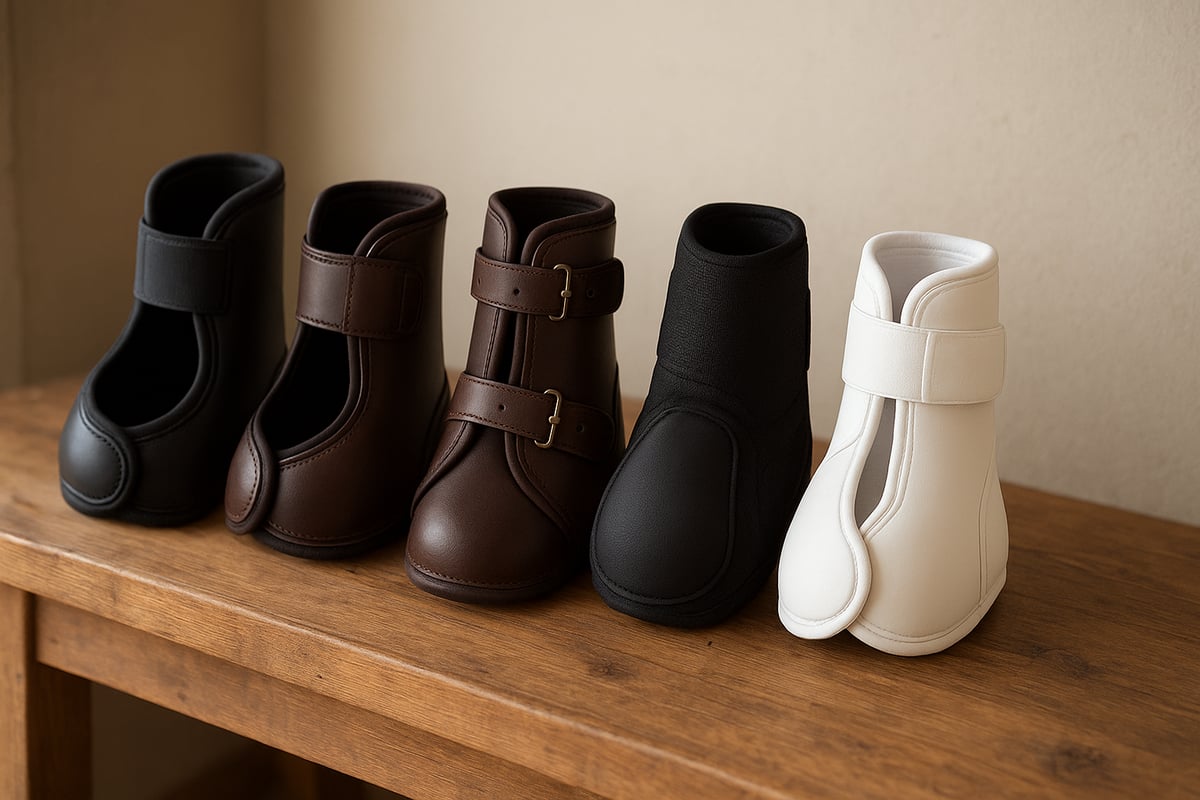
Open front tendon boots are widely favored in disciplines like show jumping. These boots shield the back of the leg while leaving the front open, allowing the horse to feel poles and improve jump technique. Closed tendon boots, in contrast, offer full coverage, protecting both front and rear tendons from knocks, overreach, and brushing injuries.
For daily training or cross-country, closed designs deliver superior protection against unpredictable impacts. Many riders alternate between open and closed tendon boots depending on their horse’s activity and risk level. Exploring the Horse Boots & Leg Protection Collection can help you compare different styles and find the best fit for your needs. Selecting the correct tendon boots type is essential for maximizing both safety and performance.
Understanding Tendon Boot Materials and Design
The evolution of tendon boots materials has brought remarkable improvements in equine leg care. Traditional leather and neoprene remain popular for their durability and classic look. However, modern synthetics like TPU, gel, and mesh provide lightweight, breathable, and shock-absorbing alternatives.
| Material | Benefits | Drawbacks |
|---|---|---|
| Leather | Durable, classic style | Needs regular care |
| Neoprene | Flexible, affordable | Can trap heat |
| TPU/Gel | Lightweight, absorbs shock | May cost more |
| Mesh | Breathable, quick-dry | Less traditional |
Innovations such as faux fur and memory foam linings offer hypoallergenic comfort and easy cleaning. These advances ensure tendon boots deliver both protection and comfort, keeping your horse’s legs healthy and cool.
Advanced Materials and Technology to Look For
While traditional materials like leather and neoprene have served horses well for years, recent advancements in technology offer even better protection and comfort. Look for boots made with materials like thermoplastic polyurethane (TPU) or carbon fiber shells. These materials are incredibly tough yet lightweight, providing a rigid barrier against hard impacts without weighing your horse down. Inside, you'll often find shock-absorbing gel or memory foam linings that conform to your horse's leg for a custom fit and dissipate energy from strikes. These modern designs also prioritize breathability with features like ventilation slots and perforated materials, which help prevent overheating—a common issue with older neoprene boots. For a closer look at how different materials stack up, this guide to protective horse boots offers a great breakdown. Investing in boots with these features ensures your horse gets state-of-the-art protection for peak performance and long-term soundness.
Matching Your Boots to Your Riding Discipline
Tendon boots are not one size fits all. Dressage riders often seek streamlined, flexible boots that allow for freedom of movement and precise leg cues. Show jumpers prioritize boots with open fronts for improved jump technique, while eventers and cross-country riders need maximum coverage and shock absorption.
Popular models like the Schockemöhle Sports Air Flow and Equestrian Stockholm collections are designed for specific disciplines. Everyday schooling may require all-purpose tendon boots that balance protection and flexibility. Choosing discipline-appropriate tendon boots ensures your horse receives the right support for every ride.
Boots for English Disciplines
If you ride in an English discipline, your choice of tendon boot is closely tied to your specific sport. For show jumpers, open front boots are a go-to. They are designed to shield the tendons at the back of the leg from fence knocks but leave the front exposed. This allows your horse to feel the rails, which can encourage a cleaner and more careful jumping technique. Eventers, however, require more comprehensive protection for the demanding cross-country phase. They typically use robust, closed-front boots that offer 360-degree coverage to guard against impacts from solid obstacles and rugged terrain. Many modern boots also incorporate innovations like memory foam and hypoallergenic faux fur linings, providing exceptional comfort and easy cleaning for busy competitors.
Boots for Western Disciplines
Western sports like reining, cutting, and barrel racing demand explosive power and agility. The quick stops, sharp turns, and fast work involved in these events put significant stress on a horse's lower legs. Tendon boots for Western disciplines are built to provide a tough barrier against impact, overreaching, and brushing injuries that can occur during these high-intensity maneuvers. They need to be durable enough to withstand sliding stops yet flexible enough not to restrict movement. Even during everyday schooling or trail riding, a reliable pair of boots is a smart choice to protect against unexpected hazards from uneven ground or stray obstacles, ensuring your horse stays sound for every ride.
Getting the Perfect Fit: A Sizing Guide
Proper sizing is crucial for tendon boots to function effectively. Standard sizes such as COB, FULL, and XL are common, but some brands offer custom-fit solutions for horses with unique leg shapes. Boots that are too loose may slip, while those that are too tight can cause chafing or restrict movement.
Always measure your horse’s legs before purchasing tendon boots and check for a snug, secure fit. Adjustable straps and ergonomic shaping help accommodate various leg conformations. The right fit ensures tendon boots stay in place and deliver optimal protection.
Picking Your Boot Color and Style
Beyond function, tendon boots offer a range of color and style options to complement any show attire. Classic black and brown remain popular for their versatility, while white boots are a favorite in dressage for their clean, polished look.
Some brands provide trendy hues and limited-edition patterns, allowing riders to express personal style. Matching tendon boots to saddle pads, jackets, or team colors can create a cohesive and professional appearance in the ring. Ultimately, selecting tendon boots that balance style and substance will help you and your horse stand out with confidence.
Shop This Post

Featured in this article
Shires Arma Overreach Bell Boots - 6mm Rubber Shock Absorbing Double Touch-Close - Multiple Sizes
$19.99
Shop Now →
Exploring Other Types of Protective Horse Boots
While tendon boots are a staple for many riders, they are just one part of a comprehensive leg protection strategy. Different activities and specific needs call for different types of boots. Understanding the full range of options ensures you can provide tailored protection for your horse in any situation, from a quiet hack to a demanding competition. Let's look at some other essential types of protective horse boots that every owner should know about.
Brushing Boots for Everyday Protection
Think of brushing boots as the reliable, all-purpose workhorse of your tack room. Designed for everyday riding, including flatwork, hacking, and light jumping, they offer fantastic general protection. Their main job is to shield the entire lower leg from knocks and scrapes, particularly from "brushing"—when a horse's hoof accidentally strikes the opposite leg. They are also a great choice for turnout, providing a layer of defense against minor bumps and impacts in the field. Because of their versatility and ease of use, brushing boots are often the first type of boot a horse owner buys.
Fetlock Boots for Hind Leg Safety
Fetlock boots are specifically designed for the hind legs to protect the delicate fetlock joint. During movement, especially at faster gaits or during athletic efforts like jumping, a horse's hind legs can interfere with each other or even strike the front legs. These boots provide a tough, protective shield over the inner part of the fetlock, absorbing impact and preventing painful injuries. They are often used in conjunction with tendon boots on the front legs, creating a complete set of protection for show jumping and other disciplines where hind leg interference is a common risk.
Over Reach (Bell) Boots for Heel and Hoof Care
Over reach boots, commonly known as bell boots, are essential for protecting the front heels and coronary band from being struck by the hind hooves. This action, called "overreaching," can cause painful injuries and even pull off a front shoe. Bell boots are incredibly versatile and can be used during nearly any activity, from intense exercise and jumping to daily turnout. They are a simple yet highly effective tool for preventing lost shoes and protecting the sensitive heel bulbs, making them a must-have for many horses, especially those with a short back or long stride.
Specialized Boots for High-Impact Sports
When the intensity ramps up, so should the level of protection. For high-impact disciplines like cross country or advanced dressage, standard boots may not offer enough defense against the serious risks involved. Specialized boots are engineered with advanced materials and robust designs to withstand the unique demands of these sports, providing maximum security when your horse needs it most. These boots are a critical investment for competitors looking to safeguard their horse's soundness and performance at the highest levels.
Cross Country Boots
Cross country riding is one of the most demanding equestrian sports, requiring boots that offer maximum, all-around protection. Cross country boots are built to be tough, lightweight, and breathable. They feature a very hard, reinforced strike pad to protect against impacts with solid obstacles like logs and walls. Unlike other boots, they are also designed not to absorb water, which keeps them from becoming heavy and slipping down the leg during water jumps. This comprehensive protection is vital for keeping a horse safe and confident on course.
Schooling Boots
For riders focused on advanced flatwork or dressage, schooling boots offer a step up in protection from standard brushing boots. They typically feature a harder outer shell that provides more substantial defense against knocks and strikes that can occur during complex lateral movements or collection. While still offering flexibility, these boots give riders peace of mind that their horse's legs are shielded during intense training sessions where precision and power put extra stress on the limbs. They strike a perfect balance between robust protection and the freedom of movement required for high-level schooling.
When to Use Boots: Riding, Turnout, and Travel
Protective boots aren't just for riding. Their use extends to any situation where a horse's legs might be at risk. During turnout, boots can prevent injuries from playful antics or rough ground in the pasture. For travel, shipping boots or wraps are crucial for protecting legs from bumps and scrapes in the trailer, where a sudden stop or shift can easily cause an injury. By thinking about leg protection beyond your time in the saddle, you can significantly reduce the risk of preventable injuries and ensure your horse stays safe and sound around the clock.
Bandages: An Alternative to Boots
Polo wraps and other bandages are a traditional alternative to boots, offering a snug, custom fit that conforms perfectly to the leg. Many riders prefer them for the support and protection they provide during flatwork and schooling. Bandages can be useful for horses with uniquely shaped legs that don't fit well in standard boots. However, their effectiveness is entirely dependent on correct application. Unlike boots, which are relatively straightforward to put on, bandages require skill and practice to apply safely and effectively, making them a tool that demands respect and knowledge.
Proper Application and Safety Warnings
Applying bandages incorrectly can do more harm than good. If wrapped too tightly, they can restrict blood flow and cause serious damage to the tendons and ligaments—an injury known as a "bandage bow." It is essential to use them with appropriate padding underneath to distribute pressure evenly and provide cushioning. Always ensure the tension is firm but not tight, and never leave bandages on for extended periods. If you're new to bandaging, ask an experienced professional to teach you the proper technique to ensure you are protecting, not harming, your horse's legs.
How to Pick the Perfect Tendon Boots for Your Horse
Selecting the ideal tendon boots for your horse is a crucial step in safeguarding their athletic future. With a wide variety of options available, knowing how to assess your horse’s needs and the boots’ features will make all the difference. Below, we break down the process into actionable steps so you can make an informed, confident decision.
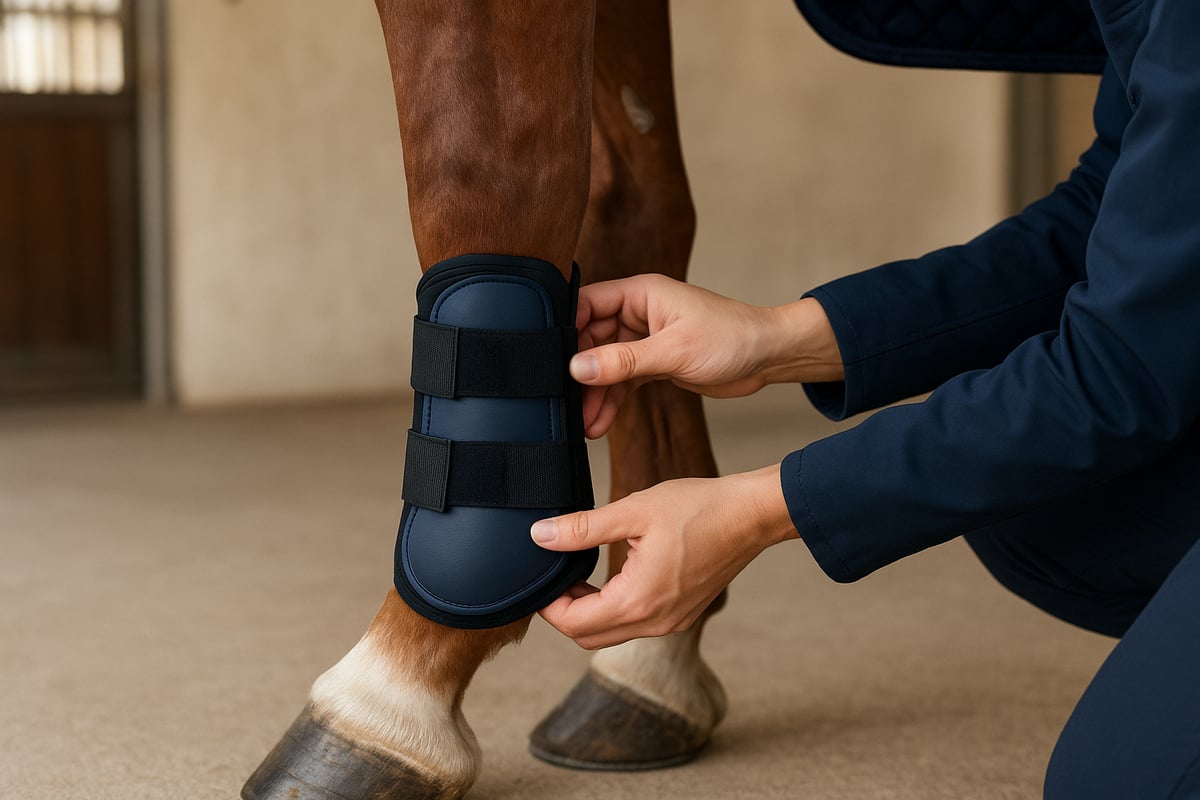
What Does Your Horse Really Need in a Boot?
Every horse is different, so your first step is to evaluate the specific demands your horse faces. Consider their discipline: do they compete in show jumping, dressage, or eventing? Each activity places unique stress on the legs, influencing your tendon boots choice.
Factor in your horse’s age, training intensity, and any history of leg injuries. Horses with prior tendon or ligament issues may require more advanced protection. Conformation also matters; those with close-set legs might need additional coverage to prevent brushing injuries.
Consult with your veterinarian or trainer to discuss your horse’s individual risk profile. Their insights will help you select tendon boots that match your horse’s athletic goals and safety requirements.
How to Spot a High-Quality Tendon Boot
Once you know your horse’s needs, examine the features that set quality tendon boots apart. Look for boots offering reliable impact resistance, superior breathability, and adjustable straps for a secure fit. Lightweight materials reduce fatigue, while a soft lining prevents chafing during long rides.
Prioritize reputable brands with proven safety certifications, and always check for durability. Price ranges vary, but investing in quality usually pays off in protection and longevity. For a curated selection of tendon boots and related gear, explore the Horse Protection Essentials Collection to compare leading options.
Test the closure system: Velcro, buckles, or quick-release tabs each offer different benefits. Remember, the right tendon boots should combine comfort, safety, and functionality.
Ensuring the Perfect Fit: A Step-by-Step Guide
Proper fit is essential for tendon boots to work effectively. Start by measuring your horse’s legs with a soft tape measure, noting both circumference and length. Refer to sizing charts from boot manufacturers to choose the correct size.
Place the boots on clean, dry legs. Fasten straps snugly, ensuring there are no gaps or pressure points. The boots should not slide, twist, or pinch the skin. Check for symmetrical placement on both legs for balanced protection.
After the initial fitting, walk your horse and observe movement. Well-fitted tendon boots will stay in place without causing discomfort or restricting motion.
Common Mistakes When Choosing Tendon Boots
Avoid choosing tendon boots based solely on appearance. While style matters, function and fit should always come first. Be wary of using open-front boots for high-speed or cross-country activities, as these may not provide sufficient coverage.
Do not ignore discipline-specific requirements. For instance, dressage horses often benefit from streamlined, flexible boots, while eventers need robust, all-around protection. Overlooking the need for easy maintenance can result in boots that quickly deteriorate.
Finally, always read care instructions and consider durability. Selecting tendon boots that are hard to clean or prone to wear can compromise your horse’s safety.
Is It Time to Replace Your Horse's Tendon Boots?
Regularly inspect your tendon boots for signs of wear. Look for cracked shells, frayed straps, compressed padding, or broken fasteners. Using boots past their prime can significantly reduce leg protection and increase the risk of injury.
If you notice persistent slippage or the boots no longer maintain their shape, it is time for a replacement. Frequent riders should check their gear more often, especially after intense training or competitions.
Prioritizing timely replacement ensures your horse remains protected every ride.
Our Favorite Tendon Boots from Hooves and Paws
Hooves and Paws has been a go-to resource for equestrians since 1994. Their selection of tendon boots covers both budget-friendly and premium brands, so every rider can find the right fit.
Customers benefit from expert advice and a satisfaction guarantee, making it easy to shop with confidence. With free US shipping and attentive customer service, Hooves and Paws supports you in keeping your horse protected.
Explore their curated product range for horses, riders, and pets to meet all your equestrian needs.
Your Step-by-Step Guide to Using Tendon Boots
Before you put tendon boots on your horse, careful preparation and methodical steps are essential for safety and comfort. This guide will lead you through each stage, ensuring your horse enjoys maximum protection with every ride.
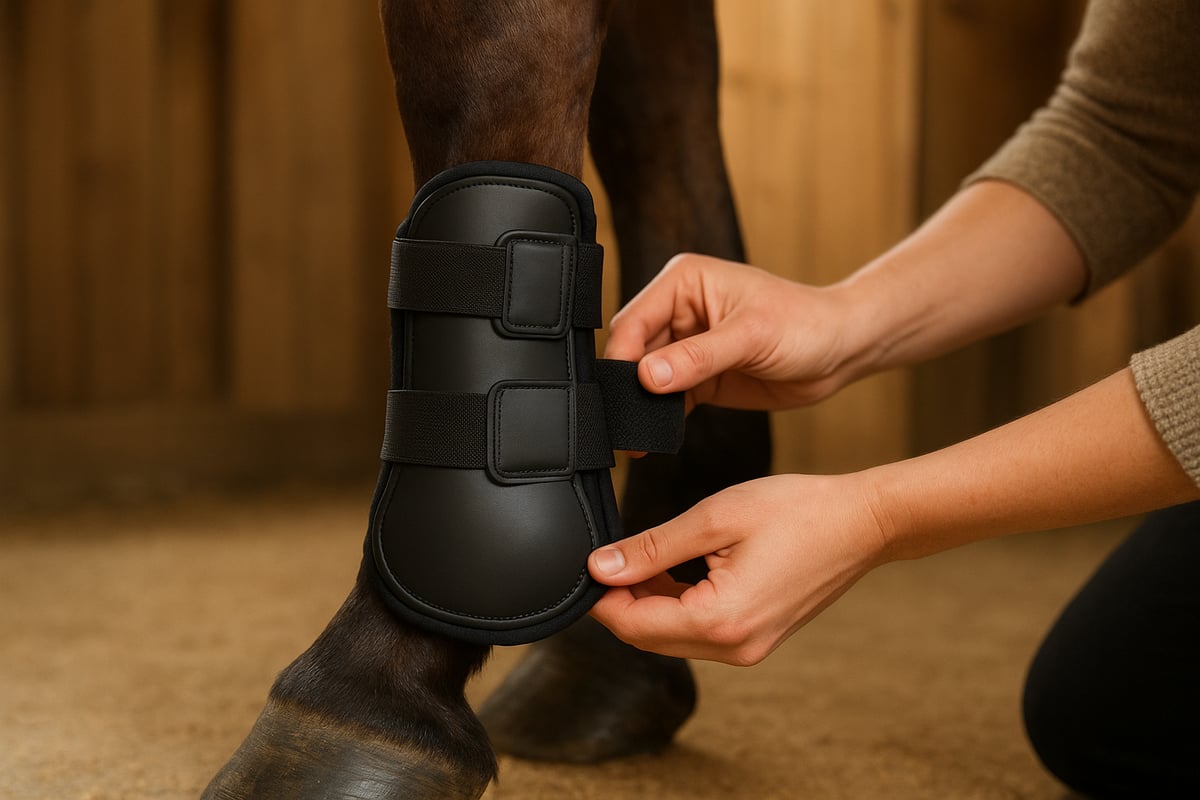
Before You Boot: Prepping Your Horse's Legs
Start by ensuring the legs are completely clean and dry. Dirt or moisture trapped under tendon boots can lead to irritation or sores, especially after exercise. Take a soft brush to remove dust and loose hair, then use a towel to dry any dampness.
Inspect your horse’s legs for cuts, swelling, or heat. Address any wounds before using tendon boots, as even minor injuries may worsen under a boot. This step helps you catch early signs of strain or injury, setting the foundation for safe leg protection.
Getting It Right: Applying the Boots Securely
Proper placement of tendon boots is critical. Position the boot so it covers the tendons and ligaments without pressing on the knee or fetlock. Fasten the straps securely but not tightly—there should be even contact without pinching.
Follow these steps for best results:
- Place the boot in the center of the leg, ensuring full tendon coverage.
- Close straps from front to back, maintaining equal tension.
- Check that both legs look symmetrical in boot placement.
For a broader overview of leg protection and additional visual guides, consider the advice in the Ultimate Horse Leg Protection Guide.
The Dangers of Overtightening Straps
It’s a common mistake to think tighter straps mean more security, but this can do more harm than good. Pulling the straps too tight can restrict blood flow, create painful pressure points, and even hurt the horse's leg by damaging the very tendons you’re trying to protect. A boot that’s too tight can cause discomfort, sores, and long-term soundness issues. The goal is to achieve a snug fit that prevents the boot from slipping or twisting, not to constrict the leg. You should be able to slide one finger comfortably between the fastened strap and your horse’s leg. This ensures the boot is secure enough to stay in place without pinching the skin or impeding circulation, providing protection without compromising your horse's well-being.
What to Watch For While Your Horse Wears Boots
After the tendon boots are on, watch your horse during warm-up and throughout the session. Check for any shifting, rubbing, or signs of discomfort, such as stomping or excessive tail swishing.
Pause during breaks to feel for heat or swelling under the boots. A well-fitted pair should stay in place and not cause any irritation. Monitoring ensures the boots continue to offer protection without introducing new risks.
After the Ride: How to Remove and Check Your Boots
Once your ride is finished, gently unfasten the tendon boots, supporting the horse’s leg as you remove them. Avoid pulling hair or causing discomfort, especially if the boots are damp from sweat.
Examine both the boots and the legs. Look for dirt, moisture, or abrasions, and check that the boots are clean and undamaged. Wipe them down after each use to prevent buildup of grime, which can lead to skin issues.
What If the Boots Slip or Rub? A Troubleshooting Guide
Even with proper technique, you may encounter challenges using tendon boots. Slipping or twisting often results from poor fit or worn-out straps. Chafing can occur if the lining is rough or the boot is too tight.
Address these issues as follows:
- Adjust or replace straps that have lost elasticity.
- Switch to boots with softer, hypoallergenic linings for sensitive horses.
- Consult with a professional boot fitter if your horse has an atypical leg shape.
Persistent problems indicate it is time to reassess your boot choice or fitting method.
Let's Walk Through a Real-Life Example
Consider an event horse whose performance improved after switching to anatomically shaped, ventilated tendon boots. The horse previously experienced minor skin irritation and occasional swelling after cross-country sessions.
With the new boots, fit and breathability increased. The horse showed better movement, and post-ride swelling disappeared. This demonstrates how correct selection and fitting of tendon boots can significantly impact both comfort and performance.
Make Your Tendon Boots Last: A Care Guide
Keeping your tendon boots in top condition is vital for your horse’s safety and comfort. Proper maintenance not only extends the life of your gear but also protects your investment and your horse’s legs. Follow these best practices to ensure your boots remain effective, hygienic, and ready for every ride.
How to Clean Your Tendon Boots
Daily cleaning is the foundation of effective tendon boots care. After each ride, gently brush off dirt, sand, and hair using a soft brush. For boots with more stubborn grime, rinse with cool water and allow them to air dry away from direct sunlight. Deep clean weekly with mild soap, focusing on removing sweat and bacteria.
For specific cleaning tips, consult your boot’s manufacturer instructions. For example, Professionals Choice Sports Medicine Boots recommend hand washing and air drying to maintain shape and elasticity. Consistent cleaning helps prevent skin irritation and keeps the boots performing at their best.
Caring for Leather vs. Synthetic Boots
Different materials require tailored care. Leather tendon boots benefit from regular conditioning after cleaning to prevent cracking and maintain flexibility. Avoid soaking leather in water; instead, use damp cloths and specialty leather products.
Synthetic options, like TPU or neoprene, are often machine-washable and quick drying. Faux fur and memory foam linings need gentle hand washing and thorough air drying to avoid matting or mildew. Always check for colorfastness before using any cleaning product on colored tendon boots.
How to Store Your Boots Properly
Proper storage is essential for preserving tendon boots between uses. Always allow boots to dry completely before storing to prevent mold growth. Choose a cool, dry, and ventilated area—never leave boots in a damp tack box or direct sunlight.
Organize your tendon boots using boot bags, racks, or shelves to keep pairs together and maintain their shape. Avoid stacking heavy objects on top, which can compress padding or distort the boot structure. Good storage habits reduce wear and keep your equipment looking professional.
How to Inspect Your Boots for Damage
Regular inspection is a crucial part of tendon boots maintenance. Before and after each ride, check for cracked shells, worn straps, and compressed or uneven padding. Pay close attention to fasteners and stitching, as loose parts can compromise fit and safety.
Staying vigilant reduces the risk of injury. For more on why timely inspection matters, see Preventing Tendon Injury and Reinjury in Horses, which highlights the importance of proactive leg protection. Replace boots at the first sign of significant damage to ensure consistent protection.
Simple Tips to Make Your Boots Last Longer
Maximize the longevity of your tendon boots with a few simple strategies. Rotate between multiple pairs if you ride frequently, giving each set time to dry and recover their shape. Address minor repairs—like loose stitching or worn straps—promptly to avoid bigger issues.
If boots show persistent odors, deep clean with specialized disinfectants. Remember, even with the best care, all tendon boots have a lifespan. Replace them as soon as protective qualities begin to diminish. Investing in maintenance pays off with lasting safety and savings.
How Weather Affects Your Horse's Boots
Sustainability is becoming a priority in equestrian gear. When choosing tendon boots, consider options made from recyclable or eco-friendly materials. Some brands now offer boots with biodegradable linings or sustainably sourced leather.
Dispose of old tendon boots responsibly. Many materials can be recycled or repurposed for other uses, such as barn chores or training aids. By making environmentally conscious choices, you support both your horse and the planet.
Expert Tips and Frequently Asked Questions (FAQ)
When it comes to tendon boots, even experienced horse owners often have questions. The right knowledge can make the difference between optimal protection and unnecessary risk. Below, you will find expert tips, answers to common concerns, and the latest trends, so you can make informed decisions for your horse’s leg health.
What the Pros Say: Tips from Trainers and Vets
Trainers recommend matching tendon boots to the intensity of each session. For example, lightweight boots suit flatwork, while reinforced models offer extra security for jumping. Vets urge daily inspection of your horse’s legs, especially under boots, to catch early signs of irritation or swelling.
Never leave tendon boots on for prolonged periods. Overuse can lead to overheating or skin issues. Regularly consult your veterinarian to review your boot choices, especially if your horse has sensitive skin or a history of leg injuries.
Remember, the fit and type of tendon boots can directly influence comfort and performance. Prioritize a snug, even fit and adjust as your horse’s needs change with training or age.
Your Top Questions About Tendon Boots, Answered
Many riders worry about overheating, legality, or horses resisting tendon boots. Modern designs feature advanced ventilation systems to minimize heat, making them suitable even in warm weather. For example, mesh panels and breathable linings help regulate temperature.
Competition rules evolve, so always verify tendon boots meet the latest regulations for your discipline. Horses that dislike boots may need gradual acclimation or alternative materials. Studies like the Effects of Wearable Therapies on Jump Performance in Sport Horses show that carefully chosen boots can enhance performance without discomfort.
If persistent issues arise, consult a professional boot fitter or equine behaviorist for tailored solutions.
Common Myths About Tendon Boots, Busted
Let’s clear up some frequent myths. One misconception is that all tendon boots are the same. In reality, design differences impact protection, breathability, and fit. Another myth is that boots make horses lazy, but evidence does not support this claim.
It’s important to distinguish tendon boots from other leg protection like fetlock boots or bandages. Each serves a unique function and must be chosen based on your horse’s activity. Research such as the Mechanical Effect of Performance Pressure Boots on Cadaveric Equine Hindlimb Fetlock Biomechanics underscores how specific boot types affect limb mechanics, reinforcing the importance of informed selection.
Always seek evidence-based advice before making decisions about your horse’s protective gear.
What's New in Tendon Boot Design and Tech?
The world of tendon boots continues to evolve. Smart boots with integrated sensors are emerging, offering data on movement and impact. Eco-friendly materials and ethical manufacturing practices are gaining traction, appealing to environmentally conscious riders.
Customization is another growing trend. Riders can now select personalized fits, colors, and even engravings to match their preferences and show attire. These advancements ensure tendon boots are both functional and stylish for every discipline.
Stay updated with reputable brands to benefit from these cutting-edge developments in equine leg protection.
Helpful Resources for Horse Owners
Continuous education is key for effective tendon boots use. Look for fitting clinics, online tutorials, and manufacturer guidelines. Professional organizations and equestrian forums provide valuable insights and peer support.
Recommended resources include veterinary webinars, reputable horse magazines, and accredited trainers. Always verify information with certified experts, especially regarding new products or controversial topics in leg protection.
For hands-on help, consider scheduling a session with a local boot fitter or attending an equestrian expo.
Your Quick Reference Chart for Tendon Boots
Below is a comparison of top tendon boots for 2026, summarizing key features and price ranges:
| Model | Main Feature | Price (USD) | Discipline |
|---|---|---|---|
| Schockemöhle Air Flow | Ventilated, lightweight | $139.00 | Jumping, General |
| Equestrian Stockholm Mesh | Breathable, flexible | $179.00 | Dressage, Schooling |
| Classic Leather Pro | Traditional, durable | $109.95 | Multi-purpose |
Choosing the right tendon boots from these trusted models ensures your horse receives optimal protection, comfort, and style tailored to every need.
After exploring the latest tips and expert recommendations for choosing and caring for tendon boots, you’re now equipped to make informed decisions that truly protect your horse’s legs. If you’re ready to put this knowledge into action, I encourage you to check out the curated selection at Hooves and Paws. With their decades of experience, free US shipping, and a wide range of trusted brands, you can confidently find the perfect tendon boots for your horse’s unique needs. Take the next step toward safer, more enjoyable rides—Buy Now.
Key Takeaways
- Protection is a Priority, Not an Option: For any horse in consistent work, tendon boots are a fundamental piece of safety equipment. They provide a crucial shield against accidental knocks and brushing injuries that can lead to serious, long-term soundness problems.
- Match the Boot to Your Riding Discipline: The most effective boot is one designed for your specific activity. Choose open-front styles for show jumping, full-coverage boots for cross-country, and flexible, breathable options for dressage and daily schooling.
- Proper Fit and Maintenance are Everything: A boot's protective value is completely lost if it fits poorly or is worn out. Ensure a snug, secure fit without overtightening, and regularly clean and inspect your boots for damage to guarantee they function correctly every ride.


