


Is your dog constantly shaking their head or scratching their ears? Those aren't just quirky habits—they're often the first signs of discomfort from wax and dirt buildup. It's easy to worry, but a gentle cleaning can usually solve the problem before it gets worse. Learning how to clean dog's ears at home is a fundamental skill for any dog owner. It helps you protect their health and spot potential issues early. We'll walk you through a safe, stress-free method that keeps your best friend comfortable and their ears healthy.
Key Takeaways
- Stick to Vet-Approved Tools for Safety: Your dog's ears are delicate, so skip the Q-tips and DIY solutions. A proper canine ear cleaner and soft cotton balls are all you need to effectively remove debris without causing irritation or injury.
- Make Cleaning a Positive Routine: The key to success is keeping your dog calm. Follow the simple steps of applying solution, massaging the ear's base, letting them shake, and wiping gently. Use plenty of treats and praise to build a good association with the process.
- Recognize When to Call the Veterinarian: Routine cleaning is for maintenance, not for treating problems. If you notice a strong odor, heavy discharge, redness, or if your dog is in pain, stop immediately. These are signs of a potential infection that requires a professional.
Is It Really Necessary to Clean Your Dog's Ears?
Just like brushing their coat or trimming their nails, cleaning your dog’s ears is a fundamental part of their grooming routine. It might not be the most glamorous task, but it’s one of the most important for their health and happiness. Think of it as preventative care that keeps your best friend comfortable and helps you stay ahead of potential problems. A few minutes of gentle cleaning can save your dog from a lot of discomfort—and save you from an unexpected vet bill. Let's get into why this simple habit makes such a big difference.
Understanding Your Dog's Ear Anatomy
Before you reach for the ear cleaner, it helps to know what you’re working with. A dog’s ear is structured differently than ours, and understanding this basic anatomy is the key to cleaning their ears safely and confidently. The main differences actually make at-home care much less intimidating than you might think. Knowing the unique shape of their ear canal and what healthy ear wax looks like will give you a solid baseline. This way, you can easily spot when something is off and know that your gentle cleaning routine is helping, not hurting, your furry friend.
The L-Shaped Ear Canal
The biggest thing to know is that your dog's ear canal isn't a straight shot like a human's. Instead, it's shaped like an "L," with a vertical canal that goes down and then takes a sharp turn horizontally toward the eardrum. According to the Cornell University College of Veterinary Medicine, this anatomy means the eardrum is tucked away deep inside, well-protected from gentle cleaning. When you apply a cleaning solution and wipe out the ear, you're only working in the outer, vertical part of the canal. This is where most wax, dirt, and debris get trapped, so you can clean effectively without ever getting close to the delicate inner structures.
What Normal Ear Wax Looks Like
It’s also important to know what a healthy ear looks like so you can recognize a problem. Don't aim for a completely spotless, wax-free ear. A small amount of wax is not only normal but also beneficial, as it helps trap dirt and protect the ear canal. Healthy ears should be a light pink color and free of any strong, foul odors. According to Wedgewood Pharmacy, normal earwax is typically a thin, clear or slightly cloudy layer. Take a peek inside your dog’s ears regularly to learn what their personal "normal" is. This will make it much easier to spot changes like excessive dark brown discharge, redness, or swelling, which are all signs you should call your vet.
Stop Painful Ear Infections Before They Start
A dog's ear canal is a warm, dark environment, which unfortunately makes it the perfect breeding ground for yeast and bacteria. Moisture from swimming or bathing, allergens in the air, or even the charmingly floppy shape of your dog’s ears can trap debris and lead to painful infections. Regular cleaning helps clear out this buildup before it becomes a problem. It’s a simple way to maintain your dog's overall wellness and is a key part of their health essentials. However, if you notice a strong odor, excessive discharge, redness, or if your dog is in pain, don't attempt to clean. These are signs of an existing infection that needs a veterinarian's attention.
Improve Your Dog's Comfort and Hygiene
Beyond preventing infections, routine ear cleaning is simply about keeping your dog comfortable. Imagine having something stuck in your ear—it’s irritating! Wax, dirt, and debris can build up and cause itchiness and general discomfort for your pup. A healthy, clean ear should be pale pink, free of odor, and have minimal visible wax. By gently wiping them out, you’re not just cleaning; you’re ensuring your dog feels their best. Keeping the right grooming supplies on hand makes this process easy. Remember to always be gentle, and if your dog shows any signs of pain during the cleaning, it's best to stop and consult your vet.
Your Safe Dog Ear Cleaning Checklist
Before you even think about bringing your dog over for a cleaning, it’s essential to have all your supplies ready and within arm's reach. Fumbling for cotton balls while trying to keep a wiggly pup calm is a recipe for stress. Setting up your station beforehand makes the entire process smoother, safer, and much more pleasant for both of you. The right tools not only clean effectively but also protect your dog’s delicate ear canals from irritation or injury. Think of it as your pre-flight checklist for a successful and gentle ear cleaning session.
Your Go-To Cleaning Supplies
The most important item on your list is a high-quality, veterinarian-approved ear-cleaning solution made specifically for dogs. Human products or home remedies can do more harm than good. Look for a gentle formula that is free of alcohol, hydrogen peroxide, or other harsh chemicals that can sting or irritate the sensitive skin inside the ear. A proper cleaning solution is designed to break down wax and debris without causing discomfort. We recommend choosing from a selection of trusted health essentials to ensure you’re using a product that is both safe and effective for your best friend.
Vet-Approved Ear Cleaning Solutions
When you're choosing an ear cleaner, the ingredient list is everything. The right formula will gently break down wax and debris, making it easy to wipe away, while the wrong one can cause stinging and irritation. Veterinarians agree that you should always use a gentle ear cleanser specifically made for pets, avoiding harsh chemicals like alcohol or hydrogen peroxide which can aggravate sensitive tissue. That’s why we’re so particular about the products we offer. Our selection of health essentials includes only gentle, effective ear cleaners from brands trusted by veterinary professionals. We handpick every item to ensure it meets our high standards for safety and quality, so you can clean with confidence.
Helpful Tools for a Gentle Clean
Once you have your cleaning solution, you’ll need something to gently wipe away the loosened debris. Cotton balls or soft gauze pads are perfect for this task. They are absorbent and gentle enough for the visible parts of your dog’s ear. It’s also a great idea to have a clean, dry towel handy to protect your clothes and furniture from any solution your dog might shake out. And don't forget the most important tool of all: high-value treats! Having delicious rewards on hand will help create a positive association with ear cleaning for future sessions.
What to Avoid When Cleaning Your Dog's Ears
Knowing what not to use is just as critical as knowing what to use. Never use cotton swabs (like Q-tips) inside your dog’s ear canal. It’s incredibly easy to accidentally push wax and debris deeper into the ear, which can lead to impaction or even damage the eardrum. According to the Merck Veterinary Manual, this is one of the most common and dangerous mistakes owners make. Stick to wiping only the parts of the ear you can easily see. Also, avoid any DIY solutions, alcohol-based wipes, or anything not explicitly formulated for canine ears, as these can cause painful irritation and inflammation.
Shop This Post

Featured in this article
Zymox Otic Pet Ear Care with 0.5% Hydrocortisone - Enzymatic Ear Solution for Dogs & Cats - 1.25 oz
$22.49
Shop Now →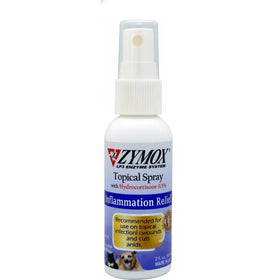
How to Clean Your Dog's Ears: A Step-by-Step Guide
With your supplies ready, it’s time to get started. Remember, the goal is to make this a comfortable and positive routine, not a wrestling match. By following these simple steps, you can clean your dog’s ears safely and effectively, turning a potentially tricky task into a moment of care. If your dog seems anxious, take it slow and don’t be afraid to break the process into smaller parts. Your patience will help your dog learn that ear cleaning is nothing to worry about.
Step 1: Find a Calm, Comfortable Spot
Your dog can sense your energy, so the first step is to make sure you’re both relaxed. Choose a time when your dog is already calm, like after a long walk or before a nap. Find a quiet, comfortable spot in your home where you won’t be interrupted. Before you bring your dog over, lay out all your supplies—the cleaning solution, cotton balls or gauze, a towel, and some tasty treats. This way, you won’t have to scramble for anything mid-clean. Speak to your dog in a soft, reassuring voice and offer a few gentle pets to let them know this is a positive interaction.
Step 2: Apply the Ear Cleaner
Gently hold your dog’s head and lift one ear flap straight up to expose the ear canal. This helps the cleaning solution travel down where it needs to go. Carefully place the tip of the ear cleaner bottle at the entrance of the ear canal—don’t insert it deep inside. Squeeze the bottle to fill the canal with the solution until you can see the liquid pooling at the opening. A good quality, vet-approved cleaner will do the work of breaking down wax without irritating the delicate skin inside the ear. Don’t worry if a little spills out; that’s what the towel is for.
A Note on Safety and Hygiene
When it comes to your dog’s ears, safety should be your top priority. The cardinal rule is to never use cotton swabs (like Q-tips) inside the ear canal. It might seem like an effective way to get a deep clean, but you risk pushing wax and debris further down, which can lead to impaction or even damage the eardrum. Instead, stick with vet-approved health essentials, like a gentle canine ear cleaner and soft cotton balls, to wipe only the visible parts of the ear. It's also crucial to avoid DIY solutions or products containing alcohol, as they can cause painful irritation. If your dog shows any signs of pain, or if you notice a strong odor, redness, or heavy discharge, stop the cleaning process immediately and call your vet. These are often signs of an infection that requires professional care, not just a simple cleaning.
Step 3: Massage the Ear Base (and Let Them Shake!)
This is the most important part for loosening stubborn wax and debris. With the solution still in the ear, gently massage the base of the ear for about 30 seconds. You should hear a squishing or swishing sound, which is a good sign that the cleaner is breaking up the gunk inside. After massaging, stand back and let your dog do what they’ll naturally want to do: shake their head. This is a crucial step, as the shaking helps bring all the loosened debris from deep inside the canal to the outer part of the ear where you can wipe it away.
Step 4: Gently Wipe the Outer Ear
After a good head shake, take a clean cotton ball or a piece of gauze and wrap it around your finger. Use it to gently wipe away all the visible wax and debris from the inner ear flap and the parts of the ear canal you can see. Never push your finger deeper than one knuckle into the ear. It’s critical to avoid using cotton swabs (like Q-tips), as they can easily push debris further into the ear or even damage the delicate eardrum. Just focus on cleaning the areas you can easily reach.
Don't Forget the Treats and Praise
Making ear cleaning a good experience is key to your long-term success. Throughout the process, offer plenty of praise in an upbeat voice. After you finish each ear, give your dog one of their favorite high-value treats and some affection. This helps build a positive association with the routine. According to Cornell University's College of Veterinary Medicine, consistent rewards are essential. If your dog shows signs of significant stress or pain, stop immediately. It’s always better to end on a positive note and try again another day than to force the issue.
How Often Should You Clean Your Dog's Ears?
Figuring out the right ear cleaning frequency for your dog isn't a one-size-fits-all situation. The perfect schedule depends on a few key factors, including their breed, lifestyle, and overall health. Some dogs might need a weekly cleaning, while others can go a month or more with just a quick peek to make sure everything looks good. Over-cleaning can be just as problematic as under-cleaning, as it can strip the ear canal of its natural, healthy wax and cause irritation.
The goal is to find a routine that keeps their ears clean and dry without causing any issues. For most dogs, a simple weekly check-in is a great place to start. This allows you to spot any changes, like excess wax or a funny smell, before they become bigger problems. By paying attention to your dog’s specific needs—from their floppy ears to their love of swimming—you can create a cleaning schedule that keeps them comfortable, happy, and healthy.
Finding Your Cleaning Rhythm
For a dog without a history of ear problems, a good rule of thumb is to check their ears weekly. You can make it part of your regular grooming routine, like after a bath or during a brushing session. Simply lift the ear flap and look inside for any dirt or wax buildup. If you see a small amount of debris, you can gently wipe it away with a piece of dry gauze or a cotton ball. Dogs who are frequent swimmers or spend a lot of time playing in the water may need their ears dried and cleaned more often to prevent moisture from getting trapped, which can lead to infections.
When to Clean After Swimming or Bathing
If your dog loves the water, whether it's a lake, a pool, or just the bathtub, cleaning their ears afterward is non-negotiable. Moisture is the number one culprit for creating an environment where yeast and bacteria can thrive, leading to painful infections. After any water-related activity, take a few moments to gently dry the inside of their ear flaps with a soft towel. Then, use a vet-approved cleaning solution to flush out any trapped water and debris. This is especially crucial for breeds with long, floppy ears, as their ear shape prevents air from circulating and drying the canal naturally. This simple step is one of the best ways to prevent problems before they start and is a key part of maintaining their overall wellness. Having the right health essentials on hand makes it easy to keep their ears healthy and comfortable after every swim or bath.
Does Your Dog's Breed Affect Cleaning Frequency?
Your dog’s breed plays a huge role in how often their ears need attention. Breeds with long, floppy ears, like Basset Hounds, Cocker Spaniels, and Beagles, are more prone to ear infections. Their ear shape traps moisture and debris, creating a warm, damp environment where yeast and bacteria can thrive. These dogs often benefit from weekly cleanings. On the other hand, dogs with upright ears, like German Shepherds and Siberian Huskies, have better air circulation, which helps keep the ear canal dry. They may only need their ears cleaned when you visibly see dirt.
Key Signs It's Time for a Cleaning
Your dog will usually let you know when their ears are bothering them. If you notice them scratching at their ears, shaking their head more than usual, or if you see redness and swelling, it’s time for a closer look. A mild, earthy odor or some visible wax can also be signs that a cleaning is due. However, it’s crucial to know when to clean and when to call the vet. If you see a large amount of dark discharge, notice a strong, foul odor, or if your dog seems to be in pain, don't attempt to clean the ear. These are common signs of an ear infection that require professional medical attention.
Common Dog Ear Cleaning Mistakes to Avoid
Knowing what not to do is just as important as knowing the right steps. When it comes to your dog’s delicate ears, a few common missteps can lead to irritation, pain, or even injury. By steering clear of these mistakes, you can ensure the cleaning process is safe, effective, and stress-free for both of you. The goal is to help your dog, not create new problems, so let’s walk through what to avoid.
Don't Use Q-Tips or Harsh Cleaners
It can be tempting to grab whatever you have on hand, but your dog’s ears require specific care. Never use cotton swabs (like Q-tips), as they can easily push wax and debris deeper into the ear canal, potentially causing a blockage or even puncturing the eardrum. Also, avoid harsh solutions like hydrogen peroxide or alcohol, which can irritate the sensitive skin inside the ear. Instead, always opt for a gentle, veterinarian-approved ear cleanser designed for dogs and use soft cotton balls or gauze to wipe the outer parts of the ear.
Resist the Urge to Over-Clean
More is not always better. Cleaning your dog’s ears too frequently can strip the natural, healthy oils from the ear canal and lead to irritation. For dogs with healthy ears, you only need to clean them when you notice they’re dirty. If your dog is prone to infections, a weekly or bi-weekly cleaning might be necessary, but it’s best to follow your vet’s advice. Most importantly, never force it. If your dog is showing signs of stress or pain, stop immediately. You can always try again later with more treats and praise to build a positive association.
Why You Should Avoid DIY Home Remedies
When you're trying to help your dog, it can be tempting to look up a quick home remedy. However, the internet is full of well-meaning but dangerous advice when it comes to ear cleaning. Solutions made with vinegar, alcohol, or hydrogen peroxide can seriously irritate the delicate skin inside your dog’s ear canal, causing stinging, inflammation, and making a minor issue much worse. As veterinary experts warn, anything not specifically formulated for canine ears can cause painful irritation. A professionally formulated ear cleaner is designed to match the specific pH of a dog's ear, effectively breaking down wax and debris without causing harm. Sticking to a vet-approved product is the safest and most effective way to care for your dog's ears.
Stick to Vet-Approved Products
While DIY solutions can be great for some things, your dog’s ear health isn’t one of them. Many homemade recipes found online contain ingredients like vinegar that can be too acidic and cause inflammation, making an underlying issue worse. Professionally formulated ear cleaners are pH-balanced specifically for a dog’s ear canal and often contain ingredients that help break down wax and dry the ear safely. Sticking with products made for pets ensures you’re using something both safe and effective. When in doubt, your vet is the best resource for product recommendations.
Know When It's Time to Call the Vet
While regular ear cleaning is a fantastic way to keep your dog healthy, it’s not a cure-all. Sometimes, you’ll notice issues that go beyond simple dirt and wax buildup, and that’s when it’s time to put down the cotton balls and pick up the phone. Knowing the difference between a routine clean and a situation that needs a professional eye is key to being a responsible pet parent. Your veterinarian is your best partner in your dog’s health, so never hesitate to reach out if you’re concerned about what you see in their ears.
Common Causes of Ear Problems
Understanding what causes ear issues can help you stay one step ahead. A dog's ear canal is a warm, dark environment, making it an ideal place for yeast and bacteria to grow. According to veterinary experts at Cornell University, common culprits include allergies, ear mites, and excess moisture. Allergies, whether from food or the environment, can cause inflammation that leads to infections. Moisture trapped after a swim or bath can also create the perfect conditions for an overgrowth of bacteria. Even your dog’s adorable floppy ears can work against them by limiting airflow and trapping debris, making them more susceptible to problems. Regular checks help you spot the early signs of these common issues.
The Risks of Untreated Infections
If you suspect your dog has an ear infection, it’s crucial to seek veterinary care right away. Ear infections are painful and almost never resolve on their own. Ignoring the signs can lead to much more serious complications that can affect your dog's long-term health. An untreated infection can spread deeper into the ear, potentially causing chronic issues, hearing loss, or even a ruptured eardrum. Your vet can properly diagnose the cause of the infection—whether it's bacteria, yeast, or mites—and prescribe the correct medication. Trying to treat it at home without a diagnosis can make the problem worse, so a professional consultation is always the safest and kindest choice for your dog.
How to Tell if Your Dog Has an Ear Infection
Ear infections are one of the most common reasons for a vet visit, and they can be quite uncomfortable for your dog. An infection, also known as otitis externa, can be caused by yeast, bacteria, or even tiny ear mites. If you notice your dog is suddenly scratching their ears a lot, shaking their head more than usual, or seems sensitive when you touch their head, it’s time for a closer look. Other tell-tale signs include redness or swelling inside the ear flap, a noticeable bad smell, or any kind of discharge. Catching these symptoms early can make treatment much easier.
Interpreting Ear Discharge
It’s important to know what a healthy ear looks like so you can spot trouble early. A normal, clean ear is typically pale pink and has a thin coating of pale-yellow wax. This is completely normal and helps protect the ear canal. However, if you notice a change in the discharge, it’s a clear signal to pay attention. According to veterinary experts, a thick, dark brown, or black discharge often points to a yeast or bacterial infection. Yellow or greenish discharge can also indicate a bacterial problem. Any discharge accompanied by a foul odor is a definite red flag. Don't try to clean an ear with abnormal discharge; instead, make an appointment with your vet for a proper diagnosis.
Symptoms of Inner Ear Infections
While many ear infections are limited to the outer canal, they can sometimes travel deeper, leading to a more serious inner ear infection. These infections present with more alarming symptoms that go beyond typical scratching and head shaking. You might notice your dog having trouble with their balance—they could be stumbling, walking in circles, or tilting their head to one side. Nausea, vomiting, and a sudden loss of appetite are also common signs. If you see any of these behaviors, it’s crucial to seek veterinary care immediately. An inner ear infection can be very painful and, if left untreated, can lead to permanent hearing loss or neurological issues.
Don't Ignore These Red Flags
If you’re about to clean your dog’s ears and notice any major red flags, stop immediately. You should not attempt to clean the ear yourself if you see blood, a large amount of dark, waxy buildup, or if your dog yelps or pulls away in pain. These are clear signs that something more serious is going on, like a significant infection or even a ruptured eardrum. Trying to clean an ear in this condition can cause more harm and pain. If the symptoms don't improve with routine cleaning or if your dog shows other signs of sickness, like lethargy or loss of appetite, a trip to the veterinarian is essential.
The Role of Cleaning When Using Medication
If your vet has diagnosed an ear infection and sent you home with medication, you might think the hard part is over. But there’s one more crucial step that makes all the difference in how well that treatment works: cleaning. Think of it as preparing the canvas before you paint. Properly cleaning your dog’s ear before applying medication ensures the medicine can actually reach the source of the problem. It’s a simple step that can significantly speed up your dog's recovery and get them back to feeling their best.
Why Cleaning Before Medicating is Crucial
An infected ear is often filled with waxy buildup, discharge, and other debris. If you simply add medicated drops on top of all that gunk, the medicine can’t penetrate through to the inflamed skin where it’s needed most. It’s like trying to apply ointment over a bandage. Cleaning first clears out this barrier, allowing the medication to make direct contact with the walls of the ear canal. According to the Cornell University College of Veterinary Medicine, this not only makes the treatment more effective but also helps remove the bacteria and yeast fueling the infection, which can help prevent it from coming back.
When to Time Cleaning and Medication
The timing for this two-step process is straightforward: always clean the ear before you apply any medication. This ensures the ear canal is as clear as possible right when the medicine is introduced. However, it's a good idea to ask your veterinarian if you should wait a specific amount of time between cleaning and medicating. As experts at VCA Animal Hospitals point out, some cleaning solutions can temporarily interfere with certain medications, making them less effective. Your vet can give you the best advice based on the specific cleaner and prescription they’ve recommended, ensuring your dog gets the full benefit of their treatment.
Create the Perfect Routine With Your Vet
Your vet is an incredible resource for creating a care routine that’s perfectly tailored to your dog. If your pup has chronic ear infections due to allergies or floppy ears that trap moisture, your vet can recommend a specific cleaning schedule and the best products to use. For an active infection, they might have you clean the ears daily, while a maintenance routine might be closer to every one or two weeks. Making weekly ear checks a part of your dog’s regular grooming helps you stay on top of their health and spot problems before they start. Your vet can guide you in choosing the right health essentials to keep your dog comfortable and healthy.
Related Articles
Frequently Asked Questions
How often should I actually be cleaning my dog's ears? There isn't a single magic number for every dog. The best approach is to check their ears weekly as part of your regular routine. If you see a bit of dirt or light wax, it's time for a gentle wipe. Dogs with long, floppy ears or those who love to swim will likely need more frequent cleanings than dogs with upright ears, simply because their ears trap more moisture and debris. The key is to clean when they're dirty, not just for the sake of a schedule.
My dog really fights me during ear cleanings. Any tips to make it easier? This is such a common challenge, so don't feel discouraged. The goal is to change their association with the process from something scary to something rewarding. Try breaking it down into tiny steps. One day, just touch their ear and give them a high-value treat. The next, lift the ear flap and give a treat. Work your way up slowly, keeping sessions short and positive. Using lots of praise and an extra-special treat that they only get during ear cleanings can make a world of difference.
What should I look for in a good ear cleaning solution? When you're choosing a cleaner, always look for a formula that is specifically made for dogs and approved by veterinarians. The most important thing is to find one that is gentle and free of harsh ingredients like alcohol or hydrogen peroxide, as these can sting and irritate the sensitive skin inside the ear. A quality solution will be pH-balanced to effectively break down wax and debris without causing your dog any discomfort.
How can I tell the difference between normal ear gunk and a real infection? This is a great question. Normal ear wax is usually a light brown color, doesn't have a strong smell, and is present in small amounts. An ear infection, on the other hand, often comes with more obvious signs. You might notice a strong, foul odor, a heavy discharge that looks like coffee grounds, or significant redness and swelling. If your dog is also shaking their head constantly or seems to be in pain, it's a clear signal to call your vet instead of reaching for the cleaner.
Is it ever okay to use a cotton swab, even just for the outer parts? It's best to avoid them entirely. Even with the best intentions, it is incredibly easy to accidentally push debris deeper into the ear canal, which can cause a painful impaction or even damage the eardrum. A soft cotton ball or a piece of gauze wrapped around your finger is much safer for wiping away any gunk you can easily see and reach on the outer ear flap.


