


Staring at a wall of spurs in a tack shop can feel overwhelming. There are long shanks, short shanks, spinning rowels, and simple knobs. How do you even begin to choose? The good news is that it’s less complicated than it looks. Selecting the right equestrian spurs isn’t about picking the fanciest design. It’s about finding the perfect match for your horse’s sensitivity, your riding discipline, and your own body control. The goal is always to use the lightest tool possible to get a clear response. This guide breaks down the different types, helping you understand each design so you can make a confident choice for you and your horse.
Key Takeaways
- Think 'Whisper,' Not 'Shout': Spurs are for refining your leg cues with a lighter touch, not for forcing a response. The goal is clear communication, which requires a quiet leg and the skill to apply pressure intentionally.
- Find Your Perfect Match: The ideal spur is a unique fit for your horse's temperament, your specific discipline, and your experience level. When in doubt, always start with the mildest option to see what your horse needs.
- Buy Smart and Play by the Rules: A quality pair of spurs is a long-term investment in safety and performance. Before you compete, always double-check your association's rulebook to make sure your equipment is compliant.
What Are Equestrian Spurs and How Do They Work?
Let's start with the basics. Spurs are simply tools designed to help you communicate more clearly with your horse. Think of them as an extension of your natural aids—your legs, seat, and hands. It's a common misconception that they're for punishment or to force a horse into action. Instead, when used correctly, they allow for a more precise and subtle cue. A light touch from a spur can refine a leg aid, asking for a specific movement like a lateral step or a quicker response to a request.
They are considered artificial aids in the equestrian world, meaning they supplement your body's natural signals, much like a crop or whip. The goal is always to use the lightest pressure possible to get the desired response, making your communication with your horse quieter and more effective. For many riders, adding spurs to their toolkit helps them achieve a higher level of harmony and understanding with their equine partner. They aren't a shortcut for good training but rather a way to fine-tune the conversation you're already having.
Why Do Riders Use Spurs?
One of the biggest myths about spurs is that they’re just a gas pedal to make a horse go faster. While they can be used to encourage forward movement, that’s a very small part of their job. The real reason riders use spurs is for refinement. They help you isolate specific muscles and ask for more complex movements with just a slight turn of your heel. Different riding disciplines have unique demands, which is why you’ll see a wide variety of horse tack and spur styles. A reining rider might use a specific type of spur to cue a spin, while a dressage rider uses another to encourage collection and engagement.
How Spurs Can Refine Your Leg Cues
So, how does a small piece of metal make such a difference? It’s all about precision. A broad cue from your calf might ask the horse to move its entire body over, but a light touch from a spur can pinpoint a smaller area, asking for a more specific response, like yielding the ribcage. Many Western and some English spurs feature a rotating wheel called a rowel. This design allows for a rolling pressure rather than a static poke, offering a more distinct and nuanced signal. The different types of spurs and rowels provide various levels of pressure, letting you choose the right tool for your horse’s sensitivity and your training goals.
How Spurs Affect the Horse's Movement
When used with skill, spurs can transform how your horse moves underneath you. They act as a pinpoint tool to refine your leg aids, allowing you to ask for specific actions with incredible subtlety. Instead of using your whole calf to ask for a general "move over," a light touch from a spur can ask your horse to engage its hindquarters or lift its back, resulting in a more energetic and collected stride. This is why the right pair of spurs is so valuable in disciplines that demand precision, like dressage or reining. The goal isn't to create speed but to improve the quality of movement and the clarity of your cues. It’s important to remember that spurs are for communication, not punishment. As experts at South Dakota State University note, the type of spur a rider chooses depends entirely on the activity and the horse. When applied correctly by a rider with quiet legs, they don't cause harm but instead foster a more responsive and harmonious partnership.
A Brief History of Equestrian Spurs
From Ancient Battlefields to Medieval Knights
Spurs might seem like a classic piece of cowboy gear, but their history goes back much further than the American West. They’ve been a part of horsemanship for centuries, first appearing as practical tools for soldiers. As early as the 400s AD, Roman and Celtic warriors used simple, pointed spurs to guide their mounts in battle, allowing them to steer with their legs while their hands were busy with swords and shields. Fast forward to the Middle Ages, and spurs took on a whole new meaning. For medieval knights, they weren't just functional; they were a powerful symbol. Earning your spurs was a rite of passage, and ornate gold or silver spurs signified a knight's status and his commitment to the code of chivalry. This history of spurs shows their evolution from a tool of war to a mark of honor.
The Spanish Influence in the Americas
The journey of the spur to the Americas began with Spanish explorers. When they arrived in the New World, they brought with them not only horses but also their sophisticated riding traditions. This introduction forever changed the landscape of the continent, influencing everything from transportation to warfare and ranching. The Spanish-style spurs were often more elaborate than their European counterparts, featuring larger rowels and decorative elements that would eventually shape the iconic look of Western tack. As horsemanship spread, these tools were adopted and adapted by vaqueros and later, American cowboys, becoming essential for managing cattle over vast territories. This legacy is why spurs are so deeply embedded in the culture of Western riding today, a direct link back to the horsemen who first rode the open ranges.
A Rider's Guide to Different Spur Types
Walking into a tack shop can feel a bit overwhelming when you see a wall of spurs in all shapes and sizes. From simple, rounded nubs to ones with spinning rowels, each design serves a specific purpose. The right spur for you is the one that helps you communicate clearly with your horse without being overly harsh. Think of it as finding the right volume for your voice—you want to be heard, but you don't need to shout.
The main differences between spurs come down to the shank (the arm that extends from the heel) and the end of the spur itself. Some have a simple, blunt end, while others have rollers or rowels. The length of the shank also plays a big role, as a longer shank requires less leg movement to make contact. Choosing the right type from the vast collection of horse tack available depends on your riding discipline, your horse's sensitivity, and your own skill level. Let's break down some of the most common types you'll encounter.
Blunt Spurs for a Softer Cue
If you're new to using spurs or have a particularly sensitive horse, blunt spurs are an excellent starting point. These spurs, often called "knob" or "round end" spurs, provide gentle pressure without a sharp point. They’re designed to give a soft nudge, making them a great tool for riders who are still developing a steady leg and refining their aids.
Because they offer a milder cue, they’re perfect for green horses or mounts that respond well to light encouragement. The idea is to add a touch of clarity to your leg cue, not to startle or jab. They act as a subtle extension of your heel, helping you deliver a precise message that your horse can easily understand.
Rowel Spurs for the Experienced Rider
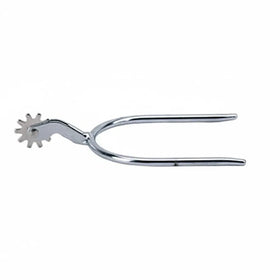
Rowel spurs are easily identified by the small, spinning wheel at the end of the shank. These are intended for advanced riders with excellent leg control because the rotating rowel allows for a more nuanced application of pressure. Instead of a simple poke, a light touch from a rowel spur rolls across the horse's side, offering a very distinct and clear signal.
The rowels themselves come in many styles, from soft, clover-leaf shapes to more defined points, each offering a different level of intensity. A rider with an independent seat and quiet legs can use these spurs to deliver incredibly subtle cues, making them popular in disciplines like reining and cutting where precision is key. They are a sophisticated tool for refining communication with a well-trained horse.
Prince of Wales: The Timeless Classic
The Prince of Wales spur is a timeless classic, especially in the English riding world. You'll see it everywhere from the dressage arena to the cross-country course. This spur features a flat, rectangular end that provides a clear and direct cue. It’s a fantastic middle-of-the-road option that’s more defined than a blunt spur but less intense than one with sharp rowels.
These spurs are known for giving the rider an immediate response without overwhelming the horse. They offer a clean, precise touch that encourages a horse to move off the leg without being overly sharp. Their versatility and effectiveness make them a staple in many riders' tack collections and a reliable choice for daily training and competition.
Dummy Spurs for Training and Show Day
Dummy spurs look the part but don't have an effective shank, making them the perfect tool for specific situations. Essentially, they are a heel band with a very short, blunt nub that can't actually be used to cue the horse. So, why use them? They are incredibly useful for getting a young or sensitive horse accustomed to the weight and feel of spurs without any added pressure.
They are also a great option for riders who want to achieve the traditional look in the show ring without needing the function. Some disciplines require spurs as part of the dress code, and dummy spurs allow you to meet the requirements while relying solely on your leg aids. They provide the appearance of a spur while ensuring you don't accidentally cue your horse.
Swan Neck Spurs
If you have long legs or ride a particularly wide-bodied horse, you might find it tricky to apply a leg cue without lifting your heel too much. That’s where swan neck spurs come in. Their name perfectly describes their shape—the shank curves upward, allowing you to make contact with your horse’s side with just a slight turn of your ankle. This unique design eliminates the need to adjust your leg position, helping you maintain a quiet, effective seat. It’s a smart solution that provides more precise contact, ensuring your cues are both subtle and clear. For many riders, this style is the key to better communication and a more harmonious ride.
Hammerhead Spurs
Hammerhead spurs are another great option that sits between a gentle knob and a sharper rowel. They get their name from their distinct shape: a flat, broad end that provides a more noticeable cue than a simple blunt spur. This design is effective for horses that might be a bit dull to the leg or tend to ignore softer aids. The wider surface distributes pressure, delivering a clear signal without being harsh or pointy. It’s an excellent choice for riders who need to get their message across with clarity and authority, reinforcing the leg aid in a way the horse can easily understand and respond to.
Western Spurs
While many types of spurs feature rowels, Western spurs have a distinct style all their own. They are an iconic piece of Western horse tack, often featuring decorative elements and unique shank designs. Functionally, they are built for precision. The rotating rowel is designed to roll along the horse’s side, offering a clear and nuanced signal rather than a static poke. This is essential in disciplines like reining or cutting, where riders need to communicate subtle requests for intricate maneuvers. From simple, smooth-edged rowels to more defined points, Western spurs provide a wide range of options to match the horse’s sensitivity and the rider’s specific needs.
Special Features and Finishes
Beyond the basic shape, spurs come with a variety of features and finishes that can enhance both function and style. You might see spurs made from sweet iron, a material designed to rust slightly when exposed to moisture. This oxidation creates a sweet taste that horses often enjoy, encouraging salivation and a softer mouth. Other spurs feature stainless steel for durability or are adorned with beautiful silver inlays for a polished look in the show ring. These details aren't just for show; they reflect a commitment to quality craftsmanship and allow you to choose equipment that is both effective and a reflection of your personal style.
Shop This Post

Featured in this article
Weaver Leather Heel Straps with Rubber - 8" Length - Durable Black Rubber and Leather Spur Straps
$13.75
Shop Now →
Choosing the Right Spurs for You and Your Horse
Picking the right pair of spurs is about finding the perfect tool to refine the conversation between you and your horse. It’s not a one-size-fits-all decision. The ideal spur depends on a unique combination of factors: your horse's personality, the type of riding you do, and your own skill level in the saddle. Think of it less like buying a piece of equipment and more like choosing a specific vocabulary to communicate more clearly.
A spur that works wonders for a seasoned reining horse might be completely wrong for a sensitive dressage prospect. The goal is always to use the lightest possible cue to get the desired response. Before you add any spurs to your cart, take a moment to honestly assess your needs and your horse’s temperament. This thoughtful approach ensures that spurs remain a tool for subtle communication, strengthening your partnership and helping you achieve your riding goals together. Making the right choice from the start will set you both up for success.
Matching Spurs to Your Horse's Temperament
The most important factor in choosing a spur is your horse’s individual temperament and sensitivity. You know your horse best. Is he forward-thinking and sensitive to your leg, or is he a bit more laid-back and sometimes needs a clearer reminder to move forward? A "hot" or sensitive horse can easily be over-faced by a sharp spur, leading to anxiety and resistance.
For horses that are sensitive, it’s best to use gentle spurs, like smooth ball spurs or short, flat-end spurs with a rounded tip. These provide a soft nudge rather than a sharp poke. For a less responsive horse, a slightly longer shank or a dull rowel might offer the clarity he needs. Always start with the mildest option first and remember the goal: to whisper, not to shout.
For Energetic or Sensitive Horses
If your horse is naturally forward or sensitive, the last thing you want to do is add a sharp aid that creates anxiety. For these horses, the goal is to refine your cues with the softest touch possible. This is where gentler spurs, like round end or Prince of Wales styles, come in. If you're just starting with spurs or know your horse is particularly sensitive, blunt spurs—sometimes called "knob" spurs—are an excellent choice. They provide a very mild, gentle pressure that acts more like a focused nudge from your heel. This allows you to be more precise with your aids without overwhelming your horse, keeping the conversation quiet and clear.
For Horses Less Responsive to Leg Aids
On the other end of the spectrum is the horse that tends to ignore a subtle leg cue. For a less responsive horse, you need a tool that offers more clarity, not necessarily more force. A spur with a slightly longer shank can help you deliver a cue without having to turn your whole leg, while a dull rowel can provide a distinct rolling pressure that’s harder for a horse to ignore. The key is to find the right piece of horse tack that gets your message across clearly and effectively. Even with a stronger tool, the responsibility is on the rider to maintain a quiet leg and use the spur with intention and feel.
Choosing Spurs Based on Your Discipline
Different riding disciplines have unique demands, and your spurs should reflect that. The subtle, precise cues needed in a dressage test are very different from the signals used in barrel racing or ranch work. Many disciplines also have specific rules about the types of spurs allowed in the show ring, so always check your association’s rulebook before competing.
For example, dressage spurs are often designed to give an immediate, refined response without overwhelming the horse. Western disciplines might use spurs with rowels for more specific cues. When browsing for new horse tack, consider how the design of each spur will help you communicate effectively within the context of your sport. Choosing a spur that’s appropriate for your discipline ensures you’re playing by the rules and using a tool designed for the job at hand.
Factor in Your Own Experience Level
It’s essential to be honest about your own abilities as a rider before adding spurs to your toolkit. Spurs should only be used by riders who have developed an independent seat and a steady leg. If your lower leg isn't quiet, you risk accidentally jabbing your horse with every stride, which is confusing and unfair to him. This can create anxiety and dull his response to your leg aids over time.
If you're new to spurs, start with a very mild option like a dummy spur with no shank or a gentle ball spur. These are more forgiving as you continue to refine your leg control. Using spurs effectively is a skill that comes with practice and body awareness. Think of earning your spurs as a milestone in your riding journey—one that signifies you’ve achieved the balance and control needed to use them correctly.
What to Look for When Buying Equestrian Spurs
Once you’ve decided on the type of spur that suits your needs, it’s time to go shopping. But with so many options on the market, how do you pick the perfect pair? It’s about more than just aesthetics; the right spurs should feel like a natural extension of your leg and provide clear, gentle communication. A great pair will fit your boot snugly, match your riding style, and be built to last for years of use in the saddle. Focusing on a few key details will help you find a pair that works for both you and your horse.
Ensuring a Proper Fit for Your Boot
Before you even think about shank length or rowels, start with the fit on your boot. A spur should sit securely on the spur rest of your boot without wiggling or sliding down your heel. If it’s too loose, you’ll lose precision in your cues and risk the spur shifting into an incorrect position. If it’s too tight, it can be difficult to get on and off and may damage your boots. When selecting spurs, it is essential to consider your leg length. A rider with a longer leg may need a slightly longer shank to apply a cue without disrupting their leg position, ensuring effective communication.
Finding the Right Size: Men's, Women's, and Children's
Spurs aren't a one-size-fits-all deal. To get that perfect, secure fit, you'll need to choose a pair designed for your boot size, which is why they come in men's, women's, and children's sizes. The main difference is in the width of the heel band—men's spurs are wider with longer arms to wrap around a larger boot. Getting this right is non-negotiable. A spur that's too loose will wiggle or slide down your heel, making your cues sloppy and ineffective. When you're looking through a collection of horse tack, make sure you're picking the size that matches your gender and boot. It's a simple step that makes all the difference in having a clear conversation with your horse.
Select the Right Shank Length and Style
The shank is the arm of the spur that extends from the heel band, and its length and style are perhaps the most important factors to consider. A shorter shank is generally milder, as it requires a more deliberate movement of your heel to make contact. A longer shank requires less movement, making it suitable for refined cues from a rider with a very steady leg. Different styles of spurs are designed for various riding disciplines. For example, Western spurs often have decorative shanks and rowels, while English spurs, like the classic Prince of Wales, are more understated. The end of the spur can be a blunt nub, a rounded ball, or a spinning rowel, each offering a different sensation for the horse.
Look for Durable, High-Quality Materials
Spurs are an investment, so you want a pair that will hold up to regular use. Most high-quality spurs are made from stainless steel because it’s strong, resistant to rust, and easy to clean. You’ll also find options in German silver, which has a beautiful shine, and even lightweight polymer composites. When you’re looking at a pair, check for smooth edges and a solid feel. Poorly made spurs can have rough spots that might irritate your horse or break under pressure. Investing in well-crafted horse tack from trusted brands ensures you’re getting a safe and reliable tool for your rides.
Are Your Spurs Legal for the Show Ring?
If you plan to compete, this step is non-negotiable. Every equestrian discipline and association has specific rules regarding spur use to ensure fairness and the welfare of the horses. Before you buy, check the rulebook for your specific event. Regulations can dictate everything from the maximum allowable shank length to the type of rowel permitted—for example, many disciplines ban sharp, pointed rowels. Showing up with non-compliant equipment can lead to disqualification, so it’s always best to familiarize yourself with the rules ahead of time. This ensures you’re prepared and respectful of your sport’s standards.
Essential Spur Accessories
Your spurs are only as effective as the accessories that hold them in place. Think of it this way: you wouldn't buy a beautiful saddle without a quality girth. The same principle applies here. Spur straps are the essential partner to your spurs, ensuring they stay securely on your boot at the correct angle for precise communication. Without a good pair of straps, your spurs can slip, rendering your cues ineffective or, worse, inconsistent. Beyond just keeping them in place, the right accessories contribute to the overall safety and comfort of both you and your horse. Let's look at what you need to complete your spur setup, from the straps that secure them to the gear that keeps your horse comfortable.
Spur Straps: Materials and Styles
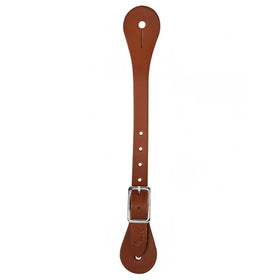
Spur straps are the non-negotiable accessory for any pair of spurs. Their main job is to hold the spur firmly on your boot's spur rest, preventing any sliding or shifting that could interfere with your cues. The most common and durable material for spur straps is high-quality leather. Leather is a fantastic choice because it's strong enough to withstand daily use, yet it softens over time to mold perfectly to your boot. When shopping, look for straps with reinforced stitching, which adds an extra layer of security. Beyond function, straps are also a great way to express your personal style. You can find them in a wide range of designs, from simple and classic to intricately tooled or embossed patterns, allowing you to add a personal touch to your riding tack.
Alternative Attachment Methods
While the material is important, so is the way your spur straps attach. The most common design is the buckle-on strap, which works just like a small belt for your boot. These are available in both leather and durable nylon and are highly adjustable, allowing you to get a perfectly snug fit. A secure fit is crucial for keeping the spur in the right position so your cues are consistent and clear. For riders looking for a more personalized look, many artisans offer custom hand-tooled leather straps. These can be customized with initials, brands, or decorative conchos, turning a simple piece of equipment into a unique statement piece that reflects your individual style in the arena.
Protective Gear for Your Horse
The first line of defense in protecting your horse from spur rubs is always proper use and a quiet leg. When spurs are used correctly as a light, refining aid, they shouldn't cause any discomfort. Ensuring your spurs and straps fit correctly is also key, as a loose spur can slide and create friction. However, for horses with particularly sensitive skin or during periods of intense training where leg cues are frequent, some riders opt for an extra layer of protection. While not a direct spur accessory, using thin leg wraps or boots can help shield the horse's sides. This is a proactive step you can take to ensure your horse remains comfortable and happy in his work, reinforcing the partnership you've built.
How to Fit and Use Spurs Correctly and Safely
Using spurs correctly is all about clear communication, not force. When fitted and used with a thoughtful touch, they can refine your aids and create a more harmonious partnership with your horse. Proper fit and a clear understanding of how to apply your cues are essential for keeping your horse comfortable and responsive. Let’s walk through the key steps to ensure you’re using your spurs effectively and kindly.
Where Do Spurs Go on Your Boot?
Getting the right fit is the first step. Your spurs should sit on the spur rest of your riding boot, the small ledge just above the heel. They should be level and feel secure. When you fasten the straps, aim for a snug fit—not so tight it digs into your boot, but not so loose that the spur jiggles or slides down. A spur that moves around can deliver inconsistent cues, which is confusing for your horse. Always check that your straps are in good condition before you ride to ensure your horse tack is safe and secure.
How to Apply Spur Cues Effectively
It’s a common myth that spurs are just a gas pedal. In reality, they are a tool for refinement. Think of them as an extension of your leg, designed to help you give more precise signals. Spurs are considered an 'artificial aid' meant to support your natural aids (legs, seat, and hands), not to punish your horse. To apply a cue, use a light touch by turning your heel inward slightly. The goal is to use the least amount of pressure necessary to get a response. It’s a quiet conversation, not a loud command.
Practice Maintaining a Steady Leg
Spurs should only be used by riders with a steady leg and an independent seat. If your lower leg swings or bounces, you can inadvertently jab your horse, causing confusion and discomfort. This can make your horse anxious or even dull to your leg aids over time. Before adding spurs, be honest about your skill level. If you’re still working on keeping your leg quiet, it’s best to hold off. Focusing on exercises that build core strength and balance will help you develop the stability needed to use spurs correctly and ensure your cues are always intentional.
Why Spurs Must Be Earned: A Note on Rider Skill
There's a reason experienced riders talk about "earning your spurs." It’s not just a saying; it’s a standard. Spurs should only be used by riders who have achieved an independent seat and a quiet, steady leg. If your lower leg isn't stable, you risk unintentionally poking your horse with every stride, creating confusing signals that are unfair to your partner. This can make a horse anxious, resentful, or dull to your leg aids over time. Using spurs effectively is a skill that requires significant body awareness and control. Think of it as a milestone in your riding journey—one that shows you’ve developed the balance and finesse needed to use them correctly as a tool for refinement, not accidental reinforcement.
Understanding Rules, Regulations, and Horse Welfare
Beyond skill, using spurs comes with a responsibility to your horse and your sport. Every equestrian discipline has specific rules to ensure the welfare of the horses and maintain fair competition. These regulations often dictate everything from shank length to the type of rowel allowed. Before you compete, always check the rulebook for your association. More importantly, spurs must never be used to express frustration or to punish a horse. Using them in anger is considered excessive and abusive, and it breaks the trust between you and your equine partner. Remember, spurs are for enhancing communication, and that conversation should always be rooted in respect and prioritize the horse's well-being above all else.
4 Common Spur Myths, Busted
Spurs are one of the most misunderstood pieces of riding equipment. Because they can be misused, a lot of myths and misconceptions have popped up around them. But when used correctly by a rider with a steady leg, spurs are valuable tools for clear communication. Let's clear the air and bust four of the most common myths you'll hear about spurs.
Myth #1: Spurs Are for Punishment
This is the biggest misconception out there. Spurs are not meant to punish a horse or to be a "gas pedal" for more speed. Instead, think of them as a tool for refinement. They allow you to use a very specific, light touch to ask for a more nuanced movement, like a lateral step or a sharper transition. A rider with a quiet leg uses the spur to whisper a cue, not shout it. Using a spur to jab or kick a horse is incorrect and goes against the principles of good horsemanship.
Myth #2: You Have to Be an Expert to Use Spurs
It’s not about being an expert—it’s about having an independent seat and a steady leg. A novice rider who has developed good body control can learn to use a mild spur effectively under the guidance of a trainer. On the other hand, an advanced rider with an unsteady, swinging leg can do more harm than good. The prerequisite for wearing spurs isn’t a certain number of years in the saddle; it’s the physical skill to keep your leg still and apply pressure only when you intend to.
Myth #3: Spur Rules Are the Same Everywhere
It would be easier if this were true, but spur regulations vary widely between different equestrian disciplines. The type of spur, shank length, and even the kind of rowel that’s permissible in a reining class is completely different from what’s allowed in the hunter ring or a dressage test. Before you head to a show, it’s your responsibility to read the official rulebook for your discipline. This ensures your equipment is legal for competition and helps you make smart choices when shopping for new spurs.
Myth #4: Your Horse Will Become Dependent on Spurs
Some riders worry that if they start using spurs, their horse will begin to ignore their leg cues. This only happens when spurs are used as a primary aid instead of a secondary one. Your leg should always be the first cue. The spur is only there to support or refine that leg cue if your horse doesn’t respond. When used correctly, spurs can actually make a horse sharper and more responsive to a lighter leg aid, because they learn to listen to the first, gentle request.
How to Keep Your Spurs in Top Shape
Just like any other piece of your riding equipment, your spurs need a little TLC to stay in top condition. Taking a few minutes to care for them not only protects your investment but also ensures they function correctly and remain a safe, effective tool for communicating with your horse. A well-maintained spur provides clear, gentle cues, while a neglected one can become rusty, sharp, or sticky. Building a simple care routine is easy and will keep your spurs looking and working their best for years to come. It’s a small habit that makes a big difference in the quality and safety of your entire collection of horse tack.
Your Simple Spur Cleaning Routine
The best way to keep your spurs in great shape is to make cleaning a part of your post-ride routine. After you untack, take a moment to wipe your spurs down with a soft, damp cloth. This simple step removes sweat, dirt, and dust before it has a chance to build up and cause damage. For more stubborn grime, you can use a soft brush and a little warm water to gently scrub the metal. Always be sure to dry your spurs completely with a clean towel before putting them away to prevent rust from forming, especially in the joints or around the rowel.
The Best Way to Store Your Spurs
Where you keep your spurs matters. Tossing them into a damp corner of your tack trunk is a recipe for rust and damage. Instead, store them in a clean, dry place where they won’t get banged around. A dedicated hook in your tack room or a specific compartment in your gear bag works perfectly. Storing them properly keeps them away from moisture that can cause corrosion and ensures the shank doesn’t get bent out of shape. It’s also a good idea to remove them from your boots after each ride, which allows both your boots and your spurs to air out and dry completely.
Maintaining Rowels and Other Moving Parts
If you ride with rowel spurs, it’s crucial to make sure the rowels can spin freely. A rowel that’s stuck with dirt or rust can become harsh and ineffective. Regularly check that it moves smoothly and isn’t catching. For most stainless steel or chrome-plated spurs, a tiny drop of lubricant can keep the mechanism working well. However, you should avoid oiling blued steel spurs, as they are designed to develop a rustic patina over time; oil will only attract grit that can wear down the pin and rowel. Don’t forget to inspect your spur straps for any signs of cracking or wear, too.
When Is It Time for New Spurs?
Even the highest-quality spurs will eventually show signs of wear. Knowing when to retire a pair is key to your horse’s comfort and safety. It’s time for a replacement if you notice the rowels have developed sharp edges or won’t spin freely even after a thorough cleaning. You should also look for bent shanks, which can alter the fit and the way the spur contacts your horse. Significant rust or pitting that can’t be cleaned off is another red flag, as it can create an abrasive surface. When it's time for an upgrade, you can find reliable and durable options among our best-selling products.
Browse our full range of equestrian spurs to find reliable, durable options that other riders are loving right now.
Spur Brands We Personally Recommend
When you start shopping for spurs, the number of brands can feel overwhelming. How do you know which ones are worth your money and which ones will stand up to the demands of daily riding? Over the years, we’ve seen and used our fair share of equestrian gear, and a few brands consistently stand out for their quality, thoughtful design, and rider-approved performance. We’ve put together a list of our go-to brands that we trust for ourselves and our horses.
The Hooves and Paws Collection: Our In-House Favorite
We’ll admit we’re a little biased, but we’re incredibly proud of our own Hooves and Paws Collection. When we set out to create our line of horse tack, our goal was simple: to offer high-quality, durable gear that works for both new and seasoned riders. Our spurs are designed with a deep commitment to craftsmanship, ensuring every pair provides clear, gentle communication. We believe that good equipment should be effective without compromising your horse’s comfort, and that’s the standard we hold for every product that carries our name.
Herm Sprenger: Precision and Quality
If you’ve spent any time in the equestrian world, you’ve likely come across Herm Sprenger. This brand is legendary for its German-engineered precision and exceptional quality. Their spurs are meticulously designed to create subtle yet effective communication between you and your horse, helping to foster a more harmonious riding experience. Riders love them because they are built to last and offer a level of refinement that’s hard to match. When you invest in a pair of Herm Sprenger spurs, you’re getting a tool that’s trusted by professionals around the globe for its reliability and performance.
Stübben: Classic Craftsmanship
Stübben is another giant in the industry, celebrated for its classic craftsmanship and unwavering attention to detail. For generations, they have been creating equestrian products that blend traditional techniques with modern performance needs. Stübben spurs are crafted to enhance your leg aids while always prioritizing the horse's comfort, making them a top choice for competitive riders in any discipline. Their designs are both elegant and functional, proving that you don’t have to sacrifice style for effectiveness. If you appreciate timeless quality and thoughtful design, Stübben is a brand you can always count on.
A Few Other Brands We Love
While Herm Sprenger and Stübben are fantastic, many other reputable brands are worth exploring. The key is to find one that matches your discipline and your horse’s sensitivity. Some companies specialize in certain types of riding, offering a wide selection of riding spurs for disciplines like dressage, jumping, or western events. When you’re looking at different options, pay close attention to the materials and read reviews from other riders. A little research can help you discover a brand that perfectly suits your needs and becomes a trusted part of your tack collection.
Where to Buy Quality Equestrian Spurs
Once you know what you’re looking for, the next step is finding the perfect pair. You have plenty of options, from local tack shops to online retailers, each with its own set of benefits. The key is to find a source you trust that offers quality products and stands behind them. At Hooves and Paws, we pride ourselves on curating a selection of durable, effective horse tack from brands we know and love. No matter where you choose to shop, focusing on quality and fit will ensure you and your horse are set up for success.
Online vs. In-Store: What's Better?
Deciding between shopping online or in-person often comes down to personal preference. Shopping at a local tack shop allows you to hold the spurs, feel their weight, and get hands-on advice from staff. It’s a great way to compare different styles side-by-side. On the other hand, online retailers typically offer a much wider selection. You can easily browse different brands, compare prices, and read reviews from other riders without leaving home. Reputable online stores provide detailed product descriptions and sizing guides to help you make an informed choice, giving you access to a vast inventory of spurs for horses from all over the world.
How to Find Great Deals on Quality Spurs
Everyone loves a good deal, but it’s about more than just the sticker price. Keep an eye out for seasonal sales and holiday promotions at your favorite retailers. Signing up for email newsletters is also a smart way to get notified about special offers and new arrivals. Another major factor is shipping costs. Some retailers offer free shipping on orders over a certain amount, which can add up to significant savings. At Hooves and Paws, we make it simple by offering free shipping on all continental U.S. orders with no minimum purchase, so you can get exactly what you need without worrying about extra fees. You can always check our best-selling products to see what other riders are loving.
Considering Used or Consigned Spurs
If you're working with a specific budget or just want to try out a style before committing, looking at used or consigned spurs is a smart move. Many riders trade in high-quality gear, which means you can often find premium brands at a fraction of their original price. This is an excellent way for riders new to spurs to experiment with different shank lengths or rowel types without a significant investment. Plus, it’s a sustainable choice that gives great equipment a second life in the arena, reducing waste within the equestrian community and saving you a bit of money in the process.
When shopping for pre-owned gear, however, it’s crucial to inspect each pair carefully. Check for any signs of significant wear, like bent shanks, sharp or rusted rowels that don't spin freely, or deep scratches that could irritate your horse. Unlike new products, used items typically don't come with a satisfaction guarantee, so a thorough check is your best bet for finding a safe and effective pair. Many reputable consignment shops specialize in equestrian tack and can be a great resource, but always give the spurs a once-over yourself before you buy.
Why the Best Value Isn't Always the Lowest Price
It’s tempting to grab the cheapest option, but when it comes to tack, value is about quality, durability, and suitability. The "best" spurs are the ones that are right for your horse's sensitivity and your specific discipline. A low-cost pair made from inferior materials might break easily or have rough edges that could irritate your horse. Investing in a well-made pair from a trusted brand ensures they will last for years and provide clear, gentle communication. Furthermore, if you compete, you’ll need to ensure your equipment complies with event regulations. The right pair of horse riding spurs is an investment in your riding and your horse's comfort, making it worth spending a little more for peace of mind.
What Real Riders Say About Their Spurs
Choosing the right pair of spurs can feel overwhelming with so many options on the market. That’s why it’s so helpful to hear what other equestrians are using and loving. While the perfect spur is always a personal choice based on you, your horse, and your discipline, some clear favorites and best practices emerge when you listen to the community. We’ve gathered insights from riders across different disciplines to give you a starting point, focusing on the models they trust, the features they value, and the brands that hold up to daily use.
Think of this as advice from a trusted friend at the barn. From the most popular all-around styles to discipline-specific picks, this is what real riders are saying. They prioritize clear communication with their horse, comfort for both parties, and durability that stands the test of time. These recommendations can help you narrow down your search and find a pair of spurs that will become a reliable part of your horse tack for years to come.
Crowd-Favorite Spur Models
When you look in tack rooms around the country, you’ll notice a few styles that pop up again and again. The classic Prince of Wales spur is a perennial favorite for its simplicity and effectiveness, making it a great all-around choice for many English riders. For those needing a bit more refinement, roller ball spurs are incredibly popular. The roller moves along the horse’s side, which many riders find encourages a quicker response without a sharp feel. You'll also find a wide variety of shank lengths and ends, from soft, rounded nubs to more defined options for riders with a highly educated leg.
Top-Rated Spurs for Every Discipline
Your discipline heavily influences your spur choice. For dressage riders, precision is everything. They often prefer a spur that allows for subtle, immediate cues without disrupting the horse's balance or rhythm. This is why you’ll often see them using spurs with a longer shank that can deliver a light touch with minimal leg movement. In contrast, eventers and jumpers might opt for a shorter shank or a softer end, as their leg position changes more dynamically. The goal is always to find the right tool to refine communication within the specific demands of your sport.
Real Feedback on Spur Comfort and Durability
Riders agree that quality materials are non-negotiable. Stainless steel is a top choice because it’s strong, resists rust, and is easy to clean. A quick wipe-down after each ride is all it takes to remove sweat and dirt, keeping your spurs in great shape. Riders also emphasize the importance of proper storage to prevent damage. For spurs with moving parts, like rowels, a drop of oil now and then keeps them functioning smoothly. Ultimately, riders recommend investing in a well-made pair that will last, because durable, reliable equipment is always the smartest choice for you and your horse.
Frequently Asked Questions
Are spurs cruel to the horse? This is the most common concern, and it’s a great question to ask. The simple answer is no, spurs themselves are not cruel. They are tools for communication, much like a bit or a riding crop. A tool is only as harsh as the person using it. When used correctly by a rider with a steady leg and gentle hands, spurs allow for incredibly light and precise cues. The goal is always to refine your aids and whisper your requests, not to punish or force a response.
How do I know if I'm ready to use spurs? The main requirement for using spurs is having an independent seat and a steady lower leg. This means you can maintain your balance and position in the saddle without gripping with your legs, and your leg doesn't swing or bounce with the horse's movement. If your leg isn't quiet, you risk accidentally poking your horse with every stride, which is confusing and unfair. If you're not sure, ask your trainer for an honest assessment. They can help you determine if your riding is at a point where spurs would be a helpful tool rather than a hindrance.
My horse is a bit lazy. Will spurs help me make him go faster? It's a common thought, but spurs aren't meant to be a gas pedal. Their real job is to add clarity and refinement to the leg aids you're already giving. If your horse isn't responding to your leg, using a spur as a shortcut can create new problems and dull his responses over time. Your leg should always be the primary cue. The spur is a secondary aid used to support that cue, asking for a more specific or sharper response, not just more speed.
What's the first type of spur I should try? If you and your trainer have decided you're ready, it's always best to start with the mildest option available. A "dummy" spur, which has no shank, is a great way to get your horse used to the weight and feel without any actual pressure. Another excellent starting point is a spur with a short shank and a small, rounded knob or ball at the end. These provide a very gentle, broad pressure that is forgiving as you learn to control your cues.
How should a spur fit on my boot? Proper fit is key for effective use. The spur should rest securely on the spur ledge of your boot, which is the small ridge just above the heel. It should sit level and feel snug once the strap is fastened. You don't want it so tight that it pinches your boot, but it shouldn't be loose enough to slide down your heel or jiggle around. A spur that moves will deliver inconsistent cues and can be frustrating for both you and your horse.


