


When reddish-brown marks appear beneath a dog’s eyes, dog tear stain remover is only one part of good care. The safest approach combines gentle cleaning, a careful look at the label, regular face care, and attention to changes that may need a veterinarian. This guide explains how to compare options and create a manageable routine without expecting a cosmetic product to diagnose or treat an eye problem.
What is dog tear stain remover designed to do?
These products are intended to clean residue from facial hair and outer skin. They are not a substitute for veterinary evaluation of new or changing eye symptoms.
A tear stain product may be a liquid, wipe, powder, or another topical format. Products differ in directions, ingredients, tools, and intended areas of use. Some are marketed for routine cleaning; others focus on the appearance of discoloration on hair. Read the full label before buying, since a product meant for one body area may not be appropriate near the eyes.
Separate two goals: removing surface moisture and debris is different from changing the appearance of an existing stain. Discolored hair may remain that way until it grows out. Do not treat a cosmetic product as a treatment for an eye condition unless a veterinarian has assessed your dog and recommended the product.
It is also useful to think about what you can observe. Does the area become damp after drinking, outdoor activity, or grooming? Is the skin intact, or does it look sore? Does the dog allow gentle handling? A few observations help you decide whether ordinary cleaning is reasonable or whether you should ask for professional guidance first.
How do you choose a dog tear stain remover?
Start with your dog, not the marketing claim. Consider facial-hair length and texture, your dog’s comfort with handling, the condition of the skin, and how often the area becomes damp. A simple product that you can use carefully and consistently may fit better than a complicated routine your dog resists.
Check the intended use
The label should state where and how to use the product, and distinguish the hair around the eye from the eye itself. Unless it specifically says otherwise, do not put a facial cleaner into the eye, under the eyelid, or directly on the eye surface. Directions should also describe how much to use and how often.
Review ingredients and warnings
Read the full ingredient list and warnings. Avoid choosing solely because a product promises fast cosmetic results. If your dog has known sensitivities, ask a veterinarian whether an ingredient may be unsuitable. Do not substitute a household cleaner, human cosmetic, essential oil mixture, or product intended for another animal unless a qualified professional has specifically advised it.
Compare the application format
Wipes can be convenient for a quick, controlled clean. A liquid may work well on a cotton pad or soft cloth, but it can be easier to overuse. Powders need particular care because loose particles can travel toward the eye. Choose the format that lets you keep product away from the eye and stop promptly if your dog moves.
| Option | What to compare | Possible fit | Care point |
|---|---|---|---|
| Pre-moistened wipe | Material, ingredients, package directions | Brief routine cleanups | Use a fresh section for each eye; do not rub |
| Liquid cleaner | Application instructions and storage | Owners who prefer using a cloth or pad | Apply to the pad, not toward the eye |
| Powder | How it is dispensed and permitted use area | Owners able to follow precise directions | Keep loose particles away from eyes and nose |
| Clean water and soft cloth | Clean water and a washable, gentle cloth | Light surface residue | Use a clean area and pat hair dry afterward |
There is no universal best format. Compare your dog’s comfort, the product’s directions, and your ability to apply it without touching the eye. A product is not automatically a better choice because it is more elaborate or has more steps.
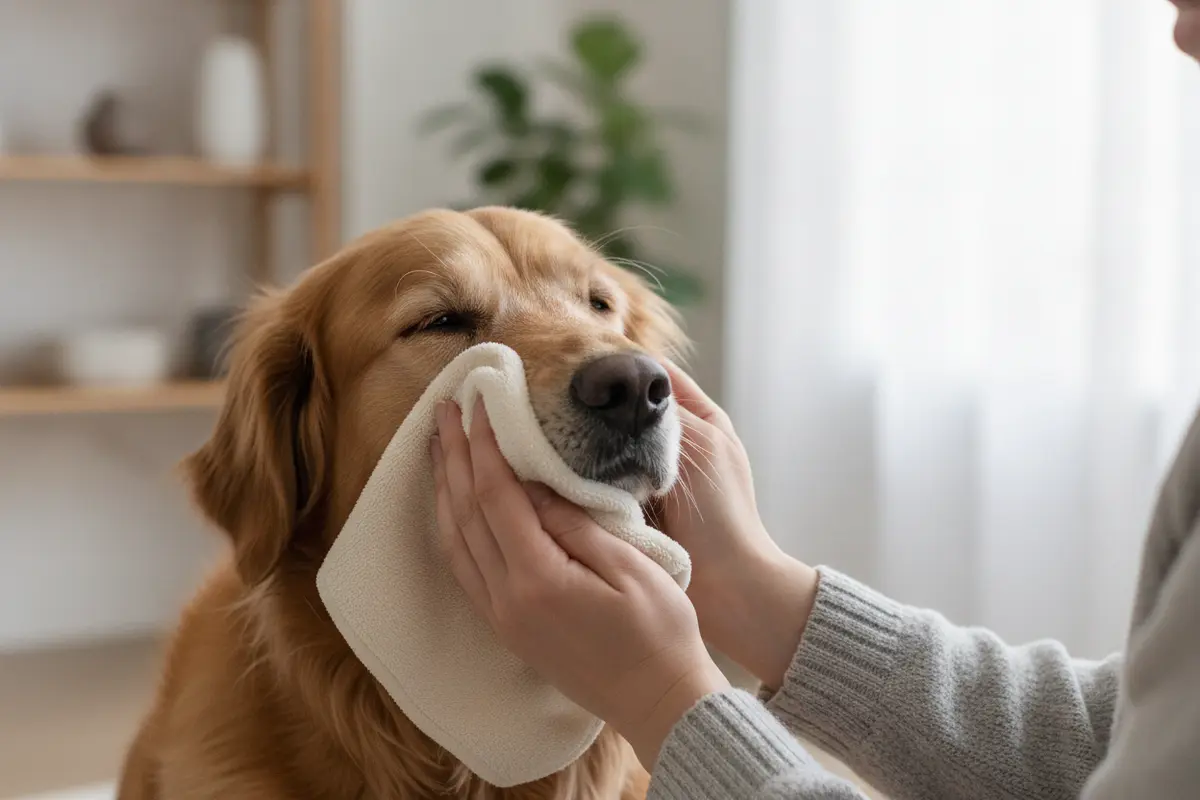
Before purchasing, check whether the container is easy to handle with one hand, whether it can be closed securely, and whether the directions are readable. If the package does not make its use clear, do not guess. Contact the maker or ask a veterinary professional before applying it.
Shop This Post

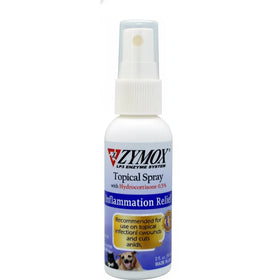
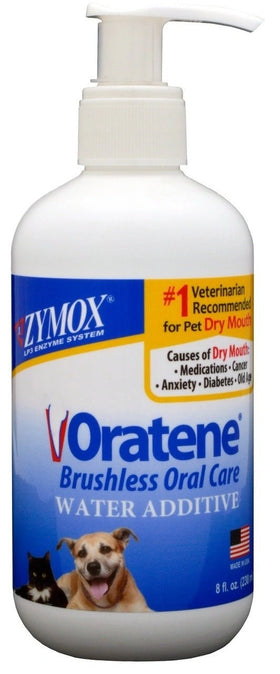
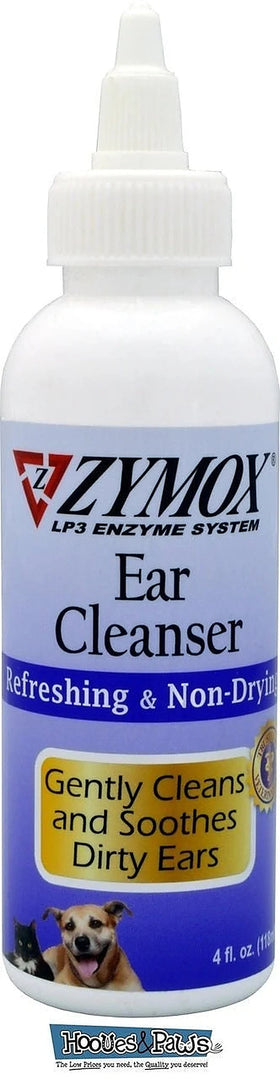
What is the safest way to clean the area?
Keep the cleaner on outer hair, use clean materials, and stop if your dog shows discomfort.
- Prepare the space. Choose a calm moment and a stable place. Set out the product, a soft cloth or pad, a towel, and a waste bin before bringing your dog over. Check the label once more.
- Help your dog settle. Let the dog sniff the cloth, speak quietly, and use gentle handling. Do not begin while the dog is excited, struggling, or trying to move away.
- Inspect before cleaning. Notice whether the skin looks typical for your dog. Look for new redness, swelling, marked discharge changes, squinting, rubbing, or signs of pain. If any are present, pause and seek appropriate advice rather than focusing on the stain.
- Apply as directed. If the label calls for a cloth or pad, moisten that item rather than pouring product near the face. Keep the container from touching the dog.
- Wipe gently on the outer area. Use short strokes on facial hair and outer skin, moving away from the eye. Do not scrape dried material or pull on matted hair.
- Use a clean area on the other side. A fresh pad or a clean section of cloth helps avoid transferring debris from one eye area to the other.
- Dry carefully. If the label allows, pat rather than rub with a clean towel. Avoid leaving the hair soaked with product or water.
- Finish positively. Praise calm cooperation and offer an appropriate reward. Keep sessions short enough that your dog can succeed.
Do not force the process. If your dog pulls away, close the container and try later, or ask a veterinary professional to demonstrate a safe approach. A sudden struggle can lead to accidental injury. If product gets into the eye, follow the label’s first-aid directions and contact a veterinary professional for guidance, especially if irritation continues.
For a first use, test the routine with minimal handling and do not add several new products at once. That makes it easier to identify what your dog tolerates. Stop if the skin becomes irritated or your dog appears uncomfortable, and discuss the reaction with a professional.
How can you build a practical tear stain care routine?
Consistency matters more than a dramatic one-time clean. Check the area during ordinary grooming, especially after outdoor time or drinking. Remove fresh moisture gently rather than waiting for heavy buildup. Brush facial hair only as appropriate for its length and texture. Do not use scissors close to the eye unless you have suitable training and your dog can remain still.
Set a routine that is realistic. For example, you might visually check the area during the morning brush, wipe away visible moisture when needed, and do a fuller clean only as the product label allows. The point is not to clean repeatedly throughout the day. Excess handling or product use can irritate skin and make the dog less willing to cooperate.
Wash reusable cloths after each use and let them dry fully. Keep the product closed and follow storage instructions. Do not share a cloth between the face and other body areas. In a multi-dog home, use separate clean materials for each dog when practical. Discard disposable pads after one session rather than storing used ones for later.
Handling practice helps some dogs. Touch the shoulder first, move toward the cheek, briefly support the chin, and reward calm behavior. Increase the duration slowly over several sessions. If the dog turns away or stiffens, take a break and return to an easier step. Never restrain the head in a way that makes the dog panic or prevents it from breathing normally.
Keep supplies organized in a clean place out of reach of curious pets. A cloth, the selected cleaner, a waste container, and a reward are enough for a basic session. Check the container periodically for its expiration or discard date, damaged packaging, or changes in appearance or smell. Follow the maker’s storage instructions rather than leaving a container open in a humid bathroom.
What should you avoid when removing tear stains?
- Do not use a product inside the eye unless it is specifically labeled for that purpose and a professional has explained its use.
- Do not scrub hard. Friction can irritate delicate skin and make future care harder.
- Do not pull crusts or mats. Follow gentle product directions and get help if material is stuck.
- Do not use leftover medication. A medicine prescribed for another animal, episode, or body area may not be appropriate.
- Do not treat color change as proof of health. A cleaner may improve appearance while a cause of tearing remains.
- Do not ignore a sudden change. New or worsening signs matter more than a long-standing cosmetic mark.
- Do not improvise a mixture. Mixing products can change how they behave and makes it difficult to know what caused a reaction.
Be cautious with claims that promise to permanently change tear production or solve every possible cause of staining. Tear marks have more than one possible explanation, and appearance alone cannot identify the reason. A product page for an example of tear stain remover labeling illustrates that products describe intended use, but it is a retailer page, not independent evidence. Read any product’s own directions and do not let marketing replace veterinary guidance.
When should a veterinarian evaluate your dog?
New, persistent, or worsening tearing, particularly with pain or visible eye changes, deserves veterinary advice rather than a stronger cosmetic cleaner.
Ask for professional advice when tearing is new, persistent, or clearly increasing. Promptly contact a veterinarian about squinting, holding an eye closed, rubbing the face, swelling, pronounced redness, cloudiness, an unpleasant odor, thick or unusual discharge, bleeding, or signs of pain. Also seek guidance if the skin beneath the eye is raw, hair mats repeatedly, or your dog will not allow safe cleaning.
A veterinarian can examine the eye and nearby structures, consider the dog’s history, and advise whether home cleaning is appropriate. A research record from FAO AGRIS, reporting tear testing in horses and ponies, illustrates that tear production can be assessed clinically in animals. It is a horse study, not dog-specific guidance, so its findings should not be applied directly to dogs. For your dog, rely on a veterinary examination and species-appropriate advice.
If your dog has a known eye condition, recent procedure, facial injury, or prescribed eye care, ask the veterinary team before adding a cosmetic cleaner. Bring the product or a clear photo of its ingredient list to the appointment. Note when the tearing began, whether it affects one or both sides, what you have used, and whether you saw a reaction. These details can make the discussion more useful.
Do not wait for a stain product to work when the eye itself seems painful or the dog’s behavior changes. A cosmetic goal can wait; an eye concern should be assessed on its own merits. If the dog is otherwise comfortable but the tearing continues, ask the clinic what timing is appropriate instead of assuming the product is the next step.
How do you compare options at home?
Use a checklist instead of judging only by before-and-after photos. Ask whether directions are clear, whether the format is manageable for your dog, and whether you can keep it away from the eye. Check for storage guidance, expiration information, warnings, and a way to contact the maker. Compare products by practical use, not a dramatic promise.
Then track your dog’s response. Make a simple note of the date, how damp the area seems, the skin’s condition, the product used, and whether your dog tolerated the routine. Avoid trying several new products at once, because a reaction becomes harder to trace. If the skin becomes more irritated or your dog seems uncomfortable, stop and seek advice.
A short record can help distinguish a stable cosmetic pattern from a change. For instance, note whether staining is present on both sides or just one, whether it appeared suddenly, and whether the dog is rubbing or squinting. Do not use the record to diagnose the cause. It is simply useful context for a veterinary conversation.
Shopping for other dog supplies can be part of an organized approach, provided products are chosen for their intended purpose. A durable toy such as the Weaver Leather Terrain D.O.G. flying disc is for play and enrichment, not facial care. The Fall Bundles collection lets shoppers review seasonal items. Neither is a tear stain treatment; read directions and choose items based on actual need. For another practical dog supply, you can also view plush dog toys.
Hooves and Paws is a family-owned retailer serving pet and equestrian owners since 1994. Its selection includes supplies for animal families, while eye symptoms and product suitability questions belong with your veterinarian. Keep those roles distinct when comparing shopping options and care advice.
Frequently Asked Questions
Can I use dog tear stain remover every day?
Only if the label supports that frequency and your dog’s skin remains comfortable. More frequent cleaning is not automatically better. Ask a veterinarian if the need for daily cleaning is new or increasing.
Can I put tear stain remover directly in my dog’s eye?
Do not do so unless it is specifically labeled for use in the eye and a veterinary professional has explained how to apply it. Many facial cleaners are intended for hair and outer skin only.
Why are my dog’s tear stains suddenly worse?
A sudden change can have several possible explanations, including irritation or an eye problem. Look for squinting, redness, swelling, unusual discharge, rubbing, or pain, and contact a veterinarian when those signs appear or the change persists.
Are wipes better than liquid dog tear stain remover?
Neither is best for every dog. Wipes may offer controlled application, while liquid may suit an owner who prefers a cloth. Compare directions, ingredients, and your ability to keep the product out of the eye.
How can I stop my dog from resisting facial cleaning?
Practice brief, positive handling when cleaning is not urgent. Touch the face for a moment, reward calm behavior, and gradually extend the time. Stop before your dog becomes distressed, and ask a professional to demonstrate handling if safety is a concern.
Will a remover make existing hair white again?
Results vary, and existing discoloration may remain until the hair grows out. A product cannot guarantee a particular color change. Focus first on safe cleaning and the health of the skin and eyes.
Final checklist for choosing dog tear stain remover
Choose a product with clear directions, use it only on the area and at the frequency described, and keep it out of the eye unless specifically directed otherwise. Use clean materials, avoid force and harsh rubbing, monitor the skin, and contact a veterinarian for new, painful, or worsening signs. A calm routine and careful product selection can support ordinary facial care while health concerns remain in the hands of a qualified professional.


