How to Choose the Right Bit for Your Horse
As equestrians, we constantly strive for clear communication with our horses. The bit, a small but significant piece of equipment, plays a crucial role in this dialogue. Far from being a one-size-fits-all solution, selecting the right bit is an art that requires understanding, observation, and an appreciation for individual equine anatomy and temperament. At HoovesAndPaws.com, we believe in empowering riders with the knowledge to make informed decisions.
A Quick Note on "Right Bit"
We're Focusing on Horse Tack, Not Toolkits
When we talk about finding the "right bit," it's easy to think of it like picking a tool from a toolbox. But a bit is so much more than that; it's a direct line of communication with your horse. The goal isn't to control, but to connect. Choosing the right one means looking at several factors, like your horse's unique mouth shape, your own experience level as a rider, and the type of riding you do. It's about finding a piece of horse tack that feels comfortable for your horse and allows you to give clear, gentle cues. This isn't just about selecting equipment; it's about fostering a better partnership built on trust and mutual understanding.
How Does a Horse Bit Actually Work?
A bit's primary function is to transmit the rider's rein aids to the horse's mouth. This communication can involve pressure on the tongue, bars (the gum-free space on the lower jaw), corners of the mouth, or the poll (the top of the horse's head). The severity and distribution of this pressure are determined by several factors:
Type of Bit: Snaffle, curb, pelham, gag – each offers different leverage and pressure points.
Mouthpiece: Jointed, solid, twisted, ported – the shape and material directly impact how pressure is applied.
Cheek Pieces: Loose ring, D-ring, full cheek, baucher – these influence stability and lateral guidance.
Material: Stainless steel, sweet iron, copper, synthetic – each offers varying levels of taste, warmth, and durability.
It's All About Comfort and Clear Cues
The goal is always to find a bit that encourages the horse to relax, accept the contact, and respond willingly to aids. A bit that causes discomfort or pain will lead to resistance, evasions, and a breakdown in communication.
Signs of a well-fitting and comfortable bit:
Relaxed jaw and poll
Acceptance of contact, not fighting the bit
Salivation (not excessive frothing or dryness)
Consistent head carriage
Willingness to respond to rein aids
Signs of an ill-fitting or uncomfortable bit:
Gapping mouth, tongue over the bit
Head tossing, shaking, or resisting
Excessive frothing or very dry mouth
Rubbing, sores, or calluses in the mouth
Reluctance to take the bit or respond to aids
Understanding the Main Types of Horse Bits
The world of horse bits can feel overwhelming, but most fall into a few main categories based on how they apply pressure. Understanding these core types is the first step in finding the right match for you and your horse. Think of it less as a strict set of rules and more as a toolbox; different jobs require different tools, and the same is true for different horses and disciplines. The key is to choose the mildest bit that still allows for clear communication. Let's break down the three most common types you'll find in any well-stocked tack room.
Snaffle Bits
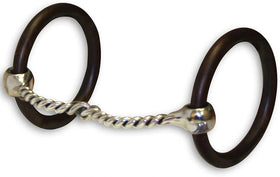
Snaffle bits are often the first type we're introduced to, and for good reason. They work through direct pressure, meaning the pressure you apply to the reins is felt directly on the bars and corners of the horse's mouth without any leverage. This straightforward action makes them an excellent choice for training young or green horses, as it helps teach them to yield to pressure in a clear, simple way. Because they are generally considered gentler than other types, snaffles are a popular choice across many disciplines for riders who want a soft and direct line of communication with their horse.
Curb Bits
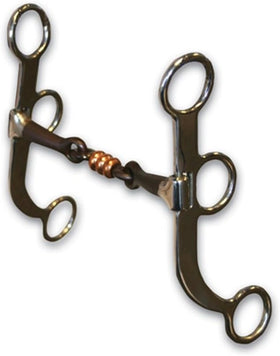
Curb bits introduce the concept of leverage. Unlike a snaffle, a curb bit has shanks—the long pieces on the side of the bit—that create leverage when the reins are pulled. This action applies pressure not only inside the mouth but also to the horse's poll and chin via the curb chain or strap. This makes them more severe than snaffle bits and provides a greater degree of control. Curb bits are typically used for more advanced riding, particularly in disciplines like Western riding or for horses that are well-trained but may need more refined cues or a reminder to stay collected.
Combination Bits
As the name suggests, combination bits blend the features of both snaffle and curb bits. They are designed to offer a mix of direct pressure and leverage, giving the rider more options for communication within a single piece of equipment. This can be particularly useful for horses that need a balance of gentle guidance and stronger control, depending on the situation. For example, a combination bit might be helpful for a strong horse on a trail ride or in a jumping scenario where you need a little extra influence without resorting to a full-time curb bit. They offer versatility for riders managing complex situations.
Is It Time for a Different Bit? Signs to Watch For
Your horse is your best source of feedback when it comes to bit comfort. If you're paying attention, they will tell you everything you need to know through their physical reactions and behavior. A bit that fits poorly or is too harsh for their level of training can cause pain, leading to resistance and a breakdown in your partnership. Recognizing the signs of discomfort is a critical skill for any responsible equestrian. If you notice any of the following indicators, it might be time to reassess your horse's bit and explore a different option that better suits their needs and promotes a happier, more willing attitude.
Physical Indicators of a Poor Fit
The most obvious signs of a poorly fitting bit are physical. Take a close look at your horse's mouth before and after each ride. A common issue is pinching at the corners of the lips, which can cause sores or calluses over time. You might also see rubbing on the bars of the mouth or cheeks. The bit should not have excessive sideways movement, as this can be irritating. A well-fitted bit should rest comfortably in the horse's mouth, creating just one or two small wrinkles at the corners of the lips. There should be about a finger's width of space between the horse's lips and the bit rings to prevent pinching.
Behavioral Cues and Resistance
Behavioral signs are your horse's way of saying, "Something isn't right." If your horse suddenly becomes difficult to bridle or starts resisting your aids, the bit is a primary suspect. Common behavioral cues include tossing or shaking their head, opening their mouth to evade the pressure, or trying to get their tongue over the bit. A horse that is constantly chomping on the bit or seems tense and unhappy during a ride may be experiencing discomfort. These actions aren't your horse being "bad"—they are clear attempts to communicate that the bit is causing pain or confusion, signaling that it's time to investigate a change.
Could a Myler Bit Be Your Answer?
Myler bits have revolutionized the bitting world with their focus on tongue relief and promoting a more comfortable and responsive horse. Developed by brothers Dale, Ron, and Bob Myler, their system categorizes bits into three "Levels" based on the amount of tongue pressure applied, aiming to progress horses towards lighter, more refined communication.
Key features of Myler bits:
Independently Swiveling Side Pieces: Many Myler designs allow the sides of the bit to move independently, reducing pinching and allowing the rider to isolate aids.
Mouthpiece Designs for Tongue Relief: From various port heights to curved bar designs, Myler bits are engineered to provide space for the tongue, encouraging the horse to swallow and relax.
-
The "Myler System": This progressive approach helps riders choose bits that match their horse's training level and mouth conformation.
Level 1: Offers maximum tongue pressure, suitable for green horses or those needing clear instruction.
Level 2: Provides more tongue relief, for horses that understand basic aids and are ready to advance.
Level 3: Offers the most tongue relief, for highly trained horses that carry themselves well.
Common Bitting Issues and How Myler Addresses Them:
Many traditional bits, especially those with single-jointed snaffles, can create a "nutcracker" effect, pinching the horse's tongue and bars. This often leads to common resistances:
Gapping Mouth / Tongue Over the Bit: When a horse's tongue is uncomfortably squeezed, they try to evade the pressure by opening their mouth or attempting to get their tongue over the bit. Myler mouthpieces are designed with varying degrees of port and curvature to create more room for the tongue, relieving this pressure and encouraging the horse to keep its mouth closed and accept the bit.
Head Tossing / Resistance: Discomfort in the mouth often translates to resistance in the head and neck. A horse might toss its head to avoid pain or brace against the bit. By providing tongue relief and a more ergonomic fit, Myler bits encourage the horse to soften at the poll and jaw, leading to a more consistent and relaxed head carriage.
Leaning on the Bit / Rooting: Some horses learn to lean on the bit to brace themselves against discomfort or to avoid engaging their hindquarters. The independent side movement and precise pressure distribution of Myler bits discourage leaning by making it less comfortable to brace. The more subtle, clear communication encourages the horse to carry itself and respond from its hindquarters.
Lack of Softness / Refusal to Collect: A bit that causes pain or a confused signal will hinder a horse's ability to soften through its body and collect. Myler's philosophy is to provide clear, consistent signals that the horse can understand and respond to without tension, promoting a more supple and collected frame.
By minimizing discomfort and maximizing clear communication, Myler bits help riders overcome these common issues, leading to a more harmonious partnership.
Hover over here for the most complete selection.