


Think any bit with a broken mouthpiece is a snaffle bit? That common belief can lead to poor tack choices, causing confusion and discomfort for your horse. Choosing the right equipment isn't just about gear; it's about clear communication and partnership. This guide is here to set the record straight. We'll cut through the noise and explain how a snaffle actually works, so you can make an informed decision that supports your horse's welfare and helps you both perform your best. Let's find the perfect match.
In this guide, you will gain expert-backed tips to help you choose, use, and master this classic piece of tack. We will explain what makes a snaffle bit unique, how to select the ideal type for your horse, and provide step-by-step fitting instructions.
Discover best practices, avoid common mistakes, and explore the latest trends shaping snaffle bit technology in 2025. Use this comprehensive resource to make confident, informed decisions for your horse’s welfare and your riding success.
What Is a Snaffle Bit and Why Use One?
The snaffle bit is one of the most essential pieces of tack in the equestrian world, prized for its straightforward design and versatility. Unlike curb bits, the snaffle bit uses direct rein pressure, making it a popular choice among riders who prioritize gentle, clear communication with their horses.
| Feature | Snaffle Bit | Curb Bit |
|---|---|---|
| Action | Direct rein | Leverage |
| Pressure Points | Mouth corners, bars, tongue | Chin, poll, mouth |
| Common Use | Training, schooling | Advanced work, refinement |
The origins of the snaffle bit trace back to ancient Europe, where early horsemen sought a simple solution for controlling their mounts. Over centuries, its design evolved to suit both Western and English disciplines. Today, the snaffle bit remains a staple in everything from dressage arenas to ranch work.
Why do riders continue to trust the snaffle bit? Here are some key benefits:
- Gentle, direct communication between horse and rider
- Ideal for training young horses or refining a seasoned horse’s responses
- Highly adaptable to various disciplines, including English, Western, trail, and show
- Encourages relaxation and softness in the horse’s mouth
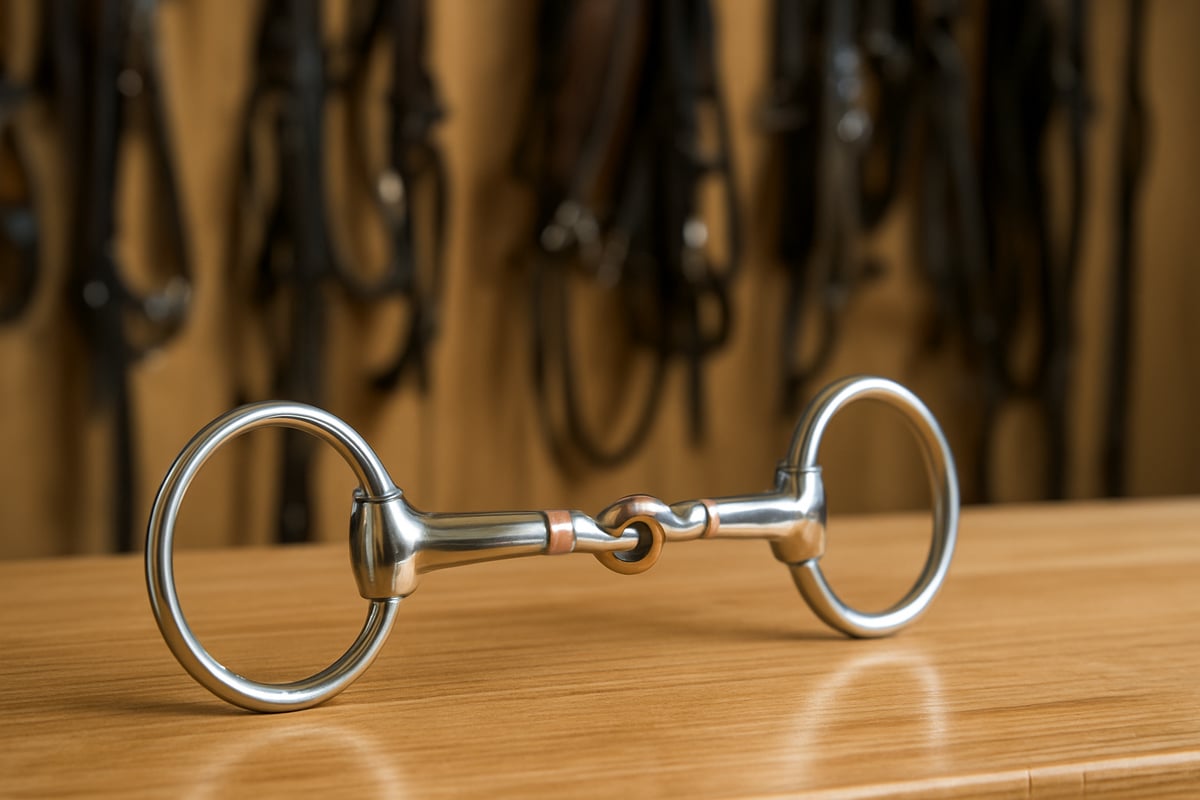
Understanding the anatomy of a snaffle bit helps explain its effectiveness. The typical snaffle bit consists of a mouthpiece, rings (loose ring, eggbutt, D-ring, etc.), and one or more joints. Common materials include copper, sweet iron, and stainless steel, each offering unique benefits for salivation, taste, and durability.
A snaffle bit works by applying pressure to the corners of the horse’s mouth, the bars, and sometimes the tongue, depending on the mouthpiece’s design. This direct action means the horse feels the rider’s cues immediately, promoting responsiveness and trust. Some riders mistakenly believe all snaffle bits are mild, but mouthpiece thickness, joint type, and fit can all influence the level of pressure and comfort.
It’s important to separate fact from fiction. Not every snaffle bit is gentle by default—some designs, especially those with twisted or thin mouthpieces, can create sharper sensations. Selecting the right style for your horse’s needs is crucial.
According to recent industry data, the snaffle bit is consistently the top-selling bit among equestrians worldwide. Its enduring popularity speaks to its effectiveness and trusted reputation. For a broader overview of how snaffle bits compare to other types, you can explore this Understanding horse bits and their types guide.
The snaffle bit’s combination of history, adaptability, and clear communication makes it a cornerstone of modern horsemanship. As you learn more about its types, fitting, and usage, you’ll see why riders of every level rely on this classic bit for optimal performance and horse comfort.
How a Snaffle Bit Works
A snaffle bit’s effectiveness comes from its simple, direct design. It allows you to communicate with your horse using clear, uncomplicated signals, which is why it's a favorite for training and everyday riding. Understanding exactly how it applies pressure helps you use it more effectively and with greater feel. This direct line of communication fosters a responsive and trusting partnership between you and your horse, making it a foundational tool for nearly every discipline.
Direct "Pound for Pound" Pressure
The key feature of a true snaffle bit is its direct-pull action. The reins and the headstall attach to the same ring, meaning there is no leverage involved. This creates a "pound for pound" connection: if you apply one pound of pressure on the reins, your horse feels exactly one pound of pressure in its mouth. This straightforward communication is excellent for teaching a horse to respond to light cues without the added force of a leverage bit. It builds a foundation of trust and responsiveness, as the horse learns to associate your hand movements directly with a request, making it an essential piece of horse tack for riders at all levels.
Pressure Inside the Mouth Only
A snaffle bit works by applying gentle pressure to specific areas inside the horse's mouth. These points include the corners of the lips, the tongue, and the bars—the toothless space on the lower jaw. Because there are no shanks or a curb chain, the action is isolated to the mouth. This prevents pressure on the poll (the area behind the ears) or under the chin. This focused communication allows for subtle cues and helps encourage the horse to stay soft and relaxed in the bridle. The goal is to create a light dialogue, not to force a response, which is why a properly fitted snaffle is such a valuable tool for developing a willing partner.
Common Snaffle Bit Misconceptions
With any popular piece of equipment, myths and misunderstandings are bound to pop up. Snaffle bits are no exception. Clearing up these common misconceptions is crucial for making informed choices for your horse's comfort and your training success. When you understand what a snaffle is—and what it isn't—you can select your equipment with confidence and ensure you're giving your horse the clearest signals possible. Let's look at two of the most frequent myths you'll hear around the barn.
Not All Jointed Bits are Snaffles
One of the most widespread errors is assuming that any bit with a jointed mouthpiece is a snaffle. This isn't true. The defining feature of a snaffle is its lack of leverage, not its mouthpiece. A bit with shanks—the long cheekpieces that extend below the mouthpiece—is a curb bit, regardless of whether the mouthpiece is jointed or solid. Those shanks create leverage that applies pressure to the poll and chin in addition to the mouth. So, if you see a bit with a broken mouthpiece and shanks, you're looking at a curb bit, which functions very differently from a true snaffle.
Debunking the "Nutcracker" Myth
You may have heard that a single-jointed snaffle creates a "nutcracker" effect, painfully pinching the horse's tongue and jaw. This is a persistent myth that doesn't hold up when you look at how the bit actually sits in the horse's mouth. When rein pressure is applied, the bit forms a "U" shape that lays parallel to the tongue, putting pressure on the bars and lips. It doesn't have the angle or mechanics to squeeze the lower jaw together. While any bit can be harsh in the wrong hands or if it fits poorly, the design of a standard snaffle is not intended to pinch or cause pain in this way.
How to Choose the Right Snaffle Bit for Your Horse
Choosing the right snaffle bit for your horse is a crucial decision that shapes both comfort and performance. Each horse is unique, and the right selection can mean the difference between clear communication and persistent resistance.
Assessing Your Horse’s Needs
Begin by evaluating your horse’s age, training level, and mouth conformation. Young horses often benefit from a simple, mild snaffle bit that encourages acceptance and learning, while experienced mounts may require a more specialized option. Examine the horse’s mouth for features like a low palate or thick tongue, as these anatomical traits will affect bit comfort and suitability.
Getting the Perfect Fit
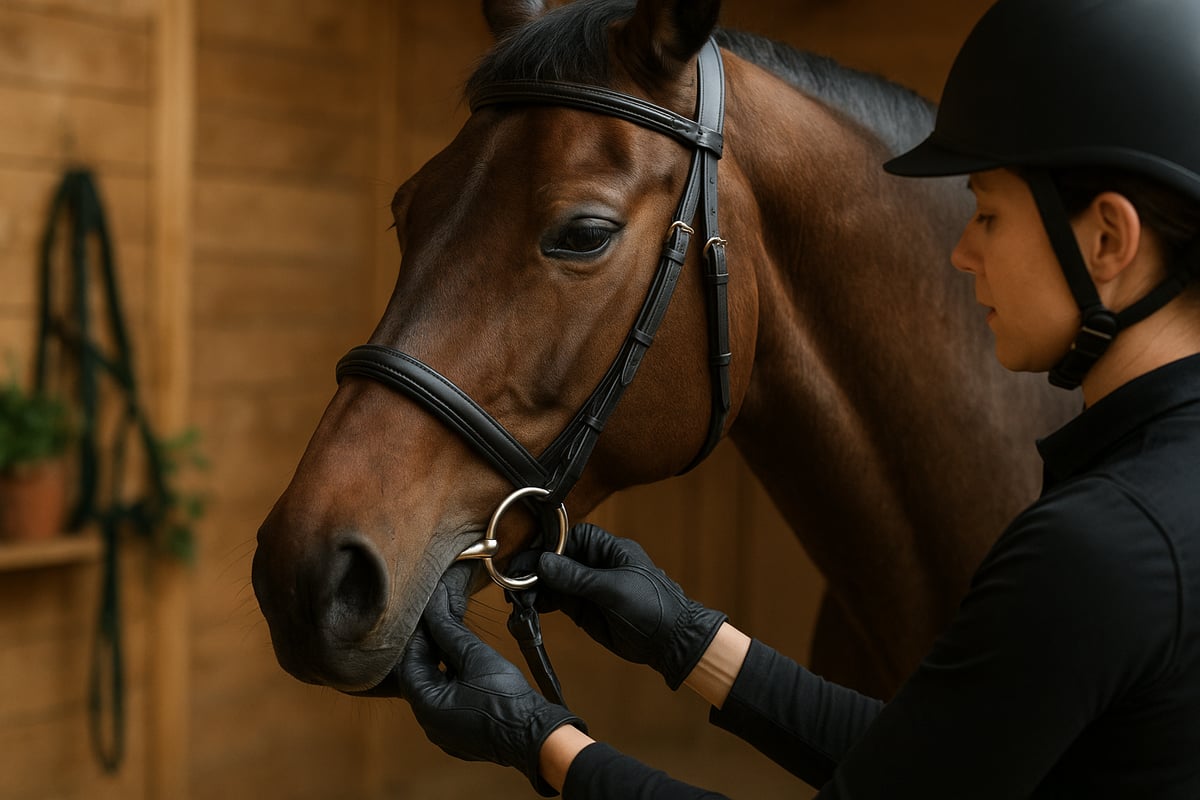
Proper fit is essential to ensure your snaffle bit communicates clearly without causing pain. Measure your horse’s mouth width with a soft tape or bit sizer. The bit should be slightly wider than the mouth, avoiding pinching at the corners. Thickness matters too: horses with small mouths generally prefer thinner bits, while those with more space may do well with a thicker mouthpiece.
| Bit Material | Pros | Cons |
|---|---|---|
| Stainless Steel | Durable, rust-resistant, neutral taste | Can be cold in winter |
| Sweet Iron | Promotes salivation, encourages chewing | Prone to rust over time |
| Copper | Increases salivation, softens mouth | Can wear quickly |
| Synthetic | Lightweight, gentle, various flavors | Less durable, may chew |
Material Matters
The material of your snaffle bit influences how your horse responds. Stainless steel is popular for its durability and neutral taste, while sweet iron and copper promote salivation for a softer mouth. Some horses prefer synthetic bits, especially if they have sensitive mouths, though durability can be an issue.
Discipline Differences
Your riding discipline plays a role in bit selection. English riders often choose snaffle bits with specific cheekpiece designs like eggbutt or D-ring for stability. Western riders may prefer O-ring or loose ring styles for direct communication. Always check your discipline's rules, as some competitions have restrictions on bit type, thickness, or mouthpiece design.
Recognizing Discomfort
Pay close attention to behavioral cues that indicate a snaffle bit is causing discomfort. Signs such as head tossing, gaping, excessive chewing, or refusal to accept the bridle suggest the need for adjustment or a different style. A well-fitted snaffle bit should allow the horse to work quietly and willingly.
Expert Guidance and Modern Trends
Consulting with trainers or equine dental professionals can provide you with valuable insights into your horse’s specific needs. For example, transitioning a young horse from a halter to a snaffle bit should be gradual, using groundwork and short, positive sessions under saddle. In 2025, there is growing demand for ergonomic, anatomically shaped snaffle bits that reduce pressure points and adapt to a broader range of mouth conformations.
If you want additional guidance on finding the ideal bit, review this resource on choosing the right bit for your horse for expert-backed tips and detailed comparisons.
Selecting the right snaffle bit is not a one-size-fits-all process. By considering your horse’s anatomy, training level, and your riding discipline, you can make an informed decision that supports both comfort and performance. The right choice helps develop a responsive, happy partner for years to come.
Common Snaffle Mouthpiece Types
The mouthpiece is the part of the bit that sits inside your horse's mouth, and its design is the single most important factor in how the bit communicates your cues. From gentle, solid bars to complex jointed designs, each type offers a different feel and level of pressure. Understanding these differences is key to finding a bit your horse will be happy and comfortable in. Exploring the variety of horse tack available can feel overwhelming, but breaking down the mouthpiece options is the perfect place to start.
Mullen Mouth
A mullen mouth is a simple, solid bar with a slight curve to accommodate the horse's tongue. Because it has no joints, it applies consistent, even pressure across the tongue and the bars of the mouth without any "nutcracker" action. This makes it a very mild and straightforward option. It’s an excellent choice for young horses just learning to accept a bit or for sensitive horses who dislike the movement and pressure points created by jointed mouthpieces. The mullen provides stability and encourages quiet confidence in the contact.
French Link
The French link is a double-jointed mouthpiece featuring a small, flat, peanut-shaped link in the center. This design allows the two arms of the bit to conform comfortably around the horse's tongue, reducing the V-shape pressure associated with single-jointed snaffles. The flat link lies smoothly on the tongue, making it a very mild and popular choice for promoting relaxation and soft acceptance of the bit. It’s a great option for horses that need a bit more flexibility than a mullen but still require a gentle feel.
Dr. Bristol
At first glance, the Dr. Bristol looks similar to a French link, but there's a critical difference. Its central link is a thin, rectangular plate that is set at an angle. When the reins are pulled, this angled plate applies concentrated, sharp pressure to the horse's tongue. Because of this design, the Dr. Bristol is considered a fairly strong and severe bit. It is not a mild option and should be reserved for specific training situations under the guidance of an experienced professional who understands its distinct action.
Twisted Mouthpieces
Twisted mouthpieces feature one or more twists along the bar, creating edges that apply sharp, targeted pressure. These bits are designed for significant control and are considered severe. The severity increases with the number of twists and the thinness of the mouthpiece—a thin, twisted wire bit is one of the harshest options available. Due to their intensity, twisted bits are not suitable for general riding or inexperienced hands and should only be used by skilled riders for horses that do not respond to milder forms of communication.
Roller Mouthpieces
Roller mouthpieces incorporate small, movable rollers made of materials like copper or stainless steel. These rollers are designed to have a calming effect on horses that are tense in the jaw or tend to lean on the bit. The movement of the rollers encourages the horse to play with the bit, promoting salivation and a softer, more relaxed mouth. This can help improve focus and acceptance of the contact, making it a useful tool for horses that need a little extra encouragement to stay soft and attentive.
Hollow Mouth
A hollow mouth snaffle is characterized by a thick, hollow mouthpiece that is lighter than it appears. The increased thickness distributes pressure over a larger surface area of the tongue and bars, which generally makes it a milder bit. However, its bulk can be a drawback for horses with small mouths, low palates, or thick tongues, as it may not leave enough room to be comfortable. For horses with adequate space in their mouths, a hollow mouth can be a gentle and effective option.
Common Snaffle Ring (Cheekpiece) Types
The rings, or cheekpieces, of a snaffle bit do more than just hold the mouthpiece in place. They influence the bit's stability, how rein pressure is applied, and can even offer lateral guidance to help with steering. The style of the cheekpiece works in tandem with the mouthpiece to create the overall effect of the bit. From the free-moving loose ring to the stationary full cheek, each design offers unique benefits for different horses and training goals.
Full Cheek
The full cheek snaffle has long, straight arms that extend both above and below the bit rings. These arms serve two main purposes: they prevent the bit from sliding through the horse's mouth, and they provide a gentle guiding pressure on the side of the horse's face to aid in turning. This makes the full cheek an excellent choice for green horses that are still learning steering cues. For safety, it's recommended to use bit keepers to secure the upper arms to the bridle, ensuring stability.
Half-Cheek
A half-cheek snaffle is a variation of the full cheek, typically featuring only the lower arm. This design retains some of the lateral guiding action and prevents the bit from being pulled through the mouth on one side. It's most commonly seen in disciplines like racing and driving, where there's a risk of a full cheek's upper arm getting caught on equipment. It offers a bit more stability than a simple loose ring without the full structure of a traditional full cheek.
Baucher (Hanging Cheek)
The Baucher, also known as a hanging cheek snaffle, has a unique design with a small, separate ring above the main bit ring where the bridle's cheek pieces attach. This configuration holds the mouthpiece in a very fixed and stable position within the horse's mouth. While some believe it creates slight poll pressure, this is widely debated, and it does not function as a leverage bit. It's often favored for horses that prefer a still bit or for riders who want to refine their communication without much movement from the bit itself.
Fulmer
The Fulmer snaffle is a clever combination of a full cheek and a loose ring. It features the long guiding arms of a full cheek, but the mouthpiece is attached to loose rings that can move freely along the cheekpieces. This hybrid design provides the lateral steering aid of the full cheek arms while allowing for the subtle communication and movement of a loose ring. It’s a great option for riders who want the training benefits of a full cheek but with a more mobile and sensitive mouthpiece.
What is the Kindest Bit for a Horse?
The kindest bit is always the one that is most comfortable for your individual horse, paired with a rider who has gentle, independent hands. There is no single "kindest" bit, as every horse's mouth conformation and sensitivity level are different. However, certain designs are widely considered to be milder than others. A mullen mouthpiece is often at the top of the list because its solid, curved bar distributes pressure evenly across the tongue without any joints to create pressure points. Similarly, a double-jointed French link is another very gentle option that conforms to the mouth's natural shape.
Beyond the mouthpiece style, proper fit is crucial. A bit should have a good bearing surface—one that is too thin can feel sharp and severe. At the same time, a bit that is too thick can be uncomfortable for a horse with a small mouth or low palate. Ultimately, the rider's skill is the most significant factor. Even the mildest bit can cause pain in rough hands, while a skilled rider can communicate effectively with a variety of tools. When in doubt, start simple and listen to your horse's feedback. Exploring our best-selling products can give you an idea of what other riders trust for their partners.
Shop This Post

Featured in this article
AV Bob Avila Double Ring Snaffle Horse Bit - Sweet Iron Mouthpiece, 3" Rings - Multiple Sizes
$165.00
Shop Now →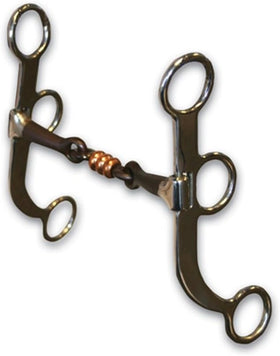

How to Fit a Snaffle Bit: A Step-by-Step Guide
Fitting a snaffle bit correctly is essential for your horse’s comfort, communication, and safety. A well-adjusted snaffle bit encourages relaxation and responsiveness, while a poor fit can cause discomfort or resistance. Follow this step-by-step approach to ensure your tack supports your horse’s needs in every ride.
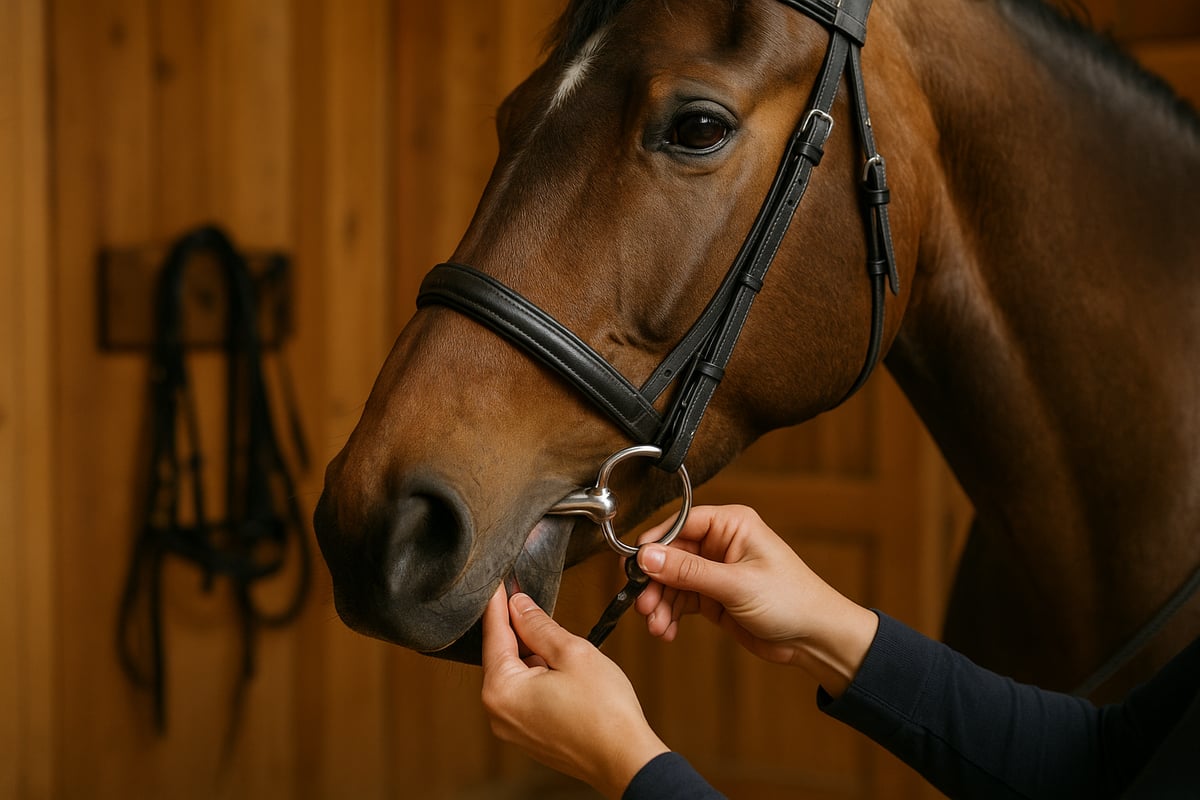
Step 1: Measure Your Horse's Mouth
Start by measuring your horse’s mouth to select the ideal snaffle bit width and thickness. Use a soft tape or bit measure to determine the distance between the corners of the lips. The snaffle bit should extend about a quarter-inch beyond each lip, preventing pinching yet avoiding excess length. Choose a thickness that matches your horse’s oral anatomy; too thick can crowd the mouth, while too thin may feel harsh. Repeat this process for each new snaffle bit or as your horse matures.
Understanding Standard Bit Sizing
Snaffle bits are typically measured in inches, with sizes ranging from 4" to 6" in quarter-inch increments. When you measure your horse's mouth, you're looking for a bit that extends about a quarter-inch past the lips on each side. This small amount of extra space prevents the rings from pinching your horse's cheeks without being so wide that it slides around and sends unclear signals. Mouthpiece thickness is just as important. A thicker bit distributes pressure more broadly and is often considered gentler, but it can be too bulky for a horse with a low palate or a thick tongue. Thinner bits offer more precise communication but can feel harsher if not used with care. Finding the perfect fit can sometimes involve a bit of trial and error, which is why it helps to shop for horse tack from a place that understands the process and stands behind their products.
Step 2: Connect the Bit to Your Headstall
Secure the snaffle bit to the headstall using loop-to-loop connections or buckles, depending on your bridle style. Ensure the rings move freely and are not twisted. Double-check that the headstall is suited for the snaffle bit—browband and throatlatch styles offer extra stability, while one-ear headstalls may suit Western tack. Attaching the snaffle bit correctly sets the stage for accurate cues and comfort.
Step 3: Get the Bit Height Just Right
Adjust the snaffle bit so it just touches the corners of your horse’s mouth. Look for one or two small wrinkles—no more, no less. If the bit hangs too low, it may bump the teeth or cause the horse to mouth it excessively. Too high, and it can create pinching or tension. Small adjustments can make a significant difference in your horse’s willingness to accept the snaffle bit. For a visual walkthrough, you can watch Proper Snaffle Bit Fitting Techniques.
The "Wrinkle Rule" and an Alternative Approach
The "wrinkle rule" has been a go-to guideline for generations of riders, suggesting the bit is at the right height when you see one or two small wrinkles at the corners of the horse's mouth. While this is a decent starting point, it shouldn't be the only factor you consider. Every horse has a unique mouth conformation, lip thickness, and sensitivity level, so a one-size-fits-all rule can be misleading. For some horses, two wrinkles might mean the bit is uncomfortably high, creating constant pressure and tension in the jaw. The rule is a helpful guide, but it's not a guarantee of a perfect fit.
A more reliable method is to prioritize your horse’s comfort and behavior over a simple visual cue. A correctly fitted bit results in a quiet, relaxed mouth and clear communication. Watch for signs of discomfort like head tossing, a gaping mouth, or resistance when you put on the bridle, as these often signal that the fit is off. The true goal is for your horse to accept the bit willingly and respond softly to your aids. If you're ever in doubt, consulting an experienced trainer or an equine dental specialist can provide invaluable, personalized advice for selecting the right horse tack.
Step 4: Check for Side-to-Side Movement
Test the lateral movement of the snaffle bit by gently moving one ring to the side. The bit should glide evenly across the bars of the mouth, allowing clear, direct rein aids. If you notice resistance or uneven movement, reevaluate the fit and ensure the headstall is balanced. Smooth lateral action is crucial for effective communication and keeps the snaffle bit from pinching.
Step 5: Attach Your Reins Correctly
Choose reins that match your discipline and safety needs. Tie-on leather reins are traditional and reliable, while snaps allow for quick changes but may add weight. Attach reins to the rings of the snaffle bit, ensuring secure, even placement. This connection transmits your cues and helps maintain consistent contact, fostering trust and clarity in every ride.
Step 6: Watch for Signs of Comfort
Observe your horse’s response after fitting the snaffle bit. Signs of comfort include relaxed chewing, a soft jaw, and steady head carriage. Watch for resistance such as head tossing, gaping, or excessive mouthing. These behaviors may signal the need for further adjustment or a different snaffle bit style. Each horse is unique, so patience and observation are key.
Adjusting the Fit for Green vs. Experienced Horses
For a green horse, start with a mild snaffle bit and double-check every step, as young horses are more sensitive to discomfort. Seasoned show mounts may require fine-tuned adjustments or specific mouthpiece shapes for peak performance. Always monitor behavior and comfort, adjusting as needed for your horse’s experience and discipline.
Common Fitting Mistakes (And How to Fix Them)
| Mistake | Solution |
|---|---|
| Bit too tight or too loose | Re-measure and adjust headstall fit |
| Wrong headstall style | Switch to an appropriate bridle |
| Incorrect rein attachment | Use correct ties or snaps for safety |
| Ignoring discomfort signals | Observe and respond to behavioral cues |
| Using curb straps improperly | Avoid unless specifically recommended |
By following these steps, you ensure your snaffle bit is fitted for maximum comfort and communication. Regular checks and small adjustments can make all the difference in your horse’s performance and happiness.
Helpful Snaffle Bit Accessories
While a properly fitted snaffle bit is effective on its own, certain accessories can enhance its function and your horse’s comfort. These simple additions can help solve common issues like bit pinching or instability, ensuring your communication remains clear and gentle. Think of them as helpful tools in your tack box that can be used when a specific situation calls for a little extra support.
Using a Curb Strap with a Snaffle
A curb strap can be a valuable addition to your snaffle bit setup, especially in certain training situations. Its main job is to keep the bit from being pulled through your horse's mouth during a turn or when applying one-sided rein pressure. This stability ensures the rings stay flat against the horse's cheeks, allowing for clearer, more consistent communication. While a snaffle operates on direct, one-to-one pressure from your hands, a curb strap helps maintain that direct line of contact by preventing the bit from shifting out of position. It’s a simple tool that can make a big difference in control and responsiveness, particularly with young horses learning to yield to rein aids. When properly adjusted, it provides a subtle boundary without interfering with the snaffle's primary action. You can explore a variety of horse tack options to find the right accessories for your needs.
When to Use Bit Guards
Bit guards, also known as bit rings, are small rubber or gel discs that slide onto the mouthpiece and sit between the bit ring and the horse's lips. Their primary purpose is to prevent pinching at the corners of the mouth, which can sometimes happen with loose-ring snaffles. If you notice your horse is showing signs of discomfort, like rubbing their mouth or fussing with the bit, guards might offer a solution. They are especially helpful for horses with sensitive skin or those who are just starting their training. By creating a smoother, wider surface against the horse's face, bit guards provide an extra layer of protection and comfort. While a well-fitted bit is always the goal, these simple accessories can make the riding experience more pleasant for horses prone to irritation. You can find quality gear that prioritizes your horse's well-being.
Introducing a Snaffle Bit to a Young Horse
Introducing a snaffle bit to a young or green horse is a milestone that requires patience, trust, and a gentle approach. This process sets the foundation for all future communication under saddle. Rushing this step can create negative associations that are difficult to undo, so it’s important to move at your horse’s pace. The goal is for your horse to accept the bit willingly and calmly, viewing it as just another piece of equipment. By focusing on positive reinforcement in a low-stress environment, you can make this a smooth and successful transition for both of you.
Preparing Your Horse for a Bit
Before putting a bit in your horse’s mouth, ensure they are completely comfortable with you handling their head and face. Spend time gently touching their ears, muzzle, and lips. Once they are relaxed, you can carefully put your fingers in their mouth, rubbing their gums where the bit will sit. This groundwork builds essential trust and desensitizes them to the new sensation. When you’re ready, start with a simple, smooth snaffle bit without a bridle attached. This keeps the first experience straightforward and prevents them from feeling overwhelmed by too much gear at once.
The First Introduction
For the first introduction, approach your horse calmly and present the bit, letting them sniff and explore it. When you’re ready, gently guide it into their mouth. It’s completely normal for them to chomp, move their tongue around, and try to figure out this new object. Let your horse wear the bit for about an hour in a safe, supervised area like a stall or round pen. The key is to make it a non-event. Afterward, practice putting it in and taking it out for short periods every day. This repetition helps them get used to the routine and builds confidence.
Building a Positive Habit
A positive bitting experience depends on consistent, gentle handling and a well-fitted snaffle. A properly fitted bit allows your horse to work quietly and willingly, so pay close attention to their behavior. Signs of discomfort like head tossing, a gaping mouth, or refusing the bridle are clear indicators that something is wrong. These cues might mean the bit needs an adjustment or that you should try a different style. Every horse is an individual, and finding the perfect piece of horse tack can take some trial and error. Listening to your horse is the most important part of building a positive, lasting habit.
Riding Effectively with a Snaffle Bit
Unlocking your horse’s best performance with a snaffle bit requires not just the right equipment, but also skilled, mindful riding. Whether you’re training a green colt or fine-tuning a seasoned mount, following proven best practices ensures both comfort and effective communication.

Mastering Light Hands and a Steady Contact
The foundation of riding with a snaffle bit is developing light, consistent hands. The “smooth pull” principle means you apply gentle, steady pressure to guide your horse, never yanking or jerking the reins.
This approach helps your horse trust the snaffle bit, encouraging relaxation and willingness to respond. Riders who maintain even contact allow their horses to move freely, reducing confusion and discomfort. Practice holding the reins with soft fingers and keeping your elbows relaxed, so every cue is clear yet kind.
It's the Rider's Hands, Not Just the Bit
While it's tempting to search for the perfect piece of horse tack to solve training challenges, it’s crucial to remember that a snaffle bit is just a tool. Its effectiveness, and more importantly, its kindness, comes down to your hands. Even the gentlest snaffle can feel severe with unsteady or rough handling, while a more advanced bit can be used with great subtlety by a skilled rider. The direct action of a snaffle means your horse feels every movement, so sensitivity and consistency are key. True horsemanship isn't about finding a bit to "fix" a problem; it's about developing the feel, timing, and balance to guide your horse with quiet confidence. When you focus on creating a steady, gentle connection, you build a partnership where your horse listens willingly, trusting that your cues will be fair and clear.
Key Training Stages with a Snaffle Bit
A snaffle bit is a key tool in every stage of training. For starting colts, it introduces the basics of rein pressure and head control. In ongoing schooling, the snaffle bit helps reinforce cues and maintain responsiveness.
For tune-ups, experienced horses benefit from the direct communication a snaffle bit provides. Always introduce new exercises gradually, letting your horse adjust and build confidence at each step. This steady progression supports a positive learning environment and long-term partnership.
Focusing on Lateral Control
A snaffle bit is designed to work laterally, meaning it guides your horse from side to side. When you pick up the left rein, you're asking your horse to follow that feel, bend its nose, and turn to the left. The same applies to the right. This direct, one-to-one communication is what makes the snaffle such a powerful tool for teaching a horse to be supple and responsive. The goal is to teach your horse to yield to the pressure on the bars of its mouth and follow your hand, which lays the groundwork for more advanced maneuvers. Mastering this lateral control is the first step toward achieving a balanced and collected frame, making it a fundamental skill for any riding discipline. It's all about clear signals and a soft response.
Actionable Exercises for a Responsive Horse
Once you understand the principle of lateral control, you can use specific exercises to develop your horse's responsiveness. These movements aren't about forcing a certain head position; they're about teaching your horse to listen to subtle cues and carry itself correctly. The key is to combine your hand aids with your leg and seat aids for a full-body conversation. By practicing these exercises consistently, you build muscle memory and create a reliable line of communication. Your horse will learn to seek the comfort of a soft feel, making your rides smoother and more enjoyable for both of you. Remember to keep sessions short and positive, always rewarding the slightest try.
One-Rein Flexion
One-rein flexion is a foundational exercise for teaching softness. While at a standstill or a walk, gently pick up one rein and ask your horse to bend its head slightly to that side. You're looking for a quiet flexion at the poll, where the horse softens its jaw and turns its nose just off-center without resistance. The moment your horse gives, release the pressure immediately. This teaches your horse to yield to the bit instead of bracing against it. This simple movement is incredibly effective for breaking down stiffness and establishing a soft, responsive mouth. It's a go-to exercise for calming a nervous horse or regaining focus during a training session.
Using Your Legs Into the Bit
Many riders make the mistake of pulling back on the reins to get their horse's head down. A more effective method is to use your legs to encourage your horse to move forward into the contact of the bit. When you want your horse to lower its head and soften, apply pressure with your legs to create forward energy. This energy travels from the hindquarters through the horse's body and into your hands. Instead of pulling harder, you simply maintain a steady contact and let the horse find the release by softening into the bridle. This technique teaches the horse to engage its hind end and lift its back, creating a much more balanced and athletic frame.
Teaching Your Horse to Carry the Bit
The ultimate goal is for your horse to carry the bit correctly without you having to constantly hold it in position. This means the horse learns to maintain a soft, rounded frame and a steady head carriage on its own. You achieve this by consistently rewarding the right posture with a release of pressure. When your horse softens and holds its nose in the correct position, you soften your hands. If it raises its head or braces, you re-engage with gentle rein and leg pressure. Over time, the horse learns that carrying itself properly is the most comfortable option. This creates a true partnership where the horse is responsible for its own balance and carriage.
Important Training Principles to Remember
As you work on these exercises, it's important to keep a few core training principles in mind. These concepts will help you avoid common pitfalls and ensure you're developing a willing and athletic partner, not just teaching mechanical movements. Horsemanship is about understanding the "why" behind the "how," and these principles are crucial for building a solid foundation. Focusing on correct movement from the start prevents bad habits from forming and ensures your horse remains physically and mentally sound throughout its training. It's about creating a horse that is not only obedient but also confident and happy in its work.
Avoiding a "Rubbernecked" Horse
A common mistake is to focus too much on bending the horse's neck without moving its feet. This can create a "rubbernecked" horse—one that throws its head far to the side but lets its shoulder drift in the opposite direction. This is a dangerous evasion because the horse is not truly balanced or listening to your aids. To avoid this, always connect the rein aid to your horse's feet. When you ask for a bend, make sure the horse's body follows, stepping its feet in the direction of the turn. The bend should be a full-body movement, not just an isolated flexion of the neck.
Keeping the Hind End Engaged
Forward movement is your best friend in training. Always ensure your horse's hind end is engaged and moving forward, as this is the engine that powers every maneuver. If the horse stops moving its hind feet, it can easily brace its front end and learn to pull with its shoulders instead of driving from behind. This leads to a heavy, unresponsive feel in the reins. By keeping the hind legs stepping under the body, you encourage the horse to lift its back and stay light on the forehand. This engagement is what allows for true collection and responsiveness to the bit.
Understanding "Behind the Bit" vs. "Deep"
It's important to distinguish between a horse that is working "deep" and one that is "behind the bit." A horse can lower its head and work in a deep, rounded frame while still driving forward with its hindquarters—this is a sign of strength and suppleness. However, a horse that is "behind the bit" has dropped its head to evade contact and has disengaged its hind end. The energy stops, and the horse is no longer moving forward into the bridle. The key difference is the presence of forward impulsion from the hind legs. Always prioritize that forward energy to ensure your horse is working correctly through its whole body.
How to Communicate Clearly Through the Reins
Understanding rein aids is crucial for effective use of a snaffle bit. Direct rein involves pulling the rein straight back toward your hip, moving the horse’s head in that direction. Indirect rein, or neck reining, shifts pressure across the neck to influence the horse’s body position.
| Rein Aid | Action | Best Use |
|---|---|---|
| Direct Rein | Pulls straight to hip | Precise turns, young horses |
| Indirect Rein | Rein touches neck, guides body | Lateral moves, advanced |
Use direct rein for teaching “following the nose,” especially with green horses. Indirect rein aids come into play as your horse gains experience and balance.
Encouraging a Soft, Responsive Mouth
To get the most from your snaffle bit, focus on building softness and responsiveness. Start with simple transitions, like walk-halt-walk, to teach your horse to yield to light rein pressure.
Incorporate exercises such as serpentines, circles, and lateral flexion. Reward your horse for giving softly to the bit, even if progress is gradual. Consistent practice encourages your horse to stay light in your hands and attentive to your cues, making every ride more enjoyable and productive.
Safety, Progress, and Discipline-Specific Tips
Safety is always a top priority when using a snaffle bit. Avoid over-pulling or applying sudden pressure, which can cause resistance or discomfort. Always check your tack for proper fit and function before each ride.
As your horse advances, you may consider transitioning to a hackamore or curb bit if your discipline requires it. However, many riders find that staying with a snaffle bit promotes ongoing softness and responsiveness. For a detailed look at discipline-specific recommendations and bit types, see this helpful guide on Snaffle Bit Types and Uses.
No matter your riding style—Western or English—mastering the snaffle bit is essential for clear, humane communication and peak performance. By applying these best practices, you set your horse up for success in any arena.
What's New in Snaffle Bit Design?
The world of snaffle bit technology is evolving rapidly, and 2025 is shaping up to be a landmark year for riders seeking the best for their horses. Manufacturers and equestrian experts are collaborating more than ever to prioritize equine comfort, communication, and performance. As a result, today's snaffle bit is more advanced, customizable, and welfare-focused than ever before.
Exploring New Snaffle Bit Materials
In 2025, the snaffle bit market is witnessing a surge in innovative materials. Hypoallergenic alloys are reducing allergic reactions, while antimicrobial coatings help prevent bacterial buildup and mouth sores. Eco-conscious riders are choosing bits crafted from recycled metals and plant-based synthetics, reflecting a broader movement toward sustainability.
Table: Traditional vs. Modern Snaffle Bit Materials
| Feature | Traditional Bits | Modern Innovations |
|---|---|---|
| Material | Stainless steel, copper | Hypoallergenic alloys, eco-friendly synthetics |
| Surface | Standard finish | Antimicrobial, anti-corrosive coatings |
| Environmental impact | Conventional metals | Recycled, plant-based components |
These new materials are designed to maintain the effectiveness and feel of a classic snaffle bit while minimizing health and environmental risks.
Designs Focused on Your Horse's Comfort
Ergonomics are at the forefront of snaffle bit development. Anatomically-shaped mouthpieces and curved cheekpieces are engineered to fit a horse’s unique oral structure, reducing pinching and pressure points. This trend is driven by growing awareness of equine welfare and stricter competition regulations from organizations like the FEI and AQHA. In 2025, more riders are seeking bits that comply with welfare rules and provide maximum comfort.
Many experts recommend consulting resources like the Guide to Horse Bit Selection when evaluating these new designs. Modern snaffle bit options now include models specifically tailored for horses with thick tongues, low palates, or dental challenges. This level of customization means even horses with unique needs can benefit from improved communication and reduced discomfort.
The Rise of Smart Bits and Customization
The integration of smart technology is a game-changer for the snaffle bit industry. Brands are introducing bits with embedded sensors that track pressure, movement, and fit in real time. Riders and trainers can analyze data to fine-tune their approach, ensuring optimal comfort and responsiveness.
Customization is also on the rise. 3D-printed snaffle bits, made to precise measurements of a horse’s mouth, are becoming increasingly accessible. Bespoke fitting services allow for truly tailored solutions, helping address persistent issues like bit aversion or inconsistent contact.
What the Pros are Using Now
Top trainers and equine dentists are embracing these innovations, citing clear improvements in horse behavior and performance. Horses previously resistant to traditional bits are showing softer mouths, better focus, and fewer signs of discomfort with new-generation snaffle bit models.
For example, a recent case involved a sensitive gelding who had struggled with conventional bits. By switching to an anatomically-shaped, copper-alloy snaffle bit with antimicrobial coating, the horse’s acceptance improved dramatically within weeks.
Looking ahead, the snaffle bit market will likely continue to prioritize welfare, data-driven customization, and sustainable materials. Riders who stay informed about these trends are positioned to offer their horses the very best in comfort and communication.
Frequently Asked Questions About Snaffle Bits
Curious about the snaffle bit and its role in modern riding? Below, we answer the most frequently asked questions to help you make informed decisions and ensure your horse’s comfort and performance.
How do I know if my horse likes their snaffle bit?
Watch for positive signs such as relaxed chewing, steady head carriage, and willingness to accept contact. If your horse is tossing its head, gaping its mouth, or resisting rein aids, the snaffle bit may not be comfortable or correctly fitted.
What’s the difference between a single-jointed and double-jointed snaffle bit?
A single-jointed snaffle bit has one hinge, creating a nutcracker effect on the horse’s mouth. A double-jointed snaffle, often with a lozenge or French link, distributes pressure more evenly and reduces pinching of the tongue and palate. For more on this topic, see Understanding Horse Bit Mouthpieces.
Can I use a snaffle bit for advanced dressage or Western events?
Yes, the snaffle bit is legal in many advanced dressage and Western classes, especially for young horses. However, always check your discipline’s rulebook for specific requirements, as some upper-level competitions may require a curb or double bridle.
Is a snaffle bit suitable for all horses?
While the snaffle bit is versatile, it may not suit every horse. Horses with sensitive mouths, dental issues, or unique conformation might need a different bit or mouthpiece. Always assess your horse’s individual needs and consult with a professional if unsure.
How often should I check and replace my snaffle bit?
Inspect your snaffle bit weekly for sharp edges, cracks, or corrosion. Replace it if you notice wear that could injure your horse’s mouth. On average, quality bits last several years with proper care.
Is it safe to use a curb strap with a snaffle bit?
Generally, a curb strap is not needed with a snaffle bit, except in some Western disciplines to prevent the rings from being pulled through the mouth. For more on proper usage, read Curb chain versus snaffle bit use.
What are signs of bit-related discomfort or injury?
Look for mouth sores, rubbing at the corners, excessive salivation, or reluctance to accept the bit. Behavioral cues like head shaking or resistance can also indicate issues with the snaffle bit.
Are there legal restrictions on snaffle bits in competition?
Most organizations allow snaffle bits in lower-level classes, but some upper-level events require specific bits. Always review your organization’s rules to ensure your snaffle bit complies.
How do I transition my horse from a snaffle bit to a curb or hackamore?
Introduce the new bit gradually, allowing your horse time to adjust. Start with short sessions and reward calm, responsive behavior. Seek guidance from a trainer for a smooth transition.
What are the best snaffle bit brands and how do I choose quality?
Look for reputable brands known for high-quality materials and craftsmanship. Stainless steel, copper, and sweet iron are popular choices for durability and comfort. Ensure the snaffle bit is smooth, well-finished, and free of rough edges.
Still have questions? Remember, choosing and using the right snaffle bit is essential for your horse’s comfort and communication. Consult with trainers or equine dental professionals to tailor your approach for the best results.
Now that you understand what sets a snaffle bit apart and how choosing the right one can truly enhance your horse’s comfort and performance, you’re ready to take the next step. If you’re looking for quality snaffle bits or essential accessories, Hooves and Paws has been a trusted resource for riders since 1994, offering a wide selection alongside free US shipping and flexible payment options. You deserve tack that supports your goals and your horse’s well being. Explore the latest innovations and find the perfect fit for your needs—Buy Now.
Key Takeaways
- Identify a True Snaffle: A snaffle bit is defined by its direct-pull action, not a broken mouthpiece. If a bit has shanks—the long pieces below the mouthpiece—it's a curb bit that uses leverage and communicates very differently.
- Fit the Bit to Your Horse, Not a Rule: The "kindest" bit is the one that suits your horse's individual mouth shape and sensitivity. Pay close attention to their comfort and behavior to find the right combination of mouthpiece and ring style for a happy partner.
- Your Hands are the Real Communicator: A bit is just a tool; its effectiveness comes down to how you use it. Focus on developing light, steady hands to build a trusting connection, as this has a far greater impact on your horse's responsiveness than any piece of equipment.


