

The perfect horse riding helmet is one you forget you’re even wearing. It should feel so secure and comfortable that you can focus completely on your horse, not a wobbly fit or a nagging pressure point. Finding that perfect brown horse riding helmet is all about balancing certified protection with what feels right for you. It’s about the confidence that comes from knowing your gear is doing its job correctly. We’ll cover everything from how to measure your head properly to understanding the latest safety technology, so you can find a helmet that gives you the freedom to ride your best.
Key Takeaways
- Safety is Your First Checkpoint: Before you even think about color, make sure any helmet you consider has an ASTM/SEI certification sticker. This is your proof that it’s built and tested specifically for equestrian sports, and features like MIPS offer even greater protection.
- Get the Fit Right for True Protection: An ill-fitting helmet can't do its job. Always measure your head and compare it to the brand's size chart, then perform a simple "shake test" to ensure it stays snug and level without wobbling. A proper fit is just as important as safety certification.
- Choose a Style After Covering the Essentials: Once you've confirmed a helmet is certified and fits perfectly, you can focus on the details. Whether you need a traditional velvet finish for the show ring or a ventilated matte helmet for schooling, there's a safe and comfortable option that fits your budget and personal taste.
Why a Horse-Specific Helmet is Non-Negotiable
It can be tempting to think any helmet is better than no helmet, but when it comes to horseback riding, that’s a dangerous assumption. The helmet you wear for cycling or skiing is engineered for completely different types of falls and impacts. An equestrian helmet is the only piece of headwear specifically designed to protect you from the unique risks of being around horses, whether you’re in the saddle or on the ground. It’s not just about meeting a requirement for a show or a lesson; it’s about giving yourself the best possible protection for the sport you love. Choosing a helmet made for riders is a critical decision that accounts for the height, speed, and unpredictable nature of partnering with a 1,000-pound animal.
Equestrian vs. Bicycle Helmets: What's the Difference?
Think about the physics of a fall. A cyclist typically falls forward, from a lower height, onto a relatively smooth surface like pavement. Their helmet is designed to absorb a single, hard impact in that specific scenario. An equestrian, however, can fall from a much greater height, at higher speeds, and onto unpredictable terrain like dirt, grass, or gravel. You could also be struck by a hoof or hit a stationary object like a fence post. Equestrian helmets are built to handle these varied threats. They provide more coverage, especially around the back of the head, and are tested to withstand the sharp, focused impact of a kick or a collision with a hard object, which is a risk a cyclist simply doesn't face.
Protection from a Greater Height
A fall from a horse means you have farther to travel before you hit the ground, which generates more force upon impact. Because of this, certified equestrian helmets are constructed to absorb and distribute that severe impact across the entire shell. They extend lower down the back of your skull, offering crucial protection to the occipital region of your brain, which is more exposed in a backward or sideways fall from the saddle. Unlike a bike helmet that prioritizes front and side protection, an equestrian helmet provides a 360-degree shield, recognizing that a fall from a horse can happen in any direction and at any moment.
Designed for Equine-Specific Impacts
Beyond falls, equestrian helmets are tested for scenarios unique to being around horses. The safety standards account for the possibility of a horse kicking or stepping on a rider's head—a type of sharp, concentrated impact that other helmets aren't built to handle. Many modern helmets also incorporate advanced safety systems like the Multi-directional Impact Protection System (MIPS). This technology adds a low-friction layer inside the helmet, allowing for a slight sliding movement during certain angled impacts. This is designed to redirect the rotational forces that can be particularly damaging to the brain, offering another layer of sophisticated protection for every piece of horse tack you use.
Understanding the Risks: Helmet Usage Statistics
Despite the clear safety advantages, a surprising number of riders still choose to go without a helmet. Some studies have shown that fewer than one in eight riders in the United States consistently wear one. This statistic is a stark reminder that accidents can happen to anyone, regardless of experience level or discipline. A quiet trail ride can turn dangerous just as quickly as a run through a jump course. Choosing to wear a certified helmet on every ride isn't about fear; it's about respect for the sport, for your horse, and for yourself. It’s a simple step that ensures you can continue riding for years to come.
Common Reasons Riders Skip Helmets
Let's be honest, old-school helmets had a reputation for being hot, heavy, and uncomfortable. Many riders still avoid them because they dislike how they feel or look. The great news is that helmet technology has come a long way. Today’s designs are incredibly lightweight, with extensive ventilation systems that keep you cool and comfortable even on the hottest days. Brands now offer a huge variety of styles, from sleek matte finishes for schooling to classic velvet for the show ring, ensuring you don't have to sacrifice style for safety. With so many comfortable and attractive options available, there’s no longer a good reason to leave your helmet in the tack room.
How to Choose Your Perfect Brown Riding Helmet
Choosing a new riding helmet is exciting, and a brown helmet can be a seriously stylish addition to your gear. But before you fall in love with a particular shade of chocolate or tan, it’s important to remember that a helmet is the single most important piece of safety equipment you own. The right one is a perfect blend of certified protection, a comfortable fit, and a style that works for your riding discipline. Let’s walk through the three key things to consider to make sure you find a helmet you’ll love to wear.
Why Safety Certification Comes First
First and foremost, your helmet’s job is to protect your head. This might sound obvious, but it’s crucial to understand that not all helmets are created equal. A common mistake is thinking any helmet will do, but bicycle helmets are not suitable for horseback riding. As experts at Equus Magazine point out, "riding accidents are very different than bicycling accidents"; they involve different speeds, heights, and impact zones. Equestrian helmets are specifically engineered to absorb the kind of impact you might experience in a fall from a horse.
When you’re shopping, always look for a helmet with an ASTM/SEI certification sticker inside. This label means it has been rigorously tested and meets the current safety standards for equestrian sports. It’s the best way to know you’re getting a product designed to do its job correctly.
Don't Compromise on Comfort and Fit
A helmet can only protect you if it fits properly. An ill-fitting helmet can shift during a fall or, even worse, come off completely. The goal is a fit that’s snug but not tight. It shouldn't wobble when you shake your head or create uncomfortable pressure points. A well-fitting helmet should feel like a secure part of your head, staying in place even with the chin strap unbuckled.
To find your size, start by measuring your head with a soft measuring tape. Every brand provides a size chart, but keep in mind that different brands often cater to different head shapes (some are more round, others more oval). If you can, trying on a few different models is the best way to find what feels right. For a detailed walkthrough, this equestrian helmet guide is a fantastic resource for getting the fit just right.
Find a Style That Fits You (and the Rules)
Now for the fun part: style! A brown helmet can look sharp in the schooling ring and can be a great way to express your personal taste. However, if you plan to compete, you absolutely must check the rules for your specific discipline. While a brown helmet might be perfectly acceptable for jumpers or trail riding, some disciplines have strict dress codes.
For example, the USEF rules for eventing specify that dressage headgear must be "predominantly black or dark blue." Always have the most current rulebook for your organization handy before making a purchase for the show ring. Whether you're schooling or competing, you can find a great selection of helmets and other essential horse tack that balances safety with the style you’re looking for.
Understanding Helmet Types and Terminology
When you start shopping for a helmet, you'll quickly notice a few different styles and hear terms like "skull cap" or "fixed peak." It can feel a little confusing at first, but understanding the basic types is simple. Each style is designed with a specific purpose or riding discipline in mind, from the traditional look of the show ring to the lightweight comfort needed for a long trail ride. Knowing the lingo will help you narrow down your options and find the perfect helmet for how you ride.
The Classic Riding Hat
This is the helmet most people picture when they think of English riding. The classic riding hat has a traditional, elegant look, typically covered in black, brown, or navy velvet with a hard, fixed peak. This style is a staple in disciplines like hunters and equitation, where a polished appearance is part of the tradition. While modern versions are built to meet current safety standards, their design pays homage to the timeless look of equestrian sport. They offer a sophisticated profile that completes a formal show outfit, blending essential protection with classic style.
A Note on Traditional Hunt Caps
It's important to distinguish a modern, certified riding helmet from an older "hunt cap." While they might look similar at a glance, traditional hunt caps are not built with the same protective materials and technology. They offer very little real protection in a fall and, as the U.S. Equestrian Federation makes clear, are not permitted in most modern competitions for safety reasons. If you come across an old hat in a tack room or see one for sale secondhand, always check for the ASTM/SEI certification label inside. Without it, the hat is best left as a decoration, not as safety equipment for your head.
The Skull Cap (or Jockey Cap)
A skull cap, often called a jockey cap, is a versatile helmet that doesn't have a fixed peak. This design is a key safety feature for riders in fast-paced disciplines like horse racing or cross-country eventing. Without a rigid brim, there's less risk of the helmet getting caught on the ground during a fall, which could potentially injure the rider's neck. Because of their focus on safety and practicality, skull caps are also a popular choice for everyday schooling and trail riding. They provide a secure, no-fuss fit that many riders find incredibly comfortable for long hours in the saddle.
Customizing with Helmet Covers or "Silks"
One of the best things about a skull cap is its versatility. You can completely change its look with a helmet cover, also known as "silks." These stretchy covers slip right over the helmet, allowing you to customize your style in seconds. You can find them in a huge range of options, from covers that mimic the look of a traditional velvet hat to the brightly colored patterns worn by jockeys. There are even fun designs with pom-poms or animal ears for younger riders. This makes the skull cap a practical and fun choice for riders of all ages.
The Endurance Skull Protector
For riders who spend long hours on the trail, especially in warm climates, the endurance skull protector is an excellent option. These helmets often look a lot like modern bicycle helmets, and for good reason—they are designed for maximum airflow and comfort. They are incredibly lightweight and feature multiple vents to help keep your head cool and reduce sweat buildup during a long ride. While they have a more athletic and less traditional appearance, their focus on comfort makes them a favorite among endurance riders and anyone who wants to stay as comfortable as possible on a hot day. You can explore a variety of these styles in our horse tack collection.
Top Brands for Brown Horse Riding Helmets
When you’re shopping for a new helmet, the brand name on the side is more than just a logo—it’s a promise of safety, quality, and design. With so many options out there, it can be tough to know where to start. We’ve spent years working with riders and vetting products, so we have a pretty good idea of which brands consistently deliver on that promise. The right brand for you will hit that sweet spot between certified protection, a comfortable fit, and a style you love.
We believe in carrying products from companies that share our commitment to your safety in the saddle. Below, we’ll walk you through some of the brands we trust most. We’ll cover what makes each one special, from their innovative safety features to their unique designs, so you can feel confident in your choice. Let’s take a look at some of the best names in the business.
Hooves and Paws
Here at Hooves and Paws, we don’t just sell horse tack; we carefully select every item based on our three decades of experience. Our helmet collection is no exception. We prioritize brands that meet rigorous safety certifications because we know that your protection is the most important thing. You’ll find a fantastic variety of helmets in our store, including some beautiful brown matte finishes that are perfect for both schooling and the show ring. We stand behind every product we sell, which is why we have a 365-day satisfaction guarantee. We’re riders ourselves, and we only offer gear we’d trust for our own families.
What Makes One K™ Helmets Stand Out
One K™ is a brand that consistently impresses us with its blend of advanced safety and sharp, modern style. They offer a fantastic range of helmets, with plenty of options in those rich brown matte colors that have become so popular. What really sets them apart is their focus on safety technology. Many of their helmets feature the MIPS (Multi-directional Impact Protection System), which adds a crucial layer of protection against rotational forces during an impact. Plus, their Custom Color System (CCS) lets you add a personal touch, so your helmet can be as unique as you are.
Dover Saddlery's Top Picks
Dover Saddlery is another well-respected name in the equestrian world, known for offering a wide selection of gear. When you look at their helmet options, you’ll see a strong emphasis on safety, which is something we always appreciate. Every helmet they carry meets the essential ASTM safety standards, giving riders peace of mind. Like other top-tier brands, they also offer many helmets that incorporate MIPS technology. Seeing this commitment to safety across the industry’s leading names just reinforces how important these features are for every rider, no matter their discipline or skill level.
More Brands We Trust
While One K™ and other major retailers offer excellent choices, our focus is always on the features that keep you safe. The most important thing isn't the brand name itself, but what it represents: a commitment to certified protection. We look for brands that prioritize ASTM/SEI certification and integrate proven technologies like MIPS. When you browse our collection of best-selling products, you’ll see that they all have one thing in common—they meet the high standards we require for safety and durability. We’ve done the research so you can spend less time worrying and more time enjoying your ride.
Browse our full range of horse riding helmets to find community-favourite options that meet our high standards for safety and durability.
Charles Owen
Charles Owen has built its reputation on an unwavering commitment to safety. This is a brand that riders have trusted for generations because they know every helmet is engineered to meet rigorous protection standards. They are known for their innovation in safety technology and for ensuring their helmets are ASTM certified, giving you confidence that you’re well-protected in the saddle. While styles have evolved over the years, their core focus on creating some of the safest helmets on the market has never changed. For many equestrians, choosing a Charles Owen is choosing peace of mind.
Samshield
For riders who want to look as good as they feel, Samshield is often the go-to choice. This brand masterfully blends sophisticated, sleek designs with advanced safety features, making it a favorite in the competitive show ring. Samshield helmets are known for their exceptional comfort and customizable options, allowing riders to express their personal style without ever compromising on protection. Each helmet is rigorously tested to meet high safety standards, proving that you don't have to choose between a helmet that protects your head and one that turns heads.
Kask
Kask brings a touch of Italian engineering to the equestrian world, and they are renowned for their high-quality materials and innovative designs. They place a strong emphasis on creating helmets that offer maximum comfort and superior safety. Many of their models feature MIPS technology, which is designed to provide enhanced protection against the rotational forces that can occur during certain types of impacts. Kask is a fantastic option for riders who prioritize both cutting-edge safety technology and a polished, modern aesthetic.
Troxel
Troxel has a clear mission: to provide safe, comfortable, and stylish helmets for every rider. As a leading provider of ASTM/SEI certified equestrian helmets, they offer an incredible variety of styles suited for nearly every discipline and budget. Whether you're a competitive rider or enjoy casual trail rides, Troxel emphasizes creating helmets that are lightweight and well-ventilated for maximum comfort. They have truly made it possible for every equestrian to find a certified helmet that fits their needs and personal style.
Shop This Post

Featured in this article
Troxel Dakota Western Riding Helmet - Matte Duratec, ASTM/SEI Certified, SureFit Pro - Multiple Sizes
$104.99
Shop Now →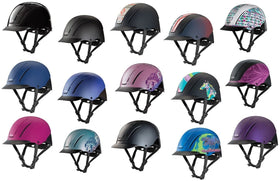
What Safety Standards Should Your Helmet Meet?
When you’re shopping for a new helmet, it’s easy to get caught up in the color and style. But before you fall in love with a look, the first thing to check is its safety certification. A helmet is the single most important piece of safety equipment you’ll use, and its ability to protect your head in a fall is its entire purpose. Think of safety standards as a guarantee that your helmet has been rigorously tested to withstand specific types of impact. Without that seal of approval, you’re buying a hat, not protective gear.
What is ASTM/SEI Certification?
The most important certification to look for on any riding helmet in the U.S. is ASTM/SEI. The American Society for Testing and Materials (ASTM) develops the standards, while the Safety Equipment Institute (SEI) certifies that helmets meet them. An ASTM/SEI sticker means the helmet passed tough tests for impact resistance. How much difference does it make? According to the American Medical Equestrian Association, ASTM/SEI-certified helmets can reduce horse-related head injuries by 30% and severe head injuries by 50%. That’s significant protection you can’t afford to skip.
A Look at International Safety Standards
While ASTM/SEI is the gold standard here in the States, you might come across helmets with different certifications, especially if you’re shopping internationally or looking at gear from European brands. Understanding these other standards can help you make an informed choice. They all share the same goal: to keep you safe. The key difference is often in the specific tests they require, which can reflect regional competition rules or research priorities. Knowing what these labels mean gives you a broader perspective on the global commitment to rider safety.
European and British Standards (EN 1384 and PAS 015)
In Europe, you’ll frequently see the EN 1384 certification. This standard has been a benchmark for years and recently evolved to EN 1384:2023, incorporating even stricter testing protocols for impact resistance. In the UK, the PAS 015 is another highly respected standard. According to experts, helmets that meet this standard have undergone a rigorous testing process to ensure they provide excellent protection. Some of the safest helmets on the market are actually certified to multiple standards, like both PAS 015 and ASTM, offering a comprehensive approach to rider protection that covers a wide range of accident scenarios.
Australian and New Zealand Standards (AS/NZ 3838)
For riders down under, the AS/NZ 3838 is the standard to look for. Much like its American and European counterparts, this certification ensures a helmet has been tested for the specific risks associated with horseback riding. It addresses factors like impact absorption and the strength of the retention system (the harness and chin strap) to make sure the helmet stays securely in place when you need it most. Seeing these dedicated equestrian standards across the globe just reinforces how seriously the industry takes protecting riders, no matter where they swing into the saddle.
The Evolution of Helmet Safety
Helmet technology is not static—it’s constantly improving as researchers learn more about head trauma and the physics of a fall. The standards we’ve discussed are regularly reviewed and updated to reflect the latest science, ensuring that modern helmets offer better protection than ever before. This evolution is why it’s so important to replace your helmet after any impact and every five years, regardless of its appearance. The materials can degrade over time, and newer models will likely feature more advanced protective technology that simply wasn’t available when your old helmet was made.
A perfect example of this progress is the MIPS (Multi-directional Impact Protection System) technology now found in many top-tier helmets. MIPS is a low-friction layer inside the helmet designed to reduce the rotational forces on the brain during an angled impact. Since many falls from a horse involve this kind of motion, it’s a significant advancement in rider safety. This commitment to innovation is something we look for in all the horse tack we carry, because we believe every rider deserves access to the best possible protection.
Should You Get a Helmet with MIPS?
Beyond standard certification, some helmets feature MIPS technology. MIPS, or Multi-directional Impact Protection System, is an added safety feature for the rotational forces of an angled impact. Most falls involve a twisting motion, not a straight drop. MIPS uses a low-friction layer inside the helmet that allows for a slight, controlled movement on impact. This small shift helps protect your brain from twisting motions that can cause serious injury. It’s an incredible innovation for extra defense.
Other Rotational Impact Technologies like ERT
While MIPS is the most well-known system, it’s not the only technology designed to handle rotational forces. As you shop, you might also come across helmets featuring ERT, or Energy Reduction Technology. This is another advanced safety feature engineered to absorb and dissipate energy from impacts, providing an extra layer of defense. Different brands may use their own proprietary systems, but the underlying goal is always the same: to reduce the dangerous twisting motion that can occur during a fall. The key takeaway is that the presence of any rotational impact system—be it MIPS, ERT, or another technology—is a strong indicator that the helmet manufacturer is committed to providing the most comprehensive safety solution available.
Why Certification is Non-Negotiable
Riding in a non-certified helmet is a risk that’s never worth taking. Many competitions and show grounds require riders to wear helmets that meet specific safety standards, so you may not be allowed to compete without one. Furthermore, some states have laws mandating certified helmets for younger riders, like in Florida and New York. A certified helmet isn’t just a recommendation; it’s often a requirement. Checking for that ASTM/SEI sticker is the quickest way to ensure you’re riding responsibly and giving yourself the best possible protection.
How to Find the Perfect Size and Fit
Finding a helmet that fits perfectly is just as crucial as choosing one with the right safety certifications. A helmet that’s too loose can shift during a fall, failing to protect you when you need it most. One that’s too tight can cause headaches and distractions in the saddle, which is the last thing you want to worry about. Your helmet should feel like a natural extension of you—secure, comfortable, and barely noticeable. It's the piece of gear that lets you focus completely on your connection with your horse, rather than on an annoying pressure point or a wobbly fit that breaks your concentration.
Getting the fit right isn’t about guesswork. It involves a few simple steps: measuring your head, understanding the helmet’s features, and performing a few quick tests before you ride. Think of it like getting fitted for a great pair of boots; the right size makes all the difference in performance and comfort. A well-fitted helmet not only provides superior protection but also contributes to a more enjoyable and confident riding experience. Taking the time to follow these steps ensures your helmet can do its job properly, giving you the peace of mind to focus on what you love. Let’s walk through how to find that perfect, secure fit.
How to Measure Your Head Correctly
The first step to a great fit is getting an accurate measurement. Grab a soft, flexible measuring tape and wrap it around the widest part of your head, about an inch above your eyebrows and ears. Make sure the tape is level all the way around. This measurement, usually in centimeters or inches, is your starting point. Once you have it, you can compare it to the manufacturer’s size chart. Keep in mind that head shapes vary, and so does helmet sizing between brands. A medium in one brand might be a large in another. If you’re in between sizes, it’s often best to try the smaller size first, especially if it has an adjustable fit system. For a wide selection of helmets and their sizing guides, you can browse our full collection of horse tack.
How Do Adjustable Fit Systems Work?
Many modern helmets come with features designed to give you a more customized and secure fit. The most common is an adjustable dial system, usually located at the back of the helmet. A quick turn of the dial can tighten or loosen the inner harness, cradling your head for a snug fit without creating pressure points. This is a fantastic feature because it allows for small adjustments to accommodate your hair or a helmet liner. When you’re shopping, you might also see helmets that feature MIPS technology, which stands for Multi-directional Impact Protection System. This is a low-friction layer inside the helmet that allows for a slight sliding movement during an impact, which can help reduce the rotational forces on the brain.
How to Know if Your Helmet Fits Perfectly
Once you have a helmet on, you need to perform a few simple checks. First, the helmet should sit level on your head, with the brim about one inch above your eyebrows. It shouldn't be tilted back on your head or pulled down low over your eyes. Next, fasten the chin strap so it’s snug, but you can still fit one or two fingers between the strap and your chin. Now for the real test: gently shake your head from side to side, then nod up and down. The helmet should stay put without wobbling or shifting. If it moves, it’s too loose. On the other hand, it shouldn't feel uncomfortably tight or cause any pain. A properly fitted helmet feels secure and stable, giving you peace of mind every time you swing into the saddle. You can explore some of our community's favorite options on our best-selling products page.
What Styles and Features Can You Choose From?
Once you’ve covered the essential safety and fit requirements, you can get to the fun part: choosing a helmet that matches your personal style and riding needs. Modern helmets offer a wide range of features that blend function with fashion, so you don’t have to compromise on comfort or appearance. From the classic look of velvet to the sleek appeal of a matte finish, the right helmet can complete your riding outfit. You can also find designs with advanced cooling technology to make long rides more comfortable. Whether you’re training at home or competing in the show ring, there’s a brown helmet with the perfect combination of features for you.
Velvet vs. Matte: Choosing Your Finish
The finish of your helmet is one of the first things people notice, and it often says a lot about your riding discipline. Traditional helmets, especially those favored in the hunter and equitation rings, often feature a classic black or brown velvet covering. This timeless look offers a touch of elegance and tradition. On the other hand, many modern helmets come in a smooth matte or glossy finish. These styles are incredibly popular in show jumping and for everyday schooling because they offer a sleek, athletic look and are typically easier to wipe clean than velvet. Your choice ultimately comes down to personal preference and the conventions of your specific discipline.
The Meaning Behind Helmet Ribbons
You might see riders with ribbons on their helmets, but these are usually for personal reasons, like showing support for a cause or as a memorial. The color-coded ribbon system you’ve likely heard about is actually for the horse's tail, not the rider's head. It’s a simple but brilliant way for riders to communicate important information about their horse to others, especially in a crowded warm-up arena or out on a busy trail. Understanding this system is a key part of good horsemanship, as it helps everyone stay safe and ride with more confidence when sharing a space with unfamiliar horses.
A red ribbon is the most critical signal to recognize, warning others that the horse is a kicker, so you should always give them plenty of space. A green ribbon indicates a young or inexperienced horse that might be spooky or unpredictable. You might also see a blue ribbon on a stallion, a pink one on a mare that's in season, or a white ribbon to show a horse is for sale. While not an official rule in every discipline, this system is a widely respected piece of equestrian etiquette that promotes awareness and safety for everyone in the ring.
Stay Cool: Vents and Lightweight Materials
Long hours in the saddle, especially on a hot day, can be draining. Thankfully, helmet technology has come a long way, with a strong focus on rider comfort. Many modern helmets are designed with ventilation systems—sometimes featuring a contrasting vent strip that gives them the nickname "skunk helmets"—to allow for airflow and keep your head cool. The interior is just as important. Look for helmets with removable, washable liners made from moisture-wicking and anti-bacterial materials. This not only keeps your helmet fresh but also helps manage sweat during intense rides. These features ensure your focus stays on your horse, not on being uncomfortable.
The Debate Over Ventilation Slots and Safety
When you're looking at modern helmets, you'll notice many have ventilation slots designed to keep you cool. These are a game-changer for comfort, especially during summer rides. But it's natural to wonder if those openings could affect the helmet's overall strength. This is a common point of discussion in the equestrian community, and it’s worth understanding both sides of the argument before you make a choice. The presence of vents is one of the biggest design differences you'll find, and it often comes down to balancing airflow with shell integrity.
The heart of the debate often comes down to different international safety standards. As noted in discussions on equestrian helmet design, some standards prioritize protection against sharp objects, which raises questions about whether ventilation slots could be a weak point. While U.S. standards focus heavily on impact absorption from falls, it highlights that there isn't one single approach to helmet construction. This doesn't mean ventilated helmets are unsafe; it just means they are engineered with a different balance of priorities—in this case, adding comfort through airflow while still meeting crucial impact tests.
Ultimately, your most reliable guide is the certification sticker inside the helmet. Regardless of whether it has vents or a solid shell, any helmet you consider must be ASTM/SEI certified. This certification ensures it has passed rigorous testing designed for the specific impacts common in riding accidents. So, while the style is up to you, making sure your helmet meets the required safety standards is non-negotiable. It’s the best way to know you’re protected, allowing you to choose the features that best suit your comfort and discipline.
Schooling vs. Show Ring: Picking the Right Style
While you can use the same helmet for both schooling and showing, many riders have one for each. For schooling, you have the freedom to express your personal style with more colors and finishes. When it comes to the show ring, however, tradition often dictates a more conservative look. Most formal English disciplines require a classic black, brown, or navy helmet. It’s always a good idea to check the specific rules for your competition circuit. Even in Western disciplines, where helmets have been less common, more riders are prioritizing safety with helmets designed to complement their look. The team at Hooves and Paws has decades of equine expertise and can help you find the right style for any arena.
Helmets for Western Riders
While helmets have long been standard in English disciplines, their adoption in the Western world has been more gradual. Traditionally, the cowboy hat has been the iconic headwear of choice. However, safety is becoming a top priority for riders across all disciplines. In response, manufacturers have developed innovative helmets that blend certified protection with Western style, with some designs that even mimic the look of a cowboy hat. This shift acknowledges that a fall can happen in any saddle, and protecting your head is just as important on the trail or in the reining pen as it is over fences. As more riders embrace this change, you can find a growing selection of safe and stylish options in our horse tack collection.
Helmet Laws You Should Know
Beyond the rules of your specific discipline or show circuit, it’s important to be aware of any state or local laws regarding equestrian helmets. These regulations are put in place to protect riders, particularly younger ones, and can vary significantly from one location to another. Knowing the law is a key part of responsible horse ownership, especially if you travel to ride or compete in different states. Fines can be issued for non-compliance, and more importantly, these laws reflect a baseline safety standard that’s worth paying attention to. Before you head out, it’s always a good idea to do a quick search for the equestrian laws in your area to ensure you’re riding safely and legally.
State-Specific Age Requirements
Many helmet laws are aimed specifically at protecting young riders, with requirements that often depend on the rider's age and where they are riding. These laws recognize that younger equestrians are still developing their skills and judgment, making protective gear even more critical. While some states have comprehensive laws, others may have none at all, leaving the decision entirely up to parents and guardians. The most common approach is to set an age threshold, requiring all riders under that age to wear a certified helmet. This is why it's so important to check local regulations, as the rules that apply at your home barn might be different from those at a showground just one state over.
Florida's Law for Riders Under 16
If you’re riding in the Sunshine State, you need to be aware of its youth helmet law. Florida state law requires that anyone under the age of 16 wear an ASTM/SEI-certified helmet when riding a horse on public property, such as a public road or park. This rule is a clear effort to protect young riders in environments where risks might be higher. While the law specifies public areas, many riding instructors and boarding facilities across the state have adopted this as a mandatory rule on their private property as well, making it a widespread standard of practice for ensuring youth safety in the saddle.
New York's Law for Riders Under 14
New York also has specific regulations in place to protect its youngest equestrians. The state requires riders under the age of 14 to wear a certified helmet when riding. According to the law, this applies when a minor is taking riding lessons or riding at a boarding stable. This means that in most formal riding settings, a helmet is not just a good idea—it’s a legal requirement. As with other state laws, the goal is to establish a fundamental safety measure for children during a critical phase of their learning and development as riders, ensuring they build safe habits from the very beginning.
How Much Should a Brown Riding Helmet Cost?
Figuring out a budget for a new riding helmet can feel tricky, but the good news is that there’s a safe and stylish option for every price point. The cost of a helmet often reflects the materials used, the level of ventilation, the weight, and any advanced safety technologies included. While a higher price tag can mean more comfort and features, it doesn't mean you have to spend a fortune to be protected. The most important factor is that your helmet is ASTM/SEI certified, a standard you can find across all price ranges.
Think of your helmet as the single most important piece of equipment you own. Investing in one that fits you perfectly and meets safety standards is non-negotiable. From there, you can decide which additional features are worth the extra cost for your specific needs, whether you’re a weekend trail rider or a seasoned competitor. We’ll break down what you can expect to find at three common price points to help you make a confident choice.
Great Finds Under $300
You don’t have to break the bank to get a high-quality, certified helmet. In this price range, you’ll find plenty of fantastic options that prioritize safety and function. These helmets are perfect for schooling, trail riding, or for riders who are just starting out and want reliable protection without a huge financial commitment. Retailers like Dover Saddlery offer a comprehensive selection of ASTM-certified helmets with some starting as low as $60. While they may not have the fancy finishes or advanced ventilation of pricier models, they meet the same rigorous safety standards, ensuring your head is protected every ride.
The Sweet Spot: $300-$600
This mid-range category is where many dedicated riders find their perfect match. Helmets in the $300 to $600 range typically offer a significant step up in comfort, style, and technology. You’ll start to see features like improved ventilation systems, moisture-wicking liners, and more sophisticated adjustable fit systems. This is also where advanced safety features like MIPS become more common. Brands like One K Helmets shine in this category, offering models with premium matte finishes, comfortable harnesses, and the option to add MIPS technology, giving you an extra layer of protection and a polished look for the show ring.
Top-Tier Helmets: What You Get for $600+
If you’re a serious competitor or simply want the absolute best in protection and design, the premium market has you covered. Helmets in the $600+ range are crafted with cutting-edge technology and superior materials for maximum performance. These models often feature exceptional ventilation, lightweight carbon fiber shells, and luxurious details like leather harnesses or custom finishes. For example, the Suomy Apex riding helmet from American Equus showcases what’s possible at this level, with prices approaching $1,000. You’re paying for top-of-the-line innovation, unparalleled comfort, and a sophisticated style that stands out.
Where to Buy Your Brown Riding Helmet
Once you have an idea of the brand, style, and features you want, the final step is deciding where to make your purchase. The right retailer can make all the difference, offering not just the product you want but also the support and policies that ensure you’re happy with your choice. Whether you’re browsing online or visiting a local shop, here’s what to keep in mind.
The Perks of Shopping Online
Shopping for your helmet online opens up a world of options that you might not find at your local tack store. Online retailers typically offer a much wider selection of brands, colors, and sizes, making it easier to find exactly what you’re looking for. Reputable sellers like Dover Saddlery carry an extensive range of helmets, all of which meet crucial ASTM safety standards. Here at Hooves and Paws, we pride ourselves on curating a fantastic collection of horse tack from brands we trust. The convenience of comparing different models and reading reviews from fellow riders from the comfort of your home is a huge plus.
What to Look for: Sales and Guarantees
A new helmet is a significant investment in your safety, so you want to feel confident in your purchase. Keep an eye out for retailers that offer sales, but more importantly, look for those that stand behind their products with strong guarantees. For example, some brands like One K Helmets offer an "Accident Replacement Policy," which shows a real commitment to rider safety. At Hooves and Paws, we want you to be completely happy with your gear, which is why we offer a 365-day satisfaction guarantee on everything we sell. This kind of assurance gives you peace of mind, knowing the company supports you and the products you buy.
Why a Good Return Policy Matters
Fit is everything when it comes to a riding helmet, and sometimes you just can’t be sure until you try it on. This is where a good return policy becomes essential, especially when buying online. It takes the risk out of the equation, allowing you to send a helmet back if it doesn’t fit perfectly. As the experts at Dover Saddlery note, you should "consider the wide variety of brands and styles to find the perfect fit for your needs," and a flexible return policy lets you do just that. Companies with great customer service, like Hooves and Paws, often provide free shipping, which makes the process of trying and returning an item simple and stress-free.
How to Care for Your Horse Riding Helmet
Your helmet is the single most important piece of safety gear you own, so taking care of it is a must. A well-maintained helmet not only looks sharp but, more importantly, performs as it should when you need it most. Proper care ensures its protective materials stay in top shape and are ready to do their job. It’s a simple routine that protects your investment and your well-being, so you can ride with confidence every time you swing into the saddle.
How to Clean and Store Your Helmet
Keeping your helmet in great condition is easier than you might think. After a ride, a quick wipe-down with a soft cloth and mild soap will handle any sweat and dust. Just be sure to avoid harsh chemical cleaners, as they can degrade the helmet's materials over time. The real secret to a long-lasting helmet is smart storage. Extreme temperatures are the enemy, so never leave your helmet in a hot car or in direct sunlight. The best way to preserve your helmet is to keep it in a cool, dry place, ideally inside a padded helmet bag to protect it from accidental bumps and scratches.
When Should You Replace Your Helmet?
The golden rule of helmet safety is simple: if you have a fall and your helmet takes a hit, you must replace it. Damage isn't always visible on the surface, and its ability to protect you in a future fall could be seriously compromised. It’s also crucial to remember that not all helmets are created equal. You should never substitute a riding helmet with one designed for another sport. Riding accidents involve unique heights, speeds, and impact angles that are completely different from a cycling fall. An equestrian helmet is specifically engineered to absorb that kind of impact.
Helmet Care Myths, Busted!
Let’s clear up one of the most dangerous myths out there: that a bike helmet is perfectly fine for horseback riding. This is absolutely false. While they might look similar, the safety standards and testing procedures are worlds apart. Bike helmets are not designed to withstand the force or location of impacts common in equestrian sports. An approved horse riding helmet is certified to protect you from a fall from a significant height onto various surfaces. Trusting your safety to the wrong equipment just isn't worth the risk. Always stick with a helmet that is specifically designed and certified for equestrian use.
Related Knowledge: The 20% Rule for Horse and Rider
Just as a well-fitting helmet protects you, understanding how to protect your horse's back is a fundamental part of responsible horsemanship. One of the most important guidelines for this is the "20% rule." It’s a simple concept that has a huge impact on your horse’s long-term health, comfort, and performance. Let's look at what this rule means and why it matters so much for you and your equine partner.
What is the 20% Rule?
The "20% rule" is a widely accepted guideline in the equestrian community that suggests a horse should carry no more than 20% of its own body weight. This total weight isn’t just you; it includes your saddle, saddle pad, and any other gear you have. For example, a 1,000-pound horse should ideally carry a total load of 200 pounds or less. Following this guideline is crucial for preventing strain and injury to your horse’s back and joints. It helps ensure their long-term soundness, keeps them comfortable during rides, and allows them to perform at their best without being overworked.
Factors That Influence Carrying Capacity
While the 20% rule is an excellent starting point, it’s not a hard-and-fast law. Several other factors play a role in determining how much weight a horse can comfortably carry. A horse’s individual build, fitness level, the fit of its tack, and even the skill of the rider can all influence its carrying capacity. Understanding these elements helps you make the most informed decisions for your horse’s well-being, ensuring every ride is a positive experience for both of you.
Horse Conformation and Fitness
A horse's body shape, or conformation, plays a big part in its ability to carry weight. Horses with strong, short backs and well-muscled loins are generally better equipped to support a rider than those with longer, weaker backs. Just like with human athletes, fitness level is also key. A horse that is in regular work and has developed strong core and back muscles will be able to carry a load more easily and with less strain than a horse that is out of shape. Consistent, correct training helps build the physical strength your horse needs to stay sound and comfortable under saddle.
Rider Skill and Saddle Fit
It’s not just about how much weight a horse is carrying, but also how that weight is carried. A balanced, skilled rider who moves in harmony with the horse is much easier to carry than an unbalanced or novice rider. Beyond rider ability, the fit of your saddle is absolutely critical. A saddle that fits correctly distributes the rider's weight evenly across the horse's back, avoiding painful pressure points. An ill-fitting saddle, however, can concentrate weight in small areas, leading to soreness and long-term back problems. Investing in high-quality, well-fitting horse tack is one of the best things you can do for your horse's comfort.
Risks of Overloading Your Horse
Consistently asking a horse to carry more than it can handle can lead to serious health issues. Overloading puts excessive strain on the horse's spine, muscles, and ligaments, which can result in chronic soreness, fatigue, and even bone and joint problems over time. You might also notice a decline in performance, as an uncomfortable horse is often a reluctant one. Exceeding the 20% guideline isn't just about a single ride; it's about the cumulative effect that puts your horse's long-term health and well-being at risk. Prioritizing a healthy weight load is a fundamental part of ethical and compassionate horsemanship.
Related Articles
- Ride with Confidence: The Ultimate Guide to Equestrian Helmet Safety, Style & Comfort
- Troxel Intrepid Western Riding Helmet
Frequently Asked Questions
Can I wear a brown helmet in the show ring? This really depends on your specific discipline. In the jumper or hunter rings, a tasteful brown helmet is often perfectly acceptable and can look very sharp. However, more traditional disciplines like dressage usually have stricter rules, often requiring a helmet that is predominantly black or dark blue. Your best bet is to always consult the most current rulebook for the organization you compete with before making a purchase.
Is a more expensive helmet really safer than a cheaper one? Not necessarily. The most important safety feature is the ASTM/SEI certification sticker inside the helmet, which you can find on models at every price point. This certification means the helmet has passed the same rigorous safety tests. The price difference usually comes down to other factors like lighter materials, better ventilation, a more customized fit system, or advanced technologies like MIPS. A certified helmet at any price is a safe choice.
How do I know for sure my new helmet fits right? A great fit feels snug all the way around your head without any uncomfortable pressure points. When you put it on, it should sit level, about an inch above your eyebrows. The real test is to shake your head "yes" and "no" before you even fasten the chin strap. If the helmet stays securely in place without wobbling, you’ve found a great fit.
Do I really need to replace my helmet after just one fall? Yes, absolutely. The protective foam inside a helmet is designed to crush upon impact to absorb the force and protect your head. This damage is often invisible from the outside, but it means the helmet has done its job and can't offer the same level of protection again. Think of it as a single-use safety device that you should always replace after it takes a hit.
What's the real difference between a schooling helmet and a show helmet? Functionally, there shouldn't be a difference—both should be ASTM/SEI certified and fit you perfectly. The distinction is all about style and tradition. For everyday schooling, you can choose any color or finish you like. For the show ring, you’ll want a more conservative and classic look, like a traditional velvet finish or a sleek matte style in black, navy, or sometimes brown, to align with your discipline's dress code.


