


Clear communication is the heart of a great partnership with your horse. When a broad leg aid gets ignored, it's easy for you both to get frustrated. A well-chosen spur can provide a distinct, easy-to-understand signal that cuts through the noise. Used correctly, English spurs with rowels are not about force; they're about adding precision to your leg aids. They allow you to deliver a specific message with a lighter touch, strengthening your connection. Learning to select, fit, and use them thoughtfully is key to supporting your partnership and creating a more harmonious ride.
Key Takeaways
- Use Spurs as a Whisper, Not a Shout: Remember that spurs are a secondary aid meant to refine your cues, not create them. Always ask with your calf and heel first, applying the spur only as a final, gentle touch from a quiet leg.
- Choose the Right Tool for the Job: Select a spur based on your experience, your horse’s sensitivity, and your discipline. A shorter shank is best for riders still developing a stable leg, while a smooth, rolling rowel is ideal for sensitive horses.
- Good Gear Requires Good Care: Invest in quality spurs made from durable materials like stainless steel. A quick wipe-down after every ride and regular checks to ensure the rowel spins freely will keep them safe, effective, and lasting for years.
What Are English Spurs with Rowels?
If you’ve ever felt like your leg aids could be more precise, you might have considered using spurs. Often misunderstood, English rowel spurs aren’t about force; they’re about refining the conversation you have with your horse. Think of them as a tool for adding clarity to your cues, much like using a specific word instead of a vague gesture. When used correctly, they allow for subtle signals that support your leg pressure, helping your horse understand exactly what you’re asking.
For many riders, spurs are a natural step in their training journey. They can be especially helpful for encouraging a horse that tends to ignore lighter leg aids or for achieving the precision required in disciplines like dressage. The key is understanding that spurs don’t replace good horsemanship—they enhance it. They are an extension of your leg, designed to deliver a clear, specific message. Before you add a pair to your horse tack, it’s important to understand their components, their purpose, and how to use them with a gentle touch. This ensures the well-being of your horse and strengthens the partnership you share.
What Are the Parts of a Rowel Spur?
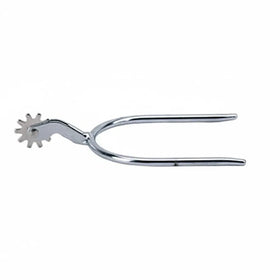
To understand how rowel spurs work, let's break down their basic parts. First is the yoke, or branch, which is the U-shaped part that wraps around the heel of your riding boot. Next is the shank, the arm that extends from the back of the yoke. Shanks come in various lengths and shapes, which determines how easily the spur makes contact with the horse. At the very end of the shank, you’ll find the rowel—a small, spinning wheel or disc. These rowels are designed to roll across the horse's side, providing a gentle yet distinct signal that is often milder than a pointed, non-rowel spur.
How Do Rowels Refine Your Aids?
The main purpose of a rowel spur is to add precision and subtlety to your leg aids. Instead of applying more pressure with your entire leg, a light touch with a spur can deliver a more specific cue. This is especially useful for well-trained horses who understand nuanced signals or for riders who need to give a clear aid without shifting their body position. The rolling action of the rowel provides a distinct sensation that encourages your horse to move forward or laterally. It’s not about creating pain but about giving a signal that’s impossible to ignore and easy to understand, supporting your primary cues for a more responsive ride.
Are Rowel Spurs Harsh? Let's Separate Fact from Fiction
There’s a common misconception that all spurs are harsh, but that simply isn’t true. Like any piece of equipment, their effect depends entirely on the person using them. Ethical riders use spurs to communicate more effectively, not to dominate or punish their horses. The design of the rowel itself is meant to be gentle; its ability to roll prevents it from dragging or jabbing. In fact, many equestrian organizations have specific rules for spurs used in competition. For example, dressage rules often state that rowels must be smooth, blunt, and free-spinning to ensure they can’t harm the horse. When used with skill and empathy, a rowel spur is a kind and effective communication tool.
Why a Bigger Rowel Can Be Gentler
It might seem counterintuitive, but a larger rowel is often gentler than a smaller, more pointed one. Think about the difference between pressing an eraser against your skin versus the tip of a pencil—the eraser’s wider surface distributes the pressure, making it feel much softer. A larger, smoother rowel works the same way by spreading the contact point across your horse's side. Because the rowel is designed to roll, it glides smoothly instead of jabbing or dragging. This creates a distinct rolling sensation rather than a sharp poke, allowing you to refine your communication with a lighter touch. You can effectively reinforce your leg aid without causing discomfort, preserving the essential trust you've built with your partner.
Which Rowel Spur Is Right for Your Discipline?
Choosing the right rowel spur is a lot like picking the right tool for a job—what you need depends entirely on what you’re doing. The subtle cues required for a dressage test are very different from the aids you might use on a trail ride. The goal is always to refine your communication and make your leg aids clearer, not stronger. The right spur acts as an extension of your heel, allowing for a more precise and subtle signal to your horse. When used correctly, it can help you ask for more impulsion, encourage better engagement from the hindquarters, or execute a perfect lateral movement with just a light touch.
Different equestrian disciplines have their own conventions and requirements, so it’s important to select a spur that’s both appropriate for your sport and suitable for your horse’s temperament. A spur that’s perfect for a seasoned showjumper might be too much for a young horse in training. Whether you’re schooling in the arena, competing, or just enjoying a hack, there’s a rowel spur designed to help you and your horse work together more effectively. Let’s look at some popular styles and where they fit best.
For Everyday Rides: Round and Knob End Spurs
For general schooling, hacking, or everyday training, you’ll want a spur that’s mild and straightforward. The goal here isn't intricate signaling but rather a simple reinforcement of your leg aid when needed. Round End spurs, which feature a small, smooth ball at the end, are an excellent choice because they provide a gentle nudge. Similarly, Knob End spurs have a squared-off but blunt tip, offering a clear yet kind pressure. Both of these styles are perfect for riders who are new to spurs or for horses that just need an occasional reminder to stay forward and engaged. They are some of the most common pieces of horse tack for a reason—they’re simple, effective, and gentle.
For the Dressage Ring: Prince of Wales and Swan Neck
Dressage is all about precision and harmony, and the spurs used in this discipline reflect that. Riders often use spurs to ask for more engagement, collection, or lateral movement with the lightest possible touch. The Prince of Wales is a classic, versatile spur with a flat end that offers clear communication. For riders with longer legs, Swan Neck spurs are a fantastic option. Their upward curve allows the rider to apply the aid without having to lift their heel excessively, maintaining a quiet and stable lower leg. Many dressage-legal rowels are also smooth, like a small disc, which rolls along the horse’s side to encourage a response without poking.
Gentle Choices for Sensitive Horses
If your horse is sensitive or thin-skinned, a standard spur might be too much for them. A sharp or fixed point can cause irritation or make them anxious. For these horses, a spur with a rolling element is often the perfect solution. Roller Ball spurs feature a small ball that rolls across the skin, distributing pressure evenly and preventing a jabbing sensation. Another great option is the Waterford Disc spur, which has a smooth, toothless disc that rolls when it makes contact. Both styles allow you to communicate effectively while ensuring your horse stays comfortable and responsive. These gentle designs are some of our best selling products for riders who prioritize their horse’s comfort.
The Round-End Spur: A Top Choice for Gentleness
When you're looking for a spur that puts your horse's comfort first, the Round-End spur is a standout choice. Its design is simple yet incredibly effective: a small, smooth ball at the end of the shank provides a gentle nudge rather than a sharp poke. This makes it one of the mildest options available, perfect for riders just learning to incorporate spurs into their aids or for horses that are sensitive. The pressure is broad and soft, allowing you to reinforce your leg cue clearly without causing surprise or discomfort. It’s an ideal tool for everyday schooling and hacking, where the goal is to maintain a light, responsive connection with your horse.
The beauty of the Round-End spur lies in its versatility. While it's a great starting point, it's also a trusted tool for experienced riders who believe in a 'less is more' approach. It aligns perfectly with the idea that spurs are for refining cues, not creating them from scratch. Using a Round-End spur helps you maintain a quiet conversation, ensuring every signal is delivered with precision and kindness. If you're looking to add a subtle layer of clarity to your aids while upholding a gentle partnership, this spur is an excellent addition to your collection of horse tack. It’s a testament to the fact that effective communication doesn’t have to be forceful.
Exploring Different Spur Styles
Beyond the specific shank or rowel, the overall design of a spur plays a huge role in how it performs. The way a spur fits on your boot affects its stability, your comfort, and even how easy it is to use. Some styles are engineered for an incredibly secure fit, ensuring the spur never shifts as you ride, while others prioritize convenience for quick changes between horses or exercises. Understanding these different designs is just as important as choosing the right rowel, as the right fit can make your aids feel more natural and seamless. Finding the perfect style is a key step in building a collection of reliable horse tack that supports your goals in the saddle.
Hammerhead and Side Spurs
If you’ve ever been frustrated by spurs that slip or move around on your boot, the Hammerhead style might be the perfect solution. These spurs are designed for ultimate stability. Many Hammerhead spurs feature an attached rubber grip that covers the yoke, which not only protects your expensive riding boots from scuffs but also holds the spur firmly in place. This secure fit means your cues are more consistent because the spur is always exactly where you expect it to be. Some designs, like offset Hammerhead spurs, are also crafted to help you maintain a natural foot position while ensuring the spur stays in good contact with your horse’s side, making them a favorite among riders who value precision.
Slip-On Spurs
For riders who value convenience and efficiency, Slip-On spurs are a fantastic choice. Just as the name suggests, these spurs are designed for ease of use, allowing you to quickly attach and remove them from your boots without fussing with straps. This makes them ideal for trainers who are hopping on and off multiple horses a day or for riders who only use spurs for certain parts of their schooling session. In addition to being practical, they are often very lightweight. This minimalist design makes them comfortable to wear, allowing you to focus entirely on the conversation with your horse instead of being distracted by your gear. They offer a simple, effective way to add a little refinement to your aids when you need it.
Shop This Post

Featured in this article
Weaver Leather Women's 21st Century Stainless Steel Spurs - 1" Shank, 3/4" Band
$56.99
Shop Now →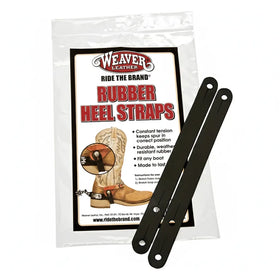

Which Brands Make the Best Rowel Spurs?
When you’re shopping for rowel spurs, the brand name on the box really does matter. A well-made spur from a reputable company ensures you’re getting a durable, balanced tool that will last for years. More importantly, quality craftsmanship translates to better comfort and clearer communication for your horse. A poorly made spur can be unbalanced, rust easily, or have rough edges that can irritate your horse. The world of equestrian gear is vast, and it can be tough to know which brands live up to their reputation.
That’s where we come in. With over 30 years of experience outfitting riders and their horses, we’ve learned to spot the difference between a good spur and a great one. We’ve seen which brands stand the test of time and which ones riders consistently trust in the ring and on the trail. We’ve curated our collection based on performance, quality materials, and feedback from riders just like you. Whether you’re looking to invest in a top-of-the-line pair or need a reliable, budget-friendly option, we have a recommendation that will fit your needs. Let’s explore some of the best brands on the market.
Our Top-Rated Rowel Spur Picks
At Hooves and Paws, we don’t just stock everything—we stock the right things. Our selection of horse tack is handpicked based on decades of experience and a genuine passion for equestrian sports. When it comes to spurs, we look for brands that deliver on their promises of quality, durability, and thoughtful design. We believe every rider, regardless of their budget, deserves access to equipment that is safe, effective, and built to last. That’s why our collection includes both premium brands for the serious competitor and value-driven options for the everyday rider. We’ve done the research so you can shop with confidence, knowing you’re choosing from the best.
The Premium Choice: Stübben and Herm Sprenger
If you’re looking for the best of the best, Stübben and Herm Sprenger are two of the most respected names in the equestrian world. Stübben spurs are famous for their ergonomic designs and incredible durability, making them a top choice for professional riders who demand precision. Similarly, Herm Sprenger is a leader in innovation, using superior materials to create spurs that are both highly effective and exceptionally comfortable for the horse. Investing in a pair from either of these brands means you’re getting a finely tuned piece of equipment that will provide clear, subtle aids and last a lifetime with proper care.
Great on a Budget: Korsteel and Centaur
Great performance doesn’t always have to come with a premium price tag. For riders seeking quality and reliability without a major investment, Korsteel and Centaur are fantastic choices. These brands have built a strong reputation for producing affordable, dependable spurs that get the job done. They offer a wide range of styles suitable for riders at all levels, from those just learning to use spurs to seasoned equestrians. You can find high-quality spurs from these brands that provide effective, reliable performance for training and everyday riding, proving that you don’t have to break the bank to get a great tool.
How to Choose the Right Rowel Spurs
Selecting the right pair of rowel spurs is about finding the perfect balance between your riding experience, your horse's sensitivity, and your specific discipline. It’s not a one-size-fits-all situation. Think of it as choosing the right tool for a very specific job: clear and gentle communication with your partner. A spur that works wonders for a seasoned dressage rider might be too much for someone just starting out or for a particularly sensitive horse. By considering a few key factors, you can find a pair that refines your aids, respects your horse, and feels like a natural extension of your leg.
Match the Shank Length to Your Experience Level
The shank is the arm of the spur that extends from the heel band. Its length plays a huge role in how the spur works. Shanks can range from very short (less than a centimeter) to quite long (up to 7.5 cm). As a rule of thumb, the longer the shank, the less leg movement is needed to make contact with your horse. This is why longer shanks are best suited for experienced riders with a quiet, controlled leg. If you’re still developing your seat and leg position, a shorter shank is a much better choice. It requires a more deliberate movement to use, reducing the chance of accidentally bumping your horse.
Understanding Spur Measurements
When you're looking at spurs, two key measurements matter most: the shank length and the rowel type. The shank length, measured from the heel band to the rowel, determines how much leg movement is needed to make contact. A shorter shank is ideal for riders who are still developing a steady leg, as it requires a more intentional cue. In contrast, a longer shank is suited for experienced riders with excellent leg control, as even a small movement can apply the aid. The rowel itself, whether it's a smooth disc or has points, is designed to roll along your horse's side. This rolling action is what makes it a gentle tool, as it prevents poking or dragging. Finding the right combination in your horse tack ensures your cues are both clear and kind, perfectly matching your skill level and your horse's needs.
Match the Rowel to Your Horse's Sensitivity
Just like people, horses have different levels of sensitivity. The type of rowel you choose should reflect your horse’s unique temperament. For a sensitive horse or one new to spurs, a gentle option like a smooth roller ball is ideal. It provides a mild pressure that encourages forward movement without being sharp. For a horse that needs a more defined cue to get its attention, a spur with small, blunt points or a cloverleaf design can be effective. The key is to start with the mildest option possible. Your goal is to whisper with your aids, not shout, and the right rowel makes that possible.
Decoding Rowel Points and Designs
The design of the rowel itself is the most important factor in determining its gentleness. Think of it this way: a spur with a large, smooth rowel spreads pressure out, much like pressing an eraser against your hand. In contrast, a small, pointy rowel concentrates that pressure, like the tip of a pencil. For the mildest cue, look for smooth discs or roller balls that glide across your horse’s side. A step up from that would be a cloverleaf or a rowel with multiple blunt points, which offers a more distinct signal without being sharp. More pointed designs, like star rowels, provide the clearest signal and are best reserved for less sensitive horses and riders with impeccable leg control. When browsing different types of horse tack, remember that the goal is always to find the kindest tool that helps your horse clearly understand your request.
Why Quality Materials and Durability Matter
Your spurs are an investment in your riding, so you want them to last. Most high-quality spurs are made from stainless steel because it’s strong, rust-resistant, and easy to clean. Other materials like German silver or blued steel are also used, often for their classic look. While these can be beautiful, they may require a bit more care. For example, some steel spurs need a light layer of oil to prevent rust. When you invest in well-made horse tack, you’re not just getting a durable product; you’re getting a reliable tool that will perform consistently every time you ride.
Common Spur Materials
When you're choosing spurs, the material they're made from is just as important as the design. Most high-quality spurs are crafted from stainless steel, and for good reason. It’s incredibly strong, resists rust, and is a breeze to clean after a dusty ride. This makes it a practical, low-maintenance choice for everyday use. You might also come across spurs made from German silver or blued steel, which offer a more traditional, classic appearance. While they look fantastic, these materials often require a bit more upkeep to stay in top condition. For instance, some steel spurs need a light coat of oil now and then to keep rust away. Investing in a pair made from durable materials ensures your horse tack will be reliable for years to come.
Protective Features for Your Boots
Your riding boots are a significant investment, so it makes sense to protect them. Over time, the metal yoke of a spur can rub against the leather, leaving scuffs and marks on your boots. To prevent this, many modern spurs are designed with protective features. Look for spurs that have a rubber coating or cover on the inside of the yoke. This small detail creates a soft barrier between the metal and your boot, absorbing friction and preventing wear and tear. It’s a simple but effective feature that can significantly extend the life of your boots, keeping them looking sharp for the show ring or your daily rides. When shopping, it's always worth checking for this thoughtful addition.
Finding Great Spurs That Fit Your Budget
Spurs come in a wide range of prices, from around $10 for a basic pair to over $150 for premium, brand-name models. Price is often determined by the material, craftsmanship, and brand reputation. While you don’t need the most expensive pair on the market, it’s wise to avoid the absolute cheapest options, which may be made from poor-quality metals that can bend or break. At Hooves and Paws, we pride ourselves on offering a selection of our best-selling products that provide excellent value and durability. You can find a fantastic, long-lasting pair of spurs that fits your budget without compromising on safety or quality.
Typical Price Ranges for Spurs and Parts
When you start shopping for spurs, you'll find that prices can vary quite a bit based on the brand, material, and overall craftsmanship. A good, reliable pair of English spurs will typically cost anywhere from $20 to over $150. For instance, you can see this range reflected at retailers like Mary's Tack and Feed, which offers options for every budget. If you just need to replace a part, like a worn-out rowel or a lost pin, the cost is much more manageable. You can often find individual spur rowels and accessories for just a few dollars. Knowing these price points helps you make a smart investment, ensuring you get a quality tool that improves communication with your horse without stretching your budget too thin.
How to Properly Use and Fit Your Rowel Spurs
Using rowel spurs is all about refining the conversation you’re having with your horse. Think of them not as a gas pedal, but as a tool for adding nuance and precision to your leg aids. When used correctly, they can help you achieve a lighter, more responsive ride. However, the key to success lies in both proper technique and a perfect fit. An ill-fitting or poorly used spur can cause discomfort and confusion for your horse, which is the last thing any of us want.
Before you even swing into the saddle, it’s crucial to understand that spurs are an extension of your leg, not a replacement for it. They should only come into play after you’ve already asked with your calf and heel. This section will walk you through how to position your spurs correctly, achieve a secure fit, and use them as the subtle communication tool they’re meant to be. We’ll also cover common mistakes to avoid, ensuring the experience is positive for both you and your equine partner.
Getting the Position and Timing Right
The golden rule of using spurs is that they are a secondary aid. Your request should always start with your calf, followed by your heel if you need a bit more emphasis. Only then, if your horse hasn't responded, should you apply the spur. Remember, the goal is to enhance your communication, not to force a reaction. A kick is never the answer.
To apply the spur correctly, maintain a proper "heels down" leg position. From there, you’ll turn your toe slightly outward and roll your ankle to gently press the rowel against your horse’s side. It’s a subtle, rolling motion—not a poke or a jab. The idea is to create a more specific and refined cue than you can with the broader surface of your heel. A quiet, stable lower leg is essential for this, as an unsteady leg can lead to accidental bumping and confusing signals for your horse.
The Correct Sequence of Aids
Think of your aids as a conversation that starts with a whisper. Your first request should always come from a light squeeze of your calf. If you don’t get the response you’re looking for, you can follow up with a firmer press from your heel. The spur is the final, most refined part of this sequence, used only when the lighter aids are ignored. This progression teaches your horse to listen to your softest cues, making them more responsive and willing. The goal is to build a partnership where you rarely need to “speak” louder than a gentle touch. Consistently refining your aids this way ensures your communication is always clear, fair, and effective, strengthening the trust between you and your horse.
How to Ensure Your Spurs Fit Perfectly
A spur that fits well is a spur that works well. It should sit securely on the spur rest of your riding boot, without sliding up or down. The arms of the spur should be snug against the sides of your heel, but not so tight that they pinch. If your spur is wiggling around, you won’t be able to apply it with any precision.
Beyond fitting your boot, the spur needs to be right for your body and your horse. As a general rule, you should choose the shortest shank that allows you to make contact without disrupting your leg position. A rider with a longer leg might need a slightly longer shank to reach the horse’s side. It's also important to adjust your spurs based on your horse's sensitivity. A sensitive horse will need a much softer rowel, like a smooth disc, than a less responsive one.
Positioning Your Spur Straps Correctly
Once you have the right spurs, securing them correctly is the final step to ensuring they work as intended. The spur should sit comfortably on the spur rest of your boot, with the shank angled slightly downward. When you attach the straps, the buckle must always be on the outside of your boot. This prevents it from rubbing against your horse or getting caught on your saddle. As guidelines from the American Quarter Horse Association suggest, the tail of the strap should point down and back. The strap should be snug enough to keep the spur from falling below the heel but have just enough give to allow for slight movement. This secure yet flexible fit ensures your cues are precise and your gear stays in place, which is why investing in quality horse tack, including durable leather or nylon straps, is always a smart choice.
Common Spur Mistakes (and How to Avoid Them)
It’s completely normal to feel a little hesitant about using spurs. If you’re not comfortable with them, it’s best not to use them until you’ve had guidance from a trusted instructor. The biggest mistake riders make is using spurs to correct a problem that stems from a lack of fundamental training or an unstable lower leg. Using spurs as a constant "on" button or to punish a horse will only create anxiety and dull their responsiveness over time.
Another common error is jabbing or poking instead of rolling the spur. This is often unintentional and happens when a rider’s leg is insecure in the saddle. This can cause irritation and even spur rubs on your horse’s sides. Always be mindful of your leg position and ensure you’re only applying the spur when you intend to. Your horse will thank you for your consistency and quiet aids.
Using Spurs for Punishment
It’s critical to understand that spurs should never be a tool for punishment. Using them to correct or discipline a horse breaks down the trust you’ve worked so hard to build. Horsemanship is a partnership, and punishment creates fear and anxiety, not a willing partner. A horse that is afraid or confused can't learn effectively and may become resentful or dull to your aids over time. Instead of reaching for a spur to fix a problem, take a step back. Often, the issue stems from a gap in training, a rider error, or even physical discomfort. The purpose of a spur is to add a layer of refinement to a cue your horse already understands, not to force a response through discomfort. True communication is built on clarity and fairness, which is the foundation of any great equestrian partnership.
Tips for Using Your Spurs Safely and Effectively
To ensure you’re using your spurs safely, always start with the mildest option available. There’s a wide variety of horse tack out there, so you can find the perfect match. You can always move to a slightly sharper rowel if needed, but you can’t undo the negative effects of starting with a spur that’s too harsh. Also, make sure the shanks of your English spurs are always pointed down. According to judges, having your spurs turned up is not considered correct or acceptable.
The best way to learn is by feel, and a great instructor can provide invaluable feedback. Ask your trainer to watch you ride with your spurs and offer pointers on your timing and application. With the right guidance and a focus on clear, gentle communication, rowel spurs can become a fantastic tool for building a stronger, more harmonious partnership with your horse.
Understanding Product Safety Warnings
When you’re shopping for new gear, you might occasionally see a label mentioning a California Proposition 65 warning. This simply means the product contains chemicals that California has identified as potentially causing cancer or reproductive harm. While that sounds serious, this warning appears on a huge range of consumer goods and doesn’t automatically mean a product is unsafe. Think of it as a "right to know" law that helps you make informed decisions. It’s all about transparency, letting you know what’s in the products you buy.
In the world of equestrian gear, this warning often relates to the metals or coatings used to make spurs. The easiest way to put your mind at ease is to choose high-quality materials like stainless steel, which is known for its durability and resistance to rust. Good maintenance habits also make a difference. A quick wipe-down of your spurs after each ride not only keeps your horse tack in great shape but also minimizes any potential contact with residues. This simple step helps ensure your equipment remains a safe and reliable tool for you and your horse.
How to Care for Your Rowel Spurs
Just like a well-oiled saddle or a clean bridle, your rowel spurs are an investment that deserves proper care. A little bit of attention after each ride goes a long way in keeping them safe, effective, and looking their best for years to come. Proper maintenance isn't just about aesthetics; it ensures your spurs function correctly and remain a gentle aid for communicating with your horse. By building a simple care routine, you protect your gear and honor the partnership you have with your animal. Neglecting your spurs can lead to rust, stiff leather, and worn-down rowels that can be less effective or even uncomfortable for your horse. Let’s walk through the simple steps to keep your spurs in top condition.
Your Daily Cleaning and Maintenance Checklist
The best time to clean your spurs is right after you untack. After every ride, take a moment to wipe down the metal and the leather straps with a soft, damp cloth. This simple step removes sweat, dirt, and dust before it has a chance to build up and cause damage. Sweat is corrosive to metal and can dry out leather, so getting it off quickly is key. Pay special attention to the rowel itself, making sure it spins freely and isn't clogged with mud or debris. This quick wipe-down takes less than a minute but can add years to the life of your horse tack.
How to Store Your Spurs to Make Them Last
How you store your spurs is just as important as how you clean them. After wiping them down, let the leather straps air dry completely in a well-ventilated spot away from direct sunlight or heat, which can make the leather brittle and cracked. To prevent rust from forming on the metal, especially if you live in a humid climate, apply a very light layer of oil. A quick spritz of WD-40 or a wipe with a lightly oiled cloth is all you need to protect the steel. Store them in a dry tack trunk or hang them neatly to prevent scratches and dings.
Know When It's Time for a Replacement
Your spurs work hard, so it’s important to inspect them regularly for wear and tear. Check the rowels to make sure the edges are still smooth and that they spin easily. Over time, a rowel can become worn, stuck, or develop sharp points, which can irritate your horse. Changing out worn rowels is simple maintenance that keeps your aids precise and gentle. You should also check your leather straps for any signs of cracking or stretching, especially around the buckle holes. Replacing worn parts before they break is a crucial step for safety and performance, ensuring your gear is always ready for a great ride.
Essential Spur Accessories
Once you’ve found the perfect pair of rowel spurs, you might think you’re all set. But just like any other piece of essential equipment, a few key accessories can make all the difference in their performance, longevity, and even your comfort. These add-ons aren’t just extras; they are practical tools that help protect your investment in your boots, keep your spurs securely in place, and allow you to customize your aids as your training progresses. From the simple necessity of a good pair of spur straps to the practical wisdom of having replacement parts on hand, the right accessories ensure your spurs remain a reliable and effective part of your riding toolkit.
Think of these items as the supporting cast for your main gear. A quality strap ensures your spur stays exactly where you need it, providing consistent and precise communication. Spur protectors act as a shield for your expensive riding boots, saving them from unsightly scuffs and wear. And having replacement rowels and pins means you can easily maintain your spurs, ensuring they always function smoothly and gently. Investing a little in these accessories is a smart way to get the most out of your spurs and keep your entire collection of horse tack in top condition for every ride.
Spur Protectors and Straps
Your spurs are useless without a good pair of straps to hold them in place. Spur straps wrap around your boot, securing the spur firmly on the heel rest. They come in various materials, most commonly leather or nylon, and should fit snugly without pinching. A well-fitted strap prevents the spur from sliding up or down, which is crucial for delivering a clear and intentional aid. Just as important are spur protectors. These simple sleeves slide onto the arms of your spurs and create a protective barrier between the metal and your riding boots. They are an absolute must-have for preventing scuffs and preserving the finish on your expensive leather boots.
Replacement Rowels, Pins, and Kits
The rowel is the part of your spur that makes contact with your horse, and over time, it can show signs of wear. A rowel that doesn't spin freely or has developed sharp edges can become harsh and ineffective. That’s why it’s a great idea to have replacement parts on hand. Many brands offer kits that include new rowels and pins, allowing you to easily swap out a worn component. This also gives you the flexibility to customize your spurs. You might switch from a 10-point rowel to a smoother disc depending on the horse you’re riding, tailoring your tool to fit the situation perfectly without needing to buy a whole new pair of spurs.
Decorative Add-ons: Jingle Bobs
While function is always the top priority, sometimes it’s fun to add a little personal flair to your gear. Jingle Bobs are a perfect example of this. These small, dangling metal pieces attach to the rowel pin and create a subtle sound with movement. While they are much more common in the Western riding world, they serve as a great reminder that your equipment can reflect your personality. Whether it’s a beautifully tooled leather strap or a simple decorative touch, personalizing your gear is part of what makes the equestrian world so rich with tradition and individual style.
Related Articles
Frequently Asked Questions
How do I know if my horse and I are ready to use spurs? The best indicator is having a secure and independent leg. If you can consistently give cues with your calf and heel without using your reins for balance, you're likely ready. Spurs are for refining aids you already have, not for creating forward motion or compensating for an unsteady lower leg. If you're unsure, having a conversation with your trainer is always the best next step.
Are rowel spurs gentler than other types of English spurs? They certainly can be. The main benefit of a rowel is that it's designed to roll across your horse's side, which prevents poking or dragging. This rolling action provides a clear, distinct signal that is often perceived as milder than a fixed, blunt spur. However, any piece of equipment is only as gentle as the person using it. The most important factor is always a quiet, educated leg.
My leg isn't perfectly steady yet. Can I still use spurs? If your leg still has some movement, it's best to start with a very short shank or even a "dummy" spur that has no shank at all. This allows you to get used to the weight and feel on your boot without the risk of accidentally bumping your horse with the end. The goal is to use spurs intentionally, and a shorter shank requires a more deliberate movement, making it a safer choice while you continue to develop your seat.
What's the best way to introduce spurs to my horse for the first time? Start by riding as you normally would, focusing on your primary leg aids first. Ask with your calf, then your heel. Only if your horse doesn't respond should you gently roll your ankle to apply the spur with a light touch. The idea is for your horse to learn that the spur is simply a clearer version of the cue they already know. Keep the first few sessions short and positive, and reward your horse for a correct response.
How do I choose the right shank length for my leg and riding style? A good rule of thumb is to start with the shortest shank you can find. The spur should be a subtle extension of your heel, and you want to have to make a conscious effort to use it. Riders with very long legs may eventually need a slightly longer shank to make contact without disrupting their position, but for most riders, a short shank provides the most precision and safety.


