


Spurs aren't about making your horse go faster; they're about refining your conversation. The goal is to whisper an aid, not shout it. But choosing the right pair can feel overwhelming. From mild ball-end spurs to classic Prince of Wales styles, the options seem endless. It’s not just about the style, though—a perfect fit is crucial for clear cues. This guide will walk you through selecting the right type for your discipline, avoiding common fitting mistakes, and properly attaching English spurs on boots so you can ride with confidence and precision.
Key Takeaways
- Use Spurs to Refine, Not Force: Spurs are a secondary aid meant to clarify your leg cues, not to create speed or compel a horse. They are most effective when used by riders who already have a quiet, steady leg and an independent seat.
- Match the Spur to Your Horse and Discipline: The right spur depends entirely on your situation. A sensitive horse may only need a gentle ball-end spur, while a classic Prince of Wales is a reliable choice for many hunter/jumper riders. Always start with the mildest option.
- A Secure Fit is Essential for Proper Use: Ensure your spurs sit correctly on your boot's heel rest and the straps are snug enough to prevent slipping without pinching. A quick check of your straps for wear and tear before each ride is a simple habit that ensures safety and consistency.
What Are English Spurs, and Do You Need Them?
If you’re exploring the world of English riding, spurs can seem a bit intimidating at first glance. But it's important to know they aren’t about punishment or making a horse go faster. Instead, think of them as a tool for refinement. English spurs are worn on the heel of your riding boots, with the shank pointing down and the buckle fastened on the outside. Their purpose is to act as a precise, secondary aid that reinforces your leg cues, allowing for a more nuanced conversation with your horse.
When used correctly by a rider with a steady leg, spurs enable subtle communication. Instead of a broad leg squeeze, a light touch from a spur can ask for a specific movement, like more engagement from the hindquarters or a sharper response to a lateral cue. They are an extension of your leg, designed to add clarity, not force. Using spurs is often a sign that a rider is advancing in their skill and looking to fine-tune their aids. The goal is always to use the lightest cue possible, and for some horse-and-rider pairs, spurs are part of that equation. Our collection of horse tack includes a variety of spurs to suit different needs and disciplines.
How Spurs Help You Communicate Clearly
The main job of a spur is to help you give clearer, more specific signals to your horse. They are a secondary aid, which means they support your primary leg, seat, and hand cues—they don't replace them. When your horse isn't quite responding to a light squeeze from your leg, a gentle touch with the spur can add the emphasis needed to get the desired response. This allows you to keep your leg quieter and your aids more subtle over time. It’s about whispering your requests instead of shouting them, which helps create a more responsive and willing partner in your horse.
The Correct Way to Apply Pressure
Using spurs correctly is all about subtlety and timing. The goal is to communicate better, not to cause pain or startle your horse. Proper application involves a gentle touch or roll against your horse's side, never a kick or a jab. Think of it as adding a specific point of emphasis to the leg cue you’re already giving. This refined pressure should be used carefully as part of your communication with your horse, along with your seat, hands, and voice, to create a full picture. When applied correctly, the spur simply clarifies your request, making it easier for your horse to understand what you’re asking for without you needing to use a stronger, less precise leg squeeze.
When to Use (and Not Use) Your Spurs
Spurs are a secondary aid, which means they should only be used to reinforce a leg cue that your horse isn't quite responding to. For example, if a light squeeze from your leg for a lateral movement doesn't get a response, a gentle touch with the spur can add the emphasis needed. However, they should never be used to create speed or as a form of punishment. Most importantly, spurs are only appropriate for riders who have developed a quiet, steady leg and an independent seat. If your leg isn't still, you risk accidentally poking your horse, which can create confusion, frustration, and a duller response over time. Before adding spurs to your tack, be honest about your skill level to ensure you're using them effectively and fairly.
Is It Time to Add Spurs to Your Tack?
Spurs are not for every rider or every horse. They are best suited for riders who have developed a secure and independent seat and leg, meaning your leg doesn't move unintentionally when you post the trot or adjust your position. If your lower leg is still a bit wobbly, it's best to wait on spurs to avoid accidentally jabbing your horse. You might consider them if you're riding a horse that is a bit dull to your leg aids or if you're working on advanced movements that require more precision. If you plan to compete, always check the rules for your specific riding discipline, as there are strict regulations on the type and length of spurs allowed.
Choosing the Right English Spur for Your Discipline
Choosing the right spur is a lot like picking the right bit—it all comes down to your horse, your riding style, and your goals. The perfect pair of spurs will feel like a natural extension of your leg, allowing you to give subtle, precise cues. It’s not about making a bigger ask, but a clearer one. Different disciplines have different needs, from the refined signals in a dressage test to the encouragement needed on a cross-country course. Think about what you’re trying to achieve and your horse’s sensitivity level. This will help you find a spur that improves your communication and strengthens your partnership.
Prince of Wales: The Go-To for Hunters and Jumpers
If you’ve spent any time in the hunter/jumper world, you’ve seen the Prince of Wales spur. It’s a timeless classic for a reason. These spurs are a staple because their flat, blunted end is perfect for encouraging forward movement and impulsion without being overly sharp. The design allows for a clear yet gentle cue, making it an excellent all-around choice for daily schooling and the show ring. When you need to add a touch of refinement to your leg aid, the Prince of Wales provides just enough emphasis to get your horse’s attention. They are a fantastic starting point for many riders and a reliable tool in any horse tack collection.
Ball-End & Roller Ball: A Gentle Option for Sensitive Horses
For horses that are a bit more sensitive or reactive to leg pressure, a gentler spur is the way to go. Ball-end and roller ball spurs are designed specifically for this purpose. A ball-end spur has a smooth, rounded tip that distributes pressure kindly, while a roller ball spur features a small ball that rolls along the horse's side. As one expert notes, "Modern roller ball spurs are often the best for sensitive horses or introductory training." This rolling action prevents any poking or jabbing, making it a softer option for thin-skinned horses or riders who are still developing a steady leg. They allow you to give a cue without causing anxiety or tension.
Round-End Spurs: The Ideal Starting Point
If you're just starting to use spurs or have a horse that only needs a subtle nudge, round-end spurs are an excellent choice. As one saddlery expert puts it, "The most gentle type of spur is a simple round-end spur with a blunt tip." This design is all about clear, kind communication. It reinforces the idea that spurs are a gentle aid to help you communicate, not a tool to create speed. Because the end is smooth and blunt, it provides a soft pressure that can clarify your leg cue without being sharp. It’s the perfect way to introduce the concept of a spur to your horse or to refine your aids without over-facing a sensitive partner.
Swan Neck Spurs: The Dressage Rider's Choice
For dressage riders, maintaining a quiet, elegant leg is everything. That’s where swan neck spurs come in. Their distinct upward curve allows the rider to make contact with the horse’s side with very little leg movement. This design is perfect for riders with long legs or for those who need to give a precise cue without disrupting their overall position. As the research notes, "Swan neck spurs are good for dressage, limit leg movement but give clear signals." This precision is essential when asking for the subtle and complex movements required in dressage, allowing for a seamless conversation between horse and rider.
Knob-End and Hammerhead Spurs: For a Clearer Cue
Sometimes, you need a cue that’s a little more distinct, especially with a horse that tends to ignore a softer leg aid. Knob-end and hammerhead spurs are designed for exactly that. Knob-end spurs feature a blunt, squared-off tip that provides a stronger, more specific signal than a rounded spur. Similarly, hammerhead spurs, with their T-shaped end, are designed for particular riding styles and horse personalities that require a clearer form of communication. These styles aren't necessarily harsher, but their shape provides a more defined pressure that is harder for a horse to miss, ensuring your aid is heard loud and clear.
Rowel Spurs: When and Why to Use Them
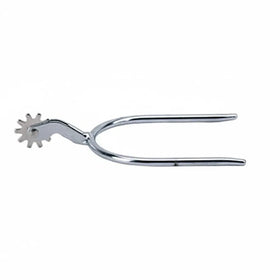
Rowel spurs, with their small, star-like spinning wheel, are tools for riders with a high degree of skill and control. These are not for beginners. As experts advise, "Rowel spurs are designed for more experienced riders, providing a more pronounced signal to the horse," and they require an independent seat and a quiet, steady leg to be used effectively. In the right hands, a light touch from a rowel can deliver a very specific and nuanced cue. However, because the signal is stronger, they can be unintentionally harsh if your leg isn't completely still. If you have the experience, they can be a great tool, but always prioritize your horse's comfort and choose the right spurs for your skill level.
Understanding Rowel Design: Why More Points Can Be Milder
It might seem counterintuitive, but when it comes to rowel spurs, more points on the wheel can actually mean a gentler cue. It’s a common misconception that the star-like design is harsh, but the opposite is often true. Think of it this way: the pressure from your leg is distributed across all the points of the rowel. As experts often explain, spurs with more points on the rowel are actually less harsh because the pressure is spread out, making the sensation less intense for the horse. This design allows the wheel to roll smoothly along your horse's side, providing a clear signal without a sharp poke. It’s a perfect example of how the right tool, used correctly, can lead to more subtle and effective communication with your horse.
Dummy Spurs: A Great Start for Beginners
Just starting out with spurs or have a horse that’s new to them? Dummy spurs are your best friend. These spurs have the look of a traditional spur but feature a very short, blunt nub or no shank at all. They are "a great option for beginners or riders who are training, as they provide the look of spurs without the potential for harshness." Dummy spurs are perfect for helping a rider get used to the weight and feel on their boot without the risk of accidentally jabbing their horse. They can also help a horse become accustomed to the presence of spurs, building confidence for both partners in the saddle.
Shop This Post

Featured in this article
Weaver Leather Women's 21st Century Stainless Steel Spurs - 1" Shank, 3/4" Band
$56.99
Shop Now →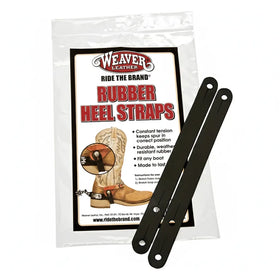

How to Attach English Spurs to Your Boots
Attaching spurs to your riding boots for the first time can feel a little tricky, but it’s a straightforward process once you know the steps. Getting the fit right is key to ensuring your spurs are effective, comfortable for you, and fair to your horse. A properly fitted spur stays securely in place, allowing you to give precise, subtle cues when needed. Think of it as fine-tuning your communication. Let’s walk through how to get your spurs set up perfectly, from identifying the left and right to getting that final, secure fit. With a little practice, you’ll be able to attach them in seconds.
Your Step-by-Step Guide to a Perfect Fit
First things first, let's make sure you have the right spur on the right boot. It’s a small detail that makes a big difference. Pick up one of your spurs and look at its U-shape. One side of the "U" will be slightly longer than the other. That longer side should always face the outside of your boot. The neck of the spur—the part that extends backward—should point slightly downward toward the ground. This alignment ensures the spur sits correctly against your horse’s side and functions as intended. Getting this initial placement right is the foundation for a secure and effective fit.
Finding the Sweet Spot on Your Heel
Once you know which spur goes on which foot, it’s time to place it on your boot. Your spur should sit snugly on the spur rest, which is that little ledge built into the back of most riding boots. If your boots don’t have a spur rest, position the spur just above the top of the heel. The neck should point straight back, with that slight downward angle we talked about. It’s important to check that both spurs are at the same height on each boot. This consistency ensures your leg cues are balanced and even on both sides, which is essential for clear communication with your horse.
How to Properly Fasten Your Spur Straps
Now, let’s thread the straps. Take your spur strap and start on the outside of your boot. Thread the end of the strap through the top slot of the spur, going from the outside in. Then, bring it down and through the bottom slot, from the inside out. Pass the strap under the instep of your boot and bring it over to the inner side. Repeat the process: thread it up through the bottom slot and then down through the top slot. The buckle should end up on the outside of your ankle, making it easy to adjust your horse tack whenever you need to.
The Final Check: Is Your Spur Secure but Comfortable?
The final step is to check the tension. You want the strap to be snug enough to hold the spur firmly in place, but not so tight that it digs into your boot or restricts your ankle. A good rule of thumb is that you should be able to slide one finger between the strap and your boot with a little effort. The spur itself shouldn’t jiggle or slide up and down, but it should have a tiny bit of give if you push on it. This secure-but-not-strangling fit ensures your spur stays put while you ride without causing any discomfort.
3 Common Spur Fitting Mistakes (and How to Avoid Them)
Getting your spurs to sit just right can feel a little tricky at first, but avoiding a few common slip-ups will make all the difference for you and your horse. A proper fit ensures your cues are clear and gentle, and it keeps you comfortable in the saddle. Think of it as fine-tuning a key piece of your horse tack to get the best results. Let's walk through the most frequent fitting mistakes so you can feel confident every time you tack up for a ride.
Mistake #1: Placing Spurs Too High or Too Low
One of the most common mistakes is putting the spur in the wrong spot on your boot. Your spur should rest comfortably on the spur rest—that little ledge built into the back of your boot's heel. If your boot doesn't have one, position the spur just above the heel counter. The neck of the spur, the part that extends outward, should point backward and angle slightly down. You definitely don't want it pointing up or digging into the leather of your boot, as this can send a confusing signal to your horse and damage your gear.
Mistake #2: Getting the Strap Tension Wrong
Finding the sweet spot with your spur straps is key. If they're too loose, the spur will jiggle or slide down your heel, making your leg aids inconsistent and ineffective. If they're too tight, they’ll pinch your ankle, restrict movement, and put unnecessary pressure on your boot. Here’s an easy way to check: you should be able to slide one finger between the strap and your instep with a little bit of effort. This ensures the spur is secure enough to stay put without cutting off your circulation or feeling uncomfortable during your ride.
Mistake #3: Forgetting the Final Wiggle Test
It’s easy to overlook your spur straps once they’re on, but skipping a quick safety check can lead to trouble. Before every ride, take a few seconds to inspect your straps for any signs of wear and tear. Look closely for small cracks in the leather, stretched-out buckle holes, or any stitching that’s coming loose. Leather can degrade over time, and a strap that breaks mid-ride can be startling and unsafe. If you spot any damage, it's always best to replace the strap right away. It’s a small step that ensures your equipment is always reliable.
Your Guide to Choosing the Right English Spurs
Picking the right pair of spurs can feel a little overwhelming, but it doesn’t have to be. The goal is to find a tool that refines your aids and clarifies communication with your horse, not to be harsh. The perfect spur for you depends on your riding discipline, your horse's sensitivity, your leg position, and even the material the spur is made from. Think of it as choosing the right paintbrush for a specific stroke—you want precision and effectiveness. By considering a few key factors, you can confidently select a pair that helps you and your horse work together more harmoniously.
What Material is Best for Your Spurs?
When you’re investing in new tack, you want it to last. Most English spurs are made from stainless steel, which is an excellent choice because it’s strong, rust-proof, and easy to clean. You might also see spurs made with German silver accents for a touch of style. The most important thing is to choose a durable material that won’t bend or break under pressure. A well-made spur will feel solid and balanced in your hand. Prioritizing quality materials ensures your spurs will be a reliable part of your horse tack for years to come, providing consistent and dependable cues every ride.
Beyond Stainless Steel: Composite and Blackened Options
While stainless steel is the go-to for its durability, it’s not your only choice. Modern composite materials offer a lightweight yet strong alternative, which can be a great option if you prefer a less bulky feel on your boot. You’ll also find spurs made from blackened steel. This is largely a stylistic choice, perfect for riders who want their spurs to blend in seamlessly with black boots for a polished and understated look in the show ring. Ultimately, the material you choose comes down to personal preference, but it’s good to know you have options beyond the traditional silver shine when selecting your horse tack.
Functional Features: Rubber Grips and Color Matching
Some of the most helpful innovations in spur design are the small details that make a big difference. Many spurs now come with a rubber grip lining the inside of the U-shape. This feature is fantastic for two reasons: it helps hold the spur securely in place on your boot, and it protects your expensive leather from getting scuffed and marked up over time. You’ll also find spurs in different colors, most commonly black, designed to match your boots. This creates a clean, cohesive look that contributes to a professional show ring appearance and keeps the focus on your riding.
How to Pick the Right Shank Length and Angle
The shank is the part of the spur that extends from the heel band. Its length and angle determine the spur’s severity. A shorter shank (less than one inch) is generally milder and requires more leg movement to make contact. Longer shanks are more precise and require a very still, educated leg to use correctly. The angle matters, too. A straight shank is standard, but some riders with longer legs prefer a Swan Neck spur, which curves upward, making it easier to apply a cue without lifting your heel. Dressage riders, for example, often select specific styles like this to match their leg position and the subtle cues required by the discipline.
How Shank Length Corresponds to Your Leg Position
The length of your leg plays a big role in determining the right shank length for you. The goal is to be able to apply a cue with a simple, subtle movement of your ankle, without having to change your entire leg position. If you have a long leg, your heel will naturally sit farther away from your horse’s side. In this case, a slightly longer shank can help you make contact without needing to lift your heel or turn your toe out. For riders with shorter legs, a shorter shank is usually more appropriate because your heel is already closer to the horse, and a longer shank could lead to accidental contact. Finding the right spur in our horse tack collection is about ensuring your equipment works with your body, not against it, to keep your leg quiet and your cues clear.
Match Spurs to Your Horse and Discipline
Spurs are a tool to improve communication between you and your horse, so your horse’s temperament is a huge factor. A sensitive horse may only need a gentle nudge from a round ball-end spur, while a less forward horse might respond better to a clearer cue from a flat-ended Prince of Wales spur. Your discipline also guides your choice. Hunter/jumper riders typically use very mild, conservative spurs, whereas eventers might need a slightly stronger option for the cross-country course. Always start with the mildest spur possible and only move up if necessary after consulting with a trusted trainer.
Don't Forget: Do They Fit Your Boots?
Even the most perfectly chosen spur is ineffective if it doesn’t fit your boot correctly. The spur should rest securely on the spur ledge of your riding boot without sliding up or down. When you attach the straps, the spur should feel snug but not tight. Good quality spur straps are essential for keeping your spurs in place, which is a key part of both safety and comfort. A spur that wiggles or shifts can deliver an inconsistent or unintentional cue, confusing your horse. Before you buy, check that the opening of the spur is the right width for the heel of your boot for a stable, secure fit.
Sizing for Every Rider: Men's, Women's, and Children's
Spurs aren't a one-size-fits-all piece of equipment. Just like your boots, they need to fit correctly to work properly. That’s why you’ll find spurs specifically designed for men, women, and children. A man’s boot is typically wider at the heel than a woman’s or child’s, so a men’s spur will have a wider opening to accommodate that. Using a spur that’s too wide will cause it to slip and slide, while one that’s too narrow will pinch your boot and sit incorrectly. A proper fit ensures the spur rests securely on the heel, allowing you to give a consistent and clear cue every time. When you shop for horse tack, be sure to select the size that corresponds to your boot type for the best results.
Essential Accessories: Spur Straps and Covers
Once you’ve found the right spurs, you’ll need a good pair of spur straps to attach them to your boots. These straps are essential for keeping your spurs secure and positioned correctly on your heel. They come in various materials and styles to match your tack and personal preference. Another handy accessory to consider is a pair of spur covers or guards. These are small leather or synthetic sleeves that slide over the arms of your spurs. Their main job is to protect your expensive riding boots from getting scuffed or marked by the metal, keeping your gear looking sharp for the show ring and preserving its value over time.
Choosing Your Strap Material: Leather vs. Nylon
When it comes to spur straps, you generally have two main choices: leather or nylon. Leather straps are the traditional option, offering a classic, polished look that’s perfect for the show ring. They are incredibly durable and, over time, will soften and mold to the shape of your boot for a custom fit. Nylon straps are a practical alternative, especially for everyday schooling. They are strong, easy to clean with just a wipe, and often come in a wider variety of colors. While both are excellent choices, your decision often comes down to aesthetics and use. Many riders keep a pair of leather or nylon straps in their tack trunk to switch between schooling and showing.
What to Look for in Spur Brands and Reviews
Once you know the type of spur you need, it’s time to start shopping. With so many options out there, reading reviews and choosing a reputable brand can save you from a poor purchase. A little research goes a long way in finding a pair of spurs that are effective, comfortable for your horse, and built to last through countless rides.
Spotting Rider-Approved, Top-Rated Brands
Leaning on the experience of other equestrians is one of the smartest ways to shop. Look for brands that consistently get high marks from riders in your discipline. When you read reviews, pay close attention to comments about fit, material durability, and how the spurs performed for their intended use—whether for dressage or trail riding. A brand that’s a favorite in the hunter ring might not be the top choice for a reiner. Checking out a curated collection of horse tack from a trusted retailer is a great starting point, as they’ve already done some of the work for you by selecting quality brands.
Trusted Names in the Equestrian World
When you start looking at spurs, you’ll quickly notice a few names that pop up again and again, like Sprenger, Stubben, and Korsteel. These brands have earned their reputations by consistently producing high-quality, reliable equipment that riders trust. A well-established brand often means you’re getting a product that has been thoughtfully designed and tested, with attention to details like balance, weight, and the quality of the metal. At Hooves and Paws, we make it a point to stock our horse tack collection with brands that have a proven track record because we know that durability and performance matter. Choosing a trusted name is a great way to ensure you’re investing in a tool that’s both effective and built to last.
Why Brand History and Customer Reviews Matter
A brand's history and the reviews from fellow riders offer invaluable insight. A company that has been around for decades has likely spent years refining its designs based on feedback from equestrians just like you. But the real gold is in the customer reviews. They provide a real-world look at how the spurs perform outside of a product description. You can learn how a specific model fits on different boot styles, whether the shank length was accurate, and most importantly, how horses responded to them. Taking a few minutes to read reviews can confirm you’re making a choice that’s comfortable for your horse and will stand up to the demands of regular riding.
What Does Quality Craftsmanship Look Like?
Well-made spurs aren't just about looking good; they're about function. After all, spurs are a tool to refine and improve the communication between you and your horse. Quality craftsmanship means smooth, rounded edges that won’t chafe your boots or irritate your horse’s sides. Look for durable materials like stainless steel that resist rust and bending. The buckles on the straps should be sturdy and easy to adjust, and the leather should be supple yet strong. These small details make a big difference in how the spurs perform and how long they’ll stay in your tack trunk.
Balancing Your Budget with Long-Term Performance
It can be tempting to go for the cheapest option, but spurs are an area where investing a little more pays off. High-quality materials and construction lead to better performance and durability. Customer reviews often show that riders are much more satisfied with their purchase when they opt for quality. In fact, it's common to see well-made English spurs and straps earning five-star ratings from a majority of users. Think of it as an investment in your equipment. Our best-selling products are popular for a reason—they hit that sweet spot of reliable performance and fair pricing.
How to Keep Your Spurs Comfortable on Long Rides
A long ride is one of the best ways to spend a day, but discomfort from poorly fitted tack can ruin the experience for both you and your horse. Once your spurs are correctly positioned, a few extra steps can ensure they stay comfortable and secure, no matter how many hours you spend in the saddle. Think of it as a final check to make sure your equipment is working with you, not against you. These simple habits will protect your boots, keep your spurs in place, and give you peace of mind.
Fine-Tuning Strap Tension for All-Day Comfort
Finding the right strap tension is a balancing act. If the strap is too loose, the spur will flop around on your heel, making your cues inconsistent and creating an annoying jingle with every step. If it’s too tight, it can pinch your ankle, restrict movement, and leave painful marks on your boots and your skin. The goal is a snug, secure fit. A great rule of thumb is that you should be able to slide one finger between the strap and your boot with a little bit of effort. This ensures the spur stays put without cutting off circulation or causing discomfort.
Protect Your Boots with Spur Guards and Leather Care
If you find your spurs still slide down your heel rest despite having the right tension, rubber spur guards are a fantastic solution. These simple accessories slip over the arms of your spurs, adding friction that holds them securely in place. As a bonus, they also protect your expensive riding boots from getting scratched or rubbed by the metal. Taking care of your leather spur straps is just as important. Regularly cleaning and conditioning them keeps the leather supple and strong, preventing it from drying out and cracking under pressure during a ride.
Why Regular Fit and Maintenance Checks Matter
Before you swing into the saddle, make it a habit to give your horse tack a quick once-over, including your spurs and straps. This takes just a few seconds and can prevent a major headache later. Check the leather straps for any signs of wear and tear, like cracks, stretched-out buckle holes, or loose stitching. A strap that breaks mid-ride can be startling and unsafe. Also, double-check that the spurs themselves haven't bent and that the buckles are functioning properly. Catching these small issues on the ground ensures a safer, more enjoyable ride.
Where to Buy Quality English Spurs
Once you know what type of English spurs you need, the next step is finding a reliable place to buy them. The right retailer can make all the difference, offering not just a product, but also expertise and peace of mind. You want to shop somewhere that understands the needs of riders and stands behind the quality of their gear. From trusted online stores to your local tack shop, you have plenty of options. The key is to look for a combination of a great selection, knowledgeable support, and policies that protect your purchase, ensuring you and your horse get the perfect fit.
Shop the Hooves and Paws Spur Collection
When you’re looking for high-quality, durable spurs, starting with a curated collection is always a smart move. At Hooves and Paws, we handpick every item in our horse tack selection to ensure it meets our standards for craftsmanship and performance. Because we’re a family of lifelong horse people, we know what riders need to feel confident in the saddle. We stock spurs from trusted brands that are built to last. Plus, with our 365-day satisfaction guarantee and free, fast shipping, you can shop with confidence, knowing we’re here to support you long after your purchase arrives.
Online vs. Your Local Tack Shop: Where to Look
Beyond our own collection, the equestrian community is full of great places to find gear. Large online retailers often carry a massive variety of brands and styles, which can be helpful if you’re searching for a very specific type of spur. Don’t forget about your local tack shop, either. The biggest advantage of shopping in person is the ability to see and feel the spurs before you buy. You can hold them against your boot, check the weight, and ask for advice from experienced staff right then and there. Building a relationship with your local shop is always a great investment in your riding journey.
How to Find the Best Deals and Return Policies
A good deal isn't just about the lowest price—it's about overall value. When comparing options, always check the shipping costs and return policies. A retailer offering free shipping, like we do at Hooves and Paws, can save you a significant amount. More importantly, a flexible return policy is crucial when buying something as personal as spurs. You need the freedom to send them back if they don’t fit your boots correctly or aren’t quite right for your horse. Our 30 years of expertise have taught us that standing behind our products with a strong guarantee is the best way to build trust and ensure our customers are happy.
Frequently Asked Questions
Are spurs cruel to the horse? This is such an important question, and the answer really comes down to the rider, not the tool itself. When used correctly by someone with a steady leg and good control, spurs are a way to refine communication and give subtle cues. They aren't meant for kicking or punishing a horse. A spur is only as harsh as the person wearing it, which is why it's so important that they are used by experienced riders who understand how to apply a light, precise touch.
I'm a beginner rider. Should I be using spurs? It's best to wait until you've developed a secure, independent seat and a quiet lower leg. If your leg still moves around unintentionally while you ride, you could accidentally poke your horse and send confusing signals. The first goal is always to master your primary aids—your seat, legs, and hands. Once your leg is steady, you might consider dummy spurs to get used to the feel without any risk of miscuing your horse.
My spurs keep slipping down my boot. What am I doing wrong? This is a really common issue, and it's usually an easy fix. First, check your strap tension. You should only be able to slide one finger snugly between the strap and your instep. If the strap is secure but the spur still slides, I highly recommend trying a pair of rubber spur guards. They slip over the arms of the spur and create a bit of grip against your boot, holding them perfectly in place while also protecting your leather from scuffs.
How do I know if my horse is too sensitive for the spurs I'm using? Your horse will give you clear feedback if a spur is too much for them. Look for signs of irritation or anxiety when you apply your leg, such as pinning their ears, tensing their back, or swishing their tail excessively. An overly sensitive horse might also overreact to the cue by jumping forward or becoming agitated. The best approach is to always start with the mildest option, like a smooth ball-end spur, and pay close attention to your horse's response.
Do I really need different spurs for different disciplines? In many cases, yes. The type of communication you need for a dressage test is very different from what you might need on a cross-country course. Dressage often requires extremely subtle and precise cues, which is why you might see longer shanks on experienced riders. In the hunter ring, the goal is a quiet, gentle ride, so a very mild Prince of Wales spur is more appropriate. Matching your spur to your discipline ensures you have the right tool for the job.


