


Staring at a wall of dog food bags can feel overwhelming. They all make big promises, but the real story is in the long, confusing ingredient list on the back. This is where you can take control. Understanding what makes a great digestive support dog food isn't about fancy marketing—it's about simple ingredients that work. We'll show you how to spot the good stuff, like probiotics and gentle proteins, and skip the common irritants. This guide will teach you to read any label with confidence, helping you find the right food for your dog's gut health.
Key Takeaways
- Learn to spot the signs of digestive distress: Pay close attention to your dog's body and behavior. Symptoms like frequent vomiting, diarrhea, itchy skin, or a sudden loss of appetite are all clues that their current food isn't working and a specialized digestive formula could help.
- Prioritize simple, gut-friendly ingredients: When choosing a food, look for a clean label with a high-quality, easily digestible protein source at the top. Beneficial additions like probiotics, prebiotics, and natural fiber from sources like pumpkin are key to supporting a healthy gut.
- Always transition to new food slowly: To avoid upsetting your dog's stomach, switch to a new food gradually over at least a week. Mix a small amount of the new food with the old, slowly increasing the ratio while monitoring their stool quality and energy levels.
How Does Digestive Support Dog Food Work?
When your dog isn't feeling their best, it's tough on everyone. Digestive support dog food is a special type of therapeutic diet created to help dogs with sensitive stomachs and other digestive troubles. Think of it as more than just a daily meal; it's a formula designed to get their system back on track, whether they're dealing with a temporary upset stomach or a more chronic issue. These foods are made to be incredibly easy for your dog to break down and absorb, which means their body can get all the necessary nutrients without the extra work that can irritate a sensitive gut.
The goal is to soothe their digestive tract, promote a healthy balance of gut bacteria, and ultimately, help them feel happy and comfortable again. It’s a targeted approach to nutrition that can make a world of difference for a dog struggling with tummy troubles. By focusing on highly digestible ingredients and supportive nutrients, these formulas help maintain a healthy and stable digestive environment. This specialized support can be the key to turning things around, giving your dog relief and giving you peace of mind.
The Science of Canine Digestion
Think of your dog's digestive system as a highly efficient factory. When food enters, specialized workers called 'digestive enzymes' immediately get to work, breaking down proteins, fats, and carbs so the body can absorb all the essential nutrients. A healthy gut is also home to a balanced community of bacteria that not only aids digestion but also supports a strong immune system. When this delicate balance is disrupted, you might notice signs of trouble like vomiting or diarrhea. That's why many digestive support formulas include ingredients like probiotics and natural fibers from sources like pumpkin, which help soothe the digestive tract and promote the growth of beneficial gut bacteria, getting your pup back to feeling their best.
Soothe Your Dog's Sensitive Tummy
A digestive support diet offers a huge sigh of relief for a dog with a sensitive tummy. The primary benefit is that it’s formulated to be gentle and easy to digest, reducing the likelihood of vomiting or diarrhea. These foods help maintain healthy digestion by balancing the good bacteria in the gut, which is the foundation of a happy digestive system. Many formulas also include added probiotics for dogs, which are beneficial microorganisms that can help manage digestive upset, reduce certain allergic reactions, and even contribute to a calmer state of mind. It’s all about creating a stable, comfortable gut so your dog can get back to their playful self.
Is It Time for a Digestive Support Formula?
It’s important to know the signs that your dog’s digestive system might need a little extra help. Obvious symptoms like frequent vomiting or diarrhea are clear indicators, but other signs can be more subtle. Pay attention to changes in their appetite, sudden weight loss or gain, excessive gas, or straining during bowel movements. Sometimes, poor pet gut health can even show up as skin issues like itchiness or a dull coat. If you notice your dog is suddenly uninterested in their food or seems uncomfortable after eating, it might be time to consider a digestive support formula to help soothe their gut and get them feeling right again.
Common Digestive Issues This Food Can Help
Digestive support dog food is formulated to be gentle on your dog’s system while providing all the nutrition they need. It’s designed to help with a wide spectrum of issues, from a simple upset stomach to more complex, long-term conditions. These specialized diets work by using highly digestible ingredients, beneficial fibers, and supportive nutrients like probiotics to calm inflammation, promote a healthy gut microbiome, and ensure your dog can absorb the nutrients from their meals. Think of it as a way to press the reset button on their digestive tract, giving it the support it needs to function properly and keep your best friend feeling happy and comfortable.
Is Your Dog Telling You They Need a New Diet?
Your dog can’t tell you when their stomach hurts, but they can show you. Paying close attention to changes in their body and behavior is the first step to identifying a potential dietary issue. Obvious signs like vomiting or diarrhea are clear red flags, but digestive trouble can also show up in less expected ways. Does your dog have itchy, irritated skin or a dull coat? Have you noticed sudden weight loss or gain? Even changes in their energy levels or appetite can signal that their current food isn't agreeing with them. These symptoms are your dog’s way of communicating that their pet gut health may be off balance and a diet change could be the solution.
Common Warning Signs
While obvious symptoms like frequent vomiting or diarrhea are clear indicators of a problem, many signs of digestive distress are much more subtle. It’s important to pay close attention to the small shifts in your dog’s daily habits. For instance, have they suddenly lost interest in their food, or are they acting ravenous? Other quiet clues include sudden weight loss or gain, excessive gas, or straining when they go to the bathroom. These less dramatic signs are often the first signals that your dog’s digestive system is out of balance and could benefit from a more supportive diet.
Serious Symptoms Requiring Immediate Vet Care
Some symptoms are more than just a sign of a sensitive stomach—they’re emergencies. If your dog is throwing up or has diarrhea repeatedly over a short period, looks dehydrated, or seems extremely tired, it's time to call your veterinarian right away. You should also seek immediate care if you see any blood in their vomit or stool or if they seem to be in pain, which they might show by whining, panting, or guarding their belly. These can be signs of a serious underlying condition that requires professional medical attention, so it’s always best to recognize the signs and act quickly.
Potential Causes Beyond Diet
While the right food is a cornerstone of good health, it’s not always the cause of an upset stomach. Digestive issues can stem from a variety of sources, from your dog eating something they shouldn't have on a walk to bacterial infections, parasites, or even stress and anxiety. Sometimes, a tummy ache can be a symptom of a more chronic illness that needs to be managed with a vet's guidance. That’s why it’s so important to consult your veterinarian to rule out other causes before assuming a simple diet change is the complete solution. They can help you pinpoint the root of the problem and create a comprehensive plan for your dog's well-being.
Is It a One-Time Issue or a Chronic Problem?
It’s important to distinguish between a temporary upset and a persistent problem. An acute issue, like a bout of diarrhea after eating something they shouldn’t have, usually resolves on its own within a day or two. Chronic issues, however, are ongoing and point to a deeper sensitivity or condition. Symptoms of a chronic large bowel issue can include straining to defecate, mucus in the stool, or increased urgency to go outside. While a digestive support diet is excellent for managing these long-term conditions, any sudden, severe, or bloody stool should always prompt an immediate call to your veterinarian to rule out anything serious before you make changes at home.
Improving Nutrient Absorption and Easing Sensitivities
Sometimes, digestive upset isn’t caused by a disease but by a sensitivity to a specific ingredient, like chicken or beef. If your dog suddenly becomes picky or loses interest in their food, it could be because their meals are causing them discomfort. This can also interfere with their ability to absorb essential nutrients. Digestive support formulas often use limited ingredients or novel proteins (like duck or venison) to minimize the chance of a reaction. Many also include probiotics, which are beneficial bacteria that help restore balance to the gut, improve digestion, and can even help reduce allergic reactions.
More Than Just a Happy Tummy: Other Health Benefits
A calm digestive system is the foundation for your dog's overall well-being, and the benefits of a specialized diet extend far beyond just preventing an upset stomach. When your dog's gut is healthy, they can properly absorb all the vital nutrients from their meals. This leads to more consistent energy levels, a shinier coat, and healthier skin. Many digestive support foods also contain probiotics, which are beneficial bacteria that not only aid digestion but also play a crucial role in supporting a strong immune system. A happy gut can even contribute to a calmer, more relaxed dog, because when they feel good on the inside, it shows on the outside. It's a holistic approach that helps your best friend thrive.
What to Look For: Ingredients for a Healthy Gut
When you're scanning the back of a dog food bag, the ingredient list can feel a bit overwhelming. But knowing which key components support a healthy digestive system makes it much easier to pick the right formula. Think of these ingredients as the all-stars of gut health—they work together to keep your dog’s tummy happy and their tail wagging.
Probiotics and Prebiotics: Your Dog's Gut Health Heroes
Think of probiotics as the "good bugs" that live in your dog's gut. These beneficial microorganisms are essential for healthy digestion and a strong immune system. Many digestive support foods include them to help maintain a balanced gut environment. You might consider a food with added probiotics for dogs if your pup is experiencing stress, changing their diet, or finishing a course of antibiotics. Prebiotics are essentially food for the good bugs, helping them thrive. Together, they form a powerful team that keeps your dog’s digestive tract running smoothly and efficiently, ensuring they get the most out of every meal.
The Role of Digestive Enzymes
Digestive enzymes are the unsung heroes of your dog's gut. Think of them as tiny biological scissors that snip apart complex food molecules into smaller, absorbable nutrients. While your dog’s body naturally produces these enzymes, factors like age, stress, or certain health conditions can slow down production. This is where a digestive support food that includes supplemental enzymes can be a game-changer. By providing this extra help, the food becomes easier to break down, ensuring your dog gets the maximum nutritional value from every bite. This process reduces the strain on their digestive system, which is especially beneficial for dogs with sensitive stomachs or absorption issues.
Amylases for Carbohydrates
Amylases are the enzymes that specialize in breaking down carbohydrates and starches into simple sugars for energy. Unlike humans, dogs aren't naturally equipped to handle large amounts of carbs. Including amylases in their diet can help them digest starchy ingredients like potatoes or peas more effectively. This ensures these components are used for energy rather than causing gas or digestive upset, making the food much gentler on their system and providing a steady source of fuel for their daily adventures.
Proteases for Proteins
Proteins are the building blocks of your dog's body, essential for everything from muscle maintenance to a healthy immune system. Proteases are the enzymes responsible for breaking down these large protein molecules into smaller amino acids. Without this crucial step, the protein in your dog’s food would pass through their system without being fully utilized. By ensuring proteins are properly broken down, proteases make it easier for your dog to absorb these essential nutrients, supporting strong muscles and overall vitality.
Lipases for Fats
Lipases are vital for digesting fats, breaking them down into smaller components like fatty acids and glycerol. This process is key to unlocking a concentrated source of energy and absorbing fat-soluble vitamins that are crucial for your dog's health. Proper fat digestion supports everything from brain function to maintaining a healthy skin and coat. When a dog food includes lipases, it ensures that the healthy fats in the formula are put to good use, providing the energy your dog needs to thrive and keeping their coat shiny and full.
Why Quality Protein and Fiber Matter
Not all ingredients are created equal, and this is especially true for protein and fiber. High-quality, easily digestible protein is the foundation of a good diet, providing the essential amino acids your dog needs without putting extra strain on their digestive system. Fiber is just as crucial; it helps regulate bowel movements and supports a healthy gut microbiome. If you notice issues like vomiting, diarrhea, or even skin problems, it could be a sign that your dog's food isn't providing the right quality of these key nutrients. Choosing one of our best-selling formulas with excellent protein and fiber sources can make a world of difference.
Soothing Add-Ins: Pumpkin, Psyllium, and More
Sometimes, a sensitive stomach needs a little extra support from some gentle, natural ingredients. Pumpkin is a fantastic, natural source of soluble fiber that can help with both constipation and diarrhea by absorbing water and firming up stool. It’s a go-to for many pet parents for a reason! Another great addition is psyllium husk, a fiber supplement that also aids in promoting regular, healthy digestion. Many specialized digestive care foods incorporate these ingredients to provide that extra soothing effect. These simple, whole-food additions can be incredibly effective for maintaining your dog’s gut health and keeping them comfortable.
Natural Foods to Support Digestion
Beyond their specialized kibble, you can support your dog’s digestive health with simple, whole foods you might already have in your kitchen. These natural additions can provide extra fiber, vitamins, and soothing properties to complement their main diet. Integrating small amounts of these gut-friendly foods can be a great way to offer variety and give their system an additional layer of support. Just remember to introduce any new food slowly and in moderation to see how your dog responds. It’s an easy, effective way to show their tummy a little extra love and care.
Plain Yogurt and Bone Broth
Plain yogurt can be a fantastic source of probiotics, the beneficial bacteria that help maintain a healthy gut and strong immune system. If your dog tolerates dairy well, a small spoonful once or twice a week can be a great addition. Bone broth is another excellent choice, especially for a dog with an upset stomach. It’s gentle, easy to digest, and helps keep them hydrated. The collagen in bone broth can also help repair the gut lining, making it a soothing and restorative treat for a dog who isn't feeling their best.
Sweet Potatoes and Pumpkin
Pumpkin is a go-to remedy for many pet parents for a reason. It’s packed with fiber and vitamins, making it incredibly effective for managing mild tummy troubles like diarrhea or constipation. Just a spoonful of plain, cooked pumpkin mixed into their food can work wonders. Similarly, sweet potatoes are a powerhouse of fiber, antioxidants, and vitamins A and C, all of which contribute to a healthy gut. You can serve them boiled, baked, or steamed as a simple and nutritious meal topper. Many of our best-selling dog foods include these ingredients for their digestive benefits.
Oatmeal and Carrots
Oatmeal is another excellent source of soluble fiber, which helps regulate bowel movements and is often a great choice for dogs who have wheat allergies. Just be sure to cook it plain without any sugar or additives. Carrots are a fantastic low-calorie, high-fiber snack that can also help clean your dog's teeth as they chew. You can offer them raw for a satisfying crunch or lightly steamed for a softer texture. They make for a healthy and simple treat that supports their digestive system while also giving them something fun to munch on.
Apples and Blueberries
Fruits can also be a wonderful, healthy treat for your dog in moderation. Sliced apples provide fiber that supports good gut bacteria, along with a dose of antioxidants. Just be sure to remove the core and seeds before sharing. Blueberries are another great option, as they are loaded with fiber and antioxidants that aid digestion and support the immune system. You can offer them fresh, frozen for a cool treat, or even mashed into their food. These fruits are a simple way to add beneficial nutrients to their diet.
Why "Less Is More" With Limited Ingredient Diets
If you suspect your dog has a food sensitivity, a limited ingredient diet (LID) can be a game-changer. The philosophy here is simple: less is more. These diets contain a single source of animal protein and a handful of other simple ingredients, which reduces the chance of triggering a reaction. A sudden loss of appetite or disinterest in food can sometimes signal gut discomfort caused by a specific ingredient. Limited ingredient diets make it easier to pinpoint the culprit through an elimination process. By simplifying your dog’s meals, you can help soothe their digestive system and get them back to feeling their best.
Shop This Post

Featured in this article
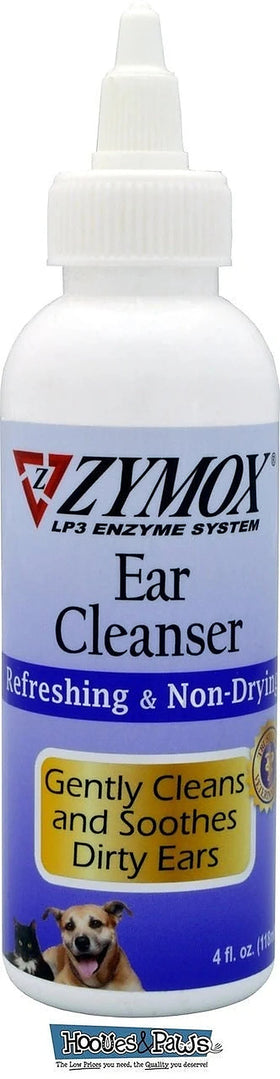
Zymox Otic Pet Ear Care with 0.5% Hydrocortisone - Enzymatic Ear Solution for Dogs & Cats - 1.25 oz
$22.49
Shop Now →

Tried and True: The Best Digestive Support Dog Foods
With so many options on the shelf, finding the right food can feel overwhelming. To make it easier, we’ve put together a list of trusted, high-quality formulas that are specifically designed to support your dog’s digestive health. These brands are known for their thoughtful ingredients and effective results. Whether you need a prescription-strength diet or a high-quality over-the-counter option, this list is a great place to start your search for the perfect food to soothe your dog’s sensitive stomach and get them back to feeling their best.
Hooves and Paws' Premium Digestive Formulas
As a family-owned company with decades of experience, we’re incredibly particular about the products we carry, including our own. Our Chicken Formula Digestive Support Supplement is one of our best-selling products for a reason. It was created specifically to aid digestive health and is gentle enough for dogs with even the most sensitive stomachs. We believe in using high-quality, purposeful ingredients to help your dog feel good from the inside out. This formula is a great first step for owners looking to provide targeted relief and support for their furry family member’s gut health.
Hill's Science Diet i/d
Hill's Science Diet is a brand many vets trust, and its i/d formula is a go-to for dogs with digestive upset. It’s a therapeutic diet clinically proven to help settle digestive issues. The formula contains prebiotic fiber, which works to activate and balance your dog's unique gut microbiome. This helps promote healthy digestion and improve stool quality. Because it’s highly digestible, it ensures your dog can easily absorb all the essential nutrients they need to recover and thrive. Many dog food reviews point to its effectiveness for both acute and chronic digestive problems.
Royal Canin Digestive Care
Royal Canin is another top contender in the world of specialized pet nutrition. Their Digestive Care formula is designed to support a balanced intestinal flora and promote optimal stool quality. It achieves this with a precise blend of highly digestible proteins, prebiotics, and specific fibers, including psyllium. This combination helps regulate digestion and makes it easier for your dog to absorb nutrients from their food. It’s an excellent choice for dogs who aren't on a prescription diet but still need extra support for a sensitive stomach.
Purina Pro Plan for Sensitive Systems
Purina’s Pro Plan line for Sensitive Skin & Stomach is a popular and accessible option that delivers great results. The formula is crafted with ingredients that are easy to digest, like salmon or lamb, and it’s fortified with live probiotics to support gut health. The inclusion of oatmeal makes it gentle on the digestive system, while omega-6 fatty acids help nourish skin and coat. This food is a fantastic choice for dogs who struggle with common food sensitivities, as it provides complete nutrition while being gentle on their system.
Stella & Chewy's and Wynwood Solutions
For owners interested in alternative diets, brands like Stella & Chewy's offer excellent options. Their raw, freeze-dried foods are minimally processed and made with high-quality, single-source proteins, which can be very beneficial for dogs with digestive sensitivities. The limited-ingredient approach reduces the chances of triggering an adverse reaction. Similarly, specialized brands like Wynwood Solutions focus on creating unique formulas tailored to specific health needs, including digestive support. These minimally processed options are worth exploring if standard kibble isn't working for your dog.
How to Choose the Right Food for Your Dog
Picking the right food for a dog with a sensitive stomach can feel like a huge task, but it doesn't have to be. By breaking it down and looking at a few key factors, you can find a formula that helps your best friend feel their best. It’s all about understanding your dog’s unique needs and knowing what to look for on the label. Let’s walk through the process step-by-step.
Start by Looking at Your Dog's Symptoms
The first step is to observe your dog closely. They can’t tell you what’s wrong, but they can show you. When you’re considering a digestive support food, it’s important to watch for signs that their system is a little off-balance. Symptoms like occasional vomiting, diarrhea, excessive gas, itchy skin, or even changes in weight can all point to an issue with their gut health. Identifying these specific clues will help you narrow down your options and choose a food that directly addresses what your dog is experiencing. Think of it as gathering information to share with your vet so you can tackle the problem together.
Does Age, Size, or Breed Matter? (Yes!)
A puppy has very different nutritional needs than a senior dog, and a tiny Yorkie won’t eat the same food as a Great Dane. Your dog's age, size, and breed play a significant role in their digestive health and dietary requirements. For example, a sudden lack of interest in food could signal gut discomfort, and this might look different depending on your dog's breed and life stage. Large-breed puppies need food that supports controlled growth to protect their joints, while older dogs may need fewer calories and more fiber. Considering these personal factors is essential for selecting a digestive support food that will truly benefit your dog.
Prescription vs. Over-the-Counter: What's the Difference?
As you browse your options, you’ll see both prescription and over-the-counter (OTC) foods. It’s helpful to know the distinction. Prescription diets are considered "therapeutic" and are formulated to manage specific medical conditions. You can only get them with a vet’s approval because they are tailored to address a diagnosed health issue. In contrast, OTC digestive support foods are available at retailers like Hooves and Paws and are designed for general digestive wellness. While they are more accessible, they may not be as targeted as a prescription formula. If your dog's symptoms are severe or persistent, always start with a conversation with your vet.
Beyond Kibble: Other Forms of Digestive Support
Sometimes, the best solution for your dog’s digestive health isn’t found in a bag of kibble. While a high-quality digestive support food is a fantastic foundation, you can also provide targeted relief through other means. Supplements and alternative food formats can offer a concentrated dose of gut-friendly ingredients or a completely different approach to mealtime. These options are perfect for adding an extra layer of support to your dog’s current diet or for trying something new when traditional foods aren’t quite cutting it. Exploring these alternatives gives you more tools to help your dog feel their absolute best.
Digestive Supplements (Chews, Powders, and Pastes)
If you’re happy with your dog’s food but feel they need a little extra help, digestive supplements are an excellent choice. These aids come in easy-to-administer forms like tasty soft chews, powders you can sprinkle over meals, or simple pastes. Many of these supplements contain digestive enzymes, which are special proteins that help your dog’s body more effectively break down fats, proteins, and carbohydrates. This process allows them to absorb more nutrients from their food, reducing the strain on their digestive system. It’s a simple and effective way to enhance their current diet and provide targeted support right where they need it.
Fresh and Freeze-Dried Food Options
For some dogs, especially those with significant sensitivities, a minimally processed diet can make all the difference. Brands like Stella & Chewy's offer fantastic freeze-dried raw food options that are built around high-quality, single-source proteins. Because these foods undergo less processing than traditional kibble, the nutrients are often more bioavailable and easier for a sensitive system to handle. This approach simplifies the ingredient list, which is a huge benefit if you’re trying to avoid common triggers. Exploring alternative diets like fresh or freeze-dried food can be a great path forward when you feel like you’ve hit a wall with conventional options.
Addressing Specific Issues
Digestive health isn't always a straightforward issue of an upset stomach. Sometimes, you might notice very specific, and occasionally awkward, problems that need a more targeted solution. From the dreaded "scoot" across the carpet to the baffling habit of stool eating, these behaviors can often be linked back to what’s happening in your dog’s gut. The good news is that there are specific products and supplements designed to address these particular challenges head-on, providing relief for your dog and peace of mind for you. These targeted solutions can help you manage the symptoms while you work on the underlying digestive issue.
Support for Anal Gland Health
If you’ve ever seen your dog dragging their rear end across the floor, you’ve witnessed the classic "scoot." This is often a sign of impacted or irritated anal glands, a common and uncomfortable problem for many dogs. This issue is frequently tied to stool that is too soft to express the glands naturally during a bowel movement. Many digestive remedies are designed to help with this exact problem, often with the goal to "boot the scoot." These supplements typically contain a blend of fiber that helps firm up your dog's stool, allowing the glands to function as they should and providing much-needed relief from the constant irritation.
Remedies for Stool Eating (Coprophagia)
It’s a behavior that makes most owners cringe, but stool eating—scientifically known as coprophagia—is more common than you might think. While it can be a learned habit, it can also sometimes be linked to a nutritional deficiency or poor digestion, where the dog is trying to get more nutrients from their waste. There are specific supplements designed to deter this behavior. These products work by making the stool taste very unpleasant to the dog, which breaks the habit over time. If this is an issue for your pup, know that you’re not alone and there are remedies available to help manage it.
How to Read a Digestive Dog Food Label
Flipping over a bag of dog food can feel like you’re trying to read a foreign language. The ingredient lists are long, and the "Guaranteed Analysis" section is full of percentages. But once you know what to look for, that label becomes your best tool for finding a food that will soothe your dog’s sensitive stomach. Think of it as a cheat sheet for your dog’s digestive health.
Learning to decode these labels helps you see past the flashy marketing on the front of the bag and focus on what truly matters: the quality of the ingredients inside. It empowers you to make an informed choice, ensuring you’re giving your pup the high-quality nutrition they need to feel their best. We’ll break it down into three simple parts: the good stuff, the red flags, and the nutritional numbers.
The Good Stuff: Your Ingredient Checklist
When you scan the ingredient list, you want to see whole, recognizable foods at the top. Look for high-quality, easily digestible proteins like chicken, turkey, or lamb. These provide the essential amino acids your dog needs without putting extra strain on their digestive system. Next, check for gut-friendly additions like prebiotics and probiotics, which support a healthy microbiome. Fiber-rich vegetables are also a huge plus; ingredients like pumpkin, spinach, and sweet potatoes help regulate digestion and promote firm, healthy stools. These are the building blocks of a truly effective digestive support formula.
Ingredients to Skip for a Sensitive Tummy
Just as important as what’s in the food is what’s not in it. Certain ingredients can aggravate a sensitive stomach, so it’s best to steer clear of them. Keep an eye out for common fillers like corn, wheat, and soy, which can be difficult for some dogs to digest. Peas, lentils, and potatoes are other ingredients that can cause issues for sensitive pups. You’ll also want to avoid artificial colors, preservatives, and by-products. A quality dog food doesn’t need these additives. Our commitment at Hooves and Paws is to provide foods with simple, purposeful ingredients that support your dog’s health from the inside out.
Decoding the "Guaranteed Analysis" Section
This little box of percentages tells you the minimum and maximum levels of key nutrients in the food. For a digestive support formula, you’ll want to see a healthy balance. Look for a protein content of at least 12% (and often higher, around 22%) and a moderate fat content, typically between 4% and 11%. Fiber is crucial for digestion, but too much can be a problem, so look for a maximum fiber content of around 1-3%. These numbers ensure the food is nutritionally sound and provides the right balance to support, not stress, your dog’s digestive system.
Beyond the Ingredient List
A clean ingredient list is a great start, but there are a couple of other factors that separate a good food from a great one. Looking beyond the list itself to consider the nutritional big picture and the story behind the ingredients can give you even more confidence in your choice. It’s about understanding not just what your dog is eating, but how much energy it provides and where it all comes from. These details help you make a truly well-rounded decision for your dog's health, ensuring every aspect of their food meets the high standards you have for your furry family member.
Understanding Calorie Content
When you're evaluating dog food, it's smart to look at the calorie content, too. A typical digestive support food might have around 331 calories per cup. Knowing this number helps you accurately gauge how much food your dog really needs based on their size and activity level, which is crucial for keeping them at a healthy weight. It takes the guesswork out of feeding time and ensures your dog gets the right amount of energy to fuel their day without packing on extra pounds. This simple check can prevent overfeeding and support their long-term health.
The Importance of Ethical Sourcing
For many of us, knowing where our own food comes from is important, and the same goes for our dogs. The ethical sourcing of ingredients is a big part of choosing a quality food. Brands that are committed to this practice ensure all their ingredients are traceable, so you know exactly where your dog's food originates. This transparency supports responsible farming and gives you peace of mind about what you're putting in their bowl. Choosing brands that prioritize ethical sourcing makes a positive impact on your dog’s health and the wider world.
How to Safely Switch Your Dog's Food
Once you’ve chosen a new digestive support food, the next step is introducing it to your dog. The key here is to go slow. Switching food too quickly can shock your dog’s system and lead to the very tummy troubles you’re trying to solve. A gradual transition gives their digestive tract time to adapt to the new ingredients and formulation. This slow-and-steady approach helps prevent issues like diarrhea, vomiting, or gas, ensuring the switch is a positive experience for everyone.
Think of it as a gentle introduction over one to two weeks. You’ll slowly mix the new food into their old food, gradually increasing the amount of the new while decreasing the old. This method is the gold standard for any food change, but it’s especially important for dogs who already have sensitive stomachs. Patience is your best friend during this process. By taking your time, you set your dog up for a successful and comfortable transition to their new, gut-friendly diet.
Your 7-Day Plan for a Smooth Transition
A structured plan makes switching foods simple and stress-free. Following a 7-day schedule helps your dog’s system adjust without any sudden changes. Here’s a straightforward guide to follow:
- Days 1–2: Start by mixing 25% of the new food with 75% of their old food.
- Days 3–4: Move to a 50/50 mix of new and old food.
- Days 5–6: Increase the new food to 75%, with just 25% of the old food remaining.
- Day 7: Your dog is ready to eat 100% of their new food.
If your dog is particularly sensitive, you can extend this timeline to 10 days or even two weeks, spending a few extra days at each stage.
How to Tell if the New Food Is Working
Pay close attention to your dog during the transition week. You’re looking for signs that their body is handling the new food well. Positive indicators include normal energy levels, a healthy appetite, and firm, well-formed stools. A happy gut often means a happy dog.
On the other hand, watch for any signs of digestive distress. This could include loose stools, diarrhea, vomiting, excessive gas, or a sudden loss of interest in their food. Understanding your pet's digestive system can help you spot these issues early. If you notice minor upset, you can try slowing down the transition by reverting to the previous food ratio for another day or two before moving forward again.
When to Call the Vet
While minor digestive upset can be part of the transition, some symptoms are red flags that require a professional opinion. It’s time to call your veterinarian if your dog experiences persistent vomiting or diarrhea, completely refuses to eat for more than a day, or seems unusually tired or lethargic. Other concerning dog digestive conditions include signs of abdominal pain, like a bloated or tight stomach, or straining to defecate. Your vet can determine if your dog is having a negative reaction to an ingredient or if there’s another underlying issue. Don’t hesitate to reach out—it’s always better to be safe.
How Vets Diagnose Digestive Issues
When you take your dog to the vet for tummy troubles, the first thing they'll do is gather a complete history and perform a thorough physical exam. This initial assessment is crucial for figuring out what might be going on. Based on these findings, your vet might recommend further tests to get a clearer picture. These often include diagnostic lab services like bloodwork to check organ function or fecal tests to look for parasites. For more complex cases, they might suggest imaging like an X-ray or even an endoscopy, which uses a tiny camera to see inside the digestive tract. This methodical approach helps them pinpoint the exact cause of the problem so they can create the best treatment plan.
Common Veterinary Treatments
Once your vet has a diagnosis, the treatment plan will be customized for your dog's specific needs. Often, the first step is a dietary change. Your vet might recommend a therapeutic or prescription diet, which is specially formulated to be gentle and easy to digest, giving your dog's gut a chance to rest and heal. These foods are designed to manage specific medical conditions while providing complete nutrition without causing more irritation. In addition to a new diet, your vet might suggest other supportive therapies, like adding probiotics to help restore a healthy balance of good bacteria in the gut. The main goal is always to soothe the digestive system and get your dog back to feeling like their happy, playful self.
What Vets Want You to Know About Gut Health
When it comes to your dog’s health, your veterinarian is your most trusted partner. They see firsthand how a healthy digestive system impacts everything from a shiny coat to a strong immune response. Vets emphasize that gut health isn't just about avoiding the occasional upset stomach; it's a cornerstone of your dog's overall well-being. They can help you connect the dots between symptoms like itchy skin or low energy and an underlying digestive issue.
The good news is that many common digestive problems can be managed with the right diet. Vets often recommend specific formulas and ingredients to soothe irritation and support a balanced gut microbiome. They also stress the importance of paying close attention to your dog's daily habits. Small changes in appetite, stool quality, or behavior can be early indicators that something is off. By understanding what the experts look for, you can become a more proactive partner in managing your dog’s digestive health for the long haul.
Simple Vet-Approved Tips for a Healthy Gut
Veterinarians agree that the first step to supporting your dog’s gut is learning to spot the signs of trouble. According to experts at VCA Hospitals, it's crucial to understand your pet's digestive system and recognize when it's out of balance. Watch for obvious issues like vomiting and diarrhea, but also pay attention to more subtle clues like skin problems or unexplained weight fluctuations. A sudden loss of interest in food can also signal gut discomfort. When you check your dog's stool, look for bright red blood or mucus, as these can point to large bowel irritation. Catching these signs early makes it easier to get your dog the support they need.
Why Sticking to One Food Pays Off
A stable, high-quality diet is one of the most effective tools for maintaining long-term digestive health. Sudden food changes can disrupt the delicate balance of microorganisms in your dog's gut, leading to discomfort. Vets often recommend sticking with a food that works for your dog to promote consistency. Many digestive support foods also include beneficial ingredients like probiotics for dogs, which are healthy microorganisms that support digestion and immune function. By providing a consistent and nutrient-rich diet, you help create a stable environment where your dog’s digestive system can thrive, minimizing flare-ups and supporting their overall vitality for years to come.
Where to Shop for Digestive Support Food
Once you have a better idea of what your dog needs, the next step is finding it. Thankfully, you have great options whether you prefer to shop from your couch or browse the aisles of a local store. Both online retailers and neighborhood pet shops offer excellent digestive support foods, but they each have unique advantages. For many of us, convenience is key, and the ability to order specialized food directly to our door is a game-changer, especially when dealing with a picky eater or a specific prescription diet. For others, the hands-on experience and expert advice found at a local store are irreplaceable.
The good news is that you don't have to choose just one. Many of the best-selling products we trust are available through multiple channels, giving you the flexibility to shop however you like. Understanding the benefits of both online and in-person shopping can help you make the best choice for your schedule, your budget, and your dog’s specific dietary requirements. Let's break down where you can find high-quality formulas to get your pup’s gut health back on track and what to expect from each experience.
Why Shopping Online Can Be a Great Option
Online stores have completely changed how we shop for our pets, offering a massive selection of specialized foods right at our fingertips. This is especially helpful for digestive support formulas, as some brands are only sold directly through their website or your vet. This exclusivity often means the food is carefully formulated for specific health issues. Plus, companies make it incredibly easy to get what you need with simple online ordering and nationwide shipping. At Hooves and Paws, we pride ourselves on getting your order out the same day so your dog doesn’t have to wait for relief.
Why Your Local Pet Store Is a Great Resource
While online shopping is convenient, don't overlook your local pet store. It’s a fantastic resource for finding quality digestive support food and getting personalized advice. The staff are often pet lovers themselves and can share valuable insights based on your dog’s needs. You can also physically check the packaging and ingredients list, which many people find reassuring. Many trusted brands, including some that veterinarians use for their own pets, are available both in-store and online. This gives you the flexibility to grab a bag in a pinch or do more in-depth research before buying.
Related Articles
Frequently Asked Questions
How long should I wait before seeing a vet about my dog's stomach issues? A single day of mild upset, like loose stool, isn't usually a cause for panic. However, if symptoms like vomiting or diarrhea last for more than 48 hours, or if you see more serious signs like blood in their stool, extreme tiredness, or a complete refusal to eat or drink, you should call your vet right away. It's always best to get a professional opinion to rule out anything serious before making major changes to their diet on your own.
Can I just add supplements like pumpkin or probiotics to my dog's regular food instead of switching? While adding pumpkin or a good probiotic can certainly help support your dog's digestion, a specially formulated digestive support food offers a more complete solution. These diets are designed from the ground up with highly digestible proteins and a precise balance of fibers and nutrients that all work together. This comprehensive approach often provides more consistent relief than simply adding a supplement to a food that might contain other ingredients that are irritating their system.
Are digestive support foods safe for my dog to eat long-term? Yes, most over-the-counter digestive support foods are formulated to provide complete and balanced nutrition, making them perfectly safe for long-term feeding. They are designed to be a maintenance diet for dogs with sensitive systems. If your dog is on a prescription diet from your vet, it's best to follow their specific recommendations for how long your dog should stay on that particular formula.
How long does it take to see improvement after switching to a new digestive food? Every dog is different, but you can often see improvements in stool quality within a few days of successfully completing the transition to the new food. For issues that show up on the skin, like itchiness or a dull coat, it may take a few weeks to see the full benefits as their body adjusts and heals from the inside out. The key is to be patient and consistent.
What if my dog is a picky eater and won't touch the new food? This is a common concern, especially when your dog isn't feeling their best. First, make sure you are transitioning them very slowly, as a sudden change can be off-putting. You can also try making the new food more tempting by adding a splash of warm water to release the aromas. If they still refuse, talk to your vet. Sometimes there's a bit of trial and error involved in finding a flavor and texture your dog loves.


