


Did you know your dog's paws are the foundation of their health, comfort, and mobility? Every step your dog takes relies on strong, healthy paws, making daily care crucial for their well-being.
This comprehensive guide provides the latest insights and practical tips to keep your dog paw healthy and protected in 2025. You'll learn about anatomy, common problems, preventive routines, seasonal protection, trending products, and expert advice to ensure your dog thrives.
Start your journey to proactive paw care today and give your companion the support they need for every adventure ahead.
Understanding Dog Paw Anatomy
Caring for your dog's paws starts with understanding their unique structure. Every dog paw is a marvel of natural engineering, designed to support movement, absorb shock, and provide vital protection. By exploring the anatomy and adaptations of the dog paw, you can make better decisions for your pet's health and comfort.
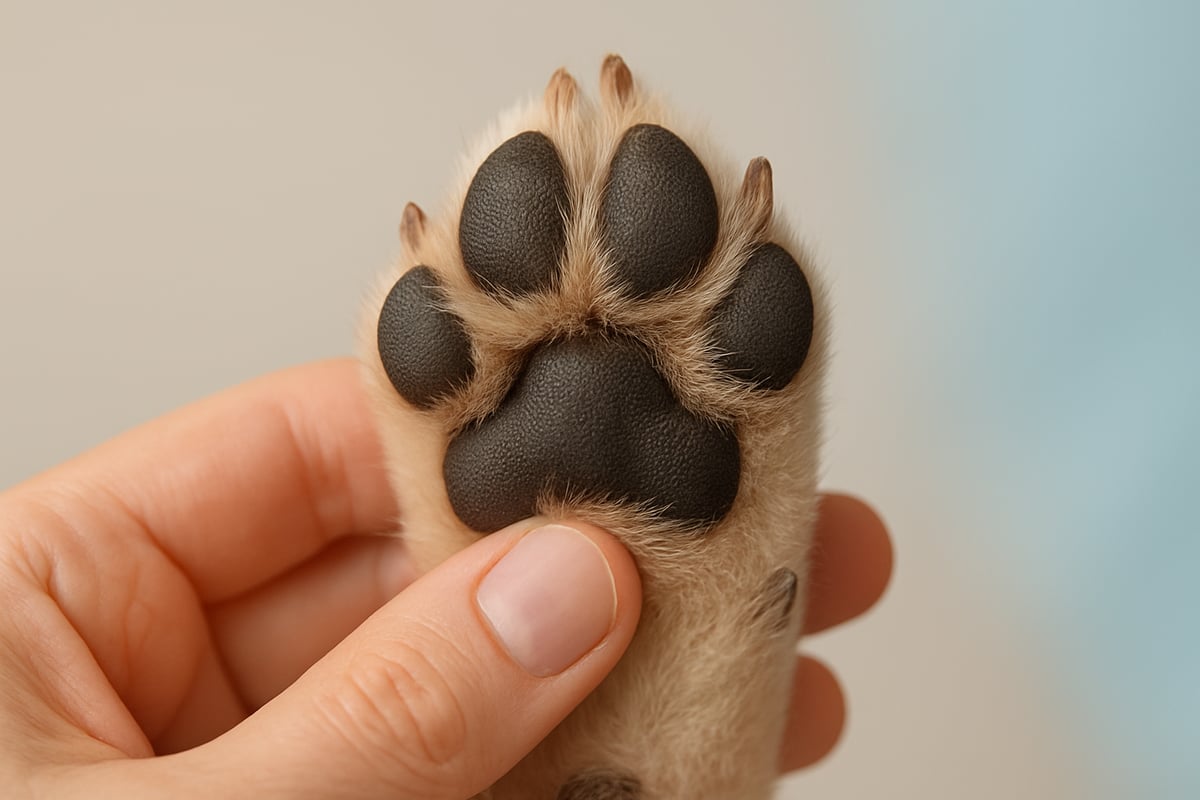
The Basic Structure of a Dog’s Paw
A dog paw is made up of several key parts, each with a specific role. These include the claws, digital pads, metacarpal or metatarsal pad, dew claws, and carpal pad. The digital pads cushion each toe, while the larger metacarpal (front) or metatarsal (hind) pad supports the main weight of the dog. Dew claws sit higher up and sometimes only appear on the front legs, helping with grip.
The carpal pad, located on the back of the front leg, acts like a brake when moving down slopes. Fatty tissue inside each pad provides essential cushioning, protecting bones and joints during running and jumping. Front and hind paws have subtle differences, with the front paws usually broader for weight-bearing, and the hind paws narrower for propulsion.
Think of a dog paw as similar to a human hand, but adapted for running, digging, and gripping uneven terrain. According to Dog Paw Anatomy and Function, paw pads act as shock absorbers and are crucial in preventing injuries during activity.
Unique Paw Features and Adaptations
Many dog paw features are shaped by breed and environment. Some breeds, like Labradors, have webbed feet, which help them swim efficiently and dig quickly. Others have “hare feet” with longer central toes, or “cat feet,” which are more compact and rounded for agility.
Sweat glands in the paw pads help regulate temperature, although dogs mainly cool off through panting. Dewclaws are another fascinating dog paw feature. While some breeds, such as the Great Pyrenees, have rear dewclaws, most dogs only have them on the front legs. Dewclaws can provide extra traction and assist with gripping objects.
A fun fact: the “Frito feet” smell that many owners notice comes from harmless bacteria living in the sweat glands of the dog paw. These adaptations all contribute to the diverse abilities and resilience of canine paws.
Why Paw Health Matters
Maintaining healthy dog paw condition is essential for your pet’s balance, skeletal alignment, and overall mobility. The dog paw acts as the primary traction device, helping prevent slips and falls, especially on smooth or uneven surfaces.
Early signs of allergies or systemic health issues often appear as paw licking or chewing. Ignoring problems can lead to muscle wasting, joint strain, and increased risk of injury or falls. For example, red-stained fur on a light-coated dog may signal excessive licking due to allergies.
Without proper care, minor dog paw issues can escalate to chronic pain and mobility loss. Staying vigilant and proactive ensures your dog remains comfortable, active, and happy throughout their life.
Common Dog Paw Problems in 2025
Every dog paw is vulnerable to a range of problems, especially as we move into 2025 with new environmental and lifestyle factors at play. Recognizing and addressing these issues early can protect your dog's comfort and mobility. Let’s explore the most common dog paw problems you might encounter this year.
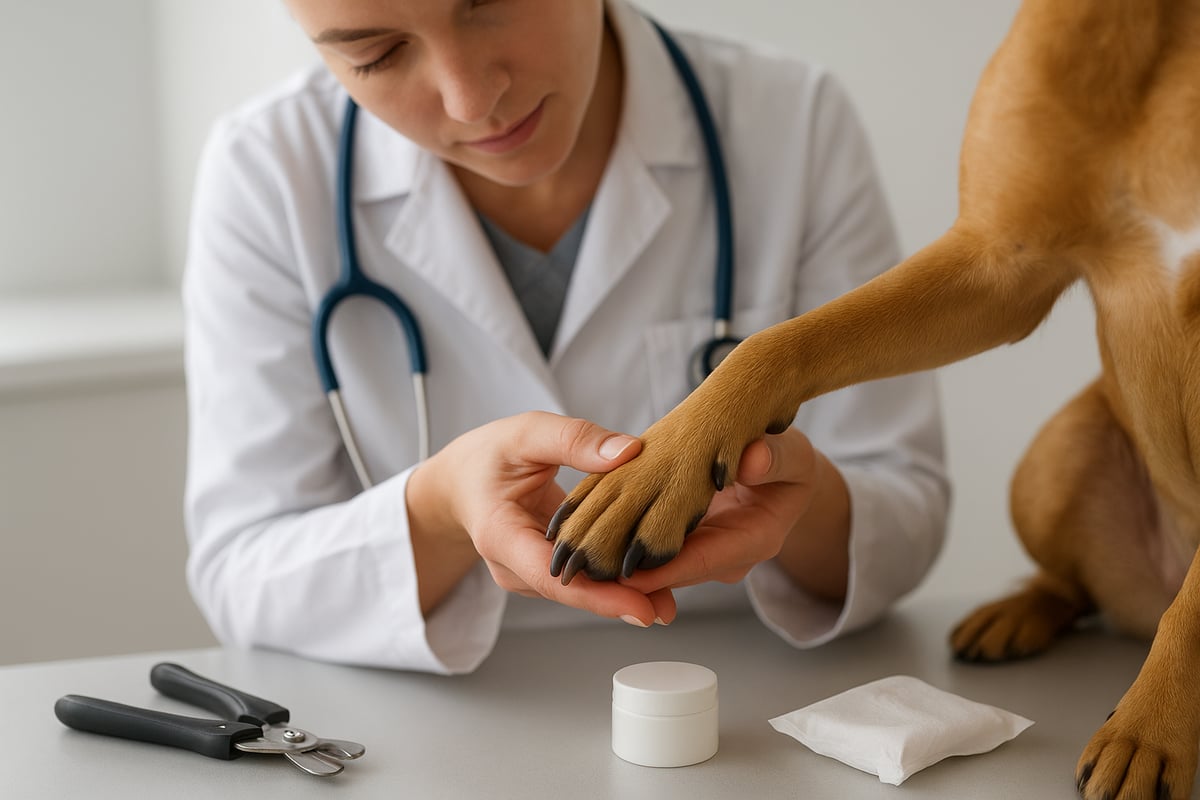
Overgrown and Broken Toenails
Overgrown nails are one of the most frequent dog paw problems seen in veterinary clinics. When a dog's nails grow too long, they can curl under and press into the paw pads. This leads to pain, infections, and even altered walking patterns.
Signs of overgrown nails include nails touching the ground or curling sideways. Dogs with long nails are more likely to slip, develop arthritis, or suffer from ingrown nails. Regular trimming is essential to avoid these issues.
Broken or split nails can also be painful, often leading to limping or licking. If left untreated, infections may develop, making it harder for your dog to walk comfortably.
Traction Issues and Slipping
Many dogs, especially seniors, struggle with traction issues related to their dog paw health. Long nails, smooth flooring, or age-related muscle loss can all contribute to slipping.
If your dog is slipping more often, it may avoid certain rooms or seem hesitant on stairs. Senior or disabled dogs are particularly at risk of falls and injuries due to poor paw traction. Traction aids, such as nail grips or booties, can provide extra stability.
Research shows traction problems are a leading cause of falls in older dogs. Addressing these issues helps maintain your dog's confidence and mobility indoors.
Foreign Bodies and Paw Injuries
A dog paw is naturally curious and often exposed to outdoor hazards. Common culprits like foxtails, burrs, glass, or thorns can lodge between the toes or pads.
If your dog begins limping, licking a specific paw, or shows swelling between toes, a foreign object may be the cause. Foxtails, in particular, can burrow into the skin and create serious infections.
Routine paw inspections after walks or hikes can catch these problems early. Most foreign bodies are found between the toes, so pay special attention to this area during your checks.
Allergies and Skin Conditions
Allergies are a leading cause of chronic dog paw problems. Environmental or food allergies often show up as itchy, red, or inflamed paws. Dogs may lick or chew at their paws, leading to hair loss or discoloration, especially in lighter-coated breeds.
Secondary infections, such as yeast or bacteria, can set in, resulting in swelling or interdigital cysts. Look for redness, persistent licking, or a “corn chip” odor as signs of trouble.
Early recognition and regular cleaning are key to managing allergic reactions. If you notice ongoing symptoms, consult your veterinarian for targeted treatments.
Paw Pad Burns and Abrasions
Extreme temperatures can easily injure your dog's sensitive paw pads. Hot pavement in summer and icy or salted sidewalks in winter are two common threats. Signs of a burn include limping, blisters, or peeling skin.
During heatwaves, cases of paw pad burns rise sharply. Did you know that asphalt can reach over 125°F in direct sun, causing burns in just minutes? For prevention tips and seasonal safety, explore 6 Tips to Keep Your Pets Safe This Summer.
Rinsing paws after walks and using protective gear can prevent painful injuries and keep your dog's paws healthy year-round.
Emerging Paw Health Concerns for 2025
Looking ahead, new dog paw health concerns are emerging. Urban pollutants, synthetic turf, and climate extremes are increasing the risk of pad injuries and irritations.
Digital technology is now helping owners monitor paw temperature and activity, with smart collars and booties providing alerts for overheating or overexertion. These advancements offer early warnings and help prevent long-term damage.
Staying informed about these evolving risks allows you to better protect your dog's paws in a changing world.
Shop This Post

Featured in this article
Mushers Secret Paw Protection Wax - All-Season 100% Natural Dog Paw Balm for Snow, Ice, Salt & Hot Pavement
$30.99
Shop Now →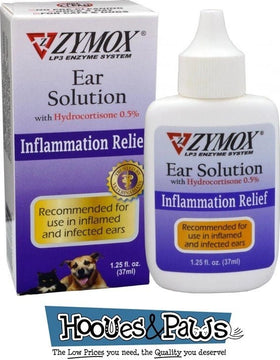
Essential Dog Paw Care Routine
A healthy dog paw care routine is the cornerstone of canine comfort and mobility. By making dog paw care a daily habit, you can prevent injuries, infections, and discomfort, ensuring your companion enjoys every adventure by your side. This section will guide you through practical steps to maintain your dog paw health, from routine checks to seasonal protection and when to seek veterinary help.
Daily and Weekly Paw Maintenance
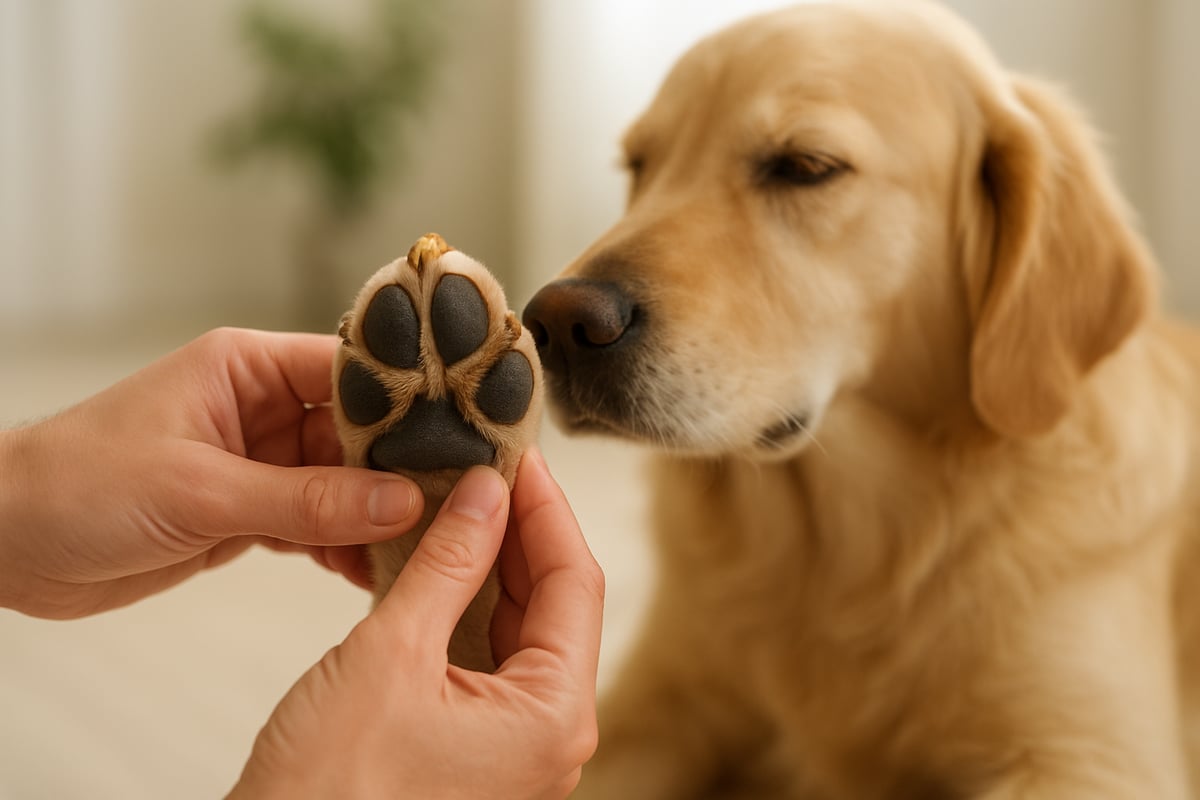
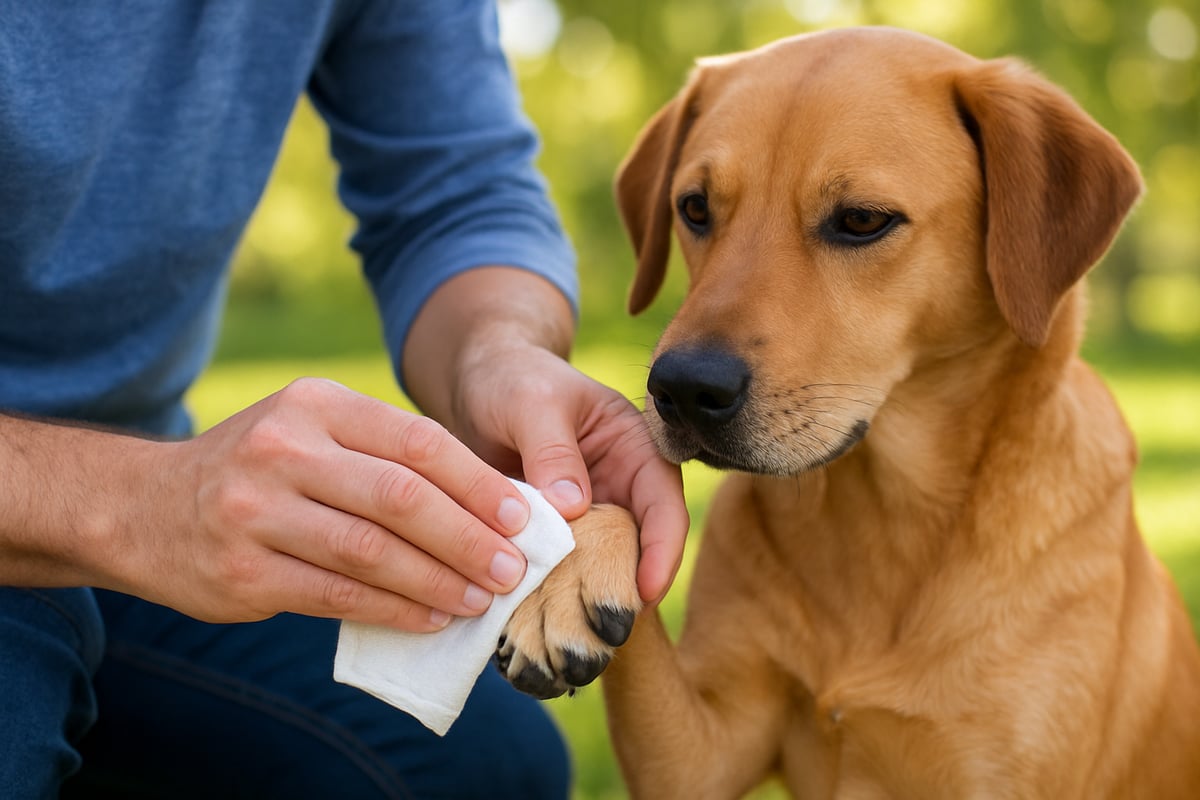
Daily attention to your dog paw health can make all the difference. Start with a quick inspection after walks. Look for small cuts, swelling, stuck debris, or signs of discomfort. Especially in urban areas, dog paw pads may pick up harmful substances, so wipe them gently with a damp cloth.
Weekly, check between the toes for foreign objects. Trim excess fur around the pads to prevent matting and accumulation of dirt. Moisturize dry pads with a vet-approved balm to keep them supple and resilient. A clean dog paw is less likely to develop infections or irritation.
After hikes or park visits, give extra attention to each dog paw. Remove burrs, stones, or seeds, and monitor for any limping. Consistent care helps you catch issues early and keeps your dog's paws in optimal condition.
Nail Trimming Best Practices
Keeping your dog's nails at the right length is vital for proper dog paw function. Overgrown nails can alter gait, cause pain, and even lead to injuries. Trim nails every three to four weeks, or as soon as you hear clicking on hard floors.
Use sharp clippers or a grinder designed for dogs. Hold the dog paw gently but firmly, and trim small amounts at a time. Watch for the "quick," the sensitive area inside the nail, to avoid bleeding. If unsure, ask your vet or groomer for a demonstration.
Always have styptic powder nearby in case of accidental nicks. For anxious dogs, introduce nail trimming slowly. Use treats and praise to create positive associations. Proper nail care supports structural alignment and prevents common dog paw issues.
Paw Pad Conditioning and Protection
Active dogs need tough, healthy pads. Gradually build resilience by taking short walks on varied surfaces, allowing each dog paw to adapt. For extra protection, especially on rough or hot terrain, consider dog boots or high-quality paw wax.
Before outdoor activities, apply a protective balm such as Protecting Your Dog's Paws with Mushers Secret to each dog paw. This shields pads from heat, cold, salt, and chemicals, reducing the risk of burns or abrasions.
Always inspect after walks, and remove boots promptly to let paws breathe. Conditioning and using protective products safeguard every dog paw from harsh environments, keeping them strong and comfortable.
Addressing Seasonal Paw Care Needs
Seasonal changes bring unique challenges for dog paw health. In summer, pavement and sand can become dangerously hot. Walk your dog during cooler hours, and check each dog paw for burns, blisters, or redness. Hydrate your dog well, as dehydration can lead to dry, cracked pads.
Winter exposes dog paw pads to ice, salt, and frostbite. Rinse paws after walks to remove salt and chemicals, and use booties or balm for added protection. Watch for snowballs forming between toes, which can cause pain or injury.
Transitional seasons often increase pad injuries, so be extra vigilant. Adapting your dog paw care routine to the weather ensures year-round comfort and safety.
When to Consult a Veterinarian
Some dog paw issues need professional attention. If you notice persistent limping, swelling, bleeding, or signs of infection, contact your veterinarian promptly. Sudden changes in behavior, such as excessive licking or chewing at a dog paw, can indicate pain.
Deep cuts, embedded objects, or wounds that do not heal require immediate care. Early intervention by a vet prevents complications and helps restore your dog paw health quickly.
Preventing Paw Problems: Proactive Strategies
Proactive dog paw care is the foundation for lifelong mobility and comfort. Taking small, consistent steps helps prevent common issues before they become painful or costly. Let’s explore the most effective strategies to keep your dog's paws in peak condition.
Nutrition and Overall Health
A balanced diet is essential for maintaining strong, resilient dog paw pads. Nutrients like omega-3 and omega-6 fatty acids, vitamin E, and zinc contribute to healthy skin and pads. Hydration is equally important. Dogs that drink enough water are less likely to develop dry, cracked pads.
Consider these nutrition tips for optimal dog paw health:
- Include high-quality protein and healthy fats in daily meals
- Offer fresh water at all times
- Supplement with fish oil or flaxseed (with vet approval)
- Choose foods with antioxidants for skin support
Research shows owners who prioritize nutrition notice fewer paw problems. For more insights on how owner habits impact dog paw care, see Dog Paw Care and Owner Perceptions.
Environmental Awareness and Hazard Avoidance
The environment your dog explores has a direct impact on dog paw safety. Glass shards, sharp rocks, hot pavement, and chemical-treated lawns all pose risks. Regularly scanning your walking routes helps prevent many injuries.
Here’s a simple checklist to safeguard your dog's paws:
- Inspect sidewalks for debris before walks
- Avoid blacktop or sand on hot days
- Use dog paw protection on salted winter roads
- Wipe paws after exposure to grass treated with pesticides
By staying alert to surroundings, you can significantly reduce the risk of cuts, burns, and contact allergies. Remember, prevention is always more effective than treatment.
Training Dogs for Paw Handling
Dogs accustomed to having their paws touched are easier to groom and examine. Early training builds trust and reduces stress during nail trims or vet visits. Start by gently touching your dog paw for a few seconds each day, rewarding calm behavior.
Gradually increase the duration and complexity:
- Tap each toe individually
- Hold the paw for longer periods
- Introduce grooming tools with treats and praise
Positive reinforcement ensures your dog associates paw handling with positive experiences. This step is crucial for long-term dog paw health and for quickly addressing any issues that arise.
Managing Allergies and Chronic Conditions
Allergies are a common source of dog paw discomfort. Environmental triggers like pollen, grass, or household chemicals often cause persistent licking, redness, or swelling. Food sensitivities may also manifest as inflamed paws.
Proactive allergy management includes:
- Identifying and avoiding known triggers
- Wiping dog paws after walks to remove allergens
- Using hypoallergenic wipes or medicated shampoos as directed by your vet
- Monitoring for secondary infections and seeking prompt treatment
Chronic conditions require ongoing attention. Regular cleaning and observation can help catch flare-ups early, reducing the risk of more serious complications.
Innovative Paw Care Products and Trends for 2025
The latest advancements in dog paw care make prevention easier than ever. Eco-friendly wipes, wearable tech, and natural balms have transformed how owners protect their pets.
Here’s a comparison of trending products:
| Product Type | Benefit | Example Use |
|---|---|---|
| Smart booties | Monitors temperature, prevents burns | Summer walks |
| Biodegradable paw wipes | Removes allergens, eco-friendly | After outdoor play |
| Vet-formulated balms | Moisturizes, heals cracks | Daily maintenance |
| Traction grips | Aids mobility for seniors | Slippery floors |
Selecting the right solutions for your dog's needs ensures their paws remain healthy, comfortable, and ready for adventure.
Choosing and Using Dog Paw Protection Gear
Keeping your dog paw healthy and protected starts with the right gear. In 2025, more owners are recognizing the value of specialized boots and protective aids, not just for harsh weather, but as part of everyday wellness. Let’s explore the essential options, fitting tips, and maintenance routines to ensure your dog paw stays in peak condition.
Types of Dog Boots and Their Uses
Choosing the right dog paw protection starts with understanding the different boots available. Lightweight boots are ideal for daily walks in urban areas, shielding your dog paw from hot pavement, sharp debris, or road chemicals. For adventurous outings, rugged boots offer reinforced soles and extra grip, perfect for hiking, rocky trails, or rough terrain.
Winter boots are insulated to keep the dog paw warm and dry, providing traction on icy or snowy surfaces. Summer boots, on the other hand, feature heat-resistant soles to prevent burns from hot sidewalks. When comparing options, look at grip, breathability, and fit to match your dog paw needs.
Here’s a quick breakdown:
| Boot Type | Best For | Key Features |
|---|---|---|
| Everyday Boots | Urban walks | Lightweight, flexible |
| Rugged Boots | Hiking, rough terrain | Durable, extra grip |
| Winter Boots | Snow, ice | Insulated, waterproof |
| Summer Boots | Hot surfaces | Heat-resistant soles |
For a wide selection of products tailored to every dog paw need, explore the Dog Health Essentials Collection.
How to Select the Right Size and Fit
Accurate sizing is crucial for effective dog paw protection. Measure both the width and length of your dog’s paw when they are standing, as weight distribution affects size. Use the manufacturer’s sizing chart, and always try boots indoors first to check for slipping or tightness.
Signs of a poor fit include chafing, reluctance to walk, or boots that twist out of place. A proper fit should allow natural movement without squeezing the dog paw. Some brands offer trial periods or exchange policies, so take advantage of these to ensure your dog paw is always comfortable.
Introducing Boots to Your Dog
Most dogs need time to adjust to wearing boots. Start with short sessions indoors, allowing your dog to sniff and inspect the new gear. Use positive reinforcement, such as treats and praise, to help your dog associate boots with good experiences.
Gradually increase the time your dog paw spends in boots, monitoring for any discomfort. Practice walks in a safe, familiar environment before venturing out. With patience, most dogs adapt within a few days, making dog paw protection a natural part of their routine.
Maintenance and Care of Paw Gear
Proper care extends the life of your dog paw gear and keeps your pet safe. Clean boots after each use, especially after muddy or salty walks. Inspect for wear, loose seams, or trapped debris that could harm the dog paw.
Store boots in a cool, dry place to prevent mold or odor. Replace gear as needed, especially if you notice cracks or loss of grip. Regular maintenance ensures your dog paw is always protected and comfortable.
Alternatives to Boots: Waxes and Traction Aids
If your dog dislikes boots, consider alternatives like pad waxes or traction aids. Protective waxes shield the dog paw from salt, chemicals, or hot pavement, while traction grips help senior or disabled dogs navigate slippery floors.
These options can be especially useful for dogs with sensitive paws or those recovering from injury. Always choose products designed specifically for dog paw care, and consult your veterinarian for recommendations.
Expert Tips & Latest Research on Dog Paw Health
Staying up to date with expert advice and research is essential for every dog paw owner who wants their pet to thrive. As we look ahead to 2025, new scientific insights and practical tips can help you catch problems earlier, personalize care, and take advantage of the latest technology for optimal dog paw health.
Recognizing Early Warning Signs
Catching subtle changes in your dog paw health can make all the difference. Early signs such as frequent licking, chewing, or favoring one paw are often overlooked but can indicate discomfort or injury. Discoloration of pads or nails, swelling, or a sudden change in texture should prompt closer inspection.
Some dogs develop redness or hair loss from excessive licking, which may signal allergies or minor wounds. Watch for limping, hesitation on walks, or reluctance to jump, as these behaviors can be early indicators of underlying dog paw issues. Timely intervention can prevent chronic conditions and support faster recovery.
Regular monitoring, paired with a simple checklist, ensures you never miss a potential problem:
- Check for cuts, foreign bodies, or swelling
- Observe for color changes in pads or nails
- Note any unusual odors or discharge
By being proactive, you protect your dog's comfort and mobility.
Advances in Veterinary Paw Care
Veterinary medicine has evolved rapidly, offering exciting new treatments for dog paw health. Laser therapy is now used to accelerate healing for pad injuries, reducing pain and promoting tissue regeneration. Topical treatments formulated for faster absorption help treat infections and abrasions more effectively.
Tele-veterinary consultations allow remote assessment of dog paw wounds, making expert advice more accessible than ever. Clinics are also adopting advanced wound care protocols, including hydrotherapy and specialized dressings for serious injuries.
Recent studies have highlighted the link between paw health and environmental factors, such as housing surfaces. For example, a Dog Paw Health and Flooring Surfaces study found that certain flooring types can influence the prevalence of paw abnormalities, emphasizing the importance of environment in preventive care. Staying informed about these advances ensures your dog receives the best possible support.
Breed-Specific Paw Care Considerations
Every breed brings unique dog paw needs. High-activity breeds, like retrievers and border collies, require extra conditioning and protection due to their active lifestyles. Flat-faced breeds, such as bulldogs or pugs, are more prone to allergies and may need frequent cleaning to prevent irritation and infection.
Large breeds, including Great Danes and Mastiffs, carry more weight on their paws, increasing the risk of pad injuries and joint strain. Some breeds have webbed feet or rear dewclaws, which require special attention during grooming. Environmental impact also plays a role, as discussed in Dog Paw Health and Environmental Impact, where factors like urban pollutants and climate affect paw health differently by breed.
Understanding your dog's specific vulnerabilities allows for tailored care routines, reducing the risk of injury and improving long-term well-being.
Insights from Professional Groomers and Trainers
Expert groomers and trainers recommend making dog paw care a positive, regular part of your dog's life. Desensitization from puppyhood is key; start by gently handling each paw during playtime and reward calm behavior with treats. Gradually introduce nail trimming and pad inspections, turning these into stress-free routines.
Groomers suggest using the right tools, such as nail grinders or blunt-edged scissors, to prevent accidental cuts. Trainers emphasize consistency, patience, and positive reinforcement. Creating a calm environment and using praise builds trust, making future dog paw maintenance easier for both owner and pet.
A simple routine might include:
- Weekly paw inspections
- Regular nail trims
- Cleaning after outdoor activities
These habits help catch issues early and keep your dog comfortable.
2025 Trends: Smart Tech and Data-Driven Paw Health
Technology is transforming dog paw care in 2025. Wearable devices can now track paw temperature, step count, and even pressure distribution, alerting owners to potential injuries or overexertion. Apps allow you to log dog paw care routines, set reminders for nail trims, and track veterinary appointments.
Smart booties with built-in sensors monitor surface heat and detect hazardous conditions in real time. Data-driven insights from these tools help you personalize care and respond to changes before they become serious problems.
With environmental changes and new urban challenges, integrating technology into your dog paw routine offers peace of mind and a proactive approach to your dog's overall health.
As you’ve discovered, keeping your dog’s paws healthy is essential for their comfort, mobility, and overall well-being—especially with new challenges and solutions emerging in 2025. Whether you’re looking to upgrade your daily care routine, explore the latest protective gear, or find specialized products for every season, having the right tools makes all the difference. At Hooves and Paws, you’ll find quality supplies trusted by pet owners since 1994, plus free US shipping and flexible payment options to fit your needs. Ready to support your dog’s paw health with confidence? Buy Now


