


Fumbling with two separate split reins is more than just clumsy—it's a real safety risk. Dropping a rein isn't just an inconvenience; it can get tangled in your horse's legs, creating a dangerous situation on the trail or in the arena. That’s exactly why so many riders, from competitive ropers to casual trail enthusiasts, swear by the simple, effective design of roping reins. This single, continuous loop gives you a straightforward, no-fuss connection, making one-handed control easy and secure. We'll cover everything you need to know, from picking the right material to handling them like a pro.
Key Takeaways
- Prioritize Personal Fit Over Trends: The right reins are an extension of your hands, so choose a material, width, and length that feels comfortable and secure for you. Your personal preference is the most important factor for clear communication with your horse.
- Use Your Reins for Refinement, Not Force: True control comes from a soft hand and using your seat and legs to guide your horse. Your reins should be used for subtle cues and fine-tuning, not for pulling or steering on their own.
- Make Inspection Part of Your Routine: Regularly check your reins for wear, especially at connection points and hardware, and clean them based on their material. This simple habit prevents dangerous equipment failure and extends the life of your tack.
So, What Exactly Are Roping Reins?
If you've ever watched a barrel race or a roping event, you've seen roping reins in action. They're a single, continuous loop of material that connects to both sides of the horse's bit. Unlike the two separate "split reins" common in Western riding, a roping rein is one solid piece. This simple design is what makes them so versatile and popular for everyone from competitive riders to beginners finding their seat. Let's get into what makes them unique and why you might want a pair in your tack room.
What They Do and How They're Made
The main job of a roping rein is to provide reliable, straightforward communication with your horse, especially when things get fast. Their single-loop design is perfect for riders in high-speed events like barrel racing and team roping, where you need to react quickly without fumbling with your reins. Ranchers also love them for daily work because they're practical and no-fuss. For new riders, this simplicity is a game-changer. There's only one rein to manage, which makes learning to steer and control your horse much less intimidating. It's a fundamental piece of horse tack that prioritizes function and safety.
What Makes Roping Reins Different?
The biggest difference between roping reins and split reins is safety and convenience. With two separate reins, it's easy to drop one, where it can get tangled in your horse's legs or stepped on. A roping rein eliminates that risk entirely since it's a closed loop that just rests on the horse's neck if you let go. This design makes them much easier to handle with one hand. This is essential for ropers who need a free hand for their rope, but it's also a huge help for trail riders who need to open a gate or for beginners who want to hold the saddle horn for extra stability.
Which Rein Material Is Right for You?
The material of your roping reins directly impacts your grip, your communication with your horse, and the reins' overall longevity. What works for one rider might not work for another, so understanding the pros and cons of each option is key to finding your perfect match. The three main players in the rein game are classic leather, durable synthetics, and grippy braided materials. Each one offers a distinct feel and set of benefits.
When you’re shopping for new horse tack, think about the conditions you ride in, how much maintenance you’re willing to do, and what feels most comfortable and secure in your hand. Let’s break down the characteristics of each material so you can make a confident choice for you and your horse.
Classic Leather: The Traditional Choice
There’s a reason leather has been the go-to choice for generations of riders. Leather reins offer a classic, traditional feel that many people find irreplaceable. They provide a direct, natural connection to your horse’s mouth, allowing for subtle communication. Over time, quality leather molds to your hands, becoming more comfortable with every ride. While they require a bit more care to keep them clean and conditioned, their timeless look and reliable performance make them a top contender for riders in any discipline who value tradition and tactile feedback.
Latigo and Oiled Harness Leather
When you start looking at leather reins, you'll often see "latigo" and "oiled harness" pop up. Latigo leather is a popular choice for its durability and how comfortable it feels in your hands right from the start. It’s often seen in classic burgundy or black and is a reliable workhorse for everyday riding. Then there's oiled harness leather, which is all about strength and flexibility. This type of leather is treated with oils and tallows, making it weather-resistant and giving it a supple feel that provides a secure grip. It’s designed to withstand the tough demands of daily work, making it another excellent option for riders who need dependable horse tack that won't let them down.
Hermann Oak Leather
If you're looking for the best of the best, you'll want to keep an eye out for Hermann Oak leather. This isn't just any leather; it's a premium material made in the USA and is widely recognized for its exceptional quality and longevity. Reins crafted from Hermann Oak leather are an investment in your gear. They have a substantial, high-quality feel and are built to last for years with proper care. Choosing this type of leather means you're getting a product that not only looks fantastic but also delivers top-tier performance ride after ride. It’s a testament to quality craftsmanship that serious riders really appreciate.
Nylon & Synthetics: Built to Last
If you need a pair of reins that can handle tough conditions without a lot of fuss, nylon and other synthetics are an excellent choice. These materials are known for their incredible durability and resistance to moisture, mold, and sun damage. They won't stretch or break down easily, even with heavy use. Synthetics are also lightweight and incredibly easy to clean—a quick wipe-down is usually all it takes. For riders who prioritize low maintenance, longevity, and a consistent feel in all weather conditions, synthetic reins are a practical and reliable option.
Understanding Biothane Reins
Among synthetic options, Biothane has become a huge favorite, and for good reason. It’s essentially a PVC-coated webbing that mimics the look and feel of leather but without any of the upkeep. Think of it as the superhero version of your classic leather reins. Biothane is completely waterproof, so it won’t get stiff or crack after being caught in the rain, and cleaning is as simple as wiping it down with a damp cloth. It offers a consistent, comfortable grip whether it's hot and humid or cold and wet, which is a huge plus for reliability. If you love the traditional appearance of leather but need something that can stand up to mud, sweat, and constant use, Biothane is a fantastic, modern alternative you can find in our horse tack collection.
Braided Reins: For a No-Slip Grip
When you need an unbeatable grip, braided reins are the answer. Often made from materials like paracord, cotton, or poly-nylon blends, their textured surface is designed to give you a secure hold, even when your hands are sweaty or the weather is wet. This makes them a favorite among barrel racers and ropers who can’t afford any slip. The flexibility of
braided materials also allows for a variety of styles and thicknesses, so you can find the perfect feel for your hands.Exploring Braid Styles: 3-Plait, 5-Plait, and More
Braided reins come in several different patterns, with the most common being the 3-plait and 5-plait styles. The number of strands used in the braid directly influences the rein's shape, texture, and feel. A 3-plait rein is typically flatter and simpler, offering a straightforward, classic grip. A 5-plait rein, on the other hand, is often rounder and has a more intricate texture, which many riders find provides an even more secure hold. While there are many types of horse braids for manes and tails, the principle for reins is the same: the style you choose is all about personal preference. It’s worth trying out a few different types to see what feels most comfortable and responsive in your hands.
Decorative Knots and Designs
Beyond the basic braid, many reins feature decorative knots and woven designs that add both style and function. Knots placed strategically along the reins can serve as subtle markers, helping you keep your hands even or find your preferred rein length without looking down. Some riders also appreciate the extra weight and balance that knots, like the classic pineapple knot at the bit ends, can provide. These details are a great way to personalize your horse tack and add a bit of flair to your setup. Just like learning different techniques for braiding a mane, these knots are a form of craftsmanship that combines practicality with aesthetic appeal, making your gear uniquely yours.
Which Material Gives You the Best Performance?
Ultimately, the best rein material comes down to personal preference and what feels right in your hands. Beyond the material itself, consider the width. A rein that’s ½-inch wide will feel very different from one that’s ⅝-inch wide, and the right choice often depends on the size of your hands. A wider rein might feel more substantial and secure, while a narrower one can offer a more delicate feel. The best way to decide is to try a few different types to see how they affect your grip, comfort, and ability to communicate with your horse during a ride.
How to Choose the Perfect Roping Reins
Finding the right roping reins can feel a lot like finding the perfect pair of boots—it’s all about the right fit and feel. The reins are your direct line of communication with your horse, so what works for one rider might not work for you. Your hand size, your horse’s responsiveness, and your personal preferences all play a huge role. Think about it as fine-tuning your equipment to create the clearest conversation possible with your partner.
When you’re ready to choose, focus on four key areas: the length and width, the grip and texture, the overall weight and balance, and the type of hardware used for attachment. Getting these details right will make a noticeable difference in your ride, whether you’re in the practice pen or a competition. Let’s break down what to look for in each of these elements so you can pick a pair with confidence.
Getting the Length and Width Just Right
Getting the length of your reins just right is critical for maintaining control throughout your run. As one expert puts it, "Having the rein, the right length, is important from the time you back into the box until your run is over." Too long, and you’ll be dealing with a clumsy, tangled mess. Too short, and you’ll restrict your horse’s movement. The ideal length allows you to give your horse its head when needed while still being able to gather them up quickly.
The width of the rein mostly comes down to your hand size and how much "feel" you prefer. Roping reins typically come in ½-inch or ⅝-inch widths. If you have smaller hands, a ½-inch rein might feel more comfortable and manageable. If your hands are larger, a ⅝-inch rein can provide a more substantial grip, allowing you to feel the connection a bit more. It’s all about what feels secure and comfortable in your hand.
Standard Lengths: From 5 to 9+ Feet
Roping reins typically range from seven to over nine feet long, with eight feet being a common sweet spot for the average horse. The right length for you depends on your horse’s build and your riding style. If you have a horse with a long neck or you need to give them more freedom to move, like when navigating a tricky trail, a nine-foot rein provides that necessary slack. For a more compact horse or for disciplines where you need less slack to manage, a seven-foot rein might be a better fit. The goal is to have enough rein to maintain a soft contact without a big, clumsy loop getting in your way.
Finding Pony-Sized Reins
If you ride a pony, you know the struggle of using standard horse-sized equipment. Reins that are too long aren't just annoying; they're a safety risk. All that extra slack can easily get caught on a branch, tangled in your pony's legs, or wrapped around your boot. That's why it's so important to find reins designed specifically for ponies. These shorter reins, often around five or six feet long, eliminate dangerous excess length, allowing for better communication and a much safer ride. Using properly fitted horse tack is fundamental for control and confidence, no matter the size of your equine partner.
Finding the Right Grip and Feel
The grip and texture of your reins directly impact how effectively you can communicate with your horse. A rein that’s too slick can slip through your fingers, while one that’s too rough can be uncomfortable to hold. The material plays the biggest part here, whether you prefer the classic feel of leather or the consistent grip of braided synthetics. Your choice should give you a secure hold without forcing you to clench your fist.
A great grip allows you to manage the "bubble" in your rein—the small amount of slack you hold. You can adjust the size of this bubble depending on your horse’s neck length and how much contact you want to maintain. A rein with the right texture lets you make those tiny, precise adjustments with ease, ensuring your cues are always clear and immediate.
Why Weight and Balance Matter
The weight of your reins might seem like a small detail, but it influences both how they feel to you and how your horse perceives your cues. Heavier reins can help your horse feel a release more quickly, as the weight of the rein dropping is a clear signal. Lighter reins, on the other hand, might require a more active hand to send the same message. Neither is better than the other; it’s about matching the rein to your horse’s sensitivity and your riding style.
Balance is just as important. A well-balanced rein feels consistent from the bit to your hand, with no heavy or light spots that could throw off your feel. The material and any hardware will affect the overall weight and balance, so hold a pair in your hands before you decide. The right set of horse tack should feel like a natural extension of your arm.
Don't Forget to Check the Hardware
How your reins attach to the bit is another key consideration. You’ll generally find two main types: metal snaps or leather connectors. Reins with snaps are the clear winner for convenience. They make it incredibly fast and easy to swap your reins between different bridles, which is a huge plus if you ride multiple horses.
Alternatively, many riders prefer traditional leather connectors, like water loops or slobber straps, which fasten with rawhide knots. These offer a classic look and can add a bit of weight at the bit end, which some riders feel helps with communication. Ultimately, the choice between snaps and leather ties is a personal preference. Think about whether you value speed and convenience or a more traditional setup when browsing for your next pair.
Choosing Your Snaps: Bolt, Scissor, or Trigger
If you opt for reins with snaps, you’ll find a few common styles, each with its own benefits. Bolt snaps are a simple, classic choice known for their reliability. Scissor snaps offer a bit more security with their overlapping design, making them a solid option for riders who want extra peace of mind. Trigger snaps are often the easiest to operate with one hand, perfect for quick changes. Many reins feature solid brass or nickel-plated snaps for durability, so you can choose the type that best suits your needs for convenience and security when you attach them to the bit.
The Role of Conway Buckles
You might also see reins with Conway buckles, which are simple, flat metal buckles that allow for easy length adjustment. This feature is incredibly useful because it lets you customize the fit of your reins to your specific horse and arm length. Whether you need a little more slack for a long-necked horse or want to shorten things up for more precise control, Conway buckles give you the flexibility to find that perfect length. This adjustability ensures you can maintain clear and consistent communication without fighting your equipment.
Helpful Features like Hand Placement Markers
Some reins come with thoughtful features designed to improve your riding. For example, certain styles include subtle markers woven or stitched into the rein to guide your hand placement. These markers are a fantastic tool for riders of all levels, helping you maintain a balanced and even hold. Consistent hand placement is key for delivering clear, effective cues to your horse. By ensuring your hands are always in the right spot, these markers can help you build muscle memory and refine your communication, making every ride more productive.
Budgeting for Your Reins
The price of roping reins can vary quite a bit, and it’s important to find a pair that fits your budget without sacrificing quality. Think of your reins as a long-term investment in safety and clear communication with your horse. The cost is often tied directly to the material and craftsmanship. You can generally find budget-friendly options, like basic nylon or simple leather, in the $20 to $40 range, which are great for everyday use or as a backup set. Mid-range reins, often made from higher-quality materials, typically fall between $40 and $80 and offer a great balance of durability and feel for most riders.
Instead of focusing solely on the price tag, consider the overall value. A slightly more expensive pair of reins made from quality leather might last for decades with proper care, while a durable synthetic rein offers incredible longevity with minimal upkeep. The goal is to find the best rein you can afford that feels right in your hands and suits your riding style. A well-made rein is a crucial piece of equipment, and choosing a reliable option is always a smart decision. We make sure to stock a variety of horse tack to ensure you can find a high-quality option that works for your budget.
Shop This Post

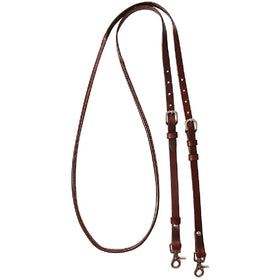
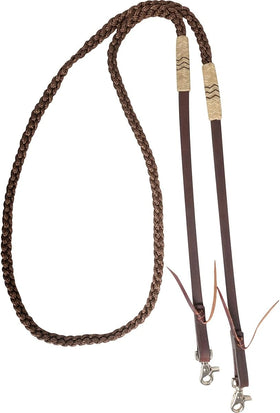
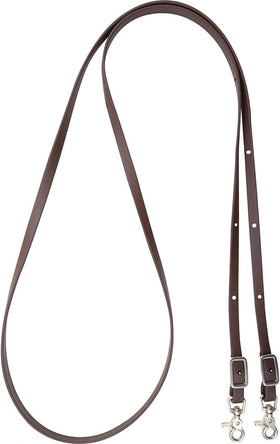
Matching Your Reins to Your Riding Style
Not all riding is the same, and your reins should reflect that. The quick turns of barrel racing demand a different kind of connection than the steady work on a ranch. Choosing reins designed for your specific discipline isn't just about following trends—it's about improving communication with your horse, ensuring your safety, and setting yourself up for a better ride. When your gear is suited for the task, you can focus less on your equipment and more on your partnership with your horse. Let’s look at what works best for some of the most popular Western disciplines.
The Best Reins for Team Roping
In team roping, things happen fast. You need to be able to manage your horse with one hand while your other is ready to swing a rope. This is why a single roping rein is the standard. This continuous rein connects to both sides of the bit, giving you a secure, easy-to-manage loop. It allows for quick, subtle adjustments to your horse's speed and position without a lot of fuss. Look for a rein that has a good weight and feel in your hand, giving you confidence when you’re backing into the box. The right horse tack is essential for a clean run, and your reins are a critical piece of that puzzle.
Choosing Reins for Barrel Racing
When you’re flying around the barrels, the last thing you want to worry about is your grip. Barrel racing reins are all about security and control at high speeds. Many riders prefer braided or knotted reins because the texture gives them extra purchase, even when their hands get sweaty. These reins help you maintain a steady, confident contact as you cue your horse for those tight, powerful turns. According to the American Quarter Horse Association, the right equipment can make a significant difference in your performance and safety. A good set of barrel reins will feel like a direct line of communication, helping you and your horse move as one.
What to Use for Everyday Ranch Work
Ranch work is all about versatility. One minute you might be quietly checking a fence line, and the next you could be roping a calf. Your reins need to be just as adaptable and tough. Roping reins are the go-to for ranch work because they are functional, durable, and provide clear communication for everything from opening gates to sorting cattle. They come in various materials, from classic leather that molds to your hand over time to durable nylon or poly ropes that stand up to rough weather. The key is finding a rein that feels comfortable for long hours in the saddle and is strong enough to handle whatever the day throws at you.
How to Handle Your Roping Reins Like a Pro
Once you’ve chosen your reins, the real work begins. Handling them effectively is all about muscle memory and clear communication. It’s a skill that separates good riders from great ones, but it’s something anyone can learn with focus and practice. Proper rein management keeps you safe, helps your horse understand your cues, and sets you both up for a successful run, whether you’re in the arena or out on the ranch. Let’s break down the four key components to handling your roping reins with confidence.
Mastering the One-Handed Grip
Your grip is your primary point of contact, so getting it right is essential. You’ll hold both reins in your non-dominant hand, allowing your dominant hand to stay free for the rope. The key is to find a hold that’s secure but not rigid. When choosing your horse tack, consider the rein width. As roping expert Dennis Moreland explains, riders with smaller hands might prefer a ½-inch rein, while those with larger hands may get a better feel from a 5/8-inch rein. Your grip should feel natural and allow you to make subtle adjustments without tensing up your arm and shoulder. A relaxed hand leads to a more responsive horse.
Tips for Managing Your Rein Coil
A messy coil is more than just sloppy—it can be dangerous. Your excess rein should be held in neat loops in the same hand that holds the reins. This keeps it from getting tangled in your equipment or snagged on the horn. When you need to give your horse more rein, you should be able to feed it out smoothly from your coil. According to the Team Roping Journal, it's crucial to give cues "forward toward your target with your reins and your coils in the same hand." This prevents you from developing bad habits, like crossing your hands over, which can confuse your horse and throw you off balance during a critical moment.
Giving Clear Cues to Your Horse
Effective communication is all about subtlety. Instead of pulling hard, think of your reins as a direct line for sending quiet signals. You want to maintain a slight "bubble" or drape in the reins. This small amount of slack prevents you from accidentally nagging your horse with constant pressure, but it’s short enough to allow for immediate contact when you need to give a cue. The ideal size of this bubble depends on your horse’s neck length and how much contact they prefer. Finding that sweet spot allows you to communicate with your horse using light pressure from your fingertips rather than pulling with your whole arm.
Expert Techniques for Better Control
The difference between a good run and a great one often comes down to the details. Pro riders develop specific habits and techniques that refine their communication and give them an edge. These aren't complicated maneuvers, but rather small, intentional adjustments in how they handle their equipment. From the way they hold their reins in the box to the type of hardware they choose, every detail has a purpose. Let's look at a few expert techniques you can incorporate into your own riding to achieve better control and a more responsive partnership with your horse.
Why Some Pros Ride Without Snaps
You might notice that many professional riders, including PRCA calf roper Ryan Thibodeau, prefer reins without snaps. This choice isn't just about looks; it's about function. Thibodeau favors 5/8-inch harness leather reins because they are quieter and create a cleaner connection to the bit. Snaps can jingle or create slight movements that might distract a sensitive horse, especially in the high-stakes quiet of the roping box. Opting for a direct leather-to-bit connection removes that variable, ensuring the only signals the horse receives are the ones you send intentionally through your horse tack.
Using a Rein Twist to Straighten Your Horse
Keeping your horse straight and balanced in the box is essential for a powerful start. One subtle technique Thibodeau uses is a rein twist. Instead of a direct pull, he holds his reins in a way that allows him to simply twist his wrist. This motion applies gentle, targeted pressure to one side of the horse's mouth, which is often all it takes to encourage the horse to straighten its body. It’s a quiet, effective cue that maintains alignment and control without creating tension, ensuring you and your horse are perfectly poised for the run.
Hand Position for Balance in the Box
Your hand position is your anchor for balance and control. For optimal stability, Thibodeau recommends placing your rein hand just above the saddle horn. This position is the perfect middle ground—it gives you enough leverage to pull back and correct your horse if needed, but it also allows you to instantly give slack the moment you nod your head. Holding your hand here helps you stay centered and connected, creating a responsive line of communication that allows you to react smoothly to your horse’s every move without compromising your own balance in the saddle.
Starting Your Run with the Right Amount of Slack
It’s always better to start with a little more slack than you think you need. As Thibodeau advises, you can always give your horse more rein as the run progresses, but you can’t create more if you start out too short. Beginning with reins that are too tight can restrict your horse’s ability to break from the box freely and use its body powerfully. By ensuring there’s a bit of extra room from the start, you give your horse the freedom it needs for an explosive takeoff, setting the stage for a faster, smoother run.
Why Timing Your Cues Is Everything
Timing is everything. A well-timed cue works with your horse’s natural movement, making it easier for them to understand and respond correctly. Pulling or bumping at the wrong moment can feel jarring and confusing. As dressage trainer Amelia Newcomb advises, you should "use the rein aides in rhythm with the horse's gait." For example, if you’re asking for a turn, apply gentle pressure on the rein just as the horse’s inside hind foot is stepping forward. This synchronicity makes your request feel like a suggestion rather than a demand, leading to a softer, more willing partner in the arena.
Common Roping Rein Mistakes (and How to Fix Them)
Getting the hang of roping reins is a journey, and even the most seasoned riders can develop habits that need a little fine-tuning. The key to great communication with your horse is being aware of how you’re using your aids, especially your hands. Often, small adjustments can make a world of difference in your horse’s responsiveness and your overall riding experience. Let’s walk through some of the most common mistakes riders make with roping reins and, more importantly, how to fix them. Recognizing these habits is the first step toward becoming a more effective and connected rider.
Mistake #1: The "Death Grip"
It’s a natural instinct to tighten your grip when you feel like you need more control, but holding your reins in a "death grip" is counterproductive. A tense hand creates a tense horse, restricting the natural movement of their head and neck and making them less responsive to your cues. True control comes from clear, gentle communication, not force. As one expert puts it, "When you want to direct a horse, it's a mistake to guide only its head with the reins." Instead, think of your reins as a line of communication, not a leash. Aim for a soft, consistent contact that allows you to feel the horse’s mouth without pulling or creating resistance.
Mistake #2: Steering with Only Your Hands
Your reins are just one part of your steering wheel—your seat, legs, and core do most of the work. A common mistake is to rely solely on your hands to turn, which can teach your horse to pull against the bit rather than respond to light cues. This creates a cycle where you pull, the horse pulls back, and communication breaks down. Your horse should learn to move away from leg pressure and follow the direction of your body. Your reins should be used to refine the turn, not initiate it. Practice steering with your seat and legs in a safe, enclosed area, using your reins only for small corrections. This will help you build a more responsive and willing partner.
Mistake #3: Letting Your Reins Get Too Long
Have you ever started a ride with your hands in the perfect position, only to find them up by your chest a few minutes later? That’s "rein creep," and it happens to the best of us. As you ride, the reins can imperceptibly slide through your fingers, causing you to lose your ideal rein length. When your reins get too long, your cues become less effective, and you have to move your hand much farther to make contact. Make it a habit to periodically check your hand position and reset your reins. A quick glance down now and then can help you maintain consistent contact and ensure your signals are always clear and immediate.
Mistake #4: Having Poor Timing and Rhythm
Riding is a dance, and great dancers have impeccable timing. Your rein cues are most effective when they’re applied in rhythm with your horse's movement. A poorly timed cue can be confusing or even ignored. For example, asking your horse to turn or slow down should align with their footfalls to help them rebalance naturally. Learning to use your rein aids in rhythm with the horse’s gait is a game-changer for clear communication. Pay attention to the feel of your horse’s stride and try to time your requests with their natural cadence. This helps your horse understand exactly what you’re asking, when you’re asking it.
A Quick Word on Draw Reins
While we're on the topic of reins, it's worth touching on a piece of equipment you'll often hear debated in training circles: draw reins. Unlike roping reins, which are designed for everyday riding and competition, draw reins are a specific training tool. They are one of the most controversial pieces of tack because, while they can be effective in the right hands, they can also cause significant physical and mental harm when used incorrectly. Understanding what they are, their intended purpose, and the serious risks involved is crucial for any responsible horse person.
What Are Draw Reins and How Do They Work?
Draw reins are a second set of reins that work alongside your regular snaffle rein. They typically attach to the girth, run up through the rings of the snaffle bit, and then back to the rider's hands. This setup creates a pulley-like system that applies pressure to the horse's mouth and bars, encouraging them to lower their head and neck. The mechanical leverage makes it easier to guide the horse into a collected frame. The idea is to help the horse find a rounder outline and learn to engage its back muscles, but the mechanism itself is purely based on leverage and pressure.
The Purpose of Draw Reins in Training
In the hands of a skilled and sensitive professional, draw reins are used as a temporary training aid. Their purpose is not to force a horse's head down but to guide it into the correct position, helping the horse understand the feeling of self-carriage and straightness. A rider with independent hands might use them to help a horse that is stiff or resistant learn to soften and work through its back. The key is that they are used for short periods to correct a specific issue, always in conjunction with proper leg and seat aids to encourage forward movement. They are a tool for refinement, not a primary method of control.
Important Safety Warnings and When to Avoid Them
This is where the controversy comes in. Because draw reins use leverage, it is incredibly easy to misuse them and cause harm. In inexperienced hands, they often do little more than trap the horse, compressing its neck and forcing its head behind the vertical to escape the pressure. This creates a false frame, prevents the horse from using its back correctly, and can lead to fear, resentment, and long-term physical issues. Many respected equestrians argue that they have no place in modern riding. They are not a shortcut for correct training and should never be used to make up for a rider's lack of skill. If you don't have an expert trainer guiding you, it's best to avoid this piece of equipment entirely.
Our Favorite Roping Rein Brands
When it comes to your tack, quality isn't just a preference—it's a necessity for safety, communication, and performance. The right roping reins can make a world of difference in how you connect with your horse, turning muddy cues into a clear, quiet conversation. Investing in a pair from a reputable brand means you're getting gear that’s been thoughtfully designed, tested by riders like you, and built to last through countless hours in the saddle. After years of riding and outfitting fellow equestrians, we’ve learned which brands consistently deliver on their promises of craftsmanship, durability, and that perfect in-hand feel. These are the names you'll find in our own tack rooms and that we recommend without hesitation because we know they work.
The Hooves and Paws Collection
We stand behind every product we offer, and our own collection of roping reins is no exception. We designed them with the everyday rider in mind, focusing on practicality and a great feel right out of the box. Our 5/8" x 10' Poly Roper Rein is a fantastic all-around choice, popular with riders across disciplines from reining to barrel racing. It’s crafted from a durable poly material that offers just the right amount of weight and flexibility for clear communication with your horse. We wanted to create a reliable, no-fuss rein that feels like an old favorite from the very first ride, and this one truly delivers on that goal.
Professional Choice
If you spend a lot of time in the competitive arena, you’re likely already familiar with Professional Choice. This brand has built its reputation on creating high-performance gear that meets the demands of serious athletes and their equine partners. Their roping reins are designed with a focus on function and durability, ensuring they can handle the rigors of intense training and competition. Riders who choose Professional Choice appreciate the brand's commitment to using materials that enhance the connection with their horse, allowing for subtle cues and precise communication when every second counts. They are a solid investment for any equestrian who prioritizes performance and reliability in their horse tack.
Weaver Leather
Weaver Leather is a name that’s practically synonymous with quality in the equestrian world. For decades, they’ve been crafting dependable leather and synthetic goods that riders trust day in and day out. Their Poly Roper Rein is a perfect example of their commitment to functional, well-made equipment that stands the test of time. Known for its excellent feel and durability, it’s a versatile option that works well for a variety of western disciplines. Weaver Leather’s attention to detail, from the water loops to the scissor snaps, ensures you’re getting a product that not only performs well but is also built to last for years of use on the ranch or in the arena.
Martin Saddlery
Martin Saddlery is another top-tier brand that consistently produces exceptional equestrian equipment. They are known for using premium materials and expert craftsmanship, and their roping reins are no exception. Riders often choose Martin Saddlery for the superior comfort and control their products provide. The reins are designed to have a balanced weight and a comfortable feel in the hand, which helps with precise cueing and reduces hand fatigue during long rides or intense training sessions. Whether you're a professional competitor or a dedicated amateur, Martin Saddlery offers reliable, high-performance reins that help you and your horse work together as a seamless and confident team.
Beastmaster
Beastmaster is a brand that understands that not all riding disciplines are created equal. They specialize in creating reins tailored for specific activities, recognizing that the needs of a barrel racer are different from those of a team roper or a trail rider. This focus on specialization means their gear is designed to perform under the unique pressures of each event. When you choose a Beastmaster rein, you’re getting a piece of equipment that has been thoughtfully constructed to enhance communication and control when it matters most. Their commitment to discipline-specific design makes them a trusted choice for riders who need their tack to be a reliable partner in performance.
Booma Reins
Booma Reins are designed with a focus on simplicity and safety, making them an excellent option for a wide range of riders. Their standout feature is their quick and easy-to-use design, which is particularly beneficial in situations where you need a no-fuss connection to your horse. This makes them a popular choice for trail riding, where you might need to dismount frequently, as well as for riding lessons and therapy programs where user-friendliness is paramount. The straightforward, secure nature of Booma Reins helps build confidence, allowing riders to focus on their seat and communication without worrying about managing complicated equipment.
Jerry Beagley
Jerry Beagley is a name that resonates with riders who appreciate the timeless quality of well-made leather tack. Often associated with high-performance brands like Professional Choice, Jerry Beagley reins are known for their exceptional craftsmanship and use of premium materials. You'll find options made from durable latigo and supple harness leather, both of which offer a distinct feel and break in beautifully over time. Choosing a Jerry Beagley rein means investing in a piece of equipment that provides a direct, honest connection to your horse's mouth, allowing for the subtle cues that are essential for refined horsemanship in and out of the arena.
JT International
For riders who want their gear to be as stylish as it is functional, JT International offers an impressive variety of options. The brand is particularly well-known for its diverse selection of braided and laced rein designs. These styles aren't just for looks; the added texture provides a superior grip that many riders find essential for maintaining secure contact, especially during high-speed events or in wet conditions. This combination of aesthetic appeal and practical performance makes JT International a go-to for equestrians who want reliable, comfortable reins that also reflect their personal style in the saddle.
Dennis Moreland Tack
Dennis Moreland Tack is a brand favored by serious competitors and horsemen who value tradition and an impeccable feel. Their reins are often crafted from high-quality, 5/8-inch harness leather, providing a substantial, balanced weight that many professionals prefer. A key feature of their design, as noted by PRCA calf ropers, is the common absence of snaps. Instead, they use traditional leather water loops, which provide a direct, uninterrupted connection from hand to bit. This not only enhances communication but also offers what many riders describe as a more classic and professional look, making them a top choice for the discerning equestrian.
How to Make Your Roping Reins Last
Your roping reins are a direct line of communication to your horse, so keeping them in top shape is about more than just appearances—it’s about safety and performance. Proper care extends the life of your reins, saving you money and ensuring they feel just right in your hands every time you ride. A little bit of maintenance goes a long way in preventing a snap or break at a critical moment. By building these simple habits, you’ll keep your favorite pair of reins reliable for years to come.
How to Clean Your Reins (Based on Material)
The best way to clean your reins depends on what they’re made of. For leather reins, a quick wipe-down with a damp cloth after each ride removes sweat and dirt before it builds up. For a deeper clean, use a quality leather cleaner and follow up with a conditioner to keep the leather supple. If you have synthetic or rope reins, cleaning is even simpler. Fill a bucket with warm water and a bit of mild dish soap. Let the reins soak for about 20 minutes to loosen any grime, then use a soft brush to scrub away stubborn spots. Rinse them thoroughly to remove all soap residue, as any left behind can irritate your horse’s skin.
The Right Way to Store Your Reins
How you store your reins between rides makes a huge difference in their longevity. The golden rule is to hang them up. Tossing them in a tack trunk or leaving them coiled on a saddle can create permanent kinks, weaken the material, and, if they’re damp, lead to mildew. Find a dedicated hook or rack in your tack room where your reins can hang straight and untangled. This allows them to air out completely after cleaning or a sweaty ride, which is especially important for preventing rot in leather and mildew on rope. Proper storage helps your reins maintain their original shape and integrity, ensuring they’re always ready for your next ride.
Simple Maintenance and Conditioning Tips
Regular check-ups are key to catching small issues before they become big problems. Before each ride, take a moment to inspect your reins from end to end. For leather, look for any signs of cracking, dryness, or thinning. If they feel stiff, it’s time to apply a good leather conditioner to restore moisture and flexibility. For rope or nylon reins, check for any fraying or worn spots. Don’t forget to examine the hardware, like snaps or buckles, to ensure they are secure and functioning correctly. Making this quick inspection part of your tacking-up routine will give you peace of mind in the saddle.
When Is It Time for a New Pair of Reins?
Even the best-cared-for reins won’t last forever. Your safety depends on knowing when to retire a pair. If you notice significant fraying, deep cracks in the leather that conditioning can’t fix, or hardware that’s rusted or bent, it’s time for a replacement. A weak spot can easily snap under pressure, putting you and your horse in a dangerous situation. While it can be tough to part with a favorite pair, investing in new horse tack is a small price to pay for safety. Don’t risk it—if your reins look worn out, they probably are.
Ready to Find Your Perfect Reins?
Choosing the right roping reins can feel like a big decision, but you’re now equipped with all the knowledge you need to make a great choice. Finding the perfect set is all about matching the gear to you, your horse, and your riding style. Think of it less like a test and more like finding the perfect pair of boots—it all comes down to the right fit and feel. As you start looking, keep these key factors in mind to narrow down your options.
First, consider how you want your reins to connect to the bit. Do you prefer the quick convenience of metal snaps, or do you like the traditional, secure feel of leather connectors that tie on? There’s no right or wrong answer here. It’s a personal preference that depends on what feels best in your hands and works for your setup.
Next, think about the width. A half-inch rein might be more comfortable if you have smaller hands, while a wider 5/8-inch rein can offer a more substantial feel for riders with larger hands. The goal is to find a width that gives you a confident, comfortable grip without causing strain, allowing for clear communication with your horse.
Finally, don’t forget about length. The right length is crucial for creating that perfect "bubble" of contact, giving you just enough slack without losing connection. Your reins should be long enough to suit your horse’s neck and allow you to adjust your cues seamlessly, whether you’re warming up in the practice pen or making a competitive run.
By thinking through these elements—attachment, width, and length—you can confidently select a pair that feels like a natural extension of your hands. When you’re ready to explore your options, take a look at our handpicked collection of horse tack. We’ve chosen durable, reliable reins that we trust for our own horses, and we’re sure you’ll find your perfect match.
Related Articles
Frequently Asked Questions
Are roping reins only for ropers? Not at all! Despite the name, their simple, single-loop design makes them incredibly versatile. Barrel racers love them for the secure grip at high speeds, and trail riders appreciate that you can’t drop one rein on the trail. They are a practical, no-fuss choice for almost any Western discipline because they are so safe and easy to handle with one hand.
I'm new to Western riding. Are roping reins a good choice for me? Absolutely. In fact, they are one of the best options for new riders. Because it’s one continuous rein, you have less to manage, which can help you focus on your seat and balance. The closed-loop design also means you can’t drop one rein, which eliminates the risk of it getting tangled in your horse’s legs. It’s a simple, safe design that helps build confidence.
How do I figure out the right length for my horse? A good rule of thumb is to sit on your horse and hold the reins in your normal riding position. There should be a soft drape or "bubble" in the reins, but you should be able to pick up contact and give a cue without having to pull your hand way back to your body. Most roping reins are around 8 to 10 feet long, which works well for the average horse, but consider your horse's neck length when choosing.
What's the real difference between a ½-inch and a ⅝-inch rein? The difference comes down to how the rein feels in your hand. A wider ⅝-inch rein can feel more substantial and secure, which is often preferred by riders with larger hands. A narrower ½-inch rein is a bit more delicate and can be more comfortable and manageable if you have smaller hands. It’s purely a matter of personal preference and what gives you the most confident grip.
My leather reins feel stiff. Can I fix them, or do I need a new pair? You can often bring stiff leather back to life. Start by giving the reins a thorough cleaning with a quality leather cleaner to remove any built-up dirt and sweat. Follow that with a good leather conditioner, working it in well to restore moisture and flexibility. However, if you notice any deep cracks or brittle spots after conditioning, it’s a matter of safety and time to invest in a new pair.


