


"Just get a thick one." It's common advice you hear around the barn, but it's often wrong and can even cause harm. When it comes to choosing a saddle pad western style, a lot of misinformation can lead to a poor fit, painful pressure points, and an unhappy horse. A pad that’s too thick can actually make a well-fitting saddle dangerously tight. This guide is here to clear things up. We'll debunk the common myths and give you the straightforward facts on everything from materials and thickness to mastering the perfect fit for your partner.
Key Takeaways
- A Pad Complements, It Doesn't Compensate: Your saddle pad is designed to work with a well-fitting saddle, not to fix a bad one. Using extra padding to correct a poor fit often creates more pressure and discomfort for your horse.
- Match the Pad to the Job: The best pad depends on your horse's unique back shape and your riding discipline. Consider material, thickness, and design to provide targeted support for everything from casual trail rides to demanding performance work.
- Proper Care Protects Your Horse and Your Investment: A clean, well-maintained pad performs better and lasts longer. Brush your pad after every ride, wash it correctly, and know when to replace it to prevent skin irritation and ensure it continues to provide proper shock absorption.
What Does a Western Saddle Pad Actually Do?
Think of a Western saddle pad as the essential buffer between your saddle and your horse's back. It’s one of the most important pieces of horse tack you'll buy, directly influencing your horse's comfort and willingness to work. Its main job is to provide a protective layer that cushions your horse from the weight of the saddle and rider. A good pad helps distribute the rider’s weight evenly across the back, preventing sore spots and painful pressure points that can lead to long-term discomfort or even injury.
Beyond this crucial protective role, the saddle pad also serves a few practical purposes. It helps keep your saddle clean by absorbing sweat and dirt, which protects the leather and materials of your expensive saddle. It also improves saddle stability, reducing slipping and shifting during your ride, which is safer for both you and your horse. While it might seem like a simple accessory, the right Western saddle pad is a critical piece of equipment that directly impacts your horse's health and performance. Choosing the correct one ensures your horse stays happy and sound, whether you're enjoying a short trail ride or working on the ranch all day.
Protecting Your Horse's Back
A Western saddle pad works hard to keep your horse comfortable and safe. Its primary role is absorbing shock from your movements, which protects the sensitive muscles along your horse’s spine. By creating a soft, even surface, it prevents the saddle from rubbing or creating painful pressure points. This cushioning is vital for preventing soreness and long-term back problems. It’s a common myth that more padding is always better, but in reality, overpadding can do more harm than good by making a well-fitting saddle too tight. The goal is to provide just enough support to do the job right.
Why a Proper Fit is Non-Negotiable
Even the highest-quality saddle pad won't work correctly if it doesn't fit well with your saddle. A properly fitted pad should lie completely flat against your horse's back with no wrinkles or folds. It needs to be large enough to extend just beyond the edges of the saddle skirts, but not so large that it interferes with your horse's movement. Most importantly, the pad should be adjusted into the saddle gullet channel at the front and back. This creates a clear space over the spine and withers, preventing painful pressure. Remember, a saddle pad is meant to complement a well-fitting saddle, not fix a bad one. It's a crucial part of a system that keeps your horse comfortable.
Which Western Saddle Pad Type is for You?
Choosing the right saddle pad can feel overwhelming with so many options on the market. But don't worry, it's simpler than it looks. Different pads are designed for different jobs, from casual trail rides to competitive events. Understanding the main types will help you narrow down the choices and find the perfect match for you and your horse. Think of it like picking the right pair of shoes—you wouldn't wear hiking boots to a dinner party, and you wouldn't want the wrong pad for a long day on the trail. Each type serves a specific purpose to keep your horse comfortable and your saddle secure. Let's break down the most common types of Western saddle pads you'll find.
All-Purpose Pads: The Versatile Choice
Think of the all-purpose pad as the reliable workhorse of your tack room. Designed for everyday riding, these pads focus on the essentials: cushioning your horse’s back and distributing the rider's weight evenly. They are a fantastic starting point for most riders and disciplines, offering a solid balance of comfort and protection. Many all-purpose pads are made from durable materials like felt or wool blends. Some even come with pockets for shims, allowing you to make small adjustments to the fit. For general trail riding or light work, an all-purpose pad is a versatile and essential piece of horse tack.
Contoured & Therapeutic Pads: For Extra Support
If your horse has a unique back shape, like high withers or a swayback, a contoured pad is a game-changer. These pads are shaped to follow the natural curve of a horse's spine, which helps eliminate uncomfortable pressure points and reduces slipping. Therapeutic pads take this a step further, often incorporating advanced materials to provide superior shock absorption and support. They are ideal for horses recovering from injury, senior horses, or any horse that needs a little extra TLC. These pads can also make a huge difference for riders with back pain, making them one of our best-selling products for a reason.
Browse our full range of western saddle pads — including orthopedic options with spine channel cutouts trusted by riders seeking relief and performance.
Pads Designed for Shoulder Relief
Some horses are built like athletes, with broad, powerful shoulders that need room to move. If your horse has this build, you might notice your saddle pad bunching up or restricting their stride. That's where pads designed for shoulder relief come in. These pads feature a special cutout or contoured shape right behind the withers, which prevents the pad and saddle from pinching the shoulder muscles. This design gives your horse the freedom to extend fully, which is a huge advantage in disciplines that require quick, athletic movements like barrel racing or reining. By allowing for a more natural range of motion, these pads not only improve performance but also contribute to your horse's overall comfort and willingness to work. They are a perfect example of how specialized horse tack can address specific needs.
Performance Pads: Designed for Demanding Work
When you're asking for more from your horse during activities like reining, cutting, or long-distance trail riding, a performance pad is a must. These pads are built to handle the heat. They are typically thicker and made from highly shock-absorbing materials like dense wool felt or specialized foam composites. The main goal of a performance pad is to protect your horse's back from the increased impact and pressure of demanding maneuvers. This ensures your horse stays comfortable and sound, allowing them to perform at their best without soreness holding them back.
Shim Pads: For a Fine-Tuned Fit
A shim pad, also known as a correction pad, is a problem-solver. These pads have pockets that allow you to insert small foam or felt shims to make minor adjustments to your saddle's fit. They are perfect for situations where a saddle fits almost perfectly but needs a little help. For example, you might use shims to fill in the hollows behind a horse's shoulders or to balance a saddle that tips slightly forward or back. While they are not a substitute for a poorly fitting saddle, they are an excellent tool for fine-tuning the fit on a horse that is changing shape due to age or fitness level.
Specialty Pads for Unique Needs
Sometimes, a standard Western pad just doesn't fit the bill. Certain riding styles or animals have specific requirements that call for a more specialized design. This is where specialty pads come in. They are engineered to solve unique challenges, whether you're riding without a saddle or heading into the backcountry with a mule. These pads aren't just novelties; they are essential tools designed to provide the right kind of support and comfort where it's needed most. Understanding these options ensures you can find the perfect solution for any situation, keeping your animal happy and sound.
Bareback and Jockey Pads
For riders who love the close-contact feel of riding without a traditional saddle, a bareback pad is a must-have. These pads are specifically designed to offer comfort and stability for both you and your horse. They provide a layer of cushioning that minimizes pressure points on the horse's back while giving the rider a more secure seat. Many are made with materials like merino fleece for extra padding and grip, which helps you stay centered and balanced. A good bareback pad makes the experience safer and more enjoyable, allowing you to build a stronger connection with your horse without sacrificing comfort.
Pads for Mules and Pack Horses
Mules and pack horses have different needs than the average riding horse, especially when it comes to their backs. Their unique conformation requires specialized saddle pads to ensure a proper fit and prevent soreness, particularly when carrying heavy loads. These pads are designed to accommodate the distinct shape of a mule's back and provide the necessary support for packing. They often include features like extra padding or built-in shims to create a balanced, comfortable fit for long journeys. Using the right horse tack is essential for these hardworking animals, and a specialized pad is a critical component for keeping them comfortable on the trail.
What's the Best Material for a Saddle Pad?
Choosing the right material for your saddle pad is one of the most important decisions you'll make for your horse's comfort and performance. The fabric that sits against your horse's back directly impacts everything from temperature regulation to pressure distribution. There isn't a single "best" material for every horse and rider; the ideal choice depends on your horse's needs, your riding discipline, and even the climate you live in. Let's walk through the most common materials you'll find in Western saddle pads so you can pick the perfect one for your partner.
Wool: Naturally Breathable and Shock-Absorbing
Wool is a top-tier choice for a reason. As a natural fiber, it has incredible properties that synthetic materials often try to replicate. Its primary benefit is breathability. Wool fibers naturally wick moisture away from your horse's skin, which helps keep their back cooler and drier during long rides. This is crucial for preventing skin irritation and sores. Beyond that, wool provides fantastic shock absorption, compressing to distribute pressure evenly and then bouncing back to shape. A high-quality, 100% wool pad is a durable investment in your horse's long-term comfort and a staple in any horse tack collection.
Merino Wool Felt
Merino wool felt is a premium option that takes the natural benefits of wool to the next level. Its fibers are finer and more densely packed, which makes it exceptional at its job. One of its standout qualities is its ability to wick moisture, pulling sweat away from your horse’s back to keep them cool, dry, and comfortable. This material also offers superior shock absorption, creating a protective cushion that softens the impact of your movements during a trot or canter. Because the fibers are so fine, Merino felt is incredibly soft and less likely to irritate sensitive skin. It’s a durable, high-performance choice that makes a real difference in your horse's comfort, making it a worthwhile investment for any serious rider.
Felt: The Durable, Supportive Workhorse
Felt is another fantastic natural fiber, known for its density and durability. It’s a true workhorse material that offers excellent cushioning and support under the saddle. One of the best things about felt is its ability to conform to your horse's back over time, creating a more customized fit that helps eliminate pressure points. Because it’s so dense, it provides superior shock absorption, making it a great option for ranch work, long trail rides, or any discipline that puts a lot of pressure on the horse's back. Felt pads are built to last and provide consistent, reliable protection ride after ride.
Neoprene & Synthetics: The Low-Maintenance Option
For riders looking for a practical, low-maintenance option, neoprene and other synthetic materials are a popular choice. The biggest advantage here is how easy they are to clean—you can often just hose them off and let them air dry. This makes them perfect for everyday training, muddy trails, or for use on multiple horses. While some older synthetic pads had a reputation for trapping heat, many modern designs incorporate perforations or textured patterns to improve airflow. Our team at Hooves and Paws carefully selects synthetic pads that balance convenience with comfort.
Fleece: Prioritizing Softness and Comfort
If you’re looking for an extra layer of softness, fleece is an excellent option. Whether it's natural wool fleece or a synthetic version, this material provides a plush, comfortable cushion between the saddle and your horse. It’s particularly great for horses with sensitive skin, as the soft texture helps prevent rubbing and chafing. Fleece is often used as a liner on the underside of other pads (like felt or wool) to combine the benefits of both materials. While it’s incredibly comfortable, fleece can compress over time, so it's important to regularly check your saddle fit to ensure it's still providing enough protection.
Advanced and Specialty Materials
Beyond the classic materials, you'll find a range of advanced and specialty options designed to solve specific problems. These materials often use modern technology to provide targeted benefits like superior shock absorption, enhanced grip, or targeted pressure relief. If your horse has unique needs or you're involved in a high-impact discipline, exploring these specialty pads can make a significant difference in comfort and performance. Think of these as the high-tech tools in your tack room, ready to provide an extra layer of support when you need it most. From gel inserts to non-slip surfaces, these materials are engineered to meet the demands of modern riding.
Gel and EVA Foam Pads
Gel and EVA foam pads are all about cushioning and impact protection. These pads are designed with inserts or layers of shock-absorbing material that work to absorb shock and distribute weight more evenly across your horse's back. This makes them an excellent choice for performance events where there's a lot of concussion, like barrel racing or roping. They can also provide extra comfort for horses on long, rugged trail rides or for those that are a bit sensitive. While gel pads tend to be a bit heavier than foam, both are fantastic for providing that extra layer of protection right where it's needed, helping to keep your horse's back comfortable and sound under pressure.
Acrylic and GettaGrip Options
If you've ever dealt with a saddle that just won't stay put, you know how frustrating and unsafe it can be. This is where specialty grip materials come in. Options with a "GettaGrip" or similar non-slip surface on the underside are designed to prevent the pad from shifting, which in turn keeps your saddle secure. This is especially helpful for round-backed horses or in disciplines with a lot of quick movements. You'll also find pads made from acrylic blends, which are known for their durability, resistance to fading, and ease of cleaning. These materials are often combined with natural fibers to offer the best of both worlds: a stable, long-lasting pad that still provides comfort.
Construction and Craftsmanship
How a saddle pad is made is just as important as the materials it's made from. The construction and craftsmanship determine the pad's durability, how well it fits, and its overall performance. A well-constructed pad will lie flat, resist bunching, and hold its shape ride after ride. Details like reinforced leather wear leathers and clean, even stitching are signs of a quality product that's built to last. Investing in a pad with superior craftsmanship means you're not just buying an accessory; you're investing in a crucial piece of equipment that will protect your horse for years to come.
Woven Saddle Pads
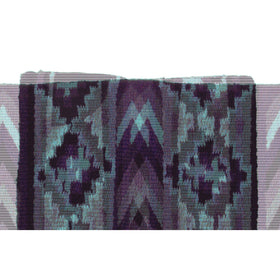
Woven saddle pads, often seen in beautiful, intricate patterns, are a traditional and highly functional choice. The weaving process creates a durable fabric that is known for its ability to conform to the horse's back over time, providing a more customized fit that helps eliminate pressure points. This construction also allows for excellent breathability, letting air circulate to keep your horse cooler and more comfortable. These pads are often made from wool or wool blends, combining the benefits of the material with the strength of the weave. A well-made woven pad is a beautiful and practical addition to any tack collection, offering a blend of tradition and performance.
The Quality of Handcrafted Pads
There is a noticeable difference in a handcrafted saddle pad. These pads are often made with meticulous attention to detail, from the selection of premium materials to the final stitch. A high-quality, 100% wool pad is a durable investment in your horse's long-term comfort and a staple in any horse tack collection. Handcrafted pads are built to withstand the rigors of regular use while providing consistent, reliable protection. When you choose a handcrafted pad, you're often supporting skilled artisans and investing in a piece of equipment that is designed to perform at the highest level, ensuring your horse has the best possible protection and comfort under the saddle.
Shop This Post

Featured in this article
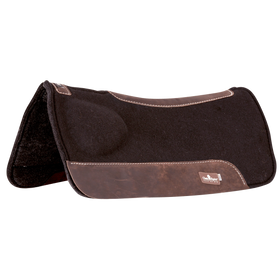
Professional's Choice 100% Wool Felt Contoured Saddle Pad - Steam-Pressed Pressure Relief & Moisture Wicking
$158.99
Shop Now →
How Thick Should Your Saddle Pad Be?
Choosing the right saddle pad thickness is a balancing act. It’s not as simple as thinking thicker is always better, a common misconception that can lead to discomfort for your horse. The ideal thickness really depends on a combination of factors: your saddle’s fit, your horse’s unique conformation, and the specific type of riding you do. A pad that’s too thick can make a well-fitting saddle dangerously tight, creating painful pressure points and restricting your horse's shoulder movement. This can lead to soreness, behavioral issues, and even long-term back problems. On the other hand, a pad that’s too thin might not offer enough protection for long, demanding rides, leaving your horse’s back vulnerable to impact and friction. The goal is to find that perfect sweet spot that provides essential cushioning and shock absorption while still allowing you to maintain a good, clear connection with your horse. Think of it as the critical layer that perfects the communication between your saddle and your horse's back. Let’s break down the common thicknesses to help you decide what’s right for you and your equine partner.
Thin Pads: For Maximum Feel and Connection
Thin pads, typically under 3/4 inch, are designed for riders who want a close-contact feel. If your saddle already fits your horse perfectly, a thin pad provides a layer of protection against dirt and sweat without altering the fit. This minimal barrier is perfect for disciplines where subtle cues and precise communication are key, like reining or cutting. As one expert notes, "Thin pads are ideal for riders who prefer a close contact feel with their horse...providing just enough cushioning for shock absorption while maintaining maximum contact with the horse." They offer protection without adding bulk, ensuring your leg and seat aids are clearly felt.
Medium Pads: Your Everyday Go-To
For most riders, a medium-thickness pad is the go-to choice for daily use. These pads usually measure between 3/4 inch and 1 inch thick and offer a fantastic blend of cushioning and connection. They provide enough shock absorption for regular training sessions, arena work, and casual trail rides without feeling bulky. According to 5 Star Equine Products, "For daily training, a medium pad that is approximately 3/4 inch thick is a great all-around choice." This versatility makes them a popular piece of horse tack for riders who do a little bit of everything. It’s the reliable workhorse of saddle pads, giving your horse comfort day in and day out.
Thick Pads: For Long Hours in the Saddle
When you’re gearing up for long hours in the saddle, a thick pad of 1 inch or more is often the best option. These pads are built for endurance and demanding jobs like ranch work, roping, or multi-day trail rides. The extra material provides superior shock absorption, distributing weight more evenly and protecting your horse’s back from the strain of prolonged activity or carrying extra gear. This added cushioning doesn't just benefit your horse; it also helps keep you more comfortable during those long days. As the pros suggest, "When engaging in ranch work, roping, or long trail rides, a thick pad...is recommended" for that extra support and comfort.
Beyond Function: Saddle Pad Styles and Customization
We’ve covered the critical, technical side of things—fit, materials, and thickness—but let's be honest, part of the fun is picking a saddle pad that you love to look at. Your saddle pad is one of the largest and most visible pieces of your equipment, making it the perfect canvas to express your personal style. It’s more than just a functional item; it’s an extension of your personality and a way to add a little flair to your ride. Whether you’re aiming for a polished, professional look in the show ring or just want to brighten up a trail ride, the right design can tie your entire look together and make you smile every time you tack up.
Choosing a pad with a great design isn't just about vanity; it’s about celebrating your partnership with your horse. A beautiful pad can complement your horse’s coat, match your favorite riding shirt, or simply reflect the joy you feel when you’re in the saddle. From vibrant, eye-catching patterns to the option of creating a completely unique piece from scratch, there are endless ways to make your saddle pad your own. Let's explore some of the most popular styles and how you can find or create a pad that’s a perfect match for both your horse’s back and your personal taste.
Expressing Your Style: Colors and Patterns
Once you’ve narrowed down the functional requirements for your saddle pad, you can dive into the exciting world of colors and patterns. The options are nearly limitless, allowing you to create a signature look that’s all your own. You can choose a pad in a solid color that complements your horse’s coat or one that matches your other gear for a cohesive, put-together appearance. But if you really want to stand out, exploring different patterns is the way to go. From classic stripes and checks to intricate geometric designs, the right pattern can transform your pad from a simple necessity into a statement piece that showcases your unique style in the arena or on the trail.
Popular Southwestern and Aztec Designs
Among the most iconic and beloved styles in the Western world are Southwestern and Aztec patterns. These designs are more than just a trend; they are a timeless tribute to the rich cultural heritage of the American West. Characterized by bold geometric shapes and a vibrant color palette, these pads are visually stunning. You can find everything from traditional, handwoven Navajo-inspired pads in earthy tones to modern interpretations featuring bright turquoise or even hot pink. These striking designs are a fantastic way to make a statement while honoring a classic aesthetic that never goes out of style.
Creating a Custom Saddle Pad
If browsing off-the-shelf options still leaves you wanting something more personal, creating a custom saddle pad is the ultimate way to get exactly what you want. Many manufacturers now offer services that let you become the designer, allowing you to build a pad from the ground up. You can select specific colors for the body, trim, and wear leathers, and even choose from a library of unique patterns. Some companies even offer embroidery, so you can add your name, your horse's name, or your ranch logo for a truly one-of-a-kind piece of horse tack. This process ensures your pad is not only a perfect fit for your horse but also a perfect reflection of you.
What Makes a Great Western Saddle Pad?
Once you’ve narrowed down the material and thickness, it’s time to look at the specific features that separate a good saddle pad from a great one. The best pads are designed with your horse’s anatomy and comfort in mind, incorporating thoughtful details that make a real difference during a ride. These elements work together to protect your horse’s back, keep them cool, and ensure the saddle stays put. Paying attention to these four key features will help you find a high-quality pad that supports both you and your horse, whether you’re on a short trail or a long day of work.
Keeping Your Horse Cool: Moisture-Wicking & Airflow
A hard-working horse is a sweaty horse, and that moisture needs somewhere to go. A pad that traps sweat against the skin can cause irritation, sores, and even muscle soreness. That’s why moisture-wicking properties are so important. Materials like wool naturally pull sweat away from the horse’s body, allowing it to evaporate. Many modern horse tack designs also include features like perforated materials or a vented spine channel to encourage airflow. This helps keep your horse’s back cooler and drier, which is crucial for their comfort and skin health, especially during long or intense rides in warm weather.
Cushioning the Ride: Superior Shock Absorption
Every step, trot, and canter sends impact through the saddle to your horse’s back. A quality saddle pad acts as a crucial buffer, absorbing and dissipating that shock to protect their muscles and spine. This is especially important for performance horses, trail horses navigating uneven terrain, or any rider who spends long hours in the saddle. High-density wool felt is fantastic for this, as are pads with specialized foam or gel inserts. Good shock absorption not only keeps your horse more comfortable but also helps prevent long-term back problems, making it a non-negotiable feature for any serious rider.
A Secure Fit: Why a Non-Slip Surface Matters
There’s nothing more frustrating—or potentially dangerous—than a saddle that constantly shifts. A non-slip surface is key to keeping your entire setup secure. While a properly fitting saddle is the first priority, the right pad provides extra stability. Some materials, like certain types of felt or specialized synthetic foams, offer a natural grip. Others are designed with a specific non-slip texture or material on the underside. This feature prevents the pad from sliding out from under the saddle, which reduces friction, prevents sores, and gives you a more stable and secure seat.
Protecting the Spine and Distributing Pressure
A horse’s spine is not designed to carry weight directly. A quality saddle pad should always provide clearance over the spine to avoid painful pressure. Look for pads with a contoured or "cutback" design that follows the natural curve of your horse’s withers and back. Many of our best-selling products feature a channel that runs down the center, creating a space where the pad doesn’t touch the spine at all. This design, combined with the pad’s cushioning, helps distribute the rider’s weight evenly across the large back muscles on either side of the spine, preventing soreness and ensuring a much more comfortable ride for your horse.
Finding Your Horse's Perfect Saddle Pad
Finding the perfect saddle pad is about creating a comfortable, protective layer between your saddle and your horse. The right pad keeps your horse happy and sound, whether you're on a trail ride or in the ring. It comes down to three key things: your horse's unique shape, your riding discipline, and the fit of your saddle. Getting these elements right makes a world of difference for both of you. Let's walk through how to make the best choice.
First, Take a Look at Your Horse's Back
Every horse has a unique back, with its own curves and muscle definition. Before you choose a pad, take a good look at your horse's conformation. Do they have high withers, a swayed back, or prominent shoulders? A saddle pad’s main job is to cushion your horse’s back and help evenly distribute your weight, but it can also accommodate these unique shapes. For horses with less-than-perfect conformation, a shim pad is a fantastic tool. These have pockets for inserts, letting you adjust the fit for better balance and comfort.
What Kind of Riding Do You Do?
The kind of riding you do plays a huge role in selecting the right pad. A barrel racer needs stability for tight turns, while a trail rider needs comfort over many miles. As a rule, always pick a pad style that matches your riding style and your saddle. Western saddle pads are typically made with thicker, shock-absorbing materials like felt or wool to provide plenty of cushioning. You can explore different horse tack to see how pads are designed for specific activities, from reining to ranch work.
Don't Guess: Getting the Sizing Right
A poorly sized pad can cause as many problems as a poorly fitting saddle. If it’s too small, it won’t offer proper protection. If it’s too big, it can bunch up and create uncomfortable pressure points. The key is to measure your saddle first. A great rule of thumb is that the pad should extend about one to two inches beyond the edge of your saddle on all sides. This ensures the entire saddle skirt is cushioned. When you place the pad on your horse, make sure it lies completely flat, with no folds or wrinkles, to prevent rubbing.
Understanding Common Pad Dimensions
When you're shopping for a new pad, you'll see dimensions listed like 30" x 30" or 32" x 34". It's easy to get confused, but the numbers are actually pretty simple. The first number always refers to the length of the pad along your horse's spine, while the second number is the width from one side to the other. Knowing this makes it much easier to choose the right size based on your saddle's measurements. For example, if your saddle skirt is 28 inches long, a 32-inch pad gives you that perfect two-inch border at the front and back. This ensures all your essential horse tack is properly supported and protected, preventing any part of the saddle from rubbing directly on your horse.
Are You Making These Common Saddle Pad Mistakes?
Choosing the right saddle pad is a huge step toward ensuring your horse's comfort, but how you use and care for it matters just as much. Even with the best intentions, some common habits can lead to discomfort, pressure points, or even long-term back problems for your horse. Let's walk through a few key mistakes to avoid so you can feel confident that you're giving your horse the best possible support on every ride. Getting this right will help keep your horse happy, healthy, and performing at their best.
Why a Pad Can't Fix a Poorly Fitting Saddle
This is probably the most common mistake we see. If a saddle is pinching, bridging, or rocking, the instinct is often to grab a thicker pad or add shims to fill the gaps. While this might seem like a quick fix, it usually makes the problem worse. A pad is meant to complement a well-fitting saddle, not compensate for a poor one. Adding extra bulk can narrow an already tight gullet, creating even more pressure on your horse's withers and spine. Think of it as a temporary band-aid at best. If you suspect a saddle fit issue, your first step should always be to consult a professional saddle fitter, not to reach for more padding. A proper fit is the foundation of all your horse tack.
The Myth of "Thicker is Better"
It’s a common myth that more padding equals more comfort. In reality, a pad that’s too thick can be just as harmful as one that’s too thin. Imagine wearing a pair of thick, woolly socks with shoes that are already snug—it just makes them tighter and more uncomfortable. The same principle applies here. An overly thick pad can alter the way your saddle sits, creating pressure points and pinching your horse’s shoulders. The goal is to provide just enough cushioning to absorb shock and distribute weight evenly without interfering with the saddle's fit. Always choose a thickness that’s appropriate for your discipline and your horse’s needs, not just the plushest option on the shelf.
The Problem with Layering Multiple Pads
Stacking several pads on top of each other is another well-intentioned habit that can cause more harm than good. While it might seem like you're creating a super-cushioned surface, you're actually creating instability. Layering pads can cause them to shift and slide against each other, which makes your saddle less secure and can throw off your balance as a rider. This also puts you further from your horse, reducing the close-contact feel that’s so important for clear communication. If you feel the need to use multiple pads to get a decent fit, it’s a strong signal that your saddle itself is likely the root of the problem. A single, high-quality pad that fits correctly is always the better choice.
Forgetting to Clean Your Pad Regularly
A dirty saddle pad isn't just an eyesore; it's a health hazard for your horse. Over time, a pad accumulates sweat, dirt, and hair. This buildup can become stiff and abrasive, creating friction that leads to painful rub marks, sores, and skin infections. Make it a habit to brush your pad off after every ride and wash it regularly according to the manufacturer's instructions. When you do wash it, use a mild detergent and skip the fabric softener, as the chemicals can irritate your horse's skin. A clean pad is essential for your horse's comfort and is a simple but crucial part of your overall care routine. Keeping your gear clean is just as important as choosing from the best-selling products in the first place.
Where to Find the Best Western Saddle Pads
Now that you know what goes into a great saddle pad, it’s time for the fun part: choosing the right one for you and your horse. With so many options out there, it can feel a little overwhelming, but don’t worry. The key is to combine your knowledge of your horse’s needs with insights from trusted sources. We’ll walk you through how to find a pad that offers the perfect blend of comfort, performance, and durability, ensuring every ride is a great one. Think of this as your final checklist before you make a decision.
Our Top Saddle Pad Recommendations
We’ve spent years vetting products so you don’t have to. Our selection of horse tack is curated to include only pads we’d trust on our own horses. One common myth we see is that more padding equals more comfort, but that’s not always true. A pad that’s too thick can actually create uncomfortable pressure points and interfere with saddle fit. That’s why we focus on pads that provide targeted support and shock absorption where it’s needed most, without unnecessary bulk. We look for quality materials and smart designs that prioritize your horse’s well-being above all else.
Brands We Know and Trust
When it comes to your horse’s comfort, brand reputation matters. We stand by manufacturers who are known for their exceptional craftsmanship and commitment to quality. For example, brands like 5 Star Equine use 100% pure wool in their pads, which is fantastic for absorbing shock and promoting airflow to keep your horse’s back cool and comfortable. By choosing brands with a proven track record, you’re investing in a product that’s built to last and perform. You can see what other riders love by checking out our best-selling products, which are full of tried-and-true favorites.
How to Get the Most Out of Reviews
Customer reviews are a great resource, but it helps to know what to look for. Instead of just looking at star ratings, read comments that describe how the pad actually fits and performs. Do reviewers mention that it lies flat without bunching up? Do they talk about a contoured topline that follows the curve of the horse’s back, preventing pressure on the withers? These details are signs of a well-designed pad. And remember, even the best pad in the world can’t fix a poorly fitting saddle. A pad should complement a good saddle fit, not compensate for a bad one.
Understanding the Price Range
When you start shopping, you'll notice that saddle pad prices can vary quite a bit. It’s helpful to think of a quality pad as an investment in your horse's long-term health and comfort. You can find basic pads for under a hundred dollars, but high-performance pads made from premium materials will cost more. For example, a well-made woven pad from a brand like Impact Gel can range from $200 to over $375. This price reflects the quality of the materials, the level of craftsmanship, and the technology designed to protect your horse's back. While it might seem like a lot, paying more for a durable, well-designed pad often saves you money and heartache down the road.
What to Look for in a Saddle Pad Retailer
Where you buy your saddle pad can be just as important as which one you choose. A great retailer does more than just sell products; they offer expertise, stand behind what they sell, and make the entire process easy and reliable. When you're looking for a new piece of horse tack, finding a partner you can trust makes all the difference. Look for a company that has a deep understanding of the products they carry and a commitment to customer satisfaction. This ensures you're not just buying a pad, but also peace of mind.
A Curated, High-Quality Selection
A good retailer doesn't just stock everything; they carefully select products they believe in. Look for a store that offers a curated collection from trusted brands known for their quality. For instance, a retailer that carries pads made from 100% pure wool shows a commitment to superior materials that offer the best comfort and protection for your horse. This approach means the retailer has already done the research for you, weeding out subpar options and presenting you with a selection of reliable, high-performing horse tack. You can shop with confidence, knowing that every option has been vetted for its quality and effectiveness.
Decades of Expertise
Experience matters. A retailer with years of hands-on knowledge understands the nuances of different disciplines and horse conformations. They know which pads are "Built to Last," as brands like Weaver Equine put it, because they've seen them in action. Here at Hooves and Paws, our 30 years of experience means we can confidently guide you to the right choice for your specific needs. This deep expertise ensures that the products we carry are not just popular, but are genuinely effective and trusted by fellow equestrians. When a retailer is run by horse people, you get advice and recommendations you can actually rely on.
Strong Guarantees and Reliable Shipping
Finally, look for a retailer that stands firmly behind their products and values your time. A strong satisfaction guarantee shows that a company is confident in the quality of its inventory and is committed to your happiness. It gives you the freedom to make sure a product is truly the right fit for you and your horse. On top of that, fast and reliable shipping is essential. When you need a new pad, you don't want to wait weeks for it to arrive. We believe in making things easy, which is why we offer a 365-day satisfaction guarantee and free, same-day shipping on orders.
How to Care for Your Western Saddle Pad
A quality saddle pad is an investment in your horse's comfort and performance. With the right care, you can extend its life significantly, ensuring it provides consistent support ride after ride. A little bit of attention after each use goes a long way in preventing dirt and sweat from breaking down the materials. Proper cleaning and storage not only keep your pad looking great but also maintain its shock-absorbing and moisture-wicking properties. Think of it as essential maintenance for a critical piece of your gear. Following a simple routine will protect your investment and, more importantly, your horse’s back.
Cleaning Your Pad (The Right Way)
Regular upkeep is key. After each ride, take a moment to use a rubber curry comb to brush away loose hair and dirt from the underside of the pad. This simple step prevents buildup that can become hard and abrasive against your horse's back. For a deeper clean, which you should only need after about 100 hours of riding or if the pad feels stiff, skip the soap. Detergents can leave behind residue that might irritate your horse’s skin. Instead, hang the pad by its gullet hole and rinse it thoroughly with clean water, spraying from the center outwards to push dirt away. Never lay it flat to rinse, as this can trap grime deep within the fibers.
Smart Storage Tips for Your Saddle Pad
How you store your pad between rides matters just as much as how you clean it. The goal is to let it dry completely and maintain its shape, which is vital for its performance. The best method is to hang it over a saddle rack or a dedicated bar. If you’re short on space, you can also fold it carefully and lay it flat on a clean shelf. The one thing you should never do is leave your saddle sitting on top of it. The constant weight will compress the fibers, especially in wool pads, preventing them from breathing and drying properly. This simple habit will preserve the pad’s cushioning and extend its lifespan.
Is It Time to Replace Your Saddle Pad?
Even the best-cared-for saddle pad won't last forever. It’s crucial to recognize that a pad should never be used to compensate for a poorly fitting saddle. If your saddle is too narrow or pinches, adding more padding won't fix the underlying issue and can even create more pressure. Regularly inspect your pad for signs of wear, such as compressed, hard spots that no longer spring back, thinning areas, or tears. When a pad loses its structure, it can no longer distribute pressure evenly, putting your horse at risk for soreness. Replacing worn-out horse tack is a non-negotiable part of responsible horse ownership.
Related Articles
- 7 Best Saddle Pads for Comfort & Performance 2026
- Top 7 Saddle Pad Picks for Comfort and Performance 2025
- Professional's Choice Cowboy Air Ride Saddle Pad | Contoured Back Shoc
Frequently Asked Questions
Can I use a special pad to make a poorly fitting saddle work? This is a question I hear all the time, and the short answer is no. A saddle pad is designed to complement a saddle that already fits well, not to fix one that doesn't. Trying to use a thick pad or shims to correct a saddle that pinches, bridges, or rocks usually creates new pressure points and can make the problem worse. If you suspect your saddle doesn't fit, your best first step is to consult a professional saddle fitter.
How do I know if my saddle pad is the right thickness? The ideal thickness provides cushioning without making your saddle too tight. If your saddle is a great fit, a thinner pad (under 3/4 inch) is often all you need for protection. For long trail rides or ranch work, a thicker pad (1 inch or more) can offer extra shock absorption. A good test is to check your horse's sweat pattern after a ride. An even, consistent pattern suggests the pressure is well-distributed, while dry spots can indicate pressure points where a pad might be too thick.
My horse has high withers. What type of pad is best? For a horse with high withers, you'll want to look for a contoured or cutback pad. These pads are specifically shaped to follow the natural curve of a horse's back, rising up at the front to provide ample space for the withers. This design prevents the pad and saddle from putting direct, painful pressure on that sensitive area, ensuring a much more comfortable ride for your horse.
How often do I really need to clean my saddle pad? A good habit is to brush off loose hair and dirt with a curry comb after every single ride. This simple step prevents a lot of buildup. For a deep wash, a good rule of thumb is after about 100 hours of riding, or whenever the pad starts to feel stiff and caked with grime. A clean pad is much more comfortable and helps prevent skin irritation and sores.
Is it okay to layer two saddle pads for extra cushioning? It’s best to stick with a single, high-quality pad. Layering multiple pads can create instability, causing them to shift and slide against each other during your ride. This not only makes your saddle less secure but also puts you further from your horse, which can interfere with your balance and communication. If you feel like you need more than one pad, it's often a sign that your saddle fit needs to be re-evaluated.


