


We all want what's best for our horses, especially when it comes to their health and safety. Protecting their delicate legs is a top priority, but choosing the right gear can feel overwhelming. The right pair of horse fetlock boots is more than just an accessory—it’s essential for preventing injury during tough training sessions and in the competition ring. This guide cuts through the confusion, helping you understand the options so you can make a confident choice that truly supports your equine partner's performance and well-being.
This comprehensive guide delivers expert advice on choosing, fitting, and maintaining fetlock boots. You will discover the latest innovations, how to select the best options, and practical care tips.
Whether you are passionate about cutting-edge horse care or seeking proven strategies, this article will equip you with everything needed to optimize your horse’s comfort and safety.
What Are Fetlock Boots and Why Does Your Horse Need Them?
Fetlock boots are a cornerstone of modern horse care, designed to shield the delicate lower leg from impact, abrasion, and strain. Their primary function is to wrap the fetlock joint, providing targeted protection during demanding activities like jumping, galloping, or intense schooling. As equestrian sports evolve, the need for advanced fetlock boots has become more apparent for riders and trainers seeking to safeguard their horse’s health.
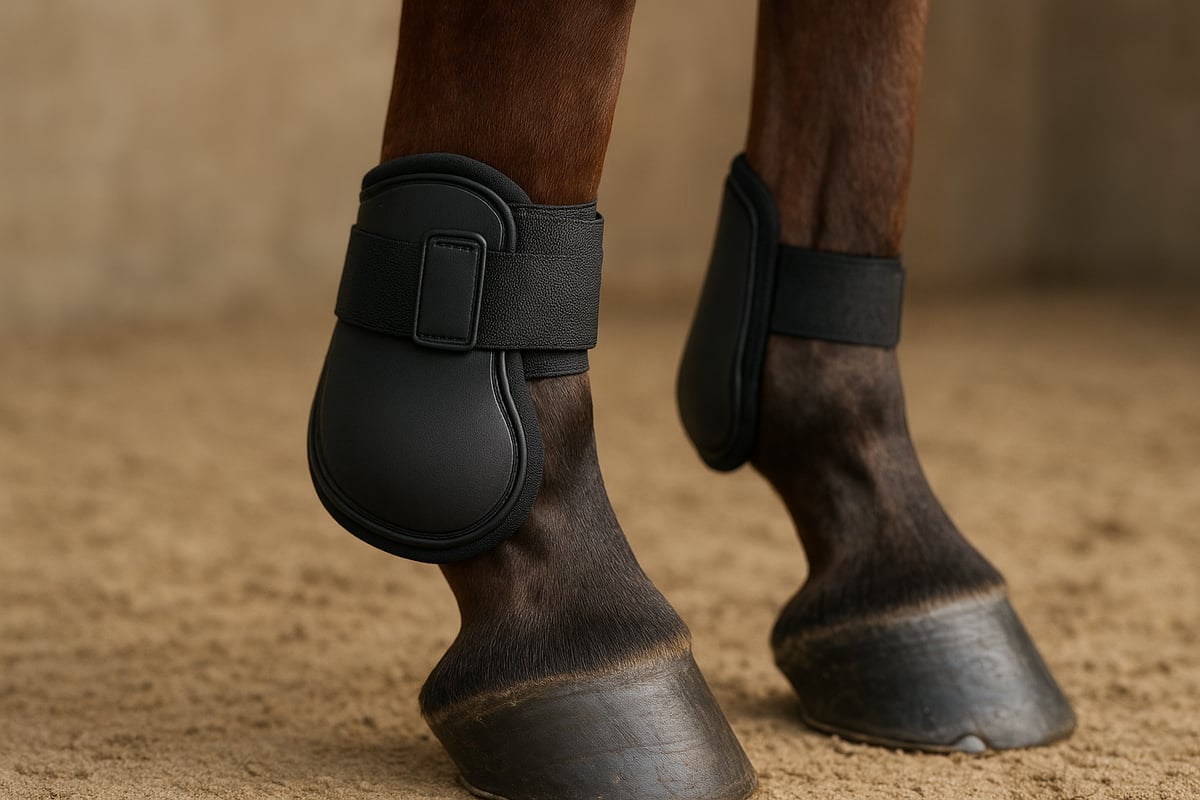
The fetlock joint, located where the cannon bone meets the pastern, acts as a critical shock absorber during movement. This joint endures immense force with every stride, especially when horses land from jumps or accelerate. Due to its structure and position, the fetlock is particularly susceptible to stress, hyperextension, and trauma, making it essential to protect with well-fitted fetlock boots.
Common injuries that fetlock boots help prevent include brushing (where one leg strikes the other), direct knocks from obstacles, and overextension injuries. These problems can lead to swelling, lameness, or even long-term joint damage if unaddressed. Fetlock boots provide a protective barrier that absorbs and distributes impact, reducing the risk of both acute and repetitive injuries.
Comparing fetlock boots to other leg protection options highlights their unique role. While brushing boots focus on the inner leg and tendon boots target the front of the cannon bone, fetlock boots are specifically engineered for the hind legs and the fetlock area.
| Boot Type | Primary Protection Area | Typical Use |
|---|---|---|
| Fetlock boots | Fetlock joint (hind) | Jumping, eventing, general |
| Brushing boots | Inner leg | Flatwork, hacking |
| Tendon boots | Front cannon/tendons | Jumping, fast work |
Recent studies and industry data show an increase in performance-related fetlock injuries among sport horses, underlining the importance of proper leg protection. According to research on the Influence of Support Boots on Forelimb Fetlock Joint Angle, correctly designed fetlock boots can limit excessive joint extension, thereby reducing the risk of injury during high-impact activities. Leading veterinarians and trainers emphasize that fetlock boots are no longer optional but a critical component in a proactive horse care routine.
Real-world cases further illustrate the value of fetlock boots. Competitive jumpers have shown fewer incidents of brushing and swelling after consistent boot use. Event horses, known for their rigorous demands, often return from cross-country phases with their fetlocks intact thanks to well-fitted boots. When used correctly, fetlock boots not only prevent injuries but also support confidence and longevity in equine athletes.
Understanding the Different Types of Horse Boots
While this guide focuses on fetlock boots, understanding the full range of horse leg protection is key to making the best choices for your horse's specific needs. Different activities and situations call for different types of boots, each designed with a unique purpose in mind. From trailering to turnout to intense competition, having the right gear ensures your horse stays safe, comfortable, and sound. Let's look at some of the most common types of horse boots and what they do, so you can build a complete leg protection toolkit for your equine partner.
Over Reach and Bell Boots
Often called bell boots because of their shape, over reach boots are designed to protect a very specific area: your horse's heels and the back of the hoof. They prevent injury from "overreaching," which happens when a hind hoof strikes the back of a front hoof. This is common during fast work, jumping, or even just for horses with a particular way of moving. These boots wrap around the pastern and cover the entire hoof, acting as a durable shield. Using them can prevent painful cuts, bruises, and pulled shoes, making them an essential piece of protective horse tack for many performance horses and a smart precaution for turnout.
Cross Country Boots
When you're tackling a cross country course, your horse needs maximum protection against solid, unforgiving obstacles. Cross country boots are engineered for this exact purpose. They are incredibly tough and provide 360-degree coverage for the lower leg, shielding the cannon bone, tendons, and ligaments from high-impact strikes. Unlike boots for arena work, they are typically made from lightweight, waterproof, and breathable materials that won't absorb water or get heavy on course. Their robust construction is designed to withstand the intense demands of eventing, giving you peace of mind that your horse's legs are well-defended against the toughest challenges.
Travel and Stable Boots
Protecting your horse’s legs isn’t just for when they’re working. Travel and stable boots play a crucial role in preventing injuries during rest and transport. Travel boots are thick, highly padded, and extend from above the knee or hock down to the coronet band, offering extensive protection from bumps and scrapes in the trailer. Stable boots, or stable wraps, are used to provide light support, reduce swelling after exercise, and keep legs clean and protected in the stall. They can be a great tool for managing minor strains or simply ensuring your horse is comfortable while resting, helping them stay sound for your next ride.
Turnout and Mud Fever Boots
Even a quiet day in the pasture can lead to nicks and scrapes. Turnout boots are designed for this exact scenario, offering lightweight protection from knocks and bumps while your horse is enjoying time outside. They are built to be durable enough for daily wear and breathable to ensure comfort. For horses turned out in wet, muddy conditions, mud fever boots are a game-changer. These specialized, sock-like boots create a barrier that keeps mud away from the skin on the lower legs, which is a key step in preventing painful skin conditions like mud fever or pastern dermatitis. Both types of boots help maintain your horse's leg health during their downtime.
Dressage and Support Boots
For the precision and athleticism required in dressage and other flatwork disciplines, you need boots that offer protection without restricting movement. Dressage and support boots are designed to do just that. They protect the delicate tendons and ligaments from brushing injuries, where a hoof strikes the opposite leg, and provide gentle support during complex lateral movements. While not as heavily armored as cross country boots, they offer a fantastic balance of flexible support and impact protection. This makes them a versatile choice for daily schooling, lunging, or for any horse that needs a bit of extra defense for their lower legs during regular exercise.
Your Guide to Fetlock Boot Types and Technology
Choosing the right fetlock boots in 2026 involves more than just picking a style. With significant advancements in materials, smart features, and sustainability, today's options address the evolving needs of modern horse care. In this section, discover how traditional designs compare to innovative models, explore discipline-specific features, and learn about the industry's shift toward eco-friendly solutions.
The Classics: Traditional Fetlock Boots
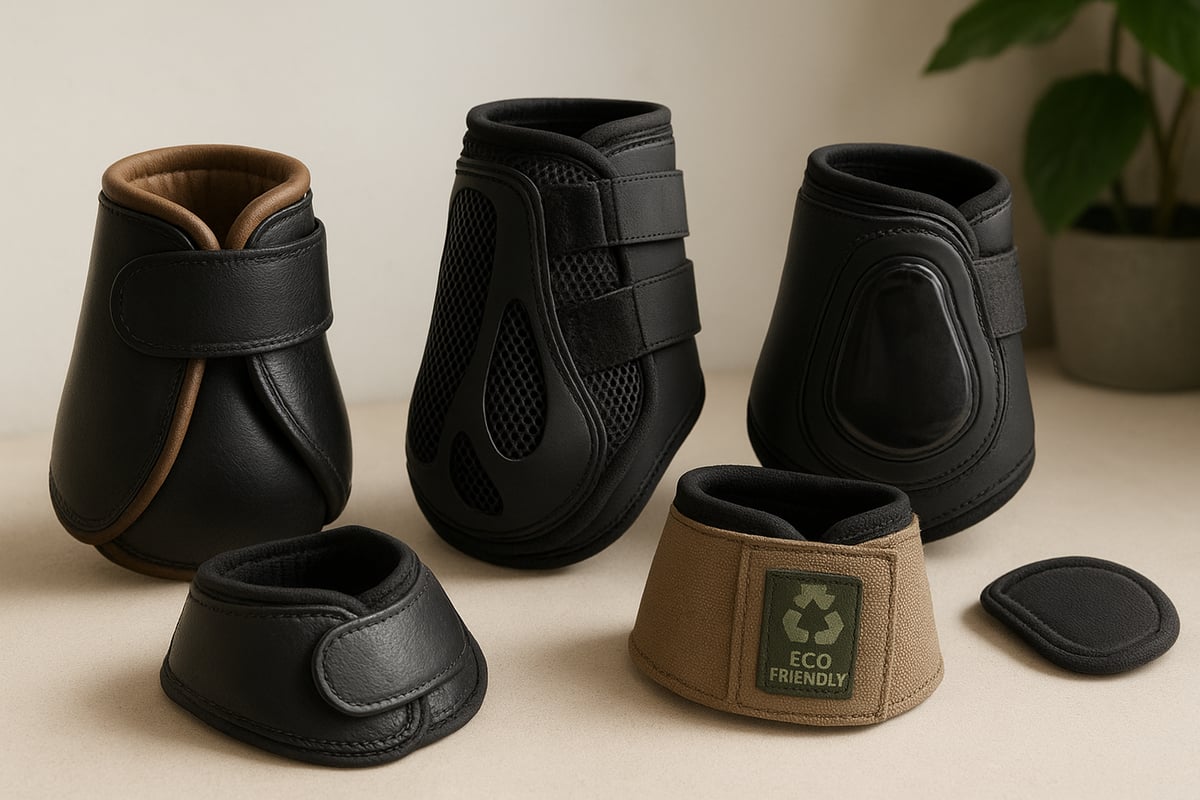
Traditional fetlock boots have long served as reliable leg protection for horses in daily riding and competition. Typically crafted from leather or neoprene, these boots offer a balance of durability and comfort for a variety of equestrian activities.
Leather fetlock boots are valued for their classic appearance, strong outer shell, and ability to mold to the horse’s leg over time. Neoprene options, on the other hand, are lightweight and provide effective shock absorption. Both types generally feature secure hook-and-loop or buckle closures to keep them in place during movement.
While these fetlock boots remain popular, they do have some limitations. Leather can require regular conditioning to prevent drying and cracking, and may not offer the same breathability as newer materials. Neoprene, though easy to maintain, can sometimes trap heat and moisture.
Popular examples include the classic Eskadron Leather Fetlock Boots and the Professional’s Choice VenTECH Elite, both known for their reliability and straightforward design. Despite emerging trends, many riders still trust these traditional fetlock boots for their proven track record and timeless style.
The Latest in Fetlock Boot Technology
The landscape of fetlock boots has transformed dramatically with the integration of advanced technologies and materials. In 2026, riders expect more from their equipment, and manufacturers have responded with innovative solutions to enhance both protection and comfort.
Modern fetlock boots now often incorporate 3D mesh fabrics, which provide superior breathability and airflow, reducing the risk of overheating during intense exercise. Impact-absorbing gels are another critical advancement, dispersing force from knocks or jumps and minimizing stress on the fetlock joint. Breathable synthetics, such as thermoplastic polyurethane (TPU), add flexibility while maintaining robust protection.
Smart features are making their mark as well. Some fetlock boots include built-in temperature regulation, using phase-change materials to keep the horse’s leg at an optimal temperature. Others are equipped with real-time impact sensors that monitor the intensity of each stride, alerting riders to potential risks.
Competitor innovations like Airflow 3D Mesh and Welltex® technology highlight the industry’s focus on ventilation and moisture management. According to A Comparison Among Equine Boots and Leg Wraps on Leg Surface Temperature During and After Exercise, material choice and design significantly affect leg temperature, emphasizing the need for boots that balance protection with cooling capabilities.
When evaluating these technological advancements, riders should consider the unique needs of their horses. Innovative fetlock boots can reduce fatigue, prevent heat buildup, and offer data-driven insights, making them an essential part of cutting-edge horse care.
Matching Boots to Your Discipline
Fetlock boots are not one-size-fits-all. Different equestrian disciplines demand tailored features to maximize both protection and performance. In 2026, specialization is more pronounced than ever.
Jumping boots are designed with reinforced strike plates to shield against high-impact landings. They are often lightweight, allowing for quick, unrestricted movement over fences. Dressage fetlock boots, by contrast, prioritize flexibility and subtle support, focusing on minimizing interference with precise movements.
Eventing requires boots that combine durability with water resistance, as horses tackle varied terrain and obstacles. Western riding boots are typically shaped for a secure fit and may feature decorative elements alongside functional protection.
Here is a quick comparison of discipline-specific fetlock boots:
| Discipline | Key Features | Protection Level | Weight |
|---|---|---|---|
| Jumping | Reinforced strike plates | High | Lightweight |
| Dressage | Flexible, slim profile | Moderate | Ultra-light |
| Eventing | Durable, water resistant | Very High | Medium |
| Western | Secure fit, decorative trims | Moderate | Medium |
Selecting the right fetlock boots for your discipline ensures your horse receives optimal protection without compromising freedom of movement.
A Note on Competition Rules
If you plan to compete, it’s essential to understand the specific rules regarding fetlock boots for your discipline. Governing bodies are constantly updating their regulations to prioritize horse welfare and maintain fair play, and these rules often include strict guidelines on the type, fit, and design of boots allowed in the ring. Using non-compliant gear can result in penalties or even disqualification, so it’s a detail you can’t afford to overlook.
Before heading to a show, always review the most current rulebook for your organization. While we ensure our selection of horse tack is crafted for top performance and safety, it’s the rider’s responsibility to confirm that their chosen equipment meets all competition standards. Staying informed is the best way to ensure you and your horse are set up for a safe and successful event.
Sustainable Choices: Eco-Friendly Fetlock Boots
Sustainability is a major focus in the design and production of fetlock boots in 2026. As environmental awareness grows, more brands are embracing eco-conscious manufacturing practices to reduce their impact on the planet.
Recycled materials, such as repurposed plastics and synthetic fibers, are increasingly used in the construction of modern fetlock boots. Some manufacturers have introduced biodegradable components, allowing boots to break down more easily at the end of their lifecycle.
Leading brands in sustainability include those offering boots with minimal packaging, water-based adhesives, and ethically sourced materials. Riders now have the option to choose fetlock boots that align with their values, supporting both horse welfare and environmental stewardship.
By choosing eco-friendly fetlock boots, equestrians can contribute to a greener future while still prioritizing the health and safety of their horses.
Shop This Post

Choosing the Perfect Fetlock Boots for Your Horse
Choosing the right fetlock boots is essential to protect your horse’s legs and support their performance. With so many options available, it is important to consider your horse’s unique needs, understand the latest features, and make informed decisions for both safety and value.
Start Here: What Does Your Horse Really Need?
Start by evaluating your horse’s daily routine and discipline. Horses in jumping, eventing, or high-intensity training have greater risk of leg injuries, so choosing the right fetlock boots is especially important. Consider your horse’s history: has your horse experienced leg issues like brushing, swelling, or strains? If so, prioritize extra support.
Consult with a veterinarian or experienced trainer before buying new fetlock boots. Their expertise helps identify subtle gait changes or early signs of discomfort that may require additional protection. Observe your horse for swelling, soreness, or changes in movement, which often indicate a need for improved leg protection.
Look for these signs your horse may need fetlock boots:
- Frequent brushing or knocking of hind legs
- Noticeable swelling after exercise
- History of tendon or ligament strains
- Sensitive skin or recurring sores
By understanding your horse’s needs, you ensure their comfort and reduce the risk of injury.
The Big Three: Fit, Material, and Design
The most critical factor in fetlock boots selection is proper fit. Ill-fitting boots can cause discomfort, slippage, or even pressure sores, reducing their effectiveness. Always measure your horse’s leg circumference and length according to manufacturer guidelines. Consult sizing charts, and when in doubt, choose the size that offers a snug but not restrictive fit.
Material choice directly impacts durability and comfort. Leather fetlock boots provide classic style and support but require regular care. Synthetic options, such as neoprene, 3D mesh, or gel-infused boots, offer enhanced flexibility, breathability, and moisture management. Newer models often combine impact-absorbing technology with lightweight construction.
Design features make a difference in daily use. Look for:
- Secure closures like double Velcro or buckles for easy adjustment
- Reinforced strike plates to absorb impact
- Soft, breathable inner linings to prevent rubbing
- Adjustable straps for a custom fit
Comparing different models can be overwhelming. To simplify your search, browse collections like the Horse Boots & Leg Protection Collection, where you can compare leading designs and read customer reviews.
| Feature | Leather | Synthetic/3D Mesh | Gel-Infused |
|---|---|---|---|
| Durability | High | Medium-High | Medium |
| Flexibility | Medium | High | High |
| Breathability | Low | High | High |
| Maintenance | High | Low | Low |
By considering these factors, you can confidently select fetlock boots that match your horse’s requirements and your riding goals.
Common Materials and Linings
The materials used in fetlock boots are just as important as the fit. The outer shell is your horse’s first line of defense, typically made from durable leather, hard-molded plastic, or flexible synthetics like thermoplastic polyurethane (TPU). While leather offers a classic look and molds to the leg over time, modern synthetics provide robust, lightweight protection against hard impacts. The choice often comes down to your specific needs for durability and the intensity of your riding discipline.
Inside the boot, the lining is all about comfort and performance. Neoprene is a popular choice for its shock-absorbing qualities and flexibility, but it can sometimes trap heat. For sensitive horses, a genuine or synthetic sheepskin lining offers plush comfort and helps prevent rubbing. Many modern boots feature advanced 3D mesh or other breathable fabrics designed to promote airflow, keeping your horse’s legs cooler and drier during strenuous work. You can explore a wide variety of these options in our horse tack collection to find the perfect combination of protection and comfort.
Exploring Colors and Styles
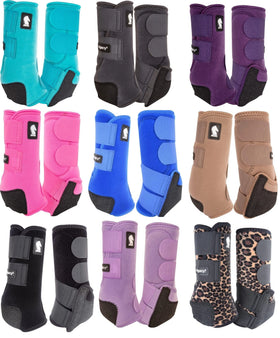
While protection and fit are the top priorities, there’s no reason you can’t have a little fun with style. Fetlock boots come in a huge range of colors and designs, allowing you to express your personality or coordinate with the rest of your tack. You can stick with traditional black, brown, or white for a classic competition look, or you can choose from vibrant colors to match your saddle pad and fly veil. Many riders love creating a polished, matching set for schooling or clinics.
Beyond color, you’ll find different stylistic details that add a finishing touch. Some boots feature contrast stitching, patent leather accents, or subtle brand logos. The style of the closures, whether they are simple hook-and-loop straps or more traditional buckle systems, also contributes to the overall look. Ultimately, the best style is one that meets your horse’s functional needs while also making you feel confident and put-together when you ride.
Staying Safe: Understanding Safety Standards
In 2026, safety standards for fetlock boots have become stricter, especially in competitions. The FEI and many national federations require boots that meet specific guidelines for weight, size, and protective features. These regulations are designed to ensure fair play and maximize equine welfare.
Check current rules for your discipline. Some events limit the thickness or types of materials allowed in fetlock boots. Always verify compliance before purchasing, as non-conforming equipment can result in disqualification or penalties.
Manufacturers now highlight safety certifications on packaging and product descriptions. Prioritize boots that display compliance with recognized standards to guarantee both protection and eligibility in competition.
Finding the Best Value: Brands and Budgets
Fetlock boots are available at various price points, from affordable entry-level models to advanced, premium designs. While budget is a factor, prioritize value for money by considering durability, comfort, and warranty.
Top brands are known for their innovation and consistent quality. Research customer feedback and expert reviews before committing to a purchase. Comparing features, materials, and after-sales support can help you find the best option for your investment.
Tips for balancing cost and performance:
- Set a realistic budget based on your horse’s workload
- Invest in reputable brands for peace of mind
- Look for seasonal promotions or multi-pack deals
Selecting fetlock boots is about finding the right balance between quality and affordability.
Checking Customer Reviews and Ratings
Customer reviews offer a window into how fetlock boots perform in the real world. Look for feedback that details durability after a full season of use, how well the closures hold up, and whether the boots cause any rubbing or discomfort. Real-world experiences from competitive jumpers and eventers can be especially telling, as they often highlight fewer incidents of brushing or swelling after switching to a specific boot. You’ll notice that certain trusted products, like those from Professional’s Choice, consistently earn high marks for their reliability and straightforward design. Reading through the reviews on best-selling products is a great way to see which options have a proven track record with fellow riders.
Browse our full range of fetlock boots for horses to find options with a proven track record — reviewed and trusted by riders just like you.
When to Seek Expert Advice
While online research is helpful, it’s no substitute for professional guidance. It's always a good idea to consult with your veterinarian or an experienced trainer before buying new fetlock boots, especially if your horse has a history of leg issues. Their expert eyes can spot subtle gait changes or signs of discomfort that might call for a specific type of protection. A trainer can assess how the boots fit and function while your horse is in motion, and a vet can recommend features that support recovery or accommodate unique conformation. By understanding your horse’s specific needs with professional input, you can make a choice that truly supports their long-term comfort and soundness.
Hooves and Paws: Your Source for Quality Fetlock Boots
Since 1994, Hooves and Paws has been a trusted retailer for horse owners seeking high-quality fetlock boots. Their curated selection features top brands, ensuring you find the perfect fit for your horse’s needs. Enjoy fast, free US shipping, expert customer support, and a satisfaction guarantee, making your buying experience worry-free.
Get the Perfect Fit: A Step-by-Step Guide
Ensuring the correct fit and application of fetlock boots is essential for optimal horse leg protection and performance. A precise approach to sizing, fitting, and adjusting fetlock boots helps prevent injuries and maximizes comfort. Follow this structured guide to master each step and safeguard your horse’s wellbeing.
How to Measure Your Horse for Fetlock Boots
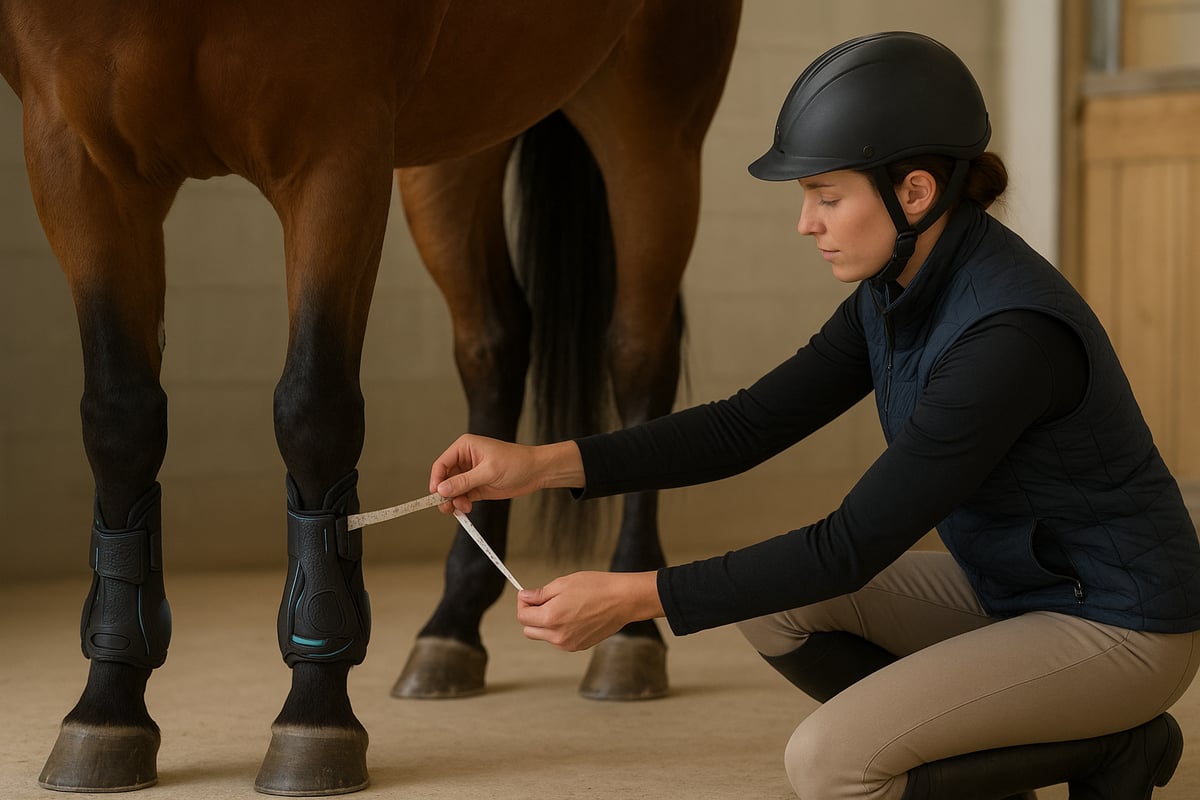
Accurate measurement is the first step to ensuring fetlock boots provide effective protection without restricting movement. Begin by standing your horse squarely on level ground. Use a soft measuring tape to measure the circumference of the fetlock joint and the length from just below the knee or hock to the base of the fetlock.
- Record both measurements for reference.
- Consult the manufacturer’s sizing chart, as sizing can differ between brands.
- If your horse is between sizes, opt for the larger option to prevent excessive pressure.
A well-fitted boot should sit snugly, allowing you to slide a finger between the boot and the leg. Ill-fitting fetlock boots may slip, cause pressure sores, or fail to protect against impact. For further insight into preventing injuries and achieving optimal fit, review the Ultimate Horse Leg Protection Guide.
Understanding Sizing Categories: Pony, Cob, and Full
When shopping for fetlock boots, you'll typically see sizes listed as Pony, Cob, and Full. Think of these as general guidelines rather than exact measurements, as sizing can vary quite a bit from one brand to another. Generally, "Pony" is intended for smaller breeds under 14.2 hands. "Cob" often fits stockier builds like Quarter Horses or smaller Thoroughbreds, while "Full" is designed for larger horses such as Warmbloods and Draft crosses. Because there's no universal standard, it's essential to treat these categories as a starting point. Always refer back to the specific manufacturer's sizing chart and compare it with your horse's measurements to ensure you get the right fit. When you browse different types of horse tack, you'll quickly see how a "Cob" size from one company might differ from another's.
Putting on Fetlock Boots the Right Way
Applying fetlock boots correctly ensures both safety and comfort. Begin by brushing the horse’s leg to remove dirt and debris. Align the boot so that the protective strike plate covers the inside of the fetlock joint.
Follow these steps:
- Wrap the boot around the fetlock, making sure it sits evenly.
- Fasten the straps securely, starting at the bottom and working upward.
- Adjust the tension so the boot is firm but not tight.
- Check for even contact all around the leg.
Common issues include twisted straps, uneven fit, or excessive tightness. If the boot slips or rotates during movement, reassess the fit and positioning. Regularly check the boots during use to ensure ongoing comfort and protection.
The Correct Application Technique
Applying fetlock boots correctly is crucial for making sure they do their job without causing discomfort. Before you begin, give your horse’s leg a thorough brushing to remove any dirt, mud, or debris. This simple step prevents small particles from getting trapped underneath the boot, which could cause rubbing or irritation. Next, align the boot so the protective strike plate is positioned directly over the inside of the fetlock joint. This area is most vulnerable to impact from the opposite hoof, so precise placement is key to providing effective protection where it’s needed most.
Once the boot is in position, follow these steps for a secure and comfortable fit:
- Wrap the boot evenly around the fetlock, ensuring it sits smoothly against the leg.
- Fasten the straps by starting at the bottom and working your way up. This technique helps anchor the boot in place and prevents it from sliding down during movement.
- Adjust the tension until the boot is firm but not tight. A good rule of thumb is to make sure you can comfortably slide one finger between the boot and your horse's leg.
- Perform a final check to confirm there is even contact all around the leg, with no gaps or uncomfortable pressure points.
Keep an eye on the boots during your ride. If you notice one slipping or rotating, it’s a clear sign that you need to reassess the fit and your application. A boot that moves around isn't just ineffective; it can become a hazard. Taking a moment to apply your horse tack correctly is a simple way to ensure your horse stays safe and comfortable.
Is the Fit Right? Signs to Look For
Identifying proper fit is key to effective fetlock boots use. A good fit is indicated by:
- Even, gap-free contact with the leg.
- No pinching, rubbing, or visible marks after removal.
- The horse moves freely without hesitation.
Warning signs of poor fit include:
- Slipping or rotating boots.
- Swelling or heat under the boot.
- Reluctance to move, or visible discomfort.
Equine experts recommend checking for these signs at every use. If issues persist, consult a professional for guidance on sizing or alternative boot designs.
Key Checks for a Secure Fit
To guarantee your horse's fetlock boots provide protection without causing problems, it's smart to run through a few quick checks every time you tack up. An improper fit can lead to everything from annoying slippage to painful pressure sores, so getting it right is crucial. Before your ride, check for even, gap-free contact all around the leg. The boot should be snug, but not tight—you should be able to slide one finger comfortably between the boot and your horse’s leg. After your ride, remove the boots and inspect the area for any warning signs like heat, swelling, or rubbing. A perfectly fitted boot won't leave marks or cause irritation. Also, pay attention to how your horse moves; any reluctance or change in gait could mean the boots are a poor fit. Making these checks a habit is a simple part of managing your horse tack and keeping your partner happy and sound.
Making Adjustments for Growth and Season
Fetlock boots must be reassessed regularly as your horse’s body changes. Young horses may outgrow their boots quickly, requiring frequent checks and potential size adjustments. Seasonal shifts, such as winter coat growth or summer swelling, can affect fit.
- In colder months, thicker coats may require loosening straps.
- Hot weather can lead to swelling, so monitor for tightness.
- Increased workload or training intensity may call for boots with enhanced support or breathability.
Always ensure fetlock boots remain properly fitted as your horse’s condition evolves. This proactive approach prevents discomfort and maintains long-term protection, supporting your horse’s health across all seasons and training demands.
How to Care for Your Horse Fetlock Boots
Caring for fetlock boots daily is an essential part of maintaining your horse’s leg health and maximizing boot lifespan. Consistent maintenance routines help ensure optimal protection, comfort, and hygiene for your horse during every ride.
Your Guide to Cleaning and Sanitizing
Routine cleaning is vital for fetlock boots, especially after muddy or sweaty rides. Start by brushing off loose dirt and hair with a soft brush. For synthetic or gel boots, use mild soap and lukewarm water, gently scrubbing away grime. Leather boots require saddle soap and a damp cloth, followed by conditioning to prevent cracking.
Always rinse away soap residue, as leftover cleaner can irritate the horse’s skin. Dry the boots thoroughly with a towel, then allow them to air dry in a well-ventilated area. Avoid placing fetlock boots near direct heat sources, which can damage materials. Clean boots reduce the risk of skin irritation, infection, and odor buildup. For those seeking a full range of cleaning supplies and protective gear, the Horse Protection Essentials Collection offers options for every horse owner.
How to Check for Wear and Tear
Regular inspection of fetlock boots is crucial for safety and effectiveness. Check for cracks, fraying straps, loose stitching, or loss of elasticity in closures. Examine strike plates for dents or sharp edges, and ensure all fastenings are secure.
Establish a habit of inspecting boots before and after each ride. Even minor damage can reduce protection or cause discomfort. Over time, mechanical stress can compromise a boot’s structure. According to studies on the mechanical effect of performance pressure boots, compromised boots may impact hindlimb biomechanics, increasing injury risk. Replace boots at the first sign of significant wear to keep your horse safe.
Simple Tips to Make Your Boots Last Longer
Proper storage extends the lifespan of fetlock boots and preserves their protective qualities. Always clean boots before storing them. Place boots in a cool, dry area with good air circulation to prevent mold and mildew.
Avoid stacking heavy objects on top of boots, which can deform their shape. Rotate between pairs if your horse works frequently, as this allows each set to fully dry and recover between uses. Store boots away from direct sunlight, as UV exposure can degrade materials over time. Thoughtful storage habits ensure fetlock boots remain comfortable and reliable for many seasons.
How to Prevent Rubs and Skin Irritation
Fetlock boots, if not properly cared for, can cause skin problems like sores, chafing, or allergic reactions. Inspect your horse’s legs after every use for signs of redness, swelling, or hair loss. Address minor irritation promptly by cleaning the area and allowing the skin to breathe.
For horses with sensitive skin, use boot liners or medicated sprays to reduce friction. Ensure the boots are dry before application, as moisture can promote bacterial growth. Persistent skin problems warrant consultation with your veterinarian to rule out underlying causes. Regular care and monitoring help prevent issues and keep fetlock boots comfortable for your horse.
How Often Should You Wash Fetlock Boots?
How often should you wash fetlock boots? For daily use, clean them at least once a week, or more frequently if exposed to mud or sweat. For occasional use, a thorough wash every two weeks is usually sufficient.
Research shows that unwashed boots can harbor bacteria, increasing the risk of skin infections. Set a routine based on your horse’s workload and environment. Keeping fetlock boots clean not only protects your horse’s skin but also extends the life of your investment.
Solving Common Fetlock Boot Problems
Even with advanced fetlock boots, horse owners often encounter practical challenges. From slippage and rubbing to adjusting for unique conformations or extreme weather, addressing these issues is essential for both safety and comfort.
What to Do When Boots Slip or Don't Fit
Ensuring fetlock boots stay securely in place is a common concern. Boots that slip can compromise protection and cause discomfort. Always check that the boots are the correct size, following the manufacturer’s specific guidelines for measurements.
If slippage persists, inspect the straps and closures for wear or improper fastening. Some brands, like Professionals Choice Sports Medicine Boots, offer enhanced closure systems for a more reliable fit. Regularly re-evaluate fit, especially as your horse’s condition changes throughout the year.
Soothing Sensitive Skin and Preventing Rubs
Rubbing and skin irritation are frequent issues with fetlock boots, particularly in sensitive horses. Choose boots with soft, breathable linings and avoid using them on damp or dirty legs.
Introduce new boots gradually, monitoring for signs of chafing or hair loss. For horses prone to allergies, opt for hypoallergenic materials and consider using protective liners. If skin problems develop, clean the area promptly and consult your veterinarian for advice before resuming boot use.
Tips for Horses with Unique Leg Conformation
Some horses have fetlock or cannon bone conformations that make standard fetlock boots difficult to fit. In these cases, look for boots with extra adjustability, such as multiple strap placements or stretch panels.
Custom-molded boots are also available for horses with unusual leg shapes. Consult a professional boot fitter or your veterinarian for recommendations. Proper customization ensures even pressure distribution and reliable protection without impeding movement or causing pressure points.
How to Introduce Boots to a Young or Nervous Horse
Young or nervous horses may react strongly to the sensation of fetlock boots. Start with short, positive sessions in a quiet environment. Allow the horse to sniff and inspect the boots before gently applying them.
Gradually increase the wear time as the horse becomes more comfortable. Pairing boot application with treats or calm handling can reinforce positive associations. Patience and consistency are key to successful acclimation.
Tips for Using Fetlock Boots in Any Weather
Extreme temperatures and wet conditions can present unique challenges for fetlock boots. In hot weather, prioritize boots with advanced ventilation and moisture-wicking linings to prevent overheating.
For cold or wet conditions, select materials that resist water absorption and remain flexible. Always dry boots thoroughly after use to prevent bacterial buildup. Refer to scientific comparisons, such as the Effect of Two Bandage Protocols on Equine Fetlock Kinematics, for insights into performance under variable climates.
When Should You Call a Professional?
Persistent issues with fetlock boots, such as ongoing discomfort, repeated slippage, or unresolved skin problems, warrant professional input. Equine veterinarians and experienced trainers can offer tailored solutions and may recommend alternative boot models or fitting strategies.
Real-world examples show that timely intervention prevents minor problems from escalating into serious injuries. Never hesitate to seek expert guidance to ensure your horse’s legs remain healthy and protected.
Now that you understand the essentials of fetlock boots and how the right choice can make all the difference in your horse’s comfort and performance, you may be considering the next step for your 2026 horse care routine. At Hooves and Paws, you’ll find a carefully selected range of top-quality fetlock boots, along with expert support and free US shipping to make your experience seamless. Whether you’re looking to upgrade for the latest technology or need a reliable pair for daily rides, you can trust their expertise and dedication to your horse’s well-being.
Buy Now
Frequently Asked Questions
What’s the real difference between fetlock boots and brushing boots? Think of it this way: fetlock boots are specialists, while brushing boots are generalists. Fetlock boots are designed specifically for the hind legs to protect the fetlock joint from strikes that can happen during high-impact activities like jumping. Brushing boots, on the other hand, can be used on all four legs and offer more general protection against the legs knocking together, making them great for everyday flatwork or lunging.
Can my horse wear fetlock boots for turnout in the pasture? It's generally not the best idea to use performance-style fetlock boots for turnout. They are designed for shorter periods of intense work and can trap heat, moisture, and debris if left on for hours in a field, which could lead to skin problems. For pasture time, it’s much safer to use boots specifically designed for turnout that are more breathable and built for all-day wear.
How do I know when it's time to replace my horse's fetlock boots? You should replace your boots when you see clear signs of wear that could compromise their protective ability. Look for cracks in the hard outer shell, straps that are frayed or have lost their elasticity, and worn-out linings that could cause rubs. Most importantly, if the Velcro or buckle closures no longer fasten securely, it's definitely time for a new pair. A boot that can't stay in place isn't doing its job.
Do fetlock boots offer joint support, or are they just for protection? This is a great question and a common point of confusion. The primary job of a fetlock boot is protection—shielding the joint from impact and preventing injuries from strikes. While a well-fitted boot can help limit extreme overextension of the joint, it doesn't provide significant structural "support" to tendons and ligaments in the way a veterinary wrap would. Their main purpose is to act as a tough, protective barrier.
My horse has sensitive skin. What should I look for in a fetlock boot? If your horse is prone to rubs, the boot's lining is your top priority. Look for options with soft, breathable materials like genuine or high-quality synthetic sheepskin, which are excellent for preventing friction. Many modern boots also use advanced 3D mesh linings that promote airflow to keep the leg cool and dry. No matter the material, always make sure both your horse's legs and the boots are clean and completely dry before you put them on.
Key Takeaways
- Protection is the Priority: Fetlock boots are essential gear designed to shield your horse's hind fetlock joints from impact and strain, preventing common injuries during training and competition.
- Fit Dictates Function: A boot's effectiveness hinges on a perfect fit. Always measure your horse's leg and consult sizing charts, then choose materials and features that align with your specific riding discipline for optimal performance.
- Consistent Care is Key: To get the most out of your boots and keep your horse comfortable, apply them correctly on clean legs every time. Regular cleaning and routine checks for wear and tear will extend their life and ensure they continue to provide reliable protection.


