


Your horse's legs are both powerful and incredibly fragile. From a casual trail ride to a competitive event, every step places demands on their delicate anatomy. A single misstep or knock can lead to serious injuries, lengthy recovery, and a lot of heartache. This is because the lower leg has no muscle for cushioning, leaving bone and tendon exposed. Proper horse leg protection isn't just an accessory; it's an essential piece of equipment. It acts as a vital shield, safeguarding your horse's athletic career and their simple comfort in the pasture.
Why Are Your Horse's Legs So Prone to Injury?
Horse legs are marvels of engineering, designed for power, speed, and agility. However, their intricate structure of bones, tendons, and ligaments also makes them highly susceptible to injury. Understanding these vulnerabilities is the first step in providing effective protection.
The Unseen Threat of Impact and Concussion
Every time your horse takes a step, lands a jump, or makes a sharp turn, their legs absorb significant forces. These impacts, especially on hard surfaces or during high-speed maneuvers, can lead to micro-traumas or even severe concussions to the cannon bone and surrounding soft tissues. Over time, cumulative impact stress can contribute to chronic conditions and lameness. Without proper shock absorption, the delicate structures within the leg are left exposed to these relentless forces, silently deteriorating and setting the stage for more serious issues.
The Danger of a Simple Overstretch
One of the most common and debilitating injuries in horses is hyperextension, particularly of the fetlock joint. This occurs when the leg extends beyond its natural range of motion, stretching or tearing ligaments and tendons. Activities like jumping, sudden stops, or even slipping can put immense strain on these vital structures. A moment of misstep can lead to a long period of rehabilitation, and in some cases, permanent damage. Preventing hyperextension is crucial for maintaining the long-term soundness of your equine partner.
How Dirt and Poorly Fitting Gear Can Cause Harm
Beyond direct impact and overstretching, other insidious threats can compromise your horse's leg health. These often go unnoticed until they manifest as discomfort, irritation, or even infection.
When Dirt and Debris Get Trapped
Whether you're riding in an arena, on a trail, or your horse is just out in the pasture, dirt, sand, and small pebbles are everywhere. When these particles get inside poorly fitting boots, they can cause painful rubs, chafing, and skin irritation. In more severe cases, they can lead to open sores that are ripe for bacterial infection, transforming a minor inconvenience into a serious medical concern. Effective leg protection must act as a barrier, keeping these external irritants out.
Why a Bad Fit Is More Than an Annoyance
Ill-fitting leg boots are not just uncomfortable for your horse; they can be counterproductive and even dangerous. Boots that are too loose can slip, rotate, or get caught, potentially causing your horse to trip. Boots that are too tight can restrict circulation, cause rubs, or limit natural movement, leading to gait abnormalities and added stress on joints and tendons. A boot should feel like a second skin, providing protection without hindering performance or causing distress. Many horse owners struggle to find boots that offer both robust protection and a truly snug, comfortable fit, often having to compromise one for the other.
Exploring Different Types of Horse Leg Protection
The world of horse leg protection can feel overwhelming, with a different boot or wrap for nearly every situation. But don't worry—it's simpler than it looks. The right choice depends entirely on your horse's job, from trail riding and jumping to simply relaxing in the pasture. Understanding the main categories will help you select the perfect gear to support your horse's legs, no matter the activity. Think of it like choosing the right athletic shoe for yourself; you wouldn't wear running shoes to play basketball. Each piece of equipment is designed with a specific purpose in mind to provide targeted protection and support where it's needed most.
Protective Boots for Every Discipline
Boots are the go-to choice for many riders because they are easy to put on, offer excellent impact protection, and come in designs specialized for various equestrian sports. They are typically made from durable, shock-absorbing materials and are shaped to fit the contours of a horse's leg. Whether you're in a high-intensity discipline that requires safeguarding tendons from strikes or just need something to prevent scrapes during turnout, there's a boot designed for the task. The key is to match the boot's features to the specific risks associated with your riding style and your horse's needs.
Bell Boots
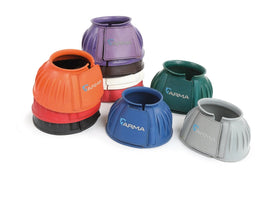
Also known as overreach boots, bell boots are shaped like a bell and fit around the pastern, covering the entire hoof. Their primary job is to protect the sensitive heel bulbs and coronary band from being struck by the hind hooves—an action called "overreaching." This is especially common during fast work, jumping, or even for horses with specific gaits. They also help prevent a horse from accidentally pulling off a front shoe with a hind foot. Made from rubber, neoprene, or other durable materials, they are a simple and effective piece of protective horse tack for many disciplines.
Skid Boots
If you're involved in Western riding sports like reining or cutting, skid boots are essential. These boots are worn on the hind legs and are specifically designed to protect the back of the fetlocks and pasterns. During maneuvers like sliding stops and sharp pivots, the hind legs are subjected to immense friction and pressure against the ground. Skid boots provide a tough, smooth surface that allows the horse to slide without scraping or injuring the skin and underlying structures of the lower leg. They are a crucial piece of safety equipment for any horse performing these demanding athletic feats.
Tendon, Fetlock, Knee, and Hock Boots
This category covers a wide range of boots designed to protect specific, vulnerable parts of the leg during exercise. Tendon boots, often used on the front legs, have a hard shell on the back to protect the flexor tendons from being struck by the hind hooves. Fetlock boots are smaller and used on the hind legs to protect the inner fetlock joint from brushing injuries. For horses needing extra coverage, knee and hock boots offer protection for these complex joints during training, shipping, or recovery from injury, helping to prevent bumps and scrapes that can lead to more serious issues.
Shipping, Turnout, and Stall Boots
Protection isn't just for when you're in the saddle. Shipping boots or wraps are heavily padded and extend from below the knee or hock all the way down to the hoof, offering comprehensive protection during travel in a trailer. For time spent in the pasture, turnout boots are designed to be lightweight, breathable, and durable enough to withstand the elements while guarding against minor cuts and scrapes. Stall boots or wraps are used to provide mild support, reduce swelling after exercise, or keep legs clean and protected while the horse is stabled.
Leg Wraps and Bandages
Leg wraps, like polo wraps and standing bandages, offer a more versatile and customized fit than many boots. They conform closely to the leg, providing light support to ligaments and tendons while protecting against minor scrapes and bruises. Applying them correctly takes practice, but their flexibility makes them a popular choice for everything from schooling and exercise to post-workout care and injury management. Wraps are excellent for keeping debris away from the skin and can be used to apply even pressure, which can help with minor swelling.
Exercise Bandages (Polo Wraps)
Polo wraps are long, soft fleece bandages used to provide light support and protection during exercise. They are wrapped from just below the knee or hock down to the bottom of the fetlock joint and back up. While they don't offer the same level of impact protection as a hard-shell boot, they are excellent for shielding the legs from minor scrapes, bruises, and irritation from sand or dirt in an arena. Their main benefit is their ability to conform perfectly to the leg, offering consistent, gentle support to the tendons and ligaments during low-impact work like flatwork and schooling.
Stable Bandages (Standing Wraps)
Stable bandages, or standing wraps, are used when the horse is in the stall, not during exercise. They consist of a thick, padded quilt that goes against the leg, with a non-elastic bandage wrapped over it to hold it in place. These wraps are used to protect the legs from bumps, reduce or prevent "stocking up" (fluid accumulation in the lower legs), and keep wounds clean. They can also be used to hold a poultice or other medication against the leg. Proper application is critical to ensure they provide support without restricting blood flow.
Hoof Protection: Beyond Traditional Horseshoes
While horseshoes have been the standard for centuries, modern alternatives offer new options for hoof protection, especially for barefoot horses or those with specific therapeutic needs. These innovations provide temporary or alternative solutions that can give comfort, traction, and protection without the permanence of metal shoes. They are particularly useful for trail riders who encounter varied terrain or for horses transitioning to being barefoot, offering a way to keep hooves healthy and sound in different environments.
Hoof Boots for Riding and Therapy
Hoof boots are a fantastic option for barefoot horses, acting like a pair of sturdy hiking boots. They can be put on for rides over rough or rocky terrain and taken off afterward, allowing the hoof to remain in its natural state the rest of the time. This provides protection and shock absorption when needed without interfering with the hoof's natural function. Therapeutic hoof boots are also available to provide cushioning and support for horses suffering from conditions like laminitis or navicular syndrome, helping to make them more comfortable during recovery.
Synthetic Horseshoe Alternatives
For horse owners looking for an alternative to traditional metal shoes, synthetic options made from materials like plastic or urethane are becoming more popular. These can be glued or nailed on and offer several potential benefits, including better shock absorption and more flexibility than steel shoes. They are lighter and can be a good choice for horses with sensitive feet or for those making the transition from shod to barefoot. These alternatives represent a growing area of hoof care technology aimed at supporting the natural biomechanics of the horse's foot.
Shop This Post

Understanding Materials and Design
The effectiveness of any piece of leg protection comes down to its materials and construction. Modern equestrian gear utilizes advanced fabrics and ergonomic designs to offer superior protection, comfort, and durability. High-quality materials like shock-absorbing memory foam, tough ballistic nylon, and soft fleece are commonly used by trusted brands to create products that stand up to the rigors of daily use. Understanding what your horse's boots and wraps are made of will help you make an informed decision based on your horse's specific needs, whether that's maximum impact resistance, breathability, or therapeutic benefits.
Common Materials in Leg Protection
When you shop for leg protection, you'll encounter a variety of materials, each with its own advantages. Neoprene is popular for its flexibility and shock-absorbing qualities, but it can trap heat. Leather is durable and breathable but requires more maintenance. Ballistic nylon offers excellent protection against tears and strikes, making it ideal for cross-country boots. Many boots feature a combination of materials, such as a hard outer shell for impact protection and a soft, moisture-wicking liner for comfort. The right material depends on the balance you need between protection, breathability, and ease of care.
Therapeutic Fabrics and Their Benefits
Some leg wraps and boots are made with therapeutic fabrics designed to do more than just protect. These materials are infused with bioceramic particles that reflect the horse's own body heat back as far-infrared radiation. This gentle warmth can help increase circulation, which may reduce inflammation, ease muscle tension, and promote faster recovery after exercise. Technologies like Welltex® are incorporated into liners for stable wraps, exercise boots, and shipping boots, offering continuous therapeutic benefits while the horse is wearing them. These products can be a great addition to your horse's wellness routine.
Aesthetic Choices: Color and Style
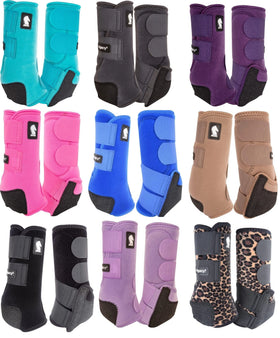
While function should always be your top priority, there's no reason leg protection can't also be stylish! Many brands offer boots and polo wraps in a wide array of colors, allowing you to coordinate with your saddle pad, bridle, or barn colors. This adds a fun, personal touch to your horse's wardrobe and is a great way to express your style in the arena or on the trail. From classic black and white to vibrant shades of blue, red, and purple, you can find gear that not only performs well but also looks great.
Safety Rules for Proper Application
Simply owning the right leg protection isn't enough; applying it correctly is essential for your horse's safety and comfort. Ill-fitting or improperly applied boots and wraps can do more harm than good, causing everything from painful rubs and restricted blood flow to dangerous trips and falls. Taking the time to learn the proper techniques and follow a few key safety rules will ensure that the gear is doing its job effectively. A snug, even fit is the goal—tight enough to stay in place without slipping, but not so tight that it constricts movement or circulation.
Key Guidelines for Safe Use
Before you put any boot or wrap on your horse, there are a few universal rules to follow. First and foremost, fit is everything. The protection should conform to the leg's shape without any gaps or pressure points. Always check the manufacturer's sizing guide to ensure you have the right fit for your horse. It's also crucial to use the correct type of protection for the activity. Never use stable wraps for riding or leave exercise boots on for extended periods in the stall, as this can lead to overheating and skin issues.
The Importance of Cleanliness
Always start with clean, dry legs and clean gear. Trapped dirt, sand, or moisture between the boot and the skin can cause significant irritation, chafing, and even sores. Make it a habit to brush your horse's legs thoroughly before applying any protection. You should also regularly clean your boots and wraps according to the manufacturer's instructions. This not only prevents skin problems but also extends the life of your equipment. A quick brush-off after each use and a deeper clean as needed will keep your horse comfortable and safe.
Knowing How Long to Leave Protection On
Different types of leg protection are designed to be worn for different durations. Boots and wraps used for exercise should be put on right before you ride and removed as soon as you're done and the horse has cooled down. Leaving them on for too long can trap heat and sweat, creating an environment for bacteria to grow. Stable wraps can be left on for longer periods, even overnight, but they should be removed, checked, and re-wrapped at least once every 12 hours to ensure there's no swelling or irritation and to restore proper circulation.
Techniques for a Perfect Fit
Mastering the application of leg protection is a skill that ensures your horse's comfort and safety. Whether you're using boots with simple Velcro straps or learning the art of wrapping a polo, the goal is a secure, even fit. A well-fitted boot won't spin or slide down the leg during movement, and a correctly applied wrap will provide consistent pressure without any lumps or ridges. Taking a few extra moments to get the fit just right can prevent a host of problems down the road.
How to Apply Leg Wraps Correctly
Applying a polo or stable wrap takes practice. Start by placing the end of the wrap on the outside of the cannon bone, just below the knee. Wrap from front to back, outside to inside, moving down the leg in even, overlapping spirals. Each layer should cover about half of the previous one. The tension should be snug and consistent—enough to stay in place, but not enough to feel tight. When you reach the bottom of the fetlock, angle the wrap to create a supportive sling before heading back up the leg. Secure the Velcro firmly on the outside of the leg.
Fitting Different Types of Boots
Most boots are much simpler to apply than wraps. Open all the straps before placing the boot on your horse's leg, ensuring it's positioned correctly over the areas it's meant to protect (like the tendons or fetlock). Fasten the straps starting with the middle one, then work your way out. This helps seat the boot properly. The straps should be snug enough that you can fit one finger between the strap and the horse's leg. After fastening, run your hand inside the boot to smooth the horse's hair and check for any gaps or pressure points.
Medical and Therapeutic Uses
Beyond preventing injuries during exercise, leg wraps and boots play a vital role in managing injuries and supporting a horse's recovery. When used correctly under veterinary guidance, they can help control swelling, keep wounds clean, and provide stability to injured structures. Therapeutic boots and wraps, often made with advanced materials, can also be used as part of a regular maintenance routine to support healthy circulation and keep your equine athlete feeling their best. This proactive and reactive use of leg protection is a cornerstone of modern equine care.
Using Wraps for Injury Management
In the case of a leg injury, stable bandages are an invaluable tool. They are commonly used to hold wound dressings or poultices in place, keeping the area clean and protected from contamination. The gentle, even pressure from a standing wrap can also help prevent or reduce swelling (edema) that often accompanies sprains and strains. By limiting swelling, you can help decrease pain and potentially speed up the healing process. It's a simple yet effective way to provide comfort and support to an injured leg while it heals.
Supporting Healthy Legs During Recovery
During rehabilitation from an injury, proper leg support is crucial. As your horse begins to heal, your veterinarian may recommend specific boots or wrapping techniques to provide stability as they return to light work. Therapeutic wraps can also be beneficial during this time, as the gentle warmth they provide can help keep tissues pliable and improve blood flow to the healing area. This supportive care helps manage discomfort and ensures the delicate, repairing tissues are protected from further strain, paving the way for a smoother and more successful recovery.
Important: Always Consult Your Veterinarian
While this guide provides a solid overview of horse leg protection, it is not a substitute for professional medical advice. Always consult your veterinarian before using any boots or wraps to treat an injury. They can diagnose the problem correctly, recommend the appropriate type of protection, and demonstrate the proper application technique. Your vet is your most important partner in keeping your horse healthy, sound, and happy. Working with them ensures you are providing the best possible care for your equine companion in any situation.
Is Generic Horse Leg Protection Really Enough?
Many solutions on the market offer partial protection, but true comprehensive care requires more. Relying on generic or ill-designed boots can leave critical areas exposed or fail to provide the necessary support. Investing in high-quality, scientifically designed leg protection is not an indulgence; it's a necessity for any horse owner who values their animal's health and performance. The short-term savings of cheaper alternatives rarely outweigh the potential long-term costs of injuries, vet bills, and lost training time.
A Closer Look: The Professional's Choice SMB3 Value 4-Pack
Recognizing these critical pain points, Professional's Choice has engineered a solution that stands above the rest: the SMB3. This advanced leg boot system is designed to offer unparalleled protection, support, and comfort, ensuring your horse's legs are safeguarded during any activity. The [View Professional's Choice SMB3 Value 4-Pack: Superior Horse Leg Protection] combines years of innovation to create a boot that truly puts your horse's well-being first.
Get Flexibility and Support with a Hybrid Design
The SMB3 features a revolutionary Hybrid Design, merging the most effective elements of the renowned SMB II and VenTECH SMB Elite boots. This synergy results in a boot that delivers superior protection against impact and abrasions while promoting breathability and comfort. You no longer have to choose between robust safeguarding and adequate ventilation.
How UltraShock Lining Absorbs Impact
At the core of the SMB3's protective power is its proprietary UltraShock Lining. This advanced material is specifically engineered to absorb maximum impact, shielding your horse's delicate cannon bone, vital tendons, and soft tissues from the jarring forces of movement. This means reduced risk of bruising, concussion, and long-term stress, providing a critical buffer against the rigors of training and competition.
Support Without Restricting Natural Movement
Addressing the critical issue of hyperextension, the SMB3 incorporates a precisely designed suspensory strap. This innovative feature provides essential support to the fetlock, preventing overextension during strenuous activities while simultaneously allowing for full, natural ankle movement. Your horse gets the stability they need without any restriction of their natural gait or athletic prowess.
Keep Debris Out with a Snug Lycra Fit
The problem of dirt and debris ingress is effectively tackled by the SMB3's thoughtful design. The boot's Lycra binding creates a snug, contoured fit around the leg, acting as an impenetrable barrier to keep sand, dirt, and other irritants out. This not only prevents painful chafing and rubs but also significantly reduces the risk of skin infections, keeping your horse comfortable and healthy.
Why the 4-Pack is a Smart Investment
Understanding the need for comprehensive protection, the Professional's Choice SMB3 is available as a Value 4-Pack. This includes a full set of boots, specifically designed for both front and rear legs, offering complete leg safeguarding. Not only does this ensure all four legs receive the same high level of protection, but it also provides significant savings compared to purchasing boots individually. This value pack makes it easier than ever to equip your horse with the best in the industry, proving that superior protection doesn't have to break the bank.
With the Professional's Choice SMB3 Value 4-Pack, you're not just buying boots; you're investing in peace of mind, enhanced performance, and the long-term soundness of your beloved horse. Don't leave your horse's most vital assets vulnerable to injury. Choose the proven protection trusted by professionals. [View Professional's Choice SMB3 Value 4-Pack: Superior Horse Leg Protection] today and experience the difference.
Protect Your Partner, Improve Your Ride
Your horse's legs are the foundation of their ability, their comfort, and their future. Protecting them from the myriad of potential injuries – from blunt force trauma and hyperextension to chafing and debris-induced irritation – is not merely a recommendation; it is an imperative. The Professional's Choice SMB3 Value 4-Pack offers a meticulously engineered solution that addresses every major pain point faced by horse owners and their equine partners. By combining cutting-edge design with superior materials and an unwavering commitment to equine welfare, these boots provide the ultimate defense.
Make the proactive choice for your horse's leg health. Invest in the Professional's Choice SMB3 and empower your horse to perform at their best, safely and comfortably, for years to come. Because when it comes to their well-being, only the best will do.
Frequently Asked Questions
What's the difference between a boot and a wrap, and when should I use each? Think of boots as armor and wraps as supportive athletic wear. Boots, especially those with a hard shell, are your best choice for protection against direct impact, like a hoof strike during jumping or navigating rough terrain. Wraps, like polos, offer a closer fit that provides light support and is excellent for keeping legs clean and shielded from minor scrapes during schooling or flatwork. The right choice really depends on the specific job you're asking your horse to do.
Can I use the same boots for riding and for turnout in the pasture? It's best to use different boots for each activity. Riding boots are built for performance and are meant to be worn for shorter periods of intense work. Leaving them on all day can trap heat and moisture. Turnout boots, on the other hand, are designed for long-term wear; they are typically more lightweight and breathable to keep your horse comfortable and protected from the casual bumps and scrapes of pasture life.
How can I tell if my horse's boots are fitted correctly? A properly fitted boot should be snug enough that it doesn't spin or slide down the leg, but not so tight that it restricts circulation. A great rule of thumb is to check if you can slide one finger between the fastened strap and your horse's leg. After you put the boot on, run your hand along the inside to make sure there are no wrinkles and that the horse's hair is lying flat to prevent rubs.
My horse has never had a leg injury. Is leg protection still necessary? Yes, absolutely. Leg protection is primarily a preventative measure, much like wearing a seatbelt. You use it to guard against the unexpected. A simple misstep on the trail, an overreach in the arena, or a kick from a pasture mate can happen in an instant. Using the right protection is a proactive way to ensure your horse's legs stay healthy for the long run.
With so many options, are high-performance boots like the SMB3 really worth the investment? Investing in a high-performance boot is about paying for superior design and technology. While a basic boot provides a simple barrier, advanced boots like the SMB3 are engineered with materials that do a much better job of absorbing shock and feature designs that support crucial ligaments to prevent common injuries like hyperextension. You're investing in a higher level of safety that can help prevent a serious, and often very expensive, vet bill down the road.
Key Takeaways
- Choose Gear Based on the Job: Your horse's leg protection should match their activity. Gear designed for jumping protects against different impacts than boots made for turnout, so select the right tool to address the specific risks your horse will face.
- Fit and Cleanliness Are Crucial for Safety: Even the best boots can cause rubs, sores, or circulation issues if they don't fit correctly or are applied over dirty legs. Always ensure a snug, even fit and remove gear promptly after exercise to keep your horse comfortable and safe.
- Look for Features That Solve Specific Problems: High-quality leg protection is about smart design. Seek out features like superior impact absorption, fetlock support to prevent hyperextension, and a snug binding that keeps out painful dirt and debris.


