


A gentle horse bit spreads pressure over a wider area, avoids pinching, and stays steady in the mouth. In practice that usually means a mullen or double-jointed mouthpiece, a smooth or soft-coated surface, a stable cheek such as an eggbutt or D-ring, and, above all, the correct size for your horse, used with quiet hands.
Choosing the right bit is about more than control. It is about clear communication and comfort. If your horse seems unhappy or resistant in the bridle, the answer is not always more training; sometimes it is better-suited equipment. A well-chosen gentle horse bit can change the conversation and how your horse responds under saddle. With so many designs available, the choice can feel overwhelming, so this guide explains what to look for and walks through nine designs worth comparing.
Compare the Design Before Choosing a Bit
Start with the mouthpiece, the cheek style and the exact size your horse needs. A label such as "gentle" does not make a bit suitable for every horse, so compare the complete configuration with your trainer or bit fitter.
Full cheek with a peanut link
The Shires Equikind Full Cheek Bit with Peanut Link pairs a stainless steel core with an Equikind synthetic coating and a small central peanut link, on full cheeks that help with steering. It comes in several sizes, so check the size you select.
Stainless steel French link eggbutt
The Shires French Link Eggbutt Stainless Steel Bit #553 uses a double-jointed French link mouthpiece on fixed eggbutt cheeks. It is a different configuration from the full cheek example above, so review the dimensions and available options.
You can compare more options in our Gentle Bits for Sensitive Mouths collection. If you compete, check the current rules of your discipline for the exact bit configuration before you show in it.
What Makes a Horse Bit "Gentle"?
Selecting the right bit is one of the most impactful choices a rider can make for their horse's comfort and well-being. But what exactly sets gentle horse bits apart from traditional options? At their core, these bits prioritize minimizing pressure and maximizing comfort, using thoughtful design and carefully chosen materials to reduce discomfort.
Defining a "Gentle" Bit
Gentle horse bits are engineered to provide communication without causing unnecessary discomfort. They differ from traditional bits by focusing on even pressure distribution and avoiding sharp edges or joints that can pinch the horse’s tongue or lips. Many gentle horse bits feature anatomical shapes that better fit the horse’s mouth, ensuring a more natural and less intrusive feel.
Compared with harsher designs, these bits aim to support trust and responsiveness, which is why riders often reach for them with sensitive horses or horses in training.
How Materials and Design Affect Comfort
Material matters. Sweet iron is designed to oxidize, and copper is often added; makers use both because many horses salivate more and mouth the bit more softly with them. Flexible synthetic and rubber mouthpieces are popular because they cushion the contact and feel warmer than plain steel.
Design matters too. Wider barrels, curved mouthpieces and mouthpieces whose sides can move independently all aim to spread pressure and reduce pinching at the tongue and corners of the mouth.
Common Bit Materials Explained
The material a bit is made from influences how your horse accepts it. Some materials are chosen for durability, while others are chosen for taste and feel. For many sensitive horses, sweet iron or copper is a good place to start, because these metals tend to encourage salivation, which keeps the mouth soft and the bit more comfortable. Synthetic and rubber-coated mouthpieces warm up quickly and suit horses that dislike cold metal. Leather bits are another option some riders use for sensitive mouths. Finding the right material is about watching your horse's reaction and choosing what keeps them most relaxed.
Mouthpiece Thickness and Shape
Beyond material, the thickness and shape of the mouthpiece determine how pressure is distributed inside your horse's mouth. A common misconception is that thicker is always better, but it depends on the horse's anatomy. Generally, a thicker bit spreads pressure over a larger area, making it gentler and often a good starting point for young or sensitive horses. A thinner bit concentrates pressure, which allows for more precise cues but can be more severe if used incorrectly. The shape is just as important. A solid, unjointed bar (a Mullen mouth) is very mild, while a single-jointed bit can create a "nutcracker" effect, pinching the tongue. Many riders prefer a double-jointed mouthpiece, like a French link, which conforms better to the horse's mouth and reduces that pinching action for a more comfortable feel.
Why a Perfect Fit is Non-Negotiable
Proper fit is essential for any bit to be truly gentle. A bit that is too wide or too narrow can rub or pinch, and the wrong thickness can be uncomfortable. It is worth having the fit checked by a knowledgeable professional, and rechecking it periodically, because a horse's mouth can change over time.
Signs such as head tossing, gaping, or fussing with the bit can point to discomfort, so treat them as information rather than disobedience, and rule out dental or fit problems first.
Understanding How Different Bits Work
To find the right gentle bit, it helps to know how different designs function. Bits communicate with your horse through pressure, but where and how that pressure is applied can vary dramatically. The main categories are snaffle bits, which use direct pressure, and leverage bits, which amplify pressure. On top of that, the style of the cheek pieces—the rings on the side of the bit—also changes its action and stability in the horse's mouth. Understanding these core differences will help you make a more informed choice for your horse's specific needs and your riding style.
Snaffle Bits: Direct Pressure
Snaffle bits are often the first choice for training and general riding because they are considered one of the mildest options. They work on a principle of direct pressure, meaning the pressure you apply to the reins is the pressure the horse feels on its tongue and the bars of its mouth. Many riders prefer double-jointed snaffles, especially those with a smooth, bean-shaped "lozenge" in the middle. This design contours to the horse's mouth and prevents the "nutcracker" effect, where a single joint can pinch the tongue. The cheek pieces also matter; D-ring snaffles are a popular choice because they are more stable and less likely to twist or pull through the horse's mouth compared to O-rings.
Leverage Bits: Amplified Pressure
Leverage bits, like gag bits or curbs, work differently by amplifying the pressure you apply with the reins. These bits use a shank or a sliding mouthpiece to create leverage, which applies pressure to the horse's poll, chin, or palate in addition to the mouth. For example, with a Dutch Gag, the lower you attach the reins, the more poll pressure is applied. While these bits can be effective tools in experienced hands for horses that are strong or tend to lean, they require a very soft touch to remain gentle.
How Cheek Pieces Change the Action
The rings on the side of the bit, known as cheek pieces, significantly influence how the bit functions. Loose ring bits have rings that can spin freely, allowing the mouthpiece to move more independently. This movement can encourage a horse to relax its jaw, but it also makes it harder for them to grab the bit and lean on it. In contrast, eggbutt bits have fixed rings that provide a much steadier and quieter feel in the horse's mouth, which many sensitive horses appreciate. For young horses or those needing a little extra guidance, full cheek bits have bars that extend up and down, which apply gentle pressure to the side of the face to help with steering and turning. You can explore a wide variety of these options in our horse tack collection.
Shop This Post

Featured in this article
AV Bob Avila Double Ring Snaffle Horse Bit - Sweet Iron Mouthpiece, 3" Rings - Multiple Sizes
$165.00
Shop Now →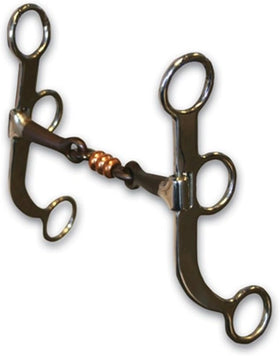

Beyond the Bit: What Truly Creates a Gentle Ride
While finding the right bit is a great step, it’s only one piece of the puzzle. A truly gentle ride comes from a holistic approach that considers the rider, the equipment, and the horse's overall well-being. Even the most thoughtfully designed bit can cause discomfort if other factors are overlooked. True partnership in the saddle is built on a foundation of clear communication, comfort, and trust, which extends far beyond the piece of metal in your horse's mouth. Let's look at the other key elements that contribute to a positive and gentle experience for your horse.
The Rider's Role: Soft Hands and a Balanced Seat
Ultimately, a bit is only as gentle as the hands holding the reins. No piece of equipment can compensate for a rider with an unbalanced seat or rough, unsteady hands. Your skill and finesse are the most critical factors in ensuring your horse’s comfort. Developing soft, following hands and a secure, independent seat allows you to communicate with subtle cues rather than force. When your body is balanced, your hands can remain quiet, preventing unintentional tugs on your horse's sensitive mouth. This consistent, gentle contact builds trust and encourages your horse to relax and respond willingly, making your aids more effective and the ride more harmonious for both of you.
The Importance of Proper Saddle and Bridle Fit
A gentle bit can't do its job if the rest of the tack is causing pain. An ill-fitting bridle can create pressure points on sensitive facial nerves, while a poorly fitted saddle can cause soreness that leads to resistance and behavioral issues. It’s essential to ensure every piece of your horse tack fits correctly. The bridle should be adjusted so the bit sits comfortably in the mouth without pinching the corners, and the noseband and browband shouldn't be too tight. A professional saddle fitting is one of the best investments you can make for your horse's long-term health and happiness, ensuring their comfort and freedom of movement under saddle.
Why Regular Dental Care is Crucial
Your horse’s dental health has a direct impact on how they accept a bit. Sharp points on their molars can cut their cheeks when rein pressure is applied, and issues like a low palate or a thick tongue can make certain bit designs uncomfortable or even painful. Regular check-ups with an equine dentist are non-negotiable. A professional can identify and resolve any underlying oral issues that might be causing resistance or discomfort. This ensures that when you place a bit in your horse's mouth, you’re starting with a comfortable, pain-free foundation, allowing for clearer communication and a much happier partner.
How Riding Style Affects Comfort
The way you ride also influences your horse's experience. Different disciplines advocate for different types of rein contact, from the steady connection common in English riding to the looser rein used in many Western styles. It’s important to be mindful of how your horse responds to your chosen style. Paying close attention to their body language—like ear position, tail swishing, or mouth tension—can tell you a lot about their comfort level. A truly gentle ride involves adapting your approach to what feels best for your individual horse.
9 Gentle Horse Bits Worth Comparing
The bits below are grouped by design so you can compare like with like. Most are bits we stock; a few are well-known designs from other makers, described from the maker's own pages. None of them is gentle in every horse's mouth, so use the descriptions to narrow your shortlist, then confirm fit and comfort on your own horse.
1. Myler MB 02 Comfort Snaffle Dee Ring
The Myler MB 02 Comfort Snaffle Dee Ring is a Myler Level 1 mouthpiece in stainless steel with copper inlay. It has a wide center barrel and a curved shape, and Myler's independent side movement lets each side of the mouthpiece move on its own, so a rein aid on one side is felt mainly on that side.
- Mouthpiece: curved, wide barrel, stainless steel with copper inlay
- Cheek: dee ring, which is steady in the mouth
- Often chosen for: young, green or sensitive horses starting in a snaffle
Myler makes the same mouthpiece on other cheeks, including loose rings and pelhams, so you can browse the Myler collection to match the cheek to your discipline.
2. Neue Schule Turtle Tactio
Neue Schule describes the Turtle Tactio as a 16 mm mouthpiece with a central "Turtle" link and a design that focuses rein pressure on the central part of the tongue. The maker says it is engineered to accommodate a larger or sensitive tongue, and lists it as dressage legal.

- Mouthpiece: 16 mm with a central link, shaped for the tongue
- Often chosen for: horses with a large or sensitive tongue
- Check: the cheek style and size on the maker's page before you order elsewhere
3. Shires Blue Sweet Iron Loose Ring Snaffle with Lozenge
The Shires Blue Sweet Iron Loose Ring Snaffle with Brass Lozenge combines a blue sweet iron mouthpiece with a brass alloy lozenge in the center and stainless steel loose rings. The lozenge makes it double-jointed, which avoids the nutcracker action of a single joint.

- Mouthpiece: sweet iron with a brass alloy lozenge
- Cheek: loose ring, which allows the mouthpiece to move and encourages mouthing
- Often chosen for: everyday schooling and horses that need a softer feel
To compare other cheeks and mouthpieces, browse our Bits & Curbs collection.
4. Sprenger Dynamic RS Eggbutt
Sprenger says its Dynamic RS bits have an ergonomic shape with joints rotated 45 degrees, intended to sit between the tongue and palate without pressure peaks, and that the curved shape suits short mouths. Many Dynamic RS models use Sprenger's own Sensogan alloy, which the maker says is well tolerated and encourages salivation and chewing.

- Mouthpiece: ergonomic, single or double jointed depending on model
- Cheek: eggbutt, which keeps the bit steady
- Often chosen for: horses with a fleshy tongue or short mouth gap, according to the maker
5. Professional's Choice Equisential Ring Snaffle
For Western riders, the Professional's Choice Equisential Ring Snaffle is a loose ring snaffle with a sweet iron mouthpiece and copper inlays. As a snaffle it works on direct pressure, which makes it a common choice for starting and schooling.

- Mouthpiece: sweet iron with copper inlays
- Cheek: loose ring
- Often chosen for: green horses and Western schooling
6. Shires Equikind Softie Loose Ring Mullen Mouth
The Shires Equikind Softie Loose Ring Mullen Mouth has a stainless steel core covered in Shires' Equikind Softie coating. Shires describes the Softie mouthpiece as soft to the touch, lightweight and quick to warm, and suited to young horses or those that reject metal. The unjointed mullen bar gives an even, consistent feel with no nutcracker action.
- Mouthpiece: straight mullen with a soft synthetic coating
- Cheek: loose ring
- Often chosen for: horses that dislike metal or fuss with a jointed bit
Keep an eye on any coated mouthpiece. If a horse chews through the coating, replace the bit.
7. Herm Sprenger Duo D-Ring
Sprenger's Duo D-Ring has a soft, flexible white plastic mouthpiece over a steel core. The maker notes that this D-ring version can be used as a straight mullen mouth or turned to give a slight port, which it calls a dual function.

- Mouthpiece: flexible plastic over a steel core
- Cheek: D-ring for stability
- Often chosen for: green horses and horses sensitive to metal
8. Shires French Link Eggbutt #553
The Shires French Link Eggbutt #553 is a stainless steel, double-jointed bit with a 14 mm French link mouthpiece on fixed eggbutt rings. The flat central link lies over the tongue, and the eggbutt cheeks stop the rings from pinching the lips and keep the bit quiet in the mouth.
- Mouthpiece: 14 mm French link, stainless steel
- Cheek: eggbutt
- Often chosen for: schooling and flatwork where a steady contact matters
9. Shires Flexible Rubber Mouth Full Cheek
The Shires Flexible Rubber Mouth Full Cheek #87872 pairs a flexible rubber mouthpiece with stainless steel full cheeks. The rubber gives a warmer, softer feel than plain steel, while the full cheeks help with steering, which makes it a practical option for young horses learning to turn.
- Mouthpiece: flexible rubber
- Cheek: full cheek, which helps with lateral guidance
- Often chosen for: young horses and horses that back off cold metal
Other Names You May Come Across
Stübben sells an Easy Control line that includes double-jointed mouthpieces in stainless steel and Sweet Copper. Check the individual product pages for how each one works.

Happy Mouth is another brand that riders often mention for soft, non-metal mouthpieces, including double-jointed roller designs. Check the maker's current specifications for the mouthpiece material and sizing before you buy.

Browsing Gentle Bits at Hooves and Paws
Hooves and Paws is a family-run tack and pet supply store that has served riders since 1994. If you would rather browse than pick from a list, start with our Gentle Bits for Sensitive Mouths collection, then widen the search in Bits & Curbs or by brand, such as Shires and Myler. Our team is happy to talk through mouthpiece and size questions before you order.

Choosing the Right Gentle Bit for Your Horse
Selecting the right gentle horse bits is essential for your horse’s comfort, communication, and happiness. This process goes beyond picking a product off the shelf, as every horse is unique in their needs and preferences. With careful consideration, you can ensure a positive riding experience for both you and your equine partner.
Start With Your Horse's Mouth and Sensitivity
Begin by evaluating your horse’s mouth conformation. Horses have different palate shapes, tongue sizes, and bar sensitivity, all of which affect how gentle horse bits will feel. Pay close attention to any scarring, dental issues, or past injuries, as these can make some horses particularly sensitive.
A bit that is too thick or too thin may cause discomfort, even if it’s marketed as gentle. Always measure your horse’s mouth width and consider consulting a veterinarian or equine dentist for a professional assessment.
Reading the Signs of Discomfort
Your horse communicates through behavior, and it's up to us to listen. If a bit is causing pain, your horse will show it. Watch for behaviors like head tossing, chewing aggressively on the bit, or excessive drooling. Some horses might stick their tongue out the side or seem to overreact to even the slightest rein pressure, which can indicate sensitive bars. Others might pull the reins down, open their mouths, or constantly play with their tongue, signaling sensitivity in that area. Recognizing these cues is the first step toward finding a solution and improving your horse's well-being. A comfortable horse is a willing partner, and the right horse tack makes all the difference.
Consulting an Equine Dentist
Before you invest in a new bit, schedule a visit with an equine dentist. A professional can identify underlying issues that affect how a bit fits and feels in your horse's mouth. They will check for sharp points on the teeth, assess the structure of the bars, and note characteristics like a low palate or a particularly large tongue. This information is invaluable because it helps you understand whether your horse is more sensitive to pressure on its tongue versus the bars of its mouth. An equine dentist provides a clear picture of your horse’s unique oral anatomy, allowing you to make a much more informed decision when selecting a gentle bit. Think of it as getting the exact measurements before buying a new pair of shoes—it ensures a perfect, comfortable fit from the start.
Match the Bit to Your Discipline and Goals
Your riding discipline plays a significant role in bit selection. Dressage riders often require bits that promote subtle communication, while jumpers may need more stability. Western disciplines, on the other hand, may benefit from gentle horse bits designed for young or transitioning horses.
Consider your training objectives as well. Are you building trust with a young horse, retraining an older one, or simply seeking a softer connection? The right gentle horse bits should support your goals without compromising your horse’s comfort.
Getting the Fit Right: Trials and Common Pitfalls
Proper fitting is crucial. A gentle bit can become harsh if it pinches or sits incorrectly in the mouth. Check for even contact on both sides, and make sure the mouthpiece is not pulled tight against the lips or sliding loosely from side to side.
If you can, borrow a similar bit from a friend or trainer before you buy, so you can see how your horse responds. Avoid choosing on appearance or price alone. For a step-by-step approach, read How to Find the Right Bit for Your Horse.
Tips for a Correct Fit
Even the most thoughtfully designed bit can cause discomfort if it does not fit. A well-fitting bit rests comfortably at the corners of the mouth without the rings pressing into the cheeks. If a bit is too narrow, it will pinch and rub. If it is too wide, it will slide from side to side and give inconsistent pressure and confusing signals. A common guide is to see a little of the mouthpiece, roughly a quarter inch, on either side of the lips, but your bit fitter's eye on your horse matters more than any rule of thumb. Check the fit again over time, especially after dental work.
Using Bit Butters for Acceptance
For horses that are young, sensitive, or fussy about taking the bit, some riders use a bit butter or similar balm applied to the mouthpiece before bridling. The taste can make bridling a more pleasant routine for some horses. If your horse has sores or cracked corners, ask your vet before applying any product, and treat a reluctance to take the bit as a reason to check teeth and fit.
Let Your Horse Be the Judge
Observe your horse’s behavior under saddle. Signs of discomfort, such as head tossing, excessive chewing, or resistance, may indicate the gentle horse bits are not the right fit. Conversely, a relaxed jaw, steady contact, and forward movement suggest the bit is working well.
Don’t ignore subtle changes. Sometimes, switching to a different mouthpiece or material can yield a noticeable improvement in your horse’s willingness and softness.
Could a Bitless Bridle Be the Answer?
If your horse remains uncomfortable with even the best gentle horse bits, it may be time to consider bitless options. Bitless bridles can reduce oral discomfort and are increasingly accepted in various disciplines.
Transitioning to bitless should be gradual, with professional guidance, to ensure safety and clear communication.
Types of Bitless Bridles
Bitless bridles aren't a one-size-fits-all solution; they use different methods to communicate with your horse by applying pressure to the nose, poll, or chin instead of the mouth. A popular option is the side-pull bridle, which works much like a halter by applying direct pressure to the sides of the horse's nose for simple, clear cues. Another is the cross-under bridle, where straps cross under the jaw to distribute pressure more broadly across the head. For more leverage, some riders use a hackamore, which applies pressure to the nose and chin groove. Finally, the traditional bosal, a braided noseband often used in Western training, offers subtle communication through its unique design. Each style offers a different feel, so it's worth exploring which one best suits your horse's temperament and your riding style.
Potential Risks of Bitless Options
Switching to a bitless bridle can be a wonderful change for many horses, but it's important to approach the transition thoughtfully. These bridles are not inherently gentler; their effectiveness depends entirely on proper use and fit. A poorly adjusted bitless bridle can cause rubbing, soreness or pressure on the sensitive nose. Communication can also be a challenge at first, as your horse needs to learn a new set of pressure cues. Without proper training, a horse might become confused or resistant, leading to behavioral issues. It's crucial to introduce any new tack gradually and ensure you understand how it functions before heading out on the trail. A bitless bridle in the wrong hands can be just as severe as a harsh bit.
How to Make Your Gentle Bits Last
Proper care of gentle horse bits is essential for maintaining your horse's comfort and ensuring the bit performs as intended. Clean, well-maintained gentle horse bits help prevent rubs from rough edges, preserve material integrity, and support your horse's overall wellbeing.
Your Simple Cleaning and Inspection Checklist
Different materials require specific cleaning routines. Metal bits, such as sweet iron or copper alloys, should be rinsed after each ride and wiped dry to prevent corrosion. For plastic or rubber gentle horse bits, use mild soap and warm water, ensuring all residue is removed. Never use harsh chemicals, as they can damage both the bit and your horse's mouth.
Inspect gentle horse bits regularly for signs of wear, including:
- Sharp edges or burrs
- Cracks in plastic or rubber components
- Discoloration or excessive rust
- Loose joints or rings
Any irregularities can cause discomfort or injury, so prompt replacement is crucial for safety.
When to Replace and How to Store Your Bits
There is no fixed lifespan for a bit. Replace it when inspection shows sharp edges, cracks, loose joints, worn coatings or bite marks, whatever its age. Softer synthetic and rubber mouthpieces generally need checking more often than solid metal ones.
Store gentle horse bits in a dry, clean place—use bit bags or dedicated hooks to prevent accidental damage. Avoid leaving bits in damp tack rooms, as moisture accelerates corrosion and material breakdown.
The Risks of Improper Bit Maintenance
Neglecting routine care can result in sharp edges or buildup, leading to oral sores and behavioral resistance. Horses may develop aversion to the bit, impacting performance and trust. For this reason, consistent maintenance of gentle horse bits is as important as correct fitting.
Regular cleaning and inspection not only protect your investment but also ensure your horse remains happy and responsive. By prioritizing the longevity of gentle horse bits, you contribute directly to your horse’s comfort and long-term health.
Once you know what to look for, from mouthpiece shape and material to fit and the hands on the reins, you can choose a bit that suits your individual horse. Start with a dental check, compare a few designs side by side, and let your horse's response guide the final choice.
Frequently Asked Questions
How do I know if my horse needs a gentler bit?
Your horse will tell you through their behavior. Look for signs of resistance or discomfort like tossing their head, opening their mouth, leaning on the bit, or sticking their tongue out. Some horses become tense or fussy when you pick up the reins. These actions are often your horse's way of saying something is uncomfortable. If you're noticing these behaviors consistently, it's a strong signal that exploring a gentler bit could make a world of difference for both of you.
Does using a "gentle" bit mean I'll have less control?
Not at all. This is a common myth. A gentle bit is designed to improve communication, not reduce it. When a horse is comfortable and free from pain, they are far more willing to listen to your cues. True control comes from a clear, quiet connection and a responsive partner, not from force. A gentler bit encourages your horse to trust your hands, which ultimately leads to a more responsive and reliable ride.
What is the first step in choosing a new bit, and how often should the fit be checked?
Before you start shopping, have an equine dentist or vet examine your horse's mouth. Understanding your horse's anatomy, such as the shape of the palate or the thickness of the tongue, tells you which materials and mouthpiece shapes are likely to suit. After that, check the fit yourself every time you tack up, and have it looked at again during routine dental visits, because a horse's mouth can change with age, dental work or condition.
My horse still seems fussy with a gentle bit. What else could be the problem?
A bit is only one part of the equation. If you've switched to a gentle bit and your horse is still unhappy, it's time to look at the bigger picture. Check your saddle and bridle fit, as pressure in other areas can cause resistance that you feel through the reins. It's also important to honestly assess your own riding. Unsteady hands or an unbalanced seat can make even the kindest bit feel harsh. A holistic approach is key to a happy horse.
Key Takeaways
- Focus on design, not just the label: A truly gentle bit is defined by its specific features. Prioritize anatomical shapes, double-jointed mouthpieces, and materials like sweet iron or copper that encourage a soft, responsive mouth.
- Look beyond the bit for total comfort: Even the perfect bit can't work if other factors are causing pain. Ensure a happy ride by using soft hands, checking for proper saddle and bridle fit, and scheduling regular dental exams.
- Let your horse’s response be your guide: The best way to know if a bit is right is to observe your horse. A relaxed jaw and willing attitude are clear signs of comfort, while head tossing or resistance tells you it's time to try a different option.


