


Struggling to select the right girths for your horse? You are not alone. Choosing the best fit is essential for your horse’s comfort and your own safety in the saddle.
Proper girths selection can prevent common issues like slipping saddles, discomfort, and even behavioral problems. With new materials and technology emerging for 2025, the options can feel overwhelming.
This guide will break down every aspect you need to know. Expect clear comparisons, expert advice, and actionable steps, so you can shop for girths with complete confidence.
We will cover types, sizing, fitting, materials, discipline-specific considerations, care, and the top innovations you will see in 2025.
Understanding Horse Girths: Function and Importance
Selecting the right girth is essential for both horse and rider. Girths are more than simple straps; they play a vital role in tack stability, horse comfort, and overall riding safety. Understanding their function and impact helps you make informed choices for your horse’s well-being.
What Is a Girth and Why Does It Matter?
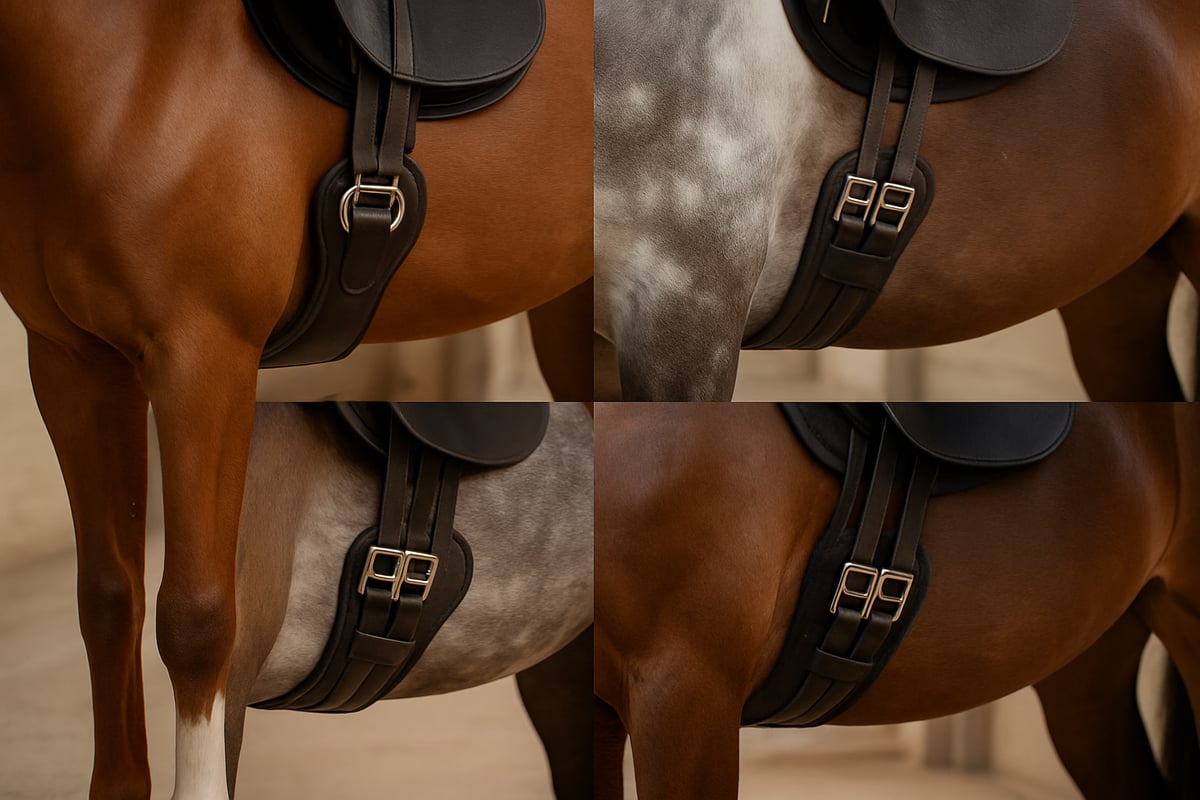
A girth is a wide band that secures the saddle to a horse’s body, wrapping under the belly and attaching to the saddle billets or rigging. Its main job is to keep the saddle in place, preventing it from slipping during movement.
Properly fitted girths are crucial for safety. If a girth is too loose, the saddle can shift unexpectedly. If too tight or poorly positioned, it can cause discomfort and even behavioral problems. Both English and Western disciplines rely on girths, though styles and attachment points differ.
Horse comfort is directly linked to girth fit. A well-chosen girth distributes pressure evenly, allowing the horse to move freely and perform at its best. In contrast, poor fit may lead to pinching, slipping, or resistance under saddle.
Anatomy of a Horse Girth: Key Features
Modern girths have several important features designed for function and comfort:
- Buckles: Secure the girth to the saddle.
- Elastic inserts: Offer flexibility and help adjust to the horse’s breathing.
- Keepers: Hold excess straps neatly in place.
- Padding: Adds softness and reduces pressure points.
There are different shapes, including straight, contoured, and anatomical girths. Contoured and anatomical designs curve around the elbows, improving freedom of movement and pressure distribution.
Length and width also matter. A wider girth can spread pressure more evenly, while the correct length ensures it sits in the right position. Recent advances include memory foam padding and anti-slip linings for added stability.
The Impact of Girths on Horse Health and Performance
The wrong girth can cause significant health issues. Pressure points and chafing may result in girth galls or skin irritation. Restricted movement or pinching can affect a horse’s stride and breathing, leading to reduced performance.
Watch for signs of girth discomfort, such as tail swishing, pinned ears, or reluctance to be saddled. Studies have shown that anatomical girths can enhance movement and reduce pressure, which may improve athletic output. For a deeper understanding, you can explore how girths' impact on performance has been scientifically proven in equestrian sports.
Regularly checking your girth for fit and wear is vital to maintain your horse’s health and comfort.
How 2025 Trends Are Shaping Girth Technology
The world of girths is evolving rapidly. New materials like anti-microbial fabrics and memory foam are becoming common, offering better hygiene and pressure relief. Smart girths with built-in pressure sensors provide real-time feedback on fit, helping riders make precise adjustments.
Customization is on the rise, with options for adjustable buckles and modular padding to suit individual horses. Market trends show growing demand for ergonomic and tech-enhanced girths, reflecting a shift toward both horse welfare and performance optimization.
Looking ahead, expect even more innovation as manufacturers respond to riders’ needs for safety, comfort, and durability.
Types of Horse Girths: Choosing the Right Style
Selecting the right girths for your horse starts with understanding the main styles available today. Each type serves a distinct role, depending on the discipline, horse conformation, and rider preference. Let’s explore the key categories, compare their features, and highlight what’s new for 2025.
English Girths: Dressage, Jumping, and All-Purpose
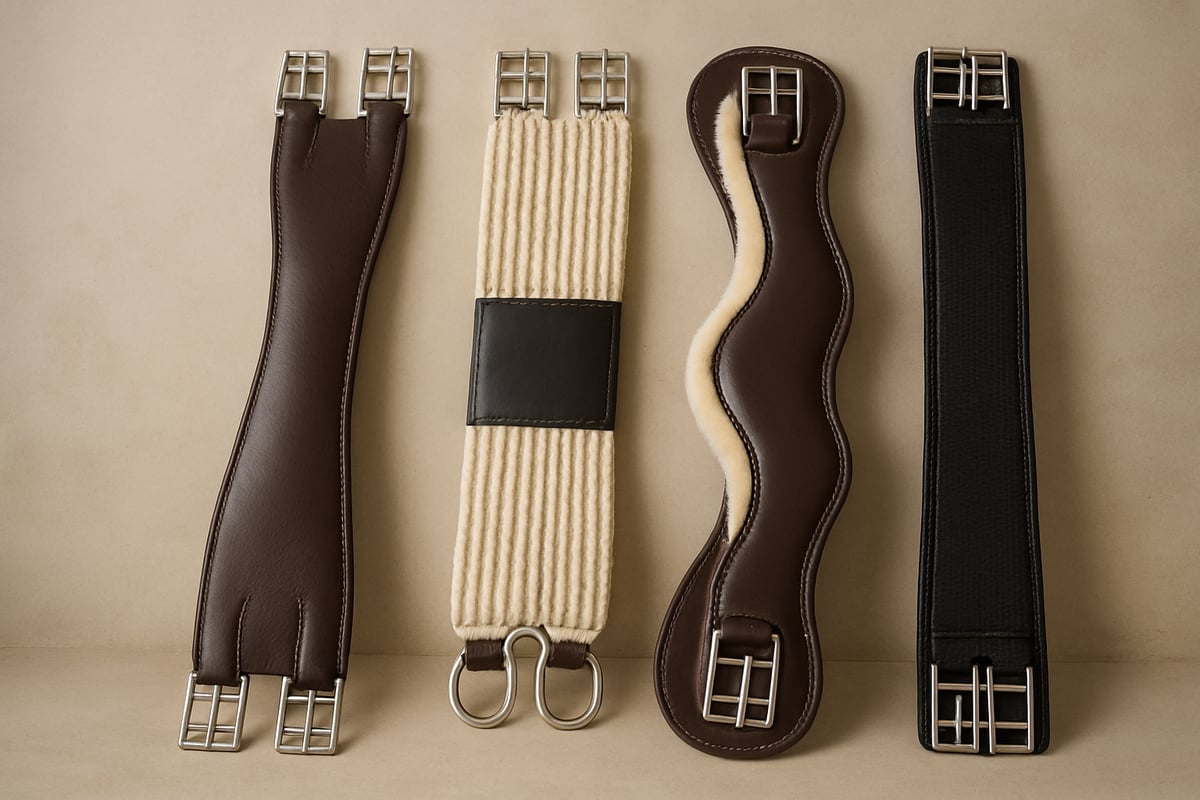
English girths are designed to secure the saddle for disciplines like dressage, show jumping, and general riding. Dressage girths are shorter, often with wide center panels to distribute pressure and improve comfort. Jumping and all-purpose girths tend to be longer with central or offset buckles, providing stability and freedom of movement. In 2025, contoured and anatomical designs with memory foam are leading trends, offering enhanced fit and reduced chafing. You can browse the latest options in the English riding tack collection, which showcases current innovations and classic styles. Choosing the right English girths ensures both rider security and horse comfort.
Western Cinches: Roper, Straight, and Specialty
Western girths, known as cinches, cater to the demands of ranch work, rodeo, and trail riding. Roper cinches are wider in the center to distribute pressure during sudden movements, making them ideal for roping events. Straight cinches suit general Western riding and are lighter in weight. Specialty cinches include flank cinches for added saddle stability. Materials such as mohair, neoprene, fleece, and leather offer choices for comfort and maintenance. Modern Western girths now feature anti-slip linings and easy-clean designs, reflecting the shift toward practicality and horse wellness.
Specialty Girths: Anatomical, Stud, and Sheepskin
Specialty girths address unique needs or sensitive horses. Anatomical girths are shaped to contour the horse’s barrel, providing elbow clearance and relieving pressure on sensitive areas. Stud girths are popular with jumpers, offering extra belly protection during high-impact landings. Sheepskin and fleece-lined girths add softness, reducing the risk of rubs and irritation, especially for horses prone to skin sensitivity. Hybrid girths combine these features, such as anatomical shapes with sheepskin lining, delivering advanced comfort and support for high-performance demands.
Pros and Cons of Each Girth Type
Comparing girths helps riders balance comfort, durability, and cost.
| Type | Comfort | Durability | Price | Maintenance |
|---|---|---|---|---|
| English | High | Moderate | Varies | Moderate |
| Western | Moderate | High | Moderate | Easy |
| Specialty | Very High | Varies | Higher | Varies |
English girths excel in versatility, while Western cinches offer robust durability. Specialty girths can be pricier but provide tailored solutions for sensitive horses or demanding disciplines. Survey data shows riders increasingly prioritize ergonomic design and ease of care when choosing girths.
Factors Influencing Girth Selection in 2025
Choosing girths in 2025 involves more than just discipline. The horse’s conformation, skin sensitivity, and movement patterns should guide your choice. Regulations for each riding style may dictate girth types or materials. Climate and stable conditions influence whether you select breathable mohair or quick-drying neoprene. Budget is also key, with riders seeking value over time rather than just upfront cost. Current trends show a shift toward customizable, ergonomic girths, reflecting both rider and trainer preferences for improved performance and equine wellness.
Shop This Post

Measuring and Fitting: Ensuring the Best Fit for Your Horse
Finding girths that fit perfectly is both a science and an art. The right fit ensures your horse's comfort, prevents injuries, and supports optimal performance. Let’s break down the essentials of measuring, sizing, fitting, and troubleshooting so you can confidently select the best girths for your horse.

How to Measure Your Horse for a Girth
Accurate measurement is the foundation for selecting the right girths. Use a soft, flexible tape measure and wrap it around your horse’s barrel, passing just behind the front legs where the girth will sit. Measure from the middle of one billet or rigging ring, under the belly, to the same point on the other side.
For English girths, measure in inches or centimeters and consult brand-specific sizing charts. Western girths, or cinches, may require slightly different points due to saddle rigging styles. Avoid common errors like measuring too loosely or over a thick winter coat. Estimating your horse’s body weight can also help refine your measurement, and you can refer to research on Evaluation of Horse Body Weight Estimation Methods for more guidance.
Interpreting Girth Sizes and Adjusting for Saddle Type
Girths come in a range of standard sizes, but the correct length depends on your saddle style. English girths are usually sized in two-inch increments, while Western cinches often come in even numbers. Monoflap saddles require shorter girths since the billets extend lower, whereas close contact or endurance saddles might need longer options.
To convert between inches and centimeters, multiply inches by 2.54. Most adult horses use girths ranging from 44 to 56 inches for English saddles and 28 to 34 inches for Western cinches. Always double-check both your saddle's billet length and your horse's measurement before purchasing.
| Saddle Type | Typical Girth Length (in) |
|---|---|
| Dressage | 22–30 |
| Jumping/AP | 44–56 |
| Western | 28–34 |
Fitting Tips: Signs of Proper and Improper Fit
A properly fitted girth should be snug but not overly tight, allowing for even pressure distribution without restricting movement. Visually, the girth should sit evenly on both sides, with buckles resting clear of the elbow and no pinching or bunching of skin or hair.
Signs of poor fit include slipping saddles, visible rubs, swelling, or uneven sweat marks. Always check the girth’s position before mounting and after the horse moves. Seasonal changes, such as weight gain or a thicker winter coat, may require small adjustments. When in doubt, consult a professional saddle fitter to ensure your girths are supporting your horse’s comfort and safety.
Troubleshooting Fit Issues: Sensitive or Hard-to-Fit Horses
Some horses are particularly sensitive or have unique conformations that make fitting girths a challenge. Look for signs such as girthiness, resistance to saddling, or behavioral changes during tightening. Solutions include using padded girths, sheepskin covers, or anatomical designs that relieve pressure around the elbows.
Custom or adjustable girths can help accommodate uneven ribcages or high withers. If your horse remains uncomfortable, consider trying different materials or consulting a professional for a custom fitting. Switching to anatomical girths has made a remarkable difference for many sensitive horses, improving their willingness to move and overall attitude.
Common Myths and Mistakes in Girth Fitting
One common myth is that tighter girths always provide a better fit, but over-tightening can cause discomfort and even restrict breathing. Proper placement—just behind the elbow, not directly on it—is essential for comfort and safety.
It’s also a mistake to ignore the role of saddle fit when assessing girth comfort. Always tighten girths gradually and check for evenness after warming up. Clinical data shows that improper girth fitting is a frequent cause of saddle-related issues seen in equine clinics, so being attentive to these details can prevent long-term problems.
Materials and Construction: What’s Best for Your Horse in 2025?
Selecting the right materials and construction for girths is essential for your horse’s comfort, health, and performance. As 2025 brings new technologies and environmental awareness, understanding your options has never been more important.
Traditional Materials: Leather, Mohair, and Fleece
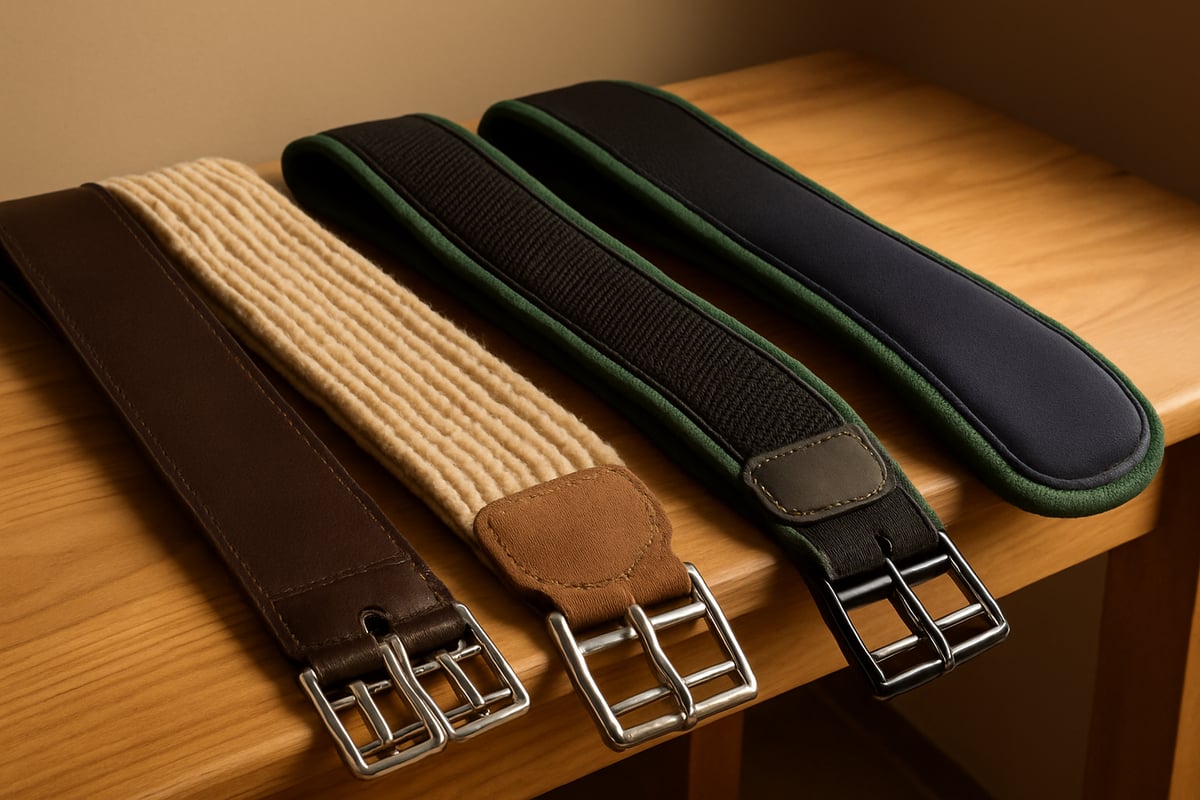
For decades, leather has been a top choice for girths due to its durability, classic appearance, and ability to mold to the horse’s shape over time. It is especially popular in disciplines like dressage and show jumping. Mohair offers a natural, breathable alternative, valued for its softness and ability to wick moisture, making it ideal for sensitive horses.
Fleece and sheepskin linings provide additional padding and reduce friction, helping prevent rubs on delicate skin. However, these materials require regular cleaning and conditioning to prevent cracking, matting, or odor buildup. When cared for properly, traditional girths can offer years of reliable service and timeless style.
Modern Innovations: Neoprene, Synthetic, and Memory Foam
Advancements in material science have introduced a new generation of girths. Synthetic options, including neoprene, are now widely available, prized for their non-slip properties, easy maintenance, and resistance to sweat absorption. Neoprene girths are lightweight, quick-drying, and often feature anti-microbial coatings.
Memory foam inserts are gaining traction for their ability to conform to a horse’s body, distributing pressure evenly and reducing the risk of discomfort. Many synthetic girths are also hypoallergenic, making them suitable for horses with sensitive skin. The growing market share of these innovations in 2025 reflects a shift towards convenience, performance, and horse welfare.
How Material Choice Impacts Horse Comfort and Performance
The materials used in girths can significantly affect a horse’s comfort and overall performance. Breathable fibers like mohair and advanced synthetics help regulate temperature, reducing the risk of overheating or chafing. For horses prone to allergies, hypoallergenic materials are essential.
Material flexibility allows girths to adapt to subtle changes in the horse’s shape, ensuring consistent contact without pinching. Lightweight options reduce bulk, supporting freer movement. Notably, recent studies, such as the Effect of Girth Design on Saddle-Horse Pressures, show that anatomical and well-constructed girths can improve pressure distribution and stride quality, directly impacting performance and comfort.
Durability, Maintenance, and Longevity
The longevity of girths depends heavily on both material and care. Leather, while robust, needs regular conditioning to prevent drying and cracking. Mohair and fleece require frequent washing to remove sweat and dirt, which can degrade fibers if neglected.
Synthetic and neoprene girths excel in ease of cleaning and resistance to mold or mildew. Most can be simply rinsed after use, making them ideal for busy riders. Regardless of material, inspect girths regularly for worn stitching, stretched elastic, or damaged buckles, and replace them promptly to maintain safety and comfort.
Sustainability and Ethical Considerations in 2025
Sustainability is influencing the equestrian world, with many riders seeking eco-friendly girths made from recycled, vegan, or cruelty-free materials. Brands are now offering products manufactured through responsible processes, reducing environmental impact without compromising performance.
Consumer demand for ethical tack is rising, with more riders prioritizing transparency and sustainable sourcing. As these trends continue into 2025, expect a broader selection of green options that support both your horse’s well-being and the planet’s future.
Girths by Discipline: Matching Your Girth to Your Riding Style
Selecting the right girths for your discipline is essential for both performance and your horse's comfort. Each riding style places unique demands on girths, requiring specific features, materials, and designs. Understanding how girths function within your chosen discipline helps you optimize fit and safety for every ride.
Dressage: Prioritizing Stability and Freedom of Movement
Dressage girths are engineered to provide maximum stability while allowing the horse freedom of movement for collected gaits. These girths often feature wide, padded center panels that distribute pressure evenly across the sternum, reducing the risk of pinching or discomfort. Anatomical and contoured designs are prevalent in 2025, enhancing comfort by avoiding sensitive elbow areas.
High quality materials such as leather, memory foam, and neoprene are favored for their durability and ability to mold to the horse's shape. Popular brands offer options with elastic inserts for flexibility and stainless steel buckles for security. Recent data shows that most dressage riders prefer girths with innovative pressure-relief features, ensuring their horses perform at their best during intricate movements.
Jumping and Eventing: Protection and Secure Fit
Jumping and eventing disciplines require girths that offer both security and protection. Stud girths and belly guards are common, providing an extra layer to shield the horse’s underside from shoe studs during tight jumps. Shock-absorbing materials and anti-slip linings keep girths in place through vigorous activity.
Lightweight and flexible construction is key, allowing the horse to move freely over fences. Quick-release buckles add safety, enabling fast removal in emergencies. Many eventers opt for hybrid girths combining anatomical shape with protective pads. In 2025, top competitors prioritize girths that reduce impact and enhance stability, supporting their horse’s agility during high-stress phases.
Western Riding: Cinch Types and Comfort for Long Rides
Western disciplines use cinches, a type of girth designed to accommodate various riding needs. Roper cinches are wider and more robust, providing stability during intense activities like roping, while straight cinches suit general riding and trail work. Materials such as mohair, felt, and leather are popular for their breathability and comfort over long hours.
Adjustability and easy-clean features are increasingly sought after. Western saddles require cinches that fit securely without restricting movement. For a comprehensive look at the latest Western cinches and tack, explore options that balance tradition with innovation. Recent surveys highlight that riders value girths offering both comfort and durability, ensuring their horses remain relaxed and responsive throughout extended rides.
| Cinch Type | Best For | Material Options |
|---|---|---|
| Roper | Roping, Ranch | Mohair, Felt |
| Straight | Trail, Pleasure | Leather, Neoprene |
Endurance and Trail: Breathability and Chafe Prevention
Endurance and trail riding demand girths that excel in breathability and chafe prevention. Lightweight materials like neoprene, mohair, and advanced synthetic blends are preferred for their ability to wick away moisture and prevent heat buildup. Many endurance riders choose girths with extra padding or removable covers for added comfort on long journeys.
Key features to look for include:
- Quick-dry construction
- Anti-chafe linings
- Easy-clean surfaces
Girths designed for endurance are engineered to reduce friction, ensuring the horse remains comfortable mile after mile. In 2025, top picks combine innovative materials with ergonomic shaping, helping horses maintain peak performance across varied terrain.
Girth Care and Maintenance: Maximizing Comfort and Longevity
Proper care and maintenance of girths are essential for ensuring your horse’s comfort, safety, and long-term health. Regular attention to cleaning, inspection, storage, and protection will help you get the most out of your investment while keeping your horse performing at its best.
Cleaning and Sanitizing Your Girth
Routine cleaning of girths is crucial for preventing skin irritation and maintaining material integrity. Leather girths should be wiped down after each ride and conditioned weekly. For synthetic or neoprene girths, rinse with water to remove sweat, then use mild soap for a deeper clean. Fleece and sheepskin options require gentle brushing and occasional machine washing on a delicate cycle.
Use antimicrobial sprays or wipes to sanitize, especially in humid climates. Regular cleaning not only extends the life of girths but also supports horse wellness, as highlighted in Horse health and wellness essentials. Clean girths reduce the risk of bacteria and fungus, minimizing discomfort and potential infections.
Inspecting for Wear and Damage
Inspect girths frequently for signs of wear that could compromise safety. Look for frayed stitching, stretched elastic, cracked leather, or damaged buckles. Buckle integrity is vital, as weak points increase the risk of sudden breakage during riding.
Run your fingers along the girth to check for rough patches or sharp edges that could cause chafing. If you notice any significant damage, consider professional repair or replacement. Establishing a routine inspection schedule for girths, especially those used daily, helps catch issues early and prevents accidents.
Storing Girths Properly
Storing girths correctly preserves their shape and prevents material breakdown. Always hang girths in a cool, dry area, away from direct sunlight. Use padded hangers or girth bags to avoid deformation and mildew build-up.
Avoid leaving girths in damp tack rooms or on the ground, as this encourages mold growth and weakens stitching. During off-seasons, clean and condition girths thoroughly before storing. Proper storage habits keep girths ready for use and extend their lifespan.
Extending the Life of Your Girth: Pro Tips
Maximize the longevity of girths by rotating between multiple options to distribute wear evenly. Use covers or sleeves for added protection, particularly with sensitive horses. Regularly condition leather girths and follow manufacturer care recommendations.
Choose products designed for durability and comfort, such as those found in Horse protection essentials. Taking these extra steps not only saves money over time but also ensures your horse enjoys a consistently comfortable ride.
Innovations and Top Girth Picks for 2025
The world of girths is evolving rapidly in 2025, with new technologies and standout products reshaping how riders ensure comfort and performance for their horses. Whether you are seeking the latest smart features or simply want to know which girths are most trusted by professionals, this section will guide you through the key innovations, expert recommendations, retailer tips, and future trends.
Breakthrough Technologies and Smart Girths
In 2025, smart girths are making a significant impact on equestrian sports. These advanced girths often feature integrated pressure sensors, app connectivity, and adjustable padding. Riders can now monitor fit and pressure in real time, reducing the risk of injury and ensuring optimal comfort for their horses.
Smart girths offer benefits such as injury prevention, performance tracking, and precise fit adjustments. Industry leaders have launched girths that provide instant feedback on tightness, allowing for quick corrections during training or competition. This aligns with research on Influence of Girth Strap Tensions on Racehorses, which highlights how correct tension can affect athletic performance.
Demand for ergonomic and tech-enhanced girths continues to grow, with more riders valuing the data-driven insights and horse welfare improvements these innovations provide.
Most Recommended Girths by Equestrians and Trainers
With so many girths available, it is helpful to know which models are favored by professionals. In 2025, trainers and top riders are gravitating toward anatomical and memory foam girths for their superior comfort and pressure distribution.
Popular picks include:
- Contoured anatomical girths for dressage and jumping
- Neoprene-lined girths for eventing and cross-country
- Sheepskin or fleece-lined girths for sensitive horses
Many of these girths have received positive reviews for durability, fit, and ease of care. Value picks, such as synthetic anatomical girths, offer excellent performance without the premium price tag. Awards for innovation often go to brands that balance advanced materials with proven comfort.
How to Choose the Right Retailer for Your Girth Purchase
Selecting a reputable retailer is essential when shopping for girths. Look for stores that provide product authenticity, expert advice, and flexible return policies. Many equestrians prefer retailers with knowledgeable staff who can help match girths to a horse’s specific needs.
Online shopping offers convenience and a broader selection, but in-store experiences allow for hands-on inspections. Check customer reviews and satisfaction scores for leading equestrian retailers before making a decision. Be cautious of counterfeit products, especially with high-end or tech-enhanced girths, and always verify the source.
Future Trends: What’s Next for Horse Girths?
Looking ahead, girths are set to become even more advanced and sustainable. Material science is driving the development of eco-friendly, hypoallergenic, and durable options. Custom-fit and 3D-printed girths are emerging, allowing for precise accommodation of unique horse conformations.
Integration with other smart tack and wearable technology is on the rise, offering holistic monitoring of horse health. Ethical production and sustainability are becoming industry standards, with more brands committing to cruelty-free manufacturing. Riders can expect continued innovation in girths, combining technology, comfort, and responsibility in the years to come.
Now that you have a clearer understanding of how the right girth can make all the difference for your horse’s comfort and performance, you’re ready to put that knowledge into action. As we’ve explored the latest materials, technologies, and fitting tips for 2025, you can confidently select a girth that suits your horse’s needs and your riding discipline. At Hooves and Paws, you’ll find a wide selection of quality options, expert support, and the convenience of free US shipping. If you’re ready to upgrade your tack and give your horse the best, Buy Now.


