


Choosing the right saddle bag can feel surprisingly complicated. With countless designs, materials, and mounting systems on the market for every kind of rider, it's easy to get overwhelmed. This guide is here to make that choice simple. We'll walk through everything you actually need to know, from durable materials and smart designs to getting a secure, balanced fit. My goal is to help you find the perfect saddle bags that are not just functional, but also fit your personal style, so you can ride with confidence.
What Does "Saddle Bag" Mean?
The term "saddle bag" might bring a few different images to mind, depending on whether you're a rider, a fashion enthusiast, or just someone who's heard the word used in conversation. While it has a primary, traditional meaning rooted in the equestrian world, it has also evolved to describe other things. Let's break down its original definition and explore the other ways this term is used today. Understanding its history and various applications can give you a fuller picture of this versatile accessory.
The Original Definition for Riders
At its core, a saddle bag is a pouch designed to be carried on a horse's saddle. Typically sold in pairs, these bags are laid over the horse's back, just behind the saddle, or hung from the saddle itself. They are an essential piece of horse tack for trail riders and anyone needing to carry supplies like food, water, first-aid kits, or tools. The design allows for balanced weight distribution, ensuring the horse remains comfortable while carrying the extra load. This practical function is the foundation of the saddle bag's purpose and has been adapted for bicycles and motorcycles as well.
A Quick Look at the Word's History
The term "saddlebag" isn't a modern invention; it has a long history connected to travel and transport. According to historical records, the word first appeared in English sometime between 1765 and 1775. This timing makes sense, as it aligns with a period when horse travel was a primary mode of transportation, and carrying goods efficiently was a daily necessity. The name is straightforward, combining "saddle" and "bag" to perfectly describe its function. Over the centuries, the core concept has remained, even as materials and styles have changed dramatically.
Related Terms and Synonyms
Because a saddle bag is fundamentally a container for carrying items, it shares characteristics with many other types of bags. The dictionary lists several synonyms and related terms that highlight its function as a piece of gear. Words like "pack," "pouch," "sack," and "kit" all point to its utilitarian nature. In a broader sense, terms like "briefcase," "handbag," and "suitcase" are also considered related, showing how the basic idea of a portable container has been adapted for countless different needs and contexts beyond the equestrian world.
Other Meanings: Slang and Medical Terms
Language is always evolving, and "saddlebag" has taken on a few informal meanings that have nothing to do with horses or bikes. You may have heard the term used in a completely different context, particularly when people talk about fitness or body shape. This slang usage is quite common and refers to the accumulation of fat on a person's body. It’s a good example of how a descriptive term from one area of life can be borrowed to describe something visually similar in another.
The Slang Term for Body Fat
In informal American and British English, the plural "saddlebags" is a slang term for the deposits of fat on the outer thighs and hips. The name likely comes from the visual similarity of this fat distribution to a pair of saddle bags hanging on either side of a horse. This usage is purely descriptive and is a common, though informal, way to refer to this specific area of the body. It's a term you might hear in discussions about exercise, diet, or body types.
Understanding Lipedema
The slang term is sometimes connected, though not always correctly, to a medical condition called lipedema. Lipedema is a chronic disease characterized by an abnormal and often painful buildup of fat, primarily in the lower body. Experts believe it may be related to hormonal changes, and it almost exclusively affects women. While someone might informally refer to the effects of lipedema as "saddlebags," it's important to recognize that the condition itself is a complex medical issue, not just a cosmetic concern about body fat.
Which Saddle Bag Is Right for You?
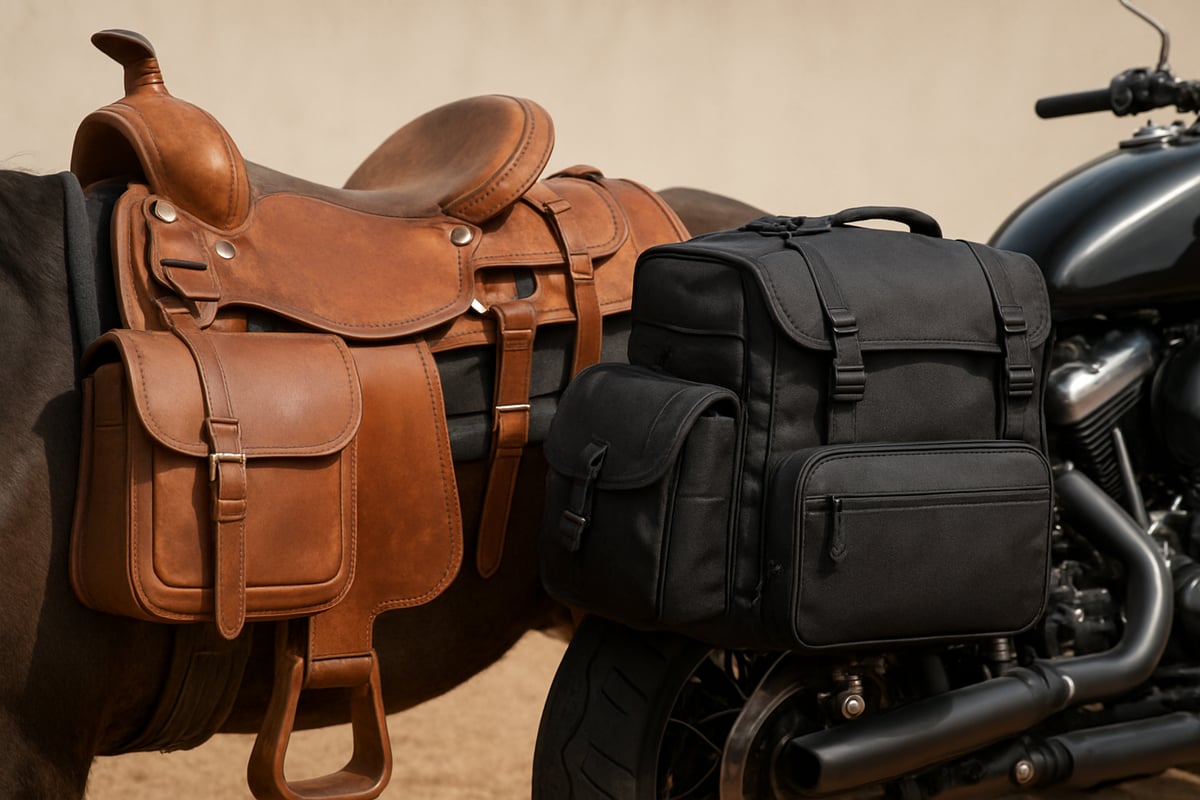
Saddle bags have transformed from simple utility gear into essential accessories for both equestrians and motorcyclists. Their evolution reflects the growing need for versatile storage, adapting to new riding styles and demands. Today, saddle bags are crafted with advanced materials and designs, making them indispensable for modern riders.
How Saddle Bags Have Changed Over Time
Originally, saddle bags served as practical storage for equestrians, carrying provisions and tools during long rides. Over time, their purpose expanded as motorcycles gained popularity, requiring new solutions for on-the-go storage. Brands like Leatherworks Inc. have played a significant role in this transition, producing over 100,000 motorcycle saddle bags since 1976. Today, the versatility of saddle bags supports both traditional horseback adventures and modern motorcycle journeys, uniting practicality with evolving design.
A Breakdown of Saddle Bag Styles
There are several primary types of saddle bags, each tailored to specific needs:
| Type | Used For | Example Features |
|---|---|---|
| Rear Horse Saddle Bags | Trail riding | Large compartments, easy access |
| Pommel/Horn Bags | Quick access, short rides | Smaller size, fits on front |
| English vs. Western Bags | Discipline-specific fit | Shape and attachment differences |
| Pack Bags | Extended trips, camping | High capacity, rugged build |
| Throw-over Motorcycle | Quick install/removal | Universal fit, flexible straps |
| Hard Mount Motorcycle | Touring, security | Rigid shell, lockable |
| Quick-Release/ Solo Bags | Versatility, solo riders | Easy detach, compact designs |
Each type of saddle bags offers different benefits, ensuring riders can find the right solution for their riding style and storage needs.
Who Uses Saddle Bags and Why?
Saddle bags are used across a range of activities:
- Trail riding and long-distance touring
- Daily commuting for urban riders
- Hunting and camping excursions
- Running daily errands
User groups include equestrians seeking reliable storage on the trail, motorcyclists needing gear for touring, and outdoor enthusiasts who value convenience. Saddle bags serve as a bridge between function and adventure for all these profiles.
Top Brands and What's Trending Now
Leading brands such as Outfitters Supply and Leatherworks Inc. set the standard in quality and innovation. The market has seen a surge in demand for American-made and handmade saddle bags, reflecting a preference for craftsmanship and durability. According to the North America Satchel and Saddle Bags Market Trends, the sector is expected to grow as consumers seek both functionality and style in their gear.
Understanding the Price Range
Saddle bags are available at a wide variety of price points, so you can find an option that fits your budget and your needs. The cost often reflects the materials, craftsmanship, and specific features of the bag. For instance, you might find simple nylon horn bags starting around $15 for short, casual rides. On the other end, premium leather saddle bags designed for durability and style on long treks can cost upwards of $195. The key is to match your investment to your riding style. If you're a frequent trail rider who needs something rugged and spacious, investing in a higher-quality bag is a smart choice. At Hooves and Paws, we focus on providing durable and reliable horse tack that offers great value, ensuring you get a product built to last without overspending.
Popular Colors and Patterns
Your gear is an extension of your personal style, and saddle bags are no exception. Gone are the days of one-size-fits-all designs. Today, you can find bags in a whole spectrum of colors and patterns to match your tack or show off your personality. Classic options like rich brown and black leather or nylon remain popular for their timeless look that complements any saddle. If you want to add a pop of color, many brands offer bags in shades like green, blue, or even vibrant pink. For those who prefer something more unique, you can also find interesting patterns like camouflage, perfect for blending in on the trail, or other multi-colored designs that make a statement.
How Much Storage Do You Really Need?
Choosing the right saddle bags means considering storage capacity. Typical bags range from 10L for essentials to over 20L for extended trips. Riders often use saddle bags to carry:
- Tools and maintenance kits
- Personal items and valuables
- Emergency supplies, snacks, and water
- Maps, electronics, and camping gear
Estimating your storage needs ensures you select saddle bags that match your adventures.
Keeping Your Gear Safe and Secure
Modern saddle bags prioritize safety and security with features such as:
- Reinforced seams for durability
- Lockable closures to deter theft
- Water-resistant treatments to protect contents
- Secure mounting systems to prevent shifting during travel
Ensuring that saddle bags are properly installed and maintained helps safeguard both your gear and your ride.
Saddle Bags by the Numbers
The variety of saddle bags is impressive: Outfitters Supply offers over 11 canvas and leather models, while Leatherworks Inc. provides 50+ motorcycle options. Industry standards now include ABS plastic reinforcement and water-resistant finishes, raising the bar for quality and longevity. With the right saddle bags, riders can confidently tackle any journey.
Leather vs. Canvas vs. Synthetics: Which Material Is Best?
Selecting the best material for your saddle bags is a foundational decision. The right choice influences not only appearance but also durability, ease of care, and overall riding experience. Let us break down the options, from classic leather to modern synthetics, so you can make an informed investment.
Why Choose a Classic Leather Saddle Bag?
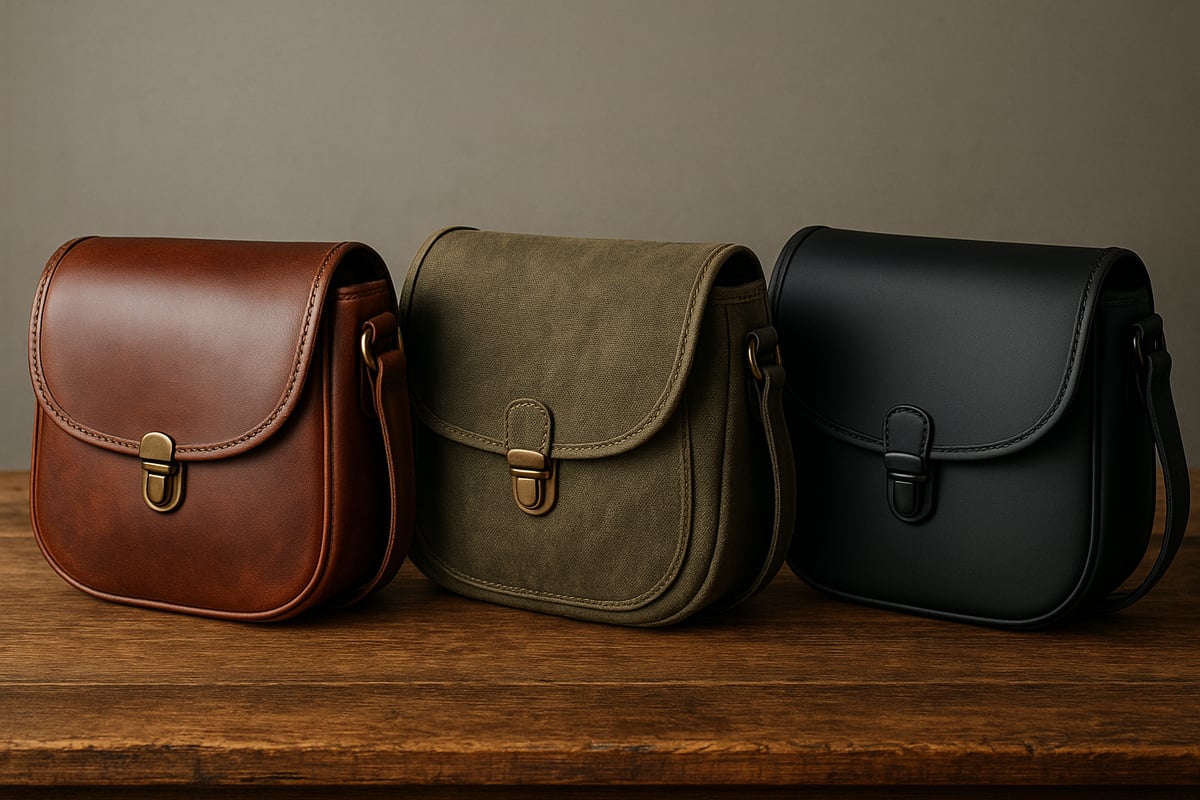
Leather saddle bags are the gold standard for riders seeking longevity and timeless style. Their unmatched durability stems from thick, premium hides, often hand-riveted for extra strength. For example, Leatherworks Inc. uses 10 oz American leather to ensure each bag stands up to years of use.
The advantages of leather saddle bags include:
- Classic, elegant look that ages beautifully
- High resistance to wear when properly maintained
- Strong resale value due to enduring appeal
However, leather does come at a higher price and requires regular conditioning to prevent drying or cracking. Still, many riders find the investment worthwhile, especially for demanding environments.
Is a Canvas Saddle Bag Right for You?
Canvas saddle bags are valued for their lightweight feel and flexibility, making them a favorite among trail riders. Outfitters Supply, for example, crafts handmade canvas bags designed for ease of use and adaptability.
Pros of canvas saddle bags:
- Affordable and easy to clean
- Flexible enough for varied packing needs
- Lighter than leather, ideal for long treks
The main drawback is reduced weather resistance and a tendency to wear faster than leather. If you ride in wet or abrasive conditions, you may need to reapply waterproofing treatments periodically. For a wide selection of practical canvas options, explore the horse gear and accessories available through trusted retailers.
The Benefits of Synthetic & Hybrid Bags
Synthetics such as nylon and polyester are increasingly popular for modern saddle bags. These materials offer excellent weatherproofing, a wide range of colors, and are often the most affordable choice.
Advantages of synthetic saddle bags:
- Superior water resistance
- Lightweight and easy to maintain
- Available in many colors and designs
However, synthetic bags may lack the premium feel and long-term durability of leather. Hybrid models, blending synthetics with canvas or leather accents, can offer a compromise between style and function.
Which Material Lasts the Longest?
When it comes to durability, leather saddle bags often outlast their counterparts, with many lasting over a decade with proper care. Canvas and synthetic options typically serve well for three to five years before showing significant signs of wear.
| Material | Lifespan (years) | Maintenance Level | Cost Range |
|---|---|---|---|
| Leather | 10+ | High | $330–$550+ |
| Canvas | 3–5 | Medium | $150–$200 |
| Synthetic | 3–5 | Low | $100–$250 |
Choosing the right material for your saddle bags ensures you get the most value and best fit for your riding style.
How to Care for Your Saddle Bag
Proper care extends the lifespan of saddle bags across all materials. Leather bags should be cleaned with a damp cloth and conditioned regularly to maintain suppleness. Canvas bags can be machine-washed or hand-cleaned, then dried thoroughly before reapplying water repellent. Synthetics generally require only spot cleaning and occasional UV protection.
Routine maintenance is the key to keeping your saddle bags looking their best and functioning reliably, season after season.
Ethical and Sustainable Saddle Bag Options
Many riders are now considering the environmental impact of their gear. Sourcing matters: look for saddle bags made with eco-friendly dyes or responsibly sourced leather. Vegan and sustainable options are gaining popularity, especially among those seeking alternatives to animal products.
While leather saddle bags offer unmatched durability, canvas and synthetics present affordable, lightweight, and increasingly sustainable choices. Price varies widely by material, with leather commanding the highest investment and synthetics offering accessible entry points for new riders.
Shop This Post

Featured in this article
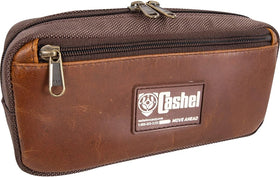
Cashel Saddle Bag with Bottle Holder - Medium, 8"W x 8"H x 4-1/2"D - Insulated Trail Gear - 600D
$59.49
Shop Now →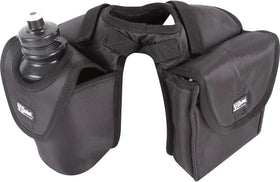
How to Find the Perfect Saddle Bag Fit
Selecting the right size and fit for your saddle bags is essential for both safety and comfort, whether you ride horses or motorcycles. Properly sized saddle bags not only improve your experience but also help protect your gear and your ride. Let us explore the steps to ensure you choose the most compatible and comfortable saddle bags for your needs.
Step-by-Step: How to Measure for Your Bag
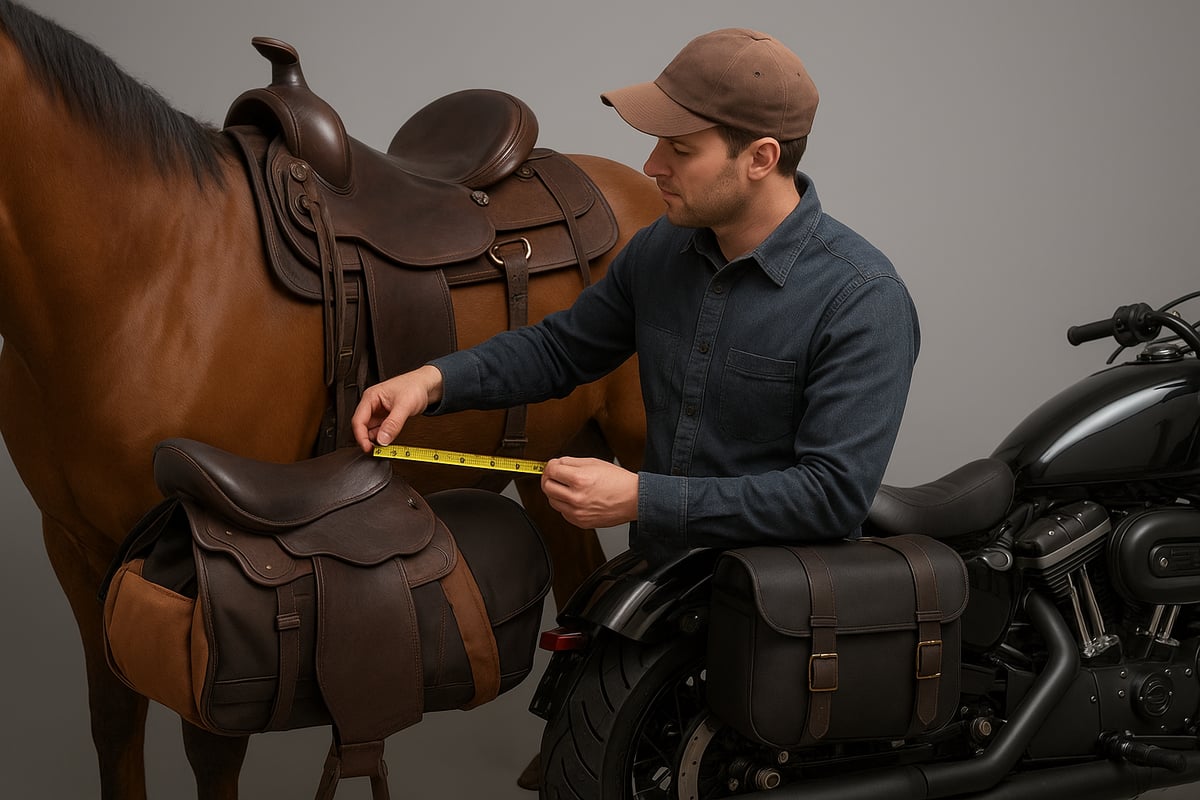
Accurate measurements are the foundation of selecting saddle bags that fit well. For equestrian use, start by measuring the width of your saddle’s rear, the seat length, and the available space behind the cantle. These dimensions determine how large your saddle bags can be without interfering with your riding or your horse’s movement.
For motorcycles, examine the distance between the rear fender and the exhaust, as well as the space near shock absorbers and turn signals. Always consult your bike’s fitment guide, and consider using manufacturer resources like the Leatherworks Inc. fitment PDF. Taking these steps ensures your saddle bags will fit securely and safely.
How Big Should Your Saddle Bag Be?
Choosing the right size of saddle bags depends on what you plan to carry. For day rides or short commutes, a compact 10-liter pair is often sufficient for essentials like tools, snacks, and a first-aid kit. For multi-day touring or trail riding, larger options of 20 liters or more provide ample space for clothing, gear, and emergency supplies.
Estimate your storage needs by laying out the items you typically bring and comparing them to the interior dimensions of available saddle bags. Many brands offer capacity charts to help you visualize your packing options, making it easier to avoid over- or under-sizing.
Will It Fit Your Horse or Motorcycle?
Not all saddle bags are universally compatible, so it is important to match your bags to your riding style and equipment. Western saddles often accommodate larger, rear-mounted bags, while English saddles may require more streamlined, pommel or cantle bags. Motorcycle riders should verify fitment with both OEM and aftermarket seat configurations, ensuring no interference with suspension or passenger seating.
If you are comparing different equestrian options, browsing English equestrian essentials can help you identify which saddle bags work best for your tack. Adjustable straps and universal mounting systems also enhance compatibility, providing flexibility if you use multiple saddles or bikes.
How to Properly Balance Your Saddle Bag
Balanced weight distribution is crucial for safe riding, whether on horseback or on two wheels. Overloading one side or exceeding recommended weight limits can cause instability, discomfort, or even accidents. Always pack your saddle bags evenly, distributing heavy items between both sides.
On horses, improper balance may lead to shifting loads, causing chafing or affecting the animal’s gait. For motorcycles, uneven weight can impact handling, especially at higher speeds or during turns. Regularly check your saddle bags to ensure they remain balanced and secure throughout your journey.
Choosing a Saddle Bag for Your Horse
When fitting saddle bags for horses, focus on preventing chafing and pressure points. Choose bags with padded panels or ergonomic designs that contour to your horse’s back. Ensure the bags do not extend beyond the saddle’s edge, which can cause rubbing against the flanks.
Look for saddle bags with secure, adjustable straps that keep the load stable, even on rough trails. Some models feature quick-release buckles for easy removal, reducing the risk of tangling or entanglement if your horse moves suddenly.
Matching the Bag to Your Tack
The single most important step in choosing a saddle bag is ensuring it’s compatible with your specific horse tack. Not all bags are created equal, and a poor fit can lead to discomfort for your horse and an unstable load for you. Western saddles, for example, are built to handle larger, rear-mounted bags that are perfect for packing gear on long trail rides. In contrast, the streamlined design of an English saddle calls for a more compact pommel or cantle bag that won’t get in the way of your ride. Ultimately, the right fit means finding a bag that stays secure, prevents chafing, and allows your horse to move freely and comfortably on any terrain.
Finding the Right Saddle Bag for Your Bike
For motorcycle riders, clearance is key. Make sure your saddle bags do not obstruct the suspension’s movement or interfere with footpegs, turn signals, or exhaust pipes. ABS plastic reinforcement, as used by Leatherworks Inc., helps maintain the bag’s shape and prevents sagging over time.
Comfort is also important for passengers, so select saddle bags that provide enough space for legs and avoid obstructing access to other components. Test fit your bags before riding, checking for stability and ease of access while on the road.
Unique Features of Bicycle Saddle Bags
While traditionally for horses and motorcycles, the saddle bag concept has also been adapted for cyclists. Bicycle saddle bags offer a streamlined way to carry essentials without needing a bulky rack. One of the most popular designs is the Rolltop Saddlebag, which is highly adaptable and attaches securely right under your seat. Its rolltop closure is a key feature, allowing you to adjust the bag’s size based on what you need to carry—it can be compact for a short ride or expand to hold a surprising amount of gear for a longer adventure. Even when packed full, these bags are designed to stay put, using a strong cam lock buckle and a sturdy strap around the seatpost to prevent any swaying or shifting while you ride.
How to Secure a Bike Saddle Bag
Properly installing your bike saddle bag is just as important as choosing the right one, as it safeguards both your gear and your ride. Modern designs prioritize security with robust mounting systems designed to prevent any shifting, even on bumpy terrain. To get the most secure fit, always start with the manufacturer’s instructions. They provide specific guidance tailored to that bag’s design and attachment points. Taking a few extra minutes to follow the fitment guide ensures your bag is attached correctly, giving you peace of mind so you can focus on the road ahead. A secure bag means your belongings are safe and your bike’s handling remains stable and predictable.
Fit Examples from Real Riders
Brands like Outfitters Supply design rear saddle bags specifically to enhance trail balance and comfort for horses. Their products are tested for durability and fit, ensuring reliable performance on long rides. For motorcycle enthusiasts, Leatherworks Inc. offers multiple installation methods, allowing you to adapt your saddle bags to various models and riding styles.
By carefully considering fit, compatibility, and your unique riding needs, you will find saddle bags that offer both practicality and peace of mind, no matter where your adventures take you.
Essential Features to Look For in a Saddle Bag
Choosing the right saddle bags is about more than just capacity or fit. Riders and motorcyclists increasingly seek options that reflect their personal style, meet their travel needs, and offer practical features. In 2025, a wave of new designs and features is transforming how enthusiasts select and use saddle bags.
From Classic to Modern: Finding Your Look
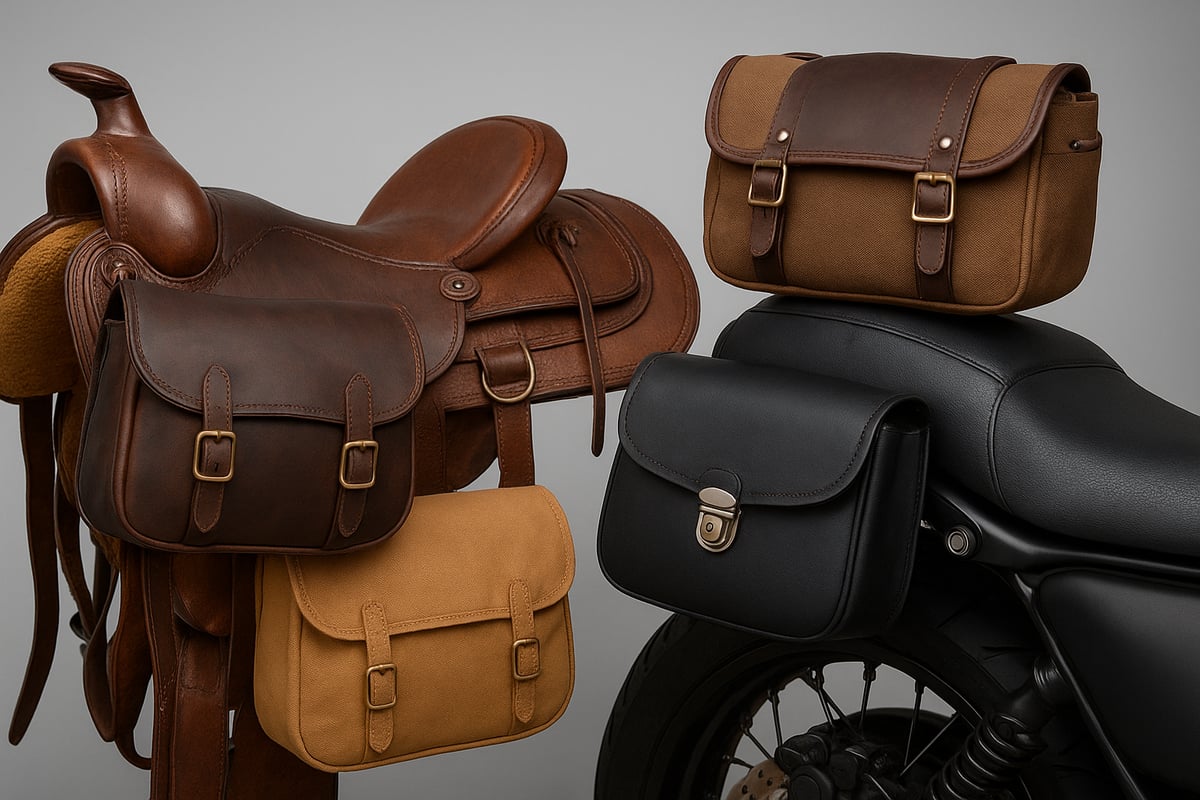
Saddle bags now come in a wide spectrum of designs, from Old West leather classics to sleek, minimalist shapes. Riders can choose between retro angled bags, modern tactical styles, or understated options with subtle lines.
Color selection plays a significant role, with choices expanding beyond traditional browns and blacks to include grays, greens, and even custom hues. Decorative stitching, metal studs, and engraved hardware are increasingly popular for those seeking a unique look. Whether you want your saddle bags to make a statement or blend in, today's market offers an array of aesthetic possibilities.
Must-Have Features for Every Rider
Modern saddle bags are defined by their practical features. Quick-release buckles allow for effortless access, while lockable flaps enhance security during stops. Internal dividers help riders organize tools, electronics, and personal items.
Waterproof liners protect contents from the elements. Many models include carrying handles, external pockets for easy access, and modular add-ons that attach extra storage. For example, Leatherworks Inc. integrates quick-release buckles and handles into every model, making saddle bags more convenient than ever.
Locks, Latches, and Weatherproofing
Security is crucial when selecting saddle bags. Locking mechanisms safeguard valuables, especially on longer journeys or in urban environments. Water-resistant treatments are now standard on premium bags, shielding gear from rain, mud, and dust.
Reinforced seams and ABS plastic panels prevent sagging, maintaining the bag's shape and durability. Riders should always verify that saddle bags include these protective features to ensure longevity and peace of mind.
How to Personalize Your Saddle Bag
Personalization is a growing trend. Many manufacturers offer custom embossing, allowing riders to add names, logos, or unique patterns. Custom sizing ensures saddle bags fit perfectly, regardless of saddle or bike model.
Color requests are increasingly common, and matching seat or bag sets are available for a coordinated look. Custom galleries display previous projects, giving riders inspiration for their own one-of-a-kind saddle bags.
Making Sure Your Gear Works Together
Effective integration with other gear is essential. Saddle bags are often paired with tool bags, windshield bags, or luggage racks for expanded storage. Both Outfitters Supply and Leatherworks Inc. offer accessory lines designed to complement their saddle bags, making it easy for users to build a cohesive kit.
Compatibility with modular systems allows for future expansion, ensuring that your setup can evolve as your needs change.
Current and Upcoming Style Trends
Looking ahead, the demand for eco-friendly, vegan, or hybrid materials is rapidly increasing. Modular and multi-use designs are also on the rise, with more riders seeking quick-mount and removable systems for added flexibility.
According to the Global Bike Saddle Bags Market Forecast, the market is expected to see significant growth driven by these innovations and changing consumer preferences. Expect to see more sustainable materials and convenient, user-focused features in new saddle bags releases.
How to Choose Between Style and Function
Finding the right balance between style and practicality is key. Consider how often you ride, the typical conditions, and your storage requirements. Aesthetic choices should align with functional needs, ensuring your saddle bags not only look great but also perform reliably.
Whether you prioritize vintage charm, modern lines, or advanced features, today's saddle bags make it possible to enjoy both form and function.
How to Install and Maintain Your Saddle Bag
Proper installation and regular maintenance are essential for ensuring your saddle bags deliver years of reliable service. Whether you ride horseback or motorcycle, correct setup and attentive care will maximize performance, safety, and lifespan. Let’s break down the process step by step.
Your Step-by-Step Installation Guide
Begin by reviewing your saddle bags’ manufacturer instructions. For horseback use, place the bags evenly over the saddle’s rear or pommel, ensuring straps rest flat and do not interfere with the horse’s movement. Secure all straps firmly, checking for even weight distribution.
On motorcycles, position the saddle bags with adequate clearance from the exhaust, shocks, and turn signals. Use provided mounting brackets or straps, tightening until the bags are stable but not overcompressed. Most modern motorcycle bags offer multiple mounting options for flexibility.
After installation, gently shake the bags to ensure they do not shift during movement. For more details on gear and accessories, explore the Western riding gear collection.
Common Installation Mistakes (And How to Fix Them)
Avoid these frequent errors when fitting saddle bags:
- Over-tightening straps, which can damage leather or mounting points
- Incorrect strap routing, leading to uneven balance or interference
- Ignoring manufacturer fitment guides, risking poor fit or instability
Improper installation may cause sagging, loss of gear, or even accidents. Always double-check that all fasteners are secure and that the bags do not hinder rider or passenger comfort.
Caring for Leather, Canvas, and Synthetic Bags
Caring for saddle bags depends on their material. Clean leather bags with a damp cloth, then apply conditioner to maintain suppleness and prevent cracking. For canvas, brush off dirt and wash with mild soap as needed. Synthetics require spot cleaning and occasional UV protectant to prevent fading.
Waterproofing treatments are recommended for all types, especially before exposure to rain or mud. Regular maintenance prevents premature wear and preserves both function and appearance.
How to Prep Your Bag for Any Season
Seasonal changes demand special attention for saddle bags. Before wet or muddy seasons, apply water repellent and check seams for leaks. In dusty or dry climates, clean bags more frequently to avoid abrasive buildup.
For off-season storage, empty the bags, clean thoroughly, and store them in a cool, dry place out of direct sunlight. This helps prevent mold, mildew, and material deterioration.
Quick Fixes for Common Saddle Bag Problems
Inspect your saddle bags regularly for signs of wear. Tighten any loose straps or buckles. Small holes or tears in canvas or synthetics can often be patched with repair kits, while leather may need professional attention for significant damage.
Replace worn hardware—such as snaps, buckles, or mounting brackets—promptly to maintain security. If in doubt, consult the manufacturer or a professional repair service for advice.
Expert Tips to Make Your Saddle Bag Last
To maximize the lifespan of your saddle bags, rotate their use if possible and avoid overloading them. Regularly inspect all seams, closures, and mounting points. Experts recommend keeping the bags clean, conditioned, and properly mounted at all times.
Data shows that proper care can double or even triple the useful life of quality saddle bags, making maintenance a sound investment for any rider.
Your Pre-Ride Saddle Bag Safety Checklist
Before each outing, run through a safety checklist:
- Confirm all straps and buckles are secure
- Ensure bags are balanced and do not shift
- Check for signs of wear or damage
- Test that closures and locks function properly
This routine protects both rider and gear, ensuring that saddle bags remain a dependable part of your journey.
Our Top Saddle Bag Picks and Recommendations
Choosing the best saddle bags in 2025 means balancing quality, fit, and innovation. With so many options, expert insights can help you find the perfect match for your riding style and needs. Here, we break down leading picks, materials, sizing, and buying tips so you can make a confident decision.
Our Favorite Saddle Bags for Equestrians
When selecting saddle bags for horses, consider whether rear or pommel/horn bags best suit your riding style. Rear bags offer more storage for long trail rides, while pommel or horn bags are ideal for quick access to essentials. Outfitters Supply stands out with their Old West Leather, Canvas Trail, and English-style models, each designed for durability and secure closures. Look for handmade quality, padded panels, and water-resistant finishes. For a range of options that complement your gear, check out Stable and trail supplies for practical accessories to pair with your saddle bags.
Durable and Practical Bags for Trail Riding
For a day out on the trails, your saddle bags are your best friend. They need to be tough enough to handle branches and weather, yet practical enough to keep your essentials organized and within reach. Rear saddle bags are the most popular choice for trail riding, and for good reason. They offer generous compartments perfect for stowing everything from a hoof pick and first-aid kit to your lunch and a water bottle. More importantly, they are designed to distribute weight evenly across your horse’s back, which is essential for maintaining balance and comfort during a long ride.
When it comes to materials, you have a couple of great options. Leather is the classic choice, known for its incredible durability and timeless look that only gets better with age. It’s a true investment piece. On the other hand, canvas bags are a fantastic alternative. They are lightweight, flexible, and generally more affordable, making them a favorite for riders who want practicality without the extra weight. While they may need a waterproofing treatment now and then, their ease of use is hard to beat. You can find a variety of styles in our horse tack collection that fit different needs and budgets.
Beyond the material, look for a few key features that make a real difference on the trail. Reinforced seams ensure your bag can handle the stress of a full load on uneven terrain. Secure closures, like sturdy buckles or zippers, keep your gear from spilling out. Water-resistant finishes are a must for protecting your belongings from unexpected downpours. Finally, padded panels can help prevent rubbing and pressure points, ensuring your horse stays just as comfortable as you are throughout your adventure.
Top-Rated Saddle Bags for Motorcyclists
Motorcycle riders can choose from throw-over, hard-mount, or solo saddle bags, each offering unique installation and storage benefits. Leatherworks Inc. leads with top picks like the Pony Express, Classic, Retro Slight Angle, Economy, and Deluxe Wide Angle models. These saddle bags feature ABS reinforcement for structure, quick-release buckles, and water resistance to handle all weather conditions. Consider your bike’s fitment and choose bags with adjustable straps for the best combination of style and practicality.
Which Material Is Best for Your Riding Style?
Material selection impacts both durability and aesthetics. Leather saddle bags provide a timeless look and can last a decade or more with care, making them ideal for riders who value longevity. Canvas bags are lightweight and easy to maintain, perfect for day trips. Synthetics offer weatherproofing and color options, appealing to those who ride in variable conditions. Riders who have switched materials often find that the right choice depends on their storage needs and climate.
New and Innovative Features to Watch For
The saddle bags market is evolving rapidly. Modular, expandable designs and eco-friendly materials are gaining traction, while integrated security features like RFID protection are becoming standard. Vegan leather and recycled canvas options are more widely available, appealing to environmentally conscious riders. For a deeper dive into market trends and innovations, consult the Saddle Bag Market Research Report 2033 for expert forecasts and competitive insights.
Finding the Best Saddle Bag for Your Budget
Your budget plays a major role in selecting saddle bags. Entry-level canvas options typically range from $150 to $200, offering solid performance for casual riders. Premium leather motorcycle bags, such as those from Leatherworks Inc., start around $330 and can exceed $550 for deluxe models. Assess your riding frequency and storage requirements before investing. Often, spending more upfront on high-quality saddle bags pays off with years of reliable use.
What Influences the Cost of a Saddle Bag?
The price of a saddle bag is determined by a blend of material quality, craftsmanship, and included features. The most significant factor is the material itself. Premium leather bags command a higher price, often starting around $330, because they offer exceptional durability and a classic aesthetic that can last for over a decade with proper care. This makes them a worthwhile investment for serious, frequent riders. In contrast, high-quality canvas or synthetic bags are more budget-friendly, typically ranging from $150 to $250. These options provide a lightweight and low-maintenance alternative perfect for casual trail rides or equestrians who ride in unpredictable weather.
Beyond the raw materials, craftsmanship plays a huge role. A handmade bag with reinforced stitching and quality hardware reflects a higher level of skill and attention to detail, which adds to its cost but also its longevity. Investing in well-made horse tack ensures you get a product built to last. Finally, innovative features like quick-release buckles, waterproof liners, lockable closures, and custom designs also contribute to the final price. The more specialized and convenient the features, the more you can expect to invest in your gear.
Sizing Guides for Different Riding Styles
Proper sizing ensures comfort and functionality. For trail riding, larger rear saddle bags provide ample space for gear and supplies. Daily commuters may prefer compact designs that do not interfere with riding posture. Long tours require expanded volume, while hunters and campers benefit from modular or pack-style bags. Real-world examples show that matching saddle bags to your primary activity maximizes convenience and safety.
Where to Buy Your Next Saddle Bag
Purchasing saddle bags from reputable retailers ensures product quality and after-sales support. Look for dealers who offer clear return policies and comprehensive fitment guides. Outfitters Supply and Leatherworks Inc. are trusted sources known for their craftsmanship and customer service. Always verify compatibility with your saddle or motorcycle model before purchasing to avoid installation issues.
Final Advice from Seasoned Riders
Experienced riders recommend balancing style, fit, and practicality when choosing saddle bags. Maintenance hacks include regular cleaning and conditioning for leather, and rotating bags to extend lifespan. Installation shortcuts, such as using universal mounting systems, can save time. Must-have accessories for 2025 include modular add-ons and quick-release features, allowing you to adapt your saddle bags to any adventure.
After exploring the many styles, materials, and fit considerations in this guide, you now have a clear path to selecting the perfect saddle bag for your riding adventures. Whether you’re prioritizing durability, style, or versatility, investing in the right gear can make every ride smoother and more enjoyable. At Hooves and Paws, you’ll find a trusted selection of quality saddle bags backed by free US shipping and flexible payment options, so it’s easy to choose with confidence. If you’re ready to upgrade your setup, take the next step and Buy Now.
Frequently Asked Questions
Should I get a horn bag or a larger rear saddle bag? This really comes down to what you need to carry and how you ride. Horn bags are perfect for keeping small essentials like your phone, keys, or a snack right in front of you for easy access. They’re great for shorter rides or for items you need to grab without turning around. Rear saddle bags are the workhorses for longer trail rides, giving you the space for a lunch, a first-aid kit, and extra layers. Many riders I know actually use both to keep things organized.
What's the best way to pack my saddle bags so they don't shift around? The key to a stable load is even weight distribution. Try to pack items of similar weight on each side to keep the bags balanced. It helps to place heavier things, like water bottles, at the bottom and centered. Before you tighten the straps, press down on both bags to make sure they feel roughly equal. An unbalanced bag can be uncomfortable for your horse and annoying for you, so it’s worth taking an extra minute to get it right.
My rides often get caught in the rain. What material should I look for? If you frequently ride in wet weather, you’ll want a material that can handle moisture. Modern synthetic fabrics like nylon are an excellent choice because they are naturally water-resistant and very easy to clean. While classic leather is incredibly durable and can withstand the elements, it does require regular conditioning to keep it from drying out or getting damaged by water. Canvas is a great lightweight option, but you’ll want to make sure it has a water-repellent finish or treat it with one yourself.
How do I figure out the right size bag without buying something too big or too small? A great way to estimate the size you need is to gather everything you typically take on a ride. Lay it all out on the floor to get a visual sense of the volume. This will help you decide if a smaller set of bags for essentials will do, or if you need a larger capacity for all-day adventures. It’s usually better to have a little extra space than to find yourself trying to cram everything into a bag that’s just too small.
I'm worried about getting the fit right. How can I be sure a bag will work with my specific saddle? Making sure your bag is compatible with your saddle is the most important step. The main thing to consider is whether you have a Western or English saddle, as they require different types of bags. For Western saddles, measure the area behind your cantle to see how much space you have. For any saddle, look for bags with plenty of adjustable straps, as this gives you the flexibility to create a snug and secure fit that prevents rubbing and keeps your horse comfortable.
Key Takeaways
- Fit is everything, so match the bag to your ride: The right style—whether for a Western saddle or a touring motorcycle—is essential for ensuring a secure, balanced load that keeps both you and your animal or bike safe and comfortable.
- Choose a material based on your needs and budget: Leather is a durable, long-term investment that requires upkeep, while canvas and synthetics offer lightweight, weather-resistant, and affordable alternatives for more casual or all-weather riding.
- Prioritize practical features and proper maintenance: Look for details like reinforced seams, secure closures, and water-resistant finishes, and remember that regular cleaning and care will dramatically extend the life of any saddle bag.


