


An overreach injury can happen in a split second, leading to frustrating setbacks and unexpected vet bills. We invest so much in our horses' health, and preventing these common injuries is a top priority. That's where a solid pair of overreach boots for horses becomes essential. Think of them as crucial insurance for your horse's sensitive heels and coronary bands. This guide cuts through the noise, reviewing the top boots available. We'll compare durability, fit, and real user experiences to help you confidently choose the best protection for your partner.
What Are Overreach Boots and Does Your Horse Need Them?
Protecting your horse’s hooves is a top priority in equine care. Overreach boots play a vital role in safeguarding against preventable injuries that can sideline horses and create costly setbacks. Understanding the value of overreach boots is key to keeping your horse sound, whether you ride for sport or pleasure.
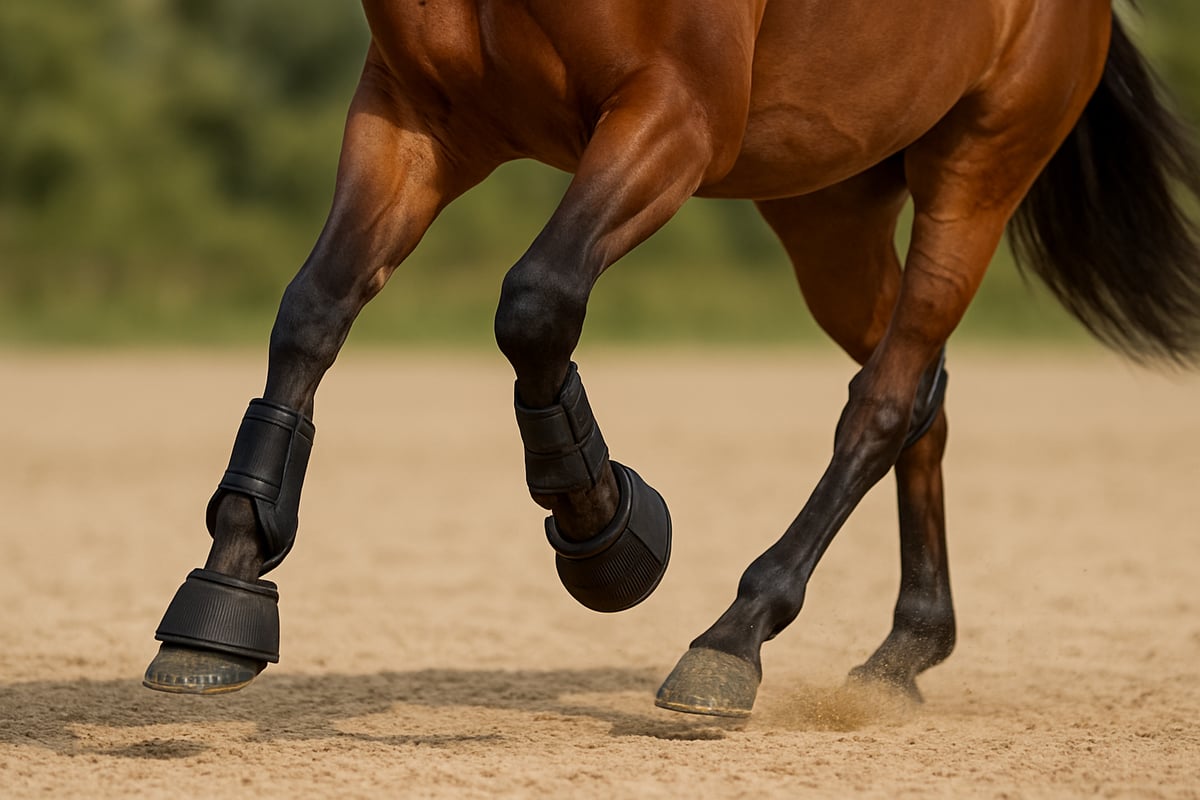
First Things First: What Are Overreach Boots?
Overreach boots are specially designed pieces of protective gear that fit around a horse’s pastern and cover the bulbs of the heels. Their main function is to shield the delicate heel area from injuries caused by the hind hooves striking the front hooves, a problem known as “overreaching.” This type of contact can result in cuts, bruises, and even loss of horseshoes.
These boots are commonly used in a variety of disciplines, from show jumping to trail riding. Horses with energetic gaits or those working on uneven ground are particularly prone to overreaching. Overreach boots offer a simple yet effective solution by providing a physical barrier that absorbs impact and prevents direct contact.
How Overreach Boots Protect Your Horse
The most common injuries that overreach boots prevent include heel bulb lacerations, bruising, and accidental shoe loss. Such injuries can lead to lameness, infection, and time out of work. According to Horse-Related Injuries, protective equipment like overreach boots can significantly reduce the risk and severity of these incidents.
Jumpers, eventers, and endurance horses benefit the most, but even horses turned out in a paddock can suffer from overreaching. Overreach boots are also helpful for horses with corrective shoeing or those recovering from previous injuries.
Materials Comparison Table
| Material | Pros | Cons |
|---|---|---|
| Neoprene | Cushioned, flexible, water-resistant | Can retain heat, may rub if not fitted well |
| Rubber | Durable, easy to clean, affordable | Less breathable, can be stiff |
| Ballistic Nylon | Extremely tough, resists tears | Bulkier, often pricier |
Each material offers distinct benefits. Neoprene is popular for comfort, while thick rubber excels in everyday durability. Ballistic nylon provides extra protection for high-impact disciplines.
Compared to splint boots or brushing boots, overreach boots specifically protect the heels and shoes rather than the cannon bone or fetlock. Many riders use them in tandem for comprehensive coverage.
When to Use Overreach Boots
Protecting Against Interference and Brushing
Deciding when to use overreach boots goes beyond just preventing classic overreaches. These boots, sometimes called bell boots, serve as a crucial barrier against general interference and brushing, where a hoof accidentally strikes the opposite leg. They cover the delicate heel bulbs and pastern area, absorbing impact from misplaced steps during training, turnout, or even a relaxing trail ride. Think of them as an essential piece of protective horse tack that shields your horse from self-inflicted nicks, cuts, and bruises. Using them consistently in situations with a higher risk of contact provides simple, effective insurance against injuries that could otherwise lead to lameness and lengthy recovery times.
Identifying At-Risk Horses
Certain horses are naturally more prone to overreaching, and identifying these risk factors can help you stay ahead of potential injuries. Horses with naturally energetic or long gaits, as well as those who frequently work on uneven or challenging terrain, are prime candidates for wearing overreach boots. Disciplines like jumping, eventing, and endurance riding put extra stress on a horse’s coordination, making boots a near necessity. However, the need isn’t limited to high-performance athletes. Even a horse turned out in a paddock can take a bad step. Boots are also highly recommended for horses with corrective shoeing or those recovering from a previous injury, as they provide an extra layer of security. According to equine health experts, these boots are a simple and effective tool for preventing hoof injuries in these higher-risk situations.
From Simple Rubber to High-Tech Gear
Overreach boots have evolved from simple rubber rings to advanced, anatomical designs. Modern boots feature anti-spin knobs, contoured shapes, and reinforced strike zones for targeted protection. Innovations in closure systems, such as double Velcro or pull-on styles, have improved both security and ease of use.
Real-world scenarios highlight their value: a galloping horse loses its shoe without overreach boots, causing a hoof injury that requires weeks of rest. With overreach boots, that risk is greatly minimized.
Today’s overreach boots blend technology, comfort, and style, making them an essential piece of equipment for every equestrian’s toolkit.
A Look at Common and Advanced Materials
The material of an overreach boot directly impacts its performance, comfort, and durability. Neoprene is a popular choice because it’s cushioned, flexible, and water-resistant, making it comfortable for everyday wear. However, it can sometimes trap heat and might cause rubbing if the fit isn't perfect. For a tough, no-fuss option, rubber is a classic. It’s affordable, incredibly durable, and easy to hose off after a muddy ride, though it can be a bit stiff and isn't as breathable. If your horse is in a high-impact discipline like jumping or cross-country, ballistic nylon offers superior tear resistance and protection. While it's often bulkier and comes with a higher price tag, the added security is worth it for demanding activities. Choosing the right material from our horse tack collection depends on your horse's specific needs and your riding style.
Specialty Boots for Visibility and Recovery
Beyond basic protection, many overreach boots come with specialized features to meet specific needs. For riders who turn their horses out in the early morning or late evening, boots with reflective strips are a fantastic safety feature, making your horse more visible in low-light conditions. There are also therapeutic boots designed to aid in recovery from hoof or tendon injuries by providing targeted support during rehabilitation. Modern designs have also introduced clever innovations like anti-spin knobs that prevent the boot from rotating out of place and contoured shapes that offer a more anatomical and secure fit. These thoughtful details ensure the boots are not only functional but also comfortable, providing reliable protection that stays exactly where it needs to be. You can find many of these advanced options among our best-selling products trusted by fellow equestrians.
Your Guide to Choosing the Right Overreach Boots
Selecting the right overreach boots is more than just picking a style—it is about safeguarding your horse’s comfort, performance, and long-term hoof health. The market offers a variety of choices, so knowing what to look for is essential. Considerations such as fit, materials, closure style, and intended use all play a vital role in making an informed decision. Protective gear like overreach boots is a cornerstone of equine safety, as highlighted by resources like Equestrian Activities: Manage the Risks.
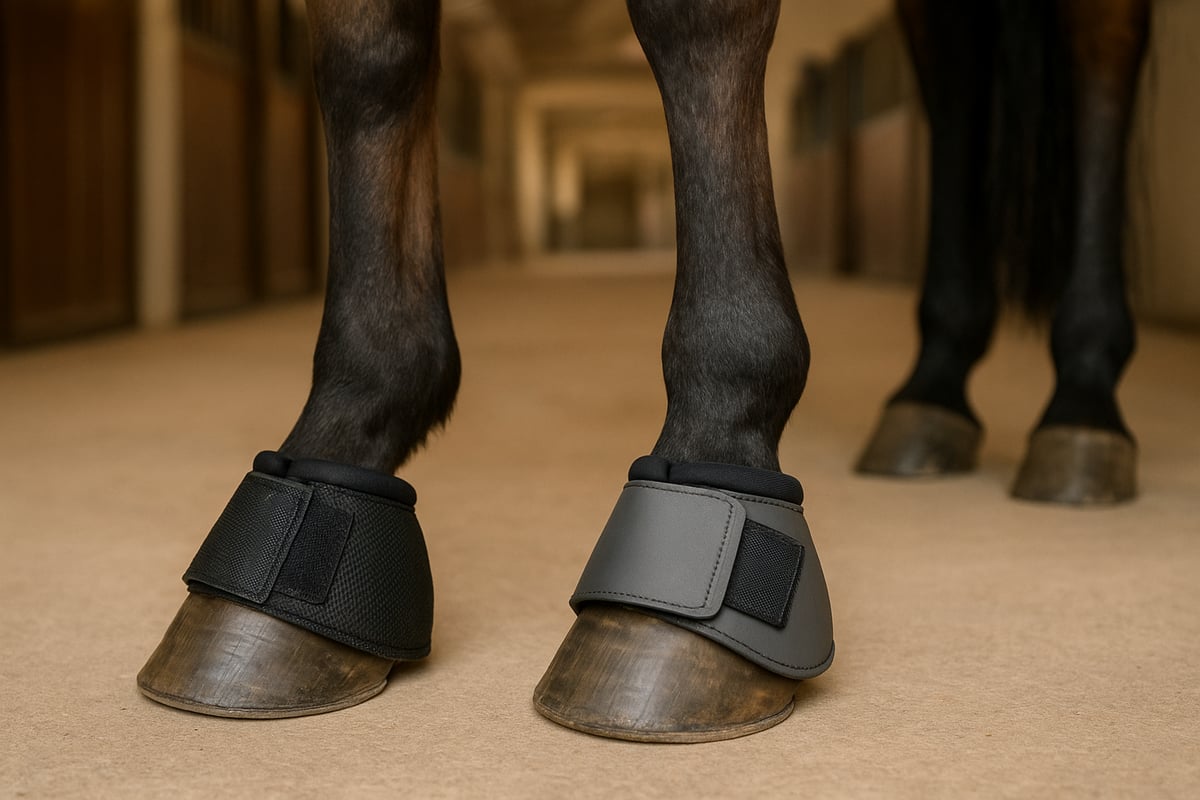
What to Look For: Fit, Material, and Closures
Fit is the foundation of effective overreach boots. A boot that is too loose can slip or twist, while a tight fit may cause rubbing or sores. Materials such as neoprene, rubber, and ballistic nylon each offer different advantages. Neoprene provides cushioning and shock absorption, rubber excels in durability and water resistance, and ballistic nylon is prized for its toughness.
Closure type is another critical feature. Pull-on styles offer security but can be tough to apply, especially for sensitive horses. Velcro or hook-and-loop closures are user-friendly and adjustable, making them popular for daily use. The right closure ensures the overreach boots stay in place during activity or turnout.
Measuring Your Horse for a Perfect Fit
Proper sizing is crucial for optimal protection and comfort. Measure your horse’s hoof diameter and heel bulb height before purchasing. Refer to manufacturer sizing charts, and if your horse falls between sizes, opt for the larger one to prevent chafing. Avoid guessing—ill-fitting overreach boots can cause discomfort or even impede movement.
Common mistakes include overlooking breed-specific hoof shapes or buying without measuring after recent shoeing. Always try new boots before competition to ensure a good fit. Sizing errors are a leading cause of poor performance and boot loss.
The One-Finger Rule and Proper Length
A proper fit is everything when it comes to overreach boots. The most reliable guideline is the "one-finger rule." Once the boot is on, you should be able to slide one small finger between the top of the boot and your horse’s pastern. It should feel snug all the way around, but not tight enough to restrict circulation or cause rubbing. If you can fit more than one finger, the boot is too loose and will likely spin or get filled with debris. In terms of length, the boot must be long enough to cover the entire heel bulb, extending down to the ground. This ensures it can absorb the impact from a hind hoof before it strikes the sensitive heel or pulls a shoe.
How to Put Boots On Correctly
Applying overreach boots correctly ensures they stay put and do their job. Always start by cleaning your horse’s hoof and pastern to remove any dirt or grit that could cause irritation. For pull-on boots, the easiest method is to turn them completely inside out, slide the narrow opening over your horse’s toe, and then simply roll the boot up and over the heel into the correct position. If you're using boots with Velcro or other fasteners, place the open boot around the pastern, making sure it covers the heel bulbs, and then secure the closures. The fasteners should be snug enough to prevent the boot from spinning excessively.
The Post-Fit Check
Once the boots are on, your job isn't quite done. A quick check in motion is the best way to confirm a good fit. Hand-walk your horse and then ask them to trot a few steps so you can observe how the boots behave. Watch to see if they stay in place or if they spin around the hoof. A little bit of movement is normal, but excessive spinning means the fit is too loose. Also, check that the boots don't slide up the pastern or interfere with your horse's natural movement. This final check ensures your horse is comfortable and the boots are positioned to offer maximum protection for all your equine adventures.
Pull-On vs. Velcro: Which Style Is Best?
Traditional overreach boots are often simple rubber bells, while modern designs feature anatomical shaping, anti-spin knobs, and reinforced strike zones. Anatomical shaping hugs the contours of the hoof for a secure fit, reducing the risk of spinning. Anti-spin features are especially valuable for horses prone to twisting their boots during work.
Modern overreach boots may also include shock-absorbing liners or vented shells, providing additional protection and comfort. While traditional styles remain popular for their simplicity and affordability, modern options offer tailored solutions for today’s varied equestrian disciplines.
Matching Boots to Your Riding Discipline
Different equestrian sports place unique demands on overreach boots. Jumpers and eventers benefit from reinforced, shock-absorbing materials to withstand intense impact. Dressage horses may need lighter, more flexible boots that allow for precise movement. Trail riders and turnout situations often call for waterproof, highly durable options.
Consider your horse’s workload and discipline when choosing overreach boots. For instance, a boot suited for daily turnout may not suffice for the rigors of cross-country or barrel racing. Selecting the right boot ensures both safety and performance.
Pro Tips for Picking a Lasting Pair
Ease of cleaning and maintenance is a practical factor. Neoprene and rubber boots can be rinsed and air-dried, while nylon may require gentle brushing to remove debris. Regularly inspect overreach boots for wear, tears, or loss of structure. Rotate pairs to extend lifespan and prevent premature wear.
Professional riders and veterinarians recommend checking boots before and after each ride. Ignoring maintenance can lead to slipping, rubbing, or loss of protection. With proper care, overreach boots remain a cost-effective investment in your horse’s safety and comfort.
Understanding the Market and Brand Warranties
The market for overreach boots has expanded, offering a huge selection for every discipline and need. While having options is fantastic, it also means you need to be a savvy shopper. A great place to start is by looking at the brand's warranty. Some top manufacturers offer a 30-day money-back guarantee or a six-month warranty, which signals confidence in their product's durability. This kind of promise offers peace of mind, and it’s why we take it a step further at Hooves and Paws with our own 365-day satisfaction guarantee. Customer ratings are another valuable tool for gauging quality. Highly-rated products usually deliver on their promises, so checking reviews helps you find boots that perform well in real-world situations. By paying attention to warranties and what other riders are saying, you can confidently select the right protective gear for your horse.
8 Tried-and-True Overreach Boots for Horses
Selecting the best overreach boots for your horse is an investment in their safety and performance. With so many options on the market, it is crucial to understand which boots deliver the best protection, comfort, and value. The following list highlights the top 8 overreach boots for horses in 2025, chosen for their durability, user satisfaction, and innovative features.
Protective equipment like overreach boots plays a pivotal role in reducing the risk of costly and disabling injuries, as highlighted by studies on equestrian injury prevention. In this section, you will find detailed reviews, pros and cons, and expert tips to help you choose the right fit for your horse.
Below is a quick comparison of the featured overreach boots:
| Product | Price | Core Material | Closure | Best For | Standout Feature |
|---|---|---|---|---|---|
| Shires Pull-On Ribbed Bell Boots | $24.99 | Rubber | Pull-On | Turnout, Everyday | Ribbed, flexible fit |
| Equinavia Toki Neoprene Overreach Boots | $30–$40 | Neoprene | Double Velcro | Competition, Sensitive Skin | Shock-absorbing neoprene |
| Weaver Prodigy Athletic Boots | $49.99 | High-density foam | Velcro | Eventing, Barrel Racing | Dynamic sling system |
| Professionals Choice Ballistic Overreach Boots | $36.99 | Ballistic nylon | Velcro | Jumping, Cross-Country | No-turn knob |
| Ovation Comfort Flex Pro Bell Boots | $29.95 | Synthetic | Hook-and-loop | Training, Sensitive Horses | Comfort collar |
| Roma Neoprene No-Turn Bell Boots | $24.99 | Neoprene | Velcro | Wet Conditions, Turnout | Water-resistant |
| Tough-1 Extreme Vented Sport Boots | $39.99 | Vented shell | Velcro | Hot Climates, Long Rides | Cooling vents |
| Horze ProBell Overreach Boots | $29.99 | Synthetic, Neoprene | Double Velcro | Schooling, Sensitive Skin | Stylish, secure fit |
Shires Pull-On Ribbed Bell Boots
Shires Pull-On Ribbed Bell Boots are a staple in the world of overreach boots. Priced at $24.99, these boots are crafted from tough, ribbed rubber, making them both durable and flexible. The pull-on design ensures a snug fit that stays in place during turnout or daily riding.
These overreach boots are ideal for horses that tend to lose boots easily, as the pull-on style reduces slippage. Their robust design also makes them a cost-effective choice for everyday use.
Key Features:
- Ribbed rubber construction for flexibility and strength
- Pull-on style for a secure, stay-put fit
- Easy to clean and maintain
Pros:
- Budget-friendly option for overreach boots
- Long-lasting with minimal maintenance
- Great for turnout and regular riding
Cons:
- Can be difficult to put on and remove, especially for sensitive horses
- Fewer color choices compared to other overreach boots
These boots are a reliable pick for horse owners who prioritize durability and value in their selection of overreach boots.
Equinavia Toki Neoprene Overreach Boots
The Equinavia Toki Neoprene Overreach Boots are designed for horses needing extra shock absorption and comfort. Retailing between $30 and $40, these overreach boots feature a soft, shock-absorbing neoprene body with a reinforced strike pad.
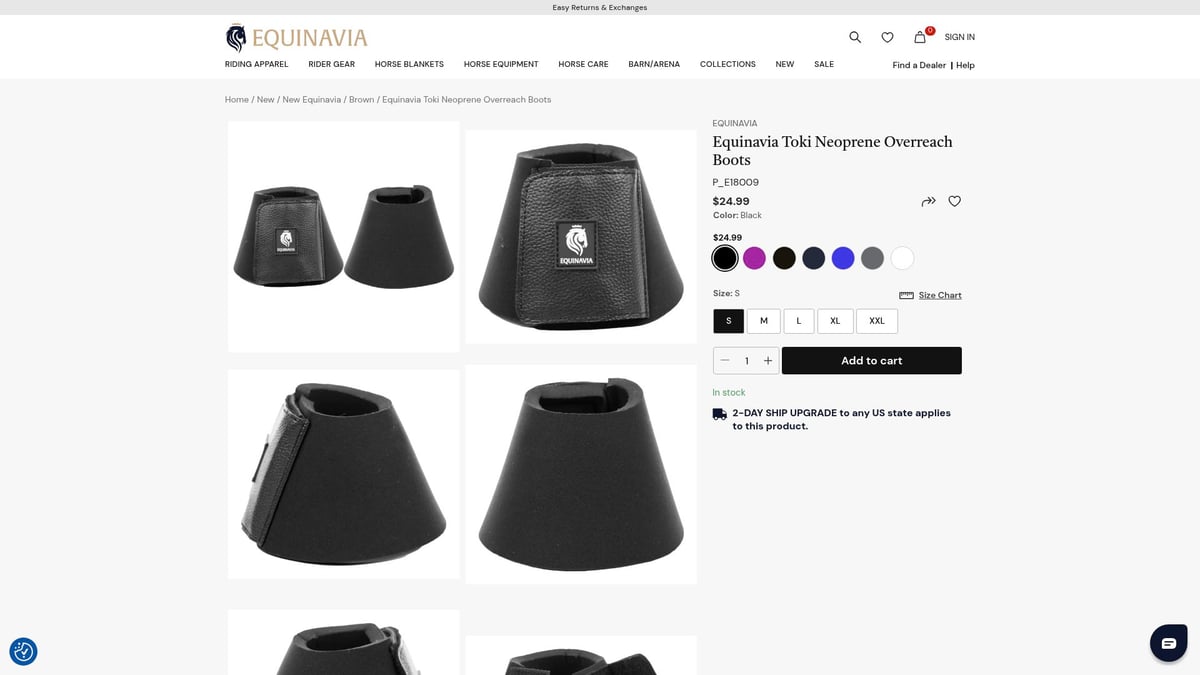
A double Velcro closure provides a secure fit, making them suitable for competition and training. The soft lining is particularly beneficial for horses with sensitive skin, reducing the risk of rubs and irritation.
Key Features:
- Shock-absorbing neoprene material
- Reinforced strike pad for added protection
- Double Velcro closure for easy application
Pros:
- Excellent protection for overreach-prone horses
- Modern, stylish design
- Soft lining prevents chafing
Cons:
- Higher price point for overreach boots in this category
- May retain moisture if used in wet environments
These overreach boots are a top choice for serious riders who want maximum comfort and secure fit for their horses.
Weaver Prodigy Athletic Boots
Weaver Prodigy Athletic Boots, priced at around $49.99 per pair, are engineered for high-performance horses. These overreach boots utilize a dynamic sling system and contoured fit to provide superior support and shock absorption.
The high-density foam construction ensures lightweight protection without sacrificing durability. These overreach boots are especially popular among eventers and barrel racers.
Key Features:
- Dynamic sling system for optimal support
- Contoured anatomical fit
- High-density foam for lightweight protection
Pros:
- Breathable and comfortable for long sessions
- Secure fit helps prevent slipping
- Durable for demanding disciplines
Cons:
- Higher price range among overreach boots
- Sizing can be challenging for some horses
If you need overreach boots that combine athletic support with comfort, this product is an excellent solution for active horses.
Professionals Choice Ballistic Overreach Boots
Professionals Choice Ballistic Overreach Boots are built for horses engaged in intense work. At around $36.99, these overreach boots feature a ballistic nylon outer layer and an ultra-shock lining for unbeatable durability.
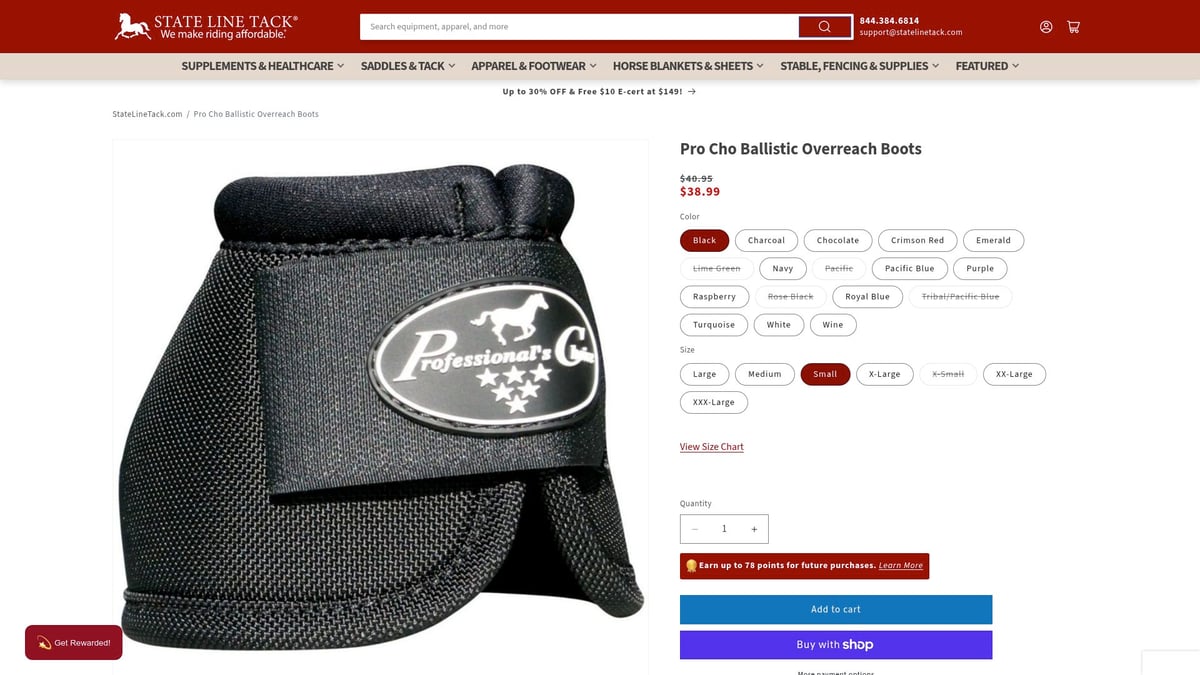
A no-turn knob prevents the boots from spinning, offering reliable heel protection during jumping or cross-country. Their sturdy construction makes them a top pick for riders demanding long-lasting overreach boots.
Key Features:
- Ballistic nylon exterior for extreme durability
- Ultra-shock lining for impact absorption
- No-turn knob for stability
Pros:
- Stays in place during vigorous activity
- Superior heel protection
- Long lifespan compared to other overreach boots
Cons:
- Premium price point
- Bulkier feel may not suit all horses
Choose these overreach boots if durability and stability are your top priorities for demanding equestrian activities.
Ovation Comfort Flex Pro Bell Boots
Ovation Comfort Flex Pro Bell Boots are a comfort-driven option in the overreach boots market. At about $29.95, they use a flexible synthetic material and feature a soft collar to minimize chafing.
The double hook-and-loop closure ensures quick application and removal. These overreach boots are well-suited for sensitive horses and daily training.
Key Features:
- Flexible synthetic construction for comfort
- Soft collar reduces the risk of rubbing
- Double hook-and-loop closure for convenience
Pros:
- Gentle on sensitive skin
- Quick and easy to put on or remove
- Good value for the price
Cons:
- May wear out faster under heavy use
- Limited size options for some horses
For riders seeking soft, easy-to-use overreach boots, this model offers comfort and practicality in everyday riding.
Roma Neoprene No-Turn Bell Boots
Roma Neoprene No-Turn Bell Boots are a practical and affordable choice for turnout and wet conditions. Priced at around $24.99, these overreach boots feature a water-resistant neoprene body and a no-turn knob to prevent rotation.
The secure Velcro closure and soft cushioning provide a reliable fit for horses that tend to twist their boots. These overreach boots are easy to clean and maintain.
Key Features:
- Water-resistant neoprene construction
- No-turn knob for stability
- Secure Velcro closure for easy use
Pros:
- Stays in place during activity
- Suitable for wet and muddy environments
- Affordable among overreach boots
Cons:
- May be less durable with prolonged use
- Basic design compared to premium models
These overreach boots are ideal for owners seeking low-maintenance protection at a reasonable price.
Tough-1 Extreme Vented Sport Boots
Tough-1 Extreme Vented Sport Boots, at about $39.99, are designed for horses working in hot climates or engaging in long rides. These overreach boots use a vented outer shell and shock-absorbing foam to enhance breathability and cooling.
The contoured fit offers all-around support, making these overreach boots a versatile choice for a range of disciplines.
Key Features:
- Vented outer shell for airflow
- Shock-absorbing foam for impact protection
- Contoured anatomical fit
Pros:
- Reduces heat buildup during intense work
- Versatile for multiple riding styles
- Provides solid support for overreach protection
Cons:
- More complex to fit correctly
- Higher price than basic overreach boots
If your horse needs cooling and comprehensive protection, these overreach boots are a smart pick for challenging environments.
Horze ProBell Overreach Boots
Horze ProBell Overreach Boots offer a blend of style, comfort, and security. At approximately $29.99, these overreach boots feature a strong synthetic outer and a soft neoprene lining for gentle contact with the horse's skin.
The double Velcro closure ensures a snug fit, making them suitable for schooling, turnout, and horses with sensitive skin.
Key Features:
- Durable synthetic exterior with soft neoprene lining
- Double Velcro closure for security
- Modern, stylish appearance
Pros:
- Gentle and comfortable fit
- Easy to care for and clean
- Attractive design for everyday use
Cons:
- Sizes may run small, requiring careful selection
- Not as robust for extreme or high-impact use
These overreach boots are perfect for riders who want both function and fashionable appearance in their horse's gear.
How to Make Your Overreach Boots Last
Proper care and maintenance are essential for getting the most out of your overreach boots. With the right approach, you can extend their lifespan, maximize their protective benefits, and ensure your horse’s comfort in every ride.
Keeping Them Clean: A Simple Routine
Keeping overreach boots clean is the first step toward longevity. For neoprene and rubber boots, rinse off dirt and debris with water after each use. Use a mild soap for stubborn grime, and avoid harsh chemicals that can degrade materials. Ballistic nylon boots benefit from gentle brushing and occasional hand washing to remove embedded dirt.
If your overreach boots get especially muddy, soak them in warm water before scrubbing. Always check the manufacturer’s cleaning recommendations, as improper products might weaken adhesives or Velcro. Regular cleaning not only keeps boots looking fresh but also prevents dirt buildup, which can cause rubbing or discomfort for your horse.
After cleaning, rinse thoroughly to remove soap residue. This simple routine helps maintain the integrity of overreach boots, ensuring they provide consistent protection during rides and turnout.
Why Clean Legs and Linings Matter
It’s easy to focus on the boot itself, but what’s underneath is just as important. Always put overreach boots on clean, dry legs to prevent grit from getting trapped, which can cause irritation and sores. If your horse wears them often, especially for turnout, make it a habit to take them off daily and inspect the skin. This simple check helps you spot potential rubs or sores early, ensuring the boots provide protection without causing unintended discomfort. A few seconds of prevention keeps your horse’s pasterns healthy and sound.
Keeping the boot linings clean is just as crucial. A quick rinse or wipe-down after each ride makes a huge difference. Over time, sweat and dirt can build up inside the boot, creating a sandpaper-like surface against your horse’s skin that can lead to painful rubs. Regular cleaning not only keeps the boots looking fresh but also prevents the dirt buildup that causes this discomfort. Taking a minute to care for your gear protects both your horse and your investment in quality tack.
The Secret to Longevity: Drying, Storing, and Inspecting
Drying overreach boots properly is crucial to prevent mold and odor. After washing, shake off excess water and hang the boots in a well-ventilated area, away from direct sunlight to avoid material breakdown. Never store damp boots in closed spaces, as this can promote bacterial growth and unpleasant smells.
For storage, keep overreach boots organized on racks or in breathable bags. This prevents deformation and allows air circulation. Regularly inspect boots for signs of wear, such as thinning material, loose stitching, or compromised closures. Damaged boots may not offer full protection and should be replaced promptly.
Check for embedded stones or debris in the lining, as these can cause sores or rubs. By making inspection a habit, you can catch issues early and keep your horse’s legs safe from preventable injury.
When to Repair vs. When to Replace
To get the most value from your overreach boots, rotate pairs if you ride frequently. This gives materials time to recover between uses, reducing premature wear. Proper sizing is vital, as ill-fitting boots are more likely to slip or cause chafing.
Professional grooms recommend a maintenance schedule based on usage: for daily riders, inspect and clean boots after each session, and perform a deeper check weekly. Replace overreach boots when you notice significant wear or loss of protective features.
Investing in care is more cost-effective than frequent replacement. Well-maintained boots not only protect your horse but also support preventive strategies, especially for novice riders who may be at higher risk for equestrian injuries. According to Equestrian injury prevention efforts need more attention to novice riders, prioritizing protective gear and diligent upkeep can reduce the likelihood of accidents and costly setbacks.
By following these best practices, you help ensure your overreach boots remain a reliable line of defense, ride after ride.
Frequently Asked Questions About Overreach Boots
Choosing the right overreach boots can raise many questions, especially with the variety of designs and materials available today. Here, we address the most common concerns to help you make informed decisions for your horse.
How do I know if my horse needs overreach boots?
If your horse tends to overreach—meaning the hind feet strike the back of the front hooves—overreach boots provide essential protection. Look for signs such as scuffed heel bulbs, lost shoes, or visible nicks after exercise. Horses in fast-paced or jumping disciplines are particularly at risk. Regularly check your horse’s hooves and heels for any new marks or injuries. Early signs may indicate a need for overreach boots.
What is the difference between bell boots and overreach boots?
Although the terms are often used interchangeably, bell boots and overreach boots serve the same protective purpose. Overreach boots is the more technical term, referring to boots designed to shield the heel bulbs and prevent overreaching injuries. Bell boots describe the bell-like shape. Both styles wrap around the pastern and hoof, but overreach boots may have added features like anti-spin knobs or reinforced strike zones.
Can overreach boots be worn all day or only during work?
Most horses wear overreach boots during exercise, turnout, or transport when the risk of injury is highest. Some owners choose to leave boots on 24/7, especially for horses that frequently pull shoes. However, continuous use can lead to moisture buildup and rubbing. Always remove boots daily to inspect for debris, skin irritation, or trapped moisture. This routine helps prevent skin problems and extends the life of your overreach boots.
What if my horse has sensitive skin or allergies?
Horses with sensitive skin may react to certain materials in overreach boots. Opt for boots with soft linings, such as fleece or high-quality neoprene, to reduce friction. If your horse develops rubs or hives, switch to hypoallergenic or natural-fiber boots. Regular cleaning and drying are also crucial. Consult your veterinarian for persistent skin issues, and rotate between different types of overreach boots to minimize irritation.
Should I choose pull-on or Velcro overreach boots?
Pull-on overreach boots offer a secure fit and are less likely to come off during turnout. However, they can be difficult to apply, especially on larger hooves. Velcro boots are easier to put on and adjust but may be more prone to coming loose. Consider your horse’s behavior, the boot’s intended use, and your convenience when choosing between pull-on and Velcro styles. Always ensure a snug, comfortable fit for any style of overreach boots.
Will overreach boots affect my horse’s movement or performance?
Properly fitted overreach boots should not interfere with your horse’s stride or gait. Ill-fitting boots, however, may cause tripping, chafing, or restricted movement. Lightweight, anatomically shaped boots are designed to minimize impact while maximizing protection. Always observe your horse’s movement after fitting new overreach boots and adjust as needed. If you notice any changes in performance, reassess the boot’s size and shape.
How do I fit overreach boots on horses with unusual hoof shapes?
Fitting overreach boots to horses with wide, narrow, or asymmetrical hooves can be challenging. Measure around the widest part of the hoof and the pastern for the most accurate sizing. Many brands offer adjustable closures or stretch materials to accommodate unique shapes. If off-the-shelf options do not work, consider custom-made overreach boots. When in doubt, consult a farrier or experienced tack fitter to ensure optimal fit and protection.
Now that you have a clear understanding of what makes overreach boots essential for your horse’s protection—and you’ve explored detailed reviews of the top options for 2025—you’re ready to make an informed choice that fits your horse’s unique needs. At Hooves and Paws, you’ll find a wide selection of quality boots, along with expert service, free US shipping, and flexible payment options to support your equestrian journey. Take the next step in keeping your horse safe and comfortable by exploring our curated collection.
Buy Now
Key Takeaways
- Think of Boots as Everyday Armor: Overreach boots are a simple, effective way to shield your horse's sensitive heels from self-inflicted strikes. Using them regularly for riding and turnout prevents common injuries that can lead to lameness and time off.
- Prioritize Fit Above All Else: A boot only works if it fits correctly. Use the "one-finger rule" to check for snugness at the pastern and make sure the boot is long enough to cover the entire heel bulb down to the ground, preventing rubs and ensuring protection.
- Choose the Right Material for the Task: Your horse's activity level dictates the best boot material. Durable rubber is ideal for turnout, cushioned neoprene works well for sensitive skin, and tough ballistic nylon is best for high-impact sports like jumping or eventing.


