


Your reins are a direct line of communication with your horse, turning subtle cues into clear requests. This makes your choice of reins incredibly important. When it comes to leather split reins with clips, the big question is convenience versus feel. While the clips make tack changes fast and easy, some riders worry the metal-on-metal contact against the bit could be distracting. Is this a valid concern for a sensitive horse, or just a matter of preference? We'll break down the pros and cons to help you find the perfect balance for your partnership.
Key Takeaways
- Split reins improve your connection: The weight and separation of quality leather reins provide clear, instant feedback, helping you develop a more responsive partnership with your horse.
- Focus on feel, function, and fit: When choosing reins, consider three key elements: supple leather for a good feel in your hands, a clip design that works for your horse's sensitivity, and the right length and width for your riding style.
- Proper care ensures safety and longevity: A simple routine of cleaning, conditioning, and correct storage will keep your leather reins strong and reliable. Always inspect them for wear before you ride to ensure they are safe.
What Are Leather Split Reins with Clips?
If you’re exploring different types of horse tack, you’ve likely come across leather split reins with clips. They’re a popular choice in the Western riding world, but what exactly sets them apart? Simply put, they combine two distinct features: the “split rein” design and the convenience of clip attachments. Understanding how each component works will help you decide if this setup is the right fit for you and your horse, ensuring clear communication and a comfortable ride. Let's break down what makes this style of rein unique.
Split Reins or Traditional Reins: What's the Difference?
Split reins are two separate straps of leather, usually around eight feet long each. This design is a staple in Western riding and is especially useful for teaching a horse to neck rein, where you guide the horse by laying a rein against its neck. Unlike a single, continuous rein, the separation and weight of split reins provide distinct cues. When you use reins made from quality leather, your horse can immediately feel the release of pressure when you give slack. This quick feedback helps them learn to be more responsive, creating a better line of communication between you and your horse. It's one of many reasons riders carefully select their horse tack.
Why Do These Reins Have Clips?
Rein clips, or snaps, are the small metal fasteners at the end of the reins that connect to the bit. Their main purpose is convenience. Clips allow you to quickly and easily swap out your reins without the fuss of unbuckling or untying leather ties. This is incredibly handy if you use different reins for different activities, like shorter ones for running events and longer split reins for training sessions. However, some riders prefer to attach their reins directly to the bit, feeling that the metal-on-metal contact from a clip can be too "loud" or distracting for a sensitive horse. It often comes down to personal preference and your horse's temperament.
Understanding Different Types of Reins
Beyond the debate over clips, the type of rein you choose plays a huge role in your ride. Different styles offer unique benefits depending on your discipline, your horse's level of training, and what feels most comfortable in your hands. Whether you're trail riding, training a young horse, or competing in the show ring, there’s a rein designed to improve communication and make your time in the saddle more effective. Understanding the function behind each design helps you make a more informed choice, ensuring you and your horse are on the same page. Let's look at a few of the most common types you'll find.
Split Reins
Split reins are two separate straps of leather, usually around eight feet long each. This design is a staple in Western riding and is especially useful for teaching a horse to neck rein, where you guide the horse by laying a rein against its neck. Unlike a single, continuous rein, the separation and weight of split reins provide distinct cues. When you use reins made from quality leather, your horse can immediately feel the release of pressure when you give slack. This quick feedback helps them learn to be more responsive, creating a better line of communication between you and your horse. It's a core piece of horse tack that directly impacts your connection.
Continuous-Loop Reins
Often called trail reins or roping reins, continuous-loop reins are exactly what they sound like: one single, connected loop. Typically made from high-quality, heavy rope, they are designed for comfort and control, making them easy to hold, shorten, and lengthen as needed. One of their biggest advantages is that you can't drop one rein and lose it on the trail, which is a huge relief for anyone who's had to dismount mid-ride to retrieve one. Most trail horses do well with a nine-foot length, though horses with longer necks might be more comfortable in a ten-foot rein. Their simplicity and security make them a favorite for riders who want a reliable, no-fuss option for long rides.
Mecate and Romal Reins
Mecate and romal reins are more specialized options rooted in vaquero tradition. A mecate is a continuous-loop rein, often made of horsehair, with a long lead line attached. This clever design gives you a built-in lead, which is incredibly useful when you need to dismount on the trail or work with a young horse from the ground. Romal reins are a bit different; they consist of two connected reins with a single, long quirt or "romal" attached as an extension. This style is used on a finished horse that is highly responsive to neck reining and is always ridden with one hand, making it a tool for more advanced riders.
Why Choose Leather Split Reins for Your Horse?
When you’re choosing gear for your horse, every piece of tack matters. Reins are your direct line of communication, so picking the right ones can make a huge difference in your ride. Leather split reins are a classic choice for good reason. They offer a unique combination of feel, function, and durability that many riders swear by.
Unlike single, looped reins, split reins are two separate straps. This design gives you more flexibility in how you handle them and is a staple in Western riding. The weight and feel of quality leather provide clear, subtle cues that your horse can easily understand, helping you build a more responsive partnership. Plus, a good pair of leather reins is an investment. With a little care, they can last for years, becoming softer and more comfortable with every ride. Whether you're training a young horse, trail riding, or working on precise maneuvers, leather split reins provide the control and reliability you need.
For a Clearer Connection with Your Horse
Clear communication is the foundation of good horsemanship, and your reins play a huge role in that conversation. High-quality leather split reins have a distinct advantage here. The material has enough weight to provide a clear signal but is also sensitive enough to transmit the slightest cue. When you release pressure, your horse feels it instantly. This immediate feedback helps them learn to respond more quickly and softly. It’s this direct line of communication that allows for more refined control, helping you and your horse work together seamlessly.
Invest in Durability That Lasts
If you’ve been around horses for a while, you know that equipment needs to be tough. Leather is known for its strength and resilience, making it an excellent material for everyday riding gear. While synthetic materials might seem like an easier option, they often don't stand up to the same level of wear and tear. A well-made pair of leather reins, when properly cared for, can handle years of use in all kinds of conditions. Think of them as a long-term addition to your horse tack collection, one that will serve you and your horse well for a long time.
From Trail to Arena: Versatile for Every Ride
Split reins are most commonly associated with Western disciplines, and they excel in that arena. They are perfect for teaching a horse to neck rein and allow for easy, one-handed control when you need a free hand for other tasks. The length and separation of the reins give you a lot of flexibility. You can adjust your hand position easily, whether you're guiding your horse through a tricky pattern or enjoying a relaxed trail ride. This adaptability makes them a practical and versatile choice for many riders who value function and tradition.
Potential Drawbacks on the Trail
While split reins are fantastic in the arena, they can present a few challenges out on the trail. Their length, which is an asset for training, can become a liability when you're navigating through wooded areas. It’s easy for a long rein to get snagged on a branch, creating a potentially dangerous situation for both you and your horse. They also have a tendency to slide off your horse’s neck if you need to dismount to open a gate or take a break. While some riders tie them in a knot to keep them secure, this often creates a bulky lump that gets in the way. For riders who value a quiet ride, the sound of metal clips against the bit might also be more noticeable in the peaceful setting of a trail, which could be a distraction for a more sensitive horse.
Shop This Post

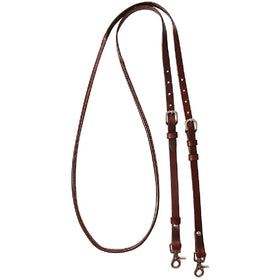
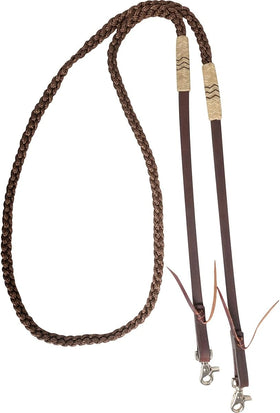
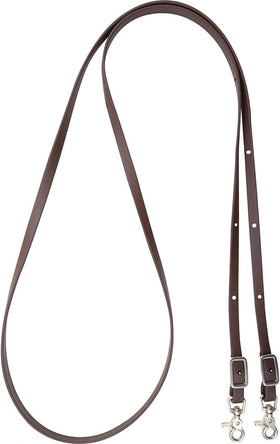
How to Choose the Best Split Reins with Clips
Finding the right pair of split reins can be a game-changer for your riding. The perfect set feels like a natural extension of your hands, making communication with your horse effortless. It all comes down to three key elements: leather quality, clip design, and the right dimensions. Focusing on these details will help you find a pair that not only lasts for years but also improves your connection with your horse. Let's walk through what to look for.
How to Spot High-Quality Leather
When it comes to split reins, the quality of the leather makes a huge difference in how they feel and perform. You’re looking for leather that is soft and supple right from the start, with a decent weight that allows it to hang correctly. As one rider put it, when you have good leather, split reins are lovely to use. Poor-quality leather can feel stiff and unforgiving, making subtle cues difficult. High-quality horse tack is an investment in better communication with your horse. Look for a smooth finish and a flexible feel that promises durability and comfort.
Premium Leathers like Hermann Oak and Latigo
When you start looking at high-end horse tack, you’ll hear names like Hermann Oak and Latigo leather mentioned with a certain reverence. These aren't just brand names; they represent a standard of quality. This type of premium leather is treated using traditional methods that have been perfected over generations, often involving hand-rubbing, hand-oiling, and hand-finishing. This meticulous process creates reins that are not only incredibly durable but also have a specific weight and feel that experienced riders look for. The result is a pair of reins that feels balanced in your hands and provides clear, quiet communication, allowing for a more responsive connection with your horse from the very first ride.
Alternative Materials for Specific Needs
While leather is the traditional choice, you'll also find reins made from synthetic materials like nylon or biothane. These alternatives are often marketed as being low-maintenance and weather-resistant, which can be appealing. However, it's important to consider the trade-offs. As we've mentioned on our blog before, while synthetic materials might seem like an easier option, they often don't stand up to the same level of wear and tear. A well-made pair of leather reins, when properly cared for, can handle years of use in all kinds of conditions. Synthetics can also lack the weight and feel that make leather reins so effective for subtle communication, sometimes feeling stiff or slippery in your hands.
Choosing the Right Clip Design
The clips on your reins are more than just a convenience; they play a role in how your horse experiences the bit. Some riders worry that certain clips can feel "loud" in a horse's mouth, with the metal-on-metal contact creating a distracting sensation. While many horses aren’t bothered, it’s something to consider, especially if your horse is sensitive. Look for clips that are well-constructed, operate smoothly, and aren't excessively heavy. The goal is a secure connection that doesn’t interfere with your cues. The right clip design is one that works for your horse and gives you confidence in your equipment.
Understanding Hardware and Attachments
The hardware on your reins—the clips or snaps—is all about convenience. They let you swap out reins in seconds, which is a huge plus if you switch between shorter reins for events and longer ones for training. However, it's worth thinking about how that hardware feels to your horse. The metal-on-metal contact against the bit can create a sensation that some sensitive horses find distracting. It really comes down to your horse's individual temperament and your personal preference. When you're looking at different horse tack, pay attention to the clips. You want something that’s well-made, operates smoothly, and isn’t overly heavy, ensuring a secure connection that doesn't get in the way of your communication.
Find the Right Length, Width, and Weight
Reins aren't a one-size-fits-all piece of equipment. The right dimensions depend on your horse, your riding style, and what feels comfortable in your hands. Most split reins are around eight feet long, which gives you plenty of length for easy handling. For trail riding, a nine-foot rein is often a great choice, providing a little extra room to let your horse move. The width also matters; some riders prefer a wider rein for a more substantial feel, while others like a narrower style for delicate contact. The weight influences how the reins drape, so finding a balanced pair is key to clear communication.
The Importance of Rein Weight and Feel
The weight of your reins is more than just a physical characteristic; it's a key part of your communication. Quality leather split reins have enough substance to provide a clear, direct signal down the line to the bit. When you pick up contact, your horse feels it immediately. Just as importantly, when you soften your hand and release pressure, the weight of the rein allows that cue to be felt instantly, rewarding your horse for a correct response. This clear feedback loop is what helps build a responsive, light partnership. It’s why investing in quality horse tack is so important—the material itself becomes part of the conversation, ensuring your subtle aids aren't lost in translation.
Considering Special Reins for Rider Comfort
While we spend a lot of time thinking about our horse's comfort, our own comfort is just as crucial for a successful ride. If your reins don't feel right in your hands, it can affect your ability to give clear and consistent cues. The width, thickness, and texture of the leather all contribute to how the reins feel. Some riders with smaller hands might prefer a narrower rein, while others might want a wider, more substantial feel for added grip. Your comfort directly impacts your confidence and effectiveness as a rider, so it's worth taking the time to find a pair of reins that feels like a natural extension of your arms. When you're comfortable, you're more relaxed, and that feeling travels right down the reins to your horse.
Essential Safety Practices for Using Reins
Your reins are your primary connection to your horse, making safety a top priority. While clips offer convenience, it's important to understand the potential risks and best practices associated with them. From the hardware itself to how you handle the reins when you're not in the saddle, a few key safety habits can prevent accidents and protect both you and your horse. Following these guidelines will help ensure every ride is a safe one.
Why Metal Snaps Can Be Problematic
While rein clips are undeniably convenient for quick tack changes, they aren't always the best choice for every horse. Some riders find that the metal-on-metal contact of a clip against the bit can be "loud" or create a distracting jingle for a particularly sensitive horse. This subtle noise and vibration can interfere with the clear, quiet communication you're trying to achieve. It's a matter of knowing your horse; if they seem fussy in the bridle, it might be worth exploring a direct connection with leather ties to see if it makes a difference in their responsiveness and comfort.
The Breakaway Safety Feature of Leather Ties
One of the most significant safety advantages of traditional leather ties over metal clips is their breakaway design. Split reins with leather ties have a built-in safety feature: if your horse steps on a dropped rein, the leather is designed to break under extreme pressure. This can prevent a serious injury to your horse's mouth, poll, or neck. Metal clips, on the other hand, will not give way in the same situation, potentially leading to a dangerous panic scenario. This is a critical factor to consider when choosing your horse tack, especially for training or trail riding.
Ground-Tying Rules: Split vs. Loop Reins
When it comes to ground-tying your horse, there's one non-negotiable rule: only use split reins. A continuous-loop rein creates a closed circle that can easily become a trap if your horse puts a foot through it. If they get a hoof caught, they can panic, leading to severe injury. Split reins eliminate this risk entirely because they are two separate straps. When you lay them on the ground, there is no loop to get tangled in. This simple practice is a fundamental part of safe horsemanship that every rider should follow without exception.
Trail Safety: Managing Reins During Breaks
Taking a break on the trail is a great way to let your horse rest, but it's important to manage your reins safely. If you dismount for lunch or to enjoy the view, the safest course of action is to remove the reins from the bridle completely. Leaving them attached and dangling on the ground creates a hazard. If your horse were to step on a rein, it could startle them, cause them to pull back suddenly, and potentially damage your equipment or injure themselves. Taking a moment to remove the reins ensures they stay safe and relaxed during your stop.
Proper Handling and Riding Techniques
How you hold your reins is just as important as the type of reins you choose. Proper handling ensures your cues are clear, your horse is comfortable, and you maintain effective control. The right technique often depends on the type of bit you're using, as snaffle bits and curb bits function very differently. Mastering a few common holds will allow you to adapt to various situations, whether you're training, showing, or hitting the trail.
Matching Your Hold to Your Bit
The golden rule of rein handling is to match your technique to your bit. Different bits apply pressure in different ways, and your hands need to complement that action. Using the wrong hold for your bit can send mixed signals, cause discomfort, or even be unnecessarily harsh on your horse's mouth. A snaffle bit requires a different approach than a curb bit with shanks. Understanding this relationship is fundamental to developing soft hands and a responsive partnership with your horse, ensuring your communication is always clear and fair.
Two Hands for Snaffle Bits
Snaffle bits work through direct pressure on the bars of the horse's mouth. To apply this pressure evenly and clearly, you should always ride with two hands. Holding both reins in one hand when using a snaffle can create a "nutcracker" effect, pinching your horse's jaw and causing discomfort. Using two hands allows you to give precise, independent cues with each rein, which is essential for steering, bending, and balancing, especially with a young or green horse. This balanced contact is key to effective communication with a snaffle.
One Hand for Curb Bits
Curb bits, which have shanks and use leverage, are designed for one-handed riding. These bits are typically used on more finished horses that respond to neck reining. Holding the reins in one hand allows the bit to function as intended, applying pressure through the curb strap and poll when you give a cue. Using two hands on a curb bit can be too severe, as it's easy to apply too much leverage and overwhelm your horse. Riding one-handed with a curb bit is a sign of refined communication between horse and rider.
Common Ways to Hold Split Reins
There are a few standard ways to hold split reins, depending on your bit and what you're doing. For one-handed riding with a curb bit, many riders use a "pistol-grip," holding both reins in one hand with their index finger separating them. This allows for subtle cues and keeps the tail of the reins neatly on one side. For two-handed riding, such as when using a snaffle or training a horse, you can use a "trainer's hold" where the reins cross over the horse's neck, allowing you to use direct cues while still managing the length of the reins effectively.
Do Clips Affect Your Horse's Comfort?
It’s a question many riders ask: are rein clips comfortable for my horse? The truth is, the answer depends entirely on your horse’s temperament and the specific riding situation. While clips offer undeniable convenience for quick tack changes, some riders worry about the potential for distraction. The main concerns revolve around the sound and feel of metal against the bit, and whether that sensation could interfere with your horse's focus, especially during competition. It's a valid point to consider, as even a small annoyance can affect performance when precision matters.
Ultimately, you are the best judge of what works for your horse. Some horses are sensitive and might be bothered by the slight jingle or movement of a clip, while others won’t even notice it. The key is to pay close attention to your horse’s cues. When you first try reins with clips, observe your horse’s behavior. Do they seem fussy with their head, chomp at the bit more than usual, or seem distracted? Or are they just as relaxed and responsive as ever? Thinking about when and why you’re using clips can help you find the perfect balance between convenience for you and comfort for your horse. Exploring different types of horse tack can also help you find the best fit for your needs.
Will the Clips Bother Your Horse's Mouth?
The biggest concern riders have about clips is the "metal-on-metal" interaction with the bit. Some equestrians feel that the sound and sensation of a metal clip clinking against a metal bit can be "loud" in a horse's mouth. For a sensitive horse, this small, repetitive noise could become a distraction that pulls their focus away from your cues. Think of it like a rattling key in an ignition; it might not bother you at first, but it can become irritating over time. Of course, many horses aren’t bothered by it at all. The best approach is to simply observe your horse and trust your gut. If they seem content, there’s likely no issue.
Clips vs. Traditional Ties: When to Use Each
The choice between clips and traditional leather ties often comes down to the context of your ride. Many riders keep a set of each and use them for different purposes. For everyday practice, trail rides, or training sessions, the convenience of clips is hard to beat. They make swapping bits or removing your reins for lunging a quick and simple task. However, for competitive events, many riders switch to reins with traditional ties. In a high-pressure environment like a show ring or a barrel race, you want to eliminate any possible distraction. A quieter, more direct connection can help ensure your horse stays focused on the job at hand.
Training vs. Competition: When Are Clips a Good Idea?
Clips really shine during training sessions. When you're "tuning" your horse, you might be making frequent adjustments, trying different bits, or working on various exercises that require tack changes. Snaps allow you to make these switches efficiently without the hassle of untying and retying leather strings. This keeps your training session flowing smoothly. As one rider mentioned, they prefer clips for training but switch to split reins without them for running. This is a common practice that gives you the best of both worlds: the practicality of clips for schooling and the clean, silent connection of traditional ties when it counts in competition. You can see what other riders prefer by checking out our best-selling products.
Finding a Tack Brand You Can Trust
With so many options on the market, choosing the right tack can feel overwhelming. You want gear that’s safe, comfortable, and built to last. The key is finding a brand that prioritizes quality materials and thoughtful craftsmanship. At Hooves and Paws, we take the guesswork out of the equation. We’ve spent over 30 years building relationships with the best manufacturers, so we know what separates good tack from great tack. When you shop with us, you’re getting a product carefully selected by a team as passionate about animals as you are.
What to Look for in a Quality Brand
A quality brand pays attention to the details. When you’re evaluating reins, start with the material. The best reins are made from high-quality leather that feels substantial yet flexible in your hands. This isn't just about comfort; superior leather allows your horse to feel the rein release instantly, making them more responsive to your cues. Look for even stitching, finished edges, and sturdy hardware that won’t rust or break under pressure. These small indicators of craftsmanship are what define reliable, quality horse tack that you can depend on.
Why Experience in Tack Making Matters
Experience is a powerful teacher, and after three decades in this business, we’ve learned what works. We’ve seen which materials hold up to daily use and which ones don’t. That’s why we focus on products made from time-tested materials like genuine leather, which can last for years with proper care. Our family’s experience means we can confidently guide you toward gear that offers the best value and performance. We’ve built our reputation on providing supplies that are safe and effective, so you can spend more time enjoying your horse.
Why Guarantees and Origin Matter
Think of your horse tack as a long-term investment in safety and communication. A strong guarantee is the manufacturer's promise that your investment is a sound one. It shows they are confident in their materials and craftsmanship, and it gives you peace of mind knowing the gear is built to last. This is why the origin of your tack is so important; brands with a proven history of quality are more likely to stand behind their work. At Hooves and Paws, we share that commitment to reliability, which is why we offer a 365-day satisfaction guarantee on our products. We choose to partner with brands we trust, so you can feel confident that every piece of equipment, from reins to saddles, is dependable ride after ride.
Our Favorite Leather Split Reins
Every set of reins we carry has been chosen with the rider in mind. We know that the right reins should feel like a natural extension of your arms. A customer recently told us her husband was impressed with the quality of a pair he bought, noting how good they felt in his hands while training colts. That’s the standard we aim for. We select reins that offer a great grip, a balanced weight, and the durability to handle rigorous work. Explore our collection of best-selling reins to find a pair that has already earned the trust of fellow riders.
How Much Do Quality Leather Split Reins Cost?
When you start shopping for leather split reins with clips, you'll notice prices can be all over the map. What you pay often comes down to the quality of the leather, the hardware used, and the brand's reputation. Think of it like buying a good pair of boots; an investment in quality materials and craftsmanship pays off in the long run with better performance and durability. To help you figure out what to expect, let's break down the common price points and what you get for your money.
Budget-Friendly Options (Under $50)
If you're just starting out or riding more casually, you can find a perfectly functional pair of reins for under $50. These options are typically made from decent leather and are a great value for the price. Many riders find that entry-level reins are surprisingly nice, offering a uniform color and a good feel without a big initial investment. They're a solid, no-fuss choice that gets the job done, making them a great addition to your everyday horse tack.
The Sweet Spot: Mid-Range Reins ($50–$75)
Stepping into the $50 to $75 range, you’ll start to see a noticeable difference in feel and durability. These reins are often crafted from higher-grade leather that’s softer and more supple right out of the box, requiring less break-in time. The hardware might also be more substantial. This is a great category for riders who are in the saddle several times a week and need gear that can keep up. You can find some excellent options, like the well-regarded Stallington leather reins, that riders love for their performance and fair price point.
Investing in Premium Reins ($75+)
For dedicated trainers, competitors, or any rider who demands the absolute best, premium reins priced at $75 and up are the way to go. This is where you’ll find superior materials like heavy oiled Hermann Oak leather, known for its exceptional weight, feel, and longevity. The craftsmanship is meticulous, ensuring every detail is perfect. Riders who invest in premium reins, such as the Billy Royal® collection, often comment on how great they feel in their hands and how they stand up to the rigors of training. They are a true investment in your riding.
How to Care for Your Leather Split Reins
Your leather split reins are a key piece of communication between you and your horse, so keeping them in top condition is about more than just looks; it’s about safety and performance. Just like any quality equipment, your reins need a little TLC to stay strong, supple, and reliable for years to come. With a simple care routine, you can protect your investment and ensure your reins feel great in your hands every time you ride. Taking a few minutes to care for your tack after a ride makes all the difference in its longevity and performance.
Your Guide to Cleaning and Conditioning Leather
Think of it like skincare for your tack. After each ride, it’s a good habit to wipe your reins down with a soft cloth to remove sweat, dirt, and grime. This simple step prevents buildup that can break down the leather fibers over time. For a deeper clean, use a small amount of leather cleaner on a microfiber cloth and gently work it into the leather. Follow up every few weeks with a high-quality leather conditioner to restore moisture. This keeps the reins soft and flexible, preventing the cracking that can happen when leather dries out. Regular leather care is the secret to that perfectly broken-in feel.
The Right Way to Store Your Reins
How you store your reins is just as important as how you clean them. Tossing them in a pile can create permanent kinks and stress points. The best practice is to hang them neatly on a rein hook or lay them coiled loosely in your tack trunk. Always store your leather goods away from direct sunlight in a cool, dry place. Sun exposure can bleach and dry out the leather, while a damp, humid environment can encourage mold and mildew to grow. Proper storage protects your reins from environmental damage and keeps them ready for your next ride.
Know When It's Time for a Replacement
Even with the best care, all tack eventually wears out. Make it a habit to inspect your reins regularly, paying close attention to the areas that experience the most stress, like where the clips attach and where you typically hold them. Look for signs of deep cracking, thinning, or excessive stretching. If you notice the leather feels brittle or the stitching is coming loose, it’s time to start shopping for a new pair. While well-maintained leather reins can last for years, you never want to risk one breaking during a ride. Your safety is always the top priority, so don't hesitate to replace any part of your horse tack that shows significant wear.
Related Articles
Frequently Asked Questions
Are split reins difficult to handle if I'm used to looped reins? There can be a small learning curve, but most riders adapt quickly. The key difference is managing two separate straps instead of one continuous loop. The weight and separation of split reins actually help provide clearer, more distinct cues to your horse, which can improve your communication once you get the hang of it. Just give yourself a few rides to get comfortable with the new feel.
How can I tell if the clips are bothering my horse? You know your horse best, so watch for small changes in their behavior. If they start tossing their head more than usual, seem fussy with the bit, or are generally more distracted, the sound or feel of the clips might be the cause. Many horses don't mind them at all, but if you have a particularly sensitive horse, you might want to try reins with traditional leather ties for comparison.
What's the most important thing to look for when buying my first pair of leather split reins? Focus on the feel of the leather. Good quality reins will feel supple and have a nice weight to them right from the start. This isn't just about comfort for your hands; that weight helps the reins hang correctly and allows your horse to feel your cues clearly. Avoid leather that feels stiff, dry, or flimsy, as it won't provide the same level of communication.
How often do I really need to clean my leather reins? A good rule of thumb is to give them a quick wipe with a damp cloth after every ride to remove sweat and dirt. This prevents grime from breaking down the leather fibers. For a deeper clean and conditioning, aim for once every few weeks or whenever they start to feel dry. Consistent care is what keeps them soft, strong, and safe for years.
Is there a big difference between a $40 pair of reins and an $80 pair? Yes, the difference usually comes down to the quality of the leather and hardware. A more expensive pair is often made from superior leather that feels better in your hands, requires less break-in time, and will last much longer with proper care. While an entry-level pair is perfectly functional, investing a bit more often gets you a product that offers better performance and durability for the long haul.


