


Walking into a tack shop and staring at the wall of boots and wraps can be overwhelming. You've got fleece polos, hard-shell tendon boots, padded shipping wraps, and even high-tech therapeutic options. So, how do you know which one is right for your horse? It’s easy to feel lost in the choices, but it doesn’t have to be complicated. The key is understanding that each type of wrap has a specific job. This guide is here to cut through the confusion. We’ll break down the essential leg wraps for horses, explaining what they do and how to choose the perfect ones for your partner’s safety and comfort.
Key Takeaways
- Select wraps based on your horse's activity: There is no one-size-fits-all solution. Choose specific wraps designed for the task, whether it's providing full-coverage protection for travel, flexible support during exercise, or therapeutic aid for recovery.
- Never compromise on fit and materials: A wrap's effectiveness hinges on its construction. Prioritize a snug, contoured fit with secure closures and breathable, durable fabrics to prevent slipping, overheating, and discomfort.
- Proper use and regular care are non-negotiable: Even the best wrap can be harmful if applied incorrectly. Learn the proper wrapping technique to ensure even pressure, and keep wraps clean and in good repair to prevent skin irritation and equipment failure.
What Are Leg Wraps for Horses & Why Do They Matter?
Think of horse leg wraps as a multi-tool for your horse's care kit. At their core, they are pieces of equipment designed to cover and protect a horse's lower legs, which are surprisingly delicate despite their power. These wraps aren't just for show; they serve critical functions that contribute to your horse's health, safety, and performance. Whether your horse is an elite athlete, a trusted trail companion, or enjoying a peaceful retirement,
From providing a cushioned barrier against bumps and scrapes to offering crucial support for hardworking tendons and ligaments, the right wrap can make a world of difference. They can also be an essential part of injury recovery, helping to reduce swelling and keep wounds clean. Understanding the different ways leg wraps work is the first step in choosing the right ones for your horse and ensuring you're giving them the best possible care. It’s about being proactive and prepared for everything from a long trailer ride to a strenuous training session.
Protecting Your Horse During Travel and Turnout
A horse's legs can take a lot of knocks, especially during travel or while they're out in the pasture. When you're hauling your horse in a trailer, even a short trip involves bumps, shifting weight, and the risk of your horse stepping on its own feet. Shipping boots and wraps act like armor, shielding the cannon bones, tendons, and soft tissues from scrapes and impact. The same goes for turnout. While it's wonderful for them to stretch their legs, it can also lead to accidental kicks or overreaching. Using protective wraps is a simple, effective way to prevent minor injuries that could otherwise become a bigger problem. It’s a key piece of your horse’s protective tack.
Supporting Joints and Tendons During Exercise
During any kind of strenuous workout, from jumping to dressage, your horse's legs are under immense pressure. Leg wraps, particularly polo wraps and sport boots, are designed to provide support for the tendons and ligaments that work so hard. According to the American Quarter Horse Association, this added support can be beneficial during intense exercise. Think of it like an athlete taping their ankle before a big game. The wrap helps absorb some of the shock and prevents hyperextension, reducing the risk of strain and injury. This allows your horse to perform confidently and comfortably while safeguarding their long-term soundness.
Preventing "Stocking Up" and Swelling
One of the most practical uses for leg wraps is preventing "stocking up," a common condition where fluid collects in a horse's lower legs, causing them to look puffy and swollen. This often happens after long periods of inactivity, like standing in a stall overnight or during a long trailer ride. This is where standing bandages and compression wraps become invaluable. By applying gentle, consistent pressure, they support the circulatory system and discourage that fluid from pooling in the first place. This kind of support is key for managing swelling and keeping your horse comfortable. However, proper application is critical—a wrap that’s too tight or uneven can do more harm than good by restricting blood flow. When done correctly, wrapping is a simple, proactive step that makes a real difference in your horse's daily well-being.
Speeding Up Recovery and Rehabilitation
Leg wraps are also an indispensable tool for healing. If your horse sustains an injury, a standing bandage can help control swelling, keep the area clean, and provide gentle support as it heals. Beyond basic first aid, there are specialized therapeutic wraps designed to accelerate recovery. Some wraps use cold therapy to reduce inflammation after a tough workout or injury, much like an ice pack. Others use materials that reflect the horse's own body heat to increase circulation and soothe sore muscles. These recovery wraps are essential for managing injuries and helping your horse feel their best after putting in a hard effort.
What Are the Different Types of Horse Leg Wraps?
With so many options out there, it’s easy to feel a bit lost when shopping for leg protection. But don’t worry, it’s simpler than it looks. Each type of wrap or boot is designed for a specific job, whether it’s protecting your horse in the trailer, supporting them during a workout, or helping them recover afterward. Getting to know the main categories will help you make the best choice for your horse’s safety and comfort in any situation. Let’s walk through the four most common types of leg wraps you’ll find.
Shipping Boots and Travel Wraps
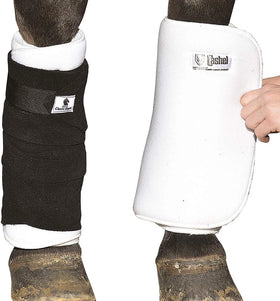
Think of shipping boots as a suit of armor for your horse's legs on the road. Trailering can be tough on a horse, with bumps, sudden stops, and balancing acts that can lead to scrapes, bruises, or more serious injuries. Shipping boots and travel wraps are specifically designed to shield your horse from the top of the cannon bone all the way down to the coronary band. They are heavily padded to absorb impact and provide full-coverage protection during loading, unloading, and the journey itself. Using a quality set of travel wraps ensures your horse arrives at your destination safe, sound, and ready to perform.
Exercise and Polo Wraps
When your horse is working hard, their legs need the right kind of support. Exercise and polo wraps, typically made from soft fleece or a slightly stretchy material, offer light support to the tendons and ligaments during training sessions. They also protect against minor scrapes and impacts. The key to using these wraps effectively is proper application; they need to be snug enough to stay in place and provide support, but not so tight that they restrict circulation. These are a staple in many horse tack rooms for everything from flatwork to lunging, giving you peace of mind while your horse moves.
Standing Wraps
Standing wraps are an essential part of any well-stocked horse tack room and a key tool for recovery and management. They provide gentle compression and support to a horse's lower leg, making them invaluable for reducing swelling after a hard workout, managing "stocking up" from stall rest, or protecting a minor injury. A complete wrap includes a soft, padded inner layer and a secure outer bandage. When your horse needs extra support or protection while in the stall, a standing wrap is often the perfect solution to help them stay comfortable and speed their recovery, ensuring they are ready for your next ride.
Understanding No-Bow Liners
The secret to a safe and effective standing wrap is the no-bow liner. This is the quilted, padded layer that goes directly against your horse's leg, and its entire purpose is to distribute pressure evenly. This prevents the outer bandage from creating tight spots that could damage the delicate tendons underneath. As experts at Schneider Saddlery note, this quilted pad is what allows the wrap to reduce swelling safely. But its effectiveness hinges on proper application. The key is to apply the wrap so it's snug enough to stay put but never so tight that it restricts circulation. Mastering this technique is non-negotiable for your horse's safety.
Tendon and Support Boots
For high-impact activities like jumping, cross-country, or reining, your horse needs more than just a soft wrap. Tendon and support boots are the heavy-duty gear designed for serious protection. These boots often feature a hard outer shell and a soft, shock-absorbing lining to shield the delicate tendons and ligaments from strikes by other hooves or obstacles. They are anatomically shaped to fit the contours of your horse’s legs, providing maximum defense without hindering movement. Investing in a good pair of support boots is one of the smartest things you can do to keep your equine athlete sound and confident.
Splint Boots
Splint boots are a go-to for everyday riding and training, designed specifically to protect the splint bones located on the inside of a horse's lower leg. These bones are vulnerable to impact, especially during activities with a lot of lateral movement or if your horse tends to interfere, meaning their hooves strike the opposite leg. These boots act as a cushioned barrier, absorbing shock from accidental knocks. Typically made from durable materials like neoprene or leather with a padded lining, they offer reliable protection without being bulky. They are an essential piece of protective horse tack for everything from lunging to flatwork, helping prevent common injuries that can lead to lameness.
Bell Boots
Overreaching—when a horse’s hind hoof clips the heel of a front foot—can cause painful injuries and pull off shoes in an instant. That’s where bell boots come in. These bell-shaped boots fit around the pastern and cover the entire hoof, shielding the delicate heel bulbs and coronary band from impact. Often made from durable rubber or flexible neoprene, they provide a simple yet highly effective barrier against strikes from the horse's own hooves. Whether your horse is prone to overreaching during turnout, training, or while traveling, a good pair of bell boots is an inexpensive way to prevent nicks, cuts, and lost shoes, keeping your horse comfortable and sound.
Skid Boots
For horses in fast-paced disciplines that involve quick stops and turns, skid boots are non-negotiable. Think reining, cutting, and barrel racing, where horses slide on their hindquarters. During these maneuvers, the back of the fetlocks and pasterns are at high risk for scrapes and burns from the ground. Skid boots are designed to handle this specific type of friction and impact. They feature a tough, cup-like outer shell that shields the leg from abrasion, combined with a soft inner lining for comfort. This specialized design offers targeted protection exactly where it's needed most, allowing your horse to perform those impressive sliding stops with confidence and without injury.
Therapeutic and Recovery Wraps
Just like human athletes, horses benefit greatly from post-workout recovery care. Therapeutic wraps are designed to help your horse’s legs heal and recuperate, whether after a strenuous ride or during rehabilitation from an injury. Some wraps are made for cold therapy, using ice packs to reduce inflammation and swelling. Others use special ceramic-infused fabrics that reflect the horse’s own body heat to create a soothing warmth that can ease sore muscles and improve circulation. You can find a great Horse Leg Protection Guide to learn more about these technologies. These wraps are an essential tool for proactive care and long-term soundness.
Compression Socks
Compression socks aren't just for human athletes; they offer similar benefits for our equine partners. These specialized socks are designed to improve blood flow and reduce muscle fatigue in a horse's lower legs. They apply gentle, consistent pressure that can be particularly helpful for horses prone to "stocking up," or swelling in their legs from standing in a stall for long periods. By supporting circulation, compression socks can help keep fluid from pooling, making them a great tool for managing minor swelling after exercise or during stall rest. Think of them as a proactive way to support your horse's comfort and circulatory health.
Bandages and Liners
When your horse needs to be on stall rest or requires extra support overnight, standing wraps are the go-to solution. This is a two-part system that consists of a soft, padded liner and an outer bandage. The liner, often called a no-bow wrap, provides a thick, cushioned layer directly against the horse's leg, ensuring pressure is distributed evenly and preventing the bandage from constricting tendons. The outer wrap is then applied over the liner to hold it in place and provide gentle compression. This combination is incredibly effective at preventing or reducing swelling and keeping the legs clean and protected while the horse is stationary.
Learning to apply a standing wrap correctly is a fundamental skill for any horse owner. The goal is to achieve smooth, even pressure from just below the knee or hock down to the fetlock. Uneven wrapping or wrinkles can create pressure points, potentially causing more harm than good. We carry a variety of high-quality horse tack and wrapping supplies to ensure you have the right tools for the job. Taking the time to master this technique provides a safe and effective way to support your horse during recovery or confinement, contributing directly to their well-being.
Vet Wrap
If there’s one item every horse owner should have in their first-aid kit, it’s vet wrap. This flexible, self-adhering bandage is incredibly versatile and easy to use. Because it sticks to itself but not to hair or skin, it’s perfect for securing wound dressings or holding a poultice in place without needing tape. It provides light compression and support to injured areas, helping to keep them clean and protected. While it’s a fantastic tool, always be mindful not to apply it too tightly, as its stretchy nature can make it easy to restrict circulation. It’s best used over a layer of padding, like a gauze pad or cotton sheet.
Shop This Post

Featured in this article
Professional's Choice Polo Wraps - 9-Foot Length, Set of 4, Premium Double-Sided Fleece Horse Leg Support
$27.52
Shop Now →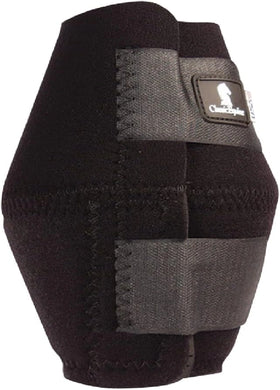

What Makes a Quality Horse Leg Wrap?
When you’re shopping for leg wraps, it can feel like every option looks the same. But the small details in design and material make a huge difference in your horse's comfort, safety, and support. Choosing a quality wrap isn't just about picking a color; it's about investing in your horse's well-being. A well-made wrap will protect delicate tendons and ligaments, stay securely in place without slipping or bunching, and keep your horse comfortable whether they're in a trailer, in the pasture, or working in the arena.
Think of leg wraps as essential gear, just like a saddle or bridle. The right ones provide peace of mind, knowing your horse is protected. To help you sort through the options, let's look at the key features that separate a great leg wrap from a mediocre one. From the fabric it's made of to the type of closure it uses, every element plays a role in its performance. Focusing on these four areas will help you make a confident choice for your equine partner.
Choose Durable, High-Performance Materials
The foundation of any good leg wrap is the material it’s made from. You want fabrics that can stand up to daily use while providing the right kind of support. Look for tough, resilient materials designed to safeguard the most vulnerable parts of your horse's legs, including the tendons, fetlocks, and even the hooves. A quality wrap should offer a snug, protective fit without restricting movement. Strong closures and durable construction are non-negotiable, as they ensure the wrap performs its job correctly and lasts for years. Investing in high-performance horse tack made from quality materials is always a smart move for your horse's safety.
Common Materials: Polyester and Cotton Blends
When you're browsing leg wraps, you’ll notice that polyester and cotton blends are incredibly common, and there’s a good reason for that. Polyester brings the muscle; it’s known for its durability and resistance to stretching and shrinking, which means the wrap will hold its shape and provide consistent support ride after ride. This strength is essential for creating a product that lasts. On the other hand, cotton provides the comfort. It’s breathable and soft against your horse’s skin, helping to prevent overheating and irritation. The combination of these two materials creates the ideal balance in all sorts of protective legwear: a wrap that is tough enough for training but also comfortable enough for extended wear, ensuring a secure and effective fit every time.
Prioritize Breathable, Moisture-Wicking Fabric
A horse's comfort is paramount, and that’s where breathability comes in. A wrap that traps heat and moisture can lead to skin irritation and discomfort, especially during long periods of wear. Always look for wraps made with breathable, moisture-wicking fabrics. These advanced materials allow air to circulate freely, which helps prevent overheating and keeps the skin dry by pulling sweat away from the leg. This is especially important for exercise wraps or for horses that live in warmer climates. Brands like Ice Horse often use specialized fabrics to ensure your horse stays cool and comfortable, whether they're recovering from an injury or just getting a little extra support.
Ensure a Secure, Adjustable Fit
A leg wrap is only effective if it stays in place. That’s why secure and adjustable closures are one of the most critical features to look for. Strong, wide hook-and-loop fasteners (like Velcro) are standard on most quality wraps because they allow you to get a perfectly snug fit every time. A wrap that is too loose will slip down, failing to provide support and potentially creating a tripping hazard. If it's too tight, it can restrict circulation. Some innovative designs even include features like "anti-migration suspenders" to ensure the wrap stays exactly where you put it, giving you confidence that your horse is both safe and supported.
Consider Wraps with Therapeutic Tech
If you're looking for more than just basic protection, consider wraps that incorporate therapeutic technologies. These are designed to actively support your horse's recovery and overall leg health. For example, some wraps feature special fabrics infused with ceramic particles, like the Welltex® technology from Back on Track. This material reflects the horse's own body heat as infrared energy, which can help enhance blood circulation, soothe sore muscles, and reduce inflammation. These types of wraps are an excellent tool for horses in heavy work, those recovering from injury, or older horses who need a little extra joint support.
Tekno-Dri Lining
When your horse works up a sweat, the last thing you want is for that moisture to be trapped against their skin, which can lead to irritation or fungal issues. This is where wraps with a Tekno-Dri lining come in. This innovative material is engineered to wick sweat and moisture away from your horse’s legs, pulling it to the outer surface of the wrap where it can evaporate. The result is a cooler, drier, and more comfortable experience for your horse, especially during intense training or in warm weather. It’s a simple but highly effective feature that supports overall skin health and prevents the discomfort that can come from damp, overheated wraps.
Copper Therapy
You might have heard about the benefits of copper for humans, and the same principles can apply to our equine partners. Copper therapy wraps are woven with copper-infused threads designed to help improve circulation. What makes this technology particularly useful is that it can increase blood flow without generating excess heat, making these wraps an excellent choice for use in warmer climates or on horses who tend to get hot easily. By supporting healthy circulation, these wraps can aid in reducing stiffness and soreness, making them a great option for daily support or for horses dealing with chronic conditions like arthritis. It’s a gentle, non-invasive way to support your horse’s comfort.
Bamboo Aridity Lining
For a natural approach to leg care, wraps with a Bamboo Aridity lining are a fantastic option. Bamboo is a powerhouse material known for its incredible ability to absorb sweat, keeping your horse’s legs dry and comfortable. But its benefits don’t stop there. Bamboo also has natural antibacterial properties, which can help fight off the microbes that cause common skin problems like scratches or rain rot. This makes bamboo-lined wraps an ideal choice for horses with sensitive skin or those prone to irritation. It’s a smart, eco-friendly material that offers multiple layers of protection, ensuring your horse’s legs stay healthy from the inside out.
Coolcore Technology
After a tough workout, cooling your horse's legs down is a crucial step in the recovery process. Wraps featuring Coolcore technology are designed to make this step easier and more effective. This specialized fabric helps regulate temperature by managing heat and moisture. When the fabric gets damp from sweat or water, it activates a cooling effect that can help reduce the surface temperature of the skin. This process aids in post-exercise recovery by helping to minimize inflammation and soothe tired tendons and ligaments. Think of it as a modern, convenient alternative to hosing or icing, providing sustained cooling to help your horse feel their best after giving their all.
How to Choose the Right Leg Wraps for Your Horse
With so many options available, picking the right leg wraps can feel a little overwhelming. But finding the perfect pair is simpler than you think. It all comes down to understanding your horse, the activities you do together, and getting the fit just right. Think of it less like shopping and more like finding a key piece of equipment tailored to your horse’s well-being. A great wrap provides comfort and protection, giving you peace of mind whether you’re in the ring, on the trail, or headed to a show.
Making the right choice ensures your horse gets the specific support they need, exactly when they need it. This isn't just about following trends; it's about making an informed decision that contributes to your horse's long-term health and soundness. The right wrap can prevent injuries, manage existing conditions, and provide crucial support during demanding work. Let’s walk through the three key steps to selecting the best horse tack for your partner’s legs. By focusing on your horse’s individual requirements, you can confidently choose a wrap that enhances their performance, aids in their recovery, and keeps them comfortable and protected through any activity.
Assess Your Horse's Unique Needs
Before you even think about color or brand, start by asking a simple question: why does my horse need wraps? The answer will guide your entire decision. Leg wraps serve several important functions, from providing support for tendons and ligaments during a strenuous workout to preventing swelling after exercise or during stall rest. Your horse’s specific situation is the most important factor.
Are you looking for everyday protection during turnout? Or do you need targeted support for high-impact disciplines like jumping or barrel racing? Perhaps your horse is recovering from an injury or tends to stock up when stalled. Each scenario calls for a different type of wrap. A young, growing horse in training has different needs than a seasoned competitor, so take a moment to define your primary goal.
Get the Perfect Size and Fit
Once you know what you need the wraps for, the next critical step is ensuring a perfect fit. A wrap that’s too loose can slip and become a hazard, while one that’s too tight can restrict blood flow and cause discomfort or even injury. An ill-fitting wrap completely defeats the purpose of using one in the first place.
If you’re unsure of your horse’s size, take a quick measurement of the length and circumference of their cannon bone. Most manufacturers provide a sizing chart to help you match your horse’s measurements to the correct size. Remember that sizing can vary slightly between brands, so it’s always a good idea to double-check the guide for the specific product you’re considering. A well-fitted wrap should contour smoothly to the leg without any gaps or bunching.
Match the Wrap to the Activity
Now it’s time to connect your horse’s needs with a specific type of wrap. The activity you have in mind will determine which design is most appropriate. For example, if you’re hauling your horse, you’ll want the full-coverage protection of shipping boots. For dressage or flatwork, polo wraps offer mild support and protection from scrapes.
For more demanding sports, you’ll want to look at boots designed for the job. Tendon and fetlock boots are essential for jumpers, as they shield against impact from hitting rails or self-inflicted strikes. For post-workout care, therapeutic wraps or ice boots can help reduce inflammation and speed up recovery. You can see what other owners trust by checking out our best selling products for a variety of disciplines.
When & How to Use Horse Leg Wraps Correctly
Knowing when to use leg wraps is just as important as knowing how to apply them. Different situations call for different types of support and protection. Whether you’re heading out for a ride, loading up the trailer, or helping your horse recover after a long day, using the right wrap correctly can make all the difference in their comfort and safety. It’s all about providing targeted support exactly when and where it’s needed most.
How to Apply Wraps Before a Ride
Before a strenuous workout, applying exercise or polo wraps can provide crucial support. Think of them as athletic tape for your horse. These wraps help stabilize the delicate tendons and ligaments in the lower leg, which are under a lot of strain during activities like jumping, reining, or even a brisk trail ride. According to the American Quarter Horse Association, proper bandaging can also help prevent swelling after exercise. The key is to apply them with even, consistent pressure to support the leg without restricting blood flow. This simple step can help keep your horse’s legs tight and sound for your next ride.
Wrapping for Safe Hauling and Travel
Traveling can be stressful for horses, and their legs are particularly vulnerable in a moving trailer. Shipping boots or travel wraps are designed to protect them from bumps, scrapes, and slips. These wraps typically cover the entire lower leg, from the knee or hock all the way down to the hoof. They offer a combination of padding and support to keep your horse comfortable and secure, whether you’re going to a show across the state or just visiting a local trail. Using quality horse tack for travel gives you peace of mind knowing your horse is well-protected on the road.
Applying Wraps for Post-Workout Recovery
After a tough workout, your horse’s legs deserve some TLC. Therapeutic wraps are fantastic tools for aiding recovery. Many of these wraps use cold therapy to reduce inflammation and soothe sore muscles and tendons, which can help prevent injuries from setting in. Brands like Ice Horse specialize in equipment that makes it easy to apply cold therapy right where it’s needed. Using these wraps as part of your cool-down routine can help your horse bounce back faster, feeling refreshed and ready for the next day’s activities. It’s a proactive way to manage their long-term soundness and well-being.
Wrapping 101: Essential Safety Checks
Applying a leg wrap incorrectly can do more harm than good, so it’s vital to get it right. Always wrap from front to back, outside to inside, ensuring the pressure is snug but even. You should be able to fit a finger comfortably between the wrap and your horse’s leg. Never leave a wrap on for more than 12 hours unless it’s a specific therapeutic or medical wrap and you’re following veterinary advice. Check the wraps periodically for slipping or tightness. For more detailed information, a horse leg protection guide can be a great resource for learning about different types of gear and their uses.
Know How Long to Leave Wraps On
When it comes to using leg wraps, timing is everything. A common rule of thumb is to never leave a standard wrap on for more than 12 hours. Leaving them on longer can create serious problems, like restricting blood flow or causing pressure sores, which is why proper application is so critical. A wrap that’s too tight can cause damage, while one that’s too loose can slip and become a tripping hazard. Of course, there are exceptions for specific therapeutic or medical wraps, but those should only be used for extended periods under your veterinarian's direct guidance. For any type of wrap, it's a good practice to check, remove, or change them at least every 24 hours to let the skin breathe and prevent irritation. Always keep a close eye on your horse for any signs of discomfort and adjust their horse tack as needed to ensure their well-being.
Our Top Picks: The Best Horse Leg Wrap Brands
With so many options on the market, picking the right leg wraps can feel a little overwhelming. That’s why it’s always a good idea to start with brands that have a proven track record for quality, innovation, and a deep understanding of equine anatomy. A trusted brand means you’re not just buying a product; you’re investing in years of research, development, and feedback from fellow equestrians. These are the companies that stand behind their materials and designs, giving you peace of mind that you’re providing the best for your horse.
When you choose a well-regarded brand, you can expect durable construction, a better fit, and features designed for your horse’s specific needs, whether that’s support during a workout or therapy during recovery. At Hooves and Paws, we’ve done the homework for you, curating a selection of brands we trust for our own horses.
Hooves & Paws: Our Go-To for Everyday Use
After more than 30 years in the business, we’ve learned to spot quality from a mile away. The brands we feature in our best-selling products collection are the ones we rely on for our own animals. We look for companies that are committed to equine wellness, use high-performance materials, and design products that are both effective and easy to use. When you see a brand at Hooves and Paws, you can be sure it has met our high standards for safety, durability, and performance. We believe in offering products that help you care for your horse with confidence.
Back on Track: For Therapeutic Support
Back on Track is a leader in therapeutic horse wear, and for good reason. Their wraps are made with a special Welltex® fabric, an innovative material infused with ceramic particles. This technology is designed to reflect your horse’s own body heat back as a gentle far-infrared warmth. This can help increase blood circulation, which may soothe sore muscles, reduce inflammation, and support recovery. They offer a fantastic range of horse boots and leg wraps that provide both protection and therapeutic benefits, making them a great choice for horses in training or those needing extra care.
Ice Horse: For Cooling and Recovery
For post-workout recovery or injury management, Ice Horse is a go-to brand. They specialize in cold therapy wraps that are designed to effectively reduce heat and swelling in your horse’s legs. Unlike messy ice bags, Ice Horse wraps use reusable cold packs that stay cold for hours and conform perfectly to the leg’s contours, ensuring targeted cooling right where it’s needed. Their horse leg wraps and ice boots are incredibly easy to use and are an essential piece of kit for any rider looking to support their horse’s soundness and comfort after strenuous activity.
Professional's Choice: For Performance and Protection
When it comes to protection during exercise, Professional's Choice is a name equestrians have trusted for decades. They are renowned for their Sports Medicine Boots (SMBs), which are designed to absorb impact and prevent hyperextension while supporting the delicate tendons and ligaments in the lower leg. Made from durable, high-quality materials, their horse boots and leg wraps offer a secure fit without restricting movement. Whether you’re training, trail riding, or competing, Professional’s Choice provides reliable protection that helps keep your horse safe and performing at their best.
Weaver Equine: For Durability and Style
If you're looking for gear that is as hardworking as your horse, Weaver Equine is a brand that delivers. They have built their reputation on creating products that are practical, durable, and "Built to Last." This focus on quality construction means you get leg protection that stands up to the demands of daily use, from training sessions to turnout. Weaver Equine offers a comprehensive range of boots and wraps, including sport boots, splint boots, and shipping boots, all designed with a secure fit and reliable materials. They understand that good tack should be functional first and foremost, providing the protection your horse needs without any unnecessary fuss. It’s the kind of dependable equipment you can count on day in and day out.
EquiFit: For Innovative Technology
For riders who want to give their horses the benefits of modern technology, EquiFit is at the forefront of innovation. This brand is known for incorporating advanced materials and thoughtful design into its products to enhance both performance and recovery. Their leg wraps often feature highly breathable, moisture-wicking fabrics that are essential for keeping your horse's legs cool and dry during intense work. EquiFit designs its gear to provide a secure, anatomical fit that allows for total freedom of movement, making it a top choice for high-performance equestrian sports. They are constantly pushing the boundaries of what equine equipment can do, offering solutions that prioritize your horse’s comfort and well-being.
How to Make Your Leg Wraps Last Longer
Just like any other piece of essential gear, your horse's leg wraps need a little TLC to perform their best. Proper care not only extends the life of your wraps but also plays a huge role in your horse's health and comfort. Dirty, worn-out, or improperly stored wraps can cause skin irritation, apply uneven pressure, or fail when you need them most. Taking a few extra minutes to clean, store, and inspect your wraps is a simple habit that makes a big difference. Think of it as part of your regular grooming routine. It’s a straightforward way to ensure your horse is always getting the safe, comfortable support they need, whether they're in the trailer, the pasture, or the arena.
Simple Cleaning and Maintenance Tips
Keeping your horse's leg wraps clean is non-negotiable for preventing skin issues. During use, wraps easily pick up dirt, mud, burrs, and arena footing. If not cleaned out, this debris can get trapped against your horse’s sensitive skin, leading to chafing, sores, or infections. Get into the habit of brushing off loose dirt after every use. For a deeper clean, most wraps can be machine-washed unless the tag says otherwise. It's a good idea to use a gentle, biodegradable detergent, especially if your horse has sensitive skin. Fasten any Velcro closures before washing to prevent them from snagging the fabric or collecting lint, which can weaken their grip over time.
Using Products like Chew Stop
It’s incredibly frustrating to find your horse has turned their new leg wraps into a personal chew toy. If you have a persistent chewer, a deterrent spray can be a useful tool in your management kit. Products like Chew Stop are designed with a bitter, unappealing taste that can be applied directly to wraps, bandages, blankets, and even stall doors to discourage chewing. While many horse owners find these sprays effective, they work best as part of a larger strategy. It's important to also consider why your horse is chewing in the first place, as the behavior often stems from boredom or a lack of sufficient forage to keep them occupied.
To truly solve the problem, combine the use of a deterrent spray with management changes. Ensure your horse has plenty of hay to munch on throughout the day and consider adding stall toys or other forms of enrichment to keep their mind engaged. Addressing the root cause while using a spray to break the immediate habit is the most effective approach. This helps protect your investment in quality horse tack and ensures your horse is happy and healthy, not just redirected from one unwanted behavior to another. It’s about creating a supportive environment for your horse’s well-being.
How to Store Wraps Properly
How you store your wraps is just as important as how you clean them. After washing, make sure they are completely dry before you put them away. Storing them while damp is a recipe for mold and mildew, which can ruin the fabric and irritate your horse's skin. Once they're dry, roll them smoothly and securely. This keeps them clean, tangle-free, and ready for their next use, saving you time and frustration. Find a cool, dry spot in your tack room or trailer to store them, away from direct sunlight that can degrade the fabric and elastic over time. Proper storage keeps all your horse tack in top condition.
Know When It's Time to Replace Them
Even the highest-quality wraps won't last forever. Regular inspections are key to catching problems before they can cause harm. Check for signs of wear like fraying edges, thinning fabric, or loss of elasticity. Stretched-out elastic can't provide consistent support and may lead you to over-tighten the wrap, which can restrict blood flow and damage delicate tendons. Also, pay close attention to the closures. If the Velcro is full of fuzz and no longer sticks securely, the wrap could come undone during exercise or travel, creating a serious safety hazard. If you spot any of these issues, it’s time to invest in a new pair of leg wraps to ensure your horse's safety and comfort.
How to Save on Quality Horse Leg Wraps
Investing in high-quality leg wraps is one of the best things you can do for your horse’s health and safety, but that doesn't mean you have to overspend. Protecting your horse’s delicate legs is a top priority, and with a few smart shopping strategies, you can get the best gear without stretching your budget. It’s all about knowing where to look and when to buy. By planning your purchases, you can find excellent deals on the durable, supportive wraps your horse deserves. Here are a few straightforward tips to help you save on your next purchase.
Sign Up for Exclusive Deals
One of the simplest ways to save money is by joining the email or text lists of your favorite equestrian suppliers. Companies often share their best promotions and flash sales directly with their subscribers first, giving you a head start on new deals. This is your ticket to insider information, from coupon codes to early access to sales events. By signing up, you ensure you never miss a chance to get premium horse tack at a lower price. It takes just a few seconds and can lead to significant savings on the leg wraps you’ve been eyeing.
Shop Seasonal Sales and Clearances
Timing is everything when it comes to getting a great deal. Keep an eye out for seasonal sales, especially around holidays or at the end of a show season when retailers are clearing out inventory to make room for new products. This is the perfect opportunity to find high-performance leg wraps from trusted brands at a fraction of their original cost. Make a habit of checking the sales or clearance sections of online stores. You might be surprised to find exactly what you need, allowing you to stock up on quality gear while keeping your budget in check.
Look for Bundles and Loyalty Perks
Many retailers offer special perks to thank their loyal customers. Look for stores with rewards programs that let you earn points on every purchase, which you can later redeem for discounts. Another great strategy is to look for bundle deals, where you can buy a full set of four wraps for a better price than purchasing them individually. Shopping with a company that values your business, like one with a strong satisfaction guarantee, also adds long-term value. These perks ensure you’re not just saving money upfront but are also making a wise investment in products backed by excellent customer support.
Related Articles
Frequently Asked Questions
What's the main difference between a polo wrap and a support boot? Think of polo wraps as a lighter, more flexible option. They are made of soft fleece and offer mild support and protection from scrapes, making them great for flatwork or lunging. Support boots, on the other hand, are the heavy-duty choice. They often have a hard outer shell and are specifically designed to absorb impact and protect against strikes, which is why they are essential for high-intensity activities like jumping or cross-country.
Does my horse need to wear wraps for every single ride? Not necessarily. While wraps offer great benefits, they aren't required for every situation. For light work like a relaxed walk on the trail, your horse's legs are often fine without any extra gear. Wraps and boots are most important during strenuous exercise, when trailering, or if your horse has a specific medical need for support or protection. The key is to match the protection to the activity.
How tight should I apply a leg wrap? The goal is to achieve a snug, even pressure without cutting off circulation. A good rule of thumb is that you should be able to slide one finger comfortably between the wrap and your horse's leg. If the wrap is too loose, it can slip and become a hazard. If it's too tight, it can cause serious damage to the tendons. Always apply wraps with smooth, consistent tension from top to bottom.
Can I leave wraps on my horse overnight in the stall? It's generally not recommended to leave exercise wraps or boots on overnight. These are designed for short-term use during work and can restrict blood flow if left on for too long. The exception is a standing bandage or a specific therapeutic wrap designed for recovery, and even then, you should only do so under the guidance of your veterinarian. Always check them regularly to ensure they haven't slipped or become too tight.
Are front and hind leg boots different? Yes, they are often designed differently to accommodate the anatomy and movement of the front versus the hind legs. Front boots, like tendon boots, are typically open in the front to allow the knee to bend freely while protecting the tendons at the back from strikes by the hind hooves. Hind leg boots, or ankle boots, are usually shorter and designed to protect the fetlock joint from interference as the horse moves. Always make sure you are putting the correct boot on the correct leg.


