


When you're choosing equipment for your horse, the material matters more than you might think. We often focus on fit and function, but the very fibers touching your horse's skin can make the difference between a comfortable ride and a miserable one. Synthetics can trap heat and moisture, while some leathers are stiff and abrasive. This is why so many experienced riders are turning to a time-tested natural fiber for one of the most important pieces of stabilizing tack. A mohair breast collar leverages the inherent softness, strength, and breathability of this unique material to prevent chafing and allow for a full range of motion, proving that sometimes the best solutions come from nature itself.
Why This Mohair Breast Collar is a Game-Changer for Your Ride
In the intricate world of equestrianism, every piece of tack plays a vital role in ensuring both the horse's comfort and the rider's safety. From the bridle to the cinch, each component must work in harmony to facilitate peak performance and a trusting partnership. Among these essential items, the breast collar often serves as an unsung hero, silently upholding stability and preventing costly slips. Yet, many riders overlook the profound impact a high-quality breast collar can have, settling for options that can cause discomfort, hinder movement, or even fail when it matters most. This oversight can lead to a cascade of problems, from chafing and restricted gait to saddle instability and increased risk during demanding maneuvers. Recognizing these challenges, the discerning equestrian seeks not just any breast collar, but one that embodies durability, ergonomic design, and superior material science. This is precisely where the Martin Saddlery 3" Black Mohair Breast Collar - Durable & Comfortable emerges as an indispensable tool, setting a new standard for equine tack.
We delve deep into the common pitfalls of inadequate breast collars, explore the unparalleled advantages of mohair, and ultimately reveal why the Martin Saddlery 3" Black Mohair Breast Collar is not just an accessory, but a critical investment in your horse's well-being and your riding success. Prepare to discover how tradition, craftsmanship, and natural fibers converge to create a breast collar that truly elevates the riding experience.

What Does a Breast Collar Actually Do?
While saddles and bridles often steal the spotlight, the humble breast collar performs a mission-critical function that directly impacts both horse and rider. Its primary purpose is to prevent the saddle from slipping backward. Imagine navigating a steep uphill climb, executing a sudden stop, or making a sharp turn during a barrel race. Without a properly fitted and constructed breast collar, the saddle can slide back, causing discomfort for the horse, shifting the rider's balance, and potentially leading to dangerous instability. This seemingly simple piece of equipment acts as an anchor, maintaining the saddle's correct position and distributing pressure evenly across the horse's chest.
The consequences of neglecting the importance of a breast collar, or opting for a subpar one, are far-reaching. A saddle that slips can chafe the horse's back, impede its shoulder movement, and even lead to severe sores or muscle strain. For the rider, a moving saddle creates an unstable seat, hindering effective communication and increasing the risk of falls. In competitive disciplines, saddle slippage can cost precious seconds, disrupt patterns, and lead to penalties or disqualification. Furthermore, horses are highly sensitive creatures; any discomfort from ill-fitting tack can manifest as resistance, reluctance to work, or even behavioral problems. This highlights that a breast collar isn't merely a piece of equipment; it's a fundamental element of equine safety, comfort, and performance.
There are various styles of breast collars, from the more traditional western types, such as pulling breast collars designed for ranch work and roping, to more refined styles for trail riding or pleasure. Regardless of the specific discipline, the core principles remain the same: stability and comfort. The material and design choices are paramount. Stiff, unyielding materials can restrict a horse's natural movement, especially around the shoulders and chest. Conversely, flimsy materials may not provide adequate support or could break under pressure. The ideal breast collar, like the Martin Saddlery 3" Black Mohair Breast Collar - Durable & Comfortable, strikes a perfect balance, offering robust stability without compromising the horse's freedom or causing irritation. It's about ensuring the saddle stays exactly where it needs to be, allowing the horse to focus on its task and the rider to ride with confidence and precision. Understanding this foundational role is the first step toward appreciating the superior design and material science behind truly exceptional tack.
Breast Collar vs. Breastplate
It's easy to get "breast collar" and "breastplate" mixed up, as they serve similar purposes but are designed for different disciplines and stresses. Think of it this way: a breast collar is primarily focused on one job—preventing the saddle from sliding backward. This is crucial in Western riding, whether you're climbing a steep trail or asking your horse for a quick stop. It typically consists of a strap across the horse's chest, connecting to the saddle's D-rings. A breastplate, more common in English disciplines like jumping and eventing, is a more complex system of straps. It not only stops the saddle from slipping back but also prevents it from shifting side-to-side, offering more comprehensive stability during dynamic movements. While both are essential pieces of horse tack, choosing the right one depends entirely on your riding style and your horse's needs.
Specialized Types: The Tripping Collar
Diving deeper into the world of Western tack, you'll find specialized equipment like the tripping collar. While it looks like a breast collar, its design serves a more specific and intense purpose. A tripping collar is a wide, contoured strap that sits higher up, more around the base of the horse's neck. Its main function is to prevent the saddle from lunging *forward* during abrupt stops, which is common in events like steer tripping or calf roping. The broad surface area distributes the immense pressure generated when a horse braces against a rope, providing stability and preventing the saddle from jamming into the horse's withers. While a tripping collar is a must-have for certain high-impact ranch work, a versatile and comfortable option like the Martin Saddlery Mohair Breast Collar is the perfect all-around choice for preventing backward slippage in most other riding scenarios.
Signs Your Horse's Breast Collar Isn't Working
Many equestrians, in their quest for affordable or readily available tack, inadvertently expose their horses to a range of avoidable discomforts and potential risks. The market is flooded with breast collars made from various materials, but not all are created equal. Compromising on the quality and design of this crucial piece of equipment can lead to a host of problems that undermine both horse welfare and riding performance. Let's explore some of the most prevalent issues stemming from inadequate breast collars.
The Pain of Chafing and Rubbing
Perhaps the most common and distressing problem is the occurrence of chafing and rubbing. This often arises from breast collars made with synthetic materials, stiff leather that hasn't been properly broken in, or materials that lack breathability. When a horse sweats, particularly during intense work or in warm weather, these materials can trap moisture against the skin. Coupled with friction from movement, this creates an ideal environment for skin irritation, hair loss, and even painful sores. These lesions can range from mild redness to open wounds, requiring veterinary intervention and extended downtime for healing. A horse suffering from chafing will naturally be reluctant to work, may shorten its stride, or exhibit resistance, leading to a breakdown in communication and a less enjoyable ride. According to equine dermatologists, persistent friction and moisture are primary contributors to skin issues under tack. You can learn more about equine skin health and common dermatological problems from reputable sources like the American Association of Equine Practitioners (AAEP).
Is Your Tack Restricting Movement?
An ill-fitting or poorly designed breast collar can severely restrict a horse's natural range of motion. If the material is too rigid, too narrow, or designed without consideration for equine anatomy, it can impinge upon the shoulders and chest muscles. This restriction forces the horse to alter its natural gait, shortening its stride, stiffening its movements, and ultimately impacting its athletic potential. Over time, chronic restriction can lead to muscle soreness, stiffness, and even compensatory lameness as the horse tries to alleviate discomfort. A horse that is constantly uncomfortable will be less willing to engage in its work, making training challenging and performance inconsistent. The subtle cues from a horse trying to communicate discomfort are often missed, leading to frustration for both horse and rider. Properly fitting tack is paramount for equine comfort and performance, as highlighted by various university extension programs, such as Penn State Extension's guidance on saddle fit, which extends to all tack.
When Tack Stretches, Snaps, and Fails
The saying 'you get what you pay for' rings especially true when it comes to equine tack. Cheaply manufactured breast collars, often made with inferior materials or shoddy stitching, are prone to breaking. A sudden snap during a ride, especially at speed or during a critical maneuver, poses a significant safety hazard for both horse and rider. Beyond outright breakage, low-quality materials can stretch, become brittle, or degrade rapidly under the stresses of daily use and exposure to sweat, dirt, and varying weather conditions. This leads to frequent replacements, costing more in the long run and creating a sense of unreliability. The peace of mind that comes from knowing your tack will hold up is invaluable, and sacrificing durability for a lower upfront cost often proves to be a false economy.
Why the Wrong Material Matters
Many modern breast collars utilize synthetic materials like neoprene or nylon, or even stiff, heavily treated leathers. While these can be inexpensive and easy to clean, they often come with significant drawbacks. Neoprene, for instance, can trap heat and moisture, exacerbating chafing issues. Nylon, while strong, can be abrasive and lacks the natural breathability and pliability of natural fibers. Stiff leathers require extensive breaking-in periods and can become hard and unyielding with repeated exposure to sweat and drying, losing their ergonomic qualities. These materials simply cannot provide the same level of comfort, breathability, and gentle resilience that natural, high-quality alternatives offer. When considering a breast collar, the choice of material is a foundational decision that dictates everything from comfort to longevity and safety. This is precisely why the Martin Saddlery 3" Black Mohair Breast Collar - Durable & Comfortable stands out, offering a solution to these pervasive problems.

Shop This Post

Featured in this article
Doggie Design Black Top Dog Flight Harness Coat - Vegan Leather Bomber Jacket with Matching Leash - Multiple Sizes
$29.99
Shop Now →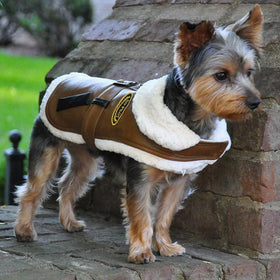
What Makes Mohair So Special?
In the quest for the ultimate equine comfort and performance, material science plays a pivotal role. While synthetic innovations have brought certain conveniences, sometimes the best solutions are rooted in ancient wisdom and natural fibers. Mohair, derived from the Angora goat, is one such material that has stood the test of time, proving its unparalleled suitability for equine tack. Its unique properties address many of the common problems associated with other breast collar materials, offering a level of comfort, durability, and breathability that few can match.
First Off, What is Mohair?
Mohair is a luxurious natural fiber obtained from the fleece of the Angora goat. Originating in the mountains of Tibet, Angora goats were eventually brought to Turkey and then introduced to other parts of the world. Mohair is renowned for its distinctive luster, often referred to as the 'diamond fiber' due to its natural sheen. It is also exceptionally strong, resilient, and possesses excellent insulating properties. Unlike sheep's wool, mohair fibers have a smoother surface, which contributes to its softness and reduced tendency to felt. Historically, mohair has been prized in high-end textiles, known for its ability to take dye brilliantly and its remarkable durability. These inherent qualities make it an extraordinary choice for crafting equestrian equipment.
The Natural Advantages of Mohair Tack
1. Soft, Flexible Comfort
One of mohair's most significant advantages is its incredible softness and pliability. The fibers are naturally smooth and conform beautifully to the contours of the horse's body. This gentle contact minimizes friction and prevents the chafing and rubbing that can plague horses wearing stiffer materials. Unlike rougher fibers or rigid synthetics, mohair provides a 'second skin' feel, allowing the horse to move freely and comfortably without irritation. This makes the Martin Saddlery 3" Black Mohair Breast Collar an immediate comfort upgrade.
2. Keeps Your Horse Cool and Dry
Horses generate significant heat and sweat, especially during exercise. Materials that trap heat and moisture against the skin are primary culprits behind discomfort and skin lesions. Mohair, being a natural fiber, is highly breathable. Its open cellular structure allows air to circulate, helping to regulate temperature and keep the skin cooler. Furthermore, mohair possesses excellent moisture-wicking properties, drawing sweat away from the horse's skin and allowing it to evaporate. This keeps the horse drier and significantly reduces the risk of chafing and bacterial growth, crucial for preventing common skin issues.
3. Built to Last, Naturally
Despite its softness, mohair is one of the most durable natural fibers. It boasts a high tensile strength, making it resistant to stretching, tearing, and abrasion. This inherent robustness ensures that a mohair breast collar can withstand the rigors of daily use, offering long-lasting reliability and reducing the need for frequent replacements. The resilience of mohair fibers means that even with continuous use, the breast collar maintains its structural integrity and remains effective in its primary function of saddle stabilization. The Martin Saddlery 3" Black Mohair Breast Collar is built to endure.
4. Gentle on Sensitive Skin
For horses with sensitive skin or allergies, mohair is an excellent choice. Its smooth fibers are less likely to irritate than coarser materials, making it a naturally hypoallergenic option. This reduces the likelihood of adverse skin reactions, allowing even the most sensitive horses to enjoy maximum comfort without irritation.
5. Surprisingly Easy to Clean
Mohair is naturally resistant to dirt and grime, thanks to its smooth fiber surface. It is also relatively easy to clean, requiring simple brushing and occasional hand washing with mild soap. Its inherent resilience means it bounces back from compression, maintaining its loft and effectiveness over time. For more in-depth information on mohair's properties and uses, you can consult authoritative textile resources such as the Mohair Council of America or academic textile science departments.
When juxtaposed with synthetics like neoprene, which can trap heat and become sticky, or stiff leathers that require extensive conditioning and can harden, mohair clearly emerges as a superior choice. Its combination of softness, breathability, strength, and hypoallergenic qualities positions it as the ideal material for a breast collar designed for maximum equine comfort and enduring performance.

How to Choose the Perfect Mohair Breast Collar
Selecting the right mohair breast collar is about more than just looks; it's about finding the perfect combination of construction, fit, and style for your horse's comfort and your peace of mind. A great breast collar should feel like a natural extension of your horse, providing support without restriction. When you know what to look for, you can confidently choose a piece of tack that will last for years and keep your horse comfortable on every ride. This guide will walk you through the key factors to consider, from the number of strands to the type of hardware, ensuring you make an informed decision.
Understanding Construction
The quality of a mohair breast collar lies in its construction. How it's woven, what hardware is used, and its fundamental design all contribute to its performance and longevity. A well-made breast collar distributes pressure evenly across the horse's chest and shoulders, preventing the saddle from slipping while allowing for a full range of motion. Paying close attention to these details is the first step in choosing a piece of equipment that is both safe and comfortable for your equine partner. It’s the kind of expertise we value at Hooves and Paws, where every product is handpicked for its quality craftsmanship.
The Three Main Parts of a Breast Collar
A standard breast collar is composed of three key pieces. First, you have the two chest pieces that angle up from the center of the chest and attach to the D-rings on your saddle. These are the parts that do the primary work of stabilizing the saddle. The third piece is the strap that runs from the center chest ring down between the front legs to connect to the cinch or girth. This part prevents the breast collar from riding up the horse's neck. Understanding how these parts work together helps you appreciate why a balanced design is so important for proper function.
Why Strand Count Matters
When you see a mohair breast collar, you'll notice it's made of many individual cords, or strands. The strand count, which typically ranges from 9 to 17 for cinches and can be even higher for breast collars like the 27-strand Martin Saddlery model, is a key indicator of quality. A higher strand count creates a wider surface area, which helps distribute pressure more evenly across the horse's chest. This reduces the potential for soreness and discomfort. More strands also contribute to the overall strength and durability of the breast collar, ensuring it holds up under pressure without stretching or breaking.
The Importance of Rust-Proof Hardware
The hardware—the rings and buckles—is just as critical as the mohair itself. Look for breast collars that use high-quality, rust-proof stainless steel. Not only does stainless steel resist corrosion from sweat and moisture, but it's also incredibly strong. The best designs feature flat-sided hardware, which lies smoothly against the horse's body to prevent any pinching, rolling, or rubbing. Cheaper hardware can rust, weaken over time, or have sharp edges that irritate the horse's skin, turning a comfortable piece of tack into a source of pain.
Finding the Right Size
Even the best-made breast collar won't perform correctly if it doesn't fit. An improper fit can either restrict your horse's shoulder movement or be too loose to effectively stabilize the saddle. Taking the time to measure properly ensures the breast collar can do its job without causing discomfort. A correctly sized breast collar should allow you to slide a hand comfortably between the straps and your horse's chest. It should be snug enough to prevent the saddle from slipping but not so tight that it impedes breathing or movement, a principle that applies to all well-fitted tack.
How to Measure for a Breast Collar
The easiest and most accurate way to determine the right size is to borrow a breast collar that you know fits your horse well. Lay it flat and measure the length of one of the chest pieces, from the center ring to the end of the tug that attaches to the saddle. If you don't have one to reference, you can use a flexible measuring tape on your horse. Measure from the center of your horse's chest to the position of the saddle's D-ring. This measurement will give you a reliable starting point, and you can find more detailed fitting guides online for extra confidence.
Standard Sizing for All Horses
Most manufacturers offer breast collars in standard sizes that fit a wide range of horses. Generally, these sizes are Small (around 32 inches), Average (34 inches), and Large (36 inches). An "Average" size fits most stocky, all-around horses, from Quarter Horses to many trail breeds. Smaller, more refined breeds like Arabians or large ponies might need a Small, while larger breeds like Warmbloods or draft crosses will likely require a Large. Always double-check the manufacturer's specific sizing chart before purchasing, as measurements can vary slightly between brands, ensuring you get the perfect fit from the start.
Exploring Styles and Customization
Once you've nailed down the technical aspects of construction and sizing, you can have fun with the style. Mohair breast collars come in a beautiful array of colors and patterns, allowing you to express your personal taste and create a polished look for you and your horse. From classic, single-color designs to intricate, multi-colored patterns, there's a style to suit every rider. This is your chance to choose a piece that is not only functional but also reflects the unique partnership you have with your horse.
Popular Designs and Patterns
Many mohair artisans draw inspiration from traditional designs, with Native American-inspired patterns being especially popular. These often feature striking geometric shapes like diamonds, arrows, and zig-zags in vibrant, eye-catching color combinations. If you prefer a more classic look, you can also find simpler, understated styles with subtle accents or elegant two-tone weaves. Whether you want a bold statement piece that stands out in the arena or something that blends seamlessly with the rest of your tack for trail rides, the sheer variety of available designs ensures you can find the perfect match for your aesthetic.
Creating a Matching Tack Set
For a truly cohesive and professional look, consider creating a matching tack set. Many makers offer mohair cinches, headstalls, and even wither straps that coordinate perfectly with their breast collar designs. Pairing a beautifully patterned breast collar with a matching cinch can tie your entire setup together, creating a polished and intentional appearance. This not only looks sharp in the show ring but also demonstrates a thoughtful attention to detail in your everyday riding. It’s a wonderful way to invest in a complete set of high-quality, comfortable, and stylish equipment for your horse.
What to Expect for Pricing
A high-quality mohair breast collar is an investment in your horse's long-term comfort and safety, and its price reflects the superior materials and craftsmanship involved. You can expect a basic, single-color breast collar with standard stainless steel hardware to start around $190. Prices will increase from there based on the complexity of the design, the number of colors used, and any custom hardware or leatherwork. While it may seem like a significant upfront cost, a well-made mohair breast collar will outlast cheaper options and provide unparalleled comfort, making it a worthwhile and economical choice in the long run.
A Closer Look: The Martin Saddlery 3" Mohair Breast Collar
Having explored the shortcomings of conventional breast collars and the inherent superiority of mohair, it's time to introduce a product that perfectly encapsulates the solution to these challenges: the Martin Saddlery 3" Black Mohair Breast Collar - Durable & Comfortable. This isn't just another piece of tack; it's a testament to Martin Saddlery's commitment to quality, craftsmanship, and equine well-being, meticulously designed to leverage every advantage that mohair offers.
Martin Saddlery has long been synonymous with excellence in western tack, and this breast collar is a shining example of their dedication. By integrating high-quality mohair with thoughtful design, they have created a product that directly addresses the pain points experienced by horses and riders alike. Let's delve into the key features that make the Martin Saddlery 3" Black Mohair Breast Collar the ultimate choice for discerning equestrians.
What Makes This Breast Collar Different?
1. The Perfect Width for Pressure Distribution
The 3-inch width of the Martin Saddlery 3" Black Mohair Breast Collar is not arbitrary; it's a carefully considered design element crucial for both comfort and effectiveness. A wider surface area allows for optimal pressure distribution across the horse's chest. This prevents the concentrated pressure points that narrower breast collars can create, which often lead to discomfort, rubbing, and restricted movement. The generous width ensures that the stabilizing forces are spread gently and evenly, allowing your horse to breathe freely and move its shoulders unimpeded, whether you're navigating a challenging trail or performing intricate arena work. This thoughtful dimension directly contributes to the prevention of chafing and enhances overall equine comfort.
2. Strong and Stable 27-Strand Construction
Frequently Asked Questions
How do I clean and care for a mohair breast collar? Caring for mohair is simpler than you might think. For routine cleaning, just let any mud or dirt dry completely and then brush it off with a stiff brush. For a deeper clean, you can hand wash the breast collar in cool water with a gentle soap, like a mild dish soap or a specific wool wash. Swish it around, rinse it thoroughly, and then hang it up to air dry completely before using it again.
My horse has really sensitive skin. Is mohair a good choice? Absolutely. Mohair is one of the best options for horses with sensitive skin. Its fibers are naturally smooth and soft, which significantly reduces the friction that causes chafing and hair loss. Unlike synthetic materials that can trap heat and sweat, mohair is incredibly breathable and wicks moisture away, keeping your horse's skin drier and less prone to irritation.
How do I know what size breast collar my horse needs? A proper fit is key to ensuring the breast collar works correctly without restricting your horse's movement. When adjusted, you should be able to slide your hand flat between the straps and your horse's chest and shoulders. It needs to be snug enough to keep the saddle from slipping back, but loose enough that it doesn't interfere with your horse's natural stride or breathing.
Why choose a mohair breast collar over a traditional leather one? While a quality leather breast collar is a classic choice, mohair offers some distinct advantages, especially regarding comfort. Mohair is soft and flexible right from the start, with no break-in period required. Its greatest benefit is its breathability, which helps manage heat and sweat far better than most leathers. This makes it an exceptional choice for horses that work hard, live in warm climates, or are prone to skin irritation.
What makes the 27-strand construction of the Martin Saddlery model special? The high strand count is a mark of superior quality and design. Having 27 strands woven together creates a wider, more substantial surface area that rests against the horse's chest. This design is crucial because it distributes pressure much more evenly than a narrower or less dense breast collar. This even distribution prevents sore spots and ensures the breast collar provides stable, comfortable support without digging in.
Key Takeaways
- A Breast Collar is a Safety Essential, Not an Accessory: Its main job is to keep your saddle from sliding backward, which prevents painful sores on your horse’s back and keeps you stable and secure, especially on hills or during quick maneuvers.
- Mohair Outperforms Synthetics for Equine Comfort: Unlike materials that trap heat and moisture, mohair is naturally breathable, soft, and wicks sweat away. This significantly reduces the risk of chafing and skin irritation, keeping your horse comfortable on every ride.
- Quality Construction and Proper Fit Dictate Performance: When choosing a mohair breast collar, look for a high strand count for even pressure distribution and rust-proof stainless steel hardware. Taking the time to measure for the correct size ensures the collar works effectively without restricting your horse's movement.


