


When you hear the word "Kevlar," you probably think of something incredibly tough. That’s exactly what this innovative hoof care product delivers. Unlike traditional greases and oils that just sit on the surface, Kevlar Hoof Guard uses high-strength aramid fibers that bond directly to the hoof wall. Think of it less like a conditioner and more like a flexible, breathable armor for your horse's feet. It works by locking in the hoof’s natural moisture while sealing out damaging elements like water and ammonia. Here’s a closer look at how this technology provides a whole new level of protection.
Key Takeaways
- It's a Structural Sealant, Not a Surface Conditioner: Kevlar Hoof Guard bonds directly to the hoof wall, using tough aramid fibers to reinforce its structure. This seals off small cracks and nail holes, providing a level of durability that temporary oils and greases cannot.
- Maintain Perfect Hoof Hydration: This sealant creates a smart barrier that keeps the hoof's natural moisture in (preventing brittleness) while blocking excess water out (preventing softness). This balanced approach is key to maintaining hoof flexibility and strength year-round.
- Apply Thin Coats for a Stronger Bond: For the best results, start with a completely clean and dry hoof. Applying two thin coats a day or two apart is much more effective than one thick layer, as it allows the product to cure properly and create a lasting, protective finish.
How Does Kevlar Hoof Guard Protect Your Horse's Hooves?
If you've ever worried about your horse's hooves chipping, cracking, or becoming brittle, you're not alone. Hoof health is fundamental to a horse's overall well-being, and environmental factors can take a toll. Kevlar Hoof Guard is a modern solution designed to tackle these very problems. Think of it as a flexible, durable coat of armor for the hoof wall. It’s a sealant that goes beyond traditional oils and creams by using advanced materials to create a tough, protective barrier. This helps fortify the hoof against daily wear and tear while also managing its moisture levels. Let's break down exactly how it works.
What Makes Kevlar Fibers So Tough?
The "Kevlar" in the name isn't just for show. This hoof guard is formulated with special aramid fibers, the same type of high-strength material found in Kevlar products like bulletproof vests. These fibers are incredibly strong yet lightweight, and when integrated into a hoof sealant, they add remarkable resilience to the hoof wall. This isn't just a surface-level coating; the fibers bond with the hoof, reinforcing its natural structure from the outside. This technology provides a level of durability that helps your horse's hooves stand up to concussion and rough terrain, making it a key part of any comprehensive collection of best-selling products for hoof care.
The Science Behind the Sealant: Key Ingredients
So, what exactly allows those aramid fibers to work their magic? The effectiveness of Kevlar Hoof Guard comes down to a smart formulation that ensures the protective ingredients can do their job properly. It’s not just about what’s in it, but how those components work together to penetrate, bond, and protect the hoof. The base of the sealant is just as important as the fibers themselves, as it’s responsible for delivering the strength-building materials deep into the hoof wall. This thoughtful combination of ingredients is what sets it apart from other products and makes it a staple in any well-stocked collection of horse tack and care supplies.
Ethanol-Based Formula
The secret to the sealant's powerful bond lies in its 200-proof ethanol base. This isn't just a filler ingredient; it plays a crucial role in the application process. When you apply the sealant, the ethanol helps to clean the hoof surface and acts as a carrier, allowing the aramid fibers and other ingredients to penetrate more deeply into the hoof wall's microscopic structures. As the ethanol evaporates, it leaves behind a tough, flexible film that’s securely bonded to the hoof. This ensures the protective layer doesn’t just sit on top but becomes an integrated part of the hoof, offering durable, long-lasting protection from the inside out.
Alternative Product Names
As you shop for this type of hoof care solution, you might come across a few different names, such as "Tuff Hoof Guard" or simply "Hoof Guard Sealant." Don't let the variations in branding confuse you. The key feature to look for is the inclusion of aramid fibers—the advanced material that gives the product its signature strength. Regardless of the exact name on the bottle, the core technology remains the same: a sealant that incorporates high-strength fibers to reinforce the hoof. Focusing on the ingredients and the function will help you choose the right product to give your horse’s hooves the support they need to stay healthy and strong.
Creating a Breathable, Protective Shield
Once applied, Kevlar Hoof Guard cures to form a tough, breathable shield over the hoof wall. This protective layer acts as a barrier against physical damage, effectively toughening the hoof's exterior. It helps prevent the small chips and cracks that can develop into more serious problems like quarter cracks or under-slung heels. By making the hoof more resistant to wear, it also supports the integrity of the nails and clinches, reducing the likelihood of a thrown shoe. This shield doesn't make the hoof rigid; instead, it provides flexible support that moves with the natural expansion and contraction of the hoof, offering protection without compromising function.
Sealing in Healthy Hoof Moisture
Proper moisture balance is critical for hoof health, and this is where Kevlar Hoof Guard truly shines. The sealant creates a barrier that locks in the hoof's natural moisture, preventing it from becoming dry and brittle, especially in arid climates. At the same time, it seals out harmful external moisture from sources like mud, excess water, acidic urine, and manure. This protection is vital for preventing issues that thrive in damp conditions. By maintaining an ideal moisture balance, the hoof remains pliable and healthy, which is essential for keeping horse tack like shoes securely in place and supporting overall hoof integrity.
Why Should You Use Kevlar Hoof Guard?
When you think about your horse’s health, strong, healthy hooves are the foundation of everything. Kevlar Hoof Guard isn’t just another hoof dressing; it’s a protective sealant that offers a range of benefits to support that foundation. It works by creating a durable, breathable barrier on the hoof wall that addresses several common issues at once. From reinforcing the hoof’s natural structure to shielding it from environmental damage, this product acts as a comprehensive tool in your grooming kit.
Think of it as armor for your horse's feet. It helps maintain the hoof’s internal moisture, which is essential for flexibility and strength, while also blocking out excess external moisture that can lead to softening and lost shoes. By sealing off tiny cracks and old nail holes, it also serves as a first line of defense against bacteria and fungi that can cause serious problems. Using it regularly is a proactive step toward ensuring your horse’s hooves are as resilient and healthy as possible, making it a valuable part of any horse care routine.
Get Stronger, More Resilient Hooves
One of the biggest advantages of Kevlar Hoof Guard is its ability to reinforce the hoof wall. It works by sealing the small nail holes and tiny cracks that are an inevitable part of a horse's life. This simple action prevents these weak spots from collecting debris or expanding, which helps maintain the hoof’s structural integrity. At the same time, the sealant locks in the hoof’s natural moisture. This is key because well-hydrated hooves are more flexible and less likely to become dry and brittle. By keeping the hoof properly moisturized from the inside out, you’re helping to build a stronger, more resilient hoof that can better withstand daily wear and tear.
Maintain the Perfect Hoof Moisture Balance
Hoof health is all about balance. Hooves that are too dry can crack, while hooves that are too wet can become soft and prone to issues like thrush. Kevlar Hoof Guard helps you manage this delicate equilibrium. It creates a barrier that prevents excess external moisture from rain or mud from seeping into the hoof wall. This is especially helpful for keeping shoes on longer, as overly saturated hooves can struggle to hold nails securely. On the flip side, it also prevents the hoof’s natural internal moisture from evaporating, which is crucial in dry, arid climates. This dual-action approach ensures the hoof remains in that perfect "just right" state of hydration.
Helps Prevent Loose Shoes and Lifted Clinches
A common frustration for any horse owner is a lost shoe, and Kevlar Hoof Guard directly addresses the root causes. By sealing the tiny cracks and old nail holes in the hoof wall, it creates a stronger, more uniform surface for nails to hold. This reinforcement prevents weak spots from expanding or chipping away, which is often why clinches lift and shoes become loose. Furthermore, the sealant maintains the hoof’s ideal moisture balance. A hoof that isn't brittle from dryness or soft from excess water provides a much more secure foundation for shoeing. This consistent integrity means the nails stay tighter for longer, giving you more confidence in your horse's essential horse tack between farrier visits.
Protect Hooves from Harsh Elements
Your horse’s hooves are constantly exposed to the elements, from intense sun to soggy pastures. Kevlar Hoof Guard provides a much-needed shield against this environmental stress. The formula includes UV protection, which acts like sunscreen for the hoof wall. This helps prevent the sun from bleaching out the hoof’s natural color and, more importantly, guards against the damage and cracking that can result from prolonged sun exposure. The protective barrier also repels water and mud, keeping the hoof drier and cleaner in wet conditions. This consistent protection helps minimize the impact of fluctuating weather, which can cause the hoof to expand and contract.
Guards Against Acidic Urine and Manure
A horse's environment, whether in a stall or a pasture, constantly exposes their hooves to substances that can cause damage. Kevlar Hoof Guard creates a crucial barrier that seals out bacteria, acidic urine, and manure. These elements can weaken the hoof horn and create an environment where infections like thrush and white line disease can take hold. By applying this sealant, you’re essentially creating a shield that minimizes the hoof's contact with these harmful substances. This proactive step helps maintain the sole and frog's integrity, giving you peace of mind that your horse’s feet are protected from the ground up, even in less-than-ideal conditions.
Sheds Dirt and Prevents Sticking
If you’ve ever spent extra time picking stubborn, packed-in mud or clay from your horse’s hooves, you’ll appreciate this feature. Kevlar Hoof Guard creates a finish that naturally sheds dirt and stops it from sticking to the bottom of the hoof. This not only keeps the hooves cleaner but also reduces the risk of discomfort or injury that can come from accumulated debris. For performance horses, like those in racing or reining, this is especially beneficial as it prevents extra weight from building up on the feet. It’s a simple way to support hoof health while making your grooming routine a little easier, ensuring your horse is ready with the right horse tack and clean feet.
Prevent Painful Cracks and Common Infections
By creating a tough, sealed surface, Kevlar Hoof Guard plays a vital role in preventative care. It effectively closes off potential entry points for harmful bacteria and fungi, like old nail holes and superficial cracks. This is a huge benefit for preventing common but frustrating hoof problems like thrush and white line disease, which often take hold in compromised areas of the hoof. Using this sealant is a simple, proactive measure to keep pathogens out before they can cause an infection. It’s an easy addition to your horse tack and grooming supplies that can save you a lot of time, worry, and potential vet bills down the road.
Shop This Post

Featured in this article
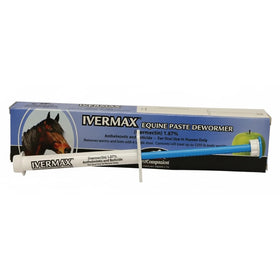
Durvet Ivermectin 1.87% Paste Apple Flavored Horse Wormer - Single Dose Broad Spectrum Dewormer for Bots and Strongyles
$21.99
Shop Now →
Kevlar Hoof Guard vs. Traditional Hoof Dressings
When you walk down the aisle of a tack shop, the number of hoof care products can be overwhelming. You have classic greases and oils, and then you have modern sealants like Kevlar Hoof Guard. While they all aim to support hoof health, they work in very different ways. Understanding these differences is key to picking the right product for your horse’s specific needs. Let's break down how this innovative sealant stacks up against more traditional options.
Is It Better Than Traditional Creams and Greases?
The biggest difference between Kevlar Hoof Guard and traditional hoof dressings is its durability. Many conventional creams and greases create a temporary, oily barrier that can add a nice shine but often washes off in wet conditions or wears away quickly. Kevlar Hoof Guard, on the other hand, is a true sealant. It adheres directly to the hoof wall, creating a tough, lasting finish that doesn't just rinse away. This sealant is designed to stay on the hoof and not come off easily, making it a stronger and more reliable choice for long-term protection.
Which Product Lasts Longer on the Hoof?
Because Kevlar Hoof Guard bonds so effectively with the hoof, its benefits go beyond a simple surface treatment. This strong adhesion allows it to seal off small cracks and old nail holes, which are common entry points for harmful bacteria. By creating this protective shield, it also helps lock in the hoof's natural moisture. This is crucial because, as experts at SmartPak Equine explain, proper moisture balance helps prevent dry, brittle hooves. Instead of just adding moisture topically, the sealant works with the hoof's existing structure to maintain its natural pliability and strength.
Is It Worth the Cost?
Let’s be honest, specialty products often come with a higher price tag, and it’s fair to ask if they’re worth it. When it comes to Kevlar Hoof Guard, many owners and farriers see it as a smart investment in their horse's soundness. The cost-benefit becomes clear when you consider the potential savings on lost shoes and vet bills. In fact, many users have reported that their horses stopped losing shoes after using this product regularly. The added toughness from the Kevlar fibers provides resilience that can prevent chipping and cracking, leading to healthier hooves. When you weigh the initial cost against the long-term benefits, many find it's a valuable addition to their collection of horse tack and supplies.
How to Apply Kevlar Hoof Guard for the Best Results
Getting the most out of a premium product like Kevlar Hoof Guard comes down to proper application. Think of it like painting a wall; the prep work is just as important as the painting itself. Following these steps will help you create a durable, protective barrier that keeps your horse’s hooves healthy and strong, ensuring you get the full value from every bottle.
Step 1: How to Properly Prep the Hoof
Start with a completely clean and dry hoof. Any dirt, mud, or moisture will prevent the sealant from bonding correctly. Use a good quality wire brush to scrub the hoof wall, sole, and frog until they are free of debris. If you’ve just bathed your horse or they’ve been out in wet conditions, wait until the hooves are thoroughly dry before you begin. This single step is the most critical part of a successful hoof care routine. A well-prepped surface ensures the product adheres properly and gives you long-lasting protection.
Step 2: The Right Way to Apply It
Always follow the manufacturer's instructions, as application methods can vary slightly between brands. Generally, you’ll apply a thin, even layer over the hoof wall, paying special attention to sealing old nail holes and any small cracks. The goal is to create a breathable barrier that locks in natural moisture while blocking out harmful bacteria and excess water. A proper application ensures the hoof remains flexible and resilient against environmental stressors, maintaining its natural integrity.
Common Application Mistakes (And How to Avoid Them)
The most common mistake is applying the hoof guard too thickly. It might seem like more is better, but a thick coat can’t cure properly and may peel or chip off, taking the protection with it. Instead of one heavy layer, it’s much more effective to apply two thin coats. Many farriers recommend waiting a day or two between coats to allow for optimal curing and a stronger, more durable hoof protection. This patience pays off with a finish that lasts longer.
How Often Should You Reapply It?
Reapplication frequency depends on your horse’s lifestyle. A performance horse working on abrasive surfaces will need more frequent touch-ups than a pasture-kept horse. Check your horse’s hooves every few days for signs of wear. As a general rule, you’ll likely need to reapply every one to two weeks to maintain a consistent protective seal. Regular maintenance is key to preventing chips and cracks before they become a problem, keeping your horse comfortable and sound. It's a small, regular investment in your horse's long-term hoof health.
Is Kevlar Hoof Guard Right for Your Horse?
While Kevlar Hoof Guard is a fantastic tool for everyday hoof maintenance, it truly proves its worth when you’re dealing with specific, persistent hoof problems. As a horse owner, you know how frustrating it can be to face issues like chipping hooves in dry weather or stubborn cracks that seem to appear out of nowhere. This is exactly where a specialized sealant can make a world of difference, moving beyond basic conditioning to offer real, structural support.
Think of it as a durable, flexible shield for the hoof. Unlike traditional creams or oils that offer temporary moisture, this sealant bonds to the hoof wall to create a protective barrier. This shield serves a dual purpose: it locks in the hoof’s natural moisture to maintain flexibility, and it blocks external threats like excess water, ammonia, and bacteria from getting in. We all know the old saying, "no hoof, no horse," and maintaining that foundation is critical for your horse's comfort and soundness.
Using a product like Kevlar Hoof Guard is a proactive way to manage hoof health. It helps prevent minor issues from escalating into serious problems that could require veterinary intervention or a lengthy recovery. It gives your horse's hooves the toughness and resilience they need to withstand daily wear, changing environments, and the demands of their workload. Whether you're looking to solve an existing problem or simply add a layer of protection to your horse's care routine, it’s one of the most effective horse tack essentials you can have in your grooming box.
The Go-To Solution for Dry, Brittle Hooves
If you live in an arid climate or find your horse’s hooves become brittle and chippy during the dry summer months, you understand this challenge all too well. Dryness strips the hoof of its natural moisture, leaving it fragile and prone to breaking. Kevlar Hoof Guard tackles this issue head-on by creating a seal over the hoof wall. This barrier effectively locks in the hoof’s internal moisture, helping to restore its natural pliability and strength from the inside out. Instead of just applying a temporary surface conditioner, you’re helping the hoof maintain its own ideal moisture balance for lasting resilience.
Support for Horses with Cracked Hoof Walls
Hoof cracks, from small surface checks to deeper splits, are more than just a cosmetic flaw. They create an entry point for bacteria and fungi, which can lead to painful infections and abscesses deep within the hoof. Kevlar Hoof Guard is incredibly effective for managing this because it flows into and seals these small cracks and old nail holes. This protective layer blocks dirt, manure, and harmful microbes from penetrating the sensitive inner tissues. By keeping the area clean and shielded, you give the hoof wall a much better environment to grow out strong and healthy, preventing minor cracks from becoming major soundness problems.
Protecting Hooves in Wet or Dry Environments
A horse's hooves are constantly exposed to environmental challenges, from the intense sun and hard ground of summer to the persistent mud and moisture of winter. Kevlar Hoof Guard acts as a powerful defense against these stressors. The formula provides UV protection to help prevent the sun from bleaching the hoof and causing surface cracks. In wet, muddy conditions, it forms a waterproof yet breathable barrier that stops the hoof from becoming overly saturated and soft. This makes it an invaluable tool for maintaining consistent hoof quality through any season, ensuring your horse’s feet are protected year-round.
Managing Hoof Health Through the Seasons
The transition between seasons is often the most difficult time for hoof health. The dramatic shift from a wet spring to a dry summer, for example, can cause the hoof to rapidly expand and contract, leading to weakness and cracking. Kevlar Hoof Guard is especially beneficial during these periods. The unique Kevlar fibers in the formula are designed to make the hoof wall exceptionally tough and resilient. Applying the sealant before and during these seasonal changes gives the hoof the extra support it needs to adapt smoothly, maintaining its structural integrity when it's most vulnerable. Many of our best selling products are designed to offer this kind of essential, preventative care.
Kevlar Hoof Guard Myths: Busted!
When a product gains a reputation for being effective, it’s only natural for a few myths to pop up alongside the success stories. Kevlar Hoof Guard is no exception. You’ve probably heard different opinions at the barn or seen conflicting information online, and it can be tough to sort out fact from fiction. Let's clear the air and tackle some of the most common misconceptions about this popular hoof protectant. Understanding what it can and can’t do will help you decide if it’s the right choice for your horse and ensure you get the best possible results from every application.
Myth #1: It Makes Hooves Indestructible
The name "Kevlar" brings to mind bulletproof vests, so it’s easy to see why some people think this product makes hooves indestructible. While it offers incredible protection, it’s not a suit of armor. Think of it more like a high-tech, flexible shield. It’s designed to absorb shock from hard ground and reduce the risk of stone bruises and sole punctures. It creates a tough, durable coating that strengthens the hoof wall and sole, but it can't prevent every possible injury. A serious impact or underlying hoof issue will still need proper attention from you and your farrier.
Myth #2: It's a One-Time Fix for Hoof Problems
Wouldn't it be great if we could apply a hoof product once and be set for months? Unfortunately, that’s not how Kevlar Hoof Guard works. It’s a maintenance product, not a permanent fix. The protective layer wears down over time with abrasion from different terrains and will also grow out with the hoof. To keep the benefits going, you need to make it part of your regular hoof care routine. Consistent reapplication is key to maintaining that protective barrier and ensuring your horse’s hooves stay resilient against wear and tear.
Myth #3: The Application Process Is Complicated
Some horse owners worry that applying Kevlar Hoof Guard is a messy, complicated job best left to a professional. The good news is, it’s surprisingly straightforward. The most important part of the process is preparation. You just need to start with a completely clean and dry hoof, free of any dirt, oils, or moisture. From there, the application is a simple brush-on method that most owners can easily handle themselves. There are plenty of tips from other horse owners who have mastered the technique, and with a little practice, you’ll find it’s a quick addition to your grooming schedule.
Myth #4: It Isn't Suitable for Performance Horses
There’s a common misconception that hoof protectants like this are only for barefoot trail horses or those with hoof problems. In reality, many competitive equestrians rely on Kevlar Hoof Guard to support their horses. From endurance racers logging miles over tough terrain to jumpers needing extra concussion support upon landing, performance horses can benefit greatly. The coating provides protection without the weight or peripheral loading of a traditional shoe, allowing for a more natural hoof function under intense athletic pressure. It’s a versatile tool that supports hoof health across various disciplines.
What Do Owners and Farriers Really Think?
So, what's the real story on Kevlar Hoof Guard? To get the full picture, I looked at what everyday horse owners and professional farriers are saying about it. It’s always helpful to hear from people who use a product day in and day out. Here’s a balanced look at their experiences, from the rave reviews to the practical tips for getting it right. This feedback can help you decide if it’s the right choice for your horse’s specific needs.
The Pros: What Owners and Farriers Love
Horse owners often praise how Hoof Guard seals up small cracks and nail holes, which helps keep harmful bacteria out. A big plus is its ability to lock in the hoof's natural moisture, preventing them from becoming dry and brittle. The real star of the show is the Kevlar fiber, the same stuff used in bulletproof vests. This ingredient is designed to make hooves tougher, more durable, and resilient against wear and tear. It’s a go-to for owners looking to add a serious layer of strength to their horse's hoof care routine.
Superior Durability Compared to Other Brands
What truly sets Kevlar Hoof Guard apart from other hoof dressings is its staying power. Many traditional oils and greases just sit on the surface, offering a temporary shine that quickly disappears in a wet pasture or on a dusty trail. This product is different—it’s a structural sealant. It bonds directly to the hoof wall, using tough aramid fibers to reinforce the hoof’s natural structure. This creates a durable, protective layer that won't just wash away. It actively seals off small cracks and old nail holes, providing a level of resilience that simple conditioners can't match. This long-lasting protection is why so many horse owners consider it an essential part of their horse tack and grooming kit.
The Cons: What to Be Aware Of
While many people have great results, there are a few things to keep in mind for a successful application. The most common piece of advice is to make sure the hoof is completely clean and dry before you start; many recommend using a wire brush for the best prep. It's also important not to apply the product too thickly. If it goes on too heavy, it won't cure properly. The consensus is that it's better to apply two thin coats a few days apart than one thick one. A little patience during application goes a long way.
A Professional Farrier's Perspective
Farriers often have a practical take on hoof products, and Kevlar Hoof Guard is no exception. Many use it right after shoeing to replace the natural protective outer layer of the hoof that may have been filed away during the trimming process. This helps seal the hoof immediately, protecting their work. From a professional standpoint, it’s also seen as a more affordable option compared to some other hoof sealants on the market. It offers a reliable way to add protection without a hefty price tag, making it one of the best-selling products in many farriers' toolkits.
How to Use Kevlar Hoof Guard Safely
Using a powerful product like Kevlar Hoof Guard is a fantastic step toward better hoof health, but like any tool in your grooming kit, it’s important to use it correctly and safely. Proper application and ongoing monitoring ensure your horse gets all the benefits without any unintended issues. Think of it as a partnership between you, the product, and your horse’s professional care team. Following a few key safety guidelines will help you get the most out of every application and keep your horse’s hooves in top condition.
Your Safety Checklist for Application
For the best results, preparation is everything. Before you even open the bottle, make sure your horse's hooves are completely clean and dry. A good wire brush is your best friend here, as it helps remove any lingering dirt or debris. When you apply the sealant, remember that less is more. It’s much better to apply two thin coats a few days apart than one thick layer. A thick coat won't cure properly, which means it won't provide the strong, protective barrier you're looking for. A thin, even layer ensures the Kevlar fibers can bond correctly to the hoof wall, creating a durable shield.
How to Monitor Your Horse's Hoof Health
After applying the hoof guard, your job is to keep a close eye on your horse's hooves. The sealant is designed to fill in small cracks and nail holes, which is great for preventing harmful bacteria from getting inside. It also helps the hoof retain its natural moisture, preventing it from becoming dry and brittle. You should notice an improvement in overall hoof quality with regular use. Make daily hoof checks part of your routine. Look for any new cracks, chips, or signs of tenderness. Consistent monitoring helps you catch small issues before they become bigger problems and ensures the horse tack you use fits comfortably on sound hooves.
When to Call Your Farrier
Kevlar Hoof Guard is an excellent maintenance tool, but it isn't a substitute for professional care. It’s crucial to know when to call in your farrier. If you notice any persistent cracks that don't seem to be improving, see signs of infection like a foul smell or discharge, or if your horse shows any discomfort, it's time to make that call. Many farriers actually recommend applying the hoof guard right after shoeing to help seal the hoof wall. Your farrier is an essential partner in your horse's equine hoof care, so always lean on their expertise when you're unsure about something.
Where to Buy Kevlar Hoof Guard (And What It Costs)
Once you’ve decided to give Kevlar Hoof Guard a try, the next step is finding where to buy it. Luckily, it’s widely available through various online stores and local tack shops, so you have plenty of options. The price typically hovers around $20 to $25 for a 16-ounce bottle, but this can vary depending on the retailer and whether you buy in bulk. Let’s walk through the best places to find it and how you can get the most for your money.
Where to Find It Online
Shopping online is often the most convenient way to get your hands on hoof care products. Several reputable retailers carry Kevlar Hoof Guard, making it easy to compare prices and have it shipped directly to your barn. For example, Hoof Trimmer Supply offers the sealant alongside other professional trimming supplies. Another great source is NC Tool Shop, which describes the product as a clear liquid that uses Kevlar fibers to enhance hoof strength.
Many horse owners also trust retailers like SmartPak Equine, where the product has earned high ratings from customers who report their horses stopped losing shoes after using it. Reading reviews from fellow equestrians can give you extra confidence in your purchase.
Finding a Trusted Retailer
While you can find Kevlar Hoof Guard at several online stores, choosing the right retailer can make a big difference in your experience. It’s always a good idea to buy from a company that specializes in equine and pet care, as they’re more likely to understand the products they sell and can offer knowledgeable support. Here at Hooves and Paws, we handpick every item in our collection, drawing on over 30 years of experience to ensure we only offer supplies we trust. Look for a retailer that stands behind their products with a strong satisfaction guarantee and offers reliable, fast shipping—because when you need something for your horse, you usually need it now. Reading a company's story can tell you a lot about their commitment to quality and customer care.
Is It Available at Your Local Tack Shop?
Don’t overlook your local tack and feed store. Shopping in person allows you to ask questions, get advice from knowledgeable staff, and support a local business in your community. Many independent shops and larger chains carry popular hoof care products. For instance, you can often find it at stores like Dover Saddlery, which highlights the sealant’s ability to help hooves retain their natural moisture and prevent them from becoming dry or brittle. If you’re unsure whether your local store has it in stock, a quick phone call can save you a trip.
Understanding Sizing and Packaging
Standard vs. Refill Bottles
Kevlar Hoof Guard is typically sold in two convenient sizes to fit your needs. The most common option is the 16-ounce bottle, which usually comes with a built-in brush applicator, making it perfect for first-time users or for stashing in your travel grooming kit. It’s just the right size for regular use on a single horse. For those who have made it a staple in their routine or have multiple horses to care for, there’s also a larger 32-ounce refill jug. This is a more economical choice in the long run, as you can simply use it to top off your smaller applicator bottle. It’s a smart way to save a little money and ensure you always have this essential horse tack supply on hand.
What to Expect to Pay
Typical Price Range
When you're budgeting for your horse's care, it's helpful to know what to expect. For a standard 16-ounce bottle of Kevlar Hoof Guard, you can generally plan to spend between $20 and $25. Prices can vary a bit depending on the retailer, but they usually fall within this range. If you're a farrier or manage a barn with several horses, keep an eye out for bulk discounts, as some suppliers offer a lower price per bottle when you buy a case. While it’s an investment, many owners find the cost is easily justified by the money saved on lost shoes and the peace of mind that comes with healthier hooves. At Hooves and Paws, we believe in honest pricing for our best-selling products, and with our free shipping, you can get what you need without any surprise costs.
Tips for Buying in Bulk to Save Money
If you have multiple horses or simply want to ensure you always have a bottle on hand, buying in bulk can be a smart financial move. Some retailers offer discounts for purchasing larger quantities, which can add up to significant savings over time. For example, NC Tool Shop offers a price break when you buy 12 or more bottles at once. This is an excellent option for barn managers, farriers, or anyone who plans to use the product consistently as part of their hoof care routine. Always check the product page for multi-buy offers before you complete your purchase.
Understanding Purchase Policies
Before you click "buy," it's always a good idea to get familiar with a store's purchase policies. Things like returns and subscription options can make a big difference in your shopping experience, especially when you're buying products you'll use regularly. Understanding the fine print helps you shop with confidence and ensures there are no surprises down the road. It allows you to know what to expect if a product isn't quite right or how you can simplify reordering your favorites. This way, you can focus on what really matters: finding the best supplies for your horse.
Return Policies for Hazardous Materials
When you're buying hoof care products, it's worth noting that some items, particularly sealants and adhesives, can be classified as hazardous materials due to their chemical makeup. This can sometimes lead to more restrictive return policies. For example, some retailers may offer a 30-day window and require that products are completely unused and undamaged for a return. Here at Hooves and Paws, we believe in the products we carry, which is why we stand behind them with our 365-day satisfaction guarantee. We want to make sure you and your horse are completely happy with your purchase, giving you peace of mind that you won't find anywhere else.
Subscription Options for Regular Users
If Kevlar Hoof Guard becomes a staple in your grooming routine, looking for a subscription option can be a game-changer. Many online retailers offer auto-ship services that deliver your favorite products to your door at regular intervals. This is a fantastic way to make sure you never run out of essentials, and you can often save a little money with a subscription discount. It takes one more thing off your to-do list, so you can spend less time reordering supplies and more time enjoying your horse. It's a convenient way to keep your tack room stocked with all your horse care must-haves.
Related Articles
Frequently Asked Questions
How often should I reapply Kevlar Hoof Guard? The frequency really depends on your horse's environment and workload. A horse working on rough terrain or in abrasive footing will wear through the sealant faster than a horse living in a soft pasture. A good rule of thumb is to check the hooves every few days and plan to reapply a thin coat every one to two weeks to maintain a solid, protective barrier.
Can I use this on a barefoot horse as well as a shod horse? Absolutely. It’s beneficial for both. On a shod horse, it helps strengthen the hoof wall, seal old nail holes, and can even help keep shoes on more securely by preventing the hoof from getting overly soft in wet conditions. For a barefoot horse, it provides an extra layer of toughness to the hoof wall and sole, helping to prevent chips, cracks, and soreness from hard or rocky ground.
Will this product change the color or appearance of my horse's hooves? Kevlar Hoof Guard dries to a clear, natural-looking finish, so it won't alter your horse's hoof color. It doesn't create an artificial, high-gloss shine like some hoof oils do. Instead, it gives the hoof a clean, healthy appearance and can help prevent the sun from bleaching out the hoof's natural pigment over time.
Is it safe to apply to the sole and frog, or just the hoof wall? Its main job is to protect and seal the hoof wall, which is where you should focus your application. Many people also apply a thin layer to the sole for extra protection against stone bruises, especially for barefoot horses. However, it's generally best to avoid applying it directly to the frog, as you want that area to breathe and function naturally.
Can I use other hoof treatments, like thrush medication, at the same time? Yes, you can, but the order of application is important. If you need to use a medicated treatment for an issue like thrush, apply that product first and allow it to fully dry or absorb into the hoof. Once the treatment is set, you can apply the Kevlar Hoof Guard over the hoof wall and sole. This seals the medication in and creates a barrier to keep moisture and dirt out.


