


A good western saddle is more than just a piece of equipment; it's the critical connection between you and your horse. Its design comes from a long history of working cowboys, but today’s saddles blend that rugged tradition with modern innovation. Finding the right fit is everything. It impacts your horse's comfort, your posture, and your overall performance, whether you're on the trail or in the arena. This guide will walk you through what makes a great saddle, so you can choose the perfect one for you and your horse.
This comprehensive guide delivers the latest expert tips and essential insights to help you select, fit, and care for your western saddle. You will discover current trends, material innovations, and practical advice for every rider.
Elevate your riding experience with knowledge backed by specialists. Explore new technology, understand your options, and make informed decisions for a safer, more enjoyable ride.
Your Guide to Western Saddle Types and Features
Selecting the right western saddle is essential for both horse and rider. This section explores the roots, types, anatomy, and the latest features shaping the western saddle market in 2025.
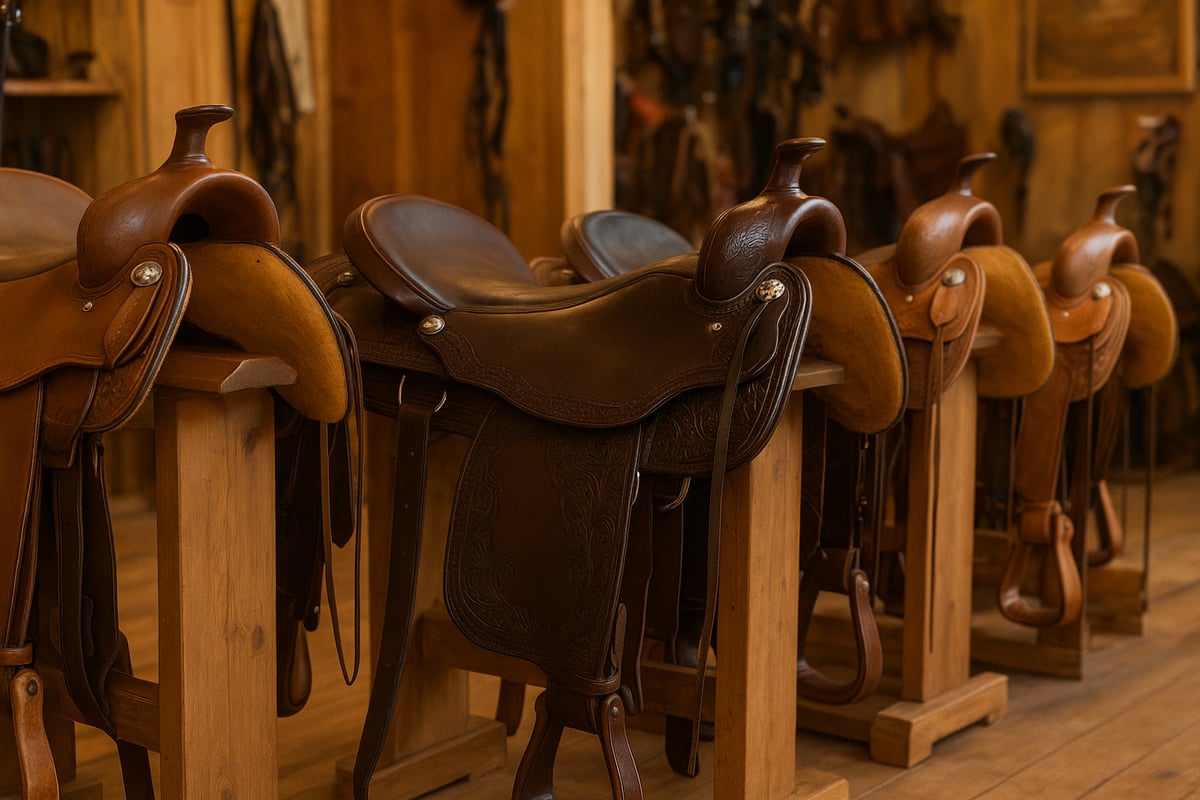
How Western Saddles Came to Be
The western saddle originated from the Spanish vaquero tradition, designed to support long hours of ranch work. Over time, its purpose expanded, adapting to a variety of riding styles and competitive events.
As western riding disciplines have grown, saddle designs have shifted to address new demands for comfort, security, and performance. Traditional features remain, yet innovation is now a driving force.
In 2025, the western saddle continues to evolve, blending classic craftsmanship with modern engineering. This evolution ensures that riders benefit from better balance, greater horse comfort, and discipline-specific enhancements.
The Role of the Vaquero and the Saddle Horn
The Western saddle owes its practical design to the Mexican vaqueros, the original cowboys and expert cattle handlers. Their work demanded a saddle that blended two distinct Spanish riding styles: one that allowed the horse complete freedom of movement and another that gave the rider maximum security. The result was a functional masterpiece. A key innovation was the saddle horn, which served a critical purpose beyond just a handhold. Vaqueros used the sturdy horn to dally, or wrap, their rope (lariat) after roping cattle, giving them the leverage needed to control powerful livestock. This feature became an indispensable part of Western horse tack and a symbol of the working cowboy.
The Evolution of the Western Sidesaddle
The Western sidesaddle emerged from a need for women to ride safely and effectively while working on the ranch. In the 1870s, rancher Charles Goodnight developed a more robust sidesaddle for his wife, one that could withstand the rigors of daily riding and ranch chores. Unlike its more delicate predecessors, this saddle was "double rigged," meaning it used two cinches for superior stability. This design prevented the saddle from shifting during active riding and allowed it to be adjusted to fit various horses securely. It represented a significant step forward, empowering women to participate more fully in the equestrian life of the American West.
Which Western Saddle Type is Right for You?
There are several main types of western saddle, each crafted for a particular task:
| Type | Key Features | Best For |
|---|---|---|
| Roping | Reinforced horn, deep seat, strong tree | Roping, ranch work |
| Barrel Racing | Lightweight, high swell, forward seat | Barrel racing |
| Trail | Padded seat, lighter weight, multiple rings | Long rides, comfort |
| Cutting | Low horn, flat seat, short skirts | Cutting competitions |
| Show | Decorative tooling, silver accents, balanced seat | Showing, parades |
For example, a roping western saddle features a sturdy horn and deep seat, keeping the rider secure during quick maneuvers. Barrel saddles are trending toward lighter builds and higher swells, as seen in the NRS Competitor Series. Youth and specialty saddles are also available, offering proper fit and support for younger riders or unique equestrian needs.
Explore a range of options and compare features in the Western Saddles Collection, which showcases the diversity of designs available in 2025.
Reining Saddles
If you're into the fast-paced sport of reining, you need a saddle built for precision and communication. Reining saddles are designed with a deep seat that keeps you secure during sliding stops and quick spins. The key feature is the free-swinging stirrups, which allow your legs to move without restriction. This freedom is essential for giving your horse the subtle leg cues needed to perform complex patterns. The close-contact design ensures that every signal is clearly felt, creating a seamless connection between you and your horse. It’s all about providing security for the rider while allowing maximum flexibility for clear communication during high-performance maneuvers.
Endurance Saddles
For riders who love spending long hours on the trail, an endurance saddle is the perfect companion. These saddles are significantly lighter than most other Western styles, which helps reduce fatigue for both you and your horse over many miles. They are engineered to spread the rider's weight across a large surface area on the horse's back, preventing sore spots and ensuring comfort on extended, faster-paced rides. Many endurance saddles are built without a horn, as it’s unnecessary weight and can get in the way. The focus here is purely on comfort, function, and lightweight durability for those who enjoy distance riding.
Roping Saddles and the Slick Fork
Roping saddles are the heavy-duty workhorses of the Western world. Built to be exceptionally strong and durable, they feature a thick, reinforced horn designed to withstand the force of a roped steer. The saddle's tree is incredibly sturdy to handle the intense demands of ranch work. A roping saddle often has a low back and a "slick fork"—the front part of the saddle—which is designed without prominent swells. This streamlined design allows the rider to dismount quickly and safely when they need to get to the calf. It’s a highly functional piece of essential horse tack, crafted for strength and speed.
Rodeo Bronc Riding Saddles
A rodeo bronc riding saddle is a piece of highly specialized equipment with one job: helping a rider stay on a bucking horse. You won't find a horn on this saddle, as it would be dangerous and get in the way. Instead, it features a deep seat and wide front swells that the rider can grip with their legs for stability. This design is all about security and staying centered during the explosive movements of a bronc. Unlike saddles for general riding, these are used for a very specific, high-intensity rodeo event and are built to meet the unique needs of the sport, prioritizing rider safety and grip above all else.
What Are the Parts of a Western Saddle?
Understanding the anatomy of a western saddle helps riders make informed choices. Key components include:
- Tree: The foundation, often rawhide-covered wood for durability and fit.
- Seat: Shaped for rider comfort, available in various depths.
- Horn: Used for roping or balance, size varies by discipline.
- Cantle: The rear part, provides back support and stability.
- Stirrups: Adjustable for leg length and position.
- Rigging: Connects the saddle to the horse, affects balance and security.
Material selection is crucial. Full-grain leather remains popular for its durability and classic look. Synthetic and hybrid options offer reduced weight and maintenance. Premium saddles often feature a 90/10 wool blend lining, enhancing comfort and wicking away moisture.
For lasting performance, many western saddle makers use rawhide-covered wood trees, known for their strength and ability to conform slightly over time.
Understanding Saddle Rigging: Position and Style
The rigging is the system of rings and straps that holds the saddle securely on your horse. While some saddles are single-rigged with just a front cinch, most western saddles are double-rigged, featuring both a front and a back cinch for added stability. The front cinch, attached with a long strap called a latigo, fastens around your horse’s barrel just behind the elbows. The back cinch, which became popular with the rise of rodeo roping, prevents the saddle from tipping forward under pressure. The placement of the front rigging—often described as 7/8 or 3/4—is crucial because it determines how pressure is distributed across your horse’s back. Finding the right balance is key to a comfortable ride, which is why having the proper horse tack is so important for both safety and performance.
Saddle Lining: The Importance of Sheepskin
The underside of the saddle that rests against your horse is covered with a soft lining, and for good reason. The best saddles use genuine sheepskin, which is much more than just a cozy feature. This natural material is incredibly effective at wicking away moisture, providing excellent cushioning, and allowing air to circulate, which helps prevent sores and keeps your horse comfortable on long rides. While the saddle’s tree provides the essential structure, the lining ensures that structure sits gently on your horse’s back. A high-quality sheepskin lining is a hallmark of superior craftsmanship and reflects a deep understanding of equine needs. It’s this commitment to animal well-being that has been at the heart of our family-owned business for over 30 years.
What's New in Western Saddle Design?
Recent years have brought significant innovations to the western saddle. Ergonomic seat designs now promote healthy rider posture, reducing fatigue during long rides.
Enhanced gullet and cantle measurements ensure a better fit for a wider range of horse conformations. This focus on horse comfort helps prevent pressure points and encourages free movement.
Customization is another trend. Riders can now select stirrups and fenders tailored to their discipline or preference, improving both function and style. Many 2025 models also offer interchangeable parts and advanced adjustment systems.
These advancements make the modern western saddle a blend of tradition and cutting-edge technology, meeting the evolving needs of today’s riders.
Western vs. English Saddles: Key Differences
If you're new to riding or switching disciplines, the differences between Western and English saddles can seem vast. While both connect you to your horse, their designs are rooted in completely different traditions and purposes. A Western saddle, born from the needs of cowboys working long days on the ranch, prioritizes stability and comfort over extended periods. An English saddle, on the other hand, is built for closer contact with the horse, allowing for precise cues in disciplines like dressage and jumping. Understanding these core distinctions will help you appreciate why choosing the right style is so important for both your riding goals and your horse's well-being.
Weight, Feel, and Security
One of the first things you'll notice is the significant weight difference. Western saddles are heavier and more substantial because they are built on a larger, sturdier tree designed to distribute weight evenly during long hours of riding. This construction, combined with a deep, supportive seat and a prominent horn, often makes riders feel more secure and stable. In contrast, English saddles are much lighter and more minimalist. They are designed to give the rider closer contact with the horse's back, which is ideal for sports that require subtle communication and athletic movements. While some find the security of a Western saddle easier to get used to, the choice ultimately comes down to your riding style and personal preference.
Padding: Saddle Blankets vs. Built-in Panels
How a saddle protects your horse's back is another major point of difference. A Western saddle is essentially a leather-covered tree without any integrated padding on its underside. Because of this, you must always use a thick saddle blanket or pad underneath to provide cushioning and absorb sweat, ensuring your horse stays comfortable. English saddles, however, feature built-in padded panels, typically stuffed with wool or foam, that sit directly on the horse's back. While a thin saddle pad is still used for cleanliness and minor adjustments, the primary cushioning is part of the saddle itself. This fundamental design difference is crucial for proper saddle fit and your horse's comfort.
Cinching Systems: Latigos and Girths
Securing the saddle to the horse is also handled differently. Western saddles use a system involving a wide strap called a cinch, which is attached to the saddle's rigging on either side. On one side, the cinch is connected using a long leather strap called a latigo, which is either tied in a specific knot or buckled for a secure fit. This method is designed for strength and durability. English saddles use a simpler piece of equipment called a girth. A girth is a single strap, often with elastic on one or both ends, that buckles directly to billets on both sides of the saddle, making it quick and straightforward to tighten.
Stirrup Design and Safety
Even the stirrups reflect the distinct philosophies of each riding style. Western stirrups are wide and heavy, providing a large, stable base for the rider's foot. This design, paired with the high heel of a cowboy boot, helps prevent a rider's foot from accidentally slipping all the way through the stirrup, which could be dangerous in a fall. English stirrups, or "irons," are much smaller and are attached to the saddle with a leather strap that has a built-in safety release. This mechanism is designed to allow the stirrup leather to detach from the saddle if a rider falls, reducing the risk of being dragged.
Shop This Post

Featured in this article
Martin Saddlery Floral Angled Tooled Leather Knife Scabbard - Large 4 7/8in L x 4 3/8in W - Made in USA
$43.06
Shop Now →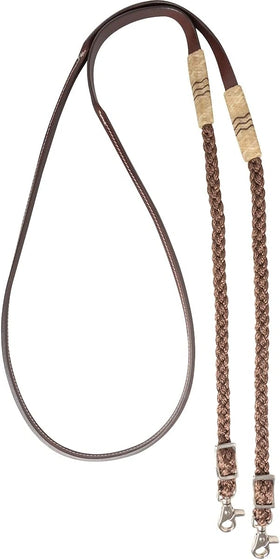
Why Saddle Fit is Everything (For You and Your Horse)
Finding the right western saddle fit is more than a matter of comfort. It is a science that impacts both horse health and rider success. Understanding the essentials of saddle fit can prevent long-term issues and elevate your riding experience.

More Than Just Comfort: Why Fit is Crucial
A properly fitted western saddle is crucial for your horse’s well-being and your own performance. Ill-fitting saddles can cause pain, muscle soreness, and behavioral problems for horses. Riders may experience instability, poor posture, or even injury.
Common issues from poor fit include:
- Pressure points that lead to soreness or white hairs
- Restricted shoulder or back movement
- Slipping or bridging across the horse's back
For a deep dive into these problems and effective solutions, see this Guide to Saddle Fit Problems.
A well-fitted western saddle promotes freedom of movement, even weight distribution, and a positive riding partnership.
How to Measure Your Horse for a Saddle
Accurate measurement is the foundation of good western saddle fit. Begin by evaluating your horse:
- Measure gullet width to match the horse’s withers.
- Assess back length to ensure the saddle does not extend beyond the last rib.
- Examine wither shape for high, medium, or flat profiles.
For the rider, seat size is equally important. Choose a size that allows a hand’s width behind you in the saddle. Check that your knee sits comfortably in the pocket, and your legs hang naturally.
For example, many modern saddles offer seat sizes from 13.5 to 16.5 inches, and gullet widths around 6 3/4 inches to accommodate a variety of horses and riders.
Understanding the Saddle Tree: Bars, Pitch, and Sizes
The saddle tree is the internal frame that gives a western saddle its shape and distributes your weight evenly across your horse's back. This foundation is the most critical part of a proper fit. While traditional wood trees wrapped in rawhide are known for their strength and durability, many modern saddles feature synthetic or fiberglass trees that offer a lighter, more affordable alternative. The most important components for fit are the bars—the two pieces that run along the horse's spine—and their angle, or "pitch." A horse with a broad, flat back needs flatter bars to sit correctly, while a narrower horse requires a steeper pitch to avoid pinching the withers. Getting this right is the first step in choosing the right horse tack that keeps your partner comfortable and sound.
Common Tree Sizes: From Semi-Quarter to Haflinger
To simplify the fitting process, manufacturers categorize saddle trees into several common sizes. You’ll often see terms like Semi-Quarter Horse, Full Quarter Horse, Arabian, and Haflinger. A Semi-Quarter Horse tree is a fairly standard, narrower fit suitable for many breeds with more defined withers. The Full Quarter Horse tree is wider with flatter bars, designed specifically for stocky horses with broad shoulders and low withers, like the American Quarter Horse. You can also find specialized trees made to fit the unique conformations of other breeds, such as the shorter backs of Arabians or the extra-wide builds of draft horses and Haflingers. These sizes provide a great starting point for finding a saddle that matches your horse's body type.
Saddle Fitting Tips for Your Riding Style
The requirements for a western saddle can vary by riding discipline. Here is a comparison:
| Discipline | Fit Priority | Adjustment Needed |
|---|---|---|
| Roping | Deep seat, reinforced tree | Shorter stirrups, secure rigging |
| Barrel Racing | Higher swell, lighter tree | Forward-hung stirrups |
| Trail Riding | Comfort, longer skirts | Balanced rigging, adjustable fenders |
Ropers need stability and a secure seat, while barrel racers benefit from a lightweight build and higher swells. Trail riders prioritize long-term comfort for both horse and rider. Adjust rigging and stirrup lengths to match your event and riding style.
Each discipline places unique demands on the western saddle, making discipline-specific fit adjustments critical.
Choosing the Right Saddle Pad and Accessories
Saddle pads play a vital role in optimizing the fit and comfort of your western saddle. They help distribute pressure, absorb shock, and protect the horse’s back.
Popular pad materials include:
- Wool: Excellent breathability and moisture-wicking
- Gel: Superior shock absorption
- Foam: Lightweight and easy to clean
Many premium western saddles feature high-quality wool blend linings, such as a 90/10 wool blend, to enhance comfort. Select pads that complement your saddle’s fit and your horse’s needs for the best results.
The Function of a Breastcollar
A breastcollar is a key piece of equipment that provides stability and balance to your saddle. Its main job is to prevent the saddle from sliding backward, which is especially important when you’re climbing steep hills, making quick stops, or engaging in fast-paced work. By attaching to the saddle's D-rings and looping around the horse's chest, it helps distribute the rider's weight more evenly and keeps everything securely in place. This not only improves your horse's comfort but also gives you a more secure seat, making it an essential piece of horse tack for trail riders, ranchers, and competitors alike.
The Purpose of a Back Cinch
While the front cinch secures the saddle around your horse’s barrel, a back cinch offers an extra layer of security. This additional strap runs behind the front cinch and prevents the back of the saddle from lifting or shifting. This is particularly important in disciplines that involve quick movements or heavy loads, like roping, cutting, or navigating rough terrain. When a rider ropes a steer, for example, the force can pull the saddle forward and cause the back to lift dangerously. A properly fitted back cinch holds the saddle down, ensuring stability and safety for both horse and rider during demanding work.
Other Useful Accessories: Saddle Strings and Tapaderos
Beyond the main components, smaller accessories can significantly improve your ride. Saddle strings, those long leather ties on the back and sides of your saddle, are essential for securing gear on the trail. They allow you to attach a rain slicker, water bottle, or lead rope without affecting the saddle's balance. Tapaderos, also known as stirrup covers, are another practical addition. These leather hoods cover the front of your stirrups, protecting your feet from brush and rain while also preventing your foot from accidentally slipping all the way through the stirrup, which adds a valuable layer of safety to any ride.
When Should You Call a Professional Saddle Fitter?
Sometimes, expert help is necessary to achieve the ideal western saddle fit. Consult a professional fitter if your horse shows signs of discomfort, or if you ride multiple horses with different builds.
In 2025, technology is transforming saddle fitting. Pressure mapping and 3D scans now allow precise analysis of saddle contact and pressure points. These advancements help riders and fitters identify subtle issues that could impact performance.
A properly fitted western saddle, supported by professional insights and advanced technology, ensures both horse and rider can perform at their best.
What Goes Into a Quality Western Saddle?
Choosing a western saddle in 2025 means considering a blend of tradition, innovation, and sustainability. Riders demand lightweight, durable, and ethically crafted equipment as their expectations continue to evolve. In this section, we break down the latest materials, craftsmanship techniques, and technology trends shaping the future of western saddle design.
Leather vs. Synthetic Saddles: Which is Better?
Material selection is vital for every western saddle. Traditional saddles use premium leather, such as full-grain or Herman Oak, prized for durability, comfort, and a classic look. However, these require regular care and can be heavy. Modern options include synthetic fabrics and hybrid constructions, offering lighter weight, easier maintenance, and lower cost.
| Material Type | Pros | Cons |
|---|---|---|
| Leather | Durable, classic, molds to rider | Heavy, needs care |
| Synthetic | Lightweight, low maintenance | Less traditional feel |
| Hybrid | Combines benefits | Variable longevity |
Many riders now choose hybrid western saddle models to balance tradition and innovation.
What's New with Saddle Trees?
The tree forms the backbone of any western saddle, directly affecting fit, durability, and horse comfort. Rawhide-covered wood trees remain popular for their strength and ability to conform to a horse’s back. Fiberglass and composite trees have become more common, reducing weight and increasing resistance to weather or warping.
When comparing options, consider warranty terms. Many 2025 western saddle brands offer five-year warranties on trees, reflecting confidence in modern materials.
Handmade vs. Factory Saddle: Does it Matter?
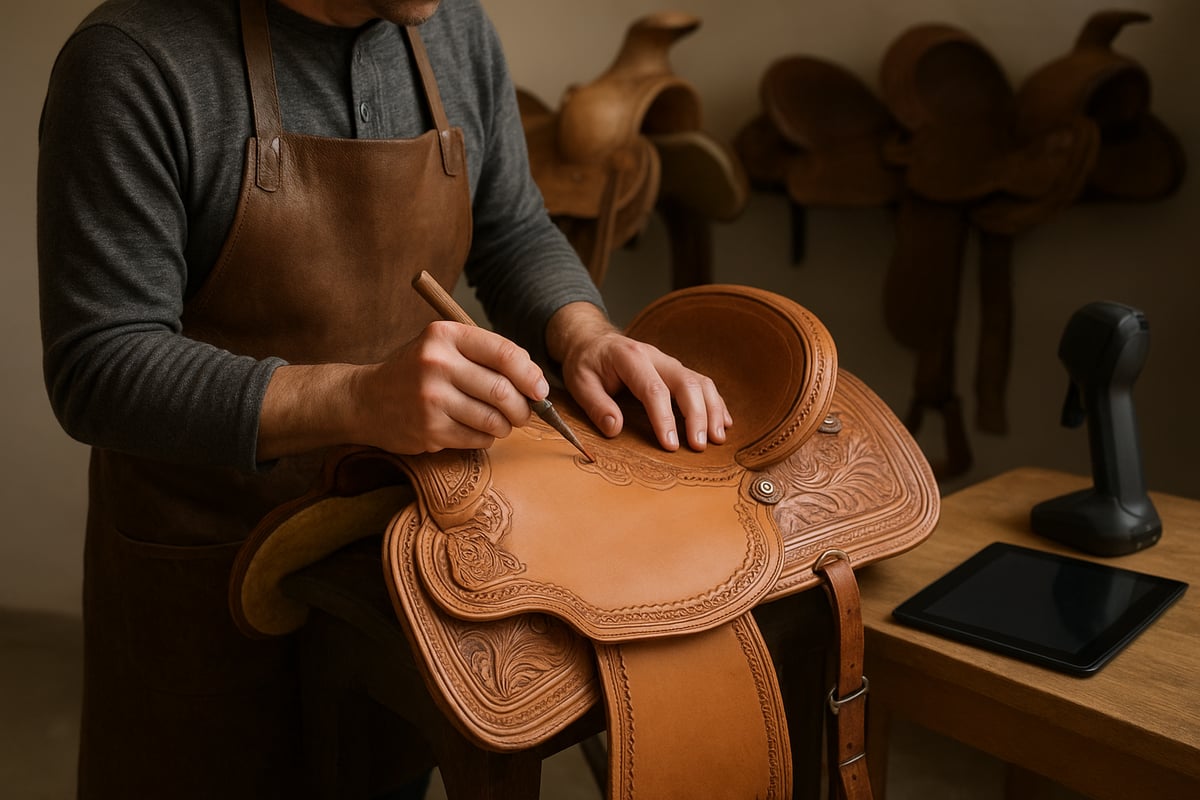
Craftsmanship defines the aesthetic and functional quality of a western saddle. Hand-tooled leather, intricate stitching, and artisan construction set handcrafted saddles apart. These pieces often become family heirlooms. Machine-made saddles, on the other hand, provide consistency and affordability, making them accessible to a broader range of riders.
Demand for custom and semi-custom western saddle options is on the rise. Riders value the ability to personalize fit, tooling, and color, ensuring their saddle meets both performance and style needs.
How Technology is Changing the Western Saddle
Technology is transforming the western saddle market in 2025. Smart saddle pads and embedded sensors now deliver real-time feedback on fit and pressure distribution. Digital fitting tools, such as 3D scanning and online configurators, help match saddle trees to a horse’s unique shape. For a deeper dive into these innovations and how they enhance comfort and performance, read about Innovative Technologies in Saddle Design.
Riders benefit from more precise, data-driven choices, ensuring their western saddle supports both horse and rider through every ride.
Shopping for a Sustainable Western Saddle
Sustainability is now a key factor in western saddle design. Eco-friendly tanning methods reduce environmental impact, and some brands prioritize locally sourced or recycled materials. Synthetic and vegan-friendly saddles offer ethical alternatives without sacrificing function.
Look for these features when shopping:
- Vegetable-tanned leather
- Recycled or repurposed hardware
- Vegan synthetic options
Ethical production practices reflect a growing awareness among riders and manufacturers, making it easier to align your values with your western saddle choices.
Your Western Saddle Buying Checklist
Choosing the right western saddle in 2025 means more than picking a style off the rack. Riders must consider their discipline, goals, budget, and the latest innovations. This expert section will guide you through the most important factors to ensure you find the perfect fit for both horse and rider.
First, Define Your Riding Style
Your primary riding activity should be the starting point for any western saddle purchase. Are you into roping, barrel racing, trail riding, or showing? Each discipline demands specific features for safety and performance. For example, barrel racers often select saddles with higher swells and secure seats for fast turns, while trail riders benefit from lightweight designs and extra comfort.
Make a list of your riding goals before shopping. This clarity helps you narrow down the ideal western saddle for your needs and ensures your investment will support you as your skills grow.
How Much Should You Spend on a Western Saddle?
Western saddles come in a wide range of prices. Entry-level models may be suitable for casual riders or those just starting, while premium saddles offer advanced materials, hand-tooling, and extended warranties. It is important to determine what features justify higher costs, such as custom fitting, quality leather, or reputable craftsmanship.
Consider not only the initial purchase price but also long-term value. A well-made western saddle can last for years with proper care, making it worth investing in quality when possible. Set your budget with room for essential accessories and future maintenance.
Typical Price Ranges for Western Saddles
Understanding the cost of a western saddle helps you set a realistic budget. Prices can vary quite a bit, depending on the materials, craftsmanship, and brand. For casual riders or those new to the sport, entry-level saddles can be found starting around $500. As you move into more durable, quality leather options from reputable makers, the price typically ranges from $1,000 to $3,000. This is where most riders find a great balance of performance and longevity. For those seeking a truly personalized fit or high-end features, custom and hand-tooled saddles from premier brands can easily exceed $3,000. Remember that a well-made saddle is a long-term investment in your horse's comfort and your own riding success, making it one of the most important pieces of horse tack you'll own.
Which Saddle Brands Can You Trust?
Choosing a reputable brand is crucial when selecting a western saddle. Look for brands that offer solid warranties, such as five-year tree guarantees, and are transparent about where and how their saddles are made. U.S.-based production and artisan craftsmanship often indicate higher quality standards.
Do your research on customer reviews, satisfaction guarantees, and after-sales service. For a comprehensive overview of saddle types, construction, and selection tips, see this Horse Saddles Overview to help you compare features and make an informed decision.
Reputable High-End and Custom Brands
When you’re ready to invest in a saddle that will last a lifetime, certain brands stand out for their superior craftsmanship and materials. Billy Cook saddles, for example, are handmade in the USA and celebrated for their high-quality leather, excellent balance, and traditional Western artistry. They are built to withstand rigorous use while providing exceptional comfort.
Another highly respected name is Circle Y, known for its innovative saddle trees designed to fit the conformation of modern horses. They are particularly famous for their comfortable and balanced trail saddles, but they also produce top-tier saddles for barrel racing and rodeo. Choosing a brand like this means you’re getting a piece of quality horse tack backed by decades of trust and expertise in the equestrian community.
Trusted Budget-Friendly Options
A quality saddle doesn’t always have to come with a custom price tag. Several brands have built a strong reputation for offering dependable, well-made saddles that are more accessible. If you're looking for a reliable workhorse saddle that is also budget-friendly, brands like Big Horn and Dakota are excellent choices. These saddles provide the durability and proper fit needed for safe and comfortable riding without the significant financial investment of a high-end custom piece. They prove that you can find a trustworthy saddle that performs well for everyday riding, trail adventures, and light work, making them a smart option for many equestrians.
Brand Specializations to Look For
Sometimes, the best saddle comes from a brand that specializes in exactly what you need. If you require a truly custom fit for yourself or your horse, McCall Saddles are handmade in Utah and focus on perfectly matching the saddle to the unique builds of both horse and rider. They are an outstanding choice for serious ranch work and trail riding.
Similarly, if you ride a mule or prefer a wade tree, HR Saddlery is known for its specialized, artistic designs. Their saddles blend function with clean, beautiful leatherwork. Seeking out a specialized brand ensures you get a product designed by experts who understand your specific needs, which is a philosophy we share. With over 30 years of experience, we know how important it is to find the right gear from people you can trust.
Should You Buy a New or Used Western Saddle?
Deciding between a new or used western saddle depends on your budget and priorities. New saddles offer the latest features, pristine materials, and full manufacturer warranties. Used saddles can provide excellent value, especially if you find a well-maintained model from a reputable brand.
When inspecting a used western saddle, check the tree for cracks or warping, examine leather for dryness or excessive wear, and ensure all hardware is intact. Test the fit on your horse whenever possible, and ask for a trial period if purchasing from a tack shop or online marketplace.
Why You Should Always Test Ride a Saddle
Test rides are vital in the western saddle selection process. A saddle that looks perfect on the rack may not suit your horse's conformation or your body type. Many retailers now offer flexible trial periods, allowing you to ride at home and confirm comfort for both horse and rider.
Ask about return policies and trade-in programs. This flexibility provides peace of mind and helps you avoid costly mistakes. Never commit to a western saddle without ensuring it meets your practical needs in real-life conditions.
Buying Online vs. In-Store: Where to Go?
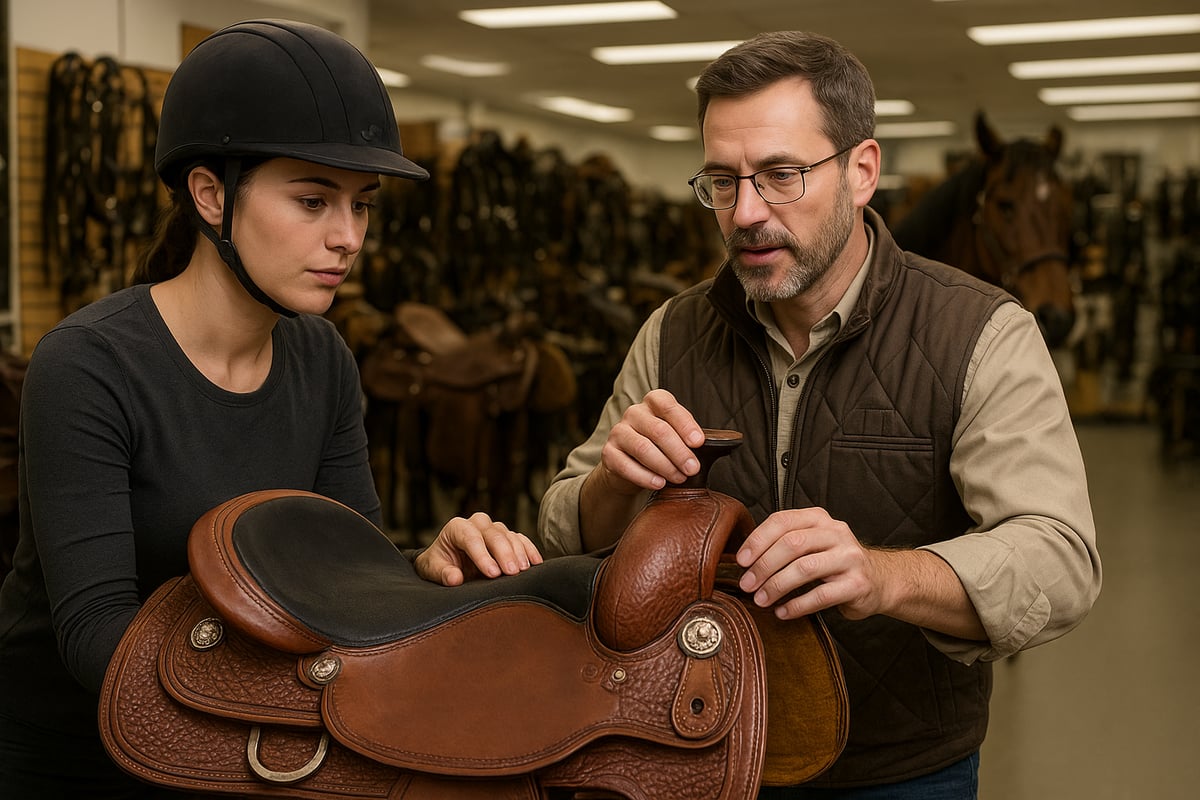
Both online and in-person shopping have advantages when buying a western saddle. Local tack stores allow you to consult experts, physically inspect saddles, and try different models on your horse. Many shops also provide professional fitting services and personalized recommendations.
Online retailers offer broader selection, competitive pricing, and detailed product specs. Look for sites with clear return policies, customer reviews, and virtual fitting tools. Combining in-store expertise with online research often leads to the best results when choosing your next western saddle.
How to Make Your Western Saddle Last a Lifetime
Proper care is essential to protect your investment in a western saddle. Routine maintenance ensures comfort for both horse and rider, extends the lifespan of your tack, and preserves the saddle’s appearance and value for years to come.
How to Clean and Condition Your Leather Saddle
Regular cleaning is crucial for any western saddle. Begin by brushing away dust and loose dirt with a soft brush. Use a damp sponge and a mild leather cleaner to wipe all surfaces, focusing on areas where sweat and grime accumulate.
After cleaning, apply a high-quality leather conditioner to keep the leather supple. Avoid over-oiling, as it can weaken the leather fibers. Use products specifically designed for saddles, and test on a small area before full application.
Never use harsh chemicals, which can strip natural oils and damage the finish. A well-maintained western saddle not only looks great but also performs reliably for every ride.
Easy Care Tips for Synthetic Saddles
Synthetic and hybrid saddles require different care from traditional leather models. Use a damp cloth and mild soap to wipe down surfaces, steering clear of abrasive cleaners that may scratch or dull materials.
Dry the saddle thoroughly after cleaning to prevent mildew or mold. For hardware, check regularly for signs of rust or corrosion, and wipe with a soft cloth as needed.
Avoid prolonged exposure to direct sunlight, which can cause fading and deterioration. Proper care will help your synthetic western saddle remain lightweight, attractive, and strong throughout its service life.
The Right Way to Store Your Western Saddle
Storing your western saddle correctly is vital for longevity. Keep it on a sturdy rack in a dry, climate-controlled area to prevent warping or mold growth. Avoid leaving your saddle in damp or excessively hot environments.
Use a breathable cover to shield it from dust and pests. Consider adding a quality felt liner beneath your saddle to provide extra cushioning and to further protect both saddle and horse, as discussed in Felt Liners for Western Saddles.
Check saddle pads and liners for wear and replace them as needed. Thoughtful storage practices will help your western saddle maintain its fit and comfort over time.
When to Repair Your Saddle (and When to Replace It)
Inspect your western saddle regularly for signs of wear, including cracked leather, loose stitching, or worn billets. Examine the tree for any movement or creaking, which may indicate internal damage.
Look at all hardware, such as buckles and rings, for rust or breakage. Address minor issues promptly to prevent further deterioration. If you spot significant damage, consult a professional saddler for repairs.
Routine attention helps catch small problems early, ensuring your western saddle remains safe and functional for every ride.
Common Mistakes That Ruin Saddles
Following manufacturer guidelines is key to maximizing your saddle’s longevity. Clean and condition as recommended, and never neglect routine care.
Rotate between saddles if possible, especially during heavy use. This allows each saddle time to dry and recover, preventing premature wear.
With proper maintenance, a quality western saddle can last 10 to 20 years or more, delivering consistent performance and comfort throughout its life.
Frequently Asked Questions About Western Saddles
Selecting the right western saddle can raise many questions, especially with new advancements in 2025. Below, we answer the most common concerns riders have, from fit to the latest trends.
Is Your Saddle Causing Pain? How to Tell
Many riders experience issues with their western saddle, such as sore backs or saddle slipping. These problems often result from poor fit or incorrect pad choice. If you notice your horse pinning its ears or resisting movement, check for bridging or uneven pressure.
- Ensure the saddle sits level on your horse’s back.
- Inspect for dry spots or swelling after rides.
- Use a proper pad to reduce pressure points.
Addressing these fit issues early can prevent long-term discomfort for both horse and rider.
Making Minor Adjustments for Major Comfort
Adjusting your western saddle for a better fit is possible without major modifications. Start with saddle pads or shims to fill minor gaps or relieve pressure spots. Some riders use adjustable stirrups or change the rigging position for improved balance.
| Customization Method | Benefit |
|---|---|
| Pads/Shims | Relieves pressure points |
| Stirrup changes | Enhances rider comfort |
| Rigging adjustments | Improves saddle balance |
Small adjustments can make a significant difference in comfort and security.
When is it Time to Upgrade Your Saddle?
You may need a new western saddle if your horse’s body changes, or if you switch disciplines. Growth, age, and increased training can all impact fit. Inspect your current saddle for worn trees or cracked leather. If repairs cost more than the value, consider trading up.
Test ride new saddles before buying. Many retailers now offer flexible trial periods to help you find the best fit for your needs.
What's Next for Western Saddles?
In 2025, western saddle design is seeing exciting changes. Expect lighter materials, ergonomic seats, and smart pads with sensor feedback. For a closer look at what’s new, check out the AETA 2025 Equestrian Gear Trends, which highlights the latest innovations and products shaping the industry.
These advancements make it easier than ever to find a saddle that matches your riding goals and style.
Staying Safe in the Saddle: Essential Tips
Safety is always top priority when using a western saddle. Mount and dismount on even ground, and always check your girth before riding. Maintain a balanced seat and avoid sudden movements.
- Inspect stirrups and straps for wear.
- Keep tack clean and free of debris.
- Replace damaged hardware promptly.
Following these practices helps ensure every ride is safe and comfortable for you and your horse.
Proper Riding Technique: Don't Grab the Horn
It’s a common instinct, especially for new riders, to reach for the saddle horn when feeling a bit unsteady. But here’s a crucial piece of advice: the horn isn't a handle. While it has a deep history in ranch work, its purpose isn't for balance. Relying on it can actually throw you off-center and send mixed signals to your horse. The real goal is to develop a secure, independent seat by using your core and legs for stability. This not only makes you a more effective rider but also builds a better partnership, as your horse can move more freely without being pulled around by your hands.
A huge part of feeling secure in the first place comes down to your equipment. A well-fitted western saddle is foundational to good posture, as it distributes weight evenly and promotes freedom of movement for your horse. When your saddle fits correctly, you'll find it much easier to stay balanced without needing to grab on. By focusing on your seat and ensuring all your horse tack is right for both of you, you’ll build the confidence to ride with your hands free and your body in sync with your horse.
Western Saddle Terms You Should Know
Understanding the parts of a western saddle is essential for every rider, whether you are new or experienced. Use this glossary as a quick reference guide for key terms you will encounter in 2025:
- Tree: The base frame of a western saddle, usually made from wood or composite materials.
- Seat: The area where the rider sits.
- Cantle: The raised back part of the seat, providing support.
- Horn: The front knob used for roping or holding.
- Swell: The front section that curves upward, adding security.
- Rigging: The hardware and straps securing the saddle to the horse.
- Skirts: The large panels beneath the seat, protecting the horse's back.
- Fenders: Wide leather straps connecting the seat to the stirrups.
- Stirrups: Footrests hanging from the fenders.
- Gullet: The tunnel under the fork for wither clearance.
- Jockey: Leather pieces covering rigging and connecting seat to skirts.
- Latigo: Strap used to tighten the cinch.
- Concho: Decorative or functional saddle fastener.
- Pommel: The front arch of the saddle, supporting the horn.
This glossary helps demystify western saddle terminology for the modern rider.
Now that you have a clear understanding of Western saddles—from the latest innovations and fitting techniques to care and maintenance—you are equipped to make a confident choice for your riding needs in 2025. If you are ready to put this expert advice into action, explore a curated selection of top-quality saddles and gear at Hooves and Paws. You will find trusted brands, flexible payment options, and free US shipping, all designed to help you ride with comfort and peace of mind. Take the next step toward your ideal saddle.
Key Takeaways
- Choose a Saddle Built for Your Riding Style: Your saddle's design should directly support your main activity, whether that's trail riding, barrel racing, or ranch work. Matching the saddle's features to its function is the first step to a safe and effective ride.
- A Proper Fit is Non-Negotiable for Both of You: The right fit is crucial for your horse's comfort and your own security. A well-fitted saddle distributes weight evenly to prevent soreness for your horse and provides the balance you need to ride confidently.
- Make Your Saddle Last with Consistent Care: A quality saddle is a significant investment that can last for decades with the right maintenance. Simple routines for cleaning, conditioning, and proper storage will protect the leather and ensure it remains a safe and reliable piece of tack.


