


Have you ever stopped to think about what makes a great horse saddle? It’s so much more than just a place to sit. It’s a sophisticated piece of gear designed to solve a complex problem: connecting rider and horse safely and comfortably. Every single component, from the internal tree to the supportive panels, plays a vital role in distributing your weight and allowing for clear communication. Understanding how it all works is the key to finding the perfect fit—for both your posture and your horse’s freedom of movement.
This comprehensive guide is designed to help riders, trainers, and horse owners make confident decisions. You will discover the latest trends, innovative technologies, and expert advice tailored for today’s equestrian world.
Explore everything from saddle anatomy and types, to fitting tips, new materials, and essential care. Ready to enhance your riding experience? Use this guide to find the ideal saddle for you and your horse.
Before the Saddle: A Word on Bareback Riding
Many of us have probably tried it—hopping on our horse with just a halter for a quick ride around the pasture. Bareback riding is exactly what it sounds like: riding without a saddle. It’s a traditional method that requires incredible balance, coordination, and a strong connection with your horse. Without the structure of a saddle, you rely entirely on your seat and legs to stay centered and communicate your cues. This raw form of riding forces you to truly feel every muscle movement, creating a unique bond and a deeper understanding of your equine partner's rhythm and gait. It’s an experience that can make you feel completely in sync with your horse.
Riding bareback is an amazing way to build core strength and refine your balance, creating a solid foundation for any equestrian discipline. It teaches you to move in harmony with your horse, rather than relying on equipment for stability. However, for longer rides or more intensive training, both you and your horse need more support. While it’s a valuable skill, it isn't always the most comfortable or practical option for every situation. The lack of structure can put uneven pressure on a horse's back over time, and it offers less security for the rider, especially during quick movements or on uneven terrain.
This is where a well-fitted saddle becomes essential. A saddle's primary job is to distribute the rider's weight evenly across the horse's back, preventing pressure points that can lead to soreness, muscle issues, and even long-term damage. For the rider, it provides the stability and security needed for a confident and effective ride. Choosing the right piece of horse tack isn't just about comfort; it's a critical part of ensuring your horse's health and happiness for years to come. It’s a key investment in your partnership and your shared adventures.
What Are the Parts of a Horse Saddle?
Choosing the right horse saddles starts with understanding their anatomy. Every part of the saddle plays a unique role in ensuring comfort, safety, and performance for both horse and rider. Let’s break down what makes up quality horse saddles and why each detail matters.
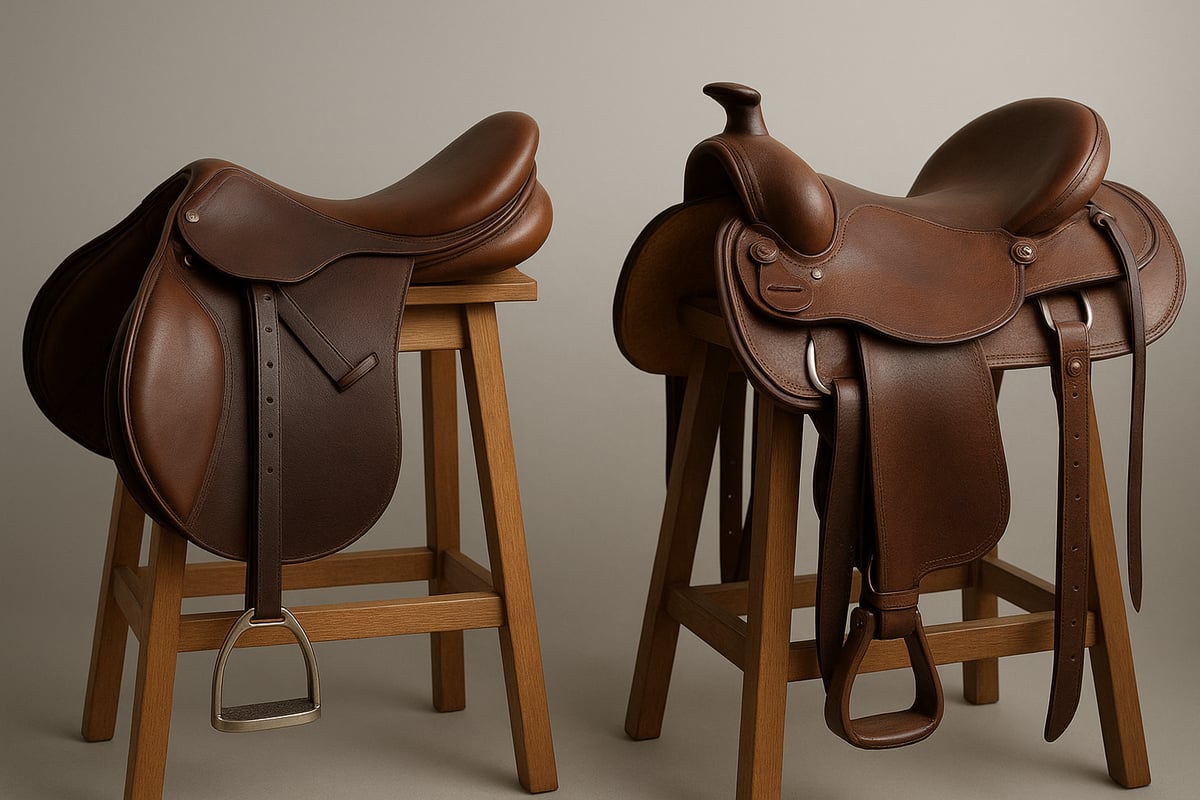
A Breakdown of Every Saddle Component
The foundation of horse saddles is the tree, which gives the saddle its shape and structure. Trees are made from wood or synthetic materials, affecting the fit and long-term durability. A well-constructed tree ensures the saddle distributes weight evenly and does not warp under pressure.
Panels and padding provide cushioning between the saddle and the horse’s back. Foam, wool, and air-filled panels each offer different levels of support and shock absorption. Wool panels are highly adjustable, while foam and air options are lightweight and low-maintenance.
The seat is where the rider sits. Seats come in various shapes and sizes to suit different disciplines and personal preferences. Deeper seats are common in dressage horse saddles for stability, while flatter seats are preferred for jumping or fast maneuvers.
Flaps and knee rolls help stabilize the rider’s leg. Longer, straighter flaps are ideal for dressage, while forward-cut flaps support jumping positions. Knee rolls provide extra grip and security.
The gullet and channel are essential for spinal clearance. A well-designed gullet prevents pressure on the horse’s spine, promoting comfort and healthy movement.
Stirrup bars and leathers determine the placement of the rider’s legs, directly influencing balance and safety. Proper alignment helps maintain an effective riding position.
Rigging or cinch systems secure horse saddles to the horse. English saddles typically use billets and girths, while Western saddles use cinches and latigos. The right rigging ensures even pressure and prevents slippage.
Comparison Table: English vs. Western Saddle Anatomy
| Component | English Saddle | Western Saddle |
|---|---|---|
| Tree | Lighter, flexible | Sturdier, heavier |
| Seat | Flatter/deeper for discipline | Deep, wide |
| Panels | Wool/foam/air | Fleece or skirt |
| Rigging | Billets/girth | Latigo/cinch system |
| Stirrup Bars | Exposed | Covered/hidden |
Understanding these elements helps you evaluate horse saddles for your specific needs.
The Skirt
Think of the skirt as the saddle's protective layer, especially prominent on Western saddles. This large leather panel sits directly under the seat and fenders, creating a smooth surface against your horse’s back and sides. Its primary job is to shield your horse from the saddle's internal bars and help spread your weight out more evenly across a larger area. This distribution is absolutely key to preventing sore spots and concentrated pressure points, making for a much more comfortable ride for your horse. A well-designed skirt contributes significantly to the overall fit and function of the saddle, ensuring that the equipment works with your horse, not against it, promoting better movement and a happier partner.
The Stirrup Bar
The stirrup bar is a small but mighty component on an English saddle that holds the stirrup leathers in place. Its position is crucial because it dictates where your leg naturally hangs, which directly affects your balance, security, and ability to communicate effectively with your horse. A correctly placed stirrup bar helps you maintain a proper and safe riding position without having to constantly fight to keep your leg where it belongs. This stability in your lower leg is the foundation for clear aids and a secure seat. Some modern saddles even feature adjustable or multiple stirrup bars, allowing for a more customized fit based on your leg length and riding discipline.
Billet Straps
Billet straps are the essential connection point for securing an English saddle to your horse. These sturdy leather straps hang down from the saddle's tree, and the girth is buckled to them to hold everything firmly in place. Their job is to keep the saddle stable, preventing any dangerous slipping or shifting while you ride. The number and placement of the billet straps can also vary, which affects how the girth’s pressure is distributed across your horse's barrel. Ensuring your billets are in good condition is a critical safety check before every ride, as they are fundamental to keeping your entire tack setup secure and reliable.
Why Saddle Design Matters for You and Your Horse
Saddle design directly influences both rider ergonomics and horse comfort. Properly designed horse saddles support the rider’s posture, promoting balance and reducing fatigue during long sessions. An ergonomic seat and well-positioned knee rolls help maintain correct alignment, which is crucial for performance.
For the horse, saddle fit impacts range of motion and muscle development. Ill-fitting horse saddles can restrict the horse’s shoulders or cause uneven pressure, leading to soreness or even long-term injury. Common issues from poor design include pressure points, bridging, and back pain. Scientific studies reveal that up to 40% of equine back problems are linked to improper saddle fit.
The gullet’s width and the channel’s clearance are key for spinal health. If the gullet is too narrow, it can pinch the spine, while a channel that is too wide may cause instability. The placement of panels and padding affects how weight is distributed, helping to avoid concentrated pressure that can result in discomfort or behavioral issues.
Rider and horse biomechanics are closely linked to saddle design. For deeper insights, you can explore The Horse–Saddle–Rider Interaction, which highlights how each component affects movement and well-being.
Ultimately, investing time in learning about horse saddles and their anatomy ensures better outcomes for both horse and rider, setting the foundation for safer, more enjoyable rides.
The History of the Saddle: An Evolution in Riding
The saddle you use today is the result of thousands of years of innovation. It’s more than just a piece of leather; it’s a sophisticated tool designed for communication, comfort, and safety. But it wasn’t always this way. The journey from a simple cloth on a horse's back to the specialized equipment we have now is a fascinating story of human ingenuity. Understanding this history gives us a deeper appreciation for how every component works to protect our horses and support us as riders. This long history of development is why we are so selective about the modern horse tack we carry, ensuring each piece reflects centuries of refinement for the well-being of your horse.
Early riders faced incredible challenges without the security we take for granted. The evolution of the saddle was driven by practical needs: the desire for greater stability during long journeys, the demand for better control in agriculture, and the critical necessity of an advantage in warfare. Each modification, from the first padded blanket to the invention of the stirrup, was a game-changer that redefined the relationship between horse and human. Let's explore the key milestones that shaped the modern saddle.
The Earliest Saddles: From Blankets to Pads
Long before structured saddles existed, early horsemen used simple pads or blankets to make riding more comfortable. Historical evidence suggests these first "saddles" appeared somewhere around 800 to 500 BCE. These were typically just pieces of animal hide or thick cloth placed directly on the horse's back. Their primary purpose was to provide a bit of cushioning for the rider and prevent chafing for the horse. While this was a step up from bareback riding, these pads offered almost no stability. Riders had to rely entirely on balance and leg strength to stay mounted, making high-speed maneuvers or combat incredibly difficult. This era of riding demanded immense physical skill and a deep connection with the horse's movements.
Two Inventions That Changed Riding Forever
While padded cloths made riding more bearable, two specific inventions completely transformed horsemanship and, by extension, human history. These weren't just minor improvements; they were revolutionary concepts that created a secure and stable platform for the rider. The solid saddle tree and the stirrup worked together to give riders unprecedented security and control. This newfound stability meant riders could travel farther, work more efficiently, and become a formidable force in battle. These innovations didn't just change how people rode—they changed how civilizations expanded, traded, and fought.
The Solid Saddle Tree
The first major breakthrough was the development of the saddle tree. Used by Roman cavalry as early as the 2nd century CE, the tree is a solid internal frame that gives the saddle its shape. This rigid structure was a monumental improvement because it distributed the rider's weight evenly across the horse's back muscles, avoiding direct pressure on the sensitive spine. Early trees featured a distinct pommel (front) and cantle (back), which helped lock the rider into place. This provided a much more secure seat, allowing the rider to stay balanced without constant gripping, which in turn freed up their hands for other tasks.
The Stirrup
The second game-changing invention was the stirrup, which appeared around the 4th century CE. This simple loop of metal or leather gave riders a firm foothold, which was nothing short of revolutionary. With stirrups, a rider could mount easily, stand up to absorb shock, and brace themselves securely in the saddle. This stability dramatically changed cavalry tactics, as a mounted warrior could now wield a lance or sword with much greater force without fear of being unseated. The stirrup effectively turned the horse and rider into a single, powerful unit, creating the legendary knights and mounted armies that dominated battlefields for centuries.
Shop This Post

Featured in this article
Professional's Choice 2XCOOL Sports Medicine Horse Boots - 4-Pack Neoprene-Free with Kevlar Support & brrr° Cooling
$159.23
Shop Now →

Finding Your Style: English vs. Western Saddles
Choosing the right horse saddles means understanding the diverse options available, each crafted for specific disciplines and rider needs. The design of horse saddles not only affects performance but also impacts the comfort and safety of both rider and horse.
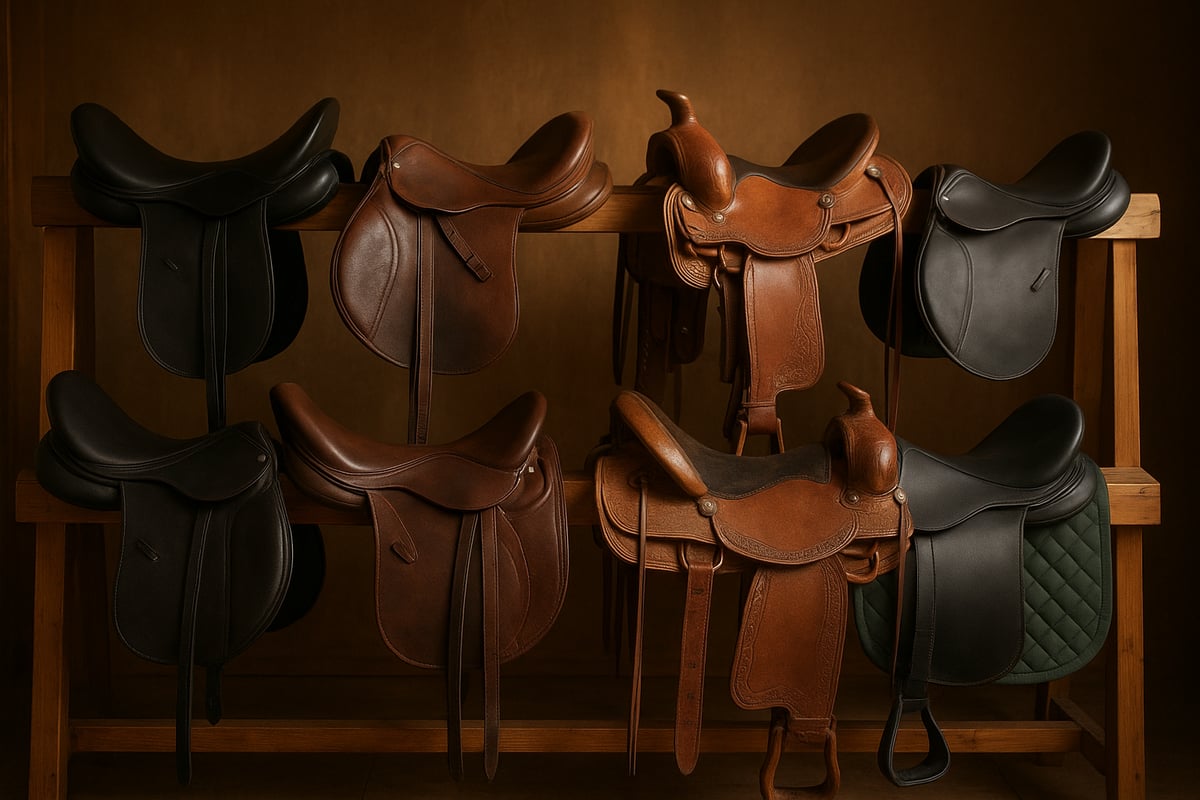
The Classic English Saddle
English horse saddles are favored in disciplines that require close rider-horse contact and precise aids. Each style supports unique movements and rider positions. Here are the most common types:
- Dressage Saddles: Feature a deep seat and straight flaps, encouraging a long leg position for refined communication during flatwork.
- Jumping/Close Contact Saddles: Designed with a flatter seat and forward-cut flaps, these horse saddles help riders maintain balance over fences.
- All-Purpose Saddles: Blending features of dressage and jumping styles, these versatile horse saddles suit riders who enjoy multiple activities.
- Eventing Saddles: Combine characteristics for cross-country, show jumping, and dressage, offering flexibility across phases.
- Pony/Children’s Saddles: Scaled down for young riders, these horse saddles provide comfort and security.
For a deeper look at options, explore English saddles for every discipline, which showcases a range tailored for various activities. Choosing the right English saddle ensures optimal fit and performance for both horse and rider.
The Versatile Western Saddle
Western horse saddles are engineered for long hours in the saddle, robust work, and specific Western events. Their construction supports stability and durability. Key types include:
- Trail/Endurance Saddles: Lightweight and padded, these horse saddles are ideal for extended rides, offering comfort and reduced fatigue.
- Barrel Racing Saddles: A deep, secure seat and high cantle help riders stay balanced during quick, tight turns.
- Roping Saddles: Built with reinforced trees and sturdy horns, these horse saddles withstand the demands of roping and cattle work.
- Show Saddles: Highly decorative with intricate tooling and silver accents, these are designed for presentation in the show ring.
- Ranch/Work Saddles: Practical and tough, these horse saddles suit daily ranch tasks, providing support and longevity.
Each Western saddle type serves a specific purpose, and selecting the right one maximizes both horse and rider performance in demanding conditions.
A Note on Safety: The Saddle Horn
The horn is that prominent feature at the front of a Western saddle, and it’s much more than just a decoration. Originally designed for ranch work, it serves as a sturdy anchor for a lariat when roping cattle. For many riders, however, its most important job is providing a secure handhold. Whether you're navigating a steep trail or your horse makes a sudden move, the horn offers a point of stability to help you stay balanced. This design is part of what makes Western saddles, often called "cowboy saddles," so effective for long rides, as they are built to spread the rider's weight over a large area.
Beyond being a simple handle, a well-made horn is integral to the saddle's overall structure. The entire saddle is built around a solid tree, a framework that protects the horse's back. The development of the solid saddle tree was a major step because it lifted the rider off the horse's spine, distributing their weight more evenly for the horse's comfort. The horn contributes to this system of safety and stability, making it a critical component in reliable Western horse tack and ensuring a safer, more comfortable experience for everyone.
Exploring Specialty and Alternative Saddles
Beyond traditional English and Western designs, specialty horse saddles address niche needs and modern preferences:
- Australian Saddles: Deep seats and poleys offer exceptional security, making them popular for rough or hilly terrain.
- Endurance Saddles: Lightweight with minimal bulk, these horse saddles prioritize rider and horse comfort over long distances.
- Treeless Saddles: Abandoning the rigid tree, these flexible horse saddles allow greater freedom of movement but require careful fit assessment.
- Synthetic Saddles: Made from easy-care materials, synthetic horse saddles are affordable, lightweight, and popular among new riders.
According to recent data, synthetic horse saddles account for 25% of entry-level sales, reflecting their growing popularity. Choosing among these specialty horse saddles can address unique equestrian challenges and personal preferences, ensuring every rider finds the right fit.
Military Saddles
Military saddles were built for function and durability during long campaigns. The most famous example is the McClellan saddle, which the U.S. Army used from 1859 until horse cavalry units were disbanded in the 1940s. Designed by George B. McClellan, it was prized for its lightweight and adaptable frame, which made it suitable for various military needs. This saddle's design reflected the evolution of military saddlery, which constantly changed to meet new tactical demands. While not common today, its influence on saddle engineering highlights the importance of creating tack that can withstand rigorous use while supporting both horse and rider over demanding terrain.
Asian Saddles
Asian saddles are deeply rooted in cultural heritage and designed for the unique demands of long-distance travel across vast landscapes. The Mongolian saddle, for instance, is a prime example of this tradition. It typically features a high pommel and cantle, providing security for the rider during extended journeys. Crafted from leather and often decorated with intricate carvings and metalwork, these saddles are as much a piece of art as they are functional equipment. Their structure is specifically engineered to allow the horse greater freedom of movement, a crucial feature for the nomadic lifestyles they were developed to support.
Sidesaddles
Sidesaddles offer a unique way to ride, allowing the rider to sit with both legs on the same side of the horse. Originally designed for women in the 16th century, the sidesaddle has evolved significantly over time to improve both comfort and security. Modern sidesaddles feature a more ergonomic design with one or two pommels, or "horns," to help secure the rider's legs, providing remarkable stability. While they may look different, a well-fitted sidesaddle distributes weight just as evenly as a conventional one, making it a viable and elegant option for riders who enjoy historical reenactments, parades, or simply a different style of riding.
Therapy Saddles
Therapy saddles are specially designed for use in therapeutic riding programs, where safety and support are the top priorities. These saddles are built to accommodate riders with a wide range of physical or cognitive needs. Key features often include extra padding for comfort, a secure and deep seat, and strategically placed handles or grips to help with balance. Many therapy saddles are also highly adjustable to fit different riders and horses, ensuring a positive and safe experience. They play a vital role in making equestrian activities accessible, helping individuals build strength, confidence, and a powerful connection with their horse.
How to Choose the Right Horse Saddle
Choosing the right horse saddles in 2025 requires a thoughtful, structured approach. Modern advancements, rider individuality, and equine well-being all play a role. By following these steps, you can confidently select a saddle that delivers comfort, safety, and performance for both horse and rider.
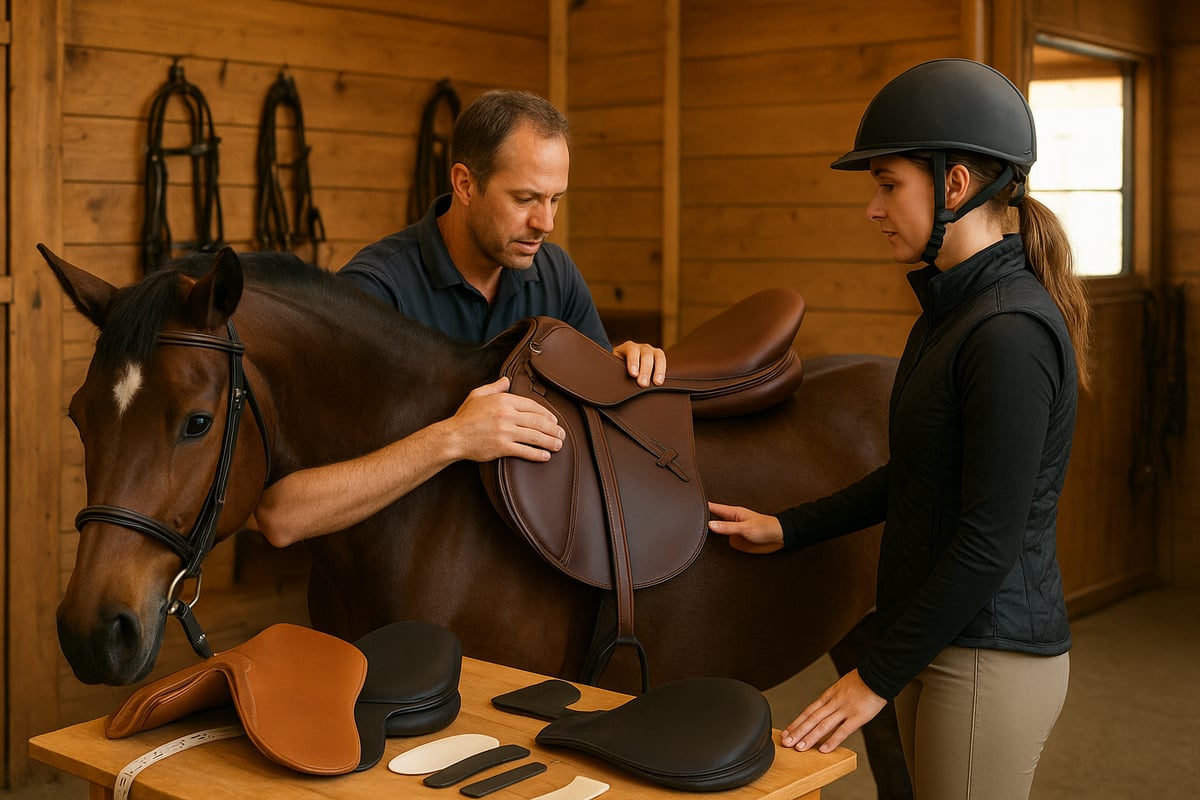
Start With Your Riding Style and Goals
Start by identifying your primary riding discipline and long-term objectives. Are you focused on dressage, show jumping, trail riding, or ranch work? Each activity demands specific horse saddles designed for optimal performance.
Consider how often you ride and whether you plan to compete. For example, an all-purpose saddle works well for riders who enjoy multiple activities. However, discipline-specific horse saddles offer features tailored to specialized needs.
Compare your options in the table below:
| Discipline | Recommended Saddle Type | Key Features |
|---|---|---|
| Dressage | Dressage Saddle | Deep seat, straight flaps |
| Jumping | Close Contact Saddle | Forward flaps, flat seat |
| Trail/Endurance | Endurance Saddle | Lightweight, padded seat |
| Ranch Work | Ranch Saddle | Reinforced tree, sturdy rigging |
Think about your future aspirations. If you anticipate shifting disciplines, a versatile model may be best. Otherwise, choose horse saddles specifically engineered for your sport.
Measure Your Horse for the Perfect Fit
A proper fit is essential for your horse’s comfort and long-term health. Begin by measuring your horse’s back, withers, and shoulders. Pay close attention to the shape and muscle development.
Look for horse saddles that provide adequate wither clearance and distribute weight evenly. Common fit issues include bridging, rocking, and pinching, which can cause discomfort or injury. In fact, 60% of saddle returns result from poor fit on the horse.
If you’re unsure, consult a professional fitter or explore resources like the Ultimate guide to solving saddle fit problems for practical solutions. Remember, even the best-designed horse saddles can cause problems if not fitted correctly.
Find a Comfortable Fit for Your Body
Comfort for the rider is as important as fit for the horse. Select a seat size that suits your height and build. A saddle that is too large or too small can affect balance and security.
Evaluate flap length and knee roll placement for leg support. Test ride several horse saddles, if possible, to experience different fits. Many retailers now offer demo programs or trial periods, making it easier to find your ideal match.
Pay attention to your riding position during test rides. The best horse saddles help you maintain proper posture, reducing fatigue and enhancing control.
Understanding Common Seat Sizes
Saddle seat size is measured from the pommel to the cantle, and finding the right one is crucial for your balance and security. For adults, seat sizes typically range from 14 to 17 inches. A good rule of thumb is to leave about a hand’s width—roughly four inches—of space between your body and the front swell, with the same amount of room behind you to the cantle. If the fit is too tight, your movement will feel restricted. If it’s too loose, you might slide around and struggle to stay centered. The right size helps you maintain a correct position, which ensures your weight is distributed evenly across your horse's back. A great fit for you is also a great fit for your horse, directly impacting their comfort on every ride. When you're ready to find your match, you can browse a wide selection of horse tack to compare different styles and sizes.
Choose the Right Materials and Build
Materials influence the durability, maintenance, and price of horse saddles. Traditional leather remains popular for its longevity and classic look. Synthetic options are lightweight, affordable, and easy to care for.
Consider the type of tree: wood, flexible, adjustable, or treeless. Each has benefits and drawbacks regarding strength, flexibility, and fit customization. Inspect stitching, hardware, and overall craftsmanship before making a decision.
Choose horse saddles with solid construction to ensure safety and reliability. Investing in quality materials pays off over the lifespan of your equipment.
Set Your Budget and Find the Best Value
Set a budget that reflects your riding needs and goals. New horse saddles offer warranties and the latest features, but quality used saddles can be cost-effective if inspected carefully.
Examine value-added features such as adjustable gullets or interchangeable panels, which extend usability across multiple horses. Review warranty terms and brand reputation to safeguard your investment.
Compare payment options from reputable brands. Take time to research, as the best value horse saddles combine performance, durability, and after-sales support.
Budget-Friendly Saddles ($100-$500)
If you're just starting out or have a firm budget, saddles in this price range can be a practical entry point. These models are typically made from synthetic materials or lower-quality leather, making them an affordable option for occasional use or for a horse that is still growing. While the low price is attractive, it's important to be aware of the potential trade-offs. The fit may not be as precise, and the materials might not offer the same level of comfort or durability as more expensive options. This can sometimes lead to issues with your riding posture or discomfort for your horse, so careful inspection and fitting are still crucial even at this price point.
Mid-Range Saddles ($600-$2,000)
For many dedicated riders, mid-range saddles hit the sweet spot between quality and affordability. These saddles are often crafted from good-quality leather or high-end synthetic materials, offering a significant step up in durability and comfort. You can expect a well-made saddle in this category to last for many years with proper care. They generally feature better structure and a more refined design, providing a better fit for a wider range of horses. Many English saddles in this price bracket even include adjustable features, like interchangeable gullets, allowing you to customize the fit for different horses or as your horse's shape changes over time.
High-End Saddles ($2,100+)
When riding is your passion or profession, a high-end saddle is a worthwhile long-term investment in performance and comfort. These saddles are built by expert craftspeople using premium materials like full-grain leather, ensuring they can last for decades. The superior design and construction provide exceptional balance for the rider and an unparalleled fit for the horse, distributing weight perfectly to allow for free and comfortable movement. This level of quality not only enhances your connection and communication with your horse but also contributes to safer, more enjoyable rides. It’s an investment in your shared equestrian journey.
Remember to Budget for Accessories
When you're planning your saddle purchase, remember that the price tag on the saddle itself isn't the final cost. Essential accessories are often sold separately, and you'll need them to ride safely and comfortably. Be sure to factor in the cost of items like a girth or cinch, stirrup leathers, and stirrup irons. These components are just as important as the saddle for ensuring a secure and proper fit. Creating a complete budget ahead of time will help you gather all the necessary horse tack without any surprises, ensuring you and your horse are ready to ride from day one.
Where to Shop and Who to Ask for Help
Purchase horse saddles from established tack stores, online retailers with strong reviews, or certified local fitters. Professional saddle fitting services are invaluable for ensuring optimal fit and comfort.
Avoid counterfeit products and deals that seem too good to be true. Look for clear return policies and knowledgeable staff. Building a relationship with a trusted retailer simplifies future purchases and maintenance.
Seeking expert input increases your confidence and helps you avoid common mistakes. The right support ensures your choice of horse saddles delivers lasting satisfaction.
Exploring Financing and Trade-In Programs
A high-quality saddle is a significant investment in your riding journey, but the price tag shouldn’t be a barrier. Many retailers offer flexible payment solutions to make your purchase more manageable. Look for financing options through partners like Affirm, Klarna, or Shop Pay, which allow you to spread the cost over time with simple payment plans. This approach lets you get the right saddle now without compromising your budget. Another excellent strategy is to find a retailer with a trade-in program. These programs let you trade in your old saddle for an instant credit toward a new one, making an upgrade much more affordable. By exploring these financial tools, you can invest confidently in the perfect saddle for you and your horse.
Why Customer Reviews and Guarantees Matter
Before finalizing your decision, take time to read customer reviews. Product descriptions provide the specs, but reviews from fellow riders offer real-world insights into a saddle’s comfort, durability, and performance over time. They can highlight details you might otherwise miss, helping you make a more informed choice. Just as important is the guarantee that backs up your purchase. A quality saddle is a long-term piece of equipment, and you want to know the company stands behind its craftsmanship. A strong satisfaction guarantee protects your investment and provides peace of mind. At Hooves and Paws, we’re committed to your happiness, which is why we offer a 365-day satisfaction guarantee on our handpicked products. This commitment ensures you can shop with confidence, knowing we’re here to support you and your animals every step of the way.
What's New in Horse Saddle Technology?
The world of horse saddles is rapidly evolving, as new technologies and shifting rider priorities shape the future of equestrian equipment. In 2025, both tradition and innovation play key roles in how riders select, fit, and care for their saddles. Let us explore the most impactful trends and breakthroughs you can expect this year.
High-Tech Materials and Smart Features
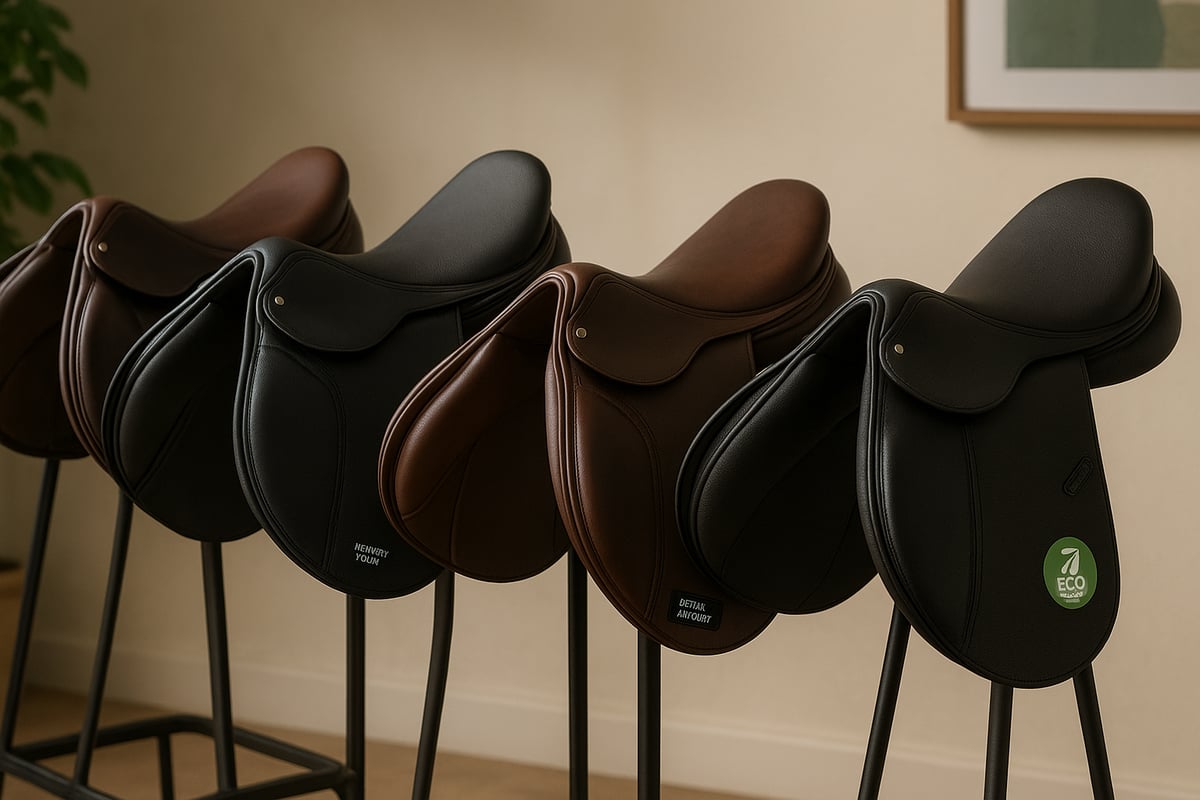
In 2025, advanced materials are transforming horse saddles. Smart saddles equipped with integrated pressure sensors now provide real-time feedback on fit and weight distribution. This technology helps riders and fitters pinpoint pressure points and optimize comfort for both horse and rider. For a deeper look at how these innovations work, see this Evaluating Saddle Fit Analysis resource.
Memory foam and gel-filled panels are becoming standard in high-end horse saddles. These materials mold to the horse's back, offering customized support and reducing the risk of pressure injuries. Eco-friendly options, such as vegan leather and recycled synthetics, are also gaining ground as sustainability becomes a priority. Riders benefit from improved comfort, while horses experience fewer back problems.
The Rise of Custom and Adjustable Saddles
Customization is at the forefront of horse saddles in 2025. Saddles with interchangeable gullets and modular panels allow for precise adjustments as a horse's body changes. This means a single saddle can accommodate growth, muscle development, or even different horses within a barn.
3D scanning and printing technology now enable truly bespoke saddle fitting. Saddle makers can create digital models of a horse's back, then use these scans to craft saddles that perfectly match the animal's unique shape. This reduces trial and error, saving time and ensuring a better fit from the start.
Current Design Trends and Rider Preferences
Rider preferences are driving a shift toward lightweight and ergonomic designs in horse saddles. Competitive riders, especially in jumping and endurance disciplines, demand saddles that reduce weight without sacrificing support. Manufacturers are responding with innovative materials and streamlined construction.
Anatomical panels and contoured seats now prioritize both horse and rider comfort. According to recent data, 35% of new saddle buyers in 2024 requested some form of customization, reflecting a growing desire for tailored solutions in horse saddles. These trends cater to riders seeking peak performance and a closer connection with their horses.
Eco-Friendly and Ethically Made Saddles
Sustainability is shaping the future of horse saddles. Leading brands are adopting environmentally responsible practices, from sourcing cruelty-free and recycled materials to reducing waste in production. Vegan leather and plant-based synthetics are becoming viable alternatives to traditional materials.
Ethical manufacturing also matters to today's riders. Transparency about sourcing, fair labor practices, and eco-friendly packaging are increasingly important factors when choosing horse saddles. As demand for sustainable options grows, the industry is responding with innovative solutions that protect both horses and the planet.
Getting the Perfect Saddle Fit for Comfort and Safety
Proper fitting and measuring of horse saddles is essential for your horse’s comfort and your safety. A well-fitted saddle reduces the risk of back pain, improves performance, and ensures a pleasant riding experience. Let’s break down the steps and services that make a difference.
A Simple Guide to Measuring Your Horse
Begin by assessing your horse’s back, withers, and shoulder angle. Use a flexible curve or wither tracing tool to capture the shape of the withers and spine. Measure the length of the back where the saddle will sit, and note any dips or prominent muscles. This ensures horse saddles fit the unique contours of each horse.
Common tools include:
- Flexible curve rulers
- Wither tracers
- Measuring tapes
Pay attention to pressure points, as these can indicate poor saddle fit. Accurate measurements help prevent discomfort and long-term injury for your horse.
How to Check if a Saddle Fits Your Horse
Once you have measurements, place the saddle gently on your horse’s back without a pad. Check for even contact along the panels, with no bridging or rocking. A proper fit in horse saddles means the gullet clears the spine and there is no pinching at the withers.
Look for these signs of good fit:
- Even pressure distribution
- No dry spots after riding
- Horse moves freely and willingly
If you notice swelling, dry patches, or behavioral changes, the saddle may not fit correctly. Adjust and retest as needed to protect your horse’s comfort.
Adjusting the Saddle for Your Own Fit
Rider comfort is just as important as the horse’s. Select the correct seat size based on your height and build. Adjust stirrup leathers so your leg hangs naturally and your knee rests securely against the knee roll. Proper adjustment of horse saddles supports balanced posture and effective communication.
Tips for optimal rider fit:
- Ensure seat size allows two to three fingers behind you when seated
- Adjust stirrup length for correct leg angle
- Use demo saddles or trial rides before buying
Regularly review your saddle’s fit as your riding skills or body shape change over time.
When to Call a Professional Saddle Fitter
Engaging a certified saddle fitter provides expert guidance for both you and your horse. These professionals use advanced tools to assess fit, recommend adjustments, and tailor horse saddles to individual needs. Regular checks, ideally every 6 to 12 months, help prevent fit-related back issues.
Benefits of professional fitting:
- Objective assessment of saddle and pad fit
- Early detection of pressure points
- Personalized recommendations
Recent studies highlight how proper fitting improves both horse and rider biomechanics. For more on the science behind this, see the Effect of Saddle Fitting on Rider–Horse Biomechanics. Investing in professional fitting ensures long-term comfort and performance.
How to Make Your Horse Saddle Last a Lifetime
Proper care of horse saddles is essential for maximizing their lifespan, ensuring safety, and maintaining comfort for both horse and rider. By implementing a consistent maintenance routine, you can protect your investment and help your equipment perform at its best year after year.
Your Guide to Cleaning and Conditioning
Routine cleaning is the foundation of saddle care. After each ride, wipe down horse saddles with a damp cloth to remove sweat, dirt, and debris, preventing buildup that can damage leather or synthetic materials. For deeper cleaning, use products specifically designed for your saddle’s material.
Leather horse saddles benefit from gentle soap and occasional conditioning to maintain suppleness and prevent cracking. Synthetic options require only mild cleaners and should be fully dried before storage. Regular conditioning keeps leather flexible and helps guard against mold, especially in humid environments.
How to Store Your Saddle Correctly
Storing horse saddles correctly is vital for preserving their shape and integrity. Always place your saddle on a supportive rack, which helps prevent warping and uneven pressure on the tree. Use a breathable cover to protect from dust and accidental scratches.
Climate matters, too. Keep horse saddles in a dry, cool area away from direct sunlight and extreme temperatures. Avoid damp basements or overheated attics, as moisture and heat can cause leather to deteriorate and metal parts to rust.
Simple Repairs to Extend Your Saddle's Life
Regular inspection ensures horse saddles remain safe and functional. Check for loose stitching, worn billets, or cracks in the tree. Minor repairs—like replacing small hardware or tightening screws—can often be handled quickly, but significant damage may require professional attention.
Knowing when to repair or replace is crucial. If the saddle’s tree is compromised or leather is excessively worn, replacement is safer. With proper care, a quality leather saddle can last 15–20 years, while synthetic horse saddles may have a shorter lifespan but often require less intensive upkeep.
How to Prevent Common Saddle Damage
Proactive habits can help prevent frequent problems. Rotate horse saddles if you manage multiple horses to reduce wear on any single piece. Use well-fitting saddle pads to protect both the saddle and the horse’s back, and to help maintain correct fit. Explore saddle pads for fit and protection to find options that suit your specific needs.
Regular maintenance, including periodic deep cleaning and prompt attention to small repairs, reduces the likelihood of major issues by 30 percent. These steps ensure your horse saddles maintain their value, performance, and comfort for years to come.
Frequently Asked Questions About Horse Saddles
Navigating the world of horse saddles can raise many questions, especially as technology and best practices evolve. This FAQ section addresses some of the most common concerns and provides clear, actionable advice for riders at every level.
Solving Common Saddle Fit Problems
Many riders experience issues like bridging, rocking, or pinching with horse saddles. Bridging occurs when the saddle contacts only the front and back, causing pressure points. Rocking means the saddle moves excessively, while pinching can lead to discomfort or back pain. According to Prevalence of Saddle Fit Problems in Swiss Riding Horses, improper fit is a leading cause of equine back problems, highlighting the importance of regular assessments and professional fitting.
Should You Buy a New or Used Saddle?
Choosing between new and used horse saddles depends on your needs and budget. New saddles come with warranties and updated features, while used options offer cost savings. Inspect used saddles for wear in the tree, billets, and stitching. Always prioritize fit and condition, whether purchasing new or used, to ensure comfort and safety for both horse and rider.
How to Know When It's Time for a New Saddle
The lifespan of horse saddles varies by material and usage. Leather saddles, when well maintained, can last 15 to 20 years. Replace saddles if you notice structural damage, excessive wear, or compromised tree integrity. Regular inspections help determine if a saddle remains safe and functional, supporting both rider performance and horse health.
Choosing the Right Saddle Pads and Accessories
Selecting the right pad for your horse saddles is essential. Match pad thickness and shape to your saddle type and your horse’s back. Clean pads after each ride to prevent dirt buildup, and replace them if they become compressed or lose their cushioning. Using appropriate accessories extends the life of both the saddle and your horse’s comfort.
The Future of Horse Saddle Design
Innovation in horse saddles includes smart technology, eco-friendly materials, and increased customization. Expect more saddles with pressure sensors, adjustable gullets, and sustainable components. As rider preferences evolve, manufacturers will likely offer greater adaptability and ergonomic designs, ensuring horse saddles continue to meet modern demands for comfort, safety, and performance.
Now that you have a clear understanding of saddle anatomy, fit, types, and the latest innovations for 2025, you’re well-equipped to make a confident decision for you and your horse. Remember, a well-chosen saddle can truly transform your riding experience—improving comfort, safety, and performance for both horse and rider. If you’re ready to explore a wide selection of quality saddles and equestrian gear, backed by decades of expertise and excellent service, I invite you to Buy Now and discover the difference that the right equipment can make.
Key Takeaways
- Fit is a Two-Way Street: A saddle must fit both your horse's back and your body correctly. An improper fit for your horse can lead to pain and performance issues, while the wrong size for you compromises your balance and security.
- Choose a Saddle Designed for Your Discipline: English and Western saddles are built for different jobs. Selecting a saddle that matches your primary activity—whether it's jumping, trail riding, or ranch work—ensures you have the right features for safety and success.
- Protect Your Investment with Proper Care: A quality saddle can last for decades, but only with consistent maintenance. Regular cleaning, conditioning, and correct storage are essential to preserve its function, safety, and value.


