


A silent dog whistle is not truly silent. It produces a high-pitched sound that may be faint or difficult for some people to hear, while dogs may hear it clearly. The key question is how to make its sound a positive cue your dog can understand.
What does a silent dog whistle actually do?
A whistle makes a sound, not a trained response. Your dog learns its meaning through consistent pairing, practice, and reinforcement.
Whistles marketed as silent or ultrasonic produce high-frequency sound that may be less noticeable to people than an ordinary whistle. “Silent” is a convenient label, not a promise that no person or animal will hear it. People vary in what they can hear, and nearby dogs may react even if yours does not.
The whistle is best understood as a signal. You decide what it means, such as looking toward you, returning when called, or pausing before crossing a boundary. The dog learns that meaning through repetition in a predictable context. A whistle cannot replace practice, supervision, or a safe environment.
It does not make a behavior happen automatically. A dog that has never learned recall is unlikely to understand that a new sound means “come.” Even a well-practiced dog may miss a cue when frightened, distracted, unable to hear it, or too far away. Think of the whistle as one tool in a training plan, not a remote control.
How do you teach a dog to respond to the whistle?
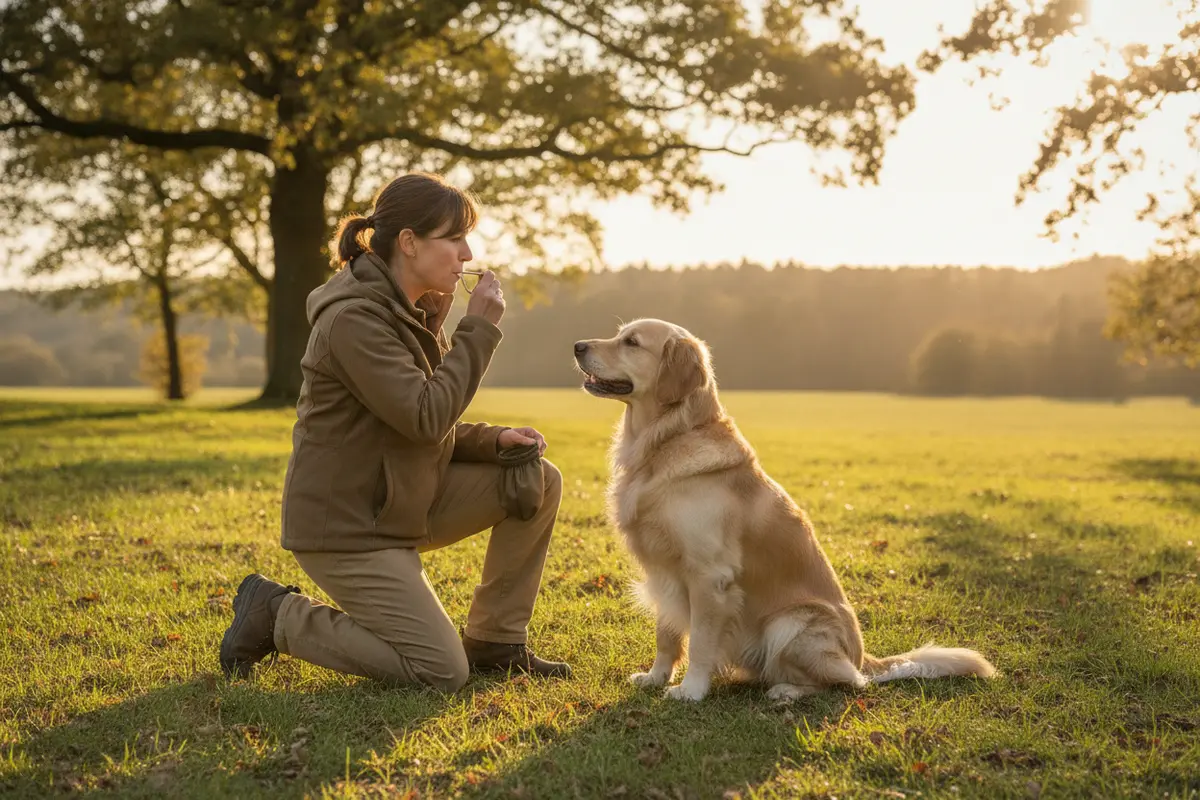
Start in a quiet, familiar place where your dog can focus. Choose one pattern and one meaning. For example, use a short sequence of even pulses for recall. Keep the same pattern each time, and make sure every handler follows the same plan.
- Read instructions and check the sound gently. Follow product directions. Begin at a distance and avoid blowing near your dog’s ears. Watch body language. A startle, retreat, tucked posture, or attempt to leave means stop and reassess.
- Pair the sound with something enjoyable. Make the chosen signal once, then promptly offer a small treat, praise, or favorite play activity. At first, do not ask for a difficult behavior. The goal is to make the sound predict something pleasant.
- Add an easy behavior. When the dog remains relaxed around the sound, use it just before a simple action the dog already knows. Reward promptly when the dog responds. If the dog seems unsure, make the exercise easier rather than repeating the sound more forcefully.
- Practice recall at close range. Give the cue once, encourage your dog toward you, and reward arrival. Occasionally let the dog return to a safe activity, so recall does not always mean fun is over.
- Increase distance and distraction gradually. Move from a quiet room to a fenced yard, then to more challenging settings only as the response becomes dependable. Use a leash or long line when needed. Never test a new cue off leash near hazards.
- Keep practice brief. Several short sessions can be easier than one long session. Note the setting, distance, distractions, and whether your dog responded calmly.
For a simple practice example, begin a few steps away in a quiet room. Give the pattern once, step backward to invite movement, and reward when your dog reaches you. Repeat only a few times, with pauses. Once the dog turns toward you reliably, increase distance slightly. If the dog does not respond, do not keep sounding the whistle; reduce the difficulty and help the dog succeed.
Do not call your dog into a frightening situation or use the cue to end every enjoyable activity. If the whistle repeatedly predicts something unpleasant, the dog may become reluctant. Practice occasional recalls followed by another chance to sniff or play safely.
Shop This Post



When can a whistle help, and when is it not enough?
A whistle may provide a consistent signal over distance, but it is not a safety barrier. Keep physical controls wherever a missed cue could be dangerous.
A whistle may help when a person’s voice is hard to hear outdoors or when several handlers need to use the same sound. Consistency only helps if everyone uses the same pattern and reward plan. Sound may also be masked by noise, and a dog may be focused elsewhere.
Do not rely on a newly taught whistle cue near traffic, open water, livestock, wildlife, or unfamiliar dogs. A leash, secure fence, identification, and active supervision remain important. Even an established recall is not a guarantee in every situation.
Dogs with hearing changes may respond inconsistently. If your dog stops reacting to familiar cues, seems disoriented, or appears uncomfortable, arrange a veterinary assessment rather than increasing sound. A certified, reward-based trainer can help you build recall and adjust practice when progress stalls.
The American Veterinary Society of Animal Behavior shares humane training guidance through its professional resources. Use rewards and management to teach behaviors rather than startling or frightening the dog.
How should you choose a silent dog whistle?
Compare practical features rather than promises of instant control. Read the product information and check how the whistle is adjusted, carried, cleaned, and used. If it has a variable setting, choose a consistent setting during training.
| Consideration | What to check | Why it matters |
|---|---|---|
| Instructions | Are use, adjustment, and care explained? | Clear directions support consistent, safe use. |
| Adjustment | Can the setting remain stable? | A consistent sound is easier to associate with one meaning. |
| Handling | Is it comfortable to hold and carry? | A practical design is more likely to be available for practice. |
| Expectations | Does the description promise instant obedience? | A product cannot replace training or ensure a particular response. |
| Dog’s response | Can you observe your dog calmly from a distance? | Comfort matters more than a dramatic reaction. |
Before the first session, inspect the whistle and learn how it works away from your dog. Check that adjustment parts are secure. Choose a quiet place, prepare rewards, and decide on the cue and behavior. Preparation prevents fumbling and improves timing.
Do not assume a higher price or dramatic description means better training results. A whistle is useful only if you can use it consistently and your dog can hear it comfortably.
Safety and welfare checks
A whistle that seems quiet to a person can still startle or discomfort an animal. Never blow directly beside the head or ears. Start gently and at a distance, then watch the whole dog.
- Stop if your dog startles, retreats, freezes, tucks its tail, or tries to leave.
- Do not use a whistle to punish or frighten a dog.
- Secure the dog in places where a missed cue could be dangerous.
- Practice distractions only after the cue works in easier conditions.
- Ask a veterinarian about sudden changes in hearing, balance, or behavior.
- Be considerate of people and pets nearby.
A quiet response does not prove a dog cannot hear the whistle. A dog that looks toward you may react to movement or another sound. Judge progress through repeated calm practice, not one test.
Common mistakes that make whistle training harder
Expecting instant obedience: Teach what the cue predicts and reward the response.
Changing the pattern: Use one pattern and one meaning so the signal stays clear.
Repeating the signal: Give it once, then support the response or make practice easier.
Testing too soon in a hard place: Add distance and distractions in small steps, with a leash where appropriate.
Rewarding inconsistently: Reinforce recall while the skill is developing, so returning remains worthwhile.
Assuming silent means inaudible: People and animals differ in what they notice. Avoid repeated testing around others.
How do whistles compare with voice cues?
A voice cue is flexible and familiar, while a whistle can offer a consistent sound outdoors. Neither is automatically better. The dog’s learning history, hearing, surroundings, and handler timing all matter. Many owners teach both a spoken cue and a whistle.
Keep meanings clear. Teach each cue separately before combining them. If one works and the other does not in a given setting, use the reliable option and maintain physical safety.
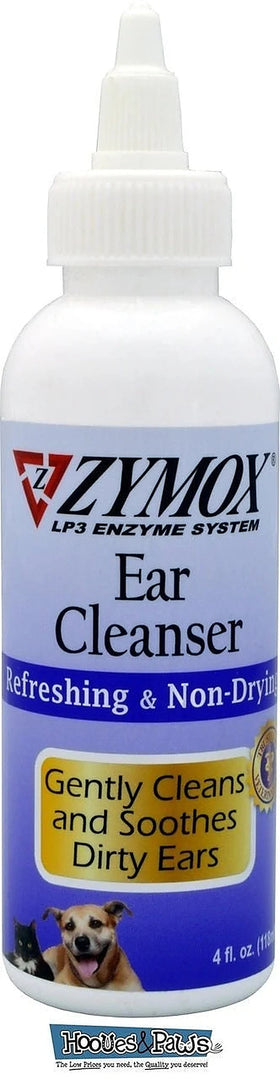
Hooves and Paws offers dog health essentials for everyday care. The collection is separate from whistle training, so evaluate products according to their intended use and your dog’s needs.
Build a recall plan you can repeat
Before each session, decide where to practice, what response you want, and what reward to use. Begin indoors with your dog nearby and no competing activity. Reward the dog for turning toward you, then build toward a full approach and reward arrival.
Change one difficulty at a time. Increase distance indoors first, then try a short distance in a quiet yard, then add a mild distraction. If distance, noise, and distractions all increase at once, it is hard to identify what made the task difficult.
- Stage one: Practice a few feet away in a quiet room.
- Stage two: Try another quiet room or a little more distance.
- Stage three: Practice in a secure yard on a leash or long line.
- Stage four: Add mild distractions and reduce distance if the dog hesitates.
- Stage five: Use the cue in everyday routines while maintaining safe control.
These stages are a flexible framework, not a timetable. Progress means a calm, repeatable response, not one success. If the dog does not respond, avoid scolding. Make the next repetition easier, improve timing, or choose a quieter moment.
Troubleshoot a response that fades
If your dog initially responds but later stops, review the conditions. Was the pattern the same? Was the dog farther away or absorbed in play? Was there background noise? Did the cue come to predict an unpleasant event? These questions can reveal a training gap without assuming stubbornness.
Return to a setting where the dog has succeeded. Give the cue once when the dog is likely to notice, then reward the response. If the dog appears not to hear, do not increase volume close to its head. Use a familiar visual or spoken cue for safety, and consult a veterinarian if the change is new or affects response to other familiar sounds.
When several people train the dog, agree on the sound pattern, requested behavior, and reward. One person using a pattern for recall while another uses it to interrupt play creates conflicting information. Write down the plan so everyone can follow it.
Consider whether the reward is worthwhile in that moment. A dog eager to sniff or play may need a more appealing reward, shorter distance, or easier setting. Food, praise, a toy, or a brief return to a safe activity can work when the dog values it and receives it promptly.
Use the whistle as one part of everyday safety
Training cues fit within a broader routine. Keep identification current, use a leash where required or prudent, and inspect gates and fencing rather than relying on recall to prevent escape. Before opening a door, position your dog so it cannot dash outside. Choose a walk route and leash arrangement that give you control when distractions appear.
Practice in ordinary, low-pressure moments instead of saving the whistle for emergencies. Call your dog across a safe yard, reward the return, and sometimes release the dog to explore again. Never use practice as a reason to unclip a leash in an unsafe place.
For a household with more than one dog, teach the cue separately at first. Individual practice lets you observe each dog and adjust distance or reward. Later, practice together in a controlled area and ensure each dog receives reinforcement.
Be mindful of neighbors and other animals. A high-frequency signal may be audible or noticeable even when you cannot hear it well. Use it only as needed and stop if a nearby animal appears distressed.
Shop Dog Health Essentials Today
Frequently Asked Questions
Can people hear a silent dog whistle?
Some people can hear a faint or high-pitched sound, while others may not notice it. “Silent” does not mean the whistle makes no sound.
Will every dog respond to a silent whistle?
No. Response varies with hearing, training, attention, and surroundings. A dog must learn what the signal means, and a whistle cannot guarantee obedience.
Can a silent dog whistle stop barking?
It should not be treated as an automatic way to stop barking. Consider why the dog is barking, then address that cause with appropriate training and management. A veterinarian or qualified trainer can help if it persists.
How long does it take to train a dog with a whistle?
There is no fixed timeline. It depends on the behavior, prior learning, and consistency. Begin in easy settings and increase difficulty gradually.
Is a silent dog whistle safe for puppies?
Use caution with dogs of any age. Follow directions, keep sound away from ears, and stop if the puppy appears uncomfortable. Ask a veterinarian or qualified trainer for age-appropriate guidance.
A silent dog whistle can become a useful signal when introduced patiently, paired with positive outcomes, and practiced in manageable steps. Set realistic expectations, protect safety, and let comfort guide every session.


