

First Horse Essentials: What You Actually Need
Filtrar y ordenar
8 productos

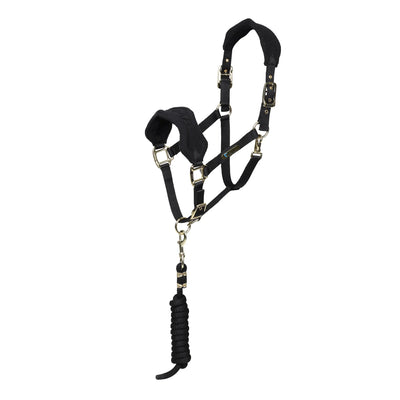

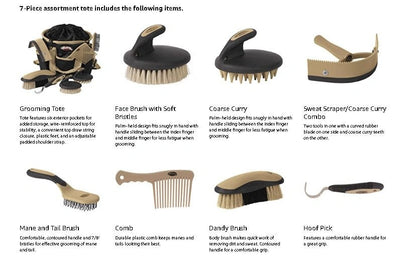
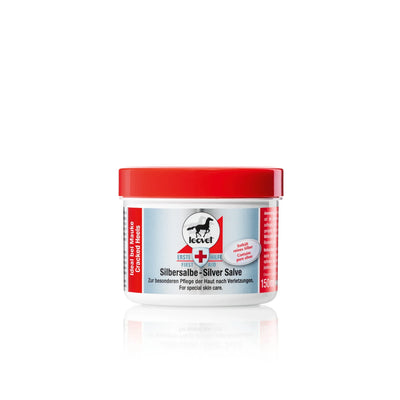
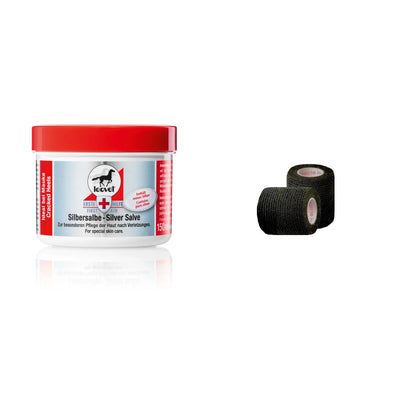

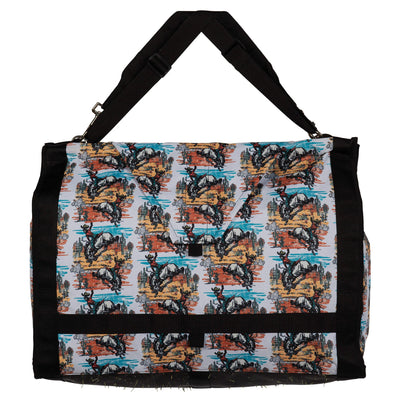

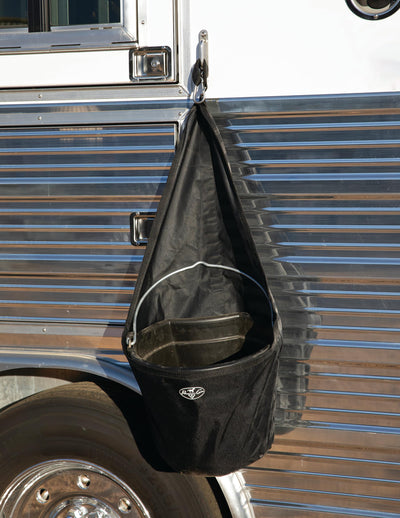
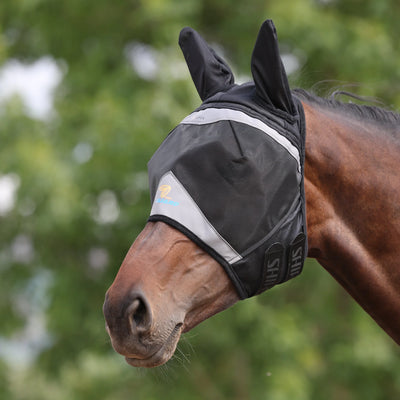
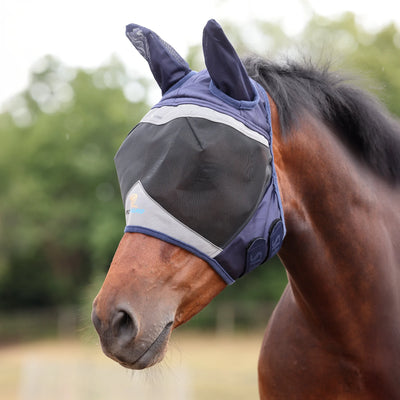
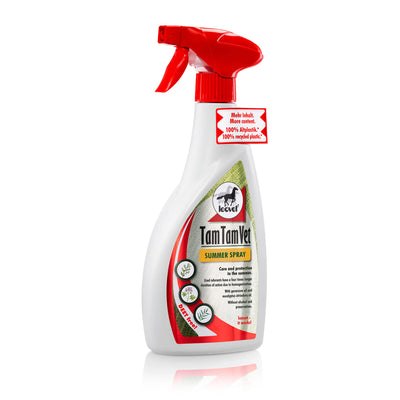

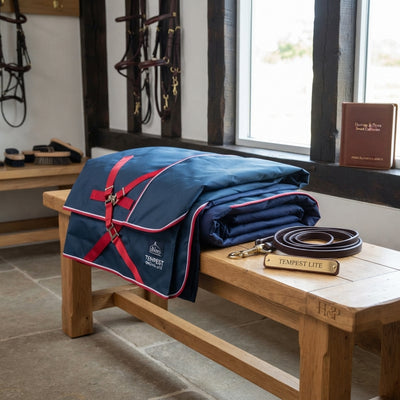
Most first-time owners buy too much and still forget the hoof pick. The day-one list is short: a halter and lead rope, the basic brushes and a pick, a first aid box, and a way to hang hay and water. Anything that has to fit the horse, like a saddle, bridle or blanket, can wait until the horse is standing in front of you and you can measure. This page is that short list, one solid, good-value pick for each job, so you can get set up without filling a tack room you do not need yet.
What New Horse Owners Are Actually Asking
What do I actually need before my horse comes home?
Less than you think. Owners who have done it keep coming back to the same handful: a halter that fits, a lead rope (plus a spare, because they walk off), a curry, a stiff brush, a soft brush and a hoof pick, a basic first aid box, and somewhere to put hay and water. Have the hay and the horse's current feed on hand before he arrives, and ask the seller exactly what he eats so you can keep it the same for the first while. Everything else can be bought once you know the horse.
My horse is going to a boarding barn. What will they provide?
It varies a lot, so ask before you shop. Many full-board barns supply water buckets, hay, feeding and sometimes a shared first aid kit, while self-care or pasture board usually means you bring buckets, hay bags and your own tools. Almost no barn supplies your halter, grooming kit, blankets, tack or fly gear. Ask the barn manager for their list, then buy only the gaps. Keeping your own grooming kit and first aid box is worth it even at a full-service barn, because shared ones tend to go missing when you need them.
Should I buy a saddle and bridle before I have the horse?
No. This is the advice repeated most often by experienced owners. A saddle has to fit the horse's back, and the same goes for a girth, bridle, bit and boots. Buy them early and you risk owning gear that does not fit, often past the return window. If the horse comes with tack, have a saddle fitter check it before you ride much. Until the fit is sorted, you can groom, lead, lunge and do groundwork with just the halter and lead rope.
Does a new horse need a blanket right away?
Not always. Ask the seller whether the horse has been blanketed, whether he is clipped, and whether he runs hot or cold. An unclipped horse with a full winter coat and shelter often needs nothing. If he has been blanketed, or your area gets cold rain and wind, a waterproof turnout sheet with no fill is the most useful first one, because you can layer under it later. Measure him from the center of the chest to the point of the buttock before ordering, since sizes run differently between brands.
What goes in a basic horse first aid kit?
Start small and add as you learn. The common core is self-adherent bandage wrap, a wound salve or spray, gauze or cotton, a pair of blunt scissors, a clean syringe for flushing, and a digital thermometer. Learn your horse's normal temperature, heart rate and breathing rate while he is healthy, so you know what normal looks like. Tape your vet's and farrier's numbers inside the lid. For anything more than a minor scrape, call your vet before you treat it.
Is it okay to buy used gear?
For a lot of it, yes. Buckets, brushes, grooming totes and good leather halters hold up well secondhand. Turnout blankets are the exception many owners point to, since the waterproofing wears out and you cannot always tell by looking. Whatever you buy, buy it as you need it rather than all at once. Nearly every new owner says they bought things in the first month they never used.
How to Choose the Right First Horse Supplies
- Ask the barn first: Get the barn's list of what board includes, then buy only what is missing. Buckets and hay bags are often covered, halters and grooming kits almost never are.
- Wait on anything sized: Halters can be measured from the old one, but saddles, bridles, bits and boots should wait until the horse is home and you can check the fit.
- Buy two of the small stuff: Lead ropes and hoof picks disappear. A spare of each saves a frustrating evening at the barn.
- Think about the halter in turnout: If your horse will wear a halter in the field, ask your barn about their rule and use one with a breakaway crown or leather headpiece. Many owners turn out without one.
- Keep his routine for now: Ask the seller what he eats, what he wears and how he is turned out, and keep it the same while he settles. Make any feed change slowly and ask your vet if you are unsure.
- Build the first aid box over time: Start with a wrap, a salve and a thermometer in a lidded box, and add as you learn what your horse needs.
What This Page Is Not For
This is the starter checklist, not the whole tack room. Saddles, bridles, bits, girths and saddle pads are left off on purpose because they need to fit your specific horse. For more brushes and coat care, wormers and a fuller first aid shelf, or every halter style we carry, see our Grooming and Coat Care, Horse Health and First Aid, and Halters collections.
Brands Riders Trust
Shires covers three of the day-one jobs here: the ARMA fleece-padded halter and lead set, the FlyGuard Pro fly mask and the Tempest turnout sheet, all with a wide spread of sizes in stock. Weaver Leather makes the 7-piece grooming kit and the slow feed hay bag. Professional's Choice makes the hanging bucket holder. Toklat makes the Tam Tam fly spray and the silver salve in our Hooves and Paws Barn First Aid Set, which pairs it with 3M Vetrap.
Get the basics right, learn your horse, and let the rest of the tack room grow from there. Happy Tails, Happy Trails.
