

Horse Trailering Gear: Shipping Boots, Wraps and Halters
Filtrar y ordenar
10 productos

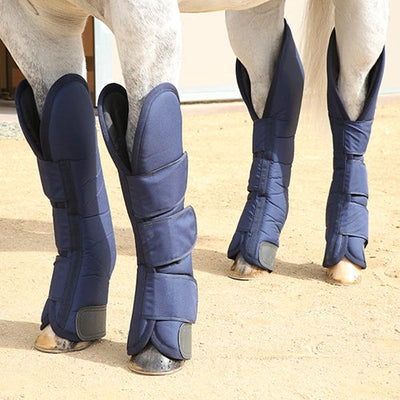

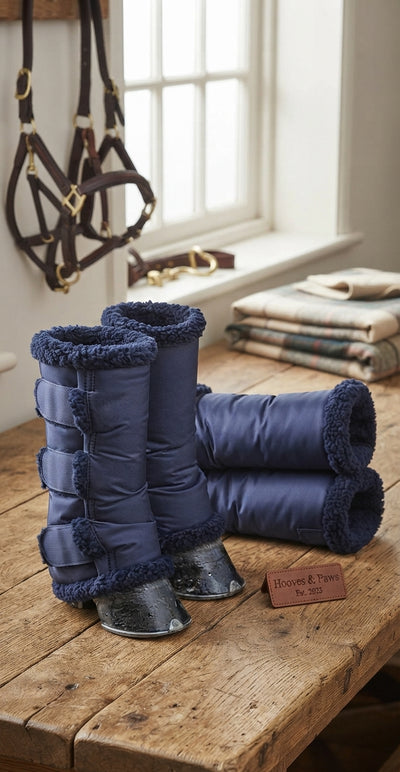
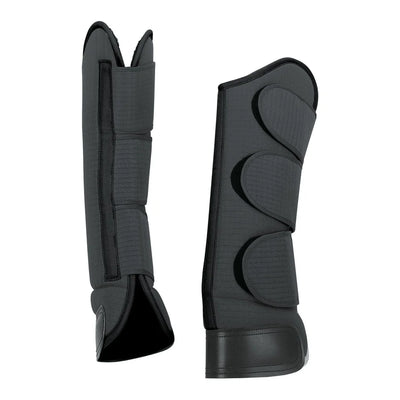

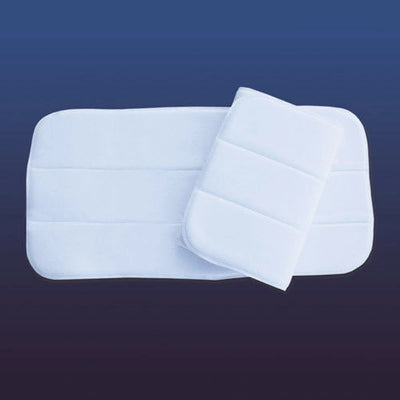







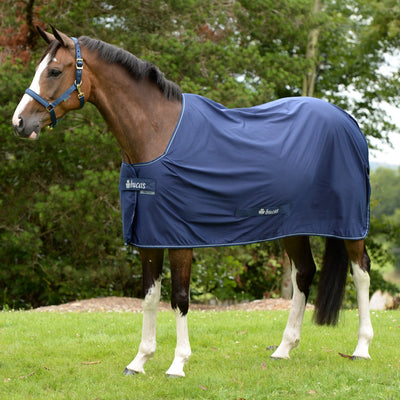
Ask ten horse people what their horse wears in the trailer and you will get ten answers, from full shipping boots on all four legs to nothing at all. They can all be right. What matters is the length of the trip, how your horse rides, the weather, and whether you can put the gear on well enough that it stays put. This page collects the hauling basics in one place: leg protection, a halter and tie that can give in an emergency, a tail guard, a hay bag and a travel cooler, with straight answers to the questions first-time haulers ask most.
What Horse Owners Are Actually Asking
Shipping boots, standing wraps or nothing at all?
There is no single right answer, and experienced haulers split on it. Shipping boots are the fast option, a few minutes to put on four boots versus fifteen or more to wrap, and they cover the leg from the coronet band up past the knee and hock. Standing wraps give closer, even coverage on long hauls, and some owners use them on horses that tend to stock up when they stand, but they only work if you wrap well. Bare legs are common for short, quiet trips and with professional shippers who use box stalls. If you are new to hauling, boots on a calm horse are the easiest place to start.
Is it safe to haul my horse with bare legs?
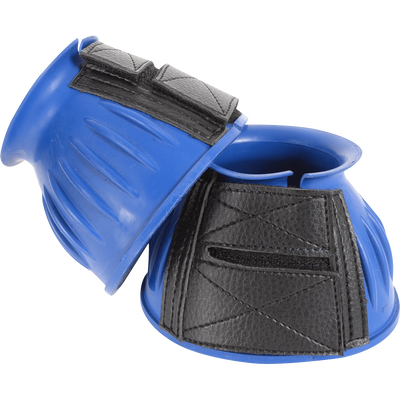
Plenty of owners do it, especially in a stock or box-stall trailer where the horse has room to balance. The risks people cite are a horse stepping on itself, a cut from a ramp or door frame, and a scramble during a hard stop. The risk on the other side is gear that slips or comes undone mid-trip and frightens the horse. A common middle ground is bell boots only, which protect the heels and coronet band and rarely cause trouble of their own.
What should my horse wear when trailering in the heat?
Many owners go lighter in summer: bell boots only, or thin quilts with a light bandage instead of thick shipping boots. Just as important is the trailer itself. Open the vents and windows, keep the horse out of a parked, closed trailer in the sun, and offer water on longer hauls. Some owners hose their horse before loading. If you are hauling a long way in real heat, ask your vet how to plan stops and water for your horse.
Should my horse wear a leather or nylon halter in the trailer?
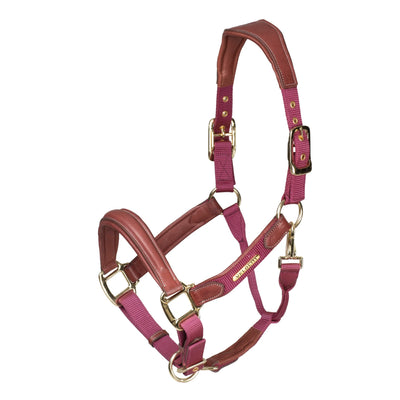
The reason most haulers choose leather is that it can break if a horse gets hung up or pulls back hard, while plain nylon will not. A nylon halter with a breakaway crown does the same job. Either way, the goal is that something gives before the horse's neck does. Keep a spare everyday halter in the truck in case the breakaway one does its job at the showgrounds.
Should I tie my horse in the trailer?
Owners do both. Horses in box stalls or stock trailers are often left loose, while straight-load and slant-load horses are usually tied so they cannot turn or get a head under a divider. If you tie, use a trailer tie with a panic snap, tie long enough for the horse to lower its head a little, and follow one rule every time: close the butt bar or divider before you tie, and untie before you open it.
How long does a trip have to be before I bother with boots or wraps?
There is no set number. Some owners wrap for a ten-mile trip to a local show, and others haul bare-legged for hours. Base it on your horse. A young horse, a nervous traveler, a horse wearing shoes or one that scrambles is worth protecting even on a short trip. Loading and unloading are when many trailer injuries happen, so the gear earns its keep at the ramp as much as on the highway.
How to Choose the Right Trailering Gear
- Try the gear at home first: Put shipping boots or wraps on in the barn aisle and walk your horse around. Some horses kick and high-step the first time, and you want that to happen at home, not in a moving trailer.
- Fit boots by the leg, not the label: Shipping boots should sit down over the coronet band without bunching at the knee or hock. Check them again after the first few miles, and replace any boot that slides.
- Only wrap if you can wrap well: Standing wraps need a smooth quilt and even tension. If you have not wrapped before, have your vet or trainer show you, and use boots until you are confident.
- Build in a breaking point: Use a leather or breakaway halter, a trailer tie with a panic snap, or both, so a horse that pulls back has something that gives.
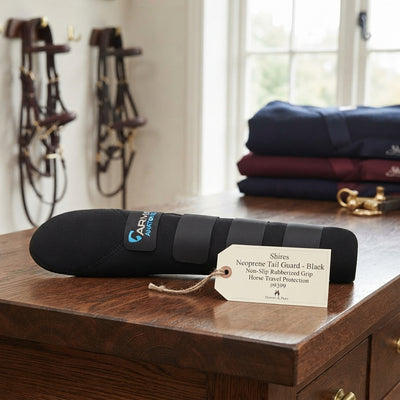
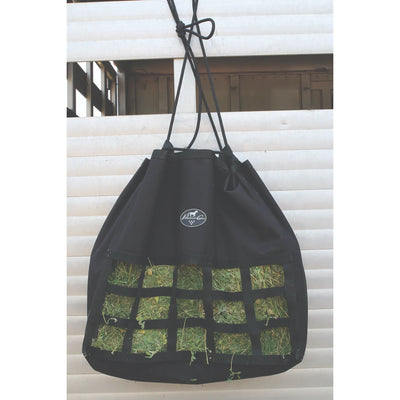
- Pack for the trip, not just the horse: A hay bag without metal hardware to bang on the trailer, a tail guard for a horse that leans on the butt bar, and a cooler or sheet one layer lighter than at home cover most trips.
What This Page Is Not For
This page is the hauling kit. For everyday stall wraps and bandages, see our Leg Wraps and Standing Bandages collection. For turnout halters, see Breakaway Halters for Turnout, and for barn feeders, Slow Feed Hay Nets and Bags. It does not cover trailers, hitches, mats or other trailer hardware.
Brands Riders Trust
Professional's Choice makes the full-leg PCSB-100 shipping boots, the No-Bow quilts and the Scratchless hay bag on this page. Shires covers the short fleece-lined travel boots, a neoprene tail guard and the Velociti Lusso leather halter with a breakaway crown. Weaver Leather adds padded shipping boots and a nylon trailer tie with a panic snap, Cashel brings its heavy-duty bell boots, and Toklat supplies the Bucas Shamrock Power Cooler.
Lay out the boots, halter, tie and hay bag the night before, and check every strap once more before the ramp goes up. Happy Tails, Happy Trails.
