


You know the struggle. The head tossing, the clamped jaw, and the sticky paste smeared everywhere except inside your horse. Giving medication can feel like a battle. An apple flavored horse wormer is your secret weapon. It combines a powerful, vet-trusted formula with a taste horses actually accept, transforming a dreaded chore into a simple task. This isn't just about convenience; it's about making a crucial part of your horse's health routine kinder and more effective. Here’s how to make this tack room essential work for you.
Key Takeaways
- Palatable Flavor Makes Deworming Easier: Apple-flavored wormers combine an effective medication like ivermectin with a taste horses readily accept, turning a potentially difficult chore into a simple, stress-free process.
- Dose by Weight for Maximum Effectiveness: Correct dosing is crucial for safety and preventing parasite resistance. Always use a weight tape to get an accurate measurement of your horse and set the syringe accordingly before administering.
- Work With Your Vet for a Targeted Plan: Move beyond outdated deworming schedules by using fecal egg count (FEC) tests. This modern approach allows you and your vet to create a specific treatment plan based on your horse's actual needs, making it safer and more effective.
Why Choose an Apple-Flavored Horse Wormer?
Apple-flavored horse wormer is exactly what it sounds like: a medicated paste that treats internal parasites, but with a taste horses actually like. The genius is in its simplicity. By combining a powerful deworming agent with a flavor horses find appealing, it transforms a potentially difficult chore into a much smoother experience for everyone involved. It’s a must-have in your horse’s health toolkit for keeping them feeling their best.
Breaking Down the Active Ingredient: Ivermectin
The workhorse ingredient in most apple-flavored dewormers is ivermectin. It's a broad-spectrum antiparasitic medication trusted for years because it's both safe and highly effective when used correctly. Think of it as your primary defense against the internal parasites that can affect your horse's health. Using an ivermectin-based dewormer as part of a regular health schedule is one of the most important things you can do for their well-being. It's no surprise that ivermectin paste is one of our best-selling products—it’s a proven solution that delivers results.
How It Fights Off Internal Parasites
So, what does ivermectin actually do? It targets a wide range of common internal parasites, including large and small strongyles, pinworms, ascarids, and bots. The medication works by disrupting the nerve and muscle function of these pests, which paralyzes and kills them. Your horse then naturally passes the dead parasites. By getting rid of these unwelcome guests, you help protect your horse from problems like colic, weight loss, and a dull coat. It's a fundamental aspect of care, right alongside ensuring they have proper nutrition and well-fitting horse tack.
Beyond Internal Parasites: Treating Skin Conditions
The benefits of ivermectin don't stop at the gut. This powerful ingredient is also effective against certain parasites that cause frustrating skin problems. For instance, it can help treat conditions caused by neck threadworms, which are notorious for leading to painful summer sores. By eliminating the parasites responsible for these skin irritations, an apple-flavored wormer does more than just manage internal pests—it contributes to your horse's overall comfort and skin health. It’s another way that a consistent deworming schedule, as part of a complete health regimen, supports your horse from the inside out, keeping them happy and healthy.
Does the Apple Flavor Really Make a Difference?
Let’s be real: giving a horse medication can be a battle. Many horses will resist a paste that tastes bitter, turning a simple task into a major struggle. This is where the apple flavor saves the day. The pleasant taste makes the paste much more palatable, meaning your horse is far more likely to accept it without fuss. A better-tasting formula leads to less stress for your horse and an easier job for you. As a family-owned business with over 30 years of experience, we know these thoughtful details make all the difference. You can read more about our story on our About Us page.
Which Parasites Does It Actually Target?
When you choose an apple-flavored horse wormer, you’re not just giving your horse a tasty treat—you’re administering a powerful defense against a host of internal parasites. Most of these wormers use ivermectin as their active ingredient, a broad-spectrum medication known for its effectiveness against a wide range of pests. It works by disrupting the nerve and muscle function of invertebrates, which paralyzes and ultimately kills the parasites without harming your horse.
Understanding which pests these dewormers are effective against is key to keeping your horse healthy. Internal parasites are more than just a nuisance; they can cause a range of problems, from mild discomfort and poor nutrient absorption to severe colic and long-term organ damage. A heavy worm load can significantly impact your horse's condition, performance, and overall quality of life. By targeting the most common and dangerous worms with a single, palatable dose, you can protect your horse from multiple threats at once. This makes apple-flavored ivermectin paste a go-to choice for many horse owners looking for a reliable and easy-to-administer solution as part of a strategic deworming schedule recommended by a veterinarian. It simplifies one of the most important parts of routine horse care.
Identifying the Most Common Equine Parasites
Apple-flavored ivermectin paste is formulated to control a wide array of internal parasites that can compromise your horse's health. It’s effective against the most common culprits you’re likely to encounter, including large and small strongyles (bloodworms), ascarids (roundworms), and pinworms. It also targets bots, which are the larval stage of botflies that attach to the stomach lining. The list doesn't stop there—it also handles hairworms, large-mouth stomach worms, lungworms, and intestinal threadworms. Effectively managing these intestinal parasites in horses is fundamental to their overall well-being and performance.
Is It Time to Deworm? Key Signs to Watch For
While some horses with a parasite load show no outward signs, others display clear symptoms that something is wrong. One of the most common indicators is a change in appearance. You might notice weight loss despite a healthy appetite, a dull or rough coat, or a pot-belly appearance, especially in younger horses. Performance issues like lethargy or a general lack of energy can also signal a problem. More serious symptoms of worms in horses include recurrent colic, diarrhea, and respiratory issues like coughing. If you notice any of these signs, it’s a good idea to consult your veterinarian, who can perform a fecal egg count to confirm a diagnosis.
Finding the Best Apple-Flavored Horse Wormer
Walking down the feed store aisle or browsing online can feel overwhelming with so many deworming options available. How do you know which one is right for your horse? The good news is that many trusted brands use ivermectin with an apple flavor to make the process easier for everyone. To help you choose with confidence, I’ve broken down some of the top brands on the market, what makes them effective, and how you can compare them for yourself.
Remember, the best dewormer is one that fits into a comprehensive parasite control program designed with your veterinarian. These recommendations are a great starting point for that conversation. Let’s look at some of the most reliable and popular choices that horse owners trust for keeping their animals healthy and parasite-free.
Our Top-Rated Product Picks
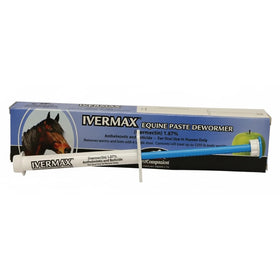
When you’re looking for an effective and palatable dewormer, a few names consistently stand out. Ivermectin Apple Flavor Paste is an FDA-approved option known for its effective control over a wide range of parasites, from large and small strongyles to bots and pinworms. Another excellent choice is Equimax Horse Wormer Paste, which offers comprehensive parasite control by targeting tapeworms in addition to other common internal parasites. For a straightforward and reliable option, many horse owners turn to Durvet Ivermectin Dewormer Paste, which comes in a simple syringe applicator and uses the apple flavor to make administration a breeze. These brands are popular because they get the job done effectively.
Durvet vs. Zimecterin: A Head-to-Head Comparison
Let's get more specific with two popular brands: Durvet and Zimecterin. Durvet Ivermectin 1.87% Horse Wormer Apple Flavor is a go-to for many because of its broad safety margin; it’s effective for all horses, including pregnant mares and foals. This makes it a versatile product to have in your tack room. On the other hand, Zimecterin Gold offers a combination formula, blending ivermectin with praziquantel. This dual-action approach is particularly effective against a broad spectrum of parasites, including tapeworms, and is safe for use in horses and foals over two months of age. Your vet can help you decide if a combination formula is necessary for your horse.
Choosing the Right Formula for Your Horse
Choosing between brands comes down to a few key factors. First, always check the active ingredients to understand what you’re giving your horse. Next, look at the spectrum of parasites the product targets to ensure it aligns with your horse’s needs and your vet’s recommendations. Products like Ivermectin and Bimectin are known for their broad-spectrum effectiveness. Finally, consider the ease of administration—most pastes are designed to be simple, but it’s always good to use a product you feel comfortable handling. By looking at these details, you can make an informed decision and find the best dewormer among our best-selling products.
Understanding Combination Wormers
Sometimes, a single active ingredient isn't enough to tackle every type of parasite your horse might have. This is where combination wormers come in. These products contain two or more active ingredients designed to target a wider range of parasites in a single dose. For example, while ivermectin is highly effective against many common worms, it doesn't control tapeworms. A combination dewormer like Zimecterin Gold adds praziquantel to the formula, which research shows can be 95% effective against tapeworms. Using a combination product simplifies your deworming schedule and provides more comprehensive protection. It’s a strategic approach that helps ensure you’re not leaving any gaps in your horse's parasite management plan and maximizes the effectiveness of your efforts.
Shop This Post

Featured in this article
Durvet Ivermectin 1.87% Paste Apple Flavored Horse Wormer - Single Dose Broad Spectrum Dewormer for Bots and Strongyles
$21.99
Shop Now →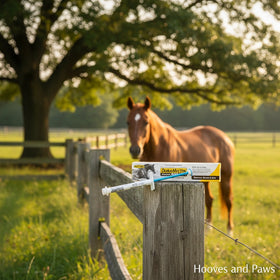
How to Give Your Horse Wormer (Without the Stress)
Giving your horse a dewormer can feel a little intimidating, but with the right approach, it’s a straightforward and essential part of their health care. The key is to be prepared, confident, and calm. Your horse will pick up on your energy, so taking a moment to review the steps can make the process smoother for both of you. Let's walk through how to administer a paste wormer safely and effectively, from getting the dose right to knowing what to watch for afterward.
How to Calculate the Correct Wormer Dosage
Getting the dosage correct is the most critical step. Under-dosing can contribute to parasite resistance, while over-dosing can be wasteful and potentially harmful. The amount of dewormer your horse needs is based entirely on their body weight. If you don't know your horse's exact weight, a weight tape is an affordable and easy-to-use tool for getting a reliable estimate.
Most paste wormer syringes are designed to treat a horse weighing up to 1,250 pounds. The plunger has markings on it, and each mark typically represents enough medicine for 250 pounds of body weight. To set the dose, simply turn the ring on the plunger until it locks at your horse’s weight. If you’re between markings, it’s generally better to round up to the next mark.
Checking Syringe Weight and Volume
Once you have your horse's weight, take a close look at the dewormer syringe. You'll see weight markings along the plunger, typically in 250-pound increments, going up to about 1,250 pounds. There's a small plastic ring on the plunger that you can turn. To set the dose, twist this ring down the plunger until the edge closest to the barrel lines up with your horse's calculated weight. For example, if your horse weighs 1,000 pounds, you’ll lock the ring at the 1,000 lb mark. If your horse’s weight is in between two markings, like 900 pounds, it’s always best to round up to the next one (in this case, 1,000 pounds). This ensures your horse gets a fully effective dose and helps prevent under-dosing, which is a key factor in parasite resistance.
Step-by-Step: How to Give the Deworming Paste
Once you have the correct dose set, you’re ready to go. Most horses tolerate the process well, especially since the paste-gel formula is designed for easy administration.
Here’s a simple breakdown of the process:
- Make sure your horse’s mouth is empty and free of food.
- Stand on your horse’s left side, facing the same direction. Place your right arm over their nose to steady their head.
- Gently insert the syringe tip into the corner of their mouth, in the space between their front and back teeth where there’s no bit.
- Aim the syringe toward the back of their tongue and depress the plunger, depositing all the paste.
- Remove the syringe and hold your horse’s head up for a few seconds to encourage them to swallow.
Safety First: Potential Side Effects and Precautions
The good news is that adverse reactions to ivermectin-based dewormers are rare. Most horses handle the treatment without any issues at all. However, it’s always wise to keep an eye on your horse for a day or two after deworming.
Some rare potential side effects of Durvet Ivermectin 1.87% Horse Wormer can include mild gastrointestinal upset or temporary skin irritation. While most horses tolerate these products well, occasional reactions have been documented. If you notice anything out of the ordinary, like swelling, colic-like symptoms, or lethargy, contact your veterinarian right away.
Age and Breeding Restrictions
One of the most common questions we get is whether these dewormers are safe for all horses. Generally, ivermectin-based products have a wide margin of safety and can be used on horses of various ages, including foals, though some products specify use for horses four weeks of age and older. They are also considered safe for use in both pregnant mares and breeding stallions, which is a huge relief for anyone managing a breeding program. However, it's always best practice to confirm with your veterinarian before starting any new treatment. They can help you create the most appropriate deworming schedule for your specific horse, ensuring their health and safety at every life stage.
Important Warnings for Animal Use Only
It’s essential to remember that apple-flavored horse wormer is a medication intended strictly for equine use. While it’s available over the counter, it should be handled with the same care as any other health product. The best way to use any dewormer is as part of a strategic plan developed with your veterinarian. They can perform fecal egg count tests to determine exactly which parasites are present and in what numbers. This modern approach helps you target the right worms at the right time, which is far more effective than simply deworming on a fixed schedule and helps prevent parasite resistance.
Reading State-Specific Warnings
Before you administer any dewormer, take a moment to read the packaging for any state-specific warnings or regulations. The rules for animal health products can sometimes vary from one state to another, and it’s important to stay compliant. This information is usually printed clearly on the box or insert. If you have any questions or are unsure about local guidelines, your veterinarian is your best resource. They will be familiar with any regional requirements and can ensure the deworming plan you have in place is both safe and fully compliant with local laws.
What's a Fecal Egg Count Test (and Why It Matters)
The old way of deworming every horse on a fixed schedule is becoming a thing of the past. Vets now recommend a more strategic approach to combat parasite resistance. The best way to do this is by working with your vet to perform a fecal egg count (FEC) test. This simple test analyzes a manure sample to determine your horse's specific parasite load.
Using reliable fecal egg count evidence is the best guide for choosing an effective worming product. An FEC test tells you which horses are high shedders (and need more frequent treatment) and which are low shedders, helping you create a targeted deworming plan that is safer for your horse and more effective in the long run.
How Much Should You Pay for Horse Wormer?
Keeping your horse healthy shouldn't break the bank, and thankfully, apple-flavored wormer is one of the more affordable tools in your equine care kit. The price can vary a bit depending on the brand you choose, where you shop, and whether you buy a single dose or stock up for the year. Generally, you’ll find that it’s a small investment for the major peace of mind that comes with protecting your horse from internal parasites.
When you’re budgeting for your horse’s care, remember to factor in regular deworming. The cost of a single tube is minimal compared to the potential vet bills that could come from a serious parasitic infection. By planning ahead, you can find great deals and ensure you always have what you need on hand to stick to a consistent and effective deworming schedule. Let’s look at what you can expect to pay and how you can get the most value.
Comparing Prices: What to Expect
For a single dose, you can expect to pay a pretty reasonable price. For example, a popular and effective option like Durvet's Ivermectin 1.87% Paste typically costs around $16 for one syringe. This price point makes it easy for horse owners to manage their animal’s health without a huge financial outlay. Most brands fall within a similar range for a single tube, which is designed to treat an average-sized horse. This accessibility is key to maintaining the routine care that keeps your horse feeling its best.
Where to Shop for the Best Deals
You can find apple-flavored wormer at your local feed store or through various online retailers. Here at Hooves and Paws, we pride ourselves on offering competitive prices on best-selling products from brands we trust. When shopping online, always factor in shipping costs. That’s why we offer free shipping on all continental U.S. orders with no minimum purchase, so the price you see is the price you get. Comparing prices is always smart, but be sure you’re buying from a reputable supplier to guarantee you’re getting a safe and effective product.
Should You Buy Horse Wormer in Bulk?
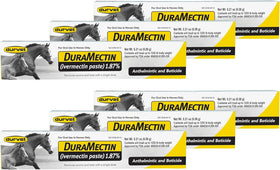
If you have multiple horses or simply like to be prepared, buying in bulk can be a fantastic way to save money. Many retailers offer multi-packs that lower the cost per dose significantly. For instance, you might find a large pack that drops the price of each syringe, making it a very cost-effective option for barn managers or multi-horse families. The only thing to keep in mind is the expiration date. Before you commit to a large quantity, just double-check that you’ll be able to use it all before it expires.
Exploring Multi-Pack Options
If you're looking for a smart way to manage your horse's health care costs, buying dewormer in multi-packs is a great strategy. It often brings down the price per syringe, which really adds up over the year, especially if you have more than one horse. Options like an Annual Horse Deworming Pack are designed to provide a comprehensive, year-round solution, simplifying your routine while ensuring your horse gets the necessary treatments. Beyond the savings, it’s incredibly convenient. Having the necessary supplies on hand means you can stick to your vet's strategic deworming plan without any last-minute scrambles to the store. This consistency is key to keeping your horse healthy and parasite-free. As noted by Valley Vet Supply, this is particularly beneficial for high-risk horses, allowing you to provide consistent care without the hassle of frequent reordering. It’s one less thing to worry about, just like knowing you have quality horse tack ready for your next ride.
Do You Need a Prescription for Horse Wormer?
One of the great things about ivermectin-based wormers formulated for horses is that they don’t require a prescription. You can easily purchase them online or in-store. However, this doesn't mean your vet shouldn't be in the loop. It is always a best practice to consult with your veterinarian to get their guidance on a deworming strategy. They can help you with diagnosis, treatment, and control of parasites based on your horse’s specific needs and your region. Think of it as a partnership in your horse’s health—we provide the quality products, and your vet provides the personalized medical advice.
How to Create a Deworming Plan That Works
Creating an effective deworming plan is about more than just picking a product off the shelf. A smart, modern strategy is tailored specifically to your horse, their environment, and their individual needs. The old way of rotating dewormers every few months is outdated and can even contribute to parasite resistance, making treatments less effective when you truly need them. A thoughtful approach not only keeps your horse healthier but also ensures your efforts and money are well spent. By working with your vet and understanding the tools available, you can build a deworming program that offers powerful protection.
Working With Your Vet on Parasite Control
Before you administer any dewormer, the first step is always to partner with your veterinarian. They can perform a fecal egg count (FEC) test, which is the cornerstone of any modern deworming strategy. This simple test tells you exactly what kind of parasites your horse has, how many there are, and if your current dewormer is actually working. Without this information, you’re essentially guessing. An FEC test helps your vet identify if your horse is a high, moderate, or low shedder of parasite eggs, which dictates how often they truly need treatment. This targeted approach ensures you’re only giving medication when necessary, protecting your horse’s long-term health and wellness.
How Often Should You Deworm Your Horse?
Once you have the results from a fecal egg count test, you and your vet can create a targeted deworming schedule. This modern approach is often called "selective" or "strategic" deworming. Instead of treating every horse in the barn on the same day with the same product, you treat individuals based on their specific needs. For example, a horse with a high egg count will need a different schedule than a horse with a low count. This method is far more effective and helps slow down parasite resistance. Your horse’s schedule will be unique, taking into account their age, health status, and the climate where you live, ensuring they get the right protection at the right time.
Duration of Effectiveness
A single dose of an apple-flavored ivermectin wormer provides a solid window of protection for your horse. The treatment is typically effective for about 21 days, targeting a wide range of internal parasites from strongyles to bots. This specific timeframe is incredibly helpful because it allows you to confidently plan your deworming schedule with your vet. Knowing your horse is protected for three weeks gives you peace of mind and helps ensure there are no gaps in their parasite control program. This duration of action is a key reason why ivermectin is such a trusted component of any effective equine health plan, offering reliable defense against the most common threats with just one easy-to-administer dose.
Decoding the Product Label: What to Look For
The product label is your guide to using a dewormer safely and effectively. The most important things to look for are the active ingredient and the list of parasites it targets. For example, a label for an ivermectin-based product will state that it provides effective control of parasites like large and small strongyles, pinworms, ascarids, and bots. Always match the active ingredient to the specific parasites identified in your horse’s FEC test. The label also provides crucial dosing information based on your horse’s weight, so be sure to use a weight tape for an accurate measurement. Following the label instructions is key to ensuring the horse tack and supplies you use are working as intended.
Country of Origin Information
When you’re choosing a dewormer, it’s worth taking a moment to check where it was made. The country of origin can tell you a lot about the quality and safety standards behind the product. Many of the most trusted horse dewormers, including popular apple-flavored options, are manufactured right here in the United States. This is a big plus for horse owners, as it means the products must meet rigorous testing protocols for both safety and effectiveness. For example, products like the Durvet Ivermectin Horse Wormer are made in the U.S., giving you confidence that you’re using a high-quality dewormer. Choosing a domestically produced product is a simple way to ensure you’re giving your horse a treatment that’s held to a high standard.
Common Deworming Myths You Can Ignore
One of the biggest myths in horse care is that deworming more frequently is better. Research shows this is wrong. Over-deworming is like giving antibiotics unnecessarily; the more you dose horses with a dewormer, the more likely parasites will build up resistance to the drugs. This makes the products less effective for the entire horse population over time. Another myth is that you don't need to test if your horse looks healthy. Many horses can have a significant parasite load without showing outward signs. This is why fecal egg count tests are so important—they give you the evidence you need to make smart, responsible decisions for your horse’s health, backed by our expertise.
Related Articles
Frequently Asked Questions
How often should I deworm my horse? There is no longer a one-size-fits-all answer to this question. The best approach is to work with your veterinarian to perform a fecal egg count test. This test will show your horse's specific parasite load and help you and your vet create a targeted deworming schedule that treats your horse only when necessary, which is the most effective way to manage parasites long-term.
Is apple-flavored ivermectin safe for all horses, like pregnant mares or foals? Ivermectin generally has a wide margin of safety and is often considered safe for most horses, including pregnant mares and young foals. However, you should always read the product label for specific age and weight guidelines. The most responsible step is to consult your veterinarian before administering any dewormer to ensure it's the right choice for your horse's individual health situation.
What if my horse spits out the dewormer paste? It happens to the best of us. If your horse spits out a significant amount of the paste, you may not have administered the full dose. The best course of action is to call your veterinarian for advice. They can help you decide whether it's safe to give another partial or full dose, or if you should wait until the next scheduled treatment.
Besides the taste, is there any difference between apple-flavored and regular ivermectin wormer? From a medical standpoint, there is no difference in the active ingredient or its effectiveness. The only distinction is the apple flavoring, which is added to make the paste more palatable for your horse. This simple addition can make the entire process less stressful for your horse and easier for you to handle.
Why can't I just deworm my horse on a fixed schedule like I used to? The old method of deworming every horse on a rotating schedule has been shown to contribute to parasite resistance. This means that over time, the deworming medications become less effective against the parasites they are designed to kill. A modern, strategic approach based on fecal egg count tests ensures you are treating the right parasites at the right time, which is more effective for your horse and helps preserve the effectiveness of these important medications for the future.


