


A great hoof oil is a staple in any grooming kit, but it’s only one piece of the puzzle. Lasting hoof health is built from the inside out, combining excellent nutrition, professional farrier care, and a clean environment. Think of a quality topical dressing as the final step that supports that strong foundation. It provides a protective barrier and essential moisture, helping what’s growing on the inside stay strong on the outside. This guide will help you select the best hoof oil for dry hooves to complement your complete care plan, ensuring your horse can step out with confidence on any terrain.
Key Takeaways
- Treat Hoof Oil as a Conditioner, Not a Polish: The real value of a good hoof oil is its ability to help the hoof retain natural moisture, keeping it flexible and strong. Focus on formulas with nourishing ingredients that are absorbed into the hoof wall, rather than products that just provide a temporary, cosmetic shine.
- Proper Application is Non-Negotiable: How you apply hoof oil is just as important as which one you choose. Always start by thoroughly cleaning and drying the hoof to ensure the oil can penetrate effectively and doesn't trap harmful bacteria against the sole or hoof wall.
- Build Hoof Health from the Inside Out: Remember that topical treatments support a foundation of good health—they don't create it. A quality hoof oil works best when combined with a balanced diet, regular farrier visits, and a clean living environment to grow strong, resilient hooves.
Is Hoof Oil a Must-Have for Your Horse?
We all know that healthy hooves are the foundation of a healthy horse. Just like we take care of our own skin and nails, our horses’ hooves need regular attention to stay strong and resilient. Environmental factors, from summer heat to muddy pastures, can take a toll, leading to dryness and cracks. A quality hoof oil is one of the best tools in your grooming kit for maintaining proper moisture balance and protecting against damage.
Think of it as a crucial part of your horse’s wellness routine. It’s not just about making hooves look shiny for a show; it’s about providing the essential conditioning they need to withstand daily wear and tear. A well-maintained hoof can properly absorb shock, support the horse's weight, and resist environmental stressors. When hooves are in poor condition, it doesn't just affect their feet—it can impact their joints, posture, and overall willingness to work. Neglecting hoof condition can lead to a cascade of problems that affect your horse's overall comfort and soundness. Adding a hoof oil routine is a simple, effective way to support that foundational health, ensuring your horse stays comfortable, sound, and ready for your next ride. It's a small investment of time that pays huge dividends in your horse's long-term well-being.
What Does a Healthy Hoof Look Like?
Before you can fix a problem, you need to know what a healthy hoof looks like. A strong hoof is generally smooth to the touch, without deep cracks, chips, or prominent horizontal ridges. It should also be free of any foul odors, which can signal an infection like thrush. The key to this resilient structure is maintaining the right moisture balance. Hooves need to absorb moisture to stay flexible, but too much or too little can cause trouble. When hooves get too dry, they become brittle and crack; when they're too wet, they can get soft and weak. Using a quality hoof dressing is an excellent way to help the hoof wall retain its natural moisture and create a protective barrier. This simple step is a cornerstone of any good hoof care program, helping prevent common issues that can lead to soreness or lameness down the road.
What Causes Dry Hooves?
If you’ve noticed your horse’s hooves looking brittle or starting to chip, you’re not alone. Dry hooves are an incredibly common issue, often caused by environmental conditions. Long periods of dry, hot weather are a primary culprit, as the arid air and sun-baked ground can pull moisture right out of the hoof wall. Living in an area with sandy soil or hard-packed terrain can also contribute to dryness.
Ironically, frequent changes between wet and dry conditions can be just as damaging. Think of a horse standing in dewy morning grass and then spending the afternoon in a dusty paddock. This constant cycle of swelling and contracting can weaken the hoof structure, making it crumbly and prone to cracks.
How a Hoof Oil Routine Helps Your Horse
Integrating a hoof oil into your regular grooming schedule is a proactive way to support long-term hoof health. Its primary job is to help the hoof retain its natural moisture, which keeps it pliable and resilient against chipping and cracking. A well-moisturized hoof is better able to absorb shock and bear weight without sustaining damage.
Beyond simple conditioning, many hoof oils are formulated with ingredients that offer additional protection. Regular application can create a barrier that helps prevent bacteria and fungus from entering small cracks and causing infections. And, of course, it keeps hooves looking their best. Whether you’re preparing for a competition or just want your horse to look sharp, a quality hoof oil provides that healthy, polished finish. It’s a simple step with big rewards for your horse’s entire well-being.
What Happens When Hooves Get Too Dry?
Ignoring dry hooves can lead to more serious issues down the road. When a hoof becomes overly dry, it loses its natural elasticity, making it brittle. Small surface cracks can quickly deepen, traveling up the hoof wall and compromising its structural integrity. These cracks aren't just a cosmetic problem; they create openings for dirt, debris, and bacteria to get inside the hoof capsule.
This can lead to painful conditions like abscesses, white line disease, and other infections that may require veterinary intervention. Over time, chronically dry and cracked hooves can cause soreness and lameness, affecting your horse’s comfort and performance. Taking steps to manage hoof moisture is essential for preventing these painful and often costly problems from developing.
How to Choose the Right Hoof Oil
Walking down the tack store aisle (or scrolling online) can feel overwhelming with all the hoof oil options available. They all promise a healthy, shiny hoof, but the truth is, they aren’t all created equal. Some are formulated purely for a show-ring shine, while others are packed with ingredients designed to treat and protect the hoof from the inside out.
Choosing the right one comes down to understanding your horse's specific needs and knowing what to look for on the label. Think of it less like a cosmetic and more like a crucial part of your horse's wellness routine. A good hoof oil can help balance moisture, fight off bacteria, and build resilience against cracks and chips. Let’s break down what really matters when you’re picking a product.
Decoding the Ingredient Label
First things first, flip that bottle around and read the ingredient list. It’s easy to get distracted by a glossy finish, but the real magic is in the formula. Some dressings are designed to improve hoof health, while others are just for looks. For genuine conditioning, you want to see nourishing, natural ingredients. Look for things like pine tar, fish oil, lanolin, and essential oils like tea tree oil. These ingredients are known for their ability to moisturize, protect, and support flexible, strong hoof growth. Avoid products that are mostly mineral oil or petroleum-based, as they can create a barrier that seals moisture out rather than letting it in.
Common Natural Oils and Their Roles
Natural oils are the real power players in any effective hoof dressing. Ingredients like fish oil and lanolin are fantastic for delivering deep moisture, while essential oils such as tea tree oil bring natural antiseptic qualities to the table. These components work together to condition the hoof wall, sole, and frog, keeping them pliable and healthy. When you see these on a label, it’s a good sign that the product is designed to do more than just add a superficial shine. It’s formulated to actively support the hoof’s natural structure and defenses, helping build resilience from the outside in. This is the kind of formula that provides lasting benefits, not just a temporary gloss for the show ring.
The Power of Pine Tar and Marine Oils
Two of the most effective ingredients you’ll find are pine tar and marine-based oils. Pine tar is a classic for a reason; it’s known to fight bacteria and fungus while also helping to soften hard areas like the frog and promote healthy new growth. Marine oils, which are rich in omega-3 fatty acids, are particularly good for adding moisture to dry and brittle hooves. Finding a product that combines these ingredients gives you a powerful tool for maintaining hoof flexibility and resilience against whatever the environment throws your way. It’s a smart choice for year-round care, especially if you live in an area with fluctuating weather conditions.
Natural vs. Synthetic: What's the Difference?
The debate between natural and synthetic comes down to how the product works with the hoof's biology. Natural hoof oils are often crafted by experts like farriers who understand what a hoof truly needs to thrive. They use ingredients that are easily absorbed and work to treat the entire hoof structure—from the coronary band down to the sole. These formulas are designed to balance moisture naturally and provide nutrients that support healthy tissue. Synthetic options might give a great shine, but they can sometimes contain chemicals or fillers that don't offer any real therapeutic benefits for long-term hoof care.
Why Absorption and Texture Matter
You might think that a thick, heavy layer of oil is the best way to moisturize a dry hoof, but it can actually backfire. A thick, greasy product slathered onto a dry hoof can create a water-repellent seal. This barrier prevents the hoof from absorbing any ambient moisture from the ground or air, causing it to dry out even more. Instead, look for a hoof oil with a consistency that allows it to penetrate the hoof wall. The goal is for the oil to be absorbed, delivering its nourishing ingredients deep into the horn tubules where they can do the most good.
Don't Forget Antimicrobial Properties
A healthy hoof isn't just a well-moisturized one; it's also one that's free from common ailments like thrush and white line disease. The best hoof oils do more than just condition. Many are formulated with ingredients that have natural antimicrobial and antibacterial properties, like tea tree oil or pine tar. These powerful additions help create an environment that’s inhospitable to the bacteria and fungi that cause these frustrating issues. Using a hoof dressing with these properties is a great preventative step to keep your horse’s feet healthy, sound, and strong.
Special Considerations for Performance Horses
Performance horses, with their demanding training schedules and competition calendars, face a unique set of challenges that can really test their hoof health. The constant impact from intense work means their hooves need more than just a cosmetic shine—they need serious conditioning. A quality hoof oil is essential because it helps the hoof retain its natural moisture, keeping it flexible and strong. This elasticity is what allows the hoof to properly absorb shock and support the horse's weight during high-impact movements. Beyond conditioning, regular application creates a protective barrier that helps prevent bacteria and fungi from getting into tiny cracks, which is especially important when traveling to different venues with varying ground conditions. Choosing a formula with natural antimicrobial ingredients, like pine tar, adds another layer of defense, supporting their soundness so they can perform their best.
Shop This Post

Featured in this article
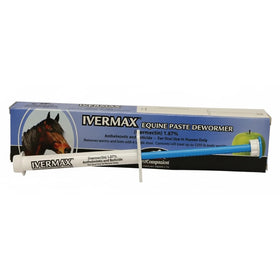
Durvet Ivermectin 1.87% Paste Apple Flavored Horse Wormer - Single Dose Broad Spectrum Dewormer for Bots and Strongyles
$21.99
Shop Now →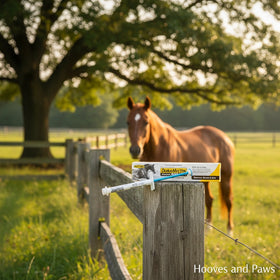
10 Best Hoof Oils for Dry, Cracked Hooves
Finding the right hoof oil can feel like a quest, with so many options lining the shelves. To make it easier, I’ve put together a list of the top 10 hoof oils that consistently deliver results for dry, cracked hooves. These picks are based on their effective formulas, quality ingredients, and praise from fellow horse owners and professionals. Whether you're dealing with brittle walls from a dry summer or trying to maintain a healthy moisture balance year-round, there’s a solution here for you.
A good hoof dressing does more than just add shine. It should penetrate the hoof wall to provide deep hydration, create a breathable barrier to protect against environmental changes, and contain ingredients that support hoof strength and flexibility. Some formulas also include antibacterial and antifungal properties to keep issues like thrush at bay. From rich balms to easy-to-apply liquids, this list covers the best-selling products that will help you build a solid hoof care routine and keep your horse comfortable and sound.
Browse our full range of hoof oils for dry hooves — from rich balms to easy-to-apply liquids — to build a solid hoof care routine that keeps your horse comfortable and sound.
1. Hooves and Paws Premium Hoof Conditioner
Of course, I have to start with our very own favorite. The Hooves and Paws Premium Hoof Conditioner is our go-to for a reason. It’s formulated to sink deep into the hoof horn, delivering essential moisture and nutrients where they’re needed most. What I love about this conditioner is how it helps hooves adapt to changing weather, preventing them from becoming overly dry in the summer or too soft in the wet winter months. It creates a breathable barrier that locks in moisture without sealing out oxygen, promoting healthy, flexible hooves that can withstand daily wear and tear. It’s a fantastic all-around choice for daily maintenance and for treating existing dryness and cracks.
2. Carr & Day & Martin Cornucrescine Tea Tree Hoof Oil
This hoof oil from Carr & Day & Martin is a classic for maintaining healthy hooves. Its standout ingredient is tea tree oil, which is known for its natural antibacterial and antifungal properties. This makes it an excellent choice for protecting against common hoof ailments. According to Horse & Hound, one of its key benefits is its easy application with the included brush, which helps you get a clean, even coat every time. It’s suitable for all hoof colors and leaves a lovely, long-lasting shine without feeling sticky. If you’re looking for a reliable daily dressing that offers extra protection, this is a solid pick.
3. Equine America Hoof Balm
If you prefer natural ingredients, Equine America Hoof Balm is a fantastic option. This balm is packed with nourishing components that moisturize the hoof and encourage healthy growth. It has a rich consistency that’s easy to apply and stays put, providing a lasting barrier against excess moisture or dryness. It’s also praised for its ability to fight off bacteria and fungus, helping to keep the frog and sole healthy. For horse owners who want an effective, no-fuss product that offers great value, this balm is a top contender for your horse tack box.
4. Absorbine Hooflex Original Liquid Conditioner
Absorbine is a trusted name in horse care, and their Hooflex Original Liquid Conditioner lives up to the reputation. One of the biggest draws is that it’s designed to be effective without needing daily application, which is a huge plus for busy horse owners. It works by conditioning the hoof to maintain the proper moisture balance, which helps prevent cracks in dry weather and "mushy" hooves in wet conditions. The formula creates a breathable barrier, and the built-in brush makes application quick and mess-free. It’s a practical, time-saving solution for keeping hooves in top shape.
5. NAF Profeet Farrier Solution
Developed with input from farriers, NAF Profeet Farrier Solution is a premium choice for supporting hoof health from the outside in. This liquid application is designed to create a natural, one-way barrier that helps prevent the hoof from drying out and cracking. It also protects against bacteria, which is crucial for maintaining the integrity of the white line and frog. The brush applicator is designed for easy, targeted use without any waste or mess. It’s an ideal product for horse owners who want a farrier-approved formula to complement a good diet and regular trimming schedule.
6. Leovet Hoof Lab Elastic Cream
For hooves that are seriously thirsty, Leovet Hoof Lab Elastic Cream is a deeply moisturizing treatment. This cream has a rich, thick texture that provides intense hydration to restore elasticity and prevent chipping. It’s particularly effective at balancing moisture levels, making hooves smooth, shiny, and resilient. Because it comes in a large tub, it’s also a cost-effective option for those with multiple horses or who need to apply it frequently. If your horse’s hooves feel hard and brittle to the touch, this cream can help bring back that healthy, flexible feel.
7. Kevin Bacon Liquid Hoof Dressing
Don’t let the name fool you—this hoof dressing is a favorite among equestrians worldwide. Made from 100% natural ingredients, Kevin Bacon's Liquid Hoof Dressing is renowned for its ability to protect hooves from drying out while maintaining suppleness. The formula penetrates the hoof wall to nourish it from within and provides a beautiful, lasting shine. It also helps protect against wet, soggy conditions that can weaken the hoof structure. Its easy-to-use brush makes application a breeze, and its time-tested formula has made it a staple in grooming kits for years.
8. Farriers' Fix Hoof Oil
When a product is trusted by the professionals, you know it’s good. Farriers' Fix Hoof Oil is a therapeutic oil that’s often recommended for horses with significant hoof problems, including dryness, cracks, and soreness. Its unique blend of ingredients helps balance moisture levels, which is key to restoring hoof integrity. It’s not just a cosmetic dressing; it’s a treatment that works to improve the overall health of the hoof. Many horse owners and farriers consider it a go-to solution for challenging hoof cases, making it an excellent choice when you need something with a little extra power.
9. Keratex Hoof Hardener
If your horse struggles with soft, brittle, or weak hooves that crack easily, Keratex Hoof Hardener is a game-changer. Unlike traditional oils that focus on moisturizing, this formula works by cross-linking the keratins in the hoof wall to make it stronger and more resilient. It’s especially useful for horses that experience frequent changes in weather, as it prevents the hoof from taking on excess water. As one user on Reddit noted, it can be a true "hoof saver" for horses prone to cracks. It’s a specialized treatment that addresses the root cause of weakness.
10. Cavalor PodoGuard
Cavalor PodoGuard offers a comprehensive approach to hoof care. This unique oil blend doesn’t just sit on the surface; it penetrates deep into the hoof to nourish and support healthy structures. It creates a breathable moisture barrier, preventing bacteria from getting in while allowing the hoof to expel excess moisture. This dual action helps promote better hoof growth and improves overall hoof quality. It’s an excellent all-in-one product for daily use, providing both protection and nourishment to keep your horse’s hooves strong and healthy in any condition.
How to Apply Hoof Oil Correctly
You’ve picked out a fantastic hoof oil, but your work isn’t done just yet. How you apply it is just as important as the product you choose. Think of it this way: you wouldn't paint a wall without cleaning it first, right? The same principle applies to your horse's hooves. A proper application ensures the oil can penetrate deeply and deliver all its nourishing benefits, helping to maintain moisture and flexibility. Getting this routine down is simple, and once you do, it becomes a quick and easy part of your horse care. Let's walk through the best way to do it, from prep to pro tips.
First, Get Your Horse's Hooves Ready
Before you even unscrew the cap on your hoof oil, start with a clean slate. Always make sure your horse's hooves are clean and dry before you put on any dressing. Use a quality hoof pick to remove any dirt, rocks, or manure packed into the sole and frog. Then, take a stiff brush to scrub away any remaining dust or mud from the entire hoof wall. This step is critical because applying oil over a dirty hoof can trap harmful bacteria and debris against the hoof, which can lead to other issues. A clean surface allows the oil to absorb properly and do its job effectively.
Your Step-by-Step Application Guide
With a clean and dry hoof, you’re ready to apply the oil. Using the applicator brush, apply a thin, even coat to the entire hoof structure. This includes the hoof wall, from the coronet band all the way down to the ground. Don't stop there—it's important to "apply to the whole hoof: Put it on the outside of the hoof, the sole, and the frog." Covering the sole and frog helps keep these softer tissues pliable and healthy. This comprehensive approach ensures every part of the hoof gets the moisture it needs to stay strong and resilient. You can find great grooming tools in our horse tack collection.
How Often Should You Apply It?
The ideal frequency for applying hoof oil really depends on your horse's specific needs. There’s no single right answer, so you’ll need to be observant. A good rule of thumb is to adjust based on hoof condition. For very dry, cracked, or sore feet, daily application might be necessary to restore moisture. For generally healthy hooves that just need maintenance, applying it two to three times a week is usually plenty. Your climate and your horse’s living conditions also play a big role. A horse living in a dry, sandy area will need more frequent applications than one in a humid climate.
My Go-To Tips for the Best Results
Want to get the most out of your hoof oil? Here are a couple of extra tips. While the golden rule is to apply oil to a dry hoof, there's one exception. For extremely dry hooves, you can occasionally apply a very thin layer of oil after bathing your horse, while the hoof is still slightly damp. This helps trap existing moisture inside the hoof capsule. Also, consider applying hoof oil before you give your horse a bath. This creates a barrier that prevents the hoof from absorbing too much water, which can weaken the hoof wall over time. Finding the right routine is all about knowing your horse and using best-selling products that support their health.
Shop our horse hoof care collection for trusted products that support a complete routine tailored to your horse's specific needs.
Proper Storage and Handling
To get the most out of your hoof oil, you need to store it correctly. Think of it like any other quality skincare product—leaving it in the wrong conditions can make it less effective. Keep your hoof oil in a cool, dry place, away from direct sunlight or extreme temperatures, like inside your tack trunk or a grooming tote. This helps preserve the integrity of the natural ingredients and prevents the oil from breaking down or changing consistency. It's also important to handle it properly to avoid contamination. Always use a clean brush for application and make sure the lid is screwed on tight after each use. This simple step ensures you don't introduce dirt or bacteria into the container, keeping the product pure and effective for every application.
Common Hoof Oil Mistakes to Avoid
Using hoof oil seems straightforward, but a few common mistakes can actually make hoof problems worse. The goal is to support the hoof's natural ability to balance moisture, not to work against it. When you know how to apply it correctly, hoof oil can be a game-changer for preventing cracks and maintaining flexibility. By avoiding these simple missteps, you can make sure your horse gets the full benefit of their hoof care routine. Let's walk through what not to do, so you can get the application process just right.
Debunking the Moisture Barrier Myth
One of the biggest misconceptions is that slathering oil on a dry, cracked hoof will seal in moisture. It actually does the opposite. Think of it like putting thick cream on chapped lips without letting them get any moisture first—you're just sealing in the dryness. A heavy layer of oil on a parched hoof creates a water-repellent barrier, preventing any environmental moisture from being absorbed. This can cause the hoof to dry out even more. The key is to help the hoof absorb moisture first (like after a bath or by standing on damp ground), then use a thin layer of oil to help retain it.
Applying Oil to Dirty or Wet Hooves
Before you reach for the hoof oil, you need to reach for a hoof pick and a stiff brush. Always apply dressings to a clean, dry hoof. Applying oil over dirt, mud, or manure traps debris and bacteria against the hoof wall and sole, which can create the perfect environment for problems like thrush to develop. Similarly, applying oil to a soaking wet hoof can trap too much moisture, potentially softening the hoof structure and weakening its integrity. A clean, dry canvas is essential for any hoof care product to work effectively and safely.
Using Way Too Much Hoof Oil
When it comes to hoof oil, less is more. Over-applying can clog the pores of the hoof wall, which interferes with the hoof’s natural ability to breathe and regulate moisture. A healthy hoof expands and contracts with changes in moisture, and a thick, greasy barrier can disrupt this essential process. A thin, even coat applied a few times a week is usually plenty. Remember, the goal is to supplement the hoof's natural protective layer, not replace it entirely. This helps maintain the right balance of strength and flexibility without suffocating the hoof.
Ignoring Your Horse's Environment
You can have the best hoof oil in the world, but it can't overcome a poor environment. A horse’s overall hoof health is deeply connected to its living conditions. Standing for long hours in a stall filled with manure and urine can break down hoof tissue, while constantly moving between soggy pastures and dry arenas can cause rapid expansion and contraction that leads to cracks. A consistent, clean, and dry environment is the foundation of strong hooves. Hoof oil is a fantastic tool, but it works best as part of a complete management plan.
Match the Hoof Oil to the Problem
Not all hoof problems are created equal, so your hoof oil shouldn't be a one-size-fits-all solution. Whether you're tackling deep, troubling cracks or just trying to maintain healthy hooves through a wet winter, picking the right product is key. Let's match the right hoof oil to the specific issue your horse is facing, so you can give their hooves exactly what they need to thrive.
What's Best for Severely Cracked Hooves?
When you’re looking at deep, significant cracks, you need a therapeutic approach, not just a simple conditioner. These kinds of cracks can compromise the hoof's integrity and invite infection. For these serious cases, Farriers' Fix Hoof Oil is an excellent choice. It’s formulated to help dry out and repair cracked hooves by balancing their internal moisture levels. More importantly, it contains ingredients that fight the bacterial and fungal infections that often settle deep within cracks, helping to address the root of the problem and promote healthier growth from the inside out.
Dealing with Mildly Dry Hooves?
If your horse's hooves just look a bit dull or are showing minor surface cracks from a dry spell, a good conditioning oil is your best bet. You want something that moisturizes effectively without being too heavy. A great option is Carr & Day & Martin Cornucrescine Tea Tree Hoof Oil. This oil provides essential conditioning to restore a healthy look and feel. The tea tree oil also gives it natural antiseptic properties, which is a fantastic bonus for helping prevent bacteria and fungus from developing in small cracks, keeping hooves healthy and resilient.
Which Oil is Best for Daily Care?
Consistent care is the secret to preventing hoof problems before they start. For regular upkeep, you need a reliable, easy-to-use conditioner that keeps hooves nourished and balanced. Absorbine Hooflex Original Liquid Conditioner is a classic for a reason. It does a fantastic job of maintaining the hoof's natural moisture balance, which is crucial for flexibility and strength. Plus, the convenient brush built into the lid makes application quick and mess-free, so it’s easy to add to your daily grooming routine to keep hooves in top shape year-round.
How to Handle Weather-Related Dryness
Constant exposure to wet, muddy conditions can soften hooves and make them prone to issues like thrush. During winter or rainy seasons, you need a product that creates a protective barrier against moisture. This is where a hoof gel can be more effective than a standard oil. Effol® Winter Hoof Gel is designed specifically for this challenge. It forms a water-repellent film that shields the hoof from excessive dampness and mud, keeping it dry and healthy when the weather is working against you. It protects the hoof without sealing off essential air circulation.
Oils for Therapeutic Relief
When your horse is dealing with more than just a bit of dryness—think persistent cracks, soreness, or overall poor hoof quality—it’s time to reach for a therapeutic oil. These formulas go beyond basic conditioning to actively treat and restore hoof health. A product like Farriers' Fix Hoof Oil is a perfect example; it’s designed to balance moisture levels and address significant issues, making it a go-to for farriers tackling tough cases. Another excellent option is Repair by Resolvet, which works to improve hoof strength and quality from the inside out. These oils are formulated with potent ingredients that help repair damage and build a stronger, more resilient hoof, offering real relief when your horse needs it most.
Explore our equine grooming and coat care collection for hoof oils designed to balance moisture levels and address significant issues — trusted by farriers for tough cases.
Beyond Oil: A Complete Hoof Care Plan
While a great hoof oil is a staple in any grooming kit, it’s only one piece of the puzzle. Think of it like this: you can use the best face moisturizer in the world, but if you aren't eating well or staying hydrated, your skin won't truly glow. The same principle applies to your horse's hooves. Lasting hoof health is built from the inside out, combining excellent nutrition, professional care, a clean environment, and consistent daily habits.
This holistic approach creates a strong foundation that topical products can then support and enhance. When your horse has everything it needs internally, its hooves will grow stronger, more resilient, and better able to withstand environmental challenges. A slick of hoof oil becomes the finishing touch on an already healthy hoof, not a temporary fix for underlying issues. By focusing on these core pillars of hoof care, you’re investing in your horse’s long-term soundness and comfort, ensuring they can step out with confidence on any terrain.
Feed for Stronger Hooves
You can’t overstate the importance of a balanced diet for hoof health. After all, what you put on the hoof's surface won't help much if your horse's nutritional needs aren't being met. Strong, resilient hooves are grown from the inside, fueled by a steady supply of key nutrients. Make sure your horse’s diet provides enough high-quality protein, essential amino acids, fats, vitamins, and minerals like zinc and biotin. These are the building blocks for tough, flexible hoof horn. If you suspect a dietary deficiency, work with your vet to find the right feed and supplements to fill any gaps and support optimal growth.
Find the right solution for your horse's diet and hoof health by exploring our horse health and grooming collection alongside guidance from your vet.
Key Supplements for Hoof Integrity
To really support hoof health from the inside, it's helpful to know which specific nutrients do the heavy lifting. Biotin, a B-vitamin, is probably the most famous player, with research showing it can promote stronger hoof walls over time. But it doesn't work alone. Minerals like zinc and copper are crucial to form keratin, the tough protein that makes up the hoof. You also need a good supply of essential amino acids, which are the fundamental building blocks for that protein. To keep hooves from getting dry and brittle, omega-3 fatty acids help maintain the right moisture balance, while trace minerals like manganese and selenium support the connective tissues that hold everything together. Ensuring your horse gets these key nutrients is a powerful way to build strong, resilient hooves.
Partner with Your Farrier
Your farrier is one of the most important partners you have in your horse's health care. If you notice your horse’s hooves are brittle, soft, or cracking, your first call should be to them. They have the expertise to assess the hoof's structure, identify underlying problems, and recommend a course of action. Remember, hoof dressings are not a substitute for proper trimming and balancing. A skilled farrier can address issues before they become serious problems, keeping your horse’s hooves healthy and sound. They are your go-to resource for advice on everything from shoeing cycles to the specific needs of your horse’s feet.
Take a Look at Your Horse's Environment
Your horse’s living conditions play a huge role in their hoof health. While healthy hooves are designed to adapt to wet and dry conditions, they can’t handle standing in manure or urine for extended periods. Ammonia from waste can break down the protective structures of the hoof, leading to issues like thrush. Do your best to keep stalls and turnout areas clean and dry. If you live in an area with dramatic weather shifts from wet to dry, be extra vigilant. These rapid changes can cause the hoof to expand and contract, increasing the risk of cracks.
Build a Daily Hoof Care Routine
Consistency is key. Picking out your horse's hooves every day is one of the simplest and most effective things you can do for their well-being. This daily check allows you to remove rocks and debris that could cause bruising, and it gives you a chance to spot problems like punctures or thrush before they escalate. It’s also the perfect time to apply any topical treatments. Just be sure the hoof is clean and completely dry before you put any product on; applying oil or conditioner to a wet hoof can trap moisture and be counterproductive. This simple, five-minute task is a cornerstone of good horse care.
The Role of Daily Exercise
Regular movement is a non-negotiable part of hoof care. Every time a horse takes a step, the hoof expands and contracts, acting like a pump to push blood through the intricate vessels within the hoof capsule. This natural hoof mechanism is vital for delivering oxygen and nutrients that are essential for growing strong, healthy tissue. Consistent, low-impact exercise, like walking or a gentle trot, also encourages natural wear, which helps maintain the hoof’s shape and balance between farrier visits. A horse that spends most of its time standing in a stall misses out on this crucial stimulation, which can lead to poor circulation and weaker hoof structures over time. Making sure your horse gets daily turnout and exercise is a simple way to support hoof health from the ground up.
Alternative Hoof Care Products
While hoof oil is a fantastic moisturizer, it’s just one tool in a complete hoof care toolkit. Depending on your horse's needs, you might need other products to address specific issues. For horses with soft, weak soles, a hoof hardener can help strengthen the hoof wall and protect against chipping. If you’re battling thrush, a targeted antibacterial treatment is essential. Hoof packing can also provide relief for sore, bruised soles after a hard ride or for horses with laminitis. At Hooves and Paws, we understand that every hoof is different, which is why we carry a wide range of hoof care solutions from trusted brands. Having the right product on hand for a specific problem is just as important as your daily maintenance routine.
Discover our wide range of hoof care solutions from trusted brands — because every hoof is different, and we carry options for every need.
Ready to Find the Perfect Hoof Oil?
Choosing the right hoof oil is a big decision for your horse's well-being. With so many options out there, it’s easy to feel overwhelmed. That’s why we focus on making your experience as straightforward and supportive as possible. We’re here to help you get exactly what you need with confidence, so you can get back to what matters most—caring for your horse.
Why Shop for Hoof Care with Us?
Taking care of your horse's hooves is a year-round job. Shifting weather patterns, from wet winters to dry summers, can make it difficult for hooves to stay naturally balanced. Using high-quality hoof care products is essential for maintaining their strength and integrity. With over 30 years of hands-on experience, we carefully select every product we carry. We only stock brands we trust, so you can be sure you’re getting effective, reliable solutions that will support your horse’s overall health and comfort.
Our 365-Day, No-Hassle Guarantee
We know that every horse is different, and what works for one might not be the perfect fit for another. Finding the right hoof oil shouldn't be a guessing game. That’s why we stand behind every product with our 365-day satisfaction guarantee. If you’re not completely happy with your purchase, we’ll make it right. Our family has been in this business for decades, and our team is always here to share our expertise and help you find the ideal solution for your horse's specific needs. You can learn more about our commitment and shop with total peace of mind.
Enjoy Fast, Free Shipping on Every Order
When you notice a crack or realize you’re running low on hoof oil, you need a solution quickly. We make it easy to get your supplies without the wait or extra cost. We offer free shipping on all orders within the continental U.S., with no minimum purchase required. Plus, if you place your order before 2 PM PST, we’ll ship it out the very same day. You can get the products you need delivered right to your door, fast. Check out our best-selling products and let us handle the rest.
Frequently Asked Questions
How often should I actually be applying hoof oil? There isn't a single magic number, as it really depends on your horse's hooves and their environment. For a horse with generally healthy feet, applying it two to three times a week is a great maintenance schedule. If you're trying to improve very dry or cracked hooves, you might need to apply it daily for a while. The best approach is to pay attention to your horse's feet and adjust as needed.
Can hoof oil fix serious problems like deep cracks or thrush? While many hoof oils have ingredients that help prevent issues like thrush, they are not a substitute for veterinary or farrier care. Think of hoof oil as a supportive tool for maintenance and prevention. If your horse has deep cracks, an abscess, or an active infection, your first call should always be to a professional. They can diagnose the root cause and create a treatment plan, which may include a therapeutic hoof dressing as part of the solution.
What’s the difference between a hoof oil, a balm, and a hardener? It's easy to get these confused! A hoof oil is typically a liquid used for general conditioning and adding a healthy shine. A hoof balm or cream is much thicker and is designed for intense moisturizing, making it great for seriously dry, brittle hooves. A hoof hardener is a specialized treatment that works differently; instead of moisturizing, it strengthens the hoof wall's protein structures to make it more resilient against chipping and cracking.
Is it ever okay to apply hoof oil to a wet hoof? As a general rule, you should always apply hoof oil to a clean, dry hoof to avoid trapping excess moisture or bacteria. However, there is one exception. If your horse's hooves are extremely dry and brittle, applying a very thin layer of oil right after a bath while the hoof is still slightly damp can help seal in some of that water. Just be sure the hoof isn't soaking wet.
My horse lives in a muddy pasture. Should I still use hoof oil? Yes, but you'll want to be strategic. In very wet conditions, the goal is to protect the hoof from becoming overly soft and waterlogged. Instead of a simple moisturizing oil, consider using a thicker balm or a specialized hoof gel that creates a breathable, water-repellent barrier. The most important step is to always clean and thoroughly dry the hoof before applying any product.


