


The old saying "no hoof, no horse" is a hard-learned truth for many equestrians. The cost of a single farrier visit to replace a thrown shoe or a vet bill for a minor heel laceration can add up quickly. Think of bell boots as an affordable insurance policy. This simple piece of tack is a small investment that protects your horse’s soundness and your wallet. By shielding the hoof from overreach injuries and preventing a horse from stepping on and pulling off a front shoe, they do double duty. But not all boots are created equal. This guide will teach you how to evaluate the different bell boots horses wear, focusing on the key features of quality, durability, and fit so you can make a smart purchase.
If you’ve ever felt that sinking feeling after finding a lost shoe in the pasture or noticed a nick on your horse’s heel, you already know how frustrating minor injuries can be. Bell boots are a simple, effective solution designed to prevent those exact problems. These protective boots shield the delicate heel bulbs and coronary band from the impact of a horse’s hind hooves, a common issue known as overreaching. They also act as a barrier, making it much harder for a horse to step on and pull off a front shoe. This guide will walk you through everything you need to know, from determining if your horse needs them to understanding the different options. When you start looking at the various bell boots horses for sale, you’ll feel confident choosing the perfect pair for your horse’s protection and your peace of mind.
Key Takeaways
- Prioritize a perfect fit to guarantee protection: A bell boot that's too loose can cause tripping, while one that's too tight will rub and chafe. Always measure your horse's hoof and consult the specific brand's size chart to ensure the boot covers the heel without interfering with movement.
- Match the material and style to your horse's job: Simple rubber pull-on boots are ideal for the demands of daily turnout, while no-turn designs made from materials like ballistic nylon offer the stability and impact resistance needed for performance activities like jumping or reining.
- Extend the life of your boots with simple care: Make it a habit to rinse your bell boots after every use to prevent dirt buildup that can cause skin irritation. Regularly check for cracks or worn-out closures, and replace them as soon as they show significant damage to maintain effective protection.
What Are Bell Boots & Does Your Horse Need Them?
If you’ve spent any time around a barn, you’ve likely seen horses sporting those little bell-shaped cups around their front hooves. These are called bell boots, or sometimes overreach boots, and they’re a simple but effective piece of protective gear. They fit over the hoof and cover the pastern, acting as a shield for one of the most sensitive and important parts of your horse’s body. Their main job is to protect the delicate heel bulbs and the coronary band, which is where hoof growth begins.
So, does your horse actually need them? The short answer is: maybe. Not every horse requires bell boots, but they are incredibly useful for many. They’re a great idea for horses that tend to “overreach,” meaning their hind hooves clip their front heels as they move. This is common in horses with long strides or during high-intensity work. They also provide an extra layer of security for horses with expensive or corrective shoeing, helping to prevent a lost shoe. If your horse participates in fast-paced activities like jumping, barrel racing, or cross-country, bell boots are practically essential horse tack.
Understanding Key Protection Zones
The primary reason to use bell boots is to prevent injuries from overreaching. This happens when a horse’s hind foot moves forward and strikes the heel area of the front foot on the same side. It’s a common issue, especially in athletic horses or those with a naturally long stride. The impact can cause anything from minor scrapes to deep cuts on the heel bulbs, which are the soft, fleshy parts at the back of the hoof. More importantly, it can damage the coronary band. Bell boots act as a simple, effective shield, absorbing the impact from the hind hoof. They also serve another practical purpose: preventing your horse from stepping on the heel of a front shoe and pulling it off, saving you the cost and hassle of a farrier visit. This makes them a fundamental piece of protective horse tack for turnout, training, and competition.
Why the Coronet and Pastern Are So Sensitive
To appreciate why bell boots are so important, it helps to understand the anatomy they protect. The coronary band, or coronet, is the small, raised line at the very top of the hoof. Think of it as the control center for hoof growth; it’s where new hoof wall is generated. A significant cut or bruise to this area can disrupt that growth, potentially leading to permanent hoof wall defects, cracks, or weakness. Just above it, the pastern is a critical area containing bones, joints, and delicate tendons and ligaments. Because there isn't much muscle or tissue to cushion this region, a direct strike from a hind hoof can cause serious injury. Bell boots provide a crucial buffer, deflecting blows and absorbing shock before it can damage these vital, sensitive structures and compromise your horse’s soundness.
How Bell Boots Prevent Overreaching and Thrown Shoes
The primary reason horse owners use bell boots is to prevent injuries from overreaching. When a horse’s hind foot strikes the heel of the front foot, it can cause painful bruises, cuts, or scrapes to the soft tissue of the heel bulbs and the vital coronary band. Bell boots absorb the force of that impact, protecting the hoof from injury. This same action is what saves you from the headache of lost shoes. A misplaced hind step can easily catch the back of a front shoe and pull it right off, leading to a damaged hoof and an unexpected farrier bill. The bell boot covers the shoe, making it much harder for the hind foot to get a grip and tear it away.
Protection Beyond Overreaching: Preventing Interference
Beyond their main job of preventing overreach injuries, bell boots also serve as a crucial barrier against interference. This happens when a horse's hind foot strikes the inside of the opposite front leg or hoof, which can lead to painful nicks and bruises. Bell boots are designed to absorb the impact and protect the delicate heel bulbs and coronary band, which is especially important for horses with longer strides or during high-intensity work. As the equine health experts at Mad Barn explain, these strikes can cause painful cuts and scrapes to the soft tissue. This added layer of protection is a game-changer for performance horses in sports like jumping or barrel racing, where the risk of a misplaced step is higher. By investing in a quality pair of bell boots as part of your essential horse tack, you significantly reduce the likelihood of these injuries and help keep your horse safe and sound.
When Should Your Horse Wear Bell Boots?
You can use bell boots in almost any situation where your horse might be at risk of overreaching. During training and riding, especially in disciplines that require quick turns, extensions, or jumping, they offer critical protection. Think dressage, hunter/jumper, eventing, and reining. They’re also a smart choice for lunging, as horses can be unbalanced and more likely to interfere with themselves on a circle. Many owners also use them for turnout, particularly if their horse is playful in the pasture or the ground is muddy and slick, which can increase the chances of a shoe being pulled. Even during shipping, bell boots can prevent a horse from stepping on itself in the confines of a trailer.
Choosing the Right Type of Bell Boot for Your Horse
Once you know you need bell boots, the next step is figuring out which kind. It can feel like there are a million options out there, but they mostly boil down to two key things: the material they're made of and the style of closure. Getting familiar with these differences will help you pick a pair that keeps your horse comfortable and protected, whether they're out in the pasture or working in the arena. Let's break down the most common materials and styles you'll find so you can make a confident choice.
Bell Boot Materials: Rubber, Neoprene, or Nylon?
The material of a bell boot really dictates its durability and how it feels on your horse. Rubber is a classic choice for a reason; it’s tough, affordable, and super easy to hose off, making it perfect for daily turnout. For something with a closer, more flexible fit, neoprene is a great option. It’s soft and moves with your horse, offering great protection for performance activities. Then you have ballistic nylon, which is the heavy-hitter of bell boot materials. If your horse is especially tough on their gear or prone to serious overreaching, the tear-resistant strength of ballistic nylon is exactly what you need to keep their horse tack in top shape.
Exploring Advanced and Traditional Materials
While rubber, neoprene, and nylon cover the basics, the world of bell boots gets even more interesting when you look at specialized materials. The choice here often comes down to a blend of tradition, technology, and your horse's specific job. For generations, equestrians have relied on classic materials like leather for its durability and timeless look. But modern advancements have brought us some incredible high-tech options, like tough hard-shell plastics and innovative fabrics that offer next-level protection. Understanding the unique benefits of each will help you find the perfect balance of safety and style in your horse's tack.
Hard-Shell Plastics, Leather, and SuperFabric®
Hard-shell plastics are a game-changer for high-performance disciplines where impacts are a real concern. These materials provide a rigid, durable outer layer that can withstand significant force, effectively absorbing shock from a powerful overreach. Think of it as armor for your horse’s hooves, offering unparalleled defense during intense activities like jumping, cross-country, or fast-paced reining patterns. The rigid structure deflects blows that could otherwise cause serious injury to the heel or coronary band. Most hard-shell boots are lined with soft neoprene or foam to prevent chafing, but a precise fit is still crucial. They offer top-tier protection, but you must ensure the boot doesn't rub or restrict movement at the pastern.
On the other end of the spectrum is leather, a material that’s been a staple in barns for centuries. Leather bell boots are valued for their strength, classic aesthetic, and ability to mold for a comfortable, custom-like fit over time. While they may not offer the same rigid impact resistance as plastics, high-quality leather provides excellent, reliable protection for everyday riding and turnout. Many riders appreciate the timeless appeal and durability that only genuine leather can offer. With proper cleaning and conditioning, leather boots remain supple and strong for years, making them a beautiful and functional choice. Their natural breathability is also a plus, helping to keep the skin underneath healthy.
For those who don't want to choose between flexibility and durability, there's SuperFabric®. This cutting-edge material is engineered to be both incredibly tough and flexible, featuring a base fabric overlaid with tiny, hard 'armor' plates. This unique construction provides exceptional abrasion and slash resistance, making it perfect for horses that are especially hard on their gear or prone to severe overreaches. This innovative fabric combines the protective qualities of a hard shell with the comfort and mobility of a softer boot. It offers superior defense against overreaches without sacrificing your horse's freedom of movement, making it a top choice for demanding sports or for horses living in rugged turnout conditions. It's a fantastic option when searching for the right horse boots and leg protection.
Bell Boot Styles: Pull-On vs. Open vs. No-Turn
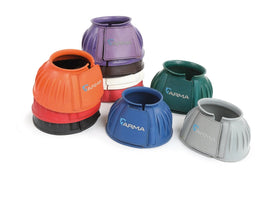
Beyond material, the way a bell boot fastens (or doesn't) makes a big difference. Pull-on boots are the most secure option. Since they have no closures, there’s nothing to break or come undone, making them ideal for horses living outside or those notorious for losing boots. Open boots, which usually fasten with sturdy Velcro, are much easier to get on and off. This convenience makes them a favorite for daily riding and grooming. Finally, you have no-turn bell boots. These are designed with a special shape or inner bulb that keeps them from spinning, ensuring the boot always protects the vulnerable heel area, which is especially important during training and competition.
Shop This Post

How to Get the Perfect Bell Boot Fit
Finding the right size bell boot is the most important step in making sure they do their job effectively. A boot that’s too big can spin, slide up the leg, or get tripped on, while one that’s too small can rub and cause sores around the pastern. The perfect fit should cover the entire hoof, from the coronary band down to the heel, and rest lightly on the ground when your horse is standing still. It should be snug enough to stay in place but have just enough room for you to slide a finger between the boot and your horse’s pastern.
Getting this right prevents discomfort for your horse and saves you the headache of constantly replacing lost or damaged boots. Taking a few minutes to measure will ensure your horse gets the protection they need without any of the problems that come from a poor fit.
How to Measure Your Horse for Bell Boots
Measuring for bell boots is straightforward and only takes a moment. All you need is a flexible measuring tape. Start by making sure your horse’s hoof is clean and that they are standing squarely on a level surface.
First, measure the width of the hoof at its widest point. Next, measure the length from the heel to the toe. Jot these numbers down. These two measurements will give you the core dimensions you need to compare against a size chart. Once you have the boots, do a final check by putting them on your horse and watching them walk and trot. The boot shouldn't spin excessively or interfere with their natural movement. This quick motion check confirms you’ve found a secure and comfortable fit.
Decoding Bell Boot Size Charts for a Secure Fit
One of the most common mistakes buyers make is assuming a "Large" from one brand is the same as a "Large" from another. Sizing can vary quite a bit between manufacturers, so it’s essential to check the size chart for every pair of boots you consider.
When you're browsing different types of horse tack, you'll find a size chart on the product page. Simply compare the hoof width and length measurements you took with the numbers on the chart. This simple step removes the guesswork and helps you choose the correct size with confidence. An ill-fitting boot can cause more harm than good, so referencing the chart is the best way to ensure a snug, secure fit that won't chafe or cause problems.
Common Sizes: From Pony to XX Large
When you start browsing for bell boots, you’ll see a wide array of sizes designed to fit nearly every horse, from tiny ponies to large draft breeds. Most brands offer a standard range that includes Small, Medium, Large, and Extra Large (XL), with some even providing Pony or XX-Large options. This variety ensures you can find a boot that properly accommodates your horse’s specific hoof shape and size, giving them the protection they need without compromising on comfort.
Here’s a crucial tip that will save you from the hassle of returns: sizing is not universal. A "Medium" from one brand might fit like a "Large" from another, so never assume the size is standard across all horse tack. This is why using the hoof measurements you took earlier is so important. Before adding a pair to your cart, always compare your horse’s hoof width and length to the manufacturer’s specific size chart. This simple step is the key to finding that perfect, secure fit that won’t rub or get lost in the pasture.
What to Look for When Buying Bell Boots
Once you know your horse’s size and the style you need, it’s time to focus on the details that separate a great pair of bell boots from a mediocre one. The right choice comes down to a combination of durable materials, a comfortable design, and a secure fit that stays put no matter the activity. Think of it like buying a pair of work boots for yourself; you wouldn't just grab the first pair you see. You’d check the construction, feel the lining, and make sure they won’t slip.
Choosing the right bell boots means investing in your horse's safety and comfort. A well-made boot will protect against overreach injuries and lost shoes, while a poorly chosen one can cause rubbing, chafing, or simply fall apart after a few uses. Let’s walk through the key features to look for so you can feel confident in your purchase and find the perfect match for your horse's needs.
Features That Signal Quality and Durability
The material of a bell boot is its first line of defense. You’ll find options ranging from traditional rubber and flexible neoprene to heavy-duty plastics and even advanced materials like Kevlar. Many of the best designs use a combination of materials to get the job done, like a tough, abrasion-resistant outer shell to withstand impact and a soft, cushioned interior to sit comfortably against your horse’s pastern. When browsing for horse tack, look for reinforced stitching and high-quality hardware on the closures. These small details are often the first things to fail, so paying attention to them can extend the life of your boots significantly.
Professional-Grade Design and Development
The best bell boots are more than just a piece of rubber; they are a product of thoughtful engineering. Professional-grade design starts with a deep understanding of how a horse moves and where it's most vulnerable. This expertise is what allows manufacturers to create boots that effectively absorb the impact of an overreach, shielding the sensitive heel bulbs and coronary band from injury. You'll see this in designs that use a tough, durable outer shell to deflect blows, paired with a soft, non-chafing liner to ensure comfort against the pastern. Features like anatomical shaping and no-turn nubs are also hallmarks of professional development, designed to keep the boot perfectly positioned for maximum protection. When you invest in this level of quality horse tack, you're getting a product built to perform and last.
Why Comfort and Secure Closures Are a Must
A boot can’t protect your horse if it’s too uncomfortable to wear. Chafing and rubbing are common problems with ill-fitting or poorly designed bell boots, especially for sensitive-skinned horses. To prevent this, look for features like a rolled fleece or neoprene collar at the top, which provides a soft cushion against the pastern. The closure system also plays a big role in both comfort and convenience. Strong hook-and-loop closures are popular because they’re easy to adjust for a custom fit and quick to put on and take off, which is a huge plus for daily use.
The Importance of Double Hook and Loop Closures
When you’re comparing different bell boots, you’ll notice many feature double hook and loop closures, and for good reason. This design offers an extra layer of security, making it much harder for the boot to get pulled off during turnout or a ride. Think of it as a built-in backup plan that keeps the boot exactly where it needs to be, giving you peace of mind. Beyond security, these closures make getting a perfect, custom fit incredibly easy. You can make quick adjustments to ensure the boot is snug without being too tight, which helps prevent rubbing. This durable construction is a key feature in quality horse boots, combining a secure hold with the convenience you need for daily use.
The Benefit of a Secure, No-Turn Design
Fit is everything when it comes to bell boots. A boot that’s too loose will spin, slide, or even fly off in the pasture, leaving your horse unprotected. A boot that’s too tight can restrict movement and cause serious rubbing. For riding and training, consider a "no-turn" style. These boots have a small bulb on the inside that fits into the heel groove, preventing the boot from spinning. After you put the boots on, always check the fit. You should be able to slide one or two fingers between the boot and the pastern. Then, watch your horse walk and trot to ensure the boots stay securely in place without interfering with their natural movement.
Finding the Right Style and Color
Now for the fun part: choosing a style and color that you love. While fit and function should always be your top priorities, there’s no reason your horse’s bell boots can’t also look great. Think of them as another accessory to complete your horse's look. Many riders enjoy picking colors and patterns that match their horse's personality or their own personal style. It's also a great opportunity to create a polished, coordinated look by matching the boots to your other horse tack, like your saddle pad or polo wraps. The material you choose can also play a role in your style options; rubber boots often come in solid, classic colors, while neoprene and other fabrics open the door to a wider variety of patterns and vibrant hues.
Popular Colors: From Classic Black to Vibrant Hues
You can’t go wrong with classic colors like black, white, or brown. These shades are timeless and versatile, easily matching with any equipment you already own, which makes them a go-to for both schooling and the show ring. But if you’re looking to make more of a statement, you’re in luck. The equestrian world has embraced color, and you can now find bell boots in just about every shade imaginable, from bright pinks and blues to bold patterns and even glitter. Many brands now offer matching sets, so you can coordinate your horse’s boots with their saddle pad and fly bonnet for a truly head-turning look. Keep an eye out for limited edition colors, too—they’re a fun way to add a unique touch to your collection.
Our Top Bell Boot Picks for Every Horse
Choosing the right bell boots really comes down to how your horse spends its time. A horse living out in a pasture has different needs than one competing in dressage or navigating rocky trails. To make it easier, I’ve broken down our top picks based on what you and your horse do every day. Think about your horse’s daily routine, and you’ll find the perfect match right here in our collection of horse tack.
Best for Everyday Turnout and Pasture Life
For horses that spend their days in a pasture, you need a bell boot that’s both durable and comfortable enough for long-term wear. Turnout can involve a surprising amount of activity, from playful romps to navigating muddy ground, so reliable protection is a must. I always recommend simple, sturdy rubber pull-on boots for this job. They don’t have any closures that can get snagged on fences or caked with mud, and their seamless design offers great security. They can be a bit tough to get on, but that’s what makes them so good at staying put. Look for a pair with a smooth, rolled top to prevent rubbing during all-day wear.
Top Choices for Training and Competition
When you’re training or competing, the risk of an overreach injury increases with every powerful stride. For performance horses in disciplines like jumping, reining, or dressage, you need a boot that stays perfectly in place. This is where no-turn bell boots shine. They feature a small bulb on the inside that fits into the heel groove, preventing the boot from spinning. This ensures the widest part of the boot is always at the back, right where it’s needed. Lightweight materials like neoprene or ballistic nylon are excellent choices, as they provide serious protection without weighing your horse down or restricting movement during complex athletic maneuvers.
Most Durable Options for Tough Horses
If your horse is particularly tough on its gear or frequently works in challenging terrain, you’ll want to invest in a heavy-duty option. These boots are built to withstand just about anything, from rocky trails to deep mud and chronic shoe-pulling. Look for boots made from ballistic nylon or even Kevlar-reinforced materials for maximum tear resistance. Many of our best-selling products are popular because of their durability. Features like double-locking Velcro closures add an extra layer of security, ensuring the boots stay on no matter what. While they might cost a bit more upfront, their longevity and superior protection are well worth it for the toughest horses.
Common Mistakes to Avoid When Choosing Bell Boots
Choosing the right bell boots can feel like a small decision, but it makes a big difference in your horse's comfort and safety. With so many options out there, it’s easy to grab a pair that looks good without considering the finer details. A few common missteps can lead to boots that rub, fall off, or just don’t offer the protection your horse needs.
Thinking ahead about how your horse will use them and how you’ll care for them will save you time and money. It ensures your horse gets the right protection without any discomfort, and that your new gear will last for more than a few rides. Let's walk through a couple of the most common mistakes so you can make a confident and informed choice for your partner.
Mismatched Boots: A Common Buying Mistake
One of the biggest mistakes is choosing a boot that doesn’t suit your horse’s daily activities. A lightweight, flexible boot might be perfect for turnout, but it may not hold up to the demands of jumping or fast-paced training. On the other hand, a heavy-duty ballistic nylon boot could be overkill for a quiet day in the pasture. Think about the intensity of your horse's work. Getting the size right is also critical. A boot that’s too tight will cause uncomfortable rubbing and chafing, while one that’s too loose can easily get pulled off or cause a dangerous trip. The perfect fit should be snug enough to stay put without restricting movement.
Forgetting About Material and Maintenance Needs
It’s easy to focus on fit and forget about the material, but this is a detail you shouldn’t ignore. The material affects everything from durability to how easy the boots are to clean. Just like the rest of your horse tack, bell boots need regular care. Dirt, sweat, and mud can build up inside the boot, leading to skin irritation on your horse’s pasterns. After a ride, take a moment to rinse them off. It’s also a good idea to watch your horse move in them the first few times. Walk and trot them to make sure the boots don’t spin excessively or interfere with their movement, ensuring a safe and comfortable fit every time.
How Much Do Bell Boots for Horses Cost?
Bell boot prices can vary quite a bit, but the good news is there’s a solid option for every budget. You don't have to spend a fortune to get effective protection for your horse's hooves. The cost generally reflects the materials, design features, and intended use, from simple turnout to intense athletic performance. Understanding the different price points helps you choose the right pair without overspending. Whether you need a basic, durable set for the pasture or a high-tech pair for competition, you can find quality horse tack that fits your needs. Let's break down what you can expect to find at different price levels so you can make an informed choice for your horse.
Budget-Friendly Options: Under $20
If you need reliable protection for daily turnout or light riding, you can easily find great bell boots for under $20. These are typically made from durable rubber and feature simple pull-on or hook-and-loop closures. While they may not have the advanced features of pricier models, they do an excellent job of preventing overreach injuries and lost shoes in the pasture or during a casual ride. Their affordability makes it easy to keep a few extra pairs in your tack trunk, so you always have a clean, dry set ready to go.
Performance Picks: $30 to $60+
For training, showing, or more demanding activities, you’ll likely want to look at performance boots in the $30 to $60 range. In this category, you’ll find boots made from advanced materials like ballistic nylon and neoprene, which offer superior durability and comfort. Common features include no-turn designs that keep the boot correctly positioned, reinforced stitching, and secure closures that hold up to intense movement. These boots are engineered to protect your horse during jumping, reining, or cross-country. While some highly specialized boots can cost more, this price range offers fantastic value and quality for most competitive riders.
High-End and Specialized Boots: Over $100
When you see bell boots with a price tag over $100, you’re looking at highly specialized equipment designed for the most demanding situations. These aren’t your everyday turnout boots; they are an investment for elite performance horses, those with therapeutic needs, or horses that are notoriously hard on their gear. This category includes boots crafted from cutting-edge materials like Kevlar-reinforced fabrics, offering unparalleled tear resistance for chronic shoe-pullers. They often feature advanced no-turn designs that stay perfectly in place during the explosive movements of reining or jumping, along with superior shock absorption. For some owners, this level of quality is essential for protecting their investment and ensuring their horse’s soundness. You can explore our full range of horse boots and leg protection to see how these premium options compare.
Is It Worth Paying More for Quality?
When you buy from a retailer that specializes in equine supplies, you're getting more than just a product; you're getting peace of mind. A reputable store does the homework for you by curating a selection of bell boots from brands known for their quality and durability. This means you can trust that the materials and construction are built to last. Shopping with a family-owned business like ours means you're getting products backed by decades of hands-on experience. We stand behind everything we sell, so you can feel confident you’re making a smart investment in your horse's safety and comfort.
How to Make Your Horse's Bell Boots Last Longer
Quality bell boots are an investment in your horse's safety and well-being. With a little routine care, you can extend their life and ensure they continue to provide maximum protection. Just like any other piece of equipment, bell boots perform best when they are clean and in good condition. Taking a few minutes after each ride to inspect and care for them not only saves you money in the long run but also helps prevent discomfort or skin irritation for your horse. Think of it as part of your regular grooming and tack maintenance routine.
Easy Cleaning and Daily Inspection Tips
Getting into the habit of cleaning your bell boots is one of the easiest ways to make them last. Dirt, mud, and sweat can build up inside the boot, potentially causing rubs or skin issues on your horse's pasterns. After each use, give them a quick rinse with a hose to remove any debris. For a deeper clean, use a gentle soap and a soft brush to scrub away grime, then rinse thoroughly and let them air dry completely. This is also the perfect time to inspect the boots for any early signs of wear, like small cracks or fraying stitches, before they become bigger problems. Keeping all your horse tack clean is a cornerstone of responsible horse ownership.
Proper Storage and When to Say Goodbye
How you store your bell boots matters. Tossing them in a pile can cause them to lose their shape or damage the closures. The best practice is to store them in a dry place away from direct sunlight, which can degrade materials like rubber over time. You can hang them on a tack hook or lay them flat to help them keep their form. During your regular cleaning, check for significant damage like large tears, cracks, or worn-out Velcro that no longer fastens securely. A compromised boot won't protect your horse effectively and should be replaced. Investing in durable gear from our collection of best-selling products gives you a great starting point for long-lasting equipment.
Browse our full range of bell boots for horses to find durable options with secure closures built to stay on no matter what your horse gets up to.
Related Articles
- Bell Boots vs Overreach Boots: Which to Choose?
- Professional's Choice Horse Equine Overreach Ballistic Spartan II Bell
Frequently Asked Questions
Can my horse wear bell boots 24/7? While many horses wear bell boots for turnout, it's important to manage them properly for long-term use. If your horse lives outside, choose a durable and simple style like a rubber pull-on boot. The key is to remove them daily to clean them and check your horse’s pasterns for any signs of rubbing or irritation. This allows the skin to breathe and helps you catch any potential issues before they become a problem.
How do I know if my horse is actually overreaching? There are a few telltale signs that your horse is overreaching. You might notice small nicks, scrapes, or bald spots on the heel bulbs of their front hooves. In more significant cases, you could see cuts or bruising. Another common clue is sound; you may hear a distinct "clicking" noise as their hind hoof strikes their front shoe while they move. Consistently pulling off front shoes is also a strong indicator that your horse needs the protection of bell boots.
My horse has sensitive skin. Are some bell boots better for preventing rubs? Absolutely. If your horse is prone to chafing, look for bell boots that have a soft, rolled collar at the top. Many designs incorporate fleece or smooth neoprene lining specifically to create a cushion against the pastern and prevent friction. A proper fit is also critical for sensitive horses, as a boot that is too tight or too loose will inevitably cause rubbing regardless of the material.
What’s the real difference between pull-on and Velcro boots? The main difference comes down to security versus convenience. Pull-on boots are the most secure option because they have no fasteners that can break, get caked with mud, or come undone. This makes them the top choice for turnout or for horses that are experts at losing their gear. Open boots with Velcro closures are much easier and faster to put on and take off, making them a favorite for daily riding, lunging, and grooming.
How can I be sure I have the right fit, even after measuring? Measuring is the first step, but the final check happens on the horse. After you put the boot on, you should be able to slide one or two fingers comfortably between the top of the boot and your horse’s pastern. The bottom edge should rest lightly on the ground, covering the entire heel. The most important test is to watch your horse walk and trot. The boot should stay in place without excessive spinning or interfering with their natural movement.


