


Every equestrian has a story about breaking in a new pair of boots. It’s a rite of passage that connects us all, filled with tales of painful blisters, stubborn zippers, and questionable advice involving bathtubs. While the struggle is universal, the pain doesn’t have to be. The secret is separating myth from fact. You don’t need to endure weeks of discomfort or resort to drastic measures that could ruin your beautiful new boots. Knowing how to break in leather riding boots the right way turns this dreaded process into a manageable one. We’ll give you the straightforward, effective steps to soften that leather and achieve a custom fit without the drama.
Key Takeaways
- Stiffness is a good sign, not a flaw: That initial rigidity means you have durable, high-quality leather that is ready to mold to your leg. The key is to use gentle, consistent methods, like wearing them around the house, not damaging shortcuts.
- Prioritize comfort to prevent pain: You can avoid most discomfort by being proactive. Wear thin, slick socks to reduce friction, use heel lifts to prevent rubbing behind the knee, and address any hot spots immediately before they turn into blisters.
- Know when to stop or get help: A snug fit is correct, but sharp pain is a signal that something is wrong. Protect your investment by avoiding common mistakes, like soaking your boots in water, and knowing that a professional cobbler can safely make adjustments.
Why Are My New Riding Boots So Stiff?
That feeling of unboxing a brand new pair of leather riding boots is amazing, but the first time you try to zip them up? Not so much. If you're wrestling with stiff leather that pinches your ankles and feels like it's actively fighting against you, take a deep breath. This is completely normal, and that stiffness is actually a good sign. High-quality leather is durable and firm by design, meant to provide support in the saddle and last for years. The initial rigidity is the starting point for a beautiful process: the leather slowly molding to the exact shape of your foot, ankle, and calf.
Think of it less as "breaking" the boot and more as "training" it. That stiff leather will eventually soften and drop, creating a custom fit that feels like it was made just for you. This process is what transforms a beautiful new boot into your boot. It’s the key to getting the stability and close contact feel that improves your ride. While it can cause some initial pinching and even blisters, the end result is a pair of boots that are comfortable and supportive. Finding the right pair is the first step, and our collection of riding boots features options from trusted brands for every rider and discipline. The journey from stiff to perfectly fitted is worth it, and we'll walk you through how to get there without the pain.
What to Expect During the Break-In Period
The break-in period is a bit of a rite of passage for equestrians. You should expect some initial discomfort. As the leather begins to soften, it will "drop" or settle around your ankle, which can cause rubbing and pinching. Your heels might also feel some pressure. This is all part of the process as the leather starts to conform to your body. While you might be tempted by intense methods you've heard about, like soaking your boots in water, a little patience goes a long way. The goal is to gently encourage the leather to stretch and mold, not to force it. Remember, a little discomfort is normal, but sharp, persistent pain is not.
How Long Does It Take to Break In Boots?
This is the million-dollar question, and unfortunately, there’s no magic number. The time it takes to break in your boots really depends on a few key factors. The type and thickness of the leather play a huge role, as does how often you wear them. Someone who wears their new boots around the house for an hour every day will have a much quicker experience than someone who only puts them on for a weekly lesson. Generally, you can expect the most intense part of the break-in period to last for five to ten wears, but the leather will continue to soften and conform over several weeks of consistent use.
Does Boot Style or Leather Type Affect Break-In Time?
Yes, absolutely. Different boot models and leather types will have very different break-in timelines. Boots made from tough, full-grain leather are incredibly durable but will naturally be stiffer and take longer to soften than boots made from softer calfskin or top-grain leather. A traditional dress boot without a zipper might also feel more restrictive at first than a field boot with laces at the ankle that offer more initial flexibility. Understanding the material of your specific boots will help you set realistic expectations for how long the break-in process will take.
6 Ways to Break In Your New Riding Boots
Okay, you’ve found the perfect pair of riding boots, and you’re ready to hit the saddle. The only thing standing in your way is that stiff, unforgiving new leather. Don't worry, this is a rite of passage for every equestrian. Breaking in boots doesn't have to mean weeks of painful blisters. With a little patience and the right techniques, you can mold that leather to your feet and calves for a custom-like fit. These tried-and-true methods will help you soften your boots safely and get you riding comfortably in no time. From simple at-home tricks to professional help, there's a solution for every type of boot and every level of stubbornness. The goal is to make the leather pliable enough to conform to your unique shape without causing damage to the boot or your feet. Remember, a well-fitting boot is essential for safety, communication with your horse, and overall comfort in the stirrups. Think of this break-in period as the first step in building a long-lasting relationship with your new gear. By taking the time to do it right, you’re not just avoiding discomfort; you’re preserving the quality and extending the life of your investment. Let's get started on making those boots feel like a second skin.
1. Wear Them Around the House
This is the easiest and most classic method for a reason. Before you even think about heading to the barn, make your new boots your go-to house shoes. Pull on a pair of thick socks (think ski or hiking socks) to create a little extra stretch and protect your skin. Start with just 30 minutes to an hour at a time while you’re doing chores, cooking dinner, or just watching TV. As you walk, stand, and sit, consciously bend your ankles and flex your feet. This gentle, consistent movement encourages the leather to soften and start conforming to the unique shape of your legs and feet. Gradually increase the wear time each day until they feel noticeably more comfortable.
2. Use a Leather Conditioner
Think of leather conditioner as a deep-conditioning treatment for your boots. High-quality leather is a natural material made of tiny fibers, and a good conditioner penetrates those fibers to make them more pliable and soft. Apply a thin, even layer of a quality leather conditioner to the entire boot, paying extra attention to areas that feel especially tight, like the ankle and across the top of your foot. Let it soak in, then gently buff off any excess. Not only does this speed up the break-in process, but it also nourishes the leather, protecting your investment and setting you up for a great long-term care routine. Just be sure not to overdo it.
3. Try a Boot Stretch Spray
If you have specific pressure points causing you grief, a boot stretch spray can be your best friend. These sprays are formulated to relax leather fibers temporarily, making them more receptive to stretching. Simply spray the tight spot on the inside and outside of the boot until it's damp, then immediately put the boots on and walk around for a bit. The combination of the spray and the pressure from your foot helps the leather mold to that tricky area. It’s a great targeted solution for bunions, wider calves, or a high instep. Always test the spray on a small, inconspicuous area first to make sure it doesn’t discolor your leather.
4. Gently Heat Tight Spots
This method comes with a big disclaimer: be very careful. Excessive heat can dry out and damage leather permanently. However, a little bit of gentle warmth can make stubborn leather more flexible. Using a hairdryer on its lowest heat setting, hold it about six to eight inches away from the tight area of the boot. Keep the hairdryer moving continuously for about 20 to 30 seconds to warm the leather. Immediately put the boot on (with thick socks!) and walk around, flexing the area as it cools. This encourages the warmed leather to stretch and set in a new, more comfortable shape. Never leave the heat in one spot for too long.
5. Use a Boot Stretcher
For a more hands-off approach, a mechanical boot stretcher can work wonders. These devices apply slow, even pressure from the inside to gradually widen the foot or calf area of your boot. You can find stretchers designed specifically for the instep and toe box or taller ones made for the boot shaft. Simply insert the stretcher, expand it until it’s snug, and leave it for 24 to 48 hours. This is an excellent option if your boots are just a little too tight overall or if wearing them is too painful to begin with. It’s a set-it-and-forget-it method that does the hard work for you.
6. Take Them to a Professional Cobbler
When in doubt, trust a professional. If your boots are causing serious pain or you’re worried about damaging them, taking them to a reputable cobbler is your safest bet. Cobblers have specialized machines and decades of experience stretching all types of leather footwear. They can assess the exact fit problem and use their tools to safely stretch the boots without compromising the leather’s integrity or the stitching. It might cost a little extra, but it’s a worthwhile investment to ensure your expensive new boots are stretched correctly and fit you perfectly, saving you from both pain and potential damage.
Shop This Post

Featured in this article
Shires Moretta Clio Plus Paddock Boots - Black, Lace-Up Equestrian, Gently Used
$29.99
Shop Now →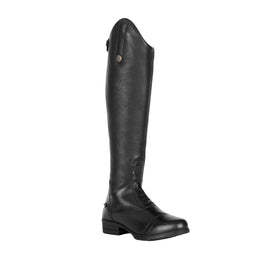
Your Break-In Toolkit: Products That Actually Help
Breaking in a new pair of leather boots doesn't have to be a painful ordeal you simply endure. With a few key items in your corner, you can make the process much smoother, faster, and more comfortable. Think of it as assembling a toolkit specifically for this task. The right products will not only save your feet from blisters but also help soften and shape your boots correctly, protecting the investment you just made. A good break-in period sets your boots up for a long, comfortable life, ensuring they mold perfectly to your leg and foot for a custom-fit feel.
Before you even slip your new boots on for the first time, it’s wise to gather a few supplies. You’ll want items that soften the leather, tools to help the boots hold their shape when you’re not wearing them, and a few things to add extra cushion and prevent painful rubbing. Having these on hand means you can tackle any stiff spots or friction points as soon as they appear, rather than waiting until a blister forms. This proactive approach is the secret to a pain-free break-in and will get you and your new riding boots happily into the stirrups sooner.
For Softening and Stretching Leather
The biggest hurdle with new boots is almost always the stiff leather. Your first goal is to make it more pliable. A high-quality leather conditioner or balm is your best friend here. These products work by moisturizing the leather fibers, making them more flexible and forgiving. Apply a light, even coat to the entire boot, paying special attention to areas that need to bend and flex, like the ankle and across the top of your foot. For particularly stubborn spots, you can try applying gentle heat with a hairdryer on its lowest setting, which helps the leather stretch. Just be sure to keep the dryer moving and don’t let the leather get too hot, as excessive heat can cause it to dry out and crack.
For Maintaining Boot Shape
Once you take your boots off, your job isn’t done. To ensure your tall boots don’t slump at the ankle and develop unsightly creases, you need to help them hold their shape. This is where boot trees or simple boot stuffers come in. Inserting them as soon as you take your boots off helps maintain the intended structure of the calf and ankle. This is especially important during the break-in period when the leather is still settling. Proper storage is also key. Always keep your boots in a cool, dry place away from direct sunlight or heat sources, which can warp the leather and fade its color.
For Adding Comfort and Cushion
A little extra padding can make a world of difference when you’re spending hours in new boots. Start with your socks. Choose a pair of moisture-wicking riding socks that offer some cushioning, especially around the heel and ankle. Keeping your feet dry is essential for preventing the friction that leads to blisters. For even more comfort, you can add a thin sheepskin or gel footbed. This not only provides an extra layer of soft cushioning under your foot but can also help take up a tiny bit of extra space if the foot of the boot feels slightly roomy.
For Preventing Blisters
Being proactive is the secret to avoiding blisters. Before you even put your boots on, identify potential "hot spots" where you're likely to experience rubbing, like the back of your heel or your ankle bones. Apply moleskin or a specialized blister plaster to these areas as a preventative shield. It’s much easier to stop a blister from forming than it is to deal with one after the fact. If you do feel a spot starting to rub while you're wearing the boots, stop and address it immediately. Wearing a good pair of cushioned socks is your first line of defense, but having blister plasters in your tack trunk is a smart backup plan.
How to Stay Comfortable During the Break-In Period
Breaking in new boots doesn't have to be a painful ordeal. With a few smart strategies, you can minimize discomfort and help the leather mold to your legs and feet more smoothly. It’s all about working with your boots, not against them. Here’s how to stay comfortable while your new boots become a perfect second skin.
Know the Difference: Snug vs. Painful
This is the most important rule of breaking in boots. Your new boots should feel snug, like a firm handshake around your foot and calf, but they should never be painful. A snug fit means the leather is in close contact with your skin, ready to mold to your unique shape. You might feel pressure, but you shouldn't feel sharp pinching, tingling, or numbness. Pain is your body’s signal that something is wrong. It could mean the boots are too small or that you’re creating a sore spot. As one expert puts it, your boots should feel snug, but never cut off your blood flow. If you feel genuine pain, take them off.
Choose the Right Socks
It might seem counterintuitive, but this is not the time to pull out your thickest winter socks. Bulky socks add extra volume, which can make a snug boot feel painfully tight. Instead, opt for a pair of thin, tall boot socks. These socks are designed to be slick, which reduces friction and helps prevent blisters. They also create a smooth surface that makes zipping up your boots much easier. Some riders even find that wearing thin leggings or tights under the boots can make them more comfortable and keep the zipper from catching.
Use Heel Lifts to Prevent Rubbing
If you have tall dress boots, you know the struggle: the stiff, new leather at the ankle hasn't dropped yet, causing the top of the boot to dig into the back of your knee. It’s annoying and can be quite painful. A simple solution is to use heel lifts or risers. These small inserts slide into your boot and give your heel a slight lift. This little bit of height is often all you need to keep the boot leather from rubbing the back of your knee while the ankle softens and drops into place. You can find them at most drugstores or shoe repair shops, and you’ll only need them for the first few weeks.
Recognize When to Take a Break
The "no pain, no gain" philosophy does not apply here. Pushing through sharp pain will only lead to painful blisters and sores, which will force you to take even more time off from wearing your new boots. It’s much more effective to wear them for short, frequent periods. Put them on for an hour or two around the house, then take them off. If you feel a hot spot developing, that’s your cue to stop for the day. Listening to your body is key. A great break-in process starts with a great fit, so making sure you have the right size from the beginning will save you a lot of trouble. If you find your boots are truly painful, it might be a sign you need a different size or style from our collection of riding boots.
Mistakes That Can Damage Your New Boots
You’ve invested in a beautiful pair of leather riding boots, and you’re eager to get them perfectly molded to your feet. While the goal is to make them comfortable, some popular "hacks" can cause permanent damage. Protecting your investment means breaking your boots in the right way and avoiding a few common mistakes that can shorten their lifespan. Let's walk through what not to do, so your boots stay in great shape for years of happy riding.
Soaking Boots in Water or Using Too Much Heat
You might have heard the old trick of soaking your boots in water and wearing them until they dry. Please don't do this. Submerging leather in water strips it of its natural oils, which can lead to cracking and brittleness once the boots dry. It's a fast track to ruining them. Similarly, using too much direct heat from a hairdryer or radiator can cause the leather to shrink, warp, or become discolored. Stick to gentle, controlled methods that won't compromise the integrity of the leather.
Over-Conditioning the Leather
Leather conditioner is a fantastic tool, but it's possible to have too much of a good thing. While conditioning keeps the leather supple, overdoing it can make the material too soft and weak. This causes the boot to lose its supportive structure, especially around the ankle, which is crucial for riding. Over-conditioned leather can also become a magnet for dirt and grime. A good rule of thumb is to condition your boots only when they start to look or feel dry, and always follow the product's instructions.
Wearing Them for Too Long, Too Soon
Patience is key during the break-in period. It’s tempting to want to get it over with by wearing your new boots for an entire day at the barn, but this often leads to painful blisters for you and excessive strain on the boots. Forcing the leather to stretch too quickly can put stress on the seams and stitching before they've had a chance to settle. Start by wearing them for short periods and gradually increase the time. This slow and steady approach allows the leather to mold to your foot naturally without causing damage.
Ignoring Serious Fit Problems
There’s a big difference between a snug, new-boot feel and genuine, painful pinching. Before you even start the break-in process, give your boots a thorough inspection. Look for any loose stitching or defects. If a boot feels painfully tight in one specific spot or the overall fit just seems wrong, don't try to force it. This could be a sign of a manufacturing issue or that you simply have the wrong size. A well-made boot should feel snug, not agonizing. If you’re questioning the fit, it’s always best to address it before you’ve worn them too much. Finding the right pair from the start makes all the difference in your riding boots.
How to Care for Your Boots After the Break-In
You did it! You and your new boots have made it through the break-in period. Now that they fit like a second skin, the real work begins: keeping them in top shape for years of happy rides. Proper care isn't just about looking polished at the barn; it's about protecting your investment and ensuring your boots stay comfortable and supportive. A little bit of maintenance goes a long way in preserving the leather and structure of your favorite riding boots. By building a few simple habits into your post-ride routine, you can extend their life significantly. Think of it as the next chapter in your relationship with your boots, where you give them the care they need to keep supporting you in the saddle.
Clean and Condition Them Regularly
The most important habit you can form is cleaning your boots after every ride. A quick wipe-down with a damp cloth removes sweat, dust, and dirt that can dry out and break down the leather over time. Once they're clean and dry, it's time to think about conditioning. A good leather conditioner restores moisture and keeps the leather supple and strong. However, it's possible to have too much of a good thing. As experts at Ayr Equestrian note, you shouldn't condition them too often, as it can actually soften the leather too much and cause it to weaken. A good rule of thumb is to apply conditioner whenever the leather starts to look dull or feel dry to the touch.
Use Boot Trees to Maintain Their Shape
To prevent your tall boots from slumping over and developing a permanent crease at the ankle, you need to give them some support when you're not wearing them. This is where boot trees come in. These simple tools slide into your boots and hold them upright, helping them keep their intended shape from heel to knee. If you don't have boot trees, even rolled-up magazines can work in a pinch. Once they're supported, store your boots in a cool, dry place away from direct sunlight or heat vents. Extreme temperatures and UV rays can cause the leather to fade, dry out, and crack.
Know When to Visit a Cobbler
Think of a good cobbler as your boot's best friend. They are skilled professionals who can work wonders on worn-out footwear. If you're still struggling with a tight spot even after the break-in period, a cobbler can often stretch the boots safely for a truly custom fit. Their expertise doesn't stop there. A cobbler can replace worn-down soles, repair broken zippers, and patch up scuffs, breathing new life into your boots when they start showing signs of wear and tear. Taking your boots in for professional service is a smart way to handle major repairs and significantly extend the life of your investment.
Find Your Perfect Pair of Riding Boots
The secret to a smoother break-in period starts long before you put your boots on for the first time. It begins with choosing the right pair. While it’s tempting to pick the prettiest boots on the shelf, focusing on fit and material will save you a lot of discomfort down the road.
When you first try on new tall boots, they should feel very snug. If they zip up without any effort, they are likely too big. That initial tightness is a good sign. As you wear them, the leather will stretch and the ankle will drop, creating a custom fit that molds perfectly to your leg. A boot that's too loose from the start will only get sloppier, leading to wrinkles and a lack of support in the saddle. Remember, there's a difference between snug and painful. You shouldn't feel any sharp pinching or be unable to feel your toes, but a firm, secure hug around your calf and ankle is exactly what you want.
The type of leather also plays a huge role in the break-in process. Traditional, polished leather is known for its stiffness and can take longer to soften. If you're looking for a quicker, more comfortable experience, consider boots made from softer materials. Some modern leather types are designed to be supple from day one, which can significantly shorten the time it takes for them to feel like a second skin. Taking the time to explore different styles and materials will help you find the perfect pair of riding boots that will support you for years to come.
Related Articles
- Equestrian Riding Boots: The Ultimate Guide
- How to Choose the Best Horse Riding Leather Boots
- Best Equestrian Riding Boots | Hooves & Paws
- Riding Leather Boots 101: A Complete Guide
- Bell Boots vs Overreach Boots: Which to Choose?
Frequently Asked Questions
How can I tell if my boots are just stiff or if they're actually the wrong size? This is a great question, and it's the most important distinction to make. New boots should feel very snug, like a firm hug on your calf and foot. You should expect some pressure, but you should not feel sharp, pinching pain, numbness, or tingling. If you can't wiggle your toes at all or your foot feels painfully compressed from the sides, the boots are likely too small. A proper fit feels secure and tight, while the wrong size feels genuinely painful.
My new boots are digging into the back of my knees. Will this go away? Yes, that uncomfortable feeling is very common and temporary. It happens because the stiff leather at the ankle hasn't softened and "dropped" yet. As you wear the boots, the ankle will crease and settle, causing the entire boot shaft to lower slightly. To manage the discomfort in the meantime, you can use small heel lifts inside your boots. This will raise your heel just enough to stop the top of the boot from rubbing behind your knee.
Is it better to wear thick socks or thin socks to break in boots? You should opt for thin, slick riding socks. While it might seem logical to use thick socks to stretch the leather, they often add too much bulk, making a snug boot painfully tight and increasing pressure. Thin socks reduce friction, which helps prevent blisters, and they make it easier to zip the boots up without adding extra volume where you don't need it.
I'm scared to use heat or sprays. What's the safest way to break in my boots? The safest and most classic method is simply to wear them around your house. Start with short periods, maybe 30 minutes to an hour at a time, while wearing a pair of thin riding socks. As you walk, sit, and go about your day, your body heat and movement will gently warm the leather, encouraging it to soften and mold to your unique shape. It requires patience, but this slow and steady approach is completely safe for both your feet and your boots.
Why can't I just soak my boots in water like I've heard some people do? This is an old myth that can cause permanent damage to your boots. Soaking leather in water strips it of its essential oils. As the leather dries, it can become brittle, stiff, and prone to cracking, which ruins its structure and shortens its lifespan. It's much better to use methods that gently soften the leather, like a quality conditioner or simply wearing them, rather than resorting to a technique that can destroy your investment.


