


Your connection with your horse is built on trust and clear communication. Your boots? They play a surprisingly large role in that conversation. A proper fit gives you a close feel of your horse’s sides, allowing for subtle, precise cues. When your boots are comfortable and supportive, you can focus on your ride instead of pinching leather or aching feet. This guide will help you find the best equestrian riding boots that feel like a natural extension of your leg, strengthening your connection and your confidence in the saddle.
Key Takeaways
- Your Riding Style Dictates Your Boot Style: The right boot is designed for your specific activity. Choose flexible field boots for jumping, supportive dress boots for dressage, or versatile paddock boots for daily training to get the features you need to perform your best.
- A Perfect Fit Is a Safe Fit: Your boots should feel like a second skin—snug on the calf without pinching. A distinct one-to-two-inch heel is a non-negotiable safety feature that prevents your foot from sliding through the stirrup and gives you a secure base.
- Focus on Value, Not Just Price: A great boot exists at every budget. A higher price often means better materials and craftsmanship, but reading rider reviews will help you find a durable, comfortable pair that offers the best long-term value for your needs.
The Best Equestrian Riding Boot Brands to Know
When you invest in a pair of riding boots, you're not just buying footwear; you're choosing a partner for your time in the saddle. The right brand can make all the difference in your comfort, safety, and performance. Some brands are known for their timeless craftsmanship, while others lead the way with cutting-edge technology. We've found that the best ones often do a little of both. Understanding what each brand brings to the table will help you find the perfect match for your riding style and needs. Let's look at some of the most trusted names in the equestrian world.
Why These Brands Made Our Shortlist
Here at Hooves and Paws, we've spent years getting to know what riders truly need. We've handpicked a collection of boot brands that we trust for their quality, durability, and commitment to the equestrian community. We believe in offering products that stand up to the demands of daily rides and still look sharp in the show ring. Each brand in our selection has a proven track record for excellence, so you can feel confident that you're getting gear that is built to last. We stand behind these brands because they share our passion for happy, well-equipped riders and horses.
Ariat: A Rider's Go-To for a Reason
Ariat has earned its stellar reputation by masterfully blending traditional equestrian style with modern athletic footwear technology. They are a go-to for riders who want a boot that works as hard as they do. A perfect example is their Heritage Contour II Field Zip Tall Riding Boot, which is crafted from high-quality full-grain leather. What sets Ariat apart is its focus on comfort and support, incorporating features like elasticized panels for flexibility and advanced footbed technology to reduce fatigue. This makes their boots a fantastic choice for long days of training or competing, offering a custom-like fit right out of the box.
Parlanti: The Ultimate in Italian Craftsmanship
If you're looking for the pinnacle of luxury and craftsmanship, Parlanti is a name that immediately comes to mind. These boots are handmade in Italy from incredibly soft and supple calfskin leather, providing an unmatched feel and a stunning, elegant appearance. Models like the Denver Classic Dress Boots are favorites among dressage riders because they offer a close contact feel without sacrificing support. A great pair of Parlanti boots is an investment; they are known to mold perfectly to your leg and actually improve with age, developing a beautiful patina over time. They are a true statement of quality and dedication to the sport.
Tredstep: Engineered for the Competitive Rider
Tredstep has built a loyal following by focusing on the rider's experience and engineering boots that truly enhance performance. They are known for their innovative designs that prioritize a comfortable and secure fit from the very first ride. Riders often comment on how Tredstep boots feel broken-in almost immediately, thanks to thoughtful features that accommodate the ankle's movement. Whether you're navigating a complex jump course or schooling on the flat, Tredstep boots provide the stability and flexibility you need. They are a reliable choice for serious equestrians who expect their horse tack to support their goals in every ride.
DeNiro: Combining Style with All-Day Comfort
DeNiro boots are celebrated for their exceptional Italian craftsmanship, incredible durability, and wide range of customization options. These boots are built to withstand the rigors of a demanding equestrian lifestyle, making them a favorite for riders who spend hours in the saddle year-round. DeNiro uses high-quality leathers and materials to ensure their boots last, all while providing a polished and professional look. The ability to customize everything from the leather type to the top-line design means you can create a boot that is perfectly suited to your leg and your personal style, ensuring both comfort and a flawless fit.
Which Type of Riding Boot Do You Need?
Choosing the right riding boot can feel overwhelming, but it really comes down to how you spend your time with your horse. Are you training for a show, hitting the trails, or working around the barn? Each activity calls for a different type of support and style. The right boot not only completes your look but also plays a huge role in your safety and communication with your horse. Let's break down the main types so you can find the perfect pair for your discipline.
Tall Boots: Your Go-To for Shows and Trails
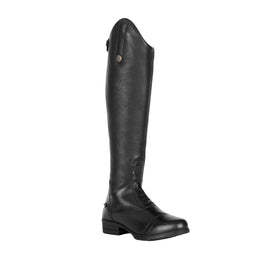
Think of tall boots as the classic equestrian staple. These boots rise to just below the knee, offering protection from saddle rubs and providing a stable leg position. A quality pair of long leather riding boots is a fantastic investment because they are built to last and look polished in any setting. They provide the necessary support and comfort for most riding styles, whether you're schooling in the arena, competing, or enjoying a leisurely trail ride. Their versatility makes them a go-to for many riders who want one boot that can do it all.
Field Boots: Getting the Flex You Need for Jumping
If you’re a showjumper or eventer, field boots are likely your best friend. What sets them apart? The laces at the ankle. This isn't just for looks; the lacing system provides extra flexibility, making it easier to shorten your stirrups and sink your heels down as you go over a fence. This added give at the ankle allows for better movement and a more secure position in the saddle, giving you the confidence you need in the ring. They offer a snug, streamlined fit that’s perfect for performance.
Dress Boots: The Polished Look for Dressage
For the dressage rider, presentation is key, and dress boots deliver that formal, elegant look. Unlike field boots, they have no laces, creating a smooth, uninterrupted line down the leg. They are typically black and feature a higher cut on the outside of the knee, which helps elongate the rider's leg for a more refined appearance. Their stiffer construction provides the ankle support needed for the subtle leg cues essential in dressage. If you're aiming for a polished and traditional look in the show ring, dress boots are the perfect choice.
Paddock Boots: The Everyday Workhorse
Paddock boots are the workhorses of the equestrian world. These short, ankle-high boots are incredibly versatile and perfect for everyday use. Whether you're doing barn chores, training in the arena, or just walking around the property, they offer comfort and durability. For riding, many people pair them with half chaps—leather or synthetic coverings that go over the calf. This combination gives you the grip and protection of a tall boot with the comfort and convenience of a short one, making it a popular setup for daily schooling.
Western Boots: Style and Function for the Ranch
Western boots are designed for the specific demands of ranch life and Western riding disciplines. They feature a higher, often angled heel designed to prevent a rider's foot from slipping through the stirrup. The taller shaft protects the leg from brush, rope burns, and other hazards. While they are essential pieces of horse tack, they're also built for long days on your feet. With their distinct style, often featuring decorative stitching, Western boots are as functional for working cattle as they are iconic.
Polo Boots: A Classic, Versatile Style
Polo boots are easily recognized by their classic brown leather and front-zip design, often secured with a buckle at the top. But they're more than just a style statement. Originally designed for the fast-paced game of polo, these boots offer robust protection and strong ankle support to help prevent injuries during quick turns and sudden stops. This sturdy construction makes them a durable and supportive option for riders in other disciplines as well. Their timeless look has also made them a popular choice outside the arena, blending traditional equestrian style with everyday fashion for a boot that is both functional and sophisticated.
Winter Riding Boots: Staying Warm in the Saddle
Cold weather shouldn't keep you out of the saddle, and a good pair of winter riding boots makes all the difference. These boots are specifically designed with insulation to keep your feet warm and often feature waterproof materials to keep you dry. They also have soles with deeper treads to give you better traction on icy or muddy ground. The best winter boots provide this warmth without adding too much bulk, so you can still feel your horse's sides and maintain proper contact. They ensure your feet stay comfortable and functional, whether you're schooling in a chilly arena or heading out for a crisp winter trail ride.
Best Boots for Beginners and Growing Kids
For new riders and kids, the most important features in a boot are safety and a proper fit. A perfect fit is a safe fit, and your boots should feel snug on the calf without pinching. A distinct one-to-two-inch heel is a non-negotiable safety feature that prevents the foot from sliding through the stirrup. Paddock boots are an excellent choice for beginners because they are versatile and affordable. When paired with half chaps, they offer the support of a tall boot, and you can easily replace the chaps as a child grows. Synthetic options are also great as they are durable and easy to clean, which is always a plus.
Barn and Yard Boots for Everyday Chores
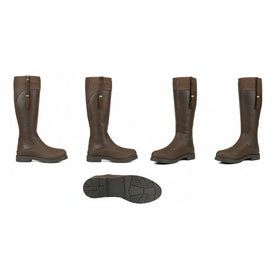
Every equestrian knows that time in the saddle is just a fraction of the time spent at the barn. For all the other tasks—mucking out, grooming, and turning out—you need a pair of tough, comfortable barn boots. These boots are built to handle mud, water, and daily wear and tear. Look for features like waterproof construction, slip-resistant soles, and easy-on designs. Having a dedicated pair of barn boots not only keeps your feet comfortable and dry but also helps preserve your more expensive riding tack, keeping it clean and ready for your next ride.
How to Match Your Boots to Your Riding Discipline
Choosing the right riding boot isn't just about looks—it's about function, safety, and tradition. The boot you need for a dressage test is very different from one you'd wear for a long trail ride or working around the ranch. Your discipline dictates the specific features you'll need, from heel height and sole grip to ankle flexibility and overall leg support. Think of it as getting the right tool for the job. Using the correct boot not only helps you perform better and communicate more clearly with your horse, but it also keeps you safer in the saddle. Let's break down the best boot styles for some of the most common riding disciplines so you can find the perfect match for you and your horse.
Choosing the Right Boots for English Riding
For English riders, the choice generally comes down to two main styles: tall boots and paddock boots. Tall boots are the standard for shows, clinics, and formal lessons. They offer a clean, traditional look while providing excellent leg support and protection. They’re a must-have for competition, but they can be a bit warm and bulky for everyday use.
For daily training, lessons, and barn chores, a great pair of paddock boots is your best friend. These ankle-high boots are comfortable, durable, and easy to work in. When you pair them with half chaps, you get the grip and feel of a tall boot with more flexibility and breathability, making them an incredibly versatile option for any English rider.
What to Look for in a Western Boot
Western riding calls for a boot that’s built for long hours in the saddle and on the ground. The classic cowboy boot is designed with a distinct, higher heel to prevent your foot from slipping through the stirrup—a critical safety feature. The sturdy construction protects your feet and lower legs from brush, critters, and the elements.
Within the world of Western boots, you’ll find different styles suited for specific jobs. For example, Roper boots have a lower, squared-off heel that makes them comfortable for groundwork, while other styles might feature a more traditional pointed toe. Brands like Ariat offer fantastic options that provide the perfect blend of classic style, comfort, and durability for any Western rider.
Need a Do-It-All Boot? Try These for Eventing
If you’re an eventer or a rider who enjoys multiple disciplines like jumping and flatwork, you need a boot that can do it all. Flexibility and support are key. Many jumpers and eventers prefer field boots, which are tall boots with laces at the ankle. This design allows for more give and flexibility through the ankle, which is essential when you’re in a two-point position over fences.
Another extremely popular and practical choice is the paddock boot and half chap combination. This setup gives you the freedom of an ankle boot for flatwork and barn duties, plus the grip and support of a tall boot when you add the chaps for jumping. It’s a functional and cost-effective solution that offers the best of both worlds for riders who need their horse tack to be as adaptable as they are.
Shop This Post

Featured in this article
Shires Moretta Clio Plus Paddock Boots - Black, Child, Lace-Up Equestrian, Gently Used
$29.99
Shop Now →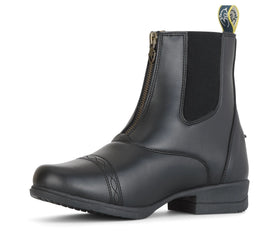
Key Features for a Safe and Comfortable Ride
Finding the right riding boot is about more than just style. The best boots combine specific features that keep you safe in the saddle and comfortable on the ground. From the height of the heel to the material of the sole, every detail plays a role in your performance and protection. When you’re shopping, think of yourself as an athlete selecting your most important piece of gear—function should always come first. Let’s break down the essential features to look for so you can ride with confidence.
How Do You Get the Perfect Fit?
The perfect fit is the foundation of a great riding boot. Your boots should feel like a second skin—snug against your leg but not so tight that they pinch or cut off circulation. A proper fit gives you a better feel for the horse and allows for precise leg cues. When you go to try on boots, make sure to wear the same breeches and socks you’d normally ride in to get the most accurate sense of the fit. Remember that leather boots will stretch and mold to your shape over time, so a close fit from the start is key to long-term comfort and support.
Why Heel Height Is a Safety Feature
This is a non-negotiable safety feature. Your riding boots must have a distinct, low heel, typically around one to two inches high. This design is crucial because it helps prevent your foot from sliding all the way through the stirrup, which could be incredibly dangerous if you were to fall. A proper heel gives you a secure base and helps you maintain the correct foot position while riding. It’s a small detail that makes a huge difference in keeping you safe and secure in all your horse tack.
Leather vs. Synthetic: Which Is Better for You?
The material of your boot affects its durability, breathability, and break-in time. Traditional leather is a popular choice for its longevity and classic look; it molds to your leg for a custom-like fit. Stiffer leather is often preferred for competitions, while softer leathers are great for everyday riding. On the other hand, synthetic materials have come a long way. They often require little to no break-in period, are easier to clean, and can be more budget-friendly. Your choice really comes down to your priorities, budget, and how often you plan to be in the saddle.
What to Look for in a Boot's Sole
A good grip is essential both in and out of the saddle. The sole of your boot should have enough texture to provide traction without being so deep that it gets stuck in the stirrup. A key safety feature is a distinct heel with good grip to stop your foot from slipping through the stirrups. This ensures your foot stays securely in place, giving you stability and control. Good traction is also important for walking around the barn, especially on wet or uneven surfaces, helping you stay sure-footed when you’re on the ground.
The Little Details: Why Elastic and Insoles Matter
Modern riding boots often include features designed for all-day comfort. Look for boots with elastic panels, which usually run alongside the zipper. These panels allow for flexibility and movement, making the boots easier to put on and take off while ensuring a sleek fit around the ankle. Many boots also come with advanced insoles that provide cushioning and support, reducing fatigue in your feet and joints. These thoughtful details can make a significant difference, especially during long hours of training or showing.
Additional Features to Consider
Once you've nailed down the basics like fit, material, and boot type, it's time to look at the smaller details that can make a big difference in both function and style. Features like the shape of the toe, decorative stitching, and even a tiny ledge for your spurs can impact your comfort and the boot's overall performance. These elements often reflect the boot's intended discipline and can be the finishing touch that makes a pair feel perfectly suited to you. Paying attention to these details will help you choose a boot that not only fits well but also supports your specific needs as a rider.
Toe Shapes and Decorative Caps
The shape of the toe and the addition of a toe cap are largely about personal style, but they contribute significantly to the boot's overall look. You'll find options ranging from a classic rounded toe to a more modern squared-off shape. While mostly an aesthetic choice, some riders find that a particular shape offers a better fit for their foot. Toe caps are a traditional feature, especially on field boots, where a stitched line of leather across the toe adds a touch of classic elegance. These details might seem small, but they create a polished appearance that is especially important in the show ring, helping you present a complete and professional picture with all your horse tack.
Spur Rests
A spur rest is a small but incredibly useful feature for riders who use spurs. It’s a small, built-in ledge on the back of the boot's heel designed to hold your spur securely in place. This simple addition prevents the spur from slipping down your heel as you ride, ensuring it stays in the correct position for clear and consistent communication with your horse. While not every boot has them, spur rests are a thoughtful detail that many riders look for, especially in dress and field boots designed for competition. It’s a functional feature that allows you to focus on your ride without having to worry about adjusting your equipment.
How Much Should You Spend on Riding Boots?
Riding boots are one of the most important investments you’ll make as an equestrian. The price can range from under a hundred dollars to well over a thousand, so it’s helpful to know what you’re getting for your money. Generally, as the price increases, so does the quality of the materials, the level of craftsmanship, and the overall durability of the boot. A higher price tag often means you’re paying for premium leather, a more refined fit, and features designed for high-performance comfort. It's not just about looks; better materials can mean better support for your ankles and a longer lifespan for your gear.
However, the most expensive boot isn’t always the best choice for every rider. Your ideal boot depends on your riding discipline, how often you’re in the saddle, and your personal comfort. This guide breaks down what you can expect at different price points, helping you find the perfect pair of boots that fits both your needs and your budget. Think of it as a roadmap to finding great value, whether you’re just starting out or looking for a show-ring showstopper. The right pair is waiting in our collection of horse tack and apparel.
What to Expect from Boots Under $200
If you’re new to riding or buying for a child who’s still growing, this price range is the perfect place to start. You’ll primarily find paddock boots made from synthetic leather, which are fantastic for beginners. These boots are durable, incredibly easy to clean (just wipe them down!), and require virtually no break-in period. While they may not offer the same breathability or longevity as genuine leather, they provide the essential safety and support needed for lessons and casual riding without a hefty initial investment. They’re a practical, no-fuss option to get you in the saddle comfortably.
Paddock Boots and Affordable Synthetics
In this budget-friendly category, paddock boots are the real standouts. These ankle-high boots are incredibly practical, designed to handle everything from mucking stalls to schooling sessions in the arena. Most are made from durable synthetic materials that are a dream for new riders—they wipe clean easily and don’t require a tough break-in period. When paired with a set of half chaps, they offer the grip and protection of a tall boot, making them a smart and versatile piece of equestrian gear for daily training. This combination gives you excellent functionality and comfort without the higher price tag of a full leather boot.
The Sweet Spot: Finding Quality from $200-$400
For the dedicated rider who spends several days a week at the barn, the mid-range category offers an excellent balance of quality and value. In this price bracket, you’ll start to see boots made from genuine leather, which offers superior breathability, durability, and a fit that molds to your leg over time. These boots often include more advanced features, such as cushioned insoles, moisture-wicking liners, and more sophisticated construction for a polished look. This is the sweet spot for many amateur riders who want a reliable, comfortable, and long-lasting boot for both training and local shows.
Quality Leather and Durable Options
This is where you’ll find that genuine leather becomes the standard, and for good reason. It’s a significant step up in terms of both durability and comfort. Unlike synthetic options, leather breathes and will gradually mold to the unique shape of your leg, creating a fit that feels custom-made. This investment pays off in longevity, as well-cared-for leather boots can last for years, making them one of the most reliable and essential pieces of your horse tack. You're not just paying for the material but for the improved craftsmanship that ensures your boots can handle the demands of regular riding.
When to Invest in Premium or Custom Boots ($400+)
When you’re ready to invest in top-tier quality, the premium market offers boots crafted for serious competitors and discerning riders. These boots are typically made from high-end materials like full-grain calfskin leather, offering a buttery-soft feel and an elegant, streamlined appearance. You can expect exceptional craftsmanship, advanced comfort technology, and sometimes even the option for a custom fit. While the price is higher, these boots are built to last for years with proper care. Just remember that even at a premium price, fit is paramount. Always try boots on to ensure they’re comfortable and supportive right from the start.
Boots from $400 to $750 and Beyond
When you move into this price range, you’re looking at more than just footwear—you’re choosing a true partner for your riding journey. Boots from $400 and up are typically crafted from premium materials like full-grain calfskin leather, giving them that buttery-soft feel and a sleek, elegant look right out of the box. This is a worthwhile investment for serious competitors or any rider who spends long hours in the saddle. You’re paying for a more refined fit and features that stand up to the demands of daily training and showing, providing the support and comfort you need, ride after ride.
Many boots in this category also offer semi-custom or full-custom fit options, which is a game-changer for achieving that perfect, second-skin feel. A boot that fits flawlessly enhances your connection with your horse, allowing for quieter, more precise leg cues. You’ll also find thoughtful features like cushioned insoles and moisture-wicking liners that keep you comfortable all day. Because they are built to last for years with proper care, they become a smart, long-term investment and a key part of your horse tack collection for riders who are serious about their craft.
What Reviews Can Tell You About Your Next Boots
Product descriptions can tell you a lot, but they don't always give you the full picture. That’s where fellow riders come in. Reading through reviews is like getting honest advice from hundreds of people who have already put the boots to the test in the barn, on the trail, and in the show ring. They’ll tell you what really matters: how the boots hold up after a year of daily rides, whether the zipper is a pain, and if the break-in period is truly brutal. These firsthand accounts are invaluable because they come from a place of shared experience.
We’ve spent time digging through feedback from equestrians to find the common threads. Think of this as your cheat sheet for reading between the lines of product reviews. By paying attention to what real riders are saying about durability, comfort, and care, you can feel much more confident in your final decision. It’s about finding a pair of boots that not only looks great but also works as hard as you do. After all, your boots are one of the most important pieces of equipment you own, and choosing the right pair makes a huge difference in your safety and performance.
How Long Do They Really Last?
One of the biggest questions is whether a pricier pair of boots is a true investment or just a brand name. The consensus? A good pair of boots should last for many years, but quality is key. In reviews, look for comments about the longevity of the stitching, the durability of the sole, and the sturdiness of the zipper. When you see riders mentioning they’ve had their boots for five-plus years with regular use, that’s a great sign. On the flip side, if you notice a pattern of complaints about issues like heel slippage or uncomfortable insoles after just a few months, consider it a red flag. Investing in quality horse tack from the start often saves you money and frustration down the road.
Durability Factors: Zippers, Laces, and Leather Type
When you're reading reviews, pay close attention to comments about the boot's construction, especially the zippers, laces, and leather. Zippers are a common point of failure, so if you see multiple complaints about them breaking, it's a sign to be cautious. Lace-up styles, like those on field boots, can sometimes offer more longevity since laces are easier to replace than a broken zipper. The type of leather is also a huge factor. High-quality, full-grain leather is an investment because it's built to withstand daily wear and will mold to your leg for a custom fit over time. While a higher price tag often points to better materials, rider feedback will give you the real story on whether the boot's components stand up to the demands of equestrian life. It's all part of finding quality horse tack that lasts.
Red Flags: Common Complaints to Watch For
Even the most beautiful boot is useless if it leaves you with blisters. Fit is personal, but reviews can offer invaluable clues. Pay close attention when riders with a similar build to yours—whether you have wide calves, narrow ankles, or high arches—share their experiences. Many reviews will tell you if a brand tends to run large, small, or true to size. Common complaints often revolve around the ankle area being too baggy or the calf being too restrictive. Since there are so many styles of riding boots designed for different needs, reviews can help you match the right boot structure to your leg shape and riding discipline for a more comfortable fit right out of the box.
The Truth About the Break-In Period
Let’s be honest: breaking in new leather boots is rarely fun. But how much discomfort is normal? Reviews will give you a realistic timeline. Some boots feel great after a few rides, while others might take a month of dedication. Many experienced riders suggest having two pairs of boots: a tough, broken-in pair for daily schooling (your "workhorse" boots) and a more polished pair reserved for shows. This strategy saves your show boots from unnecessary wear and tear. When scanning reviews, look for tips from other riders on how they survived the break-in period. You’ll often find great advice, like wearing them around the house or using leather softeners to speed up the process.
How to Make Your Riding Boots Last for Years
How you care for your boots directly impacts how long they’ll last. Reviews from long-time owners often include a wealth of knowledge on maintenance. They’ll share which cleaners and conditioners work best on a specific type of leather and how often they apply them to keep the material supple and strong. Look for comments on how the boots hold up to a regular cleaning routine. Do they maintain their color and structure, or do they show signs of premature wear? Proper care, including using boot trees to maintain their shape and storing them in a dry place, is a recurring theme among riders whose boots have lasted for years.
Proper Cleaning and Conditioning
Think of cleaning your boots as a daily cool-down routine. After every ride, take a moment to wipe them down with a damp cloth or sponge to remove dust and sweat. If you get any manure on them, clean it off immediately, as its acidic nature can damage the leather. For a deeper clean, use a bit of mild soap and water, but always follow up by wiping away any residue. The most important rule? Never grease your riding boots. While it might seem like a good idea, grease over-softens the leather, causing your boots to lose their supportive shape and wear out much faster. Instead, stick to cleaning with water and occasionally using a cream-based shoe polish to restore their shine and protect the finish.
The Right Way to Dry and Store Your Boots
How you dry and store your boots is just as important as how you clean them. After wiping them down, dry them completely with a clean, soft cloth and then let them air dry for at least a day. Never, ever place them near a heater, fireplace, or in direct sunlight to speed up the process. Intense heat will dry out the leather’s natural oils, making it brittle and prone to cracking. Once they’re dry, always use boot trees or stretchers. This is a non-negotiable step for maintaining their shape, preventing the ankles from dropping, and smoothing out creases that can turn into weak spots over time. Store them upright in a cool, dry place away from the sun.
Zipper Maintenance Tips
A stuck or broken zipper can be a rider's worst nightmare, but a little preventative care goes a long way. The main culprit behind zipper failure is dirt and grit getting caught in the teeth. To prevent this, make it a habit to clean your zippers regularly with a small, soft brush—an old toothbrush works perfectly for this. Gently brush up and down the zipper line to dislodge any arena footing, dust, or grime. This simple, two-minute task will keep your zippers running smoothly and can save you from a costly repair down the road. It’s one of the easiest ways to protect your investment and ensure your boots are always ready for your next ride.
Essential Boot Care Accessories
Having the right tools makes boot care simple and effective. Besides boot trees, a boot jack is a fantastic accessory to have on hand. It allows you to remove your boots without having to bend, pull, or damage the heel counter. For travel or just keeping things tidy at the barn, a boot bag is great for protecting your boots from scuffs, dust, and moisture. Finally, invest in a quality leather cleaner and conditioner specifically designed for riding boots. Using the right products is essential for preserving the leather's integrity. These essential accessories are small investments that pay off by significantly extending the life of your boots.
A Step-by-Step Guide to Finding Your Perfect Fit
Finding a riding boot that fits like a glove is about more than just comfort—it’s essential for safety and performance. A boot that’s too loose can slip, while one that’s too tight can cause painful chafing and restrict your movement. Let's walk through how to measure correctly, choose the right dimensions, and decide if a custom boot is right for you.
How to Measure Your Calves the Right Way
Before you even look at a size chart, grab a soft measuring tape. The best time to measure is at the end of the day when your feet and legs are slightly swollen. Make sure you’re wearing the breeches and socks you typically ride in to get the most accurate numbers. While sitting in a chair with your knees bent at a 90-degree angle, have a friend help you measure your foot length, the width of your calf at its widest point, and the height from the floor to the bend behind your knee. Jot these numbers down and compare them to the specific brand’s sizing guide, as they can vary.
When and How to Take Your Measurements
To get this right, timing is everything. Always measure at the end of the day when your legs are slightly swollen—this ensures your boots won’t feel too tight after a long ride. Make sure you’re wearing the breeches and socks you’ll actually be riding in. While sitting with your knees at a 90-degree angle, have a friend wrap a soft measuring tape around the widest part of your calf for the width. For the height, measure from the floor to the bend behind your knee. Double-check these numbers against the brand’s size chart, as a few centimeters can make all the difference in finding the perfect piece of horse tack.
Getting the Width and Height Just Right
When you try on tall boots, they should come right up to the crease behind your knee. Don’t be alarmed if they feel a little too tall at first—new leather boots will drop about an inch as they break in around the ankle. For the calf, you’re looking for a snug, secure fit. A good rule of thumb is that you should be able to slide just one finger between your calf and the boot. This ensures they won’t slip down while you ride but still gives you enough flexibility. The right pair of boots is a key part of your horse tack, so getting the fit right is worth it.
Accounting for the "Drop" as Boots Break In
It might feel strange at first, but your new tall boots should sit right in the hollow of your knee, and yes, they might even feel a bit too tall. This is completely normal and actually a sign of a good fit. All leather boots go through a settling process known as the "drop." As the leather around the ankle softens and creases from riding, the overall height of the boot will decrease. You can expect most new boots to drop by about an inch over time. If you buy a pair that feels perfect in height from day one, they’ll likely end up too short once they’re broken in. Trust the process—that initial snugness at the knee will give way to a perfect, custom-like fit that supports your leg without getting in the way of your ride.
Is a Custom Fit Worth It for You?
If you’ve tried off-the-rack boots and can’t seem to find a pair that fits your foot and calf measurements, a custom boot might be your best bet. Custom-made boots are crafted to your exact specifications, which means a perfect fit that eliminates rubbing and pressure points, especially around the ankle. You can also add unique details to make them truly your own. While they are a bigger investment and take longer to make, many serious riders find them worth the cost for the unparalleled comfort and durability. It’s a great option for anyone who struggles to find a comfortable fit with standard sizing.
Troubleshooting Common Fit Issues
Even with careful measuring, sometimes the fit of a new pair of boots isn't quite right. It can be frustrating, but don't worry—many common fit issues have straightforward solutions. Whether your boots feel a bit too snug, a little loose, or you're struggling to find a pair that accommodates your calf shape, there are steps you can take. The goal is to achieve that perfect second-skin feel that allows for clear communication with your horse. A great fit is worth the extra effort, as it directly impacts your comfort, safety, and effectiveness in the saddle. Let's look at some of the most frequent challenges and how to address them.
What to Do if Your Boots Are Too Tight or Loose
When you first zip up a new pair of leather boots, they should feel very snug. It might even feel a bit uncomfortable, with the top of the boot sitting right in the hollow of your knee. This is completely normal. Quality leather boots are designed to "settle" and will drop by about an inch as the ankle breaks in over the first few months of riding. If they feel slightly too tight, give them some time. However, if they are genuinely painful, a professional cobbler can often stretch them for you. On the other hand, if your boots are too loose and slip down your leg, a specialist may be able to tighten them for a more secure fit.
Finding the Right Fit for Wider Calves
Finding an off-the-rack boot that fits a wider calf can be a challenge, but it's definitely not impossible. Many brands now offer wide-calf options, so be sure to check the specific sizing charts. When you try on a pair, remember that they should feel quite tall at first, reaching the crease behind your knee. As the leather breaks in, they will drop into the perfect position. If standard sizes still aren't working, don't get discouraged. This is where getting advice from an expert can make all the difference. Investing in a partial custom-made boot can be a fantastic solution, giving you a perfect fit without the full custom price tag. The right piece of equestrian gear should feel like it was made for you.
My Top Riding Boot Picks for Every Budget
Finding the right riding boots often comes down to balancing your budget with your needs in the saddle. Whether you're just starting lessons, riding every day, or competing on the weekends, there's a perfect pair out there for you. You don’t need to spend a fortune to get a safe, comfortable boot, but investing a bit more can pay off in durability and performance down the road. We’ve broken down what you can expect at every price point to help you make a smart choice for your wallet and your riding goals. From reliable entry-level options to premium boots that will last for years, here’s a look at our favorite picks for every budget.
My Favorite Budget-Friendly Boots (Under $200)
You don't have to break the bank to get a great pair of riding boots, especially if you're a beginner or a more casual rider. In this price range, you'll find plenty of excellent paddock boots that offer the necessary safety features and comfort for daily schooling. For women, a quality pair typically runs between $100 and $200, while kids' boots are even more affordable. These boots are workhorses, designed to handle barn chores and lessons without fuss. While they may not have the supple leather of pricier models, they provide a fantastic balance of quality and affordability, making them a smart starting point for anyone new to the equestrian world.
The Best Mid-Range Boots for Your Money
If you're riding regularly or starting to compete, stepping up to the mid-range is a great investment. In the $200 to $400 bracket, you’ll find boots made with higher-quality materials that offer a better fit and more durability. This is where you start seeing more tall boots, including field and dress styles, that provide a polished look for the show ring. These boots often feature more refined details and are built to withstand the demands of frequent use. For many riders, this price point is the sweet spot, offering a significant upgrade in comfort and longevity without the custom price tag. It’s a practical choice for anyone serious about their time in the saddle.
Premium Boots That Are Worth Every Penny
For the dedicated equestrian, premium boots are more than just footwear—they're a long-term investment in your riding. While the initial cost is higher, high-end boots from brands like Dehner's are crafted to last for decades with the right care. Made from incredibly soft, supple leather, they mold to your leg for a near-custom fit that delivers unparalleled comfort and performance. These boots are a staple in the competitive circuit for their elegant appearance and superior feel. While they require diligent cleaning and conditioning, their longevity and craftsmanship make them a worthwhile choice for serious riders who demand the best from their horse tack.
How to Find the Best Deals on Riding Boots
A great pair of riding boots is an investment in your safety, comfort, and performance. But that doesn't mean you have to pay top dollar. With a little strategy, you can find high-quality boots that fit your budget perfectly. Knowing where to look and when to buy can save you a significant amount of money, freeing up funds for other essentials—like extra treats for your horse.
Finding a deal is all about smart shopping. Whether you prefer to try boots on in person or love the convenience of online browsing, there are ways to get the best price. Let’s walk through how to find fantastic deals on your next pair of boots, so you can ride in style without breaking the bank.
Should You Buy Riding Boots Online or In-Store?
Deciding where to buy your boots is the first step. Shopping at a local tack shop allows you to get a professional fitting and feel the leather firsthand, which is a huge plus for getting the fit just right. However, brick-and-mortar stores often have higher prices and a more limited selection.
Online retailers, on the other hand, typically offer a much wider variety of brands and styles at more competitive prices. You can easily compare different boots and read reviews from other riders. The key to successful online shopping is taking accurate measurements of your foot and calf. Once you have your numbers, you can confidently browse a huge selection of horse tack and find the perfect pair from the comfort of your home.
Tips for Shopping Sales and Clearance
Patience can really pay off when you’re boot shopping. One of the easiest ways to save is by signing up for email newsletters from your favorite online stores. You’ll be the first to know about upcoming sales, special promotions, and new arrivals.
Keep an eye out for seasonal sales, especially around major holidays or at the end of a show season when new styles are being released. This is often when last season’s models go on clearance. These boots are still brand new and top-quality, just at a much friendlier price. Regularly checking the sales section of websites can lead you to some of our best-selling products at a fraction of their original cost.
Why You Should Always Read the Return Policy
This might be the most important tip of all, especially when buying online. Before you click "purchase," make sure you understand the store’s return policy. A good retailer will give you a reasonable window to return boots that don’t fit, no questions asked. Look for details on whether you have to pay for return shipping and if there are any restocking fees.
At Hooves and Paws, we stand behind every product we sell with a 365-day satisfaction guarantee because we believe in building trust. Our company history is rooted in providing the best for our customers and their animals. A strong guarantee like this gives you peace of mind that you’re not just getting a good deal, but you’re also making a safe purchase.
Related Articles
- Tendon Boots Guide 2026: Essential Tips for Horse Protection
- Elevate Your Ride: Discover the Unmatched Comfort and Durability of Shires Moretta Clio Plus Paddock Boots
- A Guide to Horse Leg Protection Boots
- Riding Boots Collection
Frequently Asked Questions
I have wider calves and always struggle to find tall boots that fit. What are my options? This is such a common challenge, but you definitely have options. Many brands now offer their most popular tall boot styles in a range of calf widths, so always check the specific size chart for a "wide" or "full" calf option. Also, look for boots designed with a full-length elasticized panel next to the zipper. This feature provides extra stretch and can make all the difference in achieving a snug, comfortable fit. If you've exhausted those avenues, a custom boot might be the perfect solution to get a fit that feels like it was made just for you.
My new leather boots are so stiff! Any tips for breaking them in? The dreaded break-in period is a rite of passage for every equestrian. The best advice is to wear your new boots around the house for short periods to help the leather start molding to your feet and ankles. Wearing a thicker sock can help stretch them slightly. You can also use a quality leather conditioner to soften the material, paying special attention to the ankle area where the leather needs to flex the most. It takes a little patience, but this process is what creates that perfect, custom-like fit in the long run.
Can I wear my paddock boots for both barn work and riding? Absolutely! Paddock boots are the ultimate multitaskers in an equestrian's wardrobe. They are durable and comfortable enough for daily chores like mucking stalls and grooming. When you're ready to ride, you can simply add a pair of half chaps. This combination gives you the grip and leg protection of a traditional tall boot with the convenience and comfort of an ankle boot, making it a perfect and very popular setup for everyday training.
What's the real difference between field boots and dress boots? It really comes down to one key detail: the laces. Field boots have laces at the ankle, which provide extra flexibility. This is ideal for jumpers and eventers who need more give in the ankle when they shorten their stirrups for fences. Dress boots, on the other hand, have no laces, creating a sleek, formal, and uninterrupted line down the leg. Their stiffer construction offers more support, which is preferred by dressage riders for a polished, traditional look in the show ring.
How do I know when it's time to replace my old riding boots? You should start thinking about a new pair when your current boots no longer offer the support and safety they were designed for. Key signs include significant holes or tears in the leather, especially on the inner calf where you need grip. Check the sole and heel; if the heel has worn down so much that it's no longer distinct, it becomes a safety hazard as your foot could slip through the stirrup. A broken zipper that can't be repaired is another clear sign that it's time for an upgrade.


