


Your headstall is much more than just a set of straps to hold a bit in place; it’s a primary line of communication between you and your horse. Every cue you give through the reins travels through this essential piece of equipment. A headstall that fits poorly, pinches, or puts pressure in the wrong places creates static, making your signals unclear and your horse uncomfortable. A well-chosen one, however, feels like a natural extension of your aids, allowing for a quiet, clear conversation. That’s why learning how to choose a western headstall is so fundamental to good horsemanship. It’s about ensuring your horse is comfortable, responsive, and ready to partner with you, whether you’re on the trail or in the show pen. This guide will help you select the right horse tack to strengthen that connection.
Key Takeaways
- Select the right headstall for the job: A secure browband is perfect for training and trails, while a minimalist one-ear style is great for finished show horses. The design you choose should directly support your riding discipline and your horse's level of experience.
- Focus on fit for your horse's comfort and safety: A correctly adjusted headstall is key to clear communication. Check for one to two soft wrinkles at the mouth, a loose throat latch (three to four fingers), and a browband that doesn't pinch the ears.
- Pick a material that fits your lifestyle: Leather is a beautiful, long-lasting choice that requires consistent cleaning and conditioning. For a practical, easy-care alternative, synthetic materials like nylon are durable and perfect for riders who want to spend less time cleaning.
What Are the Main Types of Western Headstalls?
Choosing a headstall can feel like a big decision, but it really comes down to understanding the main styles and what they’re designed for. Each type offers a different combination of function, stability, and appearance. Getting familiar with the basics will help you find the right piece of horse tack that works for both you and your horse. Let’s walk through the four most common types you’ll see on the trail and in the arena.
Browband Headstall
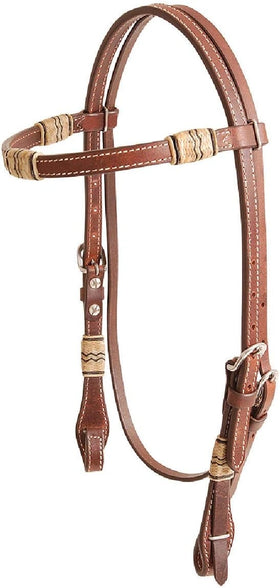
The browband headstall is the trusty workhorse of the Western world. It’s a classic, strong, and reliable style that features a strap across the forehead (the browband) and a throat latch. This design provides excellent stability, preventing the headstall from shifting or sliding back, which makes it a fantastic choice for everyday riding, training green horses, or when using a snaffle bit. If you’re looking for a versatile, secure, and no-fuss option that’s suitable for almost any situation, the browband headstall is a perfect place to start. It’s a dependable favorite for a reason.
One-Ear Headstall
Known for its clean and simple look, the one-ear headstall is a stylish choice that’s quick and easy to tack up. As the name suggests, it has a single loop that goes around one of your horse’s ears to hold it in place. Because it offers less stability than a browband style, it’s best suited for well-trained, finished horses that are responsive and don’t toss their heads. Many riders love this minimalist design for the show ring because it creates a neat, polished appearance that highlights the horse’s head. It’s a great option when you want a streamlined look for a seasoned partner.
Split-Ear Headstall
The split-ear headstall strikes a nice balance between the minimalism of a one-ear and the security of a browband. Instead of a single loop, it has a split crownpiece that creates two separate slots for the ears to pass through. This design provides a bit more security than a one-ear headstall, helping to keep it centered and stable without the need for a full browband. It’s a popular and functional choice that combines style with practicality, making it a favorite among many riders for both work and show.
Bitless and Hackamore Headstalls
For horses that are sensitive in the mouth or for riders who prefer to communicate without a bit, bitless and hackamore headstalls are a wonderful alternative. These designs work by applying gentle pressure on the nose, poll, and chin instead of the bars of the mouth. They are an excellent tool for training young horses, giving a horse a break from the bit, or for trail riding where a horse might want to graze. If your horse has dental issues or simply fusses with a bit, a hackamore can offer a more comfortable and effective way to communicate your cues.
Match Your Headstall to Your Riding Discipline
Choosing the right headstall goes beyond just picking a style you like. The best one for you and your horse depends on what you’ll be doing together. A headstall designed for the show ring has different features than one meant for long days on the trail. Thinking about your primary riding activity will help you narrow down the options and ensure you have the right piece of horse tack for the job, prioritizing both function and your horse's comfort.
For Trail Riding and Ranch Work
When you’re spending hours in the saddle, whether on a winding trail or working on the ranch, durability and simplicity are your best friends. You need a headstall that can stand up to the elements and repeated use without a lot of fuss. A practical, functional bridle is often the best choice for these long rides. Look for sturdy leather or low-maintenance synthetic materials that are easy to clean. A simple browband or one-ear headstall without excessive silver or delicate details will be more than enough to get the job done comfortably and reliably.
For Barrel Racing
In a fast-paced sport like barrel racing, you need precise communication and a secure fit. Every second counts, so your equipment has to perform flawlessly. Many barrel racers prefer one-ear or split-ear headstalls because they are lightweight and stay put during tight, high-speed turns. These styles are commonly used with shanked or curbed bits, which can provide the leverage and quick response needed to guide your horse through the pattern. The focus here is on function and speed, ensuring nothing gets in the way of you and a clean run.
For Showing and Western Pleasure
When you step into the show ring, presentation is everything. Western show bridles are designed to catch the judge’s eye and create a polished, elegant picture. These headstalls often feature beautiful tooling, intricate stitching, and silver accents on the browband, cheekpieces, and buckles. The goal is to enhance your horse’s appearance and complement your show attire. While they are ornate, a good show headstall is still built for performance and must fit correctly to ensure clear communication with your horse throughout your class.
For Young or Sensitive Horses
Working with a young horse or one that’s sensitive to mouth pressure requires a gentle approach. For these horses, a bitless headstall or a hackamore can be a fantastic tool. These designs work by applying pressure to the nose, poll, and chin instead of using a bit inside the horse’s mouth. This makes them an ideal choice for starting a colt or for horses that fuss or resist a traditional bit. Using a gentler option can help build the horse's confidence and create a more positive training experience for everyone involved.
Shop This Post

Featured in this article
Cashel Lopper/Saw Scabbard - Black - Heavy-Duty Cordura Trail Maintenance Tool Holder - 18.5" Deep x 6.5" Wide
$30.55
Shop Now →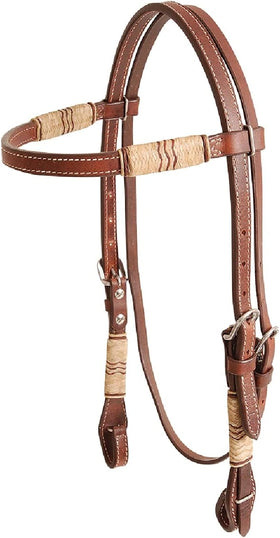
What's the Best Material for a Western Headstall?
When you’re choosing a headstall, the material is one of the most important factors to consider. It affects everything from the headstall’s durability and appearance to how much time you’ll spend cleaning it. The two main categories are traditional leather and modern synthetics, like nylon. Each has its own set of benefits, and the best one for you really comes down to your riding needs, your local climate, and how much time you want to dedicate to maintenance. Let's look at the options so you can find the right fit for you and your horse.
Full-Grain Leather
For a classic look that stands the test of time, nothing beats full-grain leather. This is the highest quality leather available, known for its incredible durability and strength. It’s the perfect choice for everything from tough ranch work to the show ring. One of the best things about a quality leather headstall is that it gets better with age. Over time, it will soften and mold perfectly to your horse’s head, providing a comfortable, custom fit. While it requires a bit of upkeep to stay in top condition, a well-cared-for leather headstall can last a lifetime, making it a wonderful investment in your horse tack collection.
Nylon and Synthetic Options
If you’re looking for a low-maintenance and budget-friendly option, a nylon or synthetic headstall is an excellent choice. These materials are incredibly practical, especially for trail riding, training, or everyday use in wet or muddy conditions. The biggest advantage is how easy they are to clean; you can simply hose them down with a little mild soap and they’re good to go. Synthetics also come in a huge variety of bright colors, allowing you to show off your personal style. While they may not offer the same traditional feel or longevity as leather, they provide reliable performance and convenience that many riders appreciate.
Consider Your Maintenance Routine
Your choice of material should align with the amount of time you can commit to tack care. Leather headstalls require a consistent routine. You’ll want to wipe them down after each ride to remove sweat and dirt, and they’ll need regular conditioning to stay soft and prevent cracking. On the other hand, synthetic headstalls demand very little care beyond a quick rinse when they get dirty. Be honest with yourself about your habits. If you find joy in the ritual of cleaning and conditioning your gear, leather is a rewarding choice. If you’d rather spend that time in the saddle, a synthetic headstall will serve you well. Proper horse grooming and coat care extends to your tack, ensuring it lasts for years.
Getting the Details Right: Hardware, Fit, and Compatibility
Choosing the right style and material is a great start, but the small details are what truly make a headstall work for you and your horse. The hardware, fit, and bit compatibility are crucial for your horse’s comfort and your control in the saddle. Getting these elements right ensures the headstall functions as a seamless piece of communication, not a source of irritation. Let's look at what to check before you make your final decision.
Inspect the Hardware
When you're looking at a new headstall, take a close look at the hardware. The ends that attach to the bit will typically use leather ties, buckles, or snaps. What you choose really comes down to personal preference and convenience. Traditional leather ties are incredibly secure but take more time to undo if you frequently change bits. Buckles are also very secure and adjustable. Quick-change snaps are the fastest option for swapping bits, making them a favorite for trainers. Just be sure to choose durable hardware, like stainless steel, that won’t rust or break under pressure. The right horse tack is built to last, and that includes the small metal parts.
Check for Adjustability
A proper fit is non-negotiable for your horse's comfort and safety. Before buying, make sure the headstall has enough adjustment holes to fit your horse’s unique head shape. The browband should rest flat against the forehead without pulling the crownpiece into the back of the ears. If you opt for a one-ear style, the ear loop shouldn't squeeze or sit so low that it interferes with your horse's vision. A key rule of thumb is the throatlatch adjustment: you should be able to comfortably slide two fingers between the strap and your horse’s throat. This ensures the headstall is secure without restricting breathing or swallowing.
Ensure Bit Compatibility
Your headstall’s main job is to hold the bit correctly in your horse’s mouth. When the cheekpieces are adjusted, the bit should create one or two soft wrinkles at the corners of the mouth. This indicates the bit is resting in the right spot without too much pressure. Also, check that the bit can move freely and function as designed. For example, the shanks on a curb bit should be able to rotate back without the headstall holding them in a fixed, forward position. The leather ends of your headstall should also be the right width to accommodate your chosen bit, ensuring a secure and stable connection for clear communication.
How to Fit a Western Headstall Correctly
A well-fitting headstall is more than just a piece of equipment; it’s your primary line of communication with your horse. An improper fit can cause pinching, rubbing, and general discomfort, distracting your horse and interfering with your cues. Taking the time to correctly adjust your horse tack ensures your horse is comfortable, safe, and ready to listen. The goal is a snug, stable fit that doesn't restrict movement or cause pressure points. Before you ride, run through these simple checks to make sure every part of the headstall is sitting exactly where it should be.
Aligning the Cheekpieces
The cheekpieces are the long straps that connect the bit to the crownpiece of the headstall. Their adjustment directly affects how the bit sits in your horse's mouth. When fitted correctly, the cheekpieces should create one or two small, soft wrinkles at the corners of your horse's mouth. If you see several tight wrinkles, the bit is too high and will cause constant pressure. If there are no wrinkles and the bit is clanking against your horse's teeth, it's too low. As a helpful guide from Ranch Hand notes, these straps should line up neatly with the corners of the mouth, lying flat without drooping or twisting.
Fitting the Browband
The browband prevents the headstall from sliding back down your horse’s neck. It should lie flat against your horse's forehead, just below the base of the ears. Make sure there is enough space (about two fingers' width) between the browband and your horse’s face to avoid any pinching or pressure. It shouldn't pull the crownpiece forward onto the ears. If you're using a one-ear or split-ear headstall, the loop should sit comfortably at the base of the ear. It shouldn't squeeze the ear or be so loose that it slips out of place easily. The key is a relaxed, stable fit that keeps everything secure without causing irritation.
Adjusting the Throat Latch
The throat latch is a safety strap. Its only job is to keep the headstall from accidentally coming off over your horse's ears. Because of this, it should never be tight. A tight throat latch can restrict your horse’s breathing and ability to swallow, which is both uncomfortable and dangerous. To check the fit, you should be able to easily slide three to four fingers sideways between the strap and your horse’s throat. The strap should rest in the natural groove of the throat, not up high on the jawbone. It will look loose, and that’s exactly how it should be.
Using the Two-Finger Rule
When in doubt, the "two-finger rule" is a fantastic guideline for checking the overall fit of your headstall. As experts at Schneider Saddlery point out, a properly fitted bridle should allow you to slide two fingers between the leather and your horse at any point. You can use this simple test on the browband, the cheekpieces, and the crownpiece over the poll. This quick check helps you identify any spots that might be too tight or restrictive. It’s a simple way to ensure your horse’s comfort and safety before you even put a foot in the stirrup, making every ride a better experience for both of you.
Common Western Headstall Myths, Busted
When you’re shopping for tack, it’s easy to get tangled up in conflicting advice and old-school opinions. It seems like everyone has a different take on what’s best, what’s necessary, and what’s just for show. But a lot of what you hear might be based on outdated ideas or simple misunderstandings. Let’s clear the air and bust a few of the most common myths about Western headstalls so you can make your choice with confidence. Knowing the facts helps you focus on what truly matters: the comfort, safety, and happiness of your horse.
Myth: One Size Fits All
It would be convenient if one headstall could fit any horse, but that’s just not the case. The idea of a "one-size-fits-all" headstall is a myth. Horse heads come in all shapes and sizes, from a delicate Arabian face to the broad head of a Quarter Horse or the larger frame of a draft cross. Many standard headstalls are designed to fit an average Quarter Horse, which means they won't work for every breed without significant adjustment, if at all. A proper fit is crucial for your horse's comfort and for clear communication through the reins. Always look for a headstall in the correct size (like pony, cob, horse, or oversize) and with plenty of adjustability.
Myth: Style Is More Important Than Function
A headstall with beautiful tooling and sparkling silver is hard to resist, but looks aren't everything. While there’s nothing wrong with wanting your horse to look sharp, function should always come first. The headstall you use for quiet trail rides might not be the best choice for the show ring, and vice versa. For ranch work or hitting the trails, you need something durable and simple that can handle the elements. For a show, a flashier design is expected. Think about your primary riding discipline first, then find a style that fits. Your collection of horse tack should support what you and your horse do together, not just look good hanging in the barn.
Myth: Synthetic Always Means Lower Quality
For a long time, leather was seen as the only material for high-quality tack. This led to the myth that synthetic headstalls are automatically a step down. The truth is, modern synthetic materials have come a long way. Options like nylon and beta biothane are incredibly durable, strong, and resistant to mold, mildew, and sun damage. The best part? They are extremely easy to care for. You can just hose them down with a little soap and water, no conditioning required. For a low-maintenance, everyday work headstall that can stand up to any weather, a synthetic option is a smart and practical choice, not a compromise on quality.
Myth: A Higher Price Guarantees Better Quality
It’s easy to assume that the most expensive headstall on the wall is also the best one, but price isn't a reliable indicator of quality. A high price tag can sometimes reflect a brand name or intricate, purely decorative elements rather than superior construction. Instead of focusing on price, learn to look at the details. Is the headstall made from supple, full-grain leather? Is the hardware solid stainless steel or brass that won’t rust or break? Is the stitching tight, even, and reinforced at stress points? A well-constructed headstall at a moderate price will always be a better investment than a costly one that’s all flash and no substance.
How to Care for Your Western Headstall
Once you've found the perfect headstall, you’ll want to keep it in great shape for years to come. Proper care not only protects your investment but also ensures your tack is safe and comfortable for your horse. The cleaning routine depends on the material, but the goal is always the same: longevity and reliability. A well-maintained headstall is a dependable one. Here’s how to care for the most common types.
Clean and Condition Leather Headstalls
Think of leather care as a non-negotiable part of your post-ride routine. After every ride, take a moment to wipe down your headstall with a damp cloth. This simple step removes sweat and dirt, which can dry out and damage the leather over time. About once a month, give it a deeper treatment with a quality conditioner to keep the leather supple and strong, preventing those dreaded cracks. Using the right leather care products makes all the difference. When you’re done, store your headstall away from direct sunlight or heat sources. A light coat of oil can also add an extra layer of protection and a beautiful sheen.
Maintain Nylon and Synthetic Headstalls
If you chose a nylon or synthetic headstall, you’re in luck, because the maintenance is incredibly simple. These materials are built for durability and convenience. After most rides, all you need to do is hose it down to rinse off any dirt or sweat. For more stubborn grime, a little mild soap and a gentle scrub will do the trick. Unlike leather, you don't have to worry about conditioning or oiling. While they are low-maintenance, giving them a quick clean prevents buildup and keeps your horse tack looking its best. Just let it air dry completely before storing it, and it’ll be ready for your next adventure.
Find Your Perfect Western Headstall
Choosing the right western headstall is about more than just looks; it’s a key part of the conversation you have with your horse. As the piece of equipment that holds the bit in place and connects your reins to your horse, the headstall is fundamental to clear communication and a comfortable ride. A poorly fitting or inappropriate headstall can cause discomfort, rub sores, and lead to confusing signals, while the right one feels like a natural extension of your aids. It’s one of the most important pieces of gear you’ll buy.
With so many styles, materials, and designs available, finding the perfect match can feel overwhelming. From classic browband headstalls for daily riding to sleek one-ear styles for the show ring, each type serves a different purpose. The material, whether it's durable full-grain leather or a low-maintenance synthetic, also plays a huge role in performance and longevity. Our collection of horse tack includes a wide variety of options, and this guide will help you understand exactly what to look for. We’ll walk you through everything you need to know to select a headstall that keeps your horse happy and helps you ride your best.
Related Articles
- Browband Headstall Guide | Hooves & Paws
- Weaver Leather Beaded Browband Western Horse Headstall - Chestnut Leat
Frequently Asked Questions
What's the best headstall for a beginner rider? I almost always recommend a browband headstall for new riders. Its design is very secure and stable, which gives you one less thing to worry about. The browband and throat latch work together to keep the headstall from shifting, so you can focus on your ride. It's a reliable, no-fuss piece of horse tack that is perfect for learning and building confidence.
How can I tell if my horse is uncomfortable in its headstall? Your horse will definitely give you clues. Watch for behaviors like head tossing, rubbing his face on his leg, or being unusually fussy with the bit while you ride. Resistance to being bridled is another big sign. After you take the headstall off, check for any rub marks, patches of hair loss, or sore spots, especially around the poll, brow, and behind the ears. These are all clear indicators that the fit is causing pressure or pinching.
Is a one-ear or split-ear headstall better? It really comes down to personal preference and your horse. A split-ear headstall offers a little more stability because it separates the ears, which helps keep the crownpiece centered on the poll. A one-ear headstall has a very clean, minimalist look and is very quick to tack up with. Both styles are generally best for well-trained, finished horses. If your horse can be a bit fidgety, the extra security of the split-ear might be the better choice for you.
Can I use one headstall for multiple bits? Absolutely. Many riders have one favorite headstall and just swap out the bits as needed. If you plan to do this often, I suggest looking for a headstall with quick-change snaps or Chicago screws at the bit ends. These make changing bits much faster than dealing with traditional leather ties. Just be sure the headstall itself is versatile enough for the different types of riding you'll be doing.
How often do I really need to clean my leather headstall? A quick wipe-down with a damp cloth after every single ride is a fantastic habit. This removes sweat and dirt before they have a chance to dry out and damage the leather. For a deep clean and conditioning, doing it about once a month is a good rule of thumb for a headstall that sees regular use. If you live in a very dry or humid climate, you may need to condition it more or less often to keep the leather healthy and supple.


