


We’ve all been there: trying to get a thousand-pound animal with a sore foot to stand in a bucket of water. It usually ends with spilled water, a kicked-over bucket, and a horse that’s even more agitated. Thankfully, a good horse soaking boot offers a simpler, safer solution. These boots strap on securely, keeping the treatment contained and your horse comfortable. This targeted approach is far more effective for issues like abscesses and thrush. This guide will help you choose the right boot and use it correctly, so you're prepared before an emergency strikes. Let's find the perfect soaking boots online for your first-aid kit.
Key Takeaways
- Be prepared for hoof problems: Keep soaking boots in your first-aid kit to quickly and effectively treat common issues like abscesses and thrush without the mess or stress of using a bucket.
- Prioritize fit and function when choosing a boot: Measure your horse's hooves before you buy and compare the numbers to the brand's size chart. Look for durable, waterproof materials and simple, adjustable straps to ensure the boot is both effective and comfortable.
- Proper care extends the life of your boots: To get the most out of your investment, always rinse the boot and its pad after each soak. Let them air dry completely to prevent mildew and ensure they are ready for the next time you need them.
What Are Horse Soaking Boots & How Do They Help?
If you’ve ever dealt with a hoof issue, you know how stressful it can be. Horse soaking boots are specialized, waterproof boots designed to make treating common hoof problems much easier. Think of them as a durable, reusable, and horse-friendly bucket for one foot. Their main job is to allow you to soak a single hoof in a medicated solution without the mess or the struggle of trying to get your horse to stand still in a shallow tub. Unlike a bucket, which can be easily kicked over, these boots strap securely to your horse's leg, keeping the liquid contained and your horse more comfortable.
These boots are a must-have for any well-stocked equine first-aid kit. They are particularly useful for treating hoof abscesses, which are painful infections inside the hoof. Soaking is a time-tested method for helping these abscesses drain, and a good soaking boot ensures the hoof is fully submerged in the treatment solution. This targeted approach helps the medicine work exactly where it’s needed. Beyond abscesses, they are also great for addressing thrush, stone bruises, or simply rehydrating dry, cracked hooves. Having one on hand means you’re always prepared to provide quick and effective care when your horse needs it most.
How Soaking Boots Support Better Hoof Health
The primary benefit of soaking a hoof is getting a liquid solution deep into all the tiny cracks and crevices. This process is incredibly effective for cleaning the area and fighting off germs that can cause infections. When you use a soaking boot, you create a contained environment that allows the treatment to penetrate the hoof wall and sole thoroughly.
For drawing out infections, a warm water soak with Epsom salt is a classic remedy. The warmth helps increase circulation to the hoof, while the salt helps pull out pus and reduce inflammation. This simple treatment can provide significant relief for a horse in pain. Using a soaking boot ensures the solution stays warm and concentrated around the hoof, making the process more efficient and contributing to your horse's overall horse health.
Does Your Horse Need Soaking Boots? Watch for These Signs
The most common reason you'll reach for a soaking boot is a hoof abscess, which is a pocket of pus trapped inside the hoof capsule. An abscess can appear suddenly and cause intense pain. One day your horse might seem fine, and the next they may be unwilling to put any weight on their leg. Other signs include heat in the hoof, a noticeable pulse in the pastern (the digital pulse), and general lameness.
If your veterinarian diagnoses an abscess, they will likely recommend a soaking regimen to encourage it to drain. This is where soaking boots become invaluable. They simplify the healing process by making it easy to follow your vet’s treatment plan. By providing a secure and comfortable way to soak the hoof, these boots can play a major role in your horse's recovery and comfort.
How to Pick the Perfect Pair of Soaking Boots
When your horse has a painful hoof, the last thing you want is to struggle with complicated gear. Choosing the right soaking boot makes treatment smoother for both of you. By focusing on a few key features, you can pick a pair that fits well, holds up, and is easy to use. Let’s walk through what to look for: a perfect fit, durable materials, simple adjustments, and long-term value.
How to Ensure a Perfect, Comfortable Fit
A soaking boot is only effective if it fits correctly. A boot that’s too tight can cause discomfort, while one that’s too loose will slip or leak. Before you buy, you’ll need to measure your horse’s hooves (we’ll cover how later). Look for boots with a wide opening, as this makes them much easier to slip on, especially over a sore hoof. This feature also offers great versatility, ensuring a comfortable fit for a wide range of hoof sizes, from large drafts to smaller ponies. A proper fit is the first step to a successful and stress-free soak.
Prioritize Durable, Waterproof Materials
Soaking boots have a tough job holding liquid while your horse stands and shifts. That’s why material quality is so important. Flimsy boots can tear or leak, wasting the treatment and creating a mess. Prioritize boots made from a thick, durable, and completely waterproof material. Think of it as an essential part of your horse health & first aid kit; you want something reliable when you need it. A well-made boot will withstand repeated use for issues like abscesses, saving you the frustration and expense of having to replace it.
Choose Boots That Are Easy to Put On and Take Off
When you're treating a horse with a sore foot, simplicity is your best friend. A complicated boot will only add stress to the situation. Look for soaking boots with a straightforward design and intuitive fasteners. Adjustable straps are a must-have, as they allow you to create a snug, custom fit around your horse’s pastern. This ensures the boot stays put without slipping or twisting while your horse soaks. The goal is to get the boot on quickly and securely so the treatment can begin without a fuss.
Consider Multi-Purpose Boots for Soaking and Icing
To get the most value, look for a boot that can handle both hot and cold therapies. Some soaking boots are designed for just that, making them a versatile addition to your first-aid kit. You can use them for a warm Epsom salt soak to help draw out an abscess one day, and for cold water or ice therapy to reduce swelling after a tough workout the next. This 2-in-1 capability means you’re prepared for a wider range of situations without having to buy and store multiple pieces of equipment. A multi-purpose boot is a smart, space-saving investment for any proactive horse owner.
Look for Different Styles and Heights
Soaking boots aren't a one-size-fits-all product. They come in different heights, and the right one for you depends on the area you need to treat. A short boot, which typically ends just above the hoof, is perfect for most common hoof issues like abscesses or thrush. However, if you need to soak or ice higher up the leg for a tendon injury or cellulitis, you’ll want a tall boot that reaches above the knee or hock. Considering the different types of horse boots and leg protection available will help you choose the one that offers the best coverage for your horse’s specific needs.
Find Lightweight Boots for Travel
If you travel with your horse for shows, clinics, or trail rides, a lightweight and packable soaking boot is a non-negotiable. Hoof issues can happen anywhere, and being prepared on the road can make all the difference. Look for boots made from flexible materials that can be easily folded and tucked into a tack trunk or trailer. Unlike a bulky bucket, a portable soaking boot takes up minimal space but provides maximum peace of mind. Having one on hand means you can address a problem immediately, no matter how far you are from the home barn.
How to Choose Boots That Last
It’s smart to think of soaking boots as a long-term investment in your horse's health. A high-quality boot will be ready to go whenever you need it for a future abscess, bruise, or therapeutic soak. When you're browsing different horse boots & leg protection, look for signs of quality construction, like reinforced seams and sturdy soles. Brands that are confident in their products often provide detailed guides and support. Choosing a durable, well-designed boot means you’ll have a reliable tool in your tack room for years to come.
Shop This Post

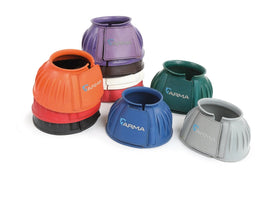
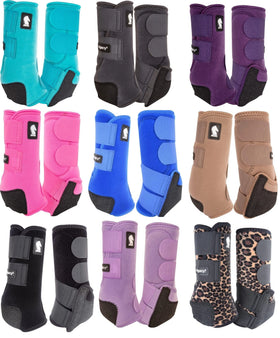
Top-Rated Soaking Boot Brands to Consider
When your horse needs hoof care, you want a solution that's effective and reliable. Focusing on reputable brands is a great place to start, as these companies have invested in creating boots that are durable and designed for your horse's comfort. From treating abscesses to managing chronic conditions, the right boot can make all the difference. Our collection of horse boots and leg protection includes options for every need. Let's look at a few of the top names in the industry to help you find the perfect match.
Brand Spotlight: Cavallo Hoof Soaking Boots
Cavallo is a well-known name in the hoof boot world, and their boots are excellent for therapeutic soaking. They are known for being tough and user-friendly, with a secure fastening system that keeps the boot on, even on a restless horse. This ensures the soaking solution stays where it needs to be. Their durable construction means you can use them for soaking and then for turnout to protect the hoof as it heals. This versatility makes a Cavallo boot a smart investment for handling common hoof problems like abscesses and thrush.
Brand Spotlight: EasyCare Easyboot Cloud
If your horse is dealing with laminitis or just needs serious cushioning, the Easyboot Cloud is a fantastic choice. This boot is designed for therapeutic use, providing instant relief with a thick, cushioned EVA pad that supports the sole and frog. It’s a lifesaver for a sore horse. The secure fit prevents twisting and keeps the boot in place during stall rest or light turnout. While it's a top-tier therapeutic boot, it's also great for soaking because it provides a stable, comfortable environment. The Easyboot Cloud is a go-to for horses needing extra support during recovery.
Brand Spotlight: Tubbease Hoof Soaking Boot
The Tubbease was created to make soaking simple and effective. Its unique, sock-like design allows the hoof to breathe while the solution works, which helps prevent the hoof wall from becoming overly soft. It’s flexible and lightweight, making it more comfortable for many horses than a rigid boot. The included strap helps secure it high on the pastern, keeping debris out and the treatment in. Because it’s so pliable, the Tubbease boot is perfect for applying poultices or other thick treatments for issues like abscesses, thrush, or seedy toe.
Brand Spotlight: Equine Fusion Ultra Jogging Shoe
Don't let the "jogging shoe" name fool you; the Equine Fusion Ultra is a versatile boot that works well for soaking. Its main feature is the incredibly flexible and cushioned sole, designed to mimic the natural function of a bare hoof. This makes it exceptionally comfortable for horses, especially those sensitive to more rigid boots. For soaking, this means your horse can stand comfortably for the required time. An Equine Fusion boot is a great option if you're looking for a multi-purpose product that can go from a soaking session to light turnout or riding.
Measuring Your Horse's Hooves for the Right Fit
Finding the right soaking boot is a lot like finding the right pair of shoes for yourself. A poor fit can cause rubbing and discomfort, while the right fit ensures the boot stays on and does its job effectively. Taking a few minutes to measure your horse’s hooves is the single most important step you can take to get it right the first time. It’s a simple process that prevents the headache of returns and keeps your horse comfortable during treatment. Think of it as an investment in your horse's comfort and your own peace of mind. When you're dealing with a hoof abscess or need to apply a poultice, the last thing you want is a boot that slips off or creates new sore spots. An accurate measurement is the foundation for successful treatment. Proper hoof care is a cornerstone of your horse's well-being, and a well-fitting boot is a key part of your horse health and first aid toolkit. Before you even start browsing different brands and styles, getting those numbers down will make the entire process smoother and ensure you choose a product that truly helps your horse heal. Let’s walk through exactly how to do it.
Your Step-by-Step Guide to Measuring Hooves
Getting an accurate measurement is easier than you might think. First, make sure your horse’s hoof is clean and recently trimmed, as this gives you the most precise numbers. Grab a flexible measuring tape, a piece of paper, and a pen. With your horse standing squarely on a hard, level surface, measure the width of the hoof at its widest point. Then, measure the length from the toe to the buttress line of the heel, which is where the hoof wall ends. Don't include the heel bulbs in your measurement. Jot down both numbers, and be sure to measure each hoof individually, since sizes can vary.
Got an Odd Hoof Shape? Sizing Tips That Help
Just like people, horses have different foot shapes. Some hooves are perfectly round, while others are more oval. If your horse’s width and length measurements are similar, they likely have round hooves and will fit well in most standard boots. If the length is noticeably greater than the width, your horse has oval-shaped hooves. For these horses, look for boots with adjustable features that can accommodate the unique shape. Always compare your measurements to the specific brand’s sizing chart, as each one is a little different. When in doubt, choosing the right hoof boot might mean a quick call to your farrier. They can offer expert advice tailored to your horse’s specific needs.
How to Use and Care for Your Soaking Boots
Once you’ve found the perfect pair of soaking boots, the next step is using them effectively. Proper use ensures your horse gets the full therapeutic benefit, while good maintenance habits will make your investment last for years. Think of it as a partnership: the boots do the heavy lifting, but a little care from you goes a long way in supporting your horse’s hoof health. From the soaking solution to the cleaning routine, getting these details right makes all the difference. These boots are a key piece of horse boots and leg protection that can make a significant impact when used correctly.
How to Soak Hooves Correctly and Safely
The main goal of hoof soaking is to deliver a cleaning or medicated solution deep into the crevices of the hoof to fight off germs and reduce inflammation. For treating issues like a hoof abscess, most veterinarians recommend soaking the affected hoof once or twice daily. Prepare a solution of warm water and Epsom salt, then have your horse stand with their hoof in the boot for 15 to 20 minutes. It’s important that the water level comes up over the coronet band to ensure the entire structure is treated.
For more persistent hoof problems, you can adjust the frequency. A good starting point is soaking three times a week for a month, then gradually reducing it to once a week as you see improvement. This kind of targeted hoof soaking can help manage chronic conditions effectively. Always consult your vet to confirm the best soaking plan for your horse’s specific condition, as they can provide tailored advice.
Cleaning and Storing Your Boots to Make Them Last
Keeping your soaking boots in top shape is straightforward. After each use, give the boot a thorough rinse with clean water to remove any leftover soaking solution and debris. Most soaking boots come with a soft EVA foam pad for comfort. This pad is also washable and designed for many uses, so be sure to rinse it off as well. Taking a moment to clean your equipment is a simple habit that pays off.
The most important step is to let the boot and pad air dry completely before putting them away. Storing them while damp can lead to mildew and break down the materials over time. You can hang them over a fence rail or stall door to dry. And if you notice your horse’s hooves look a little yellow after a soak, don’t worry. This is a normal, temporary reaction to the soaking solution and will fade. Proper care ensures your boots are always ready for your horse health and first aid needs.
Smart Shopping for Soaking Boots Online
Buying essential gear for your horse online shouldn't feel like a guessing game. When you can't see or touch the product, you have to rely on other clues to make a smart purchase. By learning how to read between the lines of product pages and spot potential issues, you can shop with confidence and find the perfect soaking boots for your horse’s needs.
Can You Trust That Review? Here's How to Tell
Customer reviews are your best friend when shopping online, but it’s important to know how to interpret them. While a high star rating is a great start, dig a little deeper. Look for reviews that give specific details. Do they mention how the boot held up after multiple soaks? Do they talk about the fit on a particular hoof shape or how easy it was to get on and off a fussy horse? These detailed accounts are far more valuable than a simple “great product!” comment. When you're investing in your horse's well-being with quality horse health and first aid supplies, taking a few extra minutes to read reviews can ensure you get a product that truly works.
Understanding Price Ranges and Features
Soaking boot prices can range quite a bit, and it usually comes down to materials and purpose. A more affordable boot might be perfect if you just need something for an occasional soak. However, if you're looking for a long-term investment in your horse's health, a higher-priced boot often means better quality. These boots are typically made from thicker, more durable materials with features like reinforced seams and sturdy soles. When you're looking at different horse boots and leg protection, think about how often you might need it. A premium boot can double for turnout or provide therapeutic support, making it a more versatile tool in your first-aid kit. No matter the price, make sure it's fully waterproof and has secure straps—those features are essential for any effective soaking boot.
Online Shopping Red Flags to Watch For
Just as there are signs of a great product, there are also red flags that signal you should probably keep scrolling. A big one is a "no returns" policy. A seller who isn't willing to stand behind their product with a satisfaction guarantee might not be confident in its quality. Also, be wary of product pages with blurry photos or vague, unhelpful descriptions. While researching, remember that some hoof problems require professional help. For instance, if you ever find an object lodged in your horse’s hoof, it's critical to contact a veterinarian immediately and avoid trying to remove it yourself. Your vet is always your best resource for serious hoof issues.
Where to Find the Best Soaking Boots for Your Horse
Choosing the right soaking boot is a big decision, and finding a trustworthy place to buy it from is just as important. Here’s what to focus on to ensure you and your horse get the best support.
Choosing the Right Retailer for Your Horse's Needs
When you're shopping for something as critical as soaking boots, where you buy matters. Look for an online retailer that specializes in equine care and offers a thoughtful selection of products. A great store won't just list every boot available; they'll carry a variety of trusted brands known for quality and effectiveness. This shows they’ve done their research so you don’t have to. Pay attention to customer reviews and ratings, as they provide honest insight into how different horse boots and leg protection perform for real horses with real hoof problems. A retailer with a strong reputation and positive feedback is a good sign you're in the right place.
Partnering With You for Your Horse's Health
Here at Hooves and Paws, we see ourselves as your partner in keeping your horse happy and healthy. While we stand by the quality of our products, we always recommend consulting your veterinarian and farrier. They are your best resource for diagnosing hoof issues and creating a treatment plan. Soaking boots can be an incredible tool for issues like abscesses, but they are just one piece of the puzzle. Think of them as an important part of your complete horse health and first aid kit. Our goal is to provide you with the best supplies and information so you can work with your professional team to make the right choices for your horse’s well-being.
Breaking in New Leather Riding Boots
There’s nothing quite like the smell and feel of a brand-new pair of leather riding boots. They’re crisp, clean, and full of promise for all the great rides ahead. But then comes the reality: the dreaded break-in period. Stiff leather can lead to blisters, sore ankles, and a general feeling of being trapped in a leather cast. It’s tempting to look for shortcuts to get that perfect, molded fit. You may have heard riders talk about some unconventional methods, like soaking their boots in water, to speed things up. While some swear by it, others warn against it. Let's explore the popular water-soaking method, its risks, and some safer, more reliable alternatives to get your new boots feeling like a second skin without damaging your investment.
The Water Soaking Method: How It Works
The idea behind the water-soaking method is pretty straightforward. Leather becomes more pliable when wet, so submerging your boots in water is thought to make them stretch and mold perfectly to your feet and legs as they dry. The theory is that soaking the boots in warm water helps loosen the leather fibers, making them more receptive to shaping. Once the leather is saturated, you put the boots on and wear them until they are mostly dry. As the leather dries, it conforms to the unique contours of your feet, ankles, and calves, theoretically resulting in a custom fit. This method is often seen as a quick fix for riders who need their boots ready for a show or clinic and don't have weeks to break them in gradually.
Step-by-Step Guide to Soaking Boots
If you decide to try this method, the process is simple. Proponents suggest you soak your new boots in a tub of lukewarm water for about 30 minutes to an hour, ensuring they are fully submerged. After soaking, take them out, let the excess water drip off, and put them on over a pair of socks. Then, you wear them for several hours, walking around to help the leather stretch and shape to your foot. The goal is to keep them on as they dry, allowing them to create that custom-molded fit.
Potential Risks: What to Watch Out For
While the water-soaking method can speed up the break-in process, it comes with significant risks. Water can strip the leather of its natural oils, which are essential for keeping it supple and durable. This can cause the leather to become dry and brittle once it dries, leading to cracks and premature wear. In some cases, the leather might even shrink unevenly, resulting in a fit that’s worse than when you started. It’s a gamble that can potentially ruin a beautiful and expensive pair of boots before you’ve even had a chance to enjoy them.
Safer Alternatives to Break in Your Boots
If the thought of submerging your brand-new boots in a tub of water makes you cringe, you’re not alone. Thankfully, there are much safer and more reliable ways to achieve that perfect fit. These traditional methods require a bit more patience, but they preserve the integrity and longevity of the leather. The slow and steady approach ensures your riding boots will support you for years to come. It all starts with choosing a boot that fits well from the beginning and giving it the time it needs to mold to your foot naturally. Let’s look at a few tried-and-true techniques that won’t put your investment at risk.
The Importance of Time and Proper Fit
The most effective and safest way to break in new leather boots is simply to wear them. Start by wearing them around the house for short periods, maybe 30 minutes to an hour at a time. This gives your feet a break and allows the leather to soften gradually. Wearing a pair of thick socks can also help gently stretch the leather. As the boots become more comfortable, you can increase the duration and start wearing them for barn chores or short rides. Remember, breaking in new leather boots takes time; a proper fit from the start is essential for comfort and effectiveness.
Using Conditioners and Other Tools
To help the process along, you can use a quality leather conditioner. Applying a conditioner helps soften the leather fibers, making them more pliable and speeding up the molding process without the risks of water damage. Focus the conditioner on areas that feel particularly stiff, like the ankle and instep. You can also use a boot stretcher or have a cobbler stretch specific tight spots for you. Combining these tools with gradually increased wear time is a gentle yet effective strategy for achieving a comfortable, custom fit while protecting the quality of your boots.
Related Articles
- The Complete Guide to Leg Protection Boots
- A Guide to Horse Leg Protection Boots
- Leg Protection Boots Guide | Hooves & Paws
Frequently Asked Questions
Why can't I just use a bucket to soak my horse's hoof? While a bucket might seem like a simple solution, it often creates more problems than it solves. Horses can easily get spooked, step out, or kick the bucket over, spilling the medicated solution everywhere. Soaking boots are designed to strap securely to your horse's leg, which keeps the liquid contained and ensures the hoof stays fully submerged for the entire treatment. This makes the process safer, less stressful for your horse, and much more effective.
What should I put in the soaking solution? For a standard soak to help draw out an abscess, a solution of warm water and Epsom salt is a classic and effective choice. However, the best solution really depends on what you're treating. Your veterinarian might recommend a specific antiseptic or a different type of poultice for issues like thrush or a stone bruise. Always consult your vet to confirm the right treatment plan for your horse's specific needs before you begin soaking.
How long and how often should I be soaking my horse's hoof? A typical soaking session lasts about 15 to 20 minutes. Soaking for too long can over-saturate the hoof and soften it too much. As for frequency, it depends entirely on your vet's recommendation. For an acute issue like an abscess, they might suggest soaking once or twice a day. For managing a more chronic problem, the schedule might be less frequent. Following your vet's guidance is the best way to support your horse's healing.
Can my horse walk around while wearing the soaking boot? During the actual soak, your horse should stand still in a clean, dry area to prevent spilling and ensure the hoof is properly submerged. While some therapeutic boots are designed for light turnout to protect the hoof, you should never turn a horse out with liquid still in the boot. Once the soak is finished, you can dry the hoof and, depending on the boot's design, use it as a protective covering in the stall or for limited turnout.
What if my horse's hoof measurements are between two sizes? This is a common dilemma. The best course of action is to check the manufacturer’s specific sizing guide, as some brands offer advice for this situation. Generally, it's safer to size up. A slightly larger boot can often be made to fit snugly with an extra pad or if you need to accommodate a bandage. A boot that is too small will be impossible to get on and could cause painful pressure points, so having a little extra room is usually the better option.


