


When it comes to your horse’s health, you, your vet, and your farrier are a team. But for daily hoof care, you’re on the front lines. You see your horse’s feet every day, making you the first person to notice when something is off. Spotting the early signs of thrush is a perfect example of your vital role. This guide will show you exactly how to treat thrush in horses for mild cases you can handle at home. We'll also cover the clear signs that tell you it’s time to call your professional partners for backup.
Key Takeaways
- A clean environment is your best defense: Thrush thrives in wet, dirty conditions, so maintaining a dry stall and picking your horse's hooves daily are the most effective ways to prevent the infection from ever taking hold.
- Look for the telltale signs: A strong, foul odor combined with a thick, black discharge in the grooves of the frog are the clearest indicators of thrush. Spotting these early makes treatment much simpler.
- Know when to escalate to a professional: While you can treat mild cases at home with consistent cleaning and proper products, any sign of pain or lameness means it's time to call your veterinarian to avoid a more serious issue.
What is Thrush and Why Does My Horse Have It?
If you’ve ever picked your horse’s hooves and been hit with a particularly foul smell, you’ve likely encountered thrush. It’s one of the most common hoof problems horse owners face, but don’t worry—it’s also one of the most manageable. Understanding what causes this stinky situation is the first step to treating it effectively and keeping your horse’s hooves healthy for the long haul. Thrush is essentially a bacterial infection that sets up shop in the soft tissues of the hoof, and it thrives in specific conditions that are often easy to control once you know what to look for. By getting familiar with the causes, you can make simple changes to your horse's environment and routine to stop thrush before it even starts.
What's Causing That Awful Smell?
So, what exactly is thrush? At its core, thrush is a bacterial infection that targets the frog—the V-shaped, spongy part on the sole of your horse's hoof—and the grooves surrounding it, known as the sulci. When certain bacteria get trapped in these areas, they begin to break down the hoof tissue. This process creates a signature thick, black, tar-like discharge. The most unmistakable sign, however, is the strong, unpleasant odor that comes with it. Think of it this way: the bacteria responsible for thrush are anaerobic, meaning they flourish in places with little to no oxygen. The deep crevices of the frog provide the perfect dark, moist, and low-oxygen environment for them to multiply, leading to the infection we call thrush.
Common Causes of Thrush in Horses
The primary culprit behind thrush is prolonged exposure to wet, dirty environments. The bacteria that cause the infection thrive in moisture, so horses standing for long periods in muddy paddocks, soiled stalls, or damp pastures are at a much higher risk. While environment is the biggest factor, it’s not the only one. A horse’s hoof has a natural self-cleaning mechanism that works when they walk, but several things can interfere with this process. For instance, a lack of regular exercise can reduce blood flow and the natural flexing of the hoof. Other contributing factors include poor hoof balance, infrequent hoof care, or hoof shapes with deep, narrow grooves that easily trap debris and moisture, creating an ideal breeding ground for bacteria.
The Role of Bacteria in the Hoof
So, what's really going on inside the hoof? Thrush is a bacterial infection that takes hold in the frog—that spongy, V-shaped structure on the sole—and the deep grooves around it. When the wrong kind of bacteria get trapped in these crevices, they start to break down the sensitive hoof tissue. This process is what creates that classic thick, black discharge. But the most telling sign is that unmistakable foul odor. The bacteria causing all this trouble are anaerobic, which is a fancy way of saying they thrive in environments with little to no oxygen. The deep, dark cracks of a hoof are their ideal home, allowing them to multiply and cause the infection we know as thrush.
Beyond a Dirty Stall: Underlying Risk Factors
While a muddy paddock or a perpetually damp stall is the most common cause, it’s not the whole story. Certain factors can make a horse more likely to develop thrush even in a reasonably clean environment. A horse's hoof has a natural self-cleaning mechanism that engages with every step, but a lack of regular exercise can interfere with this process by reducing circulation and the hoof's ability to flex and clear out debris. Additionally, your horse's specific hoof shape plays a role; hooves with deep, narrow grooves are more prone to trapping moisture and dirt. This is why consistent, high-quality farrier care is so important—an unbalanced hoof simply can’t function at its best, creating the perfect opportunity for bacteria to move in.
Why a Clean Stall is Your First Line of Defense
Since moisture and manure are thrush’s best friends, the most effective way to prevent it is to manage your horse’s environment. A clean, dry living space is your greatest defense. This means mucking out stalls daily to remove wet bedding and manure, ensuring your horse has a dry place to stand. If your horse lives outdoors, try to provide an area that offers good drainage or a dry shelter where they can get out of the mud and standing water. Consistently maintaining a clean environment not only helps prevent thrush but also supports overall hoof health. It might seem like a simple step, but keeping your horse’s living quarters clean and dry is the foundation of preventing this common and pesky infection.
Shop This Post

Featured in this article
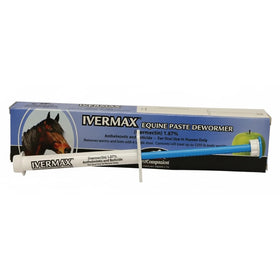
Durvet Ivermectin 1.87% Paste Apple Flavored Horse Wormer - Single Dose Broad Spectrum Dewormer for Bots and Strongyles
$21.99
Shop Now →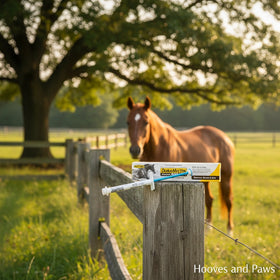
Does My Horse Have Thrush? Here's How to Tell
Catching thrush early is the best way to keep your horse’s hooves healthy and prevent a minor issue from becoming a major problem. Since thrush is a bacterial infection that thrives in wet, dirty conditions, knowing what to look for during your daily hoof cleaning is your first line of defense. The bacteria responsible for thrush can work their way deep into the sensitive tissues of the hoof if left untreated, leading to pain and potential lameness. By paying close attention to a few key indicators, you can spot thrush right away and start treatment before it gets worse.
Key Symptoms You Can't Ignore
When you pick your horse's hooves, go beyond just clearing out mud and debris. Take a moment to really inspect the frog—the V-shaped cushion on the sole of the hoof. A healthy frog is firm, rubbery, and well-defined. If you notice the frog looks mushy, shrunken, or has deeper-than-usual crevices, it’s a red flag. The infection often starts in the central sulcus (the groove in the middle of the frog) or the collateral grooves on either side. You might also notice that your horse is more sensitive when you clean this area, flinching or pulling their foot away when you apply pressure with a hoof pick.
That Smell and Black Goo: Is It Thrush?
The most unmistakable sign of thrush is its smell. You’ll notice a strong, foul odor, often compared to rotten cheese, that you can’t miss. This smell is caused by the bacteria breaking down the hoof tissue. Along with the odor, you will almost always see a thick, black, oily discharge. This isn't just dirt; it's a telltale sign of the infection itself. This black gunk will be concentrated in the grooves around the frog. If you see and smell these signs, even if your horse isn’t showing any pain, it’s time to begin a thrush treatment plan.
Red Flags: When Thrush Gets Serious
If thrush isn't addressed, the infection can spread from the outer layers of the frog to the more sensitive structures within the hoof. This is when you’ll start to see more serious symptoms. Your horse may show obvious pain when you pick their hooves, especially around the frog. As the infection progresses, this discomfort can turn into lameness, causing your horse to limp. While permanent damage is rare, a severe infection requires more intensive care and can take your horse out of work for a significant period. Any sign of pain or lameness means the situation has become more serious, and it's a good idea to get your vet or farrier involved.
Your Action Plan to Treat Thrush in Horses at Home
When you catch thrush early, you can often manage it at home with a consistent and thorough care routine. The key is to create an environment where the bacteria causing the infection can’t survive. This means keeping the hoof clean, dry, and treated with the right products. Don’t worry—with a little diligence, you can get your horse’s hooves back in great shape.
Why You Can't Wait for Thrush to Heal on Its Own
It can be tempting to think of thrush as a minor annoyance that will clear up on its own, but ignoring it is a gamble you don't want to take. The anaerobic bacteria causing the infection are perfectly at home in the deep, low-oxygen crevices of the frog, and without intervention, they will continue to multiply. What starts as a smelly inconvenience can quickly escalate as the infection works its way deeper into the sensitive tissues of the hoof. This progression leads to significant pain for your horse, especially when you clean their feet, and can ultimately result in lameness that takes them out of work. Acting quickly not only spares your horse from discomfort but also prevents a simple problem from turning into a much more serious and difficult-to-treat condition that requires professional help.
How to Properly Clean an Infected Hoof
Your first line of defense is a clean hoof. You’ll need to do this daily to see improvement. Start by using a hoof pick to meticulously remove all mud, manure, and debris. Pay special attention to the deep grooves alongside the frog, known as the collateral sulci, as this is where thrush loves to hide. After picking, use a stiff brush to scrub the area clean. For a deeper clean, you can wash the hoof with a gentle antiseptic solution like diluted chlorhexidine or hydrogen peroxide, then allow it to dry completely before applying any treatments.
Choosing the Right At-Home Thrush Treatment
Once the hoof is clean and completely dry, it’s time to apply a treatment. There are many excellent commercial thrush treatments available that are specifically formulated to kill bacteria and fungi without harming healthy tissue. Products containing copper sulfate or iodine are common and effective. If you prefer a home remedy for a very mild case, you can create a thick paste by mixing povidone-iodine (like Betadine) with regular sugar. Apply your chosen treatment directly to the affected areas of the frog and sulci, making sure it gets into all the crevices.
Effective Over-the-Counter Solutions
When you're dealing with a mild case of thrush, you'll find plenty of effective over-the-counter solutions that can get the job done. Products like Kopertox and Thrush Buster are popular for a reason—they are specifically designed to target the bacteria and fungi causing the infection without damaging the healthy tissue underneath. Many of the most reliable hoof care products use ingredients like copper sulfate or iodine, which are known for their powerful antibacterial properties that stop the infection in its tracks. While some people use a homemade paste of povidone-iodine and sugar for very minor cases, a well-formulated commercial treatment ensures you're using a balanced and proven solution. The key is to choose a product you can apply consistently, ensuring it penetrates the deep crevices of the frog to be fully effective.
Are You Making These Common Treatment Mistakes?
What you don’t do is just as important as what you do. A common mistake is packing the frog’s grooves with cotton, which can trap moisture and bacteria, making the infection worse. You should also never use harsh chemicals like bleach or formalin. While they might kill the bacteria, they will also damage the sensitive, living tissues of the hoof, causing pain and slowing down the healing process. Stick with gentle, proven treatments to support healthy tissue regrowth. Our team at Hooves and Paws has always believed in a gentle, effective approach to animal care, a philosophy we've stood by for over 30 years.
When Is It Time to Call the Vet?
While you can often manage mild thrush at home, some situations require a professional. Knowing when to pick up the phone is key to preventing a minor issue from becoming a serious problem. If you’re ever in doubt, a quick call to your vet is always the best course of action. They can provide peace of mind and ensure your horse gets the care it needs right away. Trust your gut—if the infection looks severe or your horse seems to be in pain, don’t wait. As a company with decades of experience caring for horses, we know that proactive care is the best care.
When At-Home Treatment Isn't Enough
The most significant red flag is lameness. If your horse is limping, tender-footed, or reluctant to walk, the infection may have penetrated sensitive tissues deep within the hoof. This requires immediate veterinary attention, as untreated thrush can sometimes lead to permanent damage. You should also call your vet if over-the-counter treatments aren't working after a week or if the condition seems to be getting worse despite your best efforts. A vet can properly debride the area by cutting away the infected tissue and may prescribe stronger, more effective medications or antibiotics to clear up a stubborn case.
The Importance of Professional Trimming
Your farrier is a key partner in the fight against thrush. Regular, professional trimming does more than just keep your horse’s hooves at the right length; it’s essential for maintaining proper hoof form and function. A well-balanced trim ensures the hoof expands and contracts correctly as your horse moves, which helps the frog perform its natural self-cleaning duties. A skilled farrier will also carefully trim the frog itself, opening up the central sulcus and collateral grooves. This prevents the formation of deep, tight crevices where mud and bacteria can get trapped and hide from your hoof pick. Think of it as creating an environment that’s hostile to thrush—one with plenty of air circulation where bacteria can’t survive.
Advanced Treatments for Severe Cases
For a severe or persistent case of thrush, especially one causing lameness, your vet and farrier will likely need to work together. The first step is often a process called debridement, which involves carefully trimming away all the dead, infected tissue of the frog. This is not something to try at home; it must be done by a professional who can identify and remove the diseased tissue without damaging the sensitive structures underneath. Once the healthy tissue is exposed, your vet may prescribe a stronger topical medication than what’s available over the counter. In some cases, they might also recommend packing the hoof with antiseptic-soaked gauze or even prescribing systemic antibiotics if the infection has moved deep into the hoof.
Dealing with Thrush That Keeps Coming Back
Dealing with thrush that keeps coming back can be incredibly frustrating. If you find yourself treating the same hoof over and over, it’s a sign that there’s an underlying problem that needs to be addressed. This is the time to team up with your veterinarian and farrier. Together, you can investigate the root cause. It could be related to your horse’s hoof conformation, a persistent environmental issue, or even nutritional deficiencies. By working with these professionals, you can create a targeted plan to finally break the cycle and keep your horse’s hooves healthy for the long term.
Understanding the Long-Term Recovery Process
Getting rid of thrush is one thing, but keeping it away for good requires a long-term commitment. It's important to remember that a hoof doesn't heal overnight. In fact, it can take up to a year to grow a completely healthy, new hoof capsule, so patience is key. The foundation of long-term recovery is maintaining a consistently clean and dry environment for your horse, which prevents the bacteria from getting a foothold again. Regular exercise also plays a vital role. It encourages blood flow and supports the hoof's natural self-cleaning mechanism, helping to keep the grooves clear. Think of it less as a short-term treatment and more as a new standard of care that supports your horse's overall well-being from the ground up.
What to Expect During a Vet Visit
Knowing what to expect can make a vet visit less stressful for both you and your horse. When your vet arrives, they will perform a thorough examination of the hoof. They’ll likely ask about your horse’s history, living conditions, and the treatments you’ve already tried. To pinpoint the source of pain, they may use a tool called a hoof tester to apply pressure to different parts of the hoof. Depending on the severity, the vet might need to carefully trim away any unhealthy or dead parts of the frog to expose the infected area to air and medication. For severe cases, they might apply a special medicated plate to the hoof to protect it while it heals.
How to Keep Thrush from Coming Back
The best way to deal with thrush is to stop it from ever starting. While treatment is straightforward for mild cases, prevention is always the better route. Keeping your horse’s hooves healthy comes down to consistent care and a clean environment. By incorporating a few simple habits into your routine, you can protect your horse from this common and pesky infection. A proactive approach not only saves you time and stress but also ensures your horse stays comfortable, sound, and ready for your next ride.
Your Daily Hoof Care Checklist
A daily hoof check is one of the most effective things you can do to prevent thrush. Make it a habit to pick out your horse's feet every single day, even on non-riding days. Use a sturdy hoof pick to carefully remove any packed-in dirt, manure, rocks, or other debris. Pay special attention to the grooves on either side of the frog, as this is where the bacteria responsible for thrush love to hide. A quick brush-out after picking helps clear away any remaining particles and gives you a clear view of the hoof, allowing you to spot any early signs of trouble before they become a bigger problem.
Creating a Thrush-Proof Environment
The bacteria that cause thrush thrive in wet, dirty conditions. Managing your horse’s environment is a critical step in prevention. Aim to keep their living space as clean and dry as possible. This means mucking out stalls daily, removing wet spots and manure to reduce their exposure to moisture and ammonia. If your horse spends time in a pasture or paddock, check for areas with poor drainage that turn into mud pits after it rains. While you can’t always avoid mud, especially in certain seasons, providing a dry area where your horse can stand, like a covered shelter or a well-drained part of the field, can make a huge difference.
Establishing a Consistent Cleaning Schedule
Consistency is your secret weapon in the fight against thrush. Think of daily hoof picking as non-negotiable, just like providing fresh water. Making this a firm part of your routine, whether you ride or not, is the single most effective habit you can build for hoof health. When you clean, be thorough. Use your hoof pick to get into every crevice, especially the collateral sulci on either side of the frog, which is prime real estate for bacteria. This daily maintenance does more than just remove debris; it disrupts the dark, moist environment that thrush needs to develop. A clean hoof is an unwelcoming place for infection, and having the right tools, like a durable hoof pick from your horse tack kit, makes the job quick and easy.
How Your Farrier and Your Horse's Diet Can Help
Great hoof health is a team effort, and your farrier is a key player. Regular, professional trims every six to eight weeks are essential. A good farrier will keep your horse's hooves properly balanced, which encourages even weight distribution and healthy blood flow. A well-trimmed hoof is also better at naturally shedding dirt and debris, reducing the chances for bacteria to settle in. Beyond trimming, proper nutrition builds strong, resilient hooves from the inside out. A balanced diet rich in essential vitamins and minerals helps your horse grow a tough, healthy hoof wall and frog that are naturally more resistant to infection.
Frequently Asked Questions
My horse lives in a clean stall. Why did they still get thrush? While a wet, dirty environment is the most common cause, it’s not the only one. Some horses are simply more prone to thrush due to the shape of their hooves. Horses with deep grooves or narrow heels can easily trap moisture and debris, creating the perfect low-oxygen environment for bacteria to grow, even in a relatively clean stall. A lack of regular exercise can also play a part, as movement helps the hoof naturally flex and clean itself out.
How long will it take to clear up a mild case of thrush? With consistent daily care, you should start to see improvement in a mild case of thrush within a week. For it to fully resolve, it typically takes about one to two weeks. The most important factor is diligence. Skipping even a day of cleaning and treating the hoof can set back your progress, so sticking to a strict routine is the best way to get your horse’s hooves healthy again.
Is thrush contagious to my other horses? Thrush isn't contagious in the same way a cold is, meaning one horse won't directly pass the infection to another. However, the bacteria that cause thrush are present in the environment. If one horse develops it, it’s a strong signal that the conditions in your pasture or stalls are ideal for the infection to develop in your other horses as well. Think of it as a warning sign about your horse's living space.
Can I still ride my horse if they have thrush? This really depends on the severity of the infection. If the case is very mild and your horse shows absolutely no pain or sensitivity when you clean their hooves, light riding on dry, level ground is generally fine. In fact, the movement can help by increasing circulation to the hoof. However, if your horse flinches when you touch the area or shows any sign of lameness, you should stop riding and give them time to heal.
What’s the difference between regular mud and the black gunk from thrush? It can be hard to tell at first glance, but there are two key differences: texture and smell. Packed-in mud or dirt will have an earthy texture and smell. The discharge from a thrush infection is very different. It has a thick, black, and oily or tar-like consistency. Most importantly, it comes with a distinct and powerful foul odor that you won’t be able to miss. That smell is the most reliable sign that you’re dealing with an infection, not just a dirty hoof.


