


We’ve all felt that split-second panic of a rein slipping through your fingers, instantly disrupting your ride and your connection. A confident ride starts with trusting your equipment, and that's where the simple genius of closed reins comes in. By forming one continuous loop from one side of the bit to the other, they make it physically impossible to drop one. This small change provides invaluable peace of mind, removing a major source of distraction. This guide will walk you through everything you need to know, from choosing the right material to understanding how they help you become a more effective rider.
Key Takeaways
- Closed Reins Offer Unmatched Security: Their continuous loop design prevents you from dropping a rein, making them an ideal choice for building confidence as a new rider and ensuring safety in fast-paced disciplines like jumping or eventing.
- Your Rein Material Dictates Grip and Maintenance: Choose classic leather for a traditional feel that molds to your hands over time, or opt for low-maintenance synthetic reins for a consistent, all-weather grip that's easy to clean.
- Focus on Quality for a Safer Connection: A reliable pair of reins depends on the details. Always inspect the hardware, stitching, and overall construction to ensure your equipment is safe and built to last.
What Are Closed Reins?
If you’ve ever worried about dropping a rein mid-canter, closed reins might be your new best friend. Also known as continuous reins, they are exactly what they sound like: a single, connected loop of material that runs from one side of the bit to the other. This simple design makes it nearly impossible to lose a rein, offering a secure and stable connection between you and your horse.
This is a huge confidence-builder, especially for new riders who are still getting the feel for maintaining even contact. But they’re not just for beginners. The continuous loop helps you deliver balanced, consistent signals to your horse, which is essential for more advanced maneuvers and fast-paced disciplines. Think of them as a tool for clear communication, helping you keep your hands steady and your cues precise without fumbling with two separate straps.
How Are Closed Reins Designed?
The beauty of closed reins lies in their simplicity. As one continuous loop, they encourage a steady hand and prevent the rider from accidentally shortening or lengthening one rein more than the other. This design is a staple in English riding disciplines like dressage, show jumping, and eventing, where a constant, reliable connection with the horse's mouth is key. For these riders, the stability provided by a closed rein allows for subtle adjustments and clear communication during intricate patterns or over challenging obstacles. Their straightforward design helps you focus on your seat and leg aids, knowing your reins are secure.
Closed vs. Split Reins: What's the Difference?
When choosing your horse tack, you’ll often decide between closed and split reins. Unlike the single loop of closed reins, split reins are two separate, unattached straps. This design is traditional in Western riding and offers a different kind of functionality. For example, a rider can easily drop one rein to open a gate or use both in one hand for neck reining. The main difference comes down to security versus versatility. Closed reins provide a foolproof grip perfect for maintaining contact, while split reins offer the flexibility to perform tasks that require a free hand. Your choice ultimately depends on your riding discipline, your experience level, and your personal preference.
Core Concepts: Rein Aids and Terminology
To get the most out of your reins, it helps to understand the language and principles behind how they work. It’s not just about steering; it’s about having a conversation with your horse. Getting familiar with a few core concepts will make you a more effective and confident rider, whether you’re navigating a trail or practicing in the arena. Think of this as the foundation for building a clearer line of communication between you and your equine partner.
Defining Rein Aids
A "rein aid" is any signal you give your horse through the reins. But it’s more complex than simply pulling left or right to turn. Effective rein aids are part of a bigger picture, working alongside your seat and leg pressure to guide your horse’s entire body. For example, a subtle squeeze on the inside rein doesn't just ask the horse to bend its neck; it influences the hindquarters to step under, creating balance and engagement. The goal is to use the reins not for force, but for finesse. Understanding the different types of rein aids, like the opening or direct rein, helps you give clearer, more precise cues that your horse can easily understand and respond to.
Understanding Rein Attachments
Your reins are your primary line of communication, and how they connect to the bit is critical for that conversation to be clear and safe. This connection point, usually a buckle, hook-stud, or snap, is a small but mighty piece of your horse tack. The hardware needs to be strong enough to withstand pressure without breaking, yet simple enough that you can easily attach or detach them when needed. When you're shopping for new reins, always inspect the quality of the stitching and the hardware. A secure attachment ensures that your cues are transmitted directly and reliably, giving you peace of mind that your equipment won't fail when you need it most.
Clearing Up Confusion: Rein vs. Reign, Lead Ropes, and Longe Lines
In the horse world, precise language matters. Let's clear up a few common mix-ups. "Reins" are the straps you hold when riding. "Reign," on the other hand, refers to a monarch's rule—a common typo that can cause confusion. It’s also important to distinguish reins from other tools. A "lead rope" is what you use to lead your horse on the ground; it attaches to a halter and is never used for riding. A "longe line" is a much longer line used for training a horse in a circle from the ground. Knowing the correct terminology helps you communicate clearly with trainers, vets, and fellow riders, and ensures you’re always buying and using the right equipment for the job.
Are Closed Reins Right for Your Discipline?
Choosing the right reins often comes down to your riding style and goals. While you’ll see closed reins used most often in English disciplines, their benefits extend to any rider looking for stability and a consistent connection with their horse. Whether you’re navigating a complex dressage test, clearing a jump, or just learning the ropes, the continuous loop design offers unique advantages. Let’s look at a few disciplines where closed reins are not just a good choice, but an essential piece of horse tack.
Ideal for Dressage and Precision Riding
In dressage, it’s all about communication. Every signal you send your horse needs to be clear, subtle, and balanced. Closed reins are perfect for this because the single loop helps you maintain steady, even contact with the horse’s mouth. This design makes it easier to give balanced signals and prevents you from accidentally dropping a rein, which could disrupt your connection during a crucial movement. The continuous feel allows for the precise adjustments needed to guide your horse through intricate patterns, ensuring your aids are as quiet and effective as possible.
A Secure Choice for Jumping and Eventing
When you’re heading for a jump or galloping across a field, the last thing you want to worry about is losing a rein. Closed reins are the standard in show jumping and eventing for one simple reason: safety. The continuous loop design means you can’t easily drop them, giving you a secure connection when you need it most. This allows you to focus on your course, your timing, and your horse’s performance without fumbling with your equipment. That security provides the confidence you need to ride forward and tackle any challenge on the course.
Popular English Rein Grips: Laced, Webbed, and Rubber
While the material of your reins sets the foundation, the grip is what truly defines your connection, especially when things get challenging. Different grips offer unique advantages, so it’s worth knowing your options. Laced reins are a classic choice, with thin leather strips woven in to create a textured surface that offers a better hold, even with gloves or sweaty hands. For a lighter, more flexible feel, many riders prefer webbed reins made from cotton, which often feature leather or rubber "stops" for extra security. Then there are rubber reins, the top choice for an unbeatable grip. Their raised, pebbled texture ensures they won’t slip through your fingers, making them a favorite for eventers and anyone who wants maximum confidence in the saddle. Finding the right grip in our horse tack collection can make a noticeable difference in your ride's quality and your peace of mind.
Helping New Riders Build Confidence
If you’re new to riding, managing your balance, posture, and leg aids is already a lot to think about. Closed reins can simplify the process by giving you one less thing to worry about. The single loop is easier to handle than two separate split reins, providing a more secure grip that helps you maintain control. As our friends at Hooves and Paws have seen over the years, this stability helps build confidence. It also encourages you to keep your hands even, teaching you the fundamentals of balanced communication with your horse right from the start.
Western Riding: When to Use Split, Romal, or Mecate Reins
While closed reins are the go-to for many English disciplines, the world of Western riding offers its own unique set of tools for communication. You'll primarily encounter three styles: split, romal, and mecate reins, each with a specific purpose rooted in tradition and function. Split reins are the classic choice, consisting of two separate leather straps. This design is incredibly practical, allowing you to drop one rein to open a gate or hold both in one hand for neck reining. Romal reins, hailing from the vaquero tradition, feature a closed rein section for your hands with a long, single strap attached that acts as a quirt. Finally, mecate reins are a single long rope used with a bosal hackamore, serving as both your reins and a lead rope—a favorite for training young horses. Your choice will depend on the type of riding you do and the horse tack you prefer.
Contest Reins for Speed Events
When you're racing against the clock in events like barrel racing or pole bending, your equipment needs to be foolproof. This is where contest reins come in. Typically designed as a single, continuous loop, they function much like English closed reins but are built for the demands of Western speed events. The one-piece design ensures you won't accidentally drop a rein during a sharp turn or a full-speed gallop, allowing you to make quick, precise adjustments without hesitation. This secure connection gives you the confidence to focus solely on your run, knowing your best-selling gear is right where it needs to be.
Browse our full range of closed reins and western tack to find secure, rider-approved gear that stays right where it needs to be on every run.
How to Choose the Right Rein Material
The material of your reins directly impacts your grip, communication with your horse, and overall comfort in the saddle. While leather has long been the classic choice, modern synthetic options offer fantastic benefits, especially for riders who face unpredictable weather. Ultimately, the right material comes down to your riding discipline, personal preference, and how much time you want to spend on maintenance.
Think about what feels best in your hands. Do you prefer the supple, traditional feel of well-conditioned leather, or the consistent grip of a synthetic rein, even in the rain? At Hooves and Paws, we’ve seen riders succeed with all types of materials. Our 30 years of expertise has taught us that the best gear is the gear that helps you ride confidently and safely. Let’s walk through the most common options to help you find the perfect match for you and your horse.
The Timeless Feel of Classic Leather
There’s a reason leather is the timeless choice for equestrian equipment. High-quality leather reins offer a fantastic feel, providing just the right amount of give and flexibility for clear communication. Over time, they soften and mold to your hands, creating a custom fit that’s hard to beat. Leather is also incredibly durable and, with proper care, can last for years. This material is a favorite in disciplines like dressage and hunter/jumper, where a classic look and sensitive connection are key. While they do require regular cleaning and conditioning to stay supple, many riders find the ritual a rewarding part of horse ownership.
Synthetic Options for All-Weather Riding
If you’re looking for a practical, no-fuss option, synthetic or nylon reins are an excellent choice. These materials are perfect for trail riding, training in wet climates, or for anyone who wants to spend less time cleaning tack. They provide a consistent grip, rain or shine, and won’t get stiff or slippery when wet. Plus, they’re a breeze to clean—just a quick wipe-down is usually all it takes. Available in a huge range of colors and styles, synthetic reins are a durable and often more affordable alternative to leather, making them a popular part of any rider's horse tack collection.
When to Consider Cotton or Paracord
Beyond leather and nylon, you’ll find reins made from materials like cotton and paracord. Braided cotton reins are known for being soft, absorbent, and easy on the hands, which makes them a great choice for long rides or for riders with arthritis. Paracord reins are another durable, all-weather option, often braided to provide a unique texture and excellent grip. While less common, you might also see rawhide reins, especially in Western disciplines with romal reins, prized for their distinct feel and elegant look. Each of these materials offers a different experience, so don’t be afraid to try a few to see what you and your horse prefer.
Shop This Post

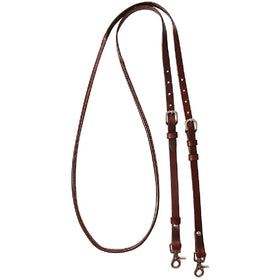
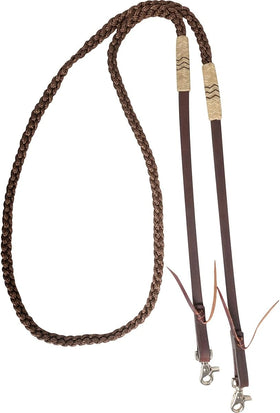
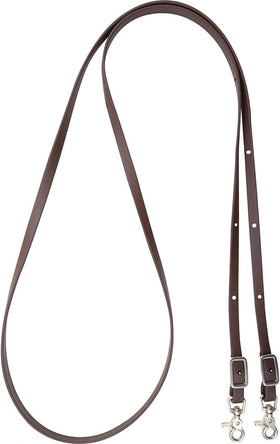
My Favorite Closed Reins for Every Rider
With so many options out there, finding the perfect set of closed reins can feel a little overwhelming. The truth is, the best rein material and style really come down to personal preference and what feels right in your hands. To give you a starting point, we’ve gathered a few of our favorite brands known for their quality, durability, and exceptional feel. These are the reins we trust for our own horses and confidently recommend to our customers. Whether you prioritize a traditional leather feel, innovative features, or handcrafted quality, there’s a great option here for you.
Hooves and Paws: Best for Everyday Use
We stand behind every product we sell, which is why we’ve curated our own Hooves and Paws collection of reins that meet our high standards for quality and performance. We believe that the best reins are the ones that feel like a natural extension of your arms, providing clear and comfortable communication with your horse. Our selection includes a variety of materials and styles because we know every rider has different needs. And with our 365-day satisfaction guarantee, you can feel confident trying a new pair. We’ve handpicked these options to ensure you get reliable tack that helps you enjoy every ride.
Weaver Leather: For a Premium Feel
If you love the rich, supple feel of high-quality leather, Weaver Leather is a brand you need to know. Their roping reins are crafted from heavy Canyon Rose harness leather that’s been dipped in oil, dressed with saddle butter, and hand-rubbed to perfection. This intensive process results in reins that have an exceptional feel and performance right from the start, with virtually no break-in period. They are soft, pliable, and offer a comfortable weight in your hands, making them a favorite among riders who want classic quality and a connection to their horse that they can truly feel through the reins.
Circle Y: Easiest for Quick Changes
For riders who value versatility and convenience, Circle Y’s reins with quick-change scissor snap ends are a game-changer. What we love about these is how simple they make swapping out bits or moving your favorite reins to a different bridle. There’s no need to spend time unbuckling and re-buckling—the sturdy scissor snaps allow you to make changes in just a few seconds. This feature is perfect for trainers, riders with multiple horses, or anyone who appreciates smart, efficient tack. Circle Y combines this practical design with quality leather, so you get both convenience and durability in one package.
Berlin Custom Leather: Unmatched Craftsmanship
Berlin Custom Leather is synonymous with exceptional, American-made craftsmanship. Each piece is handcrafted, ensuring a level of durability and attention to detail that’s hard to beat. When you hold a pair of their reins, you can feel the quality in the weight of the leather and see it in the precision of the stitching. These reins are built for serious, everyday use and are known for providing a great feel for riders across disciplines. Choosing Berlin Custom Leather is an investment in tack that is not only beautiful but also designed to last for years, offering reliable performance ride after ride.
NRS Tack: Durable and Ready to Go
When you need a rein that offers an unbeatable grip, NRS Tack delivers. Their oiled harness leather reins, often featuring latigo leather lacing, are designed specifically for performance. The oiling process makes the leather weather-resistant and supple, while the lacing provides extra texture and security in your hands. This makes them an ideal choice for fast-paced disciplines like barrel racing or any situation where maintaining a steady, secure contact is critical. Riders who choose NRS Tack appreciate the functional design that provides both a great feel and the confidence that their grip won't slip when it matters most.
How Closed Reins Can Improve Your Ride
Switching to closed reins can feel like a small change, but it can make a big difference in your connection with your horse. Because they form a continuous loop, closed reins offer a unique set of advantages that can refine your communication and build your confidence in the saddle. Whether you're just starting out or are a seasoned competitor, understanding how this simple piece of tack works can help you become a more effective and balanced rider.
Maintain Consistent, Stable Contact
One of the biggest benefits of closed reins is the stability they provide. The single-loop design makes it nearly impossible to accidentally drop a rein, which is a common hiccup for riders of all levels. This ensures you can maintain a steady, consistent contact with your horse's mouth without interruption. This continuous connection is key for giving balanced signals and building trust. When your horse can rely on a stable feel from your hands, they are more likely to stay relaxed and responsive. Exploring different types of horse tack can help you find the perfect setup for you and your partner.
Send Clearer Signals to Your Horse
Clear communication is the foundation of good horsemanship, and closed reins are designed to support just that. The continuous loop allows for subtle, direct cues from your hands to the bit. There’s no extra slack to manage, which means your aids are transmitted more precisely. This design supports softer cues, allowing you to communicate with your horse using lighter hand movements. When your signals are clearer, your horse can understand and respond more quickly, leading to a more harmonious and responsive ride. This refinement in communication can make a world of difference in disciplines that demand precision, like dressage or show jumping.
Build Your Skills as a Developing Rider
If you're a new or developing rider, closed reins can be an incredible training tool. Managing two separate split reins while also focusing on your seat, legs, and balance can be a lot to juggle. Closed reins simplify the equation. With one continuous loop, you have less to worry about, which frees up your mental space to concentrate on building a solid foundation. This helps you develop good habits from the start, like maintaining even contact and keeping your hands quiet. As your skills grow, you’ll appreciate the confidence that comes from having a secure, easy-to-manage connection to your horse, which is something our team has valued for over 30 years of experience.
What to Look for in Quality Closed Reins
When you’re shopping for a new pair of closed reins, it’s easy to focus on the color or material. But the small details are what truly separate a great pair from a mediocre one. High-quality reins aren’t just a purchase; they’re an investment in your safety, your horse’s comfort, and the clarity of your communication. Paying attention to a few key features will help you find a pair that feels like a natural extension of your hands and stands up to years of use.
From the sturdiness of the buckles to the feel of the leather, every element plays a role in your ride. A well-made rein provides a reliable connection to the bit, won’t slip when your hands get sweaty, and is the right length and width for your specific discipline. Before you add a pair to your cart, take a moment to assess its construction. Knowing what to look for ensures you’re choosing from the best horse tack available, giving you confidence every time you saddle up.
Find the Right Length and Width
The right length and width are essential for maintaining proper contact and control. Closed reins come in various lengths to suit different horse sizes and riding disciplines. For example, dressage reins are typically longer to allow for a longer frame, while jumping reins might be slightly shorter. The width is just as important for your comfort and grip. A rein that’s too wide can be difficult to hold, especially for riders with smaller hands, while one that’s too narrow might not feel substantial enough. Measure your current reins to get a baseline, and consider how the width feels in your hands before making a final decision.
Common Rein Measurements for English and Western Riding
Choosing the right rein length is crucial, as it directly impacts your connection and control. For English riders, the standard is a 54-inch rein for an average-sized horse. You'll want to scale down to 48 inches for a pony or go up to 60 inches for larger draft horses. In Western disciplines that use closed reins, you’ll notice the measurements are more generous. Roping and barrel racing reins typically run from 72 to 96 inches to allow for slack during sharp turns and quick maneuvers. Trail reins can be even longer, from 96 to 120 inches, giving your horse the freedom to lower their head and navigate tricky terrain. Keeping these common measurements in mind will help you select the perfect fit when you're looking for new horse tack.
Don't Forget to Check the Hardware
The hardware is the most critical safety feature of your reins. Always inspect the buckles, snaps, or hook-stud closures that attach the reins to the bit. Look for durable, rust-resistant materials like stainless steel or solid brass that can withstand pressure and the elements. You need a sturdy connection system that you can trust, even in the most challenging conditions. Weak or poorly made hardware can fail at a critical moment, so never compromise on quality here. Make sure any snaps are easy for you to operate but won’t come undone accidentally during a ride.
Prioritize Your Grip and Comfort
How a rein feels in your hands directly impacts your ability to communicate with your horse. The best material often comes down to personal preference. Leather is a classic choice for its traditional feel and durability, while rubber-lined or webbed reins offer extra grip, which is especially helpful in wet conditions or during a sweaty ride. The goal is to find a rein that feels secure and comfortable in your hands without requiring a death grip. A good grip allows for a softer, more responsive connection, reducing hand fatigue and helping you send clearer signals to your horse.
Look for Quality Stitching and Construction
Quality craftsmanship is a tell-tale sign of a durable, long-lasting rein. Before buying, take a close look at the stitching, especially around the bit ends and buckles where the rein is under the most stress. The stitches should be tight, even, and consistent. Look for finished, smoothed edges that won’t chafe your hands or your horse’s neck. With proper care, a well-constructed pair of reins will not only last for years but also maintain its integrity and feel. This attention to detail is what makes a piece of tack a reliable part of your collection.
Closed Reins vs. Split Reins: Which Should You Choose?
Deciding between closed reins and split reins is a fundamental choice every rider makes, and it goes far beyond just following tradition. The right style of rein directly impacts your communication, control, and safety in the saddle. Split reins, which are two separate leather straps, are the hallmark of Western riding. They're designed for one-handed neck reining and have the practical benefit of not getting tangled if you need to ground-tie your horse.
On the other hand, closed reins, also called continuous reins, are a single connected loop. They are the standard for English disciplines and offer a completely different feel and function, encouraging a steady, two-handed contact with the horse's mouth. Your choice depends entirely on your riding discipline, your experience level, and the type of connection you want to maintain with your horse. Think of your reins as the direct line of communication between your hands and your horse’s mouth; selecting the right tool for the job is the first step toward a clear conversation. Understanding the functional differences will help you select the best horse tack for your specific needs.
When to Pick Closed Reins
You should pick closed reins if you ride in an English discipline or if you’re a beginner looking for more security. Because they form a continuous loop, it’s impossible to drop one rein and lose contact with one side of the bit. This is a major advantage for new riders still developing steady hands, as well as for anyone riding at speed or over fences. The design makes it easier to maintain even, balanced pressure and send clear signals to your horse. This continuous connection is why they are the go-to choice for styles of riding like dressage, show jumping, and eventing, where consistent contact is key to performance.
Which Reins Are Best for Your Discipline?
The type of rein you use should always match the demands of your discipline. Closed reins are almost exclusively used in English riding because they support the two-handed, direct-contact style that these sports require. For dressage, the steady connection provided by a closed rein is essential for the precise communication needed for intricate movements. In show jumping and eventing, the security of a looped rein is critical for safety and control while going over obstacles. You simply can’t afford to fumble with a dropped rein mid-course. Many trail riders also prefer them for the same reason, ensuring they always have a secure hold.
Understanding Specialized and Training Reins
Once you move beyond the basics of closed and split reins, you’ll discover a whole category of specialized equipment designed for specific training goals and advanced disciplines. These aren’t your everyday reins; they are tools meant to refine communication, correct specific issues, or provide the control needed for high-level performance. Think of them less as standard equipment and more as instruments for a particular job. Using them correctly requires a good understanding of how they work and a sensitive, educated hand. When used properly, they can help you and your horse achieve a new level of partnership and precision in your riding.
Double Reins for Refined Control
If you’ve ever watched an upper-level dressage test, you’ve likely seen a rider skillfully handling two sets of reins. These are called double reins, and they are used with a bridle that has two bits: a small snaffle (called a bradoon) and a curb bit. This setup allows for an incredibly high level of precision. The rider can use the snaffle rein for direct communication and the curb rein to apply subtle leverage, asking for more collection and refinement. It’s a system that demands an independent seat and quiet hands, as each rein sends a distinct signal to the horse’s mouth.
Curb Reins vs. Snaffle Reins
Understanding the difference between curb and snaffle reins is key to knowing how double reins function. Snaffle reins connect directly to a snaffle bit, allowing for straightforward, one-to-one communication without any leverage. When you pull on a snaffle rein, you’re applying direct pressure. Curb reins, however, are used with a curb bit, which includes a shank. This design creates leverage, amplifying the pressure from the rider’s hands. This allows for very subtle cues to ask for more collection or a lower head carriage, but it also means there’s less room for error, as the signals are much stronger.
Training Tools: Draw Reins and Side Reins
Draw reins and side reins are common training aids, but they serve very different purposes and must be used with care. Draw reins run from the girth, through the bit rings, and back to the rider's hands. They can be an effective tool for teaching a horse to carry itself properly and accept contact, but they must be used correctly. If used with a heavy hand, they can encourage a horse to get heavy on the forehand or curl behind the bit. Side reins are used for groundwork and longeing, attaching from the saddle or surcingle to the bit to help the horse learn to maintain steady contact without a rider.
Other Specialized Types: Gag and Driving Reins
You may also come across other specialized reins designed for very specific jobs. Gag reins are paired with gag bits, which are designed to slide up the horse’s cheek, creating a unique leverage effect that can help with control during fast-paced events like polo or show jumping. Driving reins are another specialized type, but for a completely different discipline. They are significantly longer than riding reins, allowing the driver to communicate effectively with the horse from a cart or carriage. Both of these are great examples of how horse tack is adapted for the unique demands of different equestrian sports.
Safety First: Potential Hazards and Expert Advice
While reins are our primary line of communication with our horses, they can also present safety risks if not used correctly. This is especially true for specialized training reins or even standard closed reins in certain situations. Being aware of the potential hazards is the first step toward preventing accidents. It’s not about being fearful of your equipment, but about respecting it and understanding its function completely. A responsible horse person always prioritizes safety, which means choosing the right equipment for the job, ensuring it’s in good condition, and knowing how to use it properly to keep both horse and rider safe.
The Loop Risk: Preventing a Hoof from Getting Caught
The continuous design of closed reins is great for security, but it does come with one notable hazard: the risk of a hoof getting caught in the loop. This can happen during a fall, if a horse lowers its head to graze, or even if it paws at the ground. To minimize this risk, always ensure your reins are the appropriate length for your horse—they shouldn’t be so long that they can easily loop around a leg. When you’re not actively riding, never leave the reins dangling. Always secure them by looping them over the horse’s neck or through the throatlatch to prevent a dangerous tangle.
Cautions for Using Training Reins
Training reins like draw reins or side reins are powerful tools, but they can cause more harm than good in inexperienced hands. The biggest risk is creating a horse that becomes overly reliant on the equipment to maintain its frame. Improper use can hinder a horse's natural movement and responsiveness, teaching it to lean on the artificial support rather than building its own strength and balance. These tools should be used to guide and correct, not to force a horse into a position. If you’re unsure how to use them, it’s always best to seek guidance from an experienced trainer.
The Dangers of Improper Draw Rein Use
Draw reins, in particular, require a careful and educated approach. When used incorrectly, they can create a false sense of balance in the horse. By pulling the horse's head into a seemingly correct position, they can cause the horse to become heavy on its front end and disengage its hindquarters. This not only prevents true collection but can also lead to long-term physical issues. The goal is always to teach the horse to carry itself, and draw reins should only be used as a temporary guide to help the horse understand the feeling of correct contact, not as a shortcut to a headset.
Essential Rein Accessories
Sometimes, the smallest additions to your tack can make the biggest difference in your ride. Rein accessories are designed to solve common problems, adding extra grip, security, or stability exactly where you need it. These simple tools can help you maintain a more consistent connection with your horse, which in turn builds your confidence and improves your communication. Whether you’re looking for a bit more security in the saddle or a way to keep your reins from slipping on a hot day, there’s likely a simple accessory that can help.
Rein Stoppers
Rein stoppers are small but mighty accessories, especially for riders who use plain leather or smooth synthetic reins. These small rubber or leather pieces slide onto your reins and act as a physical block, preventing them from slipping through your fingers. They are a practical and inexpensive way to ensure you maintain a secure grip, even during a sweaty ride or in wet weather. They are also commonly used with a running martingale to prevent the martingale rings from sliding too far up and getting caught on the bit hardware, making them a simple but important safety feature for many riders.
Neck Straps for Added Security
A neck strap, sometimes called a grab strap, is a simple leather loop that goes around the horse’s neck just in front of the withers. It’s a fantastic tool for riders of all levels. For beginners, it offers a secure handhold to grab for balance without pulling on the horse’s mouth. For advanced riders in disciplines like eventing or show jumping, it provides extra security during jumps or unexpected movements. A neck strap allows you to stabilize your upper body and maintain a more stable connection to the horse, making it a valuable piece of equipment in any rider’s horse tack collection.
How to Care for Your Closed Reins
Your reins are one of the most important pieces of equipment you own, connecting you directly to your horse. Taking good care of them isn't just about making them look nice; it's about ensuring they last for years and, most importantly, keeping you both safe. With a simple and consistent care routine, you can protect your investment and maintain the integrity of your tack. The right approach depends on the material your reins are made of, but the principles are the same: keep them clean, store them properly, and inspect them regularly for signs of wear. A few minutes of care after each ride can make all the difference in the longevity and reliability of your reins.
Cleaning and Conditioning Leather Reins
Leather is a classic choice for a reason, but as a natural material, it needs a little TLC to stay in top shape. To prevent it from drying out, cracking, or weakening, it's essential to clean and condition your leather reins regularly. After each ride, give them a quick wipe-down with a damp cloth to remove sweat and dirt. Periodically, you'll want to do a deeper clean with a quality leather cleaner, followed by a good conditioner. A product like beeswax leather balsam is fantastic because it protects and restores the leather, making your reins feel soft, supple, and even waterproof. This simple routine keeps your horse tack safe and comfortable for both you and your horse.
Caring for Synthetic Reins
If you opted for synthetic or rubber reins, you’re in luck—the maintenance is incredibly simple. Unlike leather, synthetic materials don't absorb sweat and dirt, which makes them perfect for long trail rides, training in the rain, or any situation where your gear might get extra grimy. Most of the time, all you need is a damp cloth to wipe them clean. Because they offer excellent durability and weather resistance, you don't have to worry about them cracking or weakening from moisture. While they don't require conditioning, it's still a good idea to give them a quick once-over to make sure the material and hardware are in good condition.
Proper Storage and When to Replace Them
How you store your reins is just as important as how you clean them. To prevent kinks, cracks, or stretching, always hang your reins neatly on a tack hook or bridle rack. Avoid tossing them in a pile where they can get tangled or damaged. Most importantly, get into the habit of checking your reins for any damage or wear and tear before every ride. Look for stretched-out areas, cracked leather, or frayed stitching, especially where the reins connect to the bit. With proper care, a quality set of reins will last for years, but no equipment lasts forever. Regular inspections are crucial to ensure both your safety and your horse's well-being.
Common Mistakes to Avoid with Closed Reins
Using closed reins can significantly improve your connection with your horse, but a few common missteps can send mixed signals. The goal is always clear and gentle communication, and avoiding these habits will help you and your horse work together more effectively. Think of it less as steering and more as a quiet conversation through your hands. By being mindful of your grip, equipment, and contact, you can build a more responsive and trusting partnership.
Are You Holding Your Reins Correctly?
How you hold your reins is the foundation of your communication. A common mistake is creating an unbalanced feel, particularly with the outside rein. While it provides stability, too much pressure can confuse your horse. As many experienced riders will tell you, the outside rein needs to allow for the bend you’re asking for with your inside aids. Pulling too hard on it can cause your horse to counter-bend, tilting its head to the outside of the turn and disrupting its balance. Focusing on a soft, steady grip with both hands ensures you can provide clear signals and maintain effective communication with your horse.
Choosing the Right Length and Width
Reins that don’t fit you or your horse properly can create problems before you even start your ride. If your reins are too long, you risk them getting caught on your boot or saddle. If they’re too short, you’ll restrict your horse’s natural head and neck movement, especially over jumps. The width is just as important for your comfort and control. When you’re choosing the best reins, consider the material, your hand size, and your discipline. A well-fitted rein not only feels better in your hands but also helps you maintain correct posture and send clearer aids to your horse.
Finding the Right Amount of Contact
Finding the right amount of tension is a delicate balance. You want to avoid a death grip, which creates a hard, unforgiving mouth, but you also don’t want loose, sloppy reins that offer no connection at all. The goal is a light, elastic contact that feels consistent to your horse. This steady connection allows you to feel the horse’s mouth and make subtle adjustments. The material of your reins can also affect this feel; leather, rubber, and synthetic options all offer a different grip and weight. Understanding how to maintain proper contact is key to building a responsive partnership and ensuring your aids are received as quiet requests, not loud demands.
Where to Find the Best Closed Reins
Once you know what you’re looking for, the next step is finding a retailer you can trust. The right reins are an investment in your safety and your horse's comfort, so it’s worth buying from a source that stands behind its products. Look for a company with deep equestrian knowledge, a great selection of high-quality gear, and customer-friendly policies. A good supplier will carry reputable brands and offer detailed product descriptions. At Hooves and Paws, we personally select every piece of horse tack we carry to ensure it meets our standards for durability and performance.
My Go-To Shops for Quality Reins
Finding a reliable tack shop is key. We’re proud of the collection we’ve built at Hooves and Paws, but we also know there are other great retailers out there. Places like NRS World and Jeffers Pet are known for carrying quality brands and a wide selection of tack. When you’re browsing, look for brands that use high-quality leather and durable hardware, as these are the hallmarks of well-made reins that will last. The goal is to find a shop that not only sells great products but also has the expertise to guide you toward the right choice for your discipline.
Balancing Price and Quality
It can be tempting to go for the cheapest option, but when it comes to reins, quality is directly tied to safety. Your reins are your primary line of communication and control with your horse. A higher price tag often reflects superior materials, like premium oiled harness leather, and better construction, such as reinforced stitching. These features ensure your reins can withstand daily use without failing. Investing in a well-made pair means you get a reliable connection to your horse, a comfortable feel, and a product that will last for years, providing peace of mind.
Always Check the Return Policy
Before you click "buy," always check the retailer's return policy and satisfaction guarantee. You want to be sure you can return or exchange the reins if they don’t meet your expectations or aren't the right fit. Many retailers offer returns, but the terms can vary. We believe in the products we sell, which is why we offer a 365-day satisfaction guarantee on everything. This gives you a full year to make sure your new reins are the perfect match for you and your horse, with no risk.
Related Articles
Frequently Asked Questions
Can I use closed reins for Western riding? While split reins are the traditional choice for most Western disciplines, you'll definitely see closed reins in the Western world, especially in speed events like barrel racing. The continuous loop offers a secure grip that prevents you from dropping a rein during a fast turn. Ultimately, it comes down to your personal preference and what feels safest and most effective for your riding style.
How do I figure out the right rein length for my horse? A good rule of thumb is to sit on your horse with your hands in a normal riding position. The reins should have a soft, gentle loop without excessive slack that could get caught on your boot or saddle. If they feel tight or restrict your horse's ability to stretch its neck, they're too short. If you have a pair of reins that already feels right, measuring them is a great starting point for your next purchase.
Are leather or synthetic reins better if I'm just starting out? Both are great options, and it really depends on what you value most. Synthetic reins are fantastic for beginners because they are low-maintenance and often have a grippy texture that helps you feel more secure. On the other hand, starting with leather reins teaches you the important habit of tack care from day one and offers a classic, traditional feel. The best choice is the one that feels most comfortable and secure in your hands.
What's the biggest safety advantage of using closed reins? The single greatest safety benefit is that you simply can't drop one. Because the rein is a continuous loop, you maintain a connection to both sides of the bit even if your grip slips. This is incredibly important if your horse spooks, stumbles, or during fast-paced activities like jumping, as it ensures you can regain control quickly without fumbling for a lost rein.
How often should I actually clean and condition my leather reins? For the best results, give your leather reins a quick wipe-down with a damp cloth after every ride to remove sweat and dirt. This prevents grime from building up. A deeper clean with a proper leather cleaner, followed by a good conditioner, should be done about once a month. If you ride frequently in wet or very dusty conditions, you might want to condition them a bit more often to keep them supple and strong.


