


You've probably heard a lot of opinions about the copper roller bit. Some riders swear by them, while others call them too "busy" for a horse's mouth. So, what's the real story? It's time to separate the myths from the facts. A clear understanding of how this bit actually works can make a huge difference in your horse's comfort and your communication in the saddle. We'll explore how they can encourage a softer mouth, help with focus, and when they might be the perfect tool for your training program—giving you the confidence to choose the right tack for your horse.
This expert guide delivers in-depth advice, selection criteria, and the latest trends to help you choose the best copper roller bits for your needs. Discover essential basics, key benefits, expert selection tips, maintenance routines, and the newest innovations in bit design. Ready to elevate your horsemanship? Let’s get started.
Copper Roller Bits: What They Are & How They Help
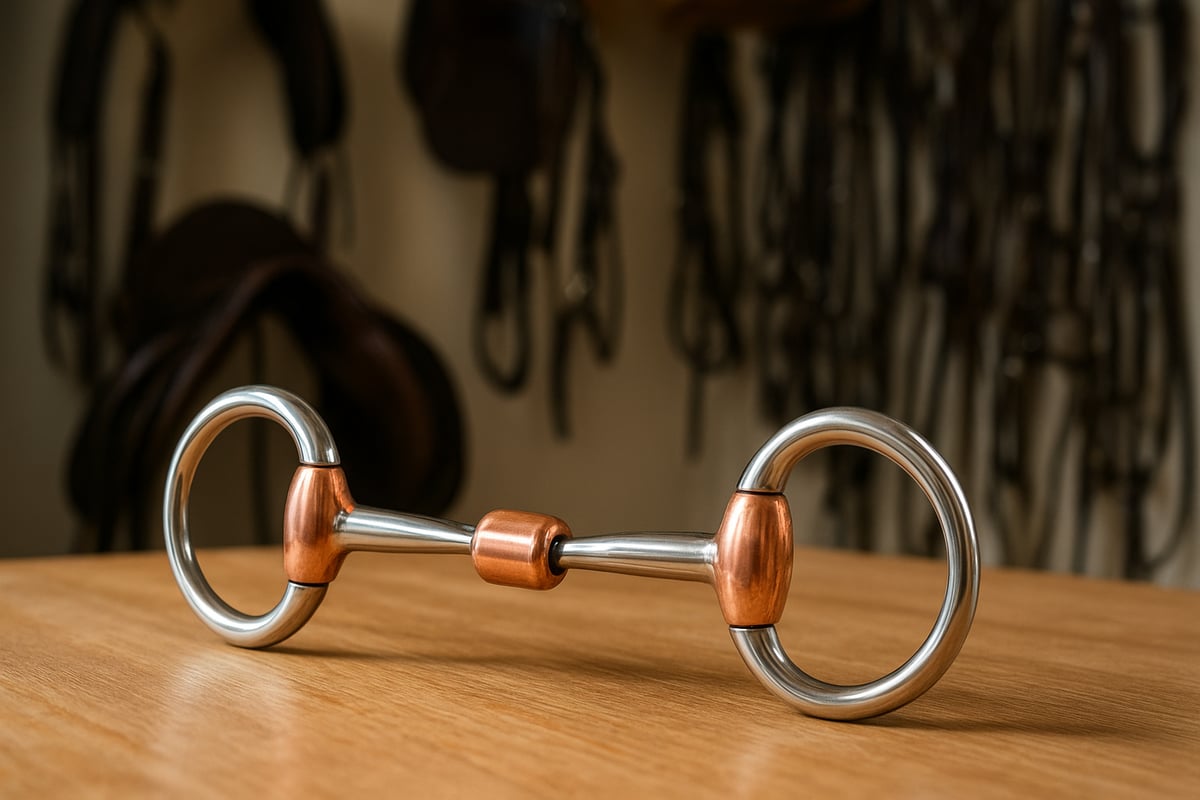
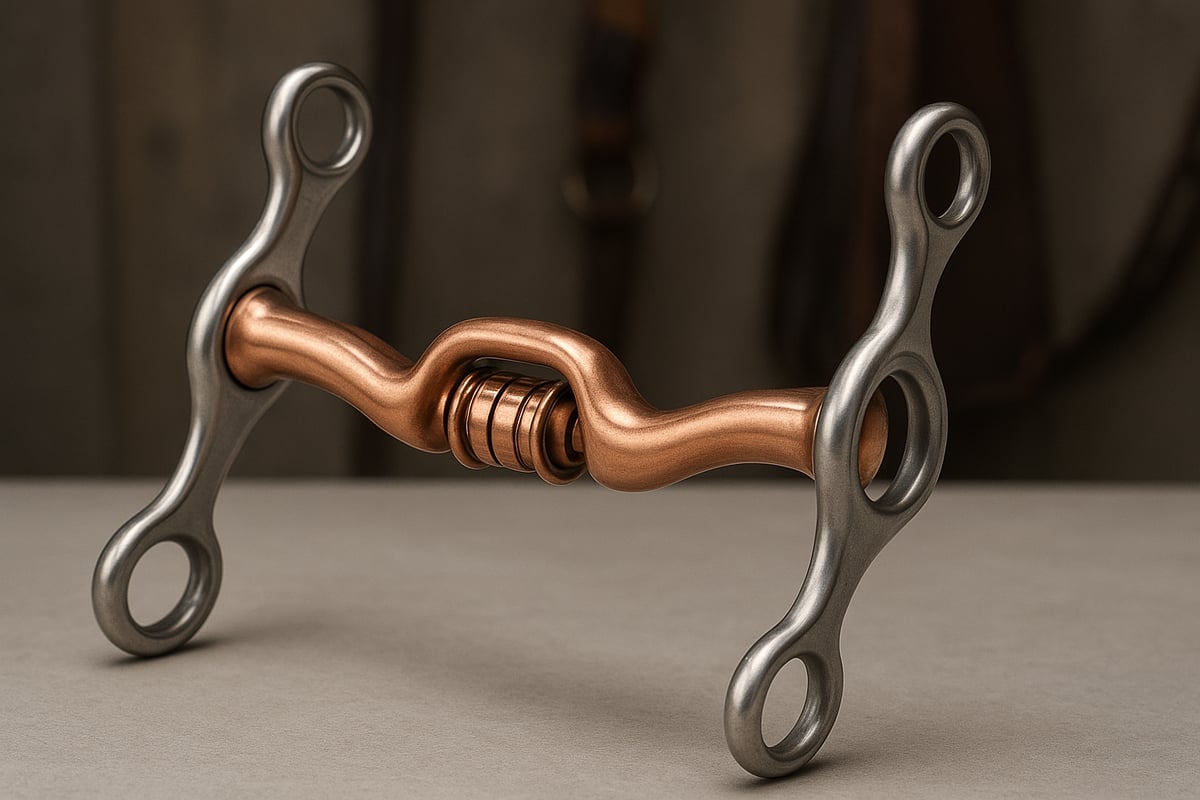
Copper roller bits have become a foundational tool in the equestrian world, recognized for their unique design and horse-friendly properties. These bits are crafted with a mouthpiece featuring copper rollers, which are small, freely rotating cylinders. The structure typically includes stainless steel or sweet iron for strength, combined with copper for the rollers. Shanks or cheeks may be added, varying by discipline and bit style. Copper rollers provide a distinct advantage compared to standard snaffle or curb bits, as they introduce movement and flavor that encourage a horse to interact with the bit. For those seeking an in-depth look at bit materials and designs, the Comprehensive Guide to Horse Bits offers valuable insights into how copper components contribute to bit effectiveness.
So, What Exactly Is a Copper Roller Bit?
Copper roller bits are specialized horse bits designed with one or more copper rollers embedded within the mouthpiece. The main components include the mouthpiece itself, the copper rollers, and the cheeks or shanks that connect to the bridle. Copper is often paired with stainless steel or sweet iron to enhance durability and flavor. The rollers rotate as the horse moves its mouth, which helps to keep the bit active and engaging. Compared to standard snaffle or curb bits, copper roller bits offer increased stimulation and interaction. Riders often choose copper roller bits for horses that need more encouragement to accept the bit, appreciating the combination of structure and movement these bits provide.
The Real Impact of Copper Rollers on Your Horse
Copper roller bits can have a transformative impact on horse behavior during training and riding. The copper material stimulates saliva production, keeping the horse’s mouth soft and moist. This natural lubrication encourages the horse to relax and accept the bit more readily. The rolling action of the copper rollers provides a distraction, reducing boredom and anxiety, especially for horses prone to nervous habits. Horses that tend to develop a dry mouth or show resistance to more static bits often respond positively to copper roller bits. The rollers also promote healthy chewing and mouthing behaviors, which are essential for clear communication between horse and rider.
How Copper Encourages Acceptance
One of the biggest challenges in riding is ensuring your horse is comfortable and responsive. Copper roller bits can have a transformative impact on a horse's behavior, especially when it comes to accepting the bit. The copper material itself stimulates saliva production, which keeps your horse’s mouth soft and moist. Think of it like this: a dry mouth can be distracting and uncomfortable, but this natural lubrication encourages the horse to relax its jaw and accept the bit more readily. This is particularly helpful for horses that get tense or fussy. When a horse is relaxed in the mouth, that relaxation can extend through its entire body, leading to a more willing and communicative partner during your rides.
The Role of the Dee Ring in Steering
Many copper roller bits feature a "dee ring" cheek piece, and this design isn't just for looks. The flat side of the D-shaped ring provides a stable, gentle pressure against the side of the horse's face when you ask for a turn. This direct signal helps with steering and guiding the horse, making your cues clearer and easier for them to understand. Unlike a loose ring snaffle, which has more movement, the dee ring offers stability that can build confidence in both green horses and riders. It’s an excellent choice for training, as it helps reinforce the connection between the rein aid and the desired direction, making it a staple in many horse tack collections.
Understanding "Nutcracker Action" in Single-Jointed Bits
You might hear the term "nutcracker action" when discussing single-jointed bits, including some copper roller models. This simply describes how the bit functions in the horse's mouth. The single joint in the mouthpiece creates a 'nutcracker action' that puts gentle pressure on the horse's lips and the bars of its mouth when the reins are engaged. When you pull on the reins, the bit folds into a V-shape, applying this pressure. While the name sounds intense, the effect is controlled entirely by the rider's hands. With a soft, steady contact, it’s a clear and effective way to communicate. Understanding this action helps you appreciate how the bit works and reminds you of the importance of gentle, precise rein aids.
Top Perks for You and Your Horse
The use of copper roller bits brings a range of benefits to both horses and their handlers. Enhanced communication is one of the most significant advantages, as these bits increase responsiveness without causing discomfort. Sensitive-mouthed horses, in particular, benefit from the gentle stimulation and added comfort provided by copper rollers. These bits are highly versatile, suitable for various riding and training disciplines, from groundwork to advanced performance. Many trainers recommend copper roller bits for young, green, or problem horses to aid in smoother transitions and improved behavior. Rider testimonials consistently report better acceptance of the bit and noticeable behavioral improvements in horses using copper roller bits.
Busting Common Myths About Copper Roller Bits
Several myths and misconceptions surround copper roller bits. Some believe these bits are too harsh; however, the copper actually softens the mouth and encourages positive engagement. Another common misconception is that copper roller bits are only for problem horses, when in reality, they benefit a wide range of equines. There is also confusion about their use in Western versus English disciplines, yet copper roller bits are widely accepted in both. Concerns about copper toxicity are largely unfounded, as the amount of copper exposure is minimal and safe for most horses. Veterinarians and experienced trainers frequently dispel these myths, emphasizing the safety and versatility of copper roller bits.
When to Reach for a Copper Roller Bit (and When Not To)
Copper roller bits are ideal for training, transitioning young horses, or working with those who have sensitive mouths. They are particularly effective when a horse needs encouragement to chew and relax with the bit. However, copper roller bits should be avoided in horses with known metal allergies or certain mouth conformations that do not accommodate rollers comfortably. Professional guidance is essential when selecting and fitting these bits, especially during the transition from training to performance equipment. Riders should also be aware of any legal or discipline-specific restrictions regarding copper roller bits to ensure compliance with competition rules.
Finding Your Perfect Match: Types of Copper Roller Bits
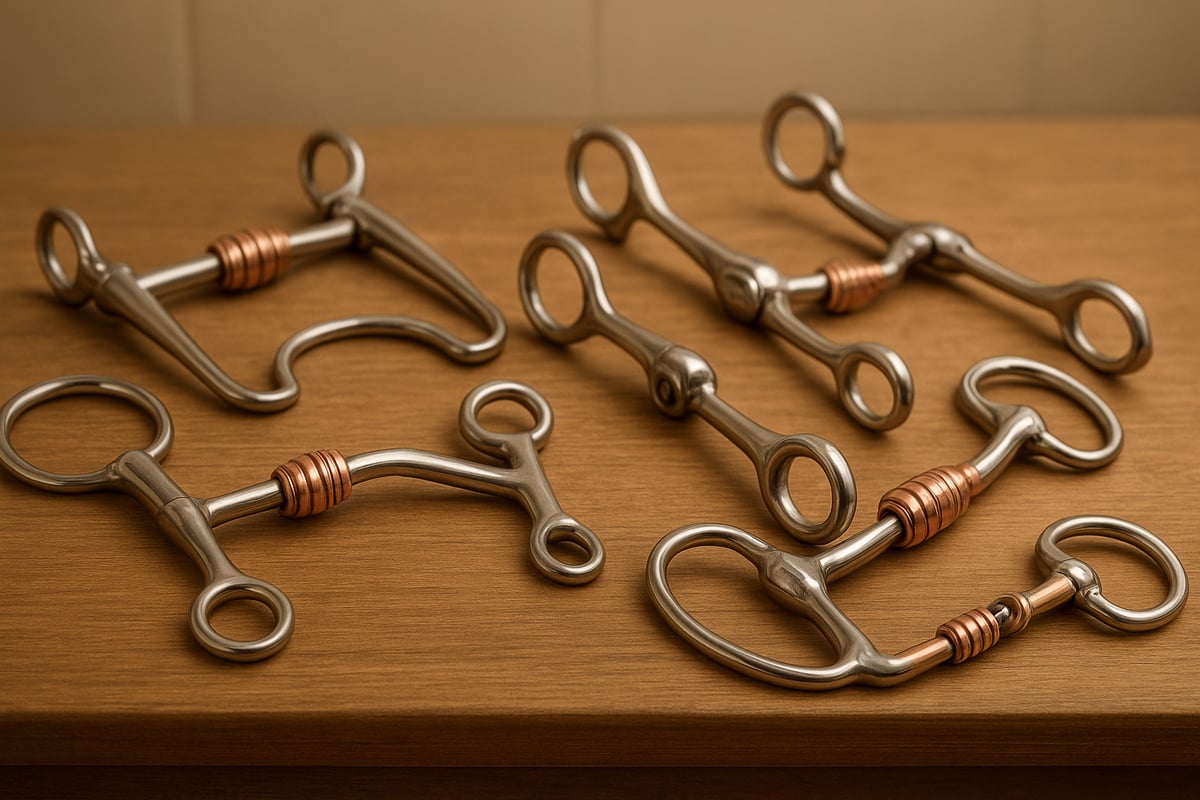
Copper roller bits come in a wide range of styles and configurations, each designed to address specific training needs and riding disciplines. Understanding the different types and their practical applications can help riders and trainers make informed decisions for improved horse comfort and communication.
The Gentle Approach: Snaffles with Copper Rollers
Snaffle copper roller bits are among the most popular choices for both novice and experienced riders. These bits feature a simple jointed or solid mouthpiece with copper rollers, often paired with Dee ring, loose ring, or eggbutt cheek pieces.
The rollers stimulate mouthing and encourage a softer response, making these bits ideal for young or green horses learning basic cues. Riders appreciate the gentle action and increased salivation, which can help minimize resistance. Designs vary from single-jointed to double-jointed snaffles, allowing flexibility for different training stages and horse sensitivities.
For example, a loose ring snaffle with copper rollers is commonly used in early training to promote acceptance and relaxation.
Adding Leverage: Curb Bits with Copper Rollers
Curb and leverage copper roller bits are designed for more advanced training or show applications. These bits use shanks to apply leverage, increasing the rider's ability to communicate subtle cues while maintaining control.
Copper rollers in these bits help reduce tension and keep the horse focused during complex maneuvers. Common styles include shank bits and correction bits, which are regularly seen in Western disciplines. Accessories like curb straps play a key role in the function and safety of these bits. For more on how curb straps work with these bits, see curb strap and bit compatibility.
An example is the Western curb bit with copper roller crickets, often used in reining or cutting to fine-tune advanced horses’ responses.
Beyond the Basics: Combination & Specialty Bits
Combination and specialty copper roller bits are tailored for unique training challenges or transition phases. These may include training bits with sliding copper rollers, correction bits for addressing specific behavioral issues, or hybrids like gag and pelham bits incorporating copper elements.
These bits provide targeted solutions when standard options are not effective. For instance, a pelham bit with copper rollers can offer both snaffle and curb action, making it versatile for horses moving between training stages.
Specialty bits are frequently chosen for horses with unique mouth conformations or persistent resistance, offering a more customized approach.
Does the Cheek Style Really Matter? (Yes!)
The cheek style of copper roller bits significantly affects control and comfort. Popular options include S-cheek, D-ring, full cheek, and loose cheek designs, each suited to different disciplines and rider preferences.
- S-cheek: Popular in Western riding for enhanced leverage and subtle cues.
- D-ring: Common in English disciplines, providing stability and preventing bit rotation.
- Full cheek: Offers increased lateral control, ideal for training.
- Loose cheek: Allows more movement, encouraging relaxation.
Selecting the right cheek style ensures the bit matches both the rider’s discipline and the horse’s needs. For example, a D-ring copper roller bit is often chosen for English riding, while S-cheek suits Western performance horses.
How to Get the Perfect Fit
Proper fit is crucial for copper roller bits to function as intended. Start by measuring the horse’s mouth width and selecting a bit that sits comfortably without pinching or excessive movement. Roller placement should align with the natural position of the horse’s tongue and bars.
Signs of a correct fit include even contact, free roller movement, and no signs of discomfort. Conversely, a bit that is too wide or narrow can cause rubbing, while misplaced rollers may lead to resistance.
During the fitting process, check for smooth adjustment and ensure the bit sits level in the mouth. Regular adjustments may be needed as the horse matures or changes training routines.
From Dressage to Trail Riding: The Right Bit for the Job
Copper roller bits are versatile and can be adapted for a variety of riding disciplines. In Western arenas, they are popular for reining, cutting, trail, and rodeo events, offering both control and comfort. English riders may use them in dressage, eventing, or everyday hacking to support clear communication and relaxation.
Matching the bit to the horse’s training level and the rider’s goals is essential. For instance, a show horse might use a more refined copper roller bit with decorative accents, while a young horse in training benefits from a basic snaffle design.
Everyday training and competition both benefit from the unique properties of copper roller bits, making them a favorite among riders and trainers.
Shop This Post

Featured in this article
AV Bob Avila Double Ring Snaffle Horse Bit - Sweet Iron Mouthpiece, 3" Rings - Multiple Sizes
$165.00
Shop Now →

How Copper Roller Bits Compare to Other Options
Choosing the right bit is one of the most important decisions you'll make for your horse's comfort and your communication as a team. While copper roller bits offer fantastic benefits for many horses, they are just one piece of a much larger puzzle. Understanding how they stack up against other materials and designs helps you make a more informed choice. The goal is always to find a tool that facilitates clear, gentle conversation between you and your horse. Exploring the full spectrum of options, from different metals to synthetic materials, ensures you can find the perfect match for your horse’s unique preferences and needs.
Understanding Bit Severity
The term "bit severity" often comes with a lot of baggage, but it’s a crucial concept for responsible horse owners to understand. A bit isn’t inherently "mean" or "kind"—its severity is determined by its design and how much pressure it can apply to sensitive areas of the horse's mouth. A more severe bit can cause significant discomfort or pain, especially in inexperienced hands. The key is to match the bit to the horse's level of training and sensitivity, as well as the rider's skill. Thinking about severity helps us prioritize the horse's well-being and choose equipment that encourages partnership instead of force.
Identifying Harsh Bits
Certain designs are widely considered to be harsh because of how they function. For example, twisted wire bits are often placed at the severe end of the spectrum. Their sharp, twisted surfaces concentrate pressure on the tongue and bars of the mouth, which can create a lot of pain and potential for injury. A bit is generally considered severe if its design includes thin, sharp, or unforgiving elements that can easily cause discomfort. Understanding the mechanics of these bits is less about judgment and more about making an educated decision to protect your horse’s mouth and maintain their trust in your hands.
Gentler Alternatives to Consider
On the other side of the spectrum are gentler bits designed to communicate with pressure that is distributed more kindly. Copper roller bits fall into this category for many horses, as they encourage softness and acceptance. However, every horse is an individual. The best way to know if a bit works for your horse is simply to try it and pay close attention to their response. Materials like sweet iron are also excellent alternatives that many horses find agreeable. When you explore different tack, look for smooth mouthpieces and designs that match your horse's mouth anatomy and temperament.
Exploring Alternative Materials
Beyond the mechanical design, the material a bit is made from plays a huge role in how a horse accepts it. Copper is prized for its ability to warm up quickly and encourage salivation, but it’s not the only option available. Different metals, alloys, and even plastics offer unique properties that can appeal to different horses. Some horses have strong preferences for certain tastes and temperatures, and finding the right material can make a world of difference in their willingness to relax, chew softly, and respond to your aids. It’s worth taking the time to learn about these alternatives.
Sweet Iron Bits
Sweet iron is a fantastic alternative to copper and a favorite among many equestrians. This material is a blend of black iron and copper that is designed to oxidize, or rust, when it comes into contact with moisture. This light rusting process creates a sweet taste that many horses love, which encourages them to salivate and accept the bit more readily. It’s a great choice for horses that are hesitant with stainless steel or other neutral-tasting metals. Because it promotes a moist and soft mouth, sweet iron helps facilitate better communication and a more relaxed connection with your horse.
Aurigan and Other Alloys
Specialized alloys have also been developed specifically for equestrian bits, with Aurigan being one of the most well-known. This material is a copper alloy that also tastes "sweet" to the horse but is often described as more neutral than pure copper, which some horses can find too strong. It’s designed to encourage chewing and salivation while being highly durable and safe. Many high-quality bits use Aurigan or similar patented alloys to provide a comfortable and effective experience. These advanced materials represent a great fusion of tradition and science, offering another excellent option for sensitive or particular horses.
Plastic and "Happy Mouth" Bits
For horses who are particularly sensitive to metal, plastic or rubber bits can be a game-changer. Brands like Happy Mouth have popularized these apple-scented plastic bits, which are lightweight, neutral in temperature, and won't clang against the horse's teeth. They are a wonderful choice for horses that are fussy, anxious, or have dental sensitivities. The main thing to keep in mind with plastic bits is durability. A horse that chews heavily can create sharp edges on the mouthpiece over time, so it’s essential to inspect them regularly and replace them if they show any signs of wear.
Your Checklist for Picking the Perfect Copper Roller Bit
Choosing the right copper roller bits can transform your horse’s comfort, responsiveness, and overall experience. This section brings together expert advice on evaluating needs, understanding materials, ensuring safety, and navigating current competition rules. Each tip is designed to help you make informed decisions and achieve the best results for both horse and rider.

What Is Your Horse Trying to Tell You?
Start by evaluating your horse’s mouth sensitivity and conformation. Every horse is unique, and copper roller bits are not one-size-fits-all. Pay attention to behavioral cues like head tossing, resistance to contact, or excessive chewing, which may signal discomfort or poor bit fit.
Consult with a trainer or equine veterinarian if you notice persistent issues. For example, a horse with sensitive bars may benefit from a milder copper roller bit design. Document how your horse reacts during rides, and keep a log to track changes after switching bits. This targeted approach ensures that copper roller bits truly address your horse’s needs.
Considering Your Horse's Mouth Conformation
A horse's mouth is as individual as a fingerprint, and its unique shape plays a huge role in finding the right bit. Factors like a low or high palate, a thick tongue, or a narrow jaw can dramatically change how a bit sits and functions. This is why so many riders have a collection of bits they’ve tried once or twice; what works for one horse might be uncomfortable for another. When considering a copper roller bit, think about how the rollers will interact with your horse’s specific anatomy. A horse with a thick tongue and a low palate, for example, might need a thinner mouthpiece to have enough room. Taking the time to understand your horse's mouth conformation is the first step toward choosing tack that ensures clear communication and comfort.
The Importance of the Noseband
The bit is just one piece of the puzzle—the noseband, or cavesson, is equally important for comfort and effectiveness. Its fit directly influences how the bit works in your horse's mouth. If a noseband is too tight, it can prevent your horse from relaxing its jaw and accepting the bit, completely undermining the benefits of a copper roller. A properly adjusted noseband helps stabilize the bit, ensuring it sits correctly and applies pressure only when intended. It works with the bit to create a clear system of communication. Before you decide a bit isn't working, always double-check your noseband. Ensuring your entire set of horse tack is fitted correctly is fundamental to your horse’s comfort and performance.
Spotting a Well-Made, Quality Bit
The quality of copper roller bits significantly affects their durability and your horse’s comfort. Look for bits made from high-grade copper, which resists corrosion and maintains smooth roller movement. Stainless steel and sweet iron are often used in combination for added strength and longevity.
Inspect each bit for craftsmanship details like rounded edges, polished surfaces, and freely moving rollers. Compare premium options to budget choices, noting differences in finish and material quality. Investing in well-crafted copper roller bits helps prevent mouth injuries and ensures long-term reliability.
Choose a Bit That Supports Your Training Goals
Your training objectives should guide your choice of copper roller bits. For young or green horses, start with a gentle snaffle featuring copper rollers. As your horse advances, you may transition to a curb or correction bit with copper elements for greater control and communication.
Develop a step-by-step plan for introducing new bit types. Begin by allowing your horse to explore the bit in a relaxed setting, then gradually incorporate it into training sessions. This transition helps your horse build confidence and responsiveness with copper roller bits, aligning your equipment with your goals.
Putting Your Horse's Comfort and Safety First
Prioritize your horse’s comfort and safety when selecting copper roller bits. Ensure there are no sharp edges, rough spots, or pinching points on the bit. Watch for signs of discomfort, such as excessive salivation, head shaking, or reluctance to accept the bit.
Regularly inspect your bit for wear and tear, especially at the roller joints. If your horse has a history of metal allergies, monitor for swelling or irritation around the mouth. Address issues promptly by trying alternative materials or adjusting the fit. A well-fitted copper roller bit supports both safety and performance.
Checking for Wear and Tear on Metal Bits
Because copper is a softer metal, it’s important to inspect your bit regularly for signs of wear. Over time, a horse's teeth can create sharp spots or grooves on the mouthpiece, which could cause discomfort or injury. Make it a habit to run your finger carefully along the bit before each ride, feeling for any rough patches or sharp edges. Check that the rollers spin freely and haven't become stiff or jagged. While all bits require routine checks, copper bits need a little extra attention due to their composition. Investing in high-quality, well-made horse tack from the start ensures you're beginning with a safe, durable product, but ongoing maintenance is key to your horse's well-being.
Potential Downsides of Plastic Bits
While exploring bit options, you might come across plastic or rubber mouthpieces, often presented as a gentle alternative to metal. These bits are lightweight and won't clang against a horse's teeth, which can be a plus for some sensitive mounts. However, they aren't without their own safety considerations. Just like metal bits, plastic ones can become worn down from chewing. A horse can create sharp, jagged edges on the plastic that could easily cut its mouth. If you opt for a plastic bit, you must inspect it just as diligently as a metal one and be prepared to replace it as soon as it shows signs of damage to prevent any harm.
Does Your Horse Dislike the Taste of Copper?
It's widely said that horses enjoy the sweet taste of copper, which helps encourage salivation and a soft mouth. For many horses, this is true. However, every horse is an individual with unique preferences. Some may not like the taste, which has been described as being similar to a penny or having a slight "electric" feel. Pay close attention to your horse's reaction when you introduce a copper bit. If they seem fussy, pin their ears, or resist taking the bit more than usual, it might just not be the right fit for their palate. Trusting your horse's feedback is part of the process, and with our 365-day satisfaction guarantee, you can feel confident finding the perfect match without the risk.
Are Copper Roller Bits Legal for Your Event? (2026 Update)
Stay up to date with current rules for copper roller bits in your riding discipline. Many associations, including AQHA, USEF, and FEI, have published guidelines specifying acceptable bit types and materials. In 2026, some disciplines have updated their standards to enhance horse welfare and promote fair competition.
Check the latest rulebooks before entering shows. Make sure your chosen copper roller bits comply with all regulations, including restrictions on roller size, mouthpiece shape, and allowed materials. If in doubt, consult with a steward or competition official to avoid disqualification.
Rules for Dressage Competitions
If you plan to compete in dressage, it's essential to know that not just any bit is permitted. Organizations that govern the sport, like the United States Equestrian Federation (USEF) and the Fédération Equestre Internationale (FEI), have specific regulations for the types of bits allowed in the ring. These guidelines exist to ensure fair competition and, more importantly, to protect the welfare of the horse. Before you head to a show, always take a moment to review the current rulebook for the governing body of your event. This simple step helps you stay compliant and avoids the potential for disqualification.
USEF Thickness Requirements
The USEF gets very specific with its rules, particularly concerning the bit's mouthpiece. According to their regulations, mouthpieces must be smooth, without any twists or sharp changes on the bars. They also mandate minimum thickness requirements to support the horse's comfort and safety. For snaffle bits, the mouthpiece must be at least 10 mm thick at its narrowest point. For curb bits, that minimum increases to 12 mm. These standards help ensure the bit provides clear communication without causing undue pressure or discomfort. When shopping for new competition-legal tack, keeping these measurements in mind is key to making the right choice for you and your horse.
The Practical Side: Budget, Brands, and Guarantees
Copper roller bits are available at a range of price points. Compare features, durability, and customer reviews to find the best value for your needs. Reputable brands often provide detailed product information, quality guarantees, and responsive customer service.
Look for warranties or return policies that protect your investment. Popular brands in the equestrian world are known for their consistency and attention to detail. By balancing budget with brand reputation, you can confidently select copper roller bits that deliver lasting performance.
Popular Brands to Look For
When you're shopping for a copper roller bit, the brand can tell you a lot about the quality and craftsmanship you can expect. You can find bits from trusted names like Weaver Leather, Reinsman, and Classic Equine, all known for their durable materials and thoughtful designs. Sticking with reputable brands ensures you’re getting a well-made piece of equipment that is built for safety and performance. We carefully select every item in our horse tack collection to ensure it meets our high standards for quality and reliability, so you can feel good about your choice.
What to Expect for Pricing
Setting a realistic budget makes the shopping process much smoother. Prices for copper roller bits generally range from under $35 to over $70. Simpler designs, like a basic snaffle, will typically be on the lower end of that spectrum. More complex bits, such as those with intricate cheek pieces or specialized mouthpieces from premium brands, will be priced higher. This range reflects the differences in materials, design complexity, and brand reputation, allowing you to find a quality option that fits your budget without compromising on your horse's comfort.
Shopping with Confidence at Hooves and Paws
Our goal is to help you get a better response and feel more connected to your horse. With over 30 years of hands-on experience, we stand behind every product we sell. That’s why we offer a 365-day satisfaction guarantee on all our items. If a bit isn’t the right fit for you or your horse, we’ll make it right. Plus, with free shipping in the continental U.S. and same-day shipping on orders placed before 2 PM PST, you can get the gear you need quickly and without any extra hassle. We want you to shop with complete peace of mind, knowing you’re getting expert-approved products backed by a promise you can trust.
Don't Be Afraid to Ask for a Second Opinion
Work with trainers, veterinarians, or certified bit fitters to ensure your copper roller bits are the right match for your horse. Professional fitting sessions allow for hands-on assessment of mouth conformation, rider goals, and specific behavioral concerns.
According to Equestrian Professionals on Bridle and Bit Fit, expert input leads to optimal bit placement, improved comfort, and better communication. Seek ongoing support as your horse’s needs evolve. A collaborative approach to copper roller bits selection maximizes both safety and success.
Trying Bits Before You Buy
Nothing beats hands-on experience when you're choosing the right copper roller bit. The best way to know if a bit is a good match for your horse is to simply try it out. Many riders suggest borrowing a few different styles from friends at the barn or your trainer to see how your horse responds. This trial period is invaluable, as it lets you observe your horse’s comfort and responsiveness to different designs before you commit to a purchase. It’s a practical approach that takes the guesswork out of finding that perfect piece of tack and focuses on what your horse is actually telling you through their behavior and acceptance.
Finding the right fit can lead to a real breakthrough in your rides. As many equestrians have found, the right copper roller bit can enhance communication by increasing responsiveness without making your horse uncomfortable. While you're testing out different options, make it a habit to inspect each one carefully. As riders often share in online discussions, it's crucial to check for any sharp spots or damage that could injure a horse's sensitive mouth. This simple safety check ensures the bit is not only effective but also safe. And while borrowing is a great start, when you're ready to buy, shopping with a company that offers a strong satisfaction guarantee, like our 365-day promise at Hooves and Paws, gives you ultimate peace of mind.
What's New in Copper Roller Bits for 2026?
The world of copper roller bits is evolving rapidly as equestrians seek to improve comfort, communication, and performance. In 2026, manufacturers are pushing boundaries with cutting-edge materials, smart technology, and sustainable practices. Let’s explore the most significant innovations and trends shaping copper roller bits this year.
Smarter Designs and Better Materials
Recent years have seen remarkable progress in the design and material science behind copper roller bits. Manufacturers are experimenting with new copper alloys that resist corrosion and maintain their luster longer, reducing the need for frequent replacement. Enhanced anti-corrosion treatments now ensure that copper roller bits remain safe and effective even with heavy use.
Ergonomic mouthpieces and shanks are gaining popularity, adapting to the natural shape of the horse’s mouth for improved comfort. New roller mechanisms allow for smoother, quieter movement, helping riders achieve more precise cues. For those interested in the science behind bit materials and their effects on horse comfort, the Bit Material and Mouthpiece Temperature Study offers valuable insights into how copper influences horse welfare. These advances make copper roller bits a top choice for both amateur and professional riders.
Creating a Custom Bit for Your Horse
Personalized copper roller bits are trending in 2026, offering riders the chance to tailor bits to their horse’s unique needs. Custom roller placement, mouthpiece thickness, and cheek style adjustments are now widely available. Riders can select decorative finishes, laser engraving, and color accents to match their show gear or personal style.
High-level competitors often invest in bespoke copper roller bits that combine function with aesthetics. This focus on customization means each horse can benefit from a bit designed specifically for its mouth conformation and training level. As a result, communication between horse and rider is smoother and more refined.
Can a "Smart Bit" Really Improve Your Ride?
Technology is making its way into copper roller bits, providing actionable data for trainers and riders. Smart bits now feature embedded sensors that monitor pressure and movement within the horse’s mouth. This information can be synced with rider apps, offering real-time feedback during training sessions.
Early adopters report that these smart copper roller bits help identify subtle resistance issues and optimize rider technique. By integrating technology, trainers can make evidence-based adjustments, leading to better outcomes for both horse and rider. As these innovations become mainstream, expect smart copper roller bits to become an essential part of modern tack.
Riding Greener: The Push for Sustainable Bits
Sustainability is a growing priority in the equestrian world, and copper roller bits are no exception. Leading brands are investing in recycled metals, reducing waste, and using eco-friendly manufacturing processes. Packaging is also being redesigned to minimize environmental impact, with biodegradable materials and reduced plastic.
Transparency in the supply chain helps riders make informed choices about their equipment. Some manufacturers publish statistics on their environmental savings, encouraging others to follow suit. As more riders seek eco-friendly products, copper roller bits made with sustainable practices are rising in demand.
What Are Other Riders Choosing Right Now?
In 2026, copper roller bits are more popular than ever across diverse riding disciplines. Survey data shows that riders value the responsiveness and comfort these bits provide. The most sought-after styles include ergonomic snaffles with copper rollers and hybrid bits for versatile use.
Regional preferences are shifting as well, with Western and English riders alike embracing copper roller bits for young, green, or sensitive horses. Top-selling models often feature customizable rollers and advanced materials, reflecting the priorities of today’s equestrians. Rider testimonials highlight improved communication and performance, solidifying copper roller bits as a staple in modern horse training.
How to Make Your Copper Roller Bit Last
Proper maintenance of copper roller bits is essential for your horse’s comfort and the bit’s durability. Consistent care helps prevent corrosion, ensures smooth roller action, and maximizes the bit’s lifespan. Let’s explore how to keep your copper roller bits in optimal condition from daily cleaning to knowing when it’s time for a replacement.
Your Quick Daily Cleaning Routine
After every ride, rinse your copper roller bits under warm water to remove saliva and debris. Use a soft brush to gently scrub around the rollers and joints, ensuring no residue is left behind. For best results, apply a specialized equine cleaning product like bit care and maintenance tips to help prevent tarnish and keep the copper bright.
- Always dry thoroughly with a clean towel
- Inspect for sharp edges or roughness
- Rotate the rollers to confirm free movement
By integrating these practices into your daily routine, you ensure copper roller bits remain safe and comfortable for your horse.
Giving Your Bit a Proper Deep Clean
Schedule a more thorough cleaning of copper roller bits at least once a month. Disassemble the bit if possible, soaking all parts in warm, soapy water for 10–15 minutes. Use a soft-bristled brush to clean tight spaces and the rollers. Remove any tarnish with a copper-safe polish, taking care not to scratch the metal.
- Inspect for signs of corrosion or pitting
- Lubricate moving parts lightly if needed
- Double-check roller function and smoothness
This deeper maintenance extends the life of copper roller bits and ensures optimal performance during training or competition.
How to Store Your Bits Correctly
Store copper roller bits in a dry, clean area away from dampness and other metals to avoid oxidation or scratches. Hanging bits individually on a rack or in a padded bag prevents tangling and accidental damage. Keep them separated from leather tack to prevent moisture transfer.
- Avoid stacking bits together
- Use silica gel packs for extra moisture control
- Check storage area regularly for humidity
Proper storage and careful handling protect copper roller bits from unnecessary wear and help maintain their functionality.
How to Know When It's Time for a New Bit
Even with diligent care, copper roller bits will eventually show signs of wear. Replace your bit if you notice deep grooves, sharp edges, or if the rollers become stuck or rough. Any visible cracks or excessive tarnish that cannot be polished away signal that it’s time for a new bit.
- Watch for changes in your horse’s comfort or responsiveness
- Follow manufacturer guidelines for replacement intervals
- Consult a professional if unsure about bit condition
Timely replacement of copper roller bits prevents discomfort and maintains effective communication between horse and rider.
Running Into Trouble? A Troubleshooting Guide
When using copper roller bits, riders occasionally encounter challenges that can affect both horse comfort and performance. Troubleshooting these issues promptly is essential for maintaining trust and effective communication with your horse. The following guide addresses the most frequent concerns and offers practical solutions.
What If Your Horse Hates the New Bit?
Some horses show resistance or discomfort when introduced to copper roller bits. Typical signs include head tossing, gaping the mouth, or refusing to accept contact. First, inspect the bit for rough edges or improper fit. Even minor imperfections can irritate sensitive mouths.
If discomfort persists, evaluate your horse's dental health and mouth conformation. Consulting with a veterinarian or equine dentist can reveal underlying issues. For more context on bit-related pain, review Horse Pain Caused by the Bit, which highlights the importance of proper bit selection and fit.
Common steps to resolve discomfort:
- Adjust the bit height for correct placement
- Switch to a different mouthpiece shape
- Allow the horse time to acclimate
Regularly reassessing your copper roller bits ensures the best possible experience for your horse.
What to Do If the Rollers Get Stuck
Rollers that stick or fail to rotate freely reduce the intended benefits of copper roller bits. Causes often include debris, corrosion, or manufacturing flaws. Begin troubleshooting by removing the bit and gently rotating each roller. If you feel resistance, clean the rollers thoroughly with a soft brush and warm water.
For persistent sticking:
- Soak the bit to loosen stubborn debris
- Inspect for visible damage or rough spots
- Lubricate rollers with a food-safe oil if recommended by the manufacturer
If rollers remain immobile after cleaning, replacement may be necessary. Damaged or non-functioning rollers hinder your horse's ability to relax and may compromise communication. Staying proactive with routine maintenance extends the life and effectiveness of copper roller bits.
How to Spot and Prevent Metal Allergies
While copper roller bits are generally well-tolerated, some horses develop allergic reactions to metals. Symptoms include swelling, redness, excessive drooling, or mouth sores. If you notice these signs, immediately remove the bit and consult your veterinarian for advice.
To prevent reactions:
- Choose bits made with high-quality, hypoallergenic copper alloys
- Inspect your horse's mouth after each ride
- Rotate in alternative materials if allergies are confirmed
If a horse is sensitive to copper, consider switching to a stainless steel or synthetic bit. Always monitor for early symptoms and prioritize your horse's comfort with copper roller bits.
Are You Sure Your Bit is Show-Legal?
Competition rules for copper roller bits can change, especially as new designs emerge. Before entering any show, confirm that your chosen bit complies with the latest guidelines for your discipline. Review association rulebooks and seek clarification if needed.
A simple compliance checklist:
- Verify bit type and roller design are permitted
- Document bit specifications for steward review
- Stay updated on 2026 rule changes
Non-compliance can result in disqualification or penalties. Regularly reviewing and updating your copper roller bits ensures you meet all competition requirements and maintain a professional standard.
Now that you understand the benefits and expert recommendations for copper roller bits, you’re equipped to make the best choice for both your horse’s comfort and your training goals. At Hooves and Paws, you’ll find a carefully curated selection of high quality copper roller bits, along with knowledgeable support and free US shipping. Whether you’re upgrading for performance, addressing specific behavioral needs, or simply looking for reliable equipment, you can trust their experience serving equestrians since 1994. Take the next step toward better communication and a happier horse—explore the latest copper roller bits and Buy Now.
Frequently Asked Questions
My horse seems fussy with his current bit. Could a copper roller bit help? It's definitely worth considering. The copper material naturally encourages salivation, which helps keep a horse's mouth soft and more accepting of contact. For a horse that gets a little anxious or busy-minded, the rollers can provide a gentle distraction, helping them relax their jaw and focus on your cues instead of getting tense.
Are copper roller bits considered harsh or severe? This is a common misconception. In reality, these bits are designed to encourage softness and relaxation. The rollers and the taste of copper help a horse relax, not brace against the bit. Like any piece of equipment, its effect is determined by the rider's hands. With a steady and gentle contact, a copper roller bit is a clear and kind communication tool.
How do I know if I've fitted the bit correctly? A well-fitted bit should rest comfortably in the corners of your horse's mouth, creating one or two soft wrinkles. It shouldn't be so tight that it pulls the lips into a forced smile, nor so loose that it bangs against the teeth. The rollers should lie flat against the tongue, and the bit should be wide enough that it doesn't pinch the sides of your horse's mouth.
How often do I really need to clean my copper bit? A quick rinse with warm water after every ride is a great habit to get into. This simple step removes saliva and prevents grime from building up, which ensures the rollers keep moving freely. Plan on giving it a more thorough cleaning with a soft brush and bit-safe soap about once a month to keep it in top condition.
What if I buy a copper roller bit and my horse still doesn't like it? Finding the perfect bit can sometimes take a little trial and error, as every horse has unique preferences. We completely understand that, which is why we offer a 365-day satisfaction guarantee. If you try a bit and it isn't the right match for your horse, we'll make it right. We want you to feel confident in finding the tack that helps you and your horse work best together.
Key Takeaways
- Address a Busy or Dry Mouth: Copper roller bits are an excellent tool for horses that are fussy, tense in the jaw, or tend to have a dry mouth. The copper encourages salivation while the rollers provide a gentle distraction, helping your horse relax and accept contact.
- Understand That Design Details Matter: The effectiveness of a bit goes beyond the mouthpiece; cheek styles like Dee-rings or full cheeks offer different levels of stability and steering aid. Matching the entire bit design to your horse's needs and your riding style is crucial for success.
- Make Safety a Non-Negotiable: Your horse's comfort is paramount, which means ensuring a proper fit to avoid pinching and committing to regular inspections. Since copper is a soft metal, you must check for sharp edges or worn-down rollers before every ride to prevent injury.


