


Let's clear the air on an old idea: the notion that a helmet isn't "cowboy enough." For years, riders have felt torn between the iconic look of a felt hat and the critical need for safety, often feeling that helmets were bulky, hot, or just out of place. Thankfully, manufacturers have heard this concern loud and clear. The modern cowboy helmet is a direct response, blending classic western aesthetics with certified, life-saving protection. This guide is here to walk you through that evolution. We’ll break down the common myths, explore top brands that get the balance right, and show you how to choose the right cowboy helmet that feels as natural as your favorite pair of boots.
Key Takeaways
- Certification is Non-Negotiable: Always look for the ASTM/SEI certification inside a helmet. This is your guarantee that it’s been tested to meet the specific safety standards for equestrian sports.
- Style and Safety Can Coexist: You no longer have to choose between a classic western look and your safety. Brands now design helmets that mimic the style of a traditional cowboy hat while providing certified protection.
- Fit and Lifespan Dictate Effectiveness: A helmet's safety features are useless without a proper fit. Ensure your helmet is snug and level, and commit to replacing it after any fall or every five years, as its protective materials degrade over time.
Cowboy Helmet vs. Cowboy Hat: Which Should You Wear?
Choosing what to wear on your head when you ride is a big decision. The classic cowboy hat is an icon of Western culture, but when you’re in the saddle, safety has to be the priority. This is where the cowboy helmet comes in. It’s designed to give you the best of both worlds: the look you love with the protection you need. Understanding the key differences between a traditional hat and a modern riding helmet will help you make the right choice for your rides.
Can a Helmet Really Look Like a Cowboy Hat?
One of the biggest hesitations riders have about helmets is the look. There's a common feeling that a helmet just isn't "cowboy enough" and can ruin a classic Western look. Thankfully, manufacturers have heard this concern loud and clear. Today’s cowboy helmets are specifically designed to blend traditional style with essential safety features. They mimic the shape, brim, and even the texture of a felt hat, but with a protective core. This means you no longer have to choose between looking the part and keeping yourself safe. You can find a western riding helmet that complements your gear while giving you peace of mind.
What Are Cowboy Helmets Made Of?
At first glance, a cowboy helmet might look like a sturdy hat, but its construction is far more complex. A traditional cowboy hat is typically made of felt or straw, offering protection from the sun and rain but very little from impact. In contrast, equestrian helmets are built with multiple layers designed to absorb and distribute the force of a fall. Research on equestrian head safety shows these helmets are engineered differently from even a bicycle helmet, as they’re made to protect more of your head from the specific types of falls common to horseback riding. The hard outer shell, shock-absorbing liner, and retention system all work together to protect your head.
Multi-Layer Protection Systems
Let's look closer at what makes these helmets work. The real protection comes from their multi-layer construction, where each part has a specific job. On the outside, you have a hard shell designed to spread out the force of a hit and protect against punctures. Beneath that is the most important layer: a special foam designed to crush on impact. This foam absorbs the dangerous energy from a fall, which is why you must replace your helmet after any impact, even if it looks fine. Finally, the inner padding and retention system ensure a snug, secure fit. This combination of safety features gives you confidence, knowing you have advanced protection wrapped in a classic style.
Why ASTM-Certified Function Beats Fashion
While a cowboy hat is a timeless piece of fashion, a cowboy helmet is a functional piece of safety equipment. The most important difference is the safety certification. Reputable cowboy helmets are ASTM/SEI certified. This means they have passed rigorous, standardized tests for protective headgear used in horse sports. The American Society for Testing and Materials (ASTM) sets the performance standards, and the Safety Equipment Institute (SEI) certifies that the helmets meet them. A standard cowboy hat will never have this certification. When you choose an ASTM/SEI certified helmet, you’re not just buying a hat—you’re investing in tested, proven protection.
Which Cowboy Helmet Brands Can You Trust?
When it comes to safety gear, brand reputation matters. You want a helmet from a company that invests in research, uses high-quality materials, and understands the specific needs of western riders. The good news is that you don’t have to choose between looking the part and protecting your head. The best brands in the industry have perfected the art of blending classic cowboy style with certified safety technology.
It can feel like a lot to sort through the options, but it really comes down to a few trusted names that consistently deliver on safety, comfort, and aesthetics. Brands like Resistol and Troxel have become leaders by listening to riders and designing products that meet the demands of long hours in the saddle, whether you’re on the trail or in the ring. At Hooves and Paws, we’ve done the research for you, curating a selection of helmets from brands we trust to keep you safe without compromising your western identity.
Our Favorite Picks at Hooves and Paws
Let's clear the air on an old idea: the notion that a helmet isn't "cowboy enough." That couldn't be further from the truth today. Modern cowboy helmets are designed to honor the western aesthetic while providing critical protection. The brands we carry are handpicked because they get this balance right. We believe your safety gear should be as reliable as the rest of your horse tack, which is why we only stock helmets that meet rigorous safety standards and are built for durability and comfort. When you shop with us, you can be confident you’re getting a helmet that works as hard as you do.
A Closer Look at the Resistol RideSafe
If you’re looking for a helmet that looks exactly like a classic cowboy hat, Resistol is the brand for you. As a legendary hat maker, Resistol knows western style better than anyone. Their RideSafe helmet is ingeniously designed with a genuine cowboy hat body built over a certified helmet. It’s the only cowboy hat helmet that is ASTM/SEI certified to the ASTM F1163 safety standard, making it a top choice for riders who need to maintain a traditional look for shows or competitions without sacrificing protection. It’s the ultimate combination of authentic style and modern safety engineering.
Key Features and Construction
The real genius of the Resistol RideSafe is how it hides its protective technology in plain sight. These helmets look just like real cowboy hats, available in both straw and felt styles to suit any season. But underneath that classic exterior is a multi-layered safety system. It starts with a hard outer shell that spreads out the force of an impact. Beneath that, a special foam layer is designed to crush and absorb the energy from a fall, while an additional foam crown and lower guard provide extra protection for the back of your head. It’s this thoughtful protective construction that allows you to ride with confidence, knowing your helmet is engineered for safety from the ground up.
Made in the USA
For many riders, where their gear comes from is just as important as how it performs. If you value American craftsmanship, you’ll be happy to know that Resistol RideSafe helmets are proudly made in Garland, Texas. This commitment to domestic manufacturing reflects the brand's long-standing heritage of quality and attention to detail. Choosing a helmet made in the USA means you're not only getting a product built to high standards but also supporting the skilled workers behind it. At Hooves and Paws, we believe in offering products with integrity, and Resistol's dedication to American-made quality is a perfect example of that commitment.
What to Know About Troxel Cowboy Helmets
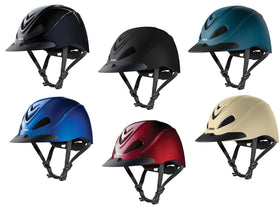
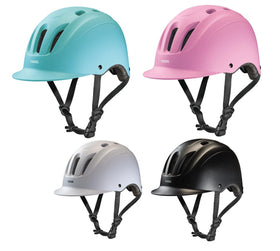
Troxel has long been a trusted name in equestrian helmets, and they’ve worked closely with western riders to develop models that fit their specific needs. Instead of hiding the helmet, Troxel embraces a hybrid design, creating a western riding helmet with a rugged, cowboy-inspired look. Their helmets are known for being lightweight, comfortable, and well-ventilated, which makes them ideal for long trail rides or hot show days. With features like the DialFit system for a custom fit and stylish finishes like leather and earth tones, Troxel offers a practical and attractive option for everyday riding.
More Top Brands to Consider
While Resistol and Troxel are specialists in the cowboy helmet space, brand loyalty plays a huge role in how riders choose their gear. Many equestrians find a brand they trust and stick with it for years. Other reputable helmet manufacturers like Tipperary, Ovation, and IRH have built strong followings by consistently producing safe, comfortable, and innovative helmets for all disciplines. While their designs may not be explicitly "cowboy," their commitment to safety is universal. Exploring these brands can sometimes lead you to a helmet with the perfect fit and features for your unique needs.
Shop This Post

Featured in this article
Troxel Dakota Western Riding Helmet - Matte Duratec, ASTM/SEI Certified, SureFit Pro - Multiple Sizes
$104.99
Shop Now →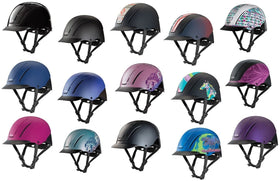
What Do Helmet Safety Certifications Actually Mean?
When you’re shopping for a cowboy helmet, it’s easy to get lost in the alphabet soup of safety certifications. But these letters and numbers aren’t just for show—they represent a helmet’s ability to protect you during a fall. Think of a certification as a promise that the helmet has passed a series of tough, standardized tests designed to simulate real-world riding accidents. Without it, you’re essentially wearing a regular hat with a bit more padding.
Understanding these ratings helps you make an informed choice and ensures you’re getting headgear that’s truly built for the demands of equestrian life. The most important thing to remember is that not all certifications are created equal. A helmet designed for a construction site protects against different types of impacts than one made for falling off a horse. That’s why it’s crucial to look for certifications specific to equestrian activities. We’ll break down the most common ones you’ll see so you can shop with confidence, knowing you’re prioritizing your safety in the saddle.
The Gold Standard: ASTM F1163 and SEI
If you only remember one certification, make it this one. The ASTM F1163 is the standard specification in the United States for protective headgear used in horse sports. It’s specifically designed to address the impact forces and hazards associated with falling from a horse. When a helmet meets this standard, it means it has been rigorously tested for its ability to absorb shock and protect your head from sharp objects.
Alongside ASTM, you’ll see the letters SEI, which stand for the Safety Equipment Institute. SEI is an independent, third-party organization that certifies that the helmet not only meets but continues to meet the ASTM F1163 standard. Together, the ASTM/SEI certification is your guarantee of quality and protection. When you’re riding, this is the label you should always look for inside your helmet. It’s the gold standard for riding helmet safety and a non-negotiable for any rider.
Is an ANSI/ISEA Z89.1 Rating Enough for Riding?
Occasionally, you might come across a helmet with an ANSI/ISEA Z89.1 certification. It’s important to know that this is not an equestrian-specific standard. This certification is for industrial head protection, meaning it’s designed for environments like construction sites where the primary risk is falling objects from above. While it signifies a certain level of durability, it isn’t tested for the unique dynamics of a fall from a horse, which can involve impacts from various angles and at different speeds.
If you’re looking for a helmet strictly for riding, do not rely on an ANSI/ISEA Z89.1 certification alone. It simply doesn’t offer the right kind of protection for equestrian activities. Stick with ASTM/SEI certified helmets to ensure your headgear is built for the challenges you’ll face in and out of the arena.
Understanding Industrial "Cowboy Style" Hard Hats
You may have seen "cowboy style" hard hats on job sites or for sale at industrial supply stores, and it’s easy to see the appeal. It's important to know these are not the same as equestrian cowboy helmets. These hats are designed for workers in fields like construction or oil and gas, offering a western look while meeting industrial safety standards. They often feature a 4 or 6-point suspension system for comfort during long workdays and are built to protect the wearer from falling objects. However, they are certified to the ANSI/ISEA Z89.1 standard, which is not designed to handle the specific impact of a fall from a horse. While they serve a critical purpose in their own environment, they lack the shock absorption and coverage needed for riding, making the ASTM/SEI certification the only safe choice for equestrians.
A Quick Guide to International Standards: VG1 and PAS 015
As you explore different helmet brands, you might also encounter international certifications like VG1 or PAS 015. The VG1 01.040 is a European standard, while the PAS 015 is a British standard. Both are highly respected and involve rigorous testing, sometimes covering different impact scenarios or requiring slightly different performance levels than the ASTM standard.
Finding a helmet that carries multiple certifications, such as both ASTM/SEI and VG1, can offer an added layer of confidence. It shows the helmet has been tested against multiple sets of high standards. While ASTM/SEI is the primary certification to look for in the U.S., being familiar with these other equestrian riding helmet safety standards is helpful, especially if you compete or purchase gear from international brands.
How to Choose the Right Cowboy Helmet
Picking out a new cowboy helmet is about more than just finding one that looks good. It’s a key piece of safety gear that needs to fit you, your riding style, and your environment perfectly. When you get right down to it, the biggest difference between a helmet and a cowboy hat is protection. A well-chosen helmet gives you peace of mind, so you can focus on the ride ahead.
Making the right choice means looking at a few important factors. You’ll want to think about the kind of riding you do, what makes a helmet comfortable for long hours in the saddle, and how to make sure it fits securely. Let’s walk through the essentials so you can feel confident in your decision.
Match Your Helmet to Your Riding Style
First things first, you need a helmet designed specifically for riding horses. Equestrian helmets are constructed differently from those made for biking or other sports because they’re engineered to protect more of your head from the unique types of falls that can happen with horses. Think about your primary activities. Are you spending most of your time on long, leisurely trail rides, or are you training for barrel racing or other rodeo events? Your discipline can influence the best choice. For example, a trail rider might prioritize a wider brim for sun protection, while a performance rider may want the most lightweight, streamlined option available. Considering your specific needs will help you narrow down the perfect horse tack for your adventures.
How to Prioritize Comfort and Ventilation
If a helmet isn’t comfortable, you’ll be less likely to wear it, which defeats the whole purpose. Comfort and fit are two of the biggest factors that influence a rider's satisfaction with their helmet. Look for models with ample ventilation to keep you cool during warm-weather rides. A good helmet should have strategically placed vents that allow air to flow through without compromising its structural integrity. Different brands also tend to fit different head shapes—some are better for rounder heads, while others suit more oval shapes. It’s worth trying on a few if you can, or at least reading reviews to see how a particular model fits.
Does Your Helmet Offer Sun Protection?
As a rider, you spend a lot of time exposed to the elements. A helmet that offers protection from more than just impact is a huge plus. Many cowboy-style helmets are designed with a wide, rigid brim that provides excellent shade for your face and neck, offering valuable UV protection on sunny days. You should also consider the helmet’s outer material. A durable, easy-to-clean shell will stand up better to rain, dust, and daily wear and tear. Choosing a helmet built for the outdoors ensures you stay comfortable and protected, no matter what the weather has in store.
How to Get a Secure Fit Every Time
A proper fit is non-negotiable for safety. Your helmet should sit level on your head, about an inch above your eyebrows, and feel snug all the way around without any pressure points. It shouldn’t rock forward, backward, or side-to-side. Most modern helmets feature a dial-fit system or interchangeable pads to help you customize the fit. Pay close attention to the harness and chin strap, too. The straps should form a "V" shape around your ears, and you should only be able to fit one or two fingers between the strap and your chin. For a deeper look at getting it just right, our western riding helmet guide has more great tips.
Getting Kids On Board with Safety
Getting a child to wear a helmet can sometimes feel like a battle of wills. But what if their safety gear looked just like their hero's hat? That’s where cowboy-style helmets make all the difference. Many parents find their children are far more willing to wear these helmets because they think they "look cool' like a cowboy hat," instead of resisting a traditional helmet. It transforms a safety rule into a fun part of their riding outfit. When kids feel confident and stylish, they're more likely to embrace protective gear without a fuss. This approach helps them build a positive relationship with safety from a young age, making a helmet a natural part of their horse tack instead of a chore.
How Much Does a Good Cowboy Helmet Cost?
Let’s talk about the price tag. When you start shopping for a cowboy helmet, you’ll notice a wide range in cost, from under a hundred dollars to several hundred more. It’s easy to wonder if a more expensive helmet is really worth it. The short answer is that price often reflects a combination of safety technology, material quality, and brand reputation. A higher price doesn't always mean it's the right helmet for you, but it usually points to significant investments in research, development, and testing.
Understanding what drives the cost helps you see the true value in your purchase. You’re not just buying a hat; you’re investing in a piece of safety equipment designed to protect you during a fall. The key is to find the sweet spot where safety, comfort, and your budget align. We’ll break down the main factors that influence price so you can make an informed decision and find a quality helmet that gives you peace of mind without breaking the bank.
Typical Price Range for Equestrian Cowboy Helmets
When you start shopping for a cowboy helmet, you’ll find that the price can vary significantly. Generally, you can expect to find quality, certified equestrian helmets ranging from around $60 to over $200. This price difference often comes down to the brand, materials, and specific design features. For instance, a helmet from a specialized brand like Resistol may be at the higher end of that range because they build a genuine cowboy hat over an ASTM/SEI certified helmet core, giving you that truly authentic look. While budget is always a consideration, it’s crucial to view your helmet as an investment in your safety. The cost reflects the research, testing, and quality materials required to create headgear that provides proven protection when you need it most.
Why Some Brands and Materials Cost More
When you choose a helmet from a well-known brand, you're paying for more than just the name. Established brands invest heavily in research, design, and high-quality materials to create helmets that are not only safe but also comfortable and durable. The outer shell might be made from advanced composites like fiberglass or carbon fiber, which offer superior impact resistance compared to standard plastics. Inside, you’ll find multi-density foam liners designed to absorb shock more effectively. These differences in material quality are a primary driver of cost. Brand loyalty also plays a role, as riders often stick with a company they trust to deliver consistent performance and fit.
How Safety Certifications Affect the Price Tag
A huge part of a helmet's cost comes from the rigorous testing required to earn safety certifications. When you see an ASTM/SEI sticker inside a helmet, it means that model has passed a series of demanding tests for impact resistance, strap strength, and stability. This process is expensive for manufacturers, and that cost is reflected in the final price. Think of it as paying for proven protection. A non-certified helmet offers no guarantee of how it will perform in an accident. That certification is your assurance that the helmet meets specific, high-level equestrian safety standards designed for riders.
Finding a Quality Helmet That Fits Your Budget
You don’t have to spend a fortune to get a safe, reliable helmet. The most important thing is to prioritize a certified fit. Start by setting a realistic budget and focus only on helmets that carry the ASTM/SEI certification. From there, concentrate on finding the one that fits your head shape best—a perfect fit is non-negotiable for safety. You can often find great value in previous seasons' models or from trusted brands that offer excellent protection without all the premium cosmetic features. Check out our collection of best-selling products to see what other riders trust for a blend of performance and value.
Are You Believing These Cowboy Helmet Myths?
Making the switch from a traditional cowboy hat to a helmet can feel like a big change, especially when there are so many opinions and myths floating around the barn. It’s easy to get caught up in conversations about tradition, comfort, and style. Let's clear the air and tackle some of the most common misconceptions about cowboy helmets so you can make your decision with confidence. Understanding the facts will help you prioritize what truly matters: staying safe while you ride.
We’ll look at the myths surrounding safety standards and the classic cowboy image, address assumptions about comfort and what the pros are wearing, and break down the "fashion over function" fallacy.
The Truth About Helmet Safety Ratings
One of the biggest hurdles for riders is the idea that a helmet just isn't "cowboy enough." The classic felt or straw hat is an iconic part of Western culture, but your safety should always come first. The great news is that you no longer have to choose between style and protection. Modern cowboy helmets are specifically designed to offer the rugged look you love with the certified safety you need. Another common concern is that a helmet won't provide the same sun protection as a wide-brimmed hat. While a traditional hat offers great shade, many helmets now feature wide, sun-shielding brims and visors to keep your face and eyes protected.
Are Cowboy Helmets Actually Comfortable to Wear?
Many riders assume helmets are hot, heavy, and uncomfortable. While that might have been true for older models, today’s helmets are a world away from that. Manufacturers use lightweight materials and design helmets with advanced ventilation systems to keep you cool on long rides. A proper fit is everything, and with adjustable dials and various sizes, you can find a helmet that feels like it was made for you. There's also a lingering myth that professional riders stick to hats. While tradition is strong in many disciplines, the conversation around safety is changing. More and more professional organizations and top riders are advocating for helmet use, proving that safety and tradition can go hand-in-hand.
The Danger of Choosing Style Over Safety
It’s completely normal to want your gear to look good, and brand loyalty often plays a role in what we buy. However, it's a mistake to prioritize fashion over function when it comes to safety equipment. A great-looking helmet is only worth it if it has the safety certifications to back it up. Sometimes a higher price tag isn't just about the brand name; it reflects the quality of the materials, the investment in research and development, and the rigorous testing required to meet safety standards. When you shop for a helmet, always check for the ASTM/SEI certification first. Once you’ve found a few safe options, you can choose the style that best fits you and your other horse tack.
A Nod to Tradition: Cowboy Hat Etiquette
Even if you choose the certified protection of a helmet for riding, the cowboy hat remains a powerful symbol of western culture. Understanding the etiquette that surrounds it is a sign of respect for the tradition and the community. These aren't just arbitrary rules; they’re a nod to a history of courtesy and practicality that has been passed down through generations. Knowing the basics shows you appreciate the heritage, whether you’re wearing a classic felt hat to a formal event or a helmet in the arena.
Wearing It the Right Way
The first and most fundamental rule of cowboy hat etiquette is simple: "Make sure your hat is not on backwards." It might sound obvious, but it’s the quickest way to spot someone who is new to the western world. The front of a cowboy hat is typically narrower and dips down lower than the back. If you’re ever in doubt, check the inside—most hats have a small bow on the sweatband that marks the back. Wearing your hat correctly is the first step to wearing it with confidence.
Seasonal Hat Rules
Just like you wouldn't wear a wool coat in July, there are seasonal guidelines for cowboy hats. The general rule is to "wear the right type of hat for the weather." Felt hats are made for cooler weather, providing warmth and protection from the elements, while straw hats are for warmer months because they’re lightweight and breathable. Many traditionalists follow a schedule, switching from felt to straw after Easter and back to felt after Labor Day. Following these seasonal hat rules is both a practical way to stay comfortable and a nod to a time-honored tradition.
General Courtesy and Care
A cowboy hat is more than an accessory; it’s a part of a code of conduct. One of the most important gestures is to "take your hat off when you meet a woman." This sign of respect extends to other situations as well. It’s proper to remove your hat when you go indoors (especially someone’s home), during the national anthem, at a funeral, or in a church. When you do take it off, never set it down on its brim, as this can flatten the shape. Instead, place it crown-down on a clean surface. These small acts of courtesy and care are what keep the spirit of the West alive.
How to Keep Your Cowboy Helmet in Top Shape
Once you’ve found the right cowboy helmet, the next step is making sure it fits perfectly and stays in top condition. Proper sizing and care aren’t just about comfort—they’re essential for your safety. A well-fitting, properly maintained helmet can perform as designed when you need it most. Think of it as an investment in your well-being every time you ride. Taking a few extra minutes to check the fit and clean your helmet after a ride will ensure it’s ready for the next one. Let’s walk through the simple steps to size, maintain, and know when to replace your helmet.
How to Measure Your Head for the Perfect Fit
A helmet can only protect you if it fits correctly and stays put. To find your size, wrap a soft measuring tape around the widest part of your head, about an inch above your eyebrows. Compare that measurement to the manufacturer’s sizing chart. When you try the helmet on, it should feel snug all around without any pressure points. Give your head a gentle shake—the helmet shouldn’t shift or rock. For the best protection, the helmet must fit correctly and the chin strap must be buckled tightly. You should only be able to fit one or two fingers between the strap and your chin. A secure fit ensures your helmet is always in the right position to keep you safe.
The Correct Measuring Technique
Getting the right fit starts with a simple, accurate measurement. Grab a soft, flexible measuring tape—the kind used for sewing works perfectly. Wrap the tape around the widest part of your head, making sure it sits about one inch above your eyebrows and ears. Keep the tape level and snug, but not tight. Note the measurement in both inches and centimeters, as different brands use different charts. This number is your starting point for finding the right size. It’s the most reliable way to begin your search and ensures you’re looking at helmets that are actually built for your head shape, taking the guesswork out of the process.
Understanding Helmet Sizing (XS-L)
Once you have your measurement, you can match it to a manufacturer's sizing chart to find your corresponding size, typically ranging from XS to XL. But the number is only half the story; the feel is what confirms the fit. A properly sized helmet should sit level on your head and feel comfortably snug all around, with no gaps or painful pressure points. When you shake your head gently from side to side, the helmet should stay put without shifting. Finally, adjust the chin strap so it’s secure, forming a "V" shape around your ears. You should only be able to slip one or two fingers between the strap and your chin. This secure fit is what makes your helmet a truly effective piece of horse tack.
Easy Tips for Cleaning and Storing Your Helmet
Keeping your helmet clean is straightforward and helps extend its life. Harsh chemicals can weaken the protective materials, so it’s best to stick to the basics. Only use mild soap and water to clean the helmet. Use a soft cloth to wipe down the outer shell and the interior lining, then let it air dry completely away from direct heat. When you’re not wearing it, store your helmet in a cool, dry place out of the sun, as extreme temperatures and UV rays can degrade the materials over time. A helmet bag or its original box is perfect for protecting it from accidental bumps and scratches. Proper care is a simple habit that keeps your gear in great shape.
Important Safety Note on Customization
It’s tempting to want to personalize your gear, but when it comes to your helmet, safety must always come first. Adding stickers, paint, or other embellishments can seem harmless, but these modifications can actually compromise the helmet's structural integrity by weakening the outer shell. As our western riding helmet guide explains, equestrian helmets are specifically engineered for the types of falls common to riding. The same rule applies after a fall—even if you don't see any visible damage, you should always replace your helmet. The inner protective materials can be crushed or cracked, making the helmet unsafe for future use. The bottom line is to leave your helmet as the manufacturer intended and always prioritize one with an ASTM/SEI certification to ensure it meets the highest safety standards.
When to Inspect and Replace Your Helmet
Your helmet is your most important piece of safety equipment, and it’s crucial to know when it’s time for a new one. If the helmet takes a hard hit, even if you can't see damage, you should get rid of it. The inside foam is designed to break to absorb the impact, and it only works once. Even dropping it on a hard surface can compromise its integrity. Beyond any impacts, it’s a good practice to replace your helmet every five years, as materials naturally break down over time. Regularly check it for any visible cracks, dents, or fraying straps. When it's time for an upgrade, you can find a reliable replacement in our collection of horse tack.
Related Articles
- Helmet Safety Style: Why You Don't Have to Choose
- Troxel Intrepid Western Riding Helmet
- Troxel Dakota Western Riding Helmet
Frequently Asked Questions
Why do I have to replace my helmet after a fall, even if it looks fine? Think of the protective foam inside your helmet as a one-time-use safety feature. During a fall, that foam is designed to crush and crack to absorb the force of the impact, protecting your head. This damage is often invisible from the outside, but it means the helmet has done its job and can no longer offer the same level of protection. Even a simple drop onto a hard surface can compromise its integrity, so it's essential to replace it after any significant impact.
Is a more expensive helmet actually safer? While a higher price often points to premium materials, advanced ventilation, or a more refined fit, it doesn't automatically mean it's safer. The most important feature to look for at any price point is the ASTM/SEI certification sticker inside the helmet. This is your guarantee that it has passed rigorous safety tests. A certified helmet that fits you perfectly is always the right choice, regardless of whether it's the most expensive one on the shelf.
Can I wear a cowboy helmet in shows or competitions? Rules can vary quite a bit between different rodeo, reining, or show associations, so you should always check the official rulebook for your specific event. However, the trend is moving toward prioritizing safety, and many organizations now permit or even require certified helmets. Brands like Resistol design their helmets to look exactly like a traditional cowboy hat, making them an excellent choice for competitors who need to maintain a classic look while staying protected.
How can I be sure my helmet fits correctly? A proper fit is crucial for safety. Your helmet should feel snug all the way around your head, with no gaps or uncomfortable pressure points. It should sit level, about one inch above your eyebrows, and it shouldn't rock forward, backward, or side-to-side when you shake your head. Once you fasten the chin strap, you should only be able to fit one or two fingers between the strap and your chin.
What's the main difference between a Resistol and a Troxel helmet? The biggest difference comes down to their design philosophy. Resistol's RideSafe helmet is essentially a certified safety helmet built inside a genuine felt or straw cowboy hat, offering the most authentic, traditional look possible. Troxel takes more of a hybrid approach, creating helmets with a rugged, western-inspired style that are known for being lightweight, well-ventilated, and great for everyday trail riding or training.


