


The connection you share with your horse is built on trust and clear communication. The bit you choose is a central part of that partnership, and its selection should always prioritize your horse's comfort. With the 2026 rule changes approaching, finding a bit that satisfies both competition rules and your horse's welfare can feel tricky. This guide is here to help. We'll explore the variety of dressage legal bits available, focusing on designs that encourage relaxation and help you and your partner perform in true harmony.
Ready to shop? shop dressage-legal bits.
This comprehensive guide unpacks the complexities of dressage legal bits, offering expert insights and practical tips. Whether you are a seasoned competitor, a dedicated trainer, or a horse owner aiming for compliance, you will find clear answers here.
Inside, you will discover the latest 2026 bit regulations, a breakdown of legal bit types, selection strategies, and advice from industry professionals. Ready to boost your confidence and results? Let’s ensure you choose the perfect bit for your horse in 2026.
What's Changing with Dressage Bit Rules in 2026?
Navigating the world of dressage legal bits can feel overwhelming, especially with new rules taking effect in 2026. Riders, trainers, and horse owners must stay vigilant, as bit legality directly impacts not only competitive eligibility but also horse welfare and performance. Understanding the latest regulations is essential for making informed choices that keep you and your horse both compliant and comfortable.

Who Makes the Dressage Bit Rules?
Several leading organizations set the standards for dressage legal bits, including the FEI, USEF, USEA, and Equestrian Canada (EC). Each federation maintains its own rulebook, yet they share many similarities in permitted bits, such as mouthpiece requirements and approved cheekpieces. However, subtle differences—like mouthpiece thickness or acceptable materials—can affect your bit choices.
For 2026, updates and clarifications have been published to ensure clarity for competitors. For example, the FEI and USEF have both released detailed tables listing over 67 bits as legal, with new notes on synthetic and colored mouthpieces. Always consult the latest rulebooks before each event. To verify a bit's legal status, use official product tables, manufacturer certifications, and guidance from resources like USEF Dressage Rules & Equipment. Staying proactive helps prevent last-minute surprises regarding dressage legal bits.
| Federation | Mouthpiece Thickness | Materials Allowed | Notable Differences |
|---|---|---|---|
| FEI | 10-16mm | Metal, approved synthetics | Strict on shank length |
| USEF/USEA | 10-16mm | Metal, synthetics | Some cheekpiece variations |
| EC | 10-16mm | Metal, synthetics | Unique Waterford rules |
Breaking Down the 2026 Rule Changes
The 2026 rule updates introduce several significant adjustments for dressage legal bits. Most notably, mouthpiece thickness requirements have been standardized to 10-16mm across major organizations. This change aims to protect equine oral health while maintaining consistent communication.
Synthetic and colored mouthpieces—such as blue or black—are now explicitly permitted, provided they meet all size and safety requirements. Double-jointed and single-jointed snaffles are clarified in the new rules, with clear definitions regarding joint placement and movement. Restrictions on leverage and shank length remain in force, impacting certain Weymouths and excluding some Waterford and Mullen designs.
Popular bit models may be affected by these changes, so check whether your current setup still qualifies. The inclusion of new materials demonstrates a shift toward comfort and innovation, but each bit must still pass federation scrutiny to be considered among dressage legal bits.
Common Mistakes and Rule Myths to Avoid
One common misconception is that any bit labeled "legal" is automatically recommended. In reality, not all dressage legal bits are ideal for every horse or rider. Overlooking cheekpiece and ring design restrictions can result in accidental non-compliance. For example, a snaffle may be legal for eventing but not for pure dressage, as each discipline enforces its own standards.
Another widespread myth is that all snaffles are always approved, which is not the case. Using a bit with an unapproved cheekpiece or incorrect thickness can lead to disqualification. There have been cases where riders, unaware of subtle rulebook changes, were eliminated after a tack check revealed a non-compliant bit. Careful attention to the details ensures you avoid these costly pitfalls with dressage legal bits.
How to Keep Your Tack Competition-Legal
Staying compliant with dressage legal bits in 2026 requires a systematic approach:
- Check your bit against the current federation tables before each show.
- Reference official resources and product guides for up-to-date information.
- Consult with trainers or bit specialists for professional input.
- Keep documentation or proof of legality, especially for new or custom bits.
- Schedule tack checks regularly, and consider using online bit quizzes or fitting services.
By following these steps, you can confidently select and maintain bits that meet both the letter and spirit of the rules. Regular review and proactive communication with officials will help you adapt to evolving requirements and keep your horse comfortable and legal throughout the competition season.
Consulting Official Rule Documents
When it comes to confirming your bit is compliant, the best approach is to go straight to the source: the official rule documents. The organizations that govern competitions, like the FEI, USEF, USEA, and Equestrian Canada (EC), each publish their own rulebooks that serve as the final word on legal equipment. These guides are updated regularly with new standards and clarifications, so it’s a smart habit to check for the latest version before each show season. You can typically find them on their websites, including the very helpful USEF Dressage Rules & Equipment page. This simple step can save you a lot of stress during your tack check.
These rulebooks offer more than just a simple list of approved bits. You’ll find detailed tables, helpful diagrams, and specific notes on everything from mouthpiece thickness to the use of synthetic or colored materials. Paying attention to these details is crucial, as a bit might be legal for one discipline but not another, or a recent rule clarification could change the status of a familiar design. While we are passionate about providing a wide selection of high-quality horse tack from brands you can trust, the final responsibility for confirming compliance always rests with the competitor. Taking the time to understand these official documents helps you enter the ring with complete confidence.
A Rider's Guide to Dressage Legal Bits
Selecting the right dressage legal bits is foundational for both compliance and optimal horse performance. With evolving regulations in 2026, understanding the main types, their features, and how they interact with your horse's needs is essential. Let's break down the core categories, innovations, and selection factors for dressage legal bits.
Getting Started with Snaffle Bits
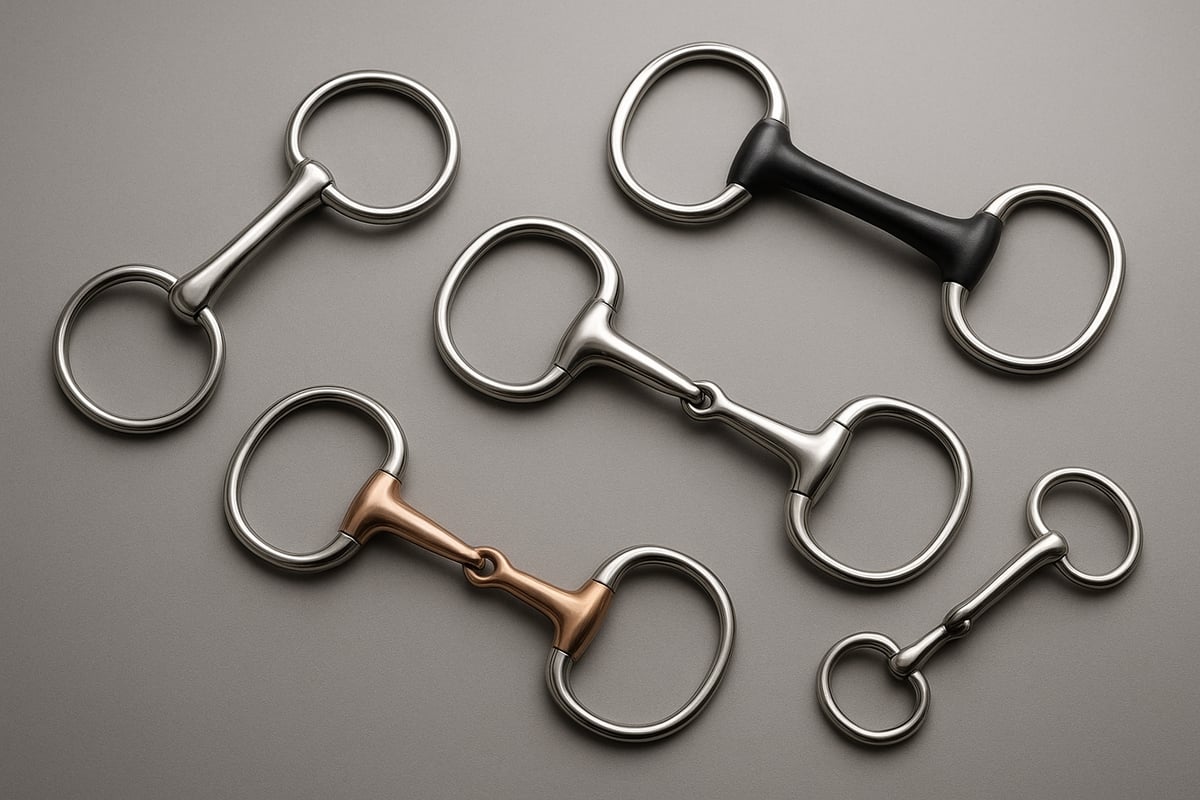
Snaffle bits are the cornerstone of dressage legal bits, offering direct, precise communication between horse and rider. Legal variations include loose ring, eggbutt, D-ring, full cheek, and Baucher styles. Each design affects the bit's stability and the clarity of rein aids.
Pros:
- Direct contact for clear signals
- Widely accepted in all dressage levels
- Versatile for many horses and mouth conformations
Cons:
- Not ideal for horses with unique oral anatomies
- Can cause pinching if poorly fitted
- Some horses may need more tongue relief
An example is the 16mm Calmblue Eggbutt Snaffle, popular for its anatomical fit and gentle action. Most dressage legal bits catalogued for 2026 are snaffles, providing a broad selection for every training stage.
When shopping, consider exploring curated Dressage equipment collections to compare legal options and find the best fit for your needs.
Understanding the Weymouth and Bradoon
At advanced dressage levels, double bridles—comprising a Weymouth and a bradoon—become essential. These dressage legal bits allow for nuanced rein communication, enabling refined cues and advanced collection.
Legal mouthpieces:
- Weymouths: straight, ported, or low port, typically 12–16mm thick
- Bradoons: single or double-jointed, 10–14mm thick
Pros:
- Enables sophisticated aids for upper-level movements
- Supports precise frame and balance adjustments
Cons:
- Increased complexity in handling
- Potential for harshness if misused
- Not suitable for inexperienced riders or sensitive horses
The Baby Blue Weymouth is a leading example among dressage legal bits, combining comfort and control. Over 20 Weymouth designs are now approved for use in 2026, giving riders ample choice for compliant performance.
Are Myler Bits Dressage Legal?
Myler bits often come up in conversations about dressage legal bits, and for good reason. Known for their unique, ergonomic designs that prioritize horse comfort, many riders wonder if these innovative options are permitted in the show ring. The good news is that several Myler models are indeed approved for dressage competition. As you prepare for the 2026 season, understanding which Myler mouthpieces and cheekpieces meet federation standards is key to leveraging their benefits while staying compliant. These bits are designed to improve communication by reducing pressure points and allowing for more tongue room, making them a popular choice for sensitive horses.
Approved Myler Mouthpieces
When it comes to dressage-legal Myler mouthpieces, clarity is everything. According to current guidelines from major federations, several specific designs are approved for competition. The Myler mouthpieces 02 (Comfort Snaffle with Wide Barrel) and 32 (Mullen Barrel) have been legal for years, and the MB10 French Link Snaffle is also a compliant choice. These designs are favored because they are engineered to prevent the "nutcracker" action of traditional single-jointed snaffles and minimize pinching. By providing more space and stability for the horse's tongue, these mouthpieces encourage relaxation and better focus, which is exactly what you need when searching for the perfect piece of horse tack for performance.
Legal Myler Cheekpieces and Accessories
It’s not just the mouthpiece that matters; the cheekpieces must also adhere to dressage regulations. Myler offers several compliant styles, including the Loose Ring, Eggbutt (without hooks), Full Cheek (without hooks), Hanging Cheek, and the Pony 'D' Ring (without hooks). Each of these options offers a different level of stability and action, allowing you to tailor your choice to your horse's specific needs. For riders using a Full Cheek, it's a good practice to use bit keepers to hold the bit steady in the horse's mouth and refine rein aids. Always double-check the latest version of the USEF Dressage Rulebook to confirm your entire bit setup is legal before heading down the centerline.
Does Bit Material Really Matter?
Modern dressage legal bits embrace innovative materials and ergonomic designs. Approved metals include stainless steel and titanium, while synthetics—such as blue or black-colored mouthpieces—are now legal in 2026.
Innovations:
- Comfort-focused shapes like BarRelief, ComfortArch, and SmoothRide
- Hypoallergenic options for sensitive mouths
Pros:
- Enhanced horse acceptance
- Reduced pinching and pressure points
Cons:
- Higher cost for advanced designs
- Limited availability for some specialty models
CalmBlue and ComfortArch lines are notable for their popularity among riders seeking both compliance and comfort with dressage legal bits.
A Guide to Legal Cheekpiece Designs
Cheekpiece design is a critical aspect of dressage legal bits compliance. Legal designs include loose ring, eggbutt, D-ring, Baucher, and full cheek. Each influences rein action and bit stability.
Prohibited:
- Gag bits
- Elevator bits
- Shanks longer than specific federation limits
The choice of cheekpiece affects the clarity of your aids and your horse's comfort. As of 2026, 67 dressage legal bits with varied cheekpieces are confirmed, helping riders find the right match for their horse and discipline.
Getting the Right Fit for Your Horse
Proper sizing and fit are non-negotiable for dressage legal bits legality and horse welfare. Approved sizes generally range from 4 to 6.5 inches, with mouthpiece thickness most often between 10 and 16mm.
Key tips:
- Measure your horse's mouth for width and check the bit sits correctly (one wrinkle at the corner)
- Use bit fitting services for expert advice
- Most adult horses are fitted with 5 to 5.5-inch bits
A correctly sized dressage legal bit supports both compliance and optimal performance, reducing the risk of discomfort or penalty in competition.
Understanding Mouthpiece Thickness Categories
With the 2026 rule changes, mouthpiece thickness has become a critical detail for every dressage rider. The new guidelines establish a minimum thickness of 10 mm for snaffle bits and 12 mm for curb bits used in a double bridle. This update is about more than just compliance—it’s centered on your horse's comfort. A bit that is too thin can create sharp, concentrated pressure on the tongue and bars of the mouth, leading to discomfort or even injury. Organizations like the USEF have standardized these measurements to create a consistent standard that prioritizes equine welfare. Before your next show, take a moment to measure your current bits. Making sure your tack is compliant is a simple step that protects your horse and keeps you confident in the arena.
Shop This Post

Featured in this article
AV Bob Avila Double Ring Snaffle Horse Bit - Sweet Iron Mouthpiece, 3" Rings - Multiple Sizes
$165.00
Shop Now →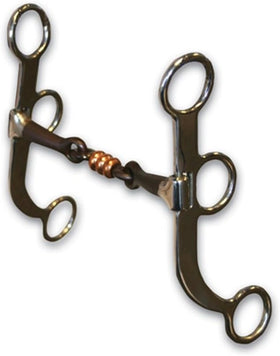

Finding the Perfect Dressage Bit for Your Horse
Selecting the ideal dressage legal bits for your horse is a nuanced process that balances compliance, comfort, and performance. The right choice can elevate your partnership in the arena, while a poor fit may hinder progress or result in a rule violation. By following a systematic approach, you can confidently navigate the 2026 rule landscape and ensure your horse’s welfare.
What Is Your Horse Trying to Tell You?
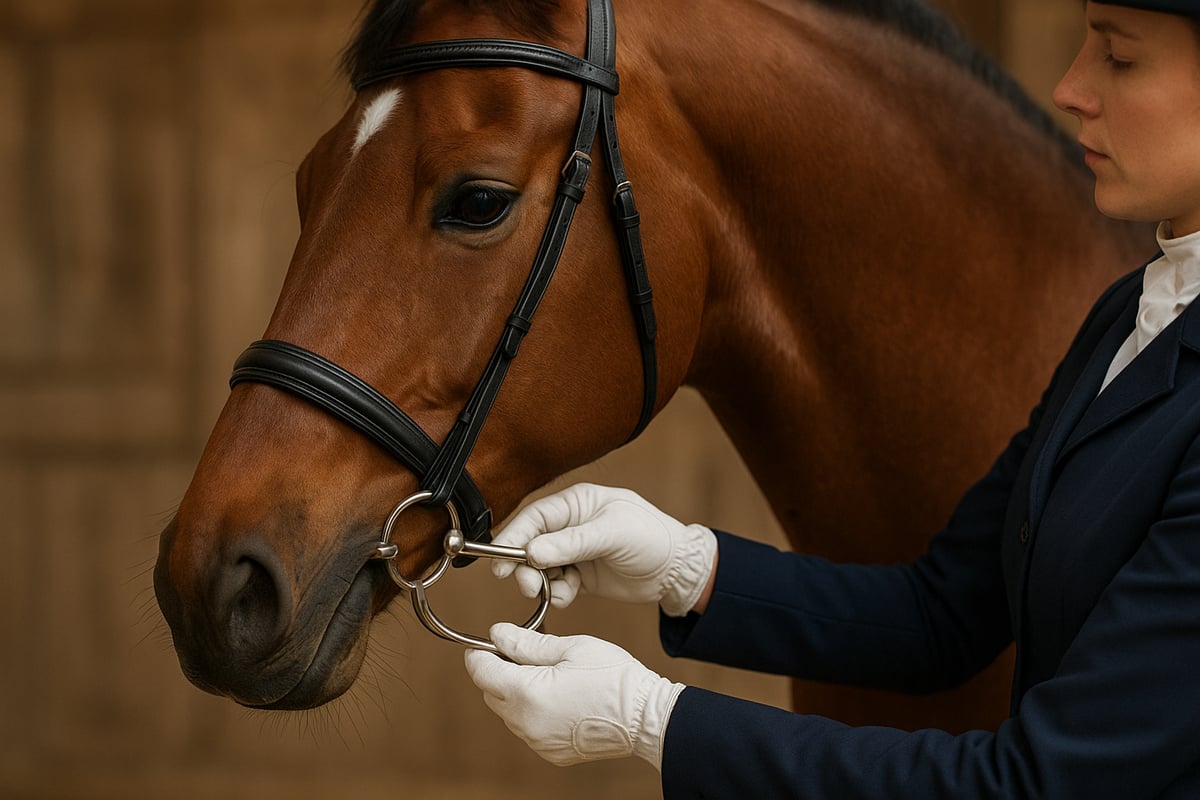
Begin with a thorough evaluation of your horse’s oral anatomy and temperament. Not all dressage legal bits suit every horse, so understanding your horse’s unique features is crucial.
- Examine your horse’s tongue size, palate shape, and bar sensitivity.
- Observe for signs of bit aversion, like head tossing or excessive mouth movement.
- Review your horse’s training history and any previous bit issues.
For example, horses with fleshy tongues often prefer single-jointed snaffles, while those with low palates may benefit from a thinner double-jointed option. Sensitive horses frequently show better acceptance with tongue relief mouthpieces. This individualized assessment ensures that dressage legal bits are selected based on both anatomy and behavior, improving communication and comfort.
Does Your Bit Match Your Training Goals?
Your training objectives and your horse’s stage of education influence bit choice. At lower levels, snaffle bits are standard, providing direct contact and clear cues. As you progress, double bridles (Weymouth with bradoon) become necessary for advanced movements and collection.
Aligning your choice of dressage legal bits with current and future demands enables smooth transitions as your horse advances. For instance, moving from an eggbutt snaffle to a Weymouth should coincide with your horse’s readiness for FEI-level work and increased collection requirements. Always introduce new bits gradually to maintain trust and responsiveness.
Your Pre-Purchase Legality Checklist
Verifying that your chosen bit meets all current rules is essential. Use this checklist to ensure your dressage legal bits are competition-ready:
- Confirm mouthpiece type (single, double jointed, Mullen, etc.) and thickness (typically 10–16mm).
- Check cheekpiece design—loose ring, eggbutt, D-ring, Baucher, or full cheek.
- Ensure material is approved (stainless steel, titanium, or permitted synthetics).
- Measure bit length to fit legal size ranges (usually 4” to 6.5”).
- Cross-reference your bit with current federation tables and annual updates.
For more detailed answers on bit legality, fitting, and compliance, consult the Frequently asked questions about bits resource. Keeping documentation or proof of legality on hand can also help during tack checks at competitions.
Putting Your Horse's Comfort First
Prioritizing your horse’s comfort when selecting dressage legal bits is non-negotiable. Watch for signs of discomfort, such as resistance, mouth opening, or reluctance to accept the contact.
Choose bits with anatomical or ergonomic mouthpieces to minimize pressure points. Designs like ComfortGlide or SmoothRide distribute pressure evenly, supporting relaxed movement and improved focus. A comfortable horse is more likely to perform at its best, making welfare-focused bit selection a cornerstone of your training and competition strategy.
Training vs. Competition Bits: An Expert's Take
While many riders use the same bit for both schooling and showing, your focus might shift between the two scenarios. During training, your primary goal is to build clear communication and your horse's confidence. This is the perfect time to ensure the bit you're using is comfortable, encourages acceptance of the contact, and helps you achieve your training goals. A simple, well-fitted snaffle is often the best tool for establishing a solid foundation, as it provides direct and easy-to-understand cues. Prioritizing your horse’s comfort during these sessions is non-negotiable, as it directly influences their willingness to work and trust in your aids.
For competition, your first priority is ensuring your bit is legal for your specific level and federation. While comfort remains essential, your choice might be dictated by the requirements of the test, such as using a double bridle for upper-level movements. The key is to make sure your horse is completely comfortable and confident in their competition horse tack long before you head down the centerline. Never introduce a new bit right before a show; a seamless transition from your training bit to your competition bit—or using the same one for both—ensures your partner is relaxed and ready to perform.
A Step-by-Step Guide to Bit Fitting
Proper fit is as important as legality. Start by measuring your horse’s mouth width accurately. The bit should extend slightly beyond the lips on both sides without pinching.
- Adjust the bit so it creates a gentle wrinkle at each corner of the mouth.
- Check for any gaps or pinching, especially at the cheeks.
- If unsure, schedule a professional fitting or use an online bit fitting assessment.
A well-fitted dressage legal bit ensures clear communication and reduces the risk of discomfort or injury.
How to Effectively Trial a New Bit
Testing new dressage legal bits before competition is vital. Allow several rides for your horse to adjust, monitoring for positive changes in acceptance and responsiveness.
If issues arise, tweak your choice or consult a bit specialist. This trial and feedback loop helps you refine your selection, guaranteeing compliance and optimal performance.
A Breakdown of Bit Rules by Federation
Choosing dressage legal bits that align with each federation's requirements is critical for competition success in 2026. Every governing body sets its own standards, and rule updates can affect even the most trusted tack. Understanding these distinctions ensures both compliance and horse welfare. Below, we break down the current and upcoming rules for FEI, USEF, EC, and USEA competitions, empowering you to make informed choices for your horse.
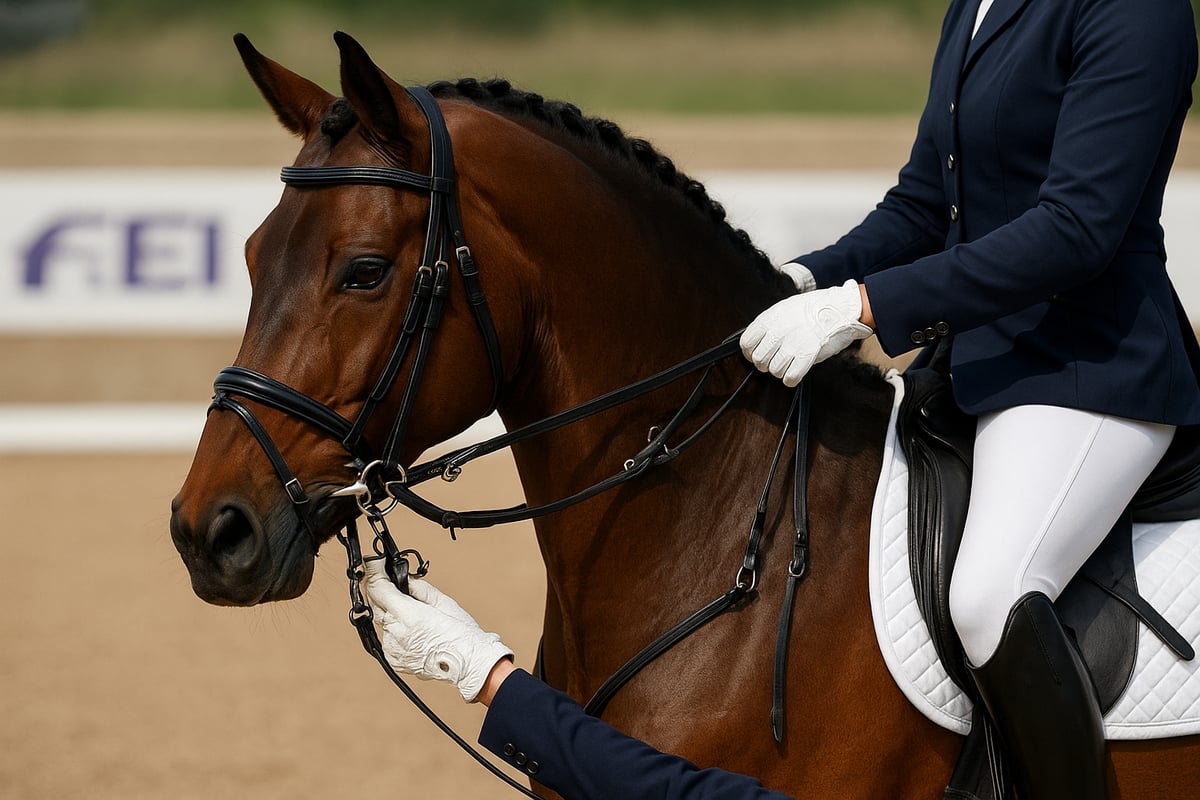
What Bits Are Legal for FEI Competition?
The FEI governs international dressage and maintains strict regulations for dressage legal bits. For 2026, the FEI requires bits to have a mouthpiece thickness between 10 and 16mm, with approved materials such as stainless steel, titanium, and select synthetics. Colored mouthpieces, like blue or black, are now permitted if made from legal materials.
Permissible designs include loose ring, eggbutt, D-ring, full cheek, and Baucher snaffles. For double bridles, only certain Weymouths and bradoons are allowed, with shank length restrictions in place. Single-jointed, double-jointed, and anatomical mouthpieces are accepted if they avoid excessive leverage or sharp edges.
Notably, the FEI's 2026 rules clarify exclusions, such as certain Waterford and Mullen bits. Riders should reference the official FEI rulebook and published bit lists, as all 67 Agadors bits are confirmed FEI-approved for the coming season. Always verify bit legality prior to major events to avoid disqualification.
Key Mouthpiece Restrictions
The FEI has set clear guidelines for mouthpieces to ensure fairness and protect your horse's well-being. A major update for 2026 is the standardized thickness, which must be between 10mm and 16mm. This rule helps prevent discomfort from bits that are too thin or bulky. Legal mouthpieces include Weymouths (12–16mm thick) and bradoons (10–14mm thick), with options for straight, ported, and jointed designs. The rules also now officially permit synthetic and colored mouthpieces, like those in blue or black, as long as they meet all safety and size requirements. However, some designs remain off-limits. Restrictions on leverage and shank length are still in place, and certain Waterford and Mullen mouthpieces are explicitly excluded. When selecting new horse tack, always double-check that the specific model is on the approved list to avoid any issues on show day.
Staying Compliant with USEF and USEA Rules
USEF and USEA set dressage legal bits standards for U.S. national and eventing competitions. While broadly similar to FEI rules, there are nuanced differences, including slight variations in allowed cheekpiece styles and mouthpiece thickness. For 2026, the minimum thickness remains at 10mm, with permitted materials mirroring FEI updates, such as new synthetic and colored mouthpieces.
Legal snaffle types include eggbutt, D-ring, loose ring, and Baucher. Double bridles must pair an approved Weymouth with a legal bradoon, respecting shank and ring length limits. Not all bits legal in eventing dressage are allowed in pure dressage, so check the respective rulebooks carefully.
To stay current on permissible bits and rule updates, consult resources like the USEA Rule Refresher on Dressage Bits. This ensures your dressage legal bits meet both national and eventing requirements, minimizing the risk of last-minute tack changes.
Specific Mouthpiece Requirements
As the 2026 dressage rule changes approach, getting familiar with the specific mouthpiece requirements is key. The new regulations standardize mouthpiece thickness to fall between 10-16mm across the major federations. This change is designed to protect your horse’s oral health while promoting consistent communication between you and your partner. For Weymouth bits, legal mouthpieces include straight, ported, or low port designs, typically ranging from 12-16mm thick. In contrast, bradoons can be single or double-jointed, with a required thickness of 10-14mm. These specifications are designed to enhance comfort and effectiveness, ensuring your bit choices support your performance goals.
The 2026 updates also officially permit synthetic and colored mouthpieces, such as blue or black, provided they meet all size and safety requirements. This reflects a positive shift toward innovation in bit design, giving you more options to find the perfect fit. However, it's crucial to remember that not all legal bits are suitable for every horse. Always consider the specific mouthpiece type, thickness, and overall comfort for your horse. Regularly checking the latest rulebooks will help ensure your horse tack remains compliant and effective, keeping you confident and ready for the show ring.
Equestrian Canada's Bit Requirements
Canadian riders must follow Equestrian Canada regulations for dressage legal bits. EC aligns with FEI and USEF on most points, but some unique requirements exist. Legal bit sizes range from 4 to 6.5 inches, and mouthpiece thickness must generally be within the 10 to 16mm window.
EC permits a variety of snaffle designs, including loose ring, eggbutt, D-ring, full cheek, and Baucher. Double bridles require a legal Weymouth and bradoon pairing, with specific attention to shank length and mouthpiece shape. Notably, certain Waterford and Mullen mouthpieces are EC-legal, provided they have smooth surfaces and comply with thickness rules.
All 67 Agadors bits are EC-approved, offering riders a wide selection for Canadian dressage competitions. Always review the current EC rulebook, as annual updates may affect which dressage legal bits are permitted, especially regarding material innovations and cheekpiece styles.
Key Differences in Federation Rules
When competing abroad or across multiple federations, staying compliant with dressage legal bits can be challenging. Each organization updates its rules periodically, and a bit legal in one country may be restricted elsewhere. To ensure seamless participation, start by selecting bits that are approved by all relevant federations for your target events.
Use product tables and official resources to cross-check legality, especially before international travel. Multi-federation approved bits, like those listed by Agadors, simplify selection and reduce the risk of non-compliance. Be mindful of recent rule changes, such as the legalization of colored mouthpieces in some regions but not others.
If in doubt, consult with trainers, bit specialists, or competition stewards ahead of time. Keeping documentation or product certification can help resolve questions at tack checks. With proactive planning and careful selection, you can confidently use dressage legal bits that meet both local and global standards, ensuring both competitive success and your horse's comfort.
Beyond the Rulebook: Trends and Rider Insights
The landscape of dressage legal bits is evolving rapidly as new technologies, regulations, and rider experiences shape the way we approach bit selection. Staying ahead of these trends ensures both compliance and optimal performance in the arena.
The Future of Dressage Bit Technology
Innovation is at the forefront of dressage legal bits for 2026. Manufacturers are introducing hypoallergenic alloys, flexible synthetics, and ergonomic designs to improve comfort and communication. Notably, colored mouthpieces, once prohibited, are now permitted under updated rules, expanding options for sensitive horses.
Recent proposals from the FEI Draft Rule Changes for 2026 highlight a growing emphasis on bit materials and precise mouthpiece construction. Riders report that new designs like BarRelief and CalmBlue offer greater tongue relief and reduce pressure points, leading to improved acceptance.
A table summarizing new technologies:
| Technology | Material | Main Benefit |
|---|---|---|
| BarRelief | Alloy/Synthetic | Tongue pressure relief |
| CalmBlue | Synthetic | Soft feel, color option |
| ComfortArch | Titanium | Ergonomic fit |
As these advancements align with evolving rules, it is crucial to select dressage legal bits that are both innovative and compliant.
What Trainers Look for in a Dressage Bit
Riders and trainers consistently stress the importance of adapting to new dressage legal bits as the sport evolves. Interviews with professional dressage riders reveal that transitioning to updated legal bits can lead to noticeable improvements in horse relaxation and performance scores.
Trainers recommend gradual adaptation, allowing horses to become accustomed to new mouthpiece materials or shapes. They caution against sudden changes before major competitions, suggesting a period of acclimatization and feedback.
Common mistakes include assuming that all snaffles are permitted or neglecting the impact of cheekpiece design. Trainers emphasize the value of reviewing rulebooks and consulting with experts to avoid compliance pitfalls. Their collective experience reinforces that the right bit choice, matched to both horse and rider, is pivotal for success.
When to Call a Professional Bit Fitter
Professional bit fitting services are more accessible than ever, responding to increased demand after recent dressage legal bits rule updates. Both in-person and online assessments provide tailored recommendations based on a horse’s mouth anatomy, sensitivity, and competition requirements.
Bit fitting specialists use detailed measurements and rider feedback to recommend the best options, often trialing several models for optimal fit. Services like those offered by leading retailers help riders stay compliant and prioritize horse welfare.
Documenting fittings and keeping records of bit legality are recommended best practices. Retailers with robust support and flexible shipping and return policies, such as those found on Shipping and returns for horse bits, make it easier to trial new bits with confidence.
Frequently Asked Questions from Competitors
Riders regularly ask if their current bit will remain legal under updated 2026 rules. The answer depends on federation-specific guidelines, so it is vital to check the latest approved lists and specifications. If a bit is not explicitly listed but meets all criteria, contacting the governing body for clarification is advised.
Competitors also wonder how to handle last-minute rule changes. Experts recommend packing a backup bit that is known to be compliant and keeping documentation handy at shows. If a bit is challenged at a competition, most federations offer a formal appeal process.
FAQs also address the process of trialing new dressage legal bits before events. Utilizing fitting services and return-friendly retailers helps ensure both compliance and horse comfort during the transition period.
Success Stories and Lessons from the Arena
Many riders have seen tangible benefits from switching to new dressage legal bits that prioritize ergonomics and comfort. Horses often display increased relaxation, reduced resistance, and greater willingness to accept the contact after a successful bit change.
A 2024 survey found that 40 percent of riders changed bits following recent rule updates, with most reporting improved scores and more positive judge feedback. However, there are also cautionary tales: some riders faced disqualification due to overlooked restrictions on cheekpiece design or mouthpiece thickness.
The key lesson is clear: staying informed, seeking expert advice, and trialing new options are the best ways to maximize both compliance and performance with dressage legal bits.
Your Smart Shopping Guide for Dressage Bits
Finding the right dressage legal bits is crucial for competition success and your horse’s comfort. The shopping process goes beyond picking a bit off the shelf. Riders should consider quality, authenticity, fit, and after-sales support to ensure long-term value and compliance. Let's break down the most important factors to help you shop with confidence.
Brands and Retailers You Can Trust
Always purchase dressage legal bits from reputable retailers or authorized dealers. Trusted shops like Agadors and Horse Bit Emporium specialize in certified products, giving you peace of mind about legality and quality. Avoid generic online marketplaces that may sell counterfeit or non-compliant items.
Before buying, check for manufacturer certification and clear return policies. Some retailers offer helpful accessories, such as the Leather Bit Hobble accessory, ensuring your tack setup meets dressage requirements. A reliable source will provide documentation and guidance on the latest rules, making your shopping experience smoother.
Top Brands for Dressage-Legal Bits
When shopping for dressage legal bits, focusing on brands known for quality and adherence to competition rules can save you a lot of guesswork. Brands like Myler, Bombers, Fager, Stubben, and Sprenger have built strong reputations by designing bits that meet the strict standards of federations like the FEI and USEF. These manufacturers often collaborate with riders and trainers to create bits that are not only compliant but also prioritize the horse's comfort and clear communication. At Hooves and Paws, we carefully select our horse tack from brands that share our commitment to quality and performance, ensuring you have access to reliable, competition-ready options.
How to Spot a High-Quality Bit
Distinguishing genuine dressage legal bits from imitations is vital for both compliance and safety. Look for clear manufacturer markings, serial numbers, and official documentation. High-quality bits have smooth finishes, consistent materials, and no sharp edges.
Counterfeit bits may lack branding or show poor craftsmanship. Always inspect the bit upon arrival and compare it with product images from the manufacturer. If in doubt, consult your retailer or a bit specialist to verify authenticity before using the bit in competition.
When a Standard Size Won't Do
Proper fit is essential for dressage legal bits to function as intended. Most reputable retailers offer a wide range of sizes, typically from 4 inches to 6.5 inches, to accommodate different horses. If your horse has unique anatomical needs, inquire about custom-sized or specialized bits.
Some shops collaborate with manufacturers for special orders, ensuring the bit meets legal standards. When considering customization, ask about lead times and fitting guarantees. Using fitting tools or online assessments can help you determine the best size before placing an order.
How Much Should You Spend on a Dressage Bit?
Dressage legal bits vary in price, often reflecting material, technology, and brand reputation. Expect to pay between $50 and $200 or more for a high-quality, legal bit. Stainless steel and basic designs tend to be at the lower end, while advanced ergonomic or custom bits are pricier.
Here’s a sample price range table:
| Bit Type | Material | Typical Price |
|---|---|---|
| Basic Snaffle | Stainless Steel | $50–$80 |
| Ergonomic Snaffle | Titanium/Synthetic | $100–$150 |
| Double Bridle | Premium Alloy | $150–$200+ |
Balance your budget with the need for quality and compliance. A well-made bit is an investment in your horse’s welfare and your competition readiness.
How to Make Your Dressage Bits Last
Proper care extends the life of your dressage legal bits and ensures ongoing compliance. Clean bits after every ride with warm water and a soft brush to remove saliva and debris. For synthetic or colored mouthpieces, follow manufacturer instructions to avoid damage.
Regularly inspect your bit for signs of wear, such as sharp edges, cracks, or corrosion. Store bits in a dry, protected area to maintain their integrity. Accessories like leather hobbles or bit guards can help keep your setup organized and compliant.
What if the Bit Doesn't Work Out?
Reputable retailers understand that finding the perfect dressage legal bits can require trial and error. Look for shops that offer flexible return and exchange policies, especially if the bit does not fit or your horse is uncomfortable. Some stores provide trial periods or demo bits, allowing you to test before committing.
Take advantage of customer support and bit fitting advice, whether online or in person. This service can be invaluable, helping you achieve the best possible fit and compliance for your horse.
If you’re ready to put these expert insights into action and ensure your horse’s comfort and compliance for the 2026 dressage season, you don’t have to navigate the process alone. At Hooves and Paws, you’ll find a carefully curated selection of dressage legal bits that meet the latest federation standards—so you can shop with confidence. With free US shipping and flexible payment options, it’s easy to get exactly what you need for peak performance and peace of mind. Take the next step for your horse’s welfare and competition success by exploring our range today—Buy Now.
Key Takeaways
- Make the Rulebook Your Best Friend: With regulations for 2026 changing, you hold the final responsibility for compliance. Always cross-reference your bit with the latest official guidelines from federations like USEF and FEI before competing.
- Your Horse's Comfort Comes First: Legality gets you in the ring, but comfort wins the test. Choose a bit based on your horse's individual anatomy and feedback, ensuring it promotes relaxation and clear communication.
- Choose the Right Tool for the Job: Your bit should support your current training level and future goals. A simple snaffle is key for building a solid foundation, while a double bridle is reserved for the specific demands of upper-level work.


