


Choose a horse grooming brush by its job: a rubber curry comb loosens dirt and hair, a stiff dandy brush flicks it away, a soft body or finishing brush lifts fine dust and brings out the coat’s natural oils, and a mane and tail brush or comb works through tangles. Finish with a hoof pick.
Ever wonder how some horses get that incredible, mirror-like shine? It’s not a magic spray. That deep, healthy glow comes from a consistent grooming routine using the right tools. The secret is knowing which horse grooming brush to use and when. Each one has a specific job, from a curry comb that lifts dirt to a body brush that polishes the coat and brings out its natural oils. Following the proper sequence is what creates that show-stopping finish. This guide will walk you through the process, step-by-step, so you can get that same beautiful result.
Key Takeaways
- Master the Five Essential Brushes: A successful grooming routine is built on a foundation of five key tools: a curry comb to loosen dirt, a dandy brush to remove it, a soft body brush for shine, a mane and tail brush to detangle, and a hoof pick for hoof health.
- Invest in Quality Materials and Construction: Choose well-made brushes with natural bristles and comfortable grips. They are gentler on your horse's skin, distribute natural oils more effectively, and will outlast cheaper alternatives, making them a smarter long-term investment.
- Proper Use and Cleanliness Matter: Using your brushes in the right sequence gets the coat cleaner with less effort. Keeping your tools clean, and giving each horse its own set, helps stop dirt and skin infections such as ringworm from passing from brush to horse.
Why Are Horse Grooming Brushes So Important?
If you’ve spent any time around horses, you know that grooming is so much more than just a chore. It’s a ritual, a conversation, and one of the best ways to connect with your horse. Horse grooming brushes are the essential tools for this daily practice, designed to keep your horse’s coat, skin, and hooves in top condition. On the surface, they whisk away dirt, mud, and loose hair. But their job goes much deeper than that. Regular grooming helps keep the skin healthy, and a soft body brush brings out the natural oils that give a coat that beautiful, healthy shine.
Think of your daily grooming routine as a wellness check. It’s your chance to run your hands and eyes over your horse, checking for any new bumps, scrapes, or sensitive spots that might signal a problem. Catching these things early can make all the difference. Beyond the practical benefits, grooming is a good way to strengthen your bond, and many horses come to enjoy the routine. Using the right tools is key, as each brush is designed for a specific job. Understanding what each one does is the first step to a happy, healthy, and beautifully turned-out horse.
Every Brush You Need in Your Grooming Kit
Walking into a tack shop can feel a bit overwhelming with an entire wall dedicated to grooming tools. You’ll find dozens of brushes in every shape, size, and color imaginable. While it’s easy to get caught up in all the options, you don’t need a massive collection to keep your horse looking and feeling great. A solid grooming routine really comes down to five essential brushes that do the heavy lifting. Think of these as the foundation of your grooming kit—the tools you’ll reach for every single day.
Curry Combs: Your Go-To for Loosening Dirt
The curry comb is where every good grooming session begins. Typically made of rubber or a flexible plastic, its job is to loosen all the stubborn dirt, mud, and loose hair trapped in your horse's coat. Used in a circular motion, a curry lifts dirt, mud, old hair and debris to the surface, and most horses find it feels like a good scratch. It’s the perfect first step, making the rest of your grooming session much more effective. A flexible rubber curry such as the Professional's Choice Tail Tamer Soft Touch Flex Curry is a good everyday choice.
Curry Comb Materials
You'll find curry combs made from a few different materials, but rubber and flexible plastics are by far the most popular choices. These softer options are fantastic because they're gentle on your horse's skin while still being effective at lifting dirt and loose hair. The flexibility lets the comb follow the contours of your horse's body. While you might also see metal curry combs, it's important to know they are generally too harsh for a horse's coat and are best reserved for cleaning your other brushes. When selecting your grooming tools, a good rubber curry is a staple for any kit.
Dandy Brushes: Flick Away Caked-On Mud
Once the curry comb has done its job loosening everything up, it’s time for the dandy brush to sweep it all away. This brush has stiff bristles designed to flick away the heavy dirt, dust, and hair that the curry brought to the surface. It’s the workhorse of your grooming kit, tackling tough mud and grime with ease. Use short, flicking strokes in the direction of hair growth to clean the coat. The dandy brush clears away the loosened debris, leaving a clean slate for the final polishing touches. The Professional's Choice Large Dandy Wooden Horse Brush is one we carry.
The dandy brush is also called a hard brush. The University of New Hampshire Extension’s 4-H grooming guide has it used in a flicking motion after the curry comb, and only gently on sensitive areas such as the head and lower legs. That stiffness is the main difference from a body brush: the dandy brush moves heavy dirt off the coat, and the softer, denser body brush lifts the fine dust it leaves behind. Most horses need both.
Body Brushes: For a Smooth, Polished Finish
After the heavy cleaning is done, the body brush comes in to add that beautiful, show-ring shine. With its softer, more densely packed bristles, this brush is designed to remove fine dust and smooth the hair down. As you brush, it brings out the horse's natural oils across the coat, which is what creates that healthy, glossy finish. This is the final step in cleaning the main body, and it’s often the most satisfying part of the process. A good body brush will leave your horse’s coat feeling silky and looking absolutely radiant.
Body Brush Bristle Types
When you’re picking out a body brush, the type of bristle makes a huge difference in the kind of finish you'll get. The material determines how well the brush removes fine dust and distributes those natural oils that create a healthy shine. Most brushes fall into a few main categories, each with its own strengths for achieving that polished look.
- Natural Fibers: Brushes made with natural fibers like horsehair or soft goat hair are the classic choice for a reason. They are incredibly soft and glide beautifully over the coat, making them perfect for sensitive-skinned horses. These bristles are good at picking up fine dust and bringing out the coat's oils, a big part of that deep, lustrous shine. For an ultra-soft finish, the Professional's Choice Goat Hair Finishing Brush has an adjustable leather hand strap.
- Synthetic Bristles: You'll also find plenty of brushes with high-quality synthetic bristles. These are a great practical option because they're super durable and really easy to clean—just a quick rinse and they're good as new. While they might not always have the same softness as natural hair, a well-made synthetic brush is still very good for smoothing the coat and getting rid of that last layer of dust.
- Coconut Fiber: Some brushes use coconut fibers, which offer a nice balance between the stiffness of a dandy brush and the softness of a finishing brush. They have enough texture to help lift away stubborn dirt but are still gentle enough for most horses. This can be a great all-around option if you're looking for a single brush that does a bit of everything.
Ultimately, choosing the right bristle comes down to your horse’s skin sensitivity and the results you’re looking for. Investing in a quality body brush with the right bristles for your needs will make your grooming routine more effective and leave your horse with that beautiful, polished look we all love.
Face Brushes: For the Head and Muzzle
A horse’s face is bony and sensitive, so it deserves a small, soft brush. The Cooperative Extension horse site (horses.extension.org) notes that a body brush can also be used on the face, and many riders keep a smaller soft brush just for the head so it fits around the eyes, ears and jaw. Use short, gentle strokes in the direction of the hair, keep a hand on the halter, and go slowly near the eyes. For the eyes and nostrils themselves, the University of New Hampshire Extension’s grooming guide uses a grooming cloth rather than a brush, and a clean, damp sponge does the same job. A small goat-hair brush such as the Professional’s Choice Small Wooden Goat Hair Brush makes a soft face brush.
Mane and Tail Brushes: For Tangle-Free Manes and Tails
A horse’s mane and tail require special care to prevent breakage and keep the hair healthy and long. That’s where a specialized mane and tail brush comes in. These brushes are designed with wide-set teeth or soft bristles that gently work through tangles without pulling or snapping the hair. It’s always a good idea to use a detangling spray and start brushing from the bottom of the hair, working your way up in small sections. This careful approach helps preserve the length and thickness of the mane and tail, keeping them looking full and beautiful.
Work on clean, dry hair where you can: Mississippi State University Extension’s showmanship and grooming guide says never to comb or brush a dirty or tangled tail, because that pulls and breaks the hairs. Separate big knots with your fingers first. A wide-tooth comb suits a short or pulled mane, while a brush with flexible, well-spaced bristles, such as the Professional’s Choice Tail Tamer Flex Brush, gets through a long, thick tail faster. Fine or thin manes and tails need the lightest touch and the least brushing.
Slicker Brushes: For Detangling and Smoothing
While not always considered a standard brush, a slicker brush is useful for horses with thick winter coats, heavy feathering, or dense manes and tails. It has a flat head packed with fine, short wire bristles for tackling stubborn knots. Its design is perfect for gently working through tangles and small mats without pulling or breaking the delicate hairs. When you use a slicker brush carefully, you can separate the strands, leaving the coat smooth, manageable, and free of snags. Regular use is also a great preventative measure, stopping mats from forming before they can become tight and cause skin irritation, ensuring your horse stays comfortable and healthy.
Hoof Picks and Brushes: Don't Forget the Feet!
No grooming session is complete without attending to the hooves, and a sturdy hoof brush is a big help. Paired with a hoof pick, it clears packed dirt, mud and stones from the sole and around the frog. A brush with stiff bristles lets you scrub the hoof wall and sole so you can see them clearly. The Shires EZI-Groom Hoof Brush and Pick combines a nylon-bristle brush and a metal pick in one tool.
The Hoof Pick and Brush Combo
Let's take a closer look at this essential duo. The hoof pick is the pointed metal part used to carefully dig out packed dirt, rocks, and mud from the sole of the hoof, especially around the sensitive frog. Once the big debris is gone, the stiff-bristled brush comes in to scrub the hoof wall and sole clean. Making hoof picking a daily habit lets you remove packed dirt and stones and spot problems early, such as a bad smell, a stone bruise or a loose shoe, so you can call your farrier or vet promptly.
Other Essential Grooming Tools
While the five core brushes handle the bulk of the daily grooming work, a few other tools can make your routine more thorough and efficient. These items are particularly useful for bathing, post-exercise care, and attending to sensitive areas that require a gentler touch. Think of them as the supporting cast that helps you do a truly complete job, ensuring your horse is clean and comfortable from head to toe. Having them on hand makes it easy to give your horse the best possible care, whether you're preparing for a ride or just enjoying some quiet time together.
Sweat Scrapers
After a hard workout or a bath, a sweat scraper is your best friend. This simple tool is designed to quickly and efficiently remove excess water or sweat from your horse’s coat, which helps them dry much faster. This is especially important in cooler weather, as it can prevent your horse from getting chilled. Most scrapers have a rubber edge that squeegees water away gently, making them safe to use even on more sensitive spots. On hot days, scraping also helps with cooling: University of Florida IFAS Extension explains that water warmed by the horse’s skin should be removed and replaced with cool water, so apply, scrape and repeat. A half-moon scraper such as the Professional's Choice Soft Touch Half Moon Scraper is an easy addition to any kit.
Grooming Sponges
Sponges are perfect for gently cleaning the delicate areas around your horse's face. For hygiene reasons, it’s a great practice to have a few dedicated sponges in your kit. You can use one for wiping around the eyes, another for the nostrils, and a separate one for the dock area. This simple system keeps dirt from one area away from the others. Sponges are also fantastic for bath time, allowing you to apply shampoo and wash your horse thoroughly. They offer a soft touch that most horses appreciate, making it easier to clean those sensitive spots without any fuss.
Shop This Post

Featured in this article
Professional's Choice Pony Paints - 4.4oz Non-Toxic Washable Horse Coat Paint
$22.71
Shop Now →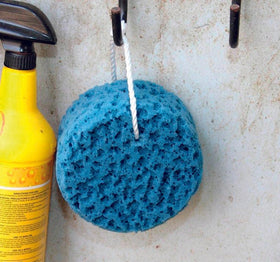


How to Choose the Right Brush for Your Horse's Coat
Just like we have different hair types, our horses have different coats that require specific care. A one-size-fits-all approach to grooming doesn't work. The brush that works wonders on a fluffy pony might be all wrong for a sleek Thoroughbred. Considering your horse's coat type—whether it's thick, fine, or attached to sensitive skin—is key to effective grooming. The right tools will not only make your horse look great but also keep their skin healthy and comfortable.
Tackling a Thick Winter Coat
That thick winter coat is fantastic for keeping your horse warm, but it can be a challenge to keep clean. Mud and dirt get trapped deep within the layers. Using the wrong brushes can be ineffective and even irritate your horse's skin. To get through that dense fluff, you need tools with some backbone. A stiff-bristled dandy brush is perfect for flicking away dried mud, while a rubber curry comb can loosen deep-seated dirt. For shedding season, a shedding blade can be a lifesaver, but always use it gently. The goal is to find grooming tools that can penetrate the coat without pulling or scratching.
Using a Shedding Blade or Deshedding Tool
When your horse starts to shed that heavy winter coat, a shedding blade is one of the most useful tools you can have. These are designed to remove excess hair quickly, making the whole process much easier on both of you. While a curry comb is great for daily dirt, a metal shedding blade is often more effective during peak shedding season because it can get deeper into the coat to pull out the loose undercoat. Many horses seem to enjoy it, almost like a good scratch. The Professional's Choice Soft Touch Shedding Blade is a steel blade with an ergonomic handle; use it gently and keep it off bony areas. Using one not only helps keep your horse comfortable and tidy but also makes your grooming sessions more productive when you're faced with mountains of hair. The Shires Shedding Blade is another blade we carry.
When Horses Shed and How Often to Groom
Shedding follows the light. An article by Taylor Fabus credited to Michigan State University explains that day length, sensed by the horse’s pituitary gland, is what mainly drives hair growth, so the winter coat starts to let go as the days lengthen. During peak shedding, short sessions most days with a rubber curry in circles, followed by a dandy brush, move the most hair. The same article advises care on the face and below the knees and hocks, where there is little to no muscle and the areas are sensitive, so keep the shedding blade for the big, muscled areas. If a horse is slow to shed out, keeps a long coat into summer, or loses hair in patches, call your vet rather than grooming harder.
Grooming a Thinner, Finer Coat
Horses with finer coats may not get as muddy, but their grooming needs are just as important. For these horses, grooming is less about deep cleaning and more about skin health and shine. Their skin is often more sensitive, so a stiff brush can be uncomfortable. A soft body brush, especially one with natural bristles, is your best friend here. Regular brushing with a soft body brush brings out the natural oils that give the coat a beautiful gleam and leaves your horse looking sleek.
Grooming a Clipped Horse
A clipped horse has very little hair between the brush and the skin, so a rubber curry, a soft body brush and a finishing brush do most of the work, and a stiff dandy brush is rarely needed. Penn State Extension lists horses clipped for showing among those that need a blanket in cold weather, and the Rutgers Equine Science Center advises taking a blanket off at least once a week for a good grooming and a check for rubs or other problems. Brush in the direction of the hair and keep strokes light over bony spots.
What If Your Horse Has Sensitive Skin?
If your horse has sensitive skin, grooming requires extra care. The wrong brush or a dirty one can quickly lead to irritation or infections. It’s important to keep your grooming kit clean: the UC Davis Center for Equine Health notes that ringworm, a fungal skin infection, can spread between horses on tack and grooming equipment. When choosing brushes, many owners opt for soft natural materials, such as horsehair, goat hair or soft pig bristle, for these horses. Always watch your horse’s reactions as you groom. If they seem uncomfortable, switch to a softer tool. If the skin is broken, sore or flaky, ask your vet before grooming over it.
What Makes a Great Horse Grooming Brush?
A great grooming session starts with great tools. While it might be tempting to grab the cheapest brushes you can find, investing in quality makes a world of difference for your horse’s coat and your own comfort. The right brushes not only work more effectively but also last for years, turning a daily chore into a satisfying bonding experience. When you’re shopping for new grooming tools, you’ll want to pay close attention to a few key details that separate a good brush from a great one.
Natural vs. Synthetic Bristles: Which Is Better?
When it comes to body and finishing brushes, many riders prefer natural bristles. Brushes made from horsehair, goat hair or pig bristle are soft, pick up fine dust well and bring out the coat's natural oils for a healthy shine. Synthetic nylon or plastic bristles are tougher, cheaper and easy to wash, which makes them a good choice for dandy brushes and caked-on mud. Most riders end up with both: natural bristles for the finishing work and synthetics for the heavy cleaning.
Why a Comfortable Grip Is a Must-Have
You’ve probably heard the saying that a craftsperson is only as good as their tools, and the same is true for a groomer. You can spend a lot of time with a brush in your hand, and an uncomfortable grip can lead to a tired hand and a rushed job. Look for brushes with an ergonomic design that fits nicely in your palm. Many high-quality brushes feature a solid wood block with curved sides or a comfortable leather strap that secures the brush to your hand. This not only reduces fatigue in your wrist and arm but also gives you better control as you groom, allowing you to apply even pressure and follow the contours of your horse’s body.
Brushes with a Handle, Strap or Palm Grip
Brush backs come in a few main shapes, and the right one is mostly about your hand. A plain wooden block with curved sides is the classic dandy and body brush shape. A brush with a raised handle, such as the Professional’s Choice Whoa Brush from the maker’s Synthetic Bristle Series, lets you hold the handle rather than squeeze the block. A leather strap across the back, as on the goat hair finishing brush above, holds the brush against your palm for long, even strokes. Palm-held tools, such as the Weaver Leather Palm Curry Comb, sit inside your hand. If you can, try the grip before you buy: the brush you can hold comfortably for a full session is the one you will keep using.
How to Tell if a Brush Is Built to Last
A well-made grooming brush is an investment that should last for years, not just a season. Durability comes down to quality construction. Check that the bristles are densely packed and securely anchored into the base—you shouldn’t see them falling out after just a few uses. The body of the brush, or the "block," should be made from a solid piece of wood or a high-quality, durable plastic that won’t crack or warp over time. Investing in thoughtfully designed, well-constructed brushes means you’ll get better results and won’t have to constantly replace your tools, saving you money and frustration in the long run.
Trusted Horse Grooming Brush Brands We Love
When you’re standing in the tack aisle, the number of grooming brush brands can feel overwhelming. Choosing a brand is about more than a name; it’s about quality, durability and your horse’s comfort. Established brands state clearly what their bristles and blocks are made of, and build handles that won’t crack after one season. This commitment to quality means their tools not only last longer but also perform better, making your grooming sessions more effective and enjoyable for both of you. A great brush feels good in your hand and on your horse's coat.
Here are the brands we get asked about most, including which ones we carry.
The Hooves and Paws Selection: Quality You Can Count On
With over 30 years of experience with horses, we’ve learned a thing or two about what makes a grooming tool useful. Our Horse - Grooming & Coat Care collection brings together the brushes, curries, picks and coat-care products we stock, mostly from Professional's Choice, Weaver Leather and Shires. We choose tools that do their job well and last, so you can build a kit that keeps your horse’s coat clean and gleaming.
Haas
Haas is a brush brand many riders seek out, with a wide range of body, finishing and mane brushes, some with leather straps. We don’t carry Haas. If you are shopping for it, check the bristle material listed for each brush, because the range runs from very soft to very stiff.
Epona
Epona is another grooming brand you may see, known for its curries and brushes. We don’t carry Epona, so read the maker's own product descriptions for materials and intended use if you are comparing its tools with the Professional's Choice curries and brushes we stock.
Weaver Leather
Weaver Leather offers a broad selection of grooming tools and bags built for everyday barn use, from dandy brushes to hoof picks, and it is one of the brands we carry. The Weaver Leather Horse Equine Grooming Kit is a good all-in-one starting point: Weaver lists a comb, hoof pick, palm-held curry comb, palm-held face brush, mane and tail brush, dandy brush and a sweat scraper/coarse curry combo in a tote with six exterior pockets and a padded shoulder strap.
Brands We Don’t Carry
Brush guides often mention other names too, including Oster, LeMieux, Roma, Leistner, Wahl, Schneiders, SmartPak, Herm Sprenger, HorseHaus, SleekEZ, EquiGroomer and FURminator. We don’t carry those brands, so we don’t make claims about their tools here. If you are comparing, read each maker’s own product page for the bristle material and intended use.
How to Budget for Grooming Brushes
Figuring out a budget for grooming supplies is a practical step for every horse owner. The good news is that you don’t have to spend a fortune to build a high-quality grooming kit that keeps your horse looking and feeling its best. Prices range from a basic plastic brush to a comprehensive, professional-grade set. Quality tools last longer and do a better job of cleaning and finishing the coat.
Buying Individual Brushes
If you're building your grooming kit from scratch or just need to replace a worn-out curry comb, buying individual brushes is a great way to go. Prices rise with the materials and brand. Brushes with natural bristles or premium wood handles will typically cost more than their plastic and synthetic counterparts.
Starting with individual brushes allows you to handpick each tool for your horse's specific needs. You can focus on getting the essentials first—like a curry, a dandy brush, and a body brush—and add more specialized tools over time. This approach helps you spread out the cost while ensuring every piece in your collection is one you’ll actually use and love.
Are Complete Grooming Kits a Good Deal?
For new horse owners or anyone looking for a convenient refresh, a complete grooming kit can be an excellent value. These kits bundle all the essentials into one package, often including a tote or box for easy storage and transport. A kit is a simple way to make sure you have everything you need from day one, and the tools are chosen to work together.
When you compare kits, check exactly what is inside. A kit with fewer, better tools can be better value than a big bag of pieces you won’t use, and you can always add a specialty brush later.
How to Get the Best Value for Your Money
Getting the best value doesn't always mean buying the cheapest option. Instead, it's about making smart purchases that last. One of the best ways to do this is to prioritize quality construction. A well-made brush might cost a little more upfront, but it will save you from having to replace a broken or ineffective tool a few months down the line.
To stretch your budget further, start with the tools you will use every day and add specialty brushes over time. It’s also helpful to read the maker's product details and other owners’ reviews, which can point you toward tools that hold up. By combining these strategies, you can build a great grooming kit without overspending.
Common Grooming Brush Problems (and How to Avoid Them)
Choosing the right grooming brushes is a great first step, but a few common missteps can get in the way of a perfect grooming session. We’ve all been there—grabbing a brush that seems fine, only to find it pulls or doesn’t get the job done. The good news is that these problems are easy to avoid once you know what to look for. Paying a little attention to the tools you use and how you care for them makes a world of difference for your horse’s comfort and the health of their coat.
What to Do When a Brush Is Too Stiff
One of the most common mistakes is using a brush that’s too harsh for your horse’s skin or coat. A brush without any flexibility can feel uncomfortable, especially when working through a tangled mane or tail. You want a tool that has some give to it, allowing it to move with the contours of your horse’s body and through their hair without painful pulling. Before you buy a brush, try a quick test by pressing the bristles against the back of your hand. If it feels scratchy or sharp to you, it will definitely feel that way to your horse. For sensitive areas and finishing touches, always lean toward softer bristles.
Why You Need to Keep Your Brushes Clean
Your brushes work hard to pull dirt, dander, and loose hair out of your horse’s coat, which means they get dirty fast. Using soiled brushes day after day puts grime back onto your horse, and dirty or shared equipment can carry skin infections such as ringworm. Make it a habit to knock out loose hair and debris from your brushes after every use. Schedule a regular deep clean by washing them with a gentle soap and water, then letting them air dry completely. Clean grooming tools are one of the easiest ways to look after your horse’s skin.
How to Use Each Grooming Brush Correctly
Having the right brushes is only half the battle; knowing how to use them makes all the difference. The right technique not only gets your horse cleaner but also turns grooming into a bonding experience. It’s your quiet time together, a chance to check in on their health, run your hands over their body to feel for any new lumps or scrapes, and spot skin issues before they become problems. Using your tools correctly ensures you’re getting the most out of them while keeping your horse comfortable and happy, strengthening your partnership with every stroke.
The Right Way to Brush Your Horse
The key to a great groom is starting with the right tool to break up dirt and bring it to the surface. Always begin with a curry comb, using it in vigorous circular motions all over your horse’s body while avoiding the bony areas of the legs and face. Even after you think you’ve brushed off all the surface dirt, going in with a curry comb can bring out any extra grime or loose hair hiding underneath. Next, grab your dandy brush and use short, flicking strokes in the direction of hair growth to sweep the dirt away. Finally, use a soft body brush in long, smooth strokes to remove the last bits of dust and distribute the natural oils for a beautiful sheen.
Grooming Safety and Technique Tips
Safety and your horse's comfort should always be your top priorities during any grooming session. Pay close attention to their body language—pinned ears or a swishing tail are clear signals that the pressure is too firm or you’re working on a sensitive spot. Be especially gentle around bony areas like the hips, withers, and legs, and always use a softer brush for their face. It’s also crucial to keep your grooming tools clean. Soiled brushes put grime back on the coat and can carry skin infections. Remember, this is your time to connect and check in on their well-being, so making it a positive, comfortable experience is just as important as getting them clean.
Creating a Quick and Effective Grooming Routine
A groomer is only as effective as their routine. Having a consistent, step-by-step process saves time and ensures you don’t miss a spot. Start with currying, move to the dandy brush, and finish the body with a soft brush. After the coat is done, gently work through the mane and tail with a wide-tooth comb or brush. The final step is always picking the hooves. Once you’re finished, give your brushes a quick clean to remove hair and dirt. It’s a great habit to allow them to air dry completely before storing them to prevent mold or mildew from forming in your grooming kit.
Seasonal Grooming: What to Change and When
Your horse’s needs change with the weather, and your grooming routine should, too. During spring shedding season, you’ll rely heavily on shedding blades and curry combs to help remove that thick winter undercoat. In the summer, a lighter touch with a soft brush might be all that’s needed to whisk away dust and keep their coat gleaming. It’s crucial to use the right brushes for specific areas to avoid damaging the coat or sensitive skin, especially when their hair is thinner. Remember that dirty curry combs and brushes make for a dirty horse and can carry skin infections, so keeping your grooming supplies clean is a year-round priority.
Build Your Perfect Horse Grooming Kit
Building the right grooming kit is less about buying the most expensive set and more about assembling the right tools for your horse's specific needs. A well-stocked kit not only makes your grooming sessions more effective but also turns them into a relaxing bonding experience. Let's walk through how to build a kit that works for you, from the absolute essentials to the handy extras that make a real difference.
The Essentials: What Every Kit Needs
Every grooming tote should start with a core set of tools designed to handle daily cleaning from head to hoof. These are the non-negotiables you’ll reach for every single day. Your basic lineup should include a curry comb to loosen dirt, a dandy brush to flick it away, a soft body brush for shine, a mane and tail brush for detangling, and a hoof pick for clean, healthy feet. These essential tools form the foundation of any effective routine. Think of these five tools as your starting lineup—they’ll get the job done efficiently and keep your horse looking and feeling great.
What Is the Best Horse Grooming Brush Set?
The best horse grooming brush set is one that covers every step of the routine with tools you will actually use: a rubber curry comb, a stiff dandy brush, a soft body brush, a mane and tail comb or brush, and a hoof pick. Check exactly what is in the set, make sure the bristles suit your horse’s coat, and skip sets padded with duplicates.
Two sets we carry cover those basics. The Hooves & Paws Daily Grooming Kit pairs a Professional’s Choice Circle Comfort curry, a medium goat-hair finishing brush with an adjustable leather hand strap, a coated steel hoof pick and a multi-pocket tote, so add a dandy brush and a mane comb to complete it. The Weaver Leather Grooming Kit described above already includes a dandy brush, a palm-held face brush and a mane and tail brush. A professional or show kit goes further, with a natural-bristle finishing brush, a face brush, a shedding blade, a sweat scraper and spare sponges, so every job, and every horse, has its own tool.
The 'Nice-to-Haves' for a Custom Kit
Once you have the basics covered, you can add a few specialized tools to your kit to address specific needs. A soft face brush with shorter, gentler bristles is perfect for cleaning around the eyes and muzzle. For shedding season, a shedding blade or grooming block can be a lifesaver. If you want to add extra polish, consider a finishing brush made from natural goat hair for a show-ring shine. Many experienced riders prefer natural brushes made from horsehair or pig bristle for finishing work. A good detangling spray can also make working through a thick tail much easier, preventing breakage.
How to Store and Organize Your Brushes
A sturdy grooming tote or box is essential for keeping your tools clean, organized, and easy to grab. After each grooming session, take a moment to knock any loose hair and dirt out of your brushes. Let them air dry completely before storing them to prevent mold or mildew in the bristles. The UC Davis Center for Equine Health advises that each horse have its own tack and equipment, not shared between horses, and that potentially contaminated grooming equipment be disinfected. For help choosing a bag, see our guide to picking the perfect horse grooming bag.
How to Care for Your Horse Grooming Brushes
Investing in quality grooming brushes is the first step, but keeping them in great shape is just as important for your horse's health and comfort. Dirty brushes don't just move dirt around; they can carry fungal skin infections such as ringworm from one horse to another. A little bit of regular care goes a long way in preventing these issues and ensuring your grooming sessions are effective and safe.
Your Daily Brush Cleaning Checklist
A quick clean after each grooming session is a great habit. It takes just a few minutes and makes a huge difference in preventing dirt buildup and the spread of germs. First, knock the brushes against a hard surface to dislodge loose hair and dust. Then, use a curry comb or a metal brush cleaner to rake through the bristles and remove any remaining debris. This daily maintenance keeps your tools ready for their next use. Most importantly, if you have more than one horse, assign a separate set of brushes to each one. The UC Davis Center for Equine Health recommends that each horse have its own tack and equipment, because ringworm can spread on grooming tools.
How to Deep Clean and Disinfect Your Brushes
Every so often, give your brushes a proper wash to remove grime and kill any lingering germs. Start by soaking them in a bucket of warm, soapy water—a mild dish soap works perfectly. Use your fingers or another brush to scrub the bristles and base, getting rid of any caked-on mud or dander. After a good scrub, rinse them thoroughly with clean water. To disinfect, use a product labeled as a disinfectant for that purpose and follow its label directions; ask your vet what to use if a horse has a skin infection. Lay them bristle-side down on a clean towel to air dry completely, which prevents moisture from damaging wooden handles. This simple routine keeps your brushes in top condition. For a step-by-step method for each brush type, see our guide on how to clean horse brushes.
When Should You Replace Your Grooming Brushes?
Even with the best care, grooming brushes don't last forever. Knowing when to replace them is key to keeping your horse's coat healthy and avoiding discomfort. Take a look at your brushes regularly. Are the bristles bent, broken, or falling out? A worn-out brush won't clean effectively and can feel scratchy on your horse's skin. Check the handles for cracks or splinters that could hurt your hand. If a brush has lost its shape or stiffness, it’s no longer doing its job properly. Using the wrong or a worn-out tool can damage the coat, so it's better to invest in a replacement. When the time comes, replace the worn brush with one suited to the same job.
Can You Use Horse Brushes on Other Pets?
Some horse brushes work on dogs too, as long as each animal has its own brush. Our guide to using a horse brush on dogs covers which ones and how.
Related Articles
- Choosing the Best Curry Brush for Your Horse
- The Complete Horse Grooming Routine: Brushes and Coat Care Tips
Frequently Asked Questions
If I can only buy a couple of brushes to start, which ones are the most essential?
Start with the two tools that do the most work: a rubber curry comb and a stiff-bristled dandy brush. The curry loosens dirt, mud and hair, and the dandy brush flicks that debris away. Add a hoof pick, which every kit needs, then a soft body brush and a mane and tail comb when you can.
Does the order I use the brushes in actually make a difference?
Yes. Start with the curry comb to lift dirt to the surface, follow with the dandy brush to sweep away the heavy grime, and finish with the soft body brush to remove fine dust and bring out the coat’s natural oils. Each tool then does its job properly, and you avoid pushing dirt back into a clean coat.
Are natural bristle brushes worth the extra money?
For body and finishing brushes, many riders think so. Natural fibers like horsehair, goat hair or pig bristle are soft and good at picking up fine dust and bringing out the coat’s natural oils, which makes them a good choice for sensitive horses. Synthetic brushes are cheaper, tough and easy to wash, so they are a sensible choice for heavy cleaning.
How often should I clean my grooming brushes?
Knock out hair and dust after every use, and wash your brushes with soap and water every week or so, more often if your horse gets very muddy. Let them dry fully, bristles down. Give each horse its own set, and if a horse has a skin infection, ask your vet how to clean and disinfect the tools.
Can I use a dandy brush or curry comb on my horse’s face and legs?
Go carefully. The University of New Hampshire Extension’s grooming guide says not to use a curry comb on the head and lower legs if the horse is sensitive there, and to use a dandy brush only gently on those areas. Many riders use a soft body or face brush on the head and a damp sponge or cloth around the eyes and nostrils. If the skin on the legs is scabby or sore, ask your vet before grooming over it.


