

We slather on sunscreen before a day outside, but what about our horses? They spend hours in the pasture, and their large, sensitive eyes are just as vulnerable to sun damage as our skin. A fly mask is a tack room staple for keeping pests at bay, but its most important job is often overlooked. The right mask is a critical piece of protective gear, shielding their eyes and the delicate skin on their face from harmful ultraviolet rays. Choosing a horse fly mask with high UV protection is one of the most effective ways to prevent painful conditions and keep them comfortable, turning a simple accessory into essential health equipment.
Key Takeaways
- Prioritize high UV protection: A fly mask with at least 90% UV protection is essential for safeguarding your horse's eyes and skin from sun damage. This isn't just for sensitive horses; every horse benefits from this preventative care.
- Focus on fit and features for comfort: A high UV rating is just the start. Look for durable materials, a secure fit that prevents rubbing, and design elements like eye darts to ensure the mask is comfortable and safe for all-day wear.
- Maintain your mask for lasting protection: Extend the life of your fly mask with simple care. Regular cleaning prevents skin issues, proper off-season storage maintains its shape, and routine inspections tell you when it's time for a replacement.
Does Your Horse Really Need a UV Fly Mask?
We slather on sunscreen and grab our sunglasses before heading outside, but what about our horses? They spend hours in the sun, and their eyes are just as vulnerable as ours. A fly mask is a staple in any tack room for keeping pests away, but the right one does so much more. Choosing a mask with at least 90% UV protection is one of the simplest and most effective ways to safeguard your horse’s health. It’s not just an accessory; it’s essential protective gear that shields their sensitive eyes and skin from damaging ultraviolet rays, preventing painful conditions and keeping them comfortable during turnout.
Protecting Your Horse's Eyes from Sun Damage
A horse's large, beautiful eyes are one of their most defining features, but their size also makes them a prime target for sun damage. Constant exposure to UV radiation can lead to long-term problems, much like it can for us. Think of a high-quality UV mask as a pair of wraparound sunglasses for your horse. By blocking 90% of the sun's harsh rays, these masks provide a critical barrier that helps protect your horse from the cumulative effects of sun exposure. This simple step helps preserve their vision and prevent the discomfort that comes from squinting in the bright sun all day.
How to Avoid Common Sun-Related Eye Problems
Beyond general discomfort, direct sun exposure can contribute to serious and painful medical issues. Conditions like cataracts, corneal ulcers, and even cancer of the eye or eyelid are all linked to UV damage. This is especially critical for horses with light-colored eyes or those diagnosed with specific sensitivities. For example, a UV-blocking mask is a must-have for any horse with Equine Recurrent Uveitis, also known as Moon Blindness, as the condition makes their eyes extremely sensitive to light. Investing in a protective mask can help you avoid costly vet bills and, more importantly, spare your horse from unnecessary pain.
Keep Your Sensitive Horse Comfortable in the Sun
UV protection isn't just for horses with existing medical conditions. Any horse can benefit from the added comfort, especially those with pink skin around their eyes and muzzle that is prone to sunburn. The sun's glare can be irritating, causing horses to squint and become agitated. A good mask reduces that glare, allowing them to relax and graze peacefully. Many owners report that a high-quality UV mask makes a world of difference for horses with sensitive skin, helping them stay calm and happy in the pasture. It’s a small change that can significantly improve their daily quality of life.
Protection from Insect-Borne Diseases
Flies are more than just a nuisance; they are notorious carriers of bacteria and can transmit diseases from one horse to another. When they land on the sensitive, moist areas around a horse's eyes, nose, and mouth, they can easily spread sickness. A fly mask acts as a crucial physical barrier, preventing these pests from making contact with your horse's face. This simple layer of mesh significantly reduces the risk of your horse contracting common insect-borne diseases. It’s a non-invasive, chemical-free way to keep your horse healthier during fly season, offering peace of mind while they enjoy their time in the pasture.
Shielding from Wind and Debris
A fly mask’s job doesn’t stop with insects. It also provides excellent protection from the elements. On windy days, the fine mesh shields your horse’s eyes from dust, pollen, and other airborne debris that can cause irritation and inflammation. This is especially helpful for horses prone to allergies. Furthermore, when flies do manage to buzz around a horse's head, their natural reaction is to rub their face on their legs or a fence post. This can grind dirt and bacteria into their eyes, leading to scratches or infections. A mask prevents the initial irritation, breaking the cycle of rubbing and keeping their eyes clean and safe.
A Safer Alternative to Fly Sprays
While fly sprays have their place in pest control, they aren’t always the best solution for facial protection. Most chemical sprays are not safe to apply near a horse's eyes, as the ingredients can cause significant irritation or even damage if they get in. A fly mask offers a targeted, safe alternative that keeps pests away from the most sensitive areas without any harsh chemicals. This makes it an ideal choice for horses with sensitive skin, allergies, or for owners who simply prefer to minimize their horse's exposure to insecticides. It provides constant, reliable protection that won't sweat off or wear away during the day.
Protecting Injured Eyes During Healing
If your horse ever suffers an eye injury, a fly mask becomes an essential piece of medical equipment. Veterinarians often recommend using one during the healing process to create a clean, protected environment. The mask shields the injured eye from flies and dust that could cause a secondary infection, and it prevents wind from causing further irritation. It also serves as a gentle reminder to the horse not to rub the affected area, which could delay healing or worsen the injury. Using a mask can make a significant difference in ensuring a smooth and speedy recovery from corneal ulcers, scratches, or post-surgery care.
My Top Picks for the Best UV Horse Fly Masks
When you’re looking for a fly mask, your first thought is probably about keeping pests away from your horse’s face. But the best masks do double duty. A quality fly mask with high UV protection acts like a pair of sunglasses for your horse, shielding their sensitive eyes from the sun’s harsh rays. This is especially important for horses with light-colored eyes or those prone to eye conditions, but really, every horse can benefit from the added defense against constant sun exposure. Think about how much time they spend outdoors; that's a lot of sun.
Finding a mask that offers at least 90% UV protection is a great way to invest in your horse’s long-term health and comfort. These masks are designed with special materials that filter out the most damaging sunlight while still allowing for clear vision, so your horse can go about their day without squinting or discomfort. We’ve sorted through the options to find the most reliable and effective horse tack for sun protection. Here are five of the best horse fly masks that deliver on their promise of blocking harmful UV rays, so you can feel confident your horse is comfortable and protected all season long.
Hooves and Paws Premium UV Fly Masks
We stand by our handpicked collection because we know what horse owners need. Our premium fly masks are designed with your horse’s well-being as the top priority. Think of a good fly mask as a pair of sunglasses for your horse; it provides a critical layer of UV protection that safeguards their eyes from constant sun exposure. We select masks made from durable, breathable materials that hold up to daily wear in the pasture while ensuring your horse stays comfortable. With a focus on a secure fit and excellent visibility, our masks offer a reliable defense against both insects and the sun.
Kensington UViator Fly Masks
If you’re looking for maximum sun protection, the Kensington UViator line is a fantastic choice. These masks are specifically engineered for sun defense and are proven to block 90% of harmful UV rays. The material is lightweight and non-heat-transferring, which helps keep your horse cool even on the sunniest days. Kensington is known for its durable construction, so you can trust that this mask will last. It’s an excellent option for horses living in intensely sunny climates or for those with fair skin or sensitive eyes who need a high level of sun protection.
SmartPak UV Protection Series
SmartPak offers a great all-around solution with its UV protection fly masks. These masks are designed to solve two problems at once, helping to protect your horse's eyes from both the sun and irritating bugs. The fine mesh material provides a strong barrier against even the smallest insects while filtering out damaging UV light. Owners appreciate the thoughtful design, which often includes features like fleece trim for comfort and darts that keep the mask away from the eyes. It’s a practical and effective choice for everyday use, giving you peace of mind that your horse is covered on all fronts.
Crusader UV Shield Masks
For horses that need a little extra care, the Crusader fly masks are a lifesaver. They are specifically designed to provide extra protection from UV rays, making them ideal for horses with sensitive eyes or those susceptible to conditions like uveitis, also known as Moon Blindness. The unique design of the Crusader mask often provides more complete coverage, with some models including long nose flaps to protect pink noses from sunburn. This mask is a top pick among owners whose horses require serious UV defense to stay healthy and comfortable outdoors.
WeatherBeeta and Rambo Options
WeatherBeeta and Rambo are trusted names in the equestrian world for a reason. Both brands offer a variety of fly masks that combine insect control with excellent UV protection. These masks are built to withstand the rigors of turnout, made from tough materials that resist tears and stretching. They are designed with the horse’s comfort in mind, featuring soft ear coverings, adjustable closures for a perfect fit, and shaping that keeps the mesh well away from the eyes. Choosing a mask from WeatherBeeta or Rambo means you’re getting a reliable product that keeps your horse safe from pests and sun.
Shop This Post

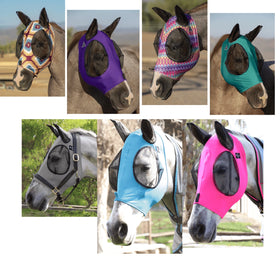
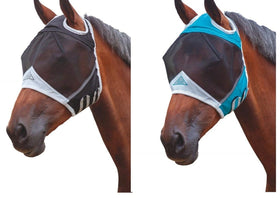
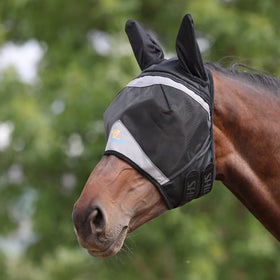
What Makes a Great UV Horse Fly Mask?
Finding a fly mask with a high UV rating is the first step, but the real magic is in the details. The best mask for your horse will be one they can wear comfortably and safely all day long. Think about it: this piece of gear will be on their face for hours, so things like material, fit, and overall design are just as important as the UV protection itself. A poorly fitting or flimsy mask can cause rubs, obstruct vision, or get lost in the pasture within a day. To help you choose wisely, let's walk through the key features that separate a great fly mask from a mediocre one. A quality mask is an essential part of your horse's summer wardrobe, ensuring they stay happy and healthy when the sun and bugs are out in full force.
Look for Durable Materials and a Smart Design
A fly mask is an investment in your horse's health, so you want one that can handle daily life in the pasture. Look for sturdy mesh, reinforced stitching along the seams, and soft fleece or neoprene binding around the edges to prevent chafing. Some masks even have a structured design to keep the material away from the eyes. With so many styles available, from simple eye covers to full-face protection, you can find the perfect piece of horse tack to match your horse's specific needs and environment. A well-made mask will not only last longer but also keep your horse more comfortable.
Durable Fabrics like USA Textilene®
Let’s be honest, horses are tough on their belongings. A fly mask made from flimsy material won’t survive a week of rolling, rubbing, and pasture shenanigans. This is why the fabric is so important. Look for masks made from high-quality, durable mesh like USA Textilene®, a material known for its strength and longevity. This type of fabric is specifically designed to withstand the elements and resist tears, ensuring it holds its shape and doesn't collapse onto your horse's eyes. It’s also highly breathable, which prevents your horse from getting too hot. Brands like Kensington build their masks with this material because it provides reliable, season-long comfort and protection. Investing in a durable fabric means you’re not just buying a mask, but peace of mind.
Ensure Clear Vision with Quality Mesh
The mesh is the most critical part of any fly mask. It needs to be fine enough to block UV rays and keep out even the smallest gnats, but it absolutely cannot interfere with your horse's vision. The best masks use a lightweight, durable mesh that allows for clear, unobstructed sight. Look for designs with darts or a raised structure over the eyes. This shaping ensures the material stays well away from your horse's eyelashes and corneas, preventing irritation and potential injury. Your horse needs to see clearly to feel safe and interact with their surroundings, so this feature is non-negotiable.
Why Full Coverage and a Secure Fit Matter
Every horse is different, and so are their protection needs. If your horse has sensitive ears or a pink nose prone to sunburn, you'll want a mask with extended coverage. Many designs come with soft ear bonnets or long nose flaps to provide that extra shield from sun and flies. Just as important is how the mask stays on. A secure fastening system, like strong, double-locking Velcro closures, is essential. This ensures the mask remains in place while your horse grazes, rolls, and plays, giving you peace of mind that they are protected all day long.
Find a Mask That Can Handle the Elements
Your horse’s fly mask will be exposed to the elements, so it needs to be tough. The materials should be UV-resistant to prevent them from becoming brittle and breaking down after hours in the sun. It should also be able to handle a summer shower. A mask made from quick-drying fabric will help prevent moisture from being trapped against your horse's skin, which can lead to fungus or skin irritation. By choosing a durable mask and cleaning it regularly, you can ensure it provides reliable protection season after season, making it a worthwhile addition to your horse care routine.
Understanding Different Levels of UV Protection
Not all fly masks are created equal, and the level of sun protection they offer can vary significantly. When you're shopping, look for a mask that explicitly states it blocks at least 90% of UV rays. This isn't just a nice-to-have feature; it's the most important one for safeguarding your horse's health. Think of it as essential protective gear, not just a fly deterrent. For horses with light-colored eyes, pink skin, or a history of eye issues like uveitis, this high level of protection is non-negotiable. Brands like Kensington make masks specifically designed to meet this standard, ensuring your horse gets the defense they need against the sun's damaging effects day in and day out.
Exploring Different Mask Designs
Once you've confirmed a mask has a high UV rating, the next step is to look at its construction. A great mask is one your horse will forget they're even wearing. The design should prioritize comfort and safety, starting with a secure fit that prevents rubbing and keeps the mask from shifting. Look for thoughtful details like fleece trim along the edges to prevent chafing and structured eye darts that hold the mesh away from your horse's eyes and lashes. The material should be a durable but lightweight mesh that allows for clear, unobstructed vision. A high UV rating is the foundation, but these design elements ensure the mask is comfortable and safe enough for all-day wear in the pasture.
Options with Removable Nose Pieces
If your horse has a white blaze or a pink nose, you know the struggle of trying to prevent sunburn. A fly mask with a long nose flap offers excellent protection, but you might not need that extra coverage every day. That's where masks with removable nose pieces come in. This versatile design allows you to customize the mask based on the weather and sun intensity. You can easily attach the nose piece for full protection on bright, sunny days and remove it when it's overcast or when your horse is stalled. This flexibility makes it a practical piece of horse tack, giving them protection right where they need it, only when they need it.
Open-Top and Roomy Fit Styles
Some horses are particularly fussy about having their ears or poll covered. For these sensitive types, an open-top or "roomy fit" style can be a game-changer. These masks are designed to leave the ears and forelock free, which can make a huge difference in your horse's acceptance and comfort. They often feature a wider cut and soft fleece trim to ensure there are no pressure points. This style is also a great solution for horses with a thick forelock that gets flattened or tangled under a traditional mask. It provides all the essential eye protection from sun and flies without causing irritation, making it a perfect compromise for the horse who values their personal space.
How to Get the Perfect Fit on a Horse Fly Mask
A fly mask is only as good as its fit. If it’s too loose, it can slip off or let pests inside. If it’s too tight, it can cause uncomfortable rubbing and sores. Finding that "just right" fit ensures your horse gets all the UV protection and fly-free comfort without any of the fuss. It might seem a little tricky at first, but with a few simple measurements and tips, you can confidently choose a mask that your horse will be happy to wear. Let's walk through how to measure your horse, read those size charts, and fix any common fit problems you might run into.
How to Measure Your Horse's Head
Okay, time to get the measurements. Grab a soft, flexible measuring tape (the kind you’d use for sewing works perfectly) and maybe a friend to help hold your horse. Start by measuring from your horse's poll, just behind the ears, down the center of their face to about halfway down their nose bone. Next, measure the circumference of their throatlatch, starting from the same spot behind the ears and going all the way around their throat. Finally, wrap the tape around their nose, about two fingers below the cheekbones, to get the muzzle circumference. Jot these numbers down so you have them handy when you start shopping for horse tack.
How to Read a Fly Mask Size Chart
Once you have your measurements, you can compare them to the manufacturer's size chart. Keep in mind that sizing can vary between brands, so always check the specific chart for the mask you’re considering. What if your horse falls between two sizes? It’s almost always better to go with the larger size to avoid any rubbing or pressure points. A good rule of thumb is that you should be able to comfortably slip a finger or two between the mask and your horse’s face. Considering your horse’s breed can also help you choose, as some have finer or broader head shapes that might influence the fit of our best-selling products.
Solving Common Fly Mask Fit Problems
Even with careful measuring, you might need to make small adjustments. The most common issue is rubbing, which usually indicates the mask is too tight in a specific spot. Check for red marks or hair loss around the jaw, cheeks, and behind the ears. If you see any, the mask is too snug. Another frequent problem is the "escape artist" horse who constantly removes their mask. This often happens when a mask is too loose. Make sure the Velcro closures are clean and securely fastened. A mask that is dirty or caked with mud can also become irritating, encouraging your horse to rub it off. As a family-owned company with decades of experience, we know that a little troubleshooting goes a long way. You can learn more about our story on our About Us page.
Real Talk: What Horse Owners Think About UV Masks
It’s one thing to read a product description, but it’s another to hear what fellow horse owners are actually saying. When you’re investing in your horse’s health and comfort, you want to know how a product performs in the real world, from muddy paddocks to sunny pastures. We looked at reviews and forum discussions to get the honest scoop on what people love about high-protection UV fly masks, the questions they ask, and their overall experience. This is what we found.
What Features Do Horse Owners Actually Love?
Across the board, the number one feature owners value is reliable UV protection. Masks that block 90% of UV rays are a game-changer, especially for horses with light-colored skin or sensitive eyes. Owners of horses with conditions like uveitis often share how crucial this level of protection is for their horse’s daily comfort and long-term health. It’s not just another piece of horse tack; it’s a health tool that provides peace of mind. Knowing your horse is shielded from intense sunlight allows them to enjoy their turnout time without squinting or irritation.
Your Questions on Fit and Durability, Answered
Getting the right fit is a frequent topic of conversation. An ill-fitting mask can rub, slide, or be easily removed by a clever horse. Owners stress the importance of taking accurate measurements with a flexible tape measure before buying to ensure the mask is snug but not tight. Another practical concern is how easy the mask is to clean. Since fly masks get dirty fast, owners prefer durable materials that can be hosed off or thrown in the wash without falling apart. A clean mask is a comfortable mask, and simple maintenance makes a huge difference.
Real-World Reviews on How They Perform
The feedback on high-quality UV masks is overwhelmingly positive. Many owners report that their horses adapt to wearing them quickly and seem much more comfortable outdoors. They praise the sturdy construction and how well the masks hold up to daily wear and tear. Beyond sun protection, people love the dual benefit of keeping flies and other biting insects away from their horse’s sensitive face and eyes. For horses with severe bug allergies, a full-coverage mask that offers maximum protection is a must-have, and many owners are happy to share how effective these masks are.
How Much Does a Good UV Fly Mask Cost?
When you start shopping for a UV fly mask, you’ll notice that prices can vary quite a bit. Generally, the cost reflects the quality of the materials, the durability of the construction, and any extra features designed for your horse’s comfort. While it can be tempting to grab the cheapest option, investing a little more often means you get a mask that lasts longer and fits better, saving you money in the long run. Finding the right balance between your budget and your horse’s needs is key. At Hooves and Paws, we believe in offering quality horse tack at every price point, so you can find the perfect match. Let’s break down what you can expect to find in each price range.
Budget-Friendly Options ($30-$50)
You don’t have to spend a fortune to get effective sun protection for your horse. In the $30 to $50 range, you can find plenty of reliable masks that get the job done, especially for horses that are generally easy on their gear. For example, some masks in this category offer an impressive 90% UV protection and include ear covers for added comfort. A great example is the UV Fly Mask with Ears, which provides excellent coverage without a hefty price tag. These masks are a fantastic starting point and prove that quality protection can be affordable.
Mid-Range Quality Masks ($50-$75)
If your horse spends a lot of time outside or tends to be a bit rough with their fly mask, stepping up to the mid-range category is a smart move. In this price bracket, you’ll find masks made with more durable materials and thoughtful design features that improve both fit and longevity. These masks are built to withstand daily use and often provide a more secure, comfortable fit for your horse. This price point is the sweet spot for many owners looking for a dependable, long-lasting mask that offers excellent value and performance through the sunny seasons.
Premium Protection Masks ($75-$100+)
For horses with sensitive skin or eyes, or for owners who simply want the best of the best, premium masks are worth the investment. Priced at $75 and up, these masks are crafted from top-tier materials designed for maximum durability and UV-blocking power. Brands like Kensington offer UViator fly masks that block 90% of harmful rays while ensuring excellent visibility and airflow. These masks often feature advanced fit systems and reinforced stitching, ensuring they hold up season after season. Think of it as a long-term investment in your horse’s health and comfort.
Caring for Your Horse's UV Fly Mask
A quality UV fly mask is an investment in your horse's health and comfort. With just a little bit of care, you can extend its life and ensure it continues to provide the best protection season after season. A clean, well-fitting mask is a happy mask, and a happy mask means a happy, comfortable horse. Taking a few minutes each day or week to maintain it properly prevents skin irritation and keeps the protective mesh in top shape.
Proper care starts with daily habits and ends with smart off-season storage. It’s all about making sure the mask remains effective, from the first sunny day of spring to the last fly of fall. Think of it as routine maintenance for one of your horse's most important pieces of summer gear.
Your Daily Cleaning and Care Checklist
Keeping your horse's fly mask clean doesn't have to be a chore. A quick daily check is all you need. Brush off any loose dirt, mud, or bedding to prevent it from getting caked on. If the mask is particularly grimy after a good roll, a simple rinse with a hose will do wonders.
For a deeper clean, hand-washing is your best bet. Use cold water and a mild, equine-safe soap. Before you wash, be sure to fasten all the Velcro or hook-and-loop closures to prevent them from snagging the delicate mesh. Gently scrub the mask, paying extra attention to the fleece trim where sweat and dirt can build up. Always air dry the mask completely, preferably out of direct sunlight, before putting it back on your horse.
How to Store Your Mask Off-Season
When fly season ends, don't just toss the mask in a tack trunk and forget about it. Storing it correctly ensures it will be ready to go next year. First, give it one last thorough cleaning and make sure it is completely dry to prevent mold or mildew from growing.
Find a clean, dry place to store it away from direct sunlight, which can degrade the UV coating and weaken the fabric over time. To help the mask keep its shape, store it flat or hang it by the poll strap. Avoid crushing it under heavy blankets or saddles, as this can permanently flatten the eye darts, causing the mask to rub against your horse's eyes.
Knowing When It's Time for a New Mask
Even the most durable fly masks wear out eventually. It’s important to know when to retire an old mask for your horse's safety and comfort. Regularly inspect it for any signs of wear and tear. Look for rips or holes in the mesh, as even small openings can let insects in and compromise the UV protection.
Check the fleece trim and seams for fraying, which can cause uncomfortable rubbing and sores on your horse's face. If the elastic is stretched out or the Velcro no longer fastens securely, the mask won't fit properly and could easily get snagged or lost in the pasture. A damaged mask is often worse than no mask at all, so it's always best to invest in a new one from our collection of best-selling products when you spot these issues.
The Option for Replacement Parts
It's always frustrating when a small part of an otherwise perfect piece of gear breaks. That's why some of the best fly masks are designed with longevity in mind. Many high-quality masks come with the option for replacement parts, like straps or nose pieces, allowing you to extend the life of your investment. This is a huge plus for horse owners who want to maintain the mask's functionality without having to buy a completely new one every time a single component wears out. It’s a smart, practical feature that shows a brand is committed to creating durable horse tack that truly lasts, saving you money and reducing waste in the long run.
Pairing with Fly Sheets and Boots for Full Coverage
For horses that are especially sensitive to insects or live in areas with a heavy fly population, a mask is just the first line of defense. To give your horse complete head-to-tail protection, consider pairing their fly mask with a fly sheet and fly boots. This combination creates a comprehensive barrier against biting flies, gnats, and other pests, while also providing additional UV protection for their body. The best protective gear is made from lightweight, breathable materials that allow for plenty of airflow, keeping your horse cool and comfortable even on hot days. It’s the ultimate way to build a full suit of armor so your horse can enjoy their time outside without being bothered.
Myths About UV Fly Masks, Busted
When it comes to our horses' health, we want to get it right. But with so much gear on the market, it's easy to get tangled in conflicting advice, especially about fly masks. Let's clear up a couple of common myths so you can feel confident you're giving your horse the best protection under the sun.
Myth: Any Old Fly Mask Is Good Enough
It’s tempting to think that any barrier between your horse’s eyes and the flies is good enough. While any mask is better than no mask for bug control, they aren’t all created equal when it comes to sun protection. A standard mesh mask might keep pests away, but it won't necessarily block the sun's damaging ultraviolet rays. For that, you need a mask specifically designed and rated for UV protection. Choosing the right horse fly mask means looking for one that explicitly states its UV-blocking percentage, ensuring your horse gets true protection from both bugs and sun.
Myth: Only Certain Horses Need UV Protection
You might have heard that only horses with light-colored coats, white facial markings, or sensitive eyes need UV protection. While these horses are certainly at a higher risk for sunburn and sun-related conditions, the sun doesn't discriminate. Just like with people, consistent exposure can cause long-term damage to any horse's eyes and skin. Think of a UV mask as a preventative tool for every horse in your pasture. Providing this layer of defense helps keep them all safe from the harmful effects of UV rays and comfortable during sunny days, regardless of their coat color.
Myth: It's Safe to Leave a Fly Mask on at Night
It’s tempting to leave a fly mask on 24/7, especially for horses living on pasture. While it seems convenient, it’s not the safest practice. At night, flies are no longer a nuisance, and leaving the mask on introduces unnecessary risks. Although horses can see through the mesh after dark, their vision is reduced, which could be hazardous if they get spooked or need to move quickly. More importantly, a mask that’s never removed can trap sweat and dirt against the skin, leading to rubs, sores, or even infections. The best routine is to remove the mask every evening. This gives you a chance to check your horse’s face for any irritation and allows their skin to breathe overnight.
Related Articles
Frequently Asked Questions
Does my horse really need a UV mask if they don't have sensitive eyes or pink skin? Think of it like sunscreen for people; it’s a good idea for everyone, not just those who burn easily. UV damage happens over time, and any horse can develop issues from constant sun exposure. A high-protection mask is a simple, preventative step you can take to protect your horse’s long-term eye health, regardless of their coat color or current condition.
How can I tell if the fly mask fits my horse correctly? A great fit is snug but not tight. You should be able to easily slide one or two fingers between the mask and your horse’s face, especially around the jaw and poll. Most importantly, the mesh should never touch your horse's eyes or eyelashes. Look for masks with darts or a structured shape that keeps the material well away from their eyes, giving them plenty of room to blink.
Will a dark-colored mesh mask make it hard for my horse to see? It’s a common concern, but quality masks are designed for excellent visibility. The mesh works a lot like a screen door or a pair of sunglasses; your horse can see through it clearly, and the darker color actually helps cut down on harsh glare. This can make them more comfortable and relaxed on bright, sunny days.
Will wearing a fly mask make my horse too hot in the summer? A well-designed mask shouldn't cause your horse to overheat. The best ones are made from lightweight, breathable, and often non-heat-transferring materials that allow for plenty of airflow. This keeps your horse’s face cool while still providing protection from the sun and insects.
How often should I replace my horse's fly mask? It depends on your horse and how rough they are on their gear, but you should inspect the mask regularly. It’s time for a new one if you see any holes or tears in the mesh, if the fleece trim is frayed and causing rubs, or if the Velcro closures are worn out and no longer secure. A damaged mask can be unsafe, so it's always better to replace it when it starts showing signs of wear.


