


Some tack just works harder than others. While they seem like a simple seasonal purchase, a quality pair of fly boots for horses is a surprisingly smart investment in your horse's long-term health. All that stomping from painful fly bites isn't just an annoyance; it can lead to serious joint strain and lost shoes. The cost of a good set of boots is minor compared to the potential vet and farrier bills down the road. You're not just making your horse more comfortable—you're actively protecting their soundness and saving yourself from future headaches.
Key Takeaways
- Prioritize protection over pests: Fly boots are a crucial piece of health equipment, not just a comfort item. They protect your horse from painful bites, reduce wear on hooves and joints from stomping, and serve as a vital barrier against insect-borne diseases.
- Match the boot to your horse's lifestyle: The best fly boots are the ones that fit correctly and suit your horse's daily life. Always measure your horse's legs before buying and consider their activity level to choose a design that will stay secure and comfortable all day.
- Establish a daily care routine: Make it a habit to remove and inspect fly boots every single day. This prevents skin irritation by allowing the legs to breathe and gives you a chance to clean the boots and check for any signs of rubbing.
What Are Fly Boots for Horses?
If you’ve ever seen a horse relentlessly stomping in a field, chances are they were trying to get rid of biting insects. It’s a frustrating sight, both for the horse and for you as their owner. Fly boots are a simple and effective solution to this common problem. Think of them as lightweight, breathable leg guards for your horse, specifically designed to combat the annoyance of summer pests. Made from a durable yet flexible mesh material, they cover the lower leg from just below the knee or hock all the way down to the hoof. This creates a physical barrier that keeps flies, gnats, and mosquitoes from landing on and biting your horse’s sensitive skin.
Unlike heavier shipping boots or therapeutic wraps, fly boots are engineered for comfort during long hours of wear out in the pasture. The mesh construction is key, as it allows for plenty of airflow, which prevents your horse’s legs from overheating in the summer sun. Many designs also incorporate soft fleece trim to prevent rubbing and ensure a snug, comfortable fit. They are an essential piece of horse tack for keeping your equine friend happy and comfortable when insects are at their worst. Investing in a good set of fly boots means less stress for your horse and more peace of mind for you, knowing they are protected from the constant irritation of biting flies.
How Do Fly Boots Protect Your Horse?
The most immediate benefit of fly boots is relief from painful insect bites. By shielding your horse’s legs, they prevent the irritation that leads to constant stomping. This is more important than you might think. All that stomping can cause excessive wear on hooves, strain joints, and even lead to shoe loss. By limiting this behavior, fly boots help maintain your horse's soundness and overall health. Beyond preventing physical discomfort, fly boots also serve as a crucial line of defense against insect-borne diseases. Biting insects can transmit serious illnesses like West Nile Virus and Equine Infectious Anemia. Creating a simple barrier between your horse’s skin and these pests significantly lowers the risk of infection, giving you valuable peace of mind.
When Should Your Horse Wear Fly Boots?
Fly boots are most effective during the warmer months when insect populations are at their peak. The best time to start using them is at the very beginning of fly season, ideally before the bugs become a major nuisance. It’s a good idea to put them on your horse before flies have a chance to land and bite, as even a few bites can draw blood and attract swarms of other insects. Most horse owners use fly boots for daily turnout in the pasture, where horses are most exposed. You can put them on in the morning and take them off in the evening when your horse comes into the barn. With over 30 years of expertise in caring for animals, we know that proactive protection is always the best approach to keeping them healthy and content.
Does Your Horse Really Need Fly Boots?
When you see your horse stomping in the pasture, it’s easy to dismiss it as a minor annoyance. But those pesky flies are more than just irritating; they can cause real discomfort and health problems. Fly boots are a simple and effective way to protect your horse’s sensitive lower legs. Think of them not as an accessory, but as essential protective gear that keeps your horse comfortable, safe, and sound.
By creating a physical barrier, fly boots shield your horse from painful bites, reduce the risk of insect-borne diseases, and help maintain a calmer, more peaceful state of mind. They are a key part of any comprehensive fly control plan, offering consistent protection when fly sprays wear off. Investing in a good pair is an investment in your horse's daily well-being.
Guard Against Painful Insect Bites
Constant stomping is a horse's main defense against biting flies, but this repetitive action comes at a cost. It can lead to loosened shoes, cracked hooves, and unnecessary strain on joints and soft tissues. Over time, this can contribute to more serious soundness issues. Fly boots directly address the root of the problem by preventing insects from landing on and biting your horse’s legs in the first place.
By limiting the need to stomp, you’re not just saving your horse from irritating bites; you’re also protecting their hooves and legs from wear and tear. This simple piece of horse tack can make a huge difference in your horse’s comfort and long-term health, especially during peak fly season.
Reduce the Risk of Insect-Borne Diseases
Biting insects are notorious carriers of serious illnesses. Flies and mosquitoes can transmit diseases like West Nile Virus, Equine Infectious Anemia, and Pigeon Fever, posing a significant threat to your horse's health. While you can’t eliminate every insect from your horse’s environment, you can take proactive steps to reduce their exposure.
Fly boots create a reliable shield between your horse’s skin and these disease-carrying pests. Unlike sprays that need frequent reapplication, boots offer a constant, chemical-free barrier on one of the insects' favorite targets: the lower legs. According to the American Association of Equine Practitioners, physical barriers are a key part of preventing transmission. Using them is a smart, simple way to support your horse’s overall health.
Keep Your Horse Calm and Stomp-Free
A horse that is constantly bothered by flies is a stressed horse. This agitation can disrupt grazing, interrupt rest, and make them generally irritable and anxious. A calm horse is a happy horse, and fly boots play a big role in maintaining their peace and comfort in the pasture. By removing the constant torment of biting insects, you allow your horse to relax.
Modern fly boots are designed with comfort in mind. They are typically made from a light, airy mesh material that allows for plenty of airflow, preventing your horse's legs from getting too hot. The goal is to provide protection without adding bulk or heat, ensuring your horse can wear them comfortably for hours. This small addition to their wardrobe can lead to a much more serene and enjoyable turnout experience.
Protect from Harmful UV Rays
Fly boots do more than just block insects; they also shield your horse’s legs from the sun. Just like people, horses are susceptible to harmful UV rays, and too much exposure can cause painful sunburns. For some horses, especially those with pink skin on their lower legs, it can even trigger photosensitivity, a serious condition where the skin becomes highly reactive to sunlight. A good pair of fly boots acts as a physical barrier against the sun. Many are made with UV-protective mesh, offering a simple and effective way to safeguard your horse’s skin during the sunniest parts of the year.
Shop This Post

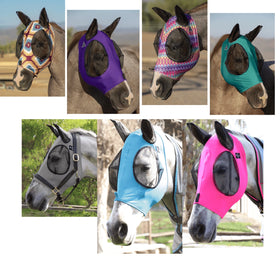
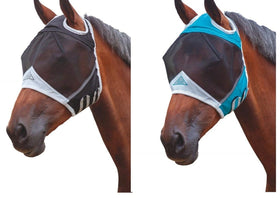
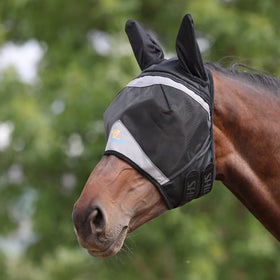
More Than Just Fly Protection: Other Uses for Fly Boots
A good piece of equipment proves its worth time and again, and fly boots are no exception. While their primary job is to fend off biting insects, their usefulness extends far beyond the pasture. These versatile leg guards can be a real problem-solver in a few surprising situations, making them one of the most practical items in your tack room. From protecting minor injuries to simplifying your show-day prep, fly boots offer benefits that support your horse's health and make your life a little easier. Thinking of them as more than just seasonal gear helps you get the most out of your investment.
Shielding Wounds and Bandages
When your horse has a cut, scrape, or skin irritation on their lower leg, keeping it clean is the top priority. Fly boots are an excellent tool for this. Their fine mesh material creates a protective barrier that shields the area from dirt, debris, and, most importantly, insects that are drawn to wounds. Unlike heavy wraps, the breathable design allows for plenty of air circulation, which is essential for proper healing. You can even place them directly over a bandage. This adds an extra layer of protection and can be a lifesaver if your horse is tempted to chew or fuss with their dressings, keeping everything secure while you're not around.
Keeping Legs Clean for Show Day
Anyone who has competed knows the effort that goes into getting a horse sparkling clean. After hours of bathing and grooming, the last thing you want is for your horse to get stable stains on their perfectly white socks. Fly boots offer a brilliant solution for keeping legs pristine before a show. They are much cooler and more breathable than traditional shipping boots or standing wraps, making them a comfortable option for your horse to wear in their stall or on the trailer. By slipping on a set of fly boots, you can ensure your horse arrives at the showgrounds looking just as clean as when you left the barn.
A Guide to Different Fly Boot Types
Fly boots might seem straightforward, but they come in a surprising variety of styles, materials, and designs. Finding the right pair isn't just about picking a color you like; it's about matching the boot to your horse's needs, personality, and environment. A horse that spends its days quietly grazing has different needs than one who loves a good romp with pasture mates. Understanding the key differences will help you choose a pair that keeps your horse comfortable and protected all season long. Let's look at the most important features to consider.
Fitted vs. Mesh: Which Design Is Best?
The first choice you'll likely face is between a snug, fitted boot and a looser, more structured mesh style. Some horses are masters of escape and need a contoured, fitted boot to prevent them from kicking it off during play. These often have a more athletic shape. On the other hand, many horses do better with a looser, non-fitted style that stands away from the leg. This design allows for more airflow, which can be a huge plus in hot, humid climates. Think about your horse’s daily habits to decide which design makes the most sense for their tack collection.
Specialized Designs for Extra Protection
As fly protection technology evolves, some brands are moving beyond the standard mesh design to offer clever features for even better defense. These specialized boots incorporate smart, science-backed elements to outwit pests and maximize comfort. From patterns that play tricks on a fly’s vision to structures that enhance airflow, these innovations are worth looking for when you’re shopping for your next set. They show a deeper understanding of what makes a horse truly comfortable and protected in the pasture. Choosing a boot with these advanced features can provide an extra layer of defense, making turnout time more peaceful for your horse.
Zebra-Striped Boots
It might look like a fashion statement, but the zebra pattern on some fly boots is a brilliant form of pest control rooted in science. It turns out that the bold, contrasting stripes are incredibly confusing to a fly's compound eyes. This visual disruption makes it difficult for them to judge distance and find a good place to land. Instead of settling on your horse’s legs, they often become disoriented and fly away. This clever use of biomimicry offers a chemical-free way to deter flies, adding another layer of protection on top of the physical mesh barrier. It’s a great example of how a simple design choice can make a big difference in your horse's comfort.
Innovative Airflow Designs
Keeping your horse’s legs cool is just as important as keeping them protected, especially during hot summer days. To address this, some fly boots feature innovative airflow designs that create space between the boot and the skin. Instead of lying flat, the mesh is structured to stand away from the leg, allowing air to circulate freely and prevent heat buildup. This is a fantastic feature for horses in humid climates or for those with sensitive skin that might be prone to irritation. By minimizing skin contact and maximizing ventilation, these boots provide effective fly protection without trapping heat, ensuring your horse stays comfortable even when the temperature soars.
Materials Matter: A Look at Durability
Fly boots for horses are typically made from lightweight, mesh materials designed to protect your horse’s legs from biting insects like flies, mosquitoes, and gnats. The quality of this mesh is what separates a great boot from a flimsy one. Look for durable, plastic-coated mesh that can withstand stomping, rubbing, and playful nips from other horses. The weave should be fine enough to block tiny insects but open enough to let air circulate freely, preventing the legs from overheating. A well-constructed boot with reinforced seams will give you the most value and last through many seasons of use.
Don't Forget the Details: Fasteners and Features
The little details can make a big difference in how well a fly boot performs. Most boots use strong Velcro straps for a secure and adjustable fit. You want fasteners that are easy for you to handle but tough for your horse to undo. Another key feature is soft edging or fleece trim along the top and bottom of the boot. This prevents rubbing and chafing, ensuring your horse stays comfortable all day. Some boots also have plastic stays that help them keep their shape and prevent sagging, which is a great feature for ensuring consistent protection.
How to Choose the Right Fly Boots for Your Horse
Finding the perfect fly boots for your horse involves more than just picking a color you like. The right pair will offer maximum protection and comfort, but what works for one horse might not be the best for another. To make the right choice, you’ll want to think about three key things: the fit, your local climate and pasture conditions, and your horse’s unique personality and lifestyle. Getting these details right ensures your horse stays comfortable and protected from pesky insects, and it means you won’t be searching for a lost boot in the field every other day. Let’s walk through how to select the best fly boots for your equine partner.
How to Measure for the Perfect Fit
Fit is everything when it comes to fly boots. A poor fit can cause rubbing and sores or lead to the boots constantly slipping down or falling off completely. Your goal is to find a pair that fits snugly against your horse’s legs without being too tight. A good rule of thumb is that you should be able to slide a finger comfortably between the boot and your horse’s leg. This ensures they stay put without restricting circulation.
Before you buy, always measure your horse’s cannon bone length and circumference and compare it to the manufacturer’s sizing chart. Sizing can vary quite a bit between brands, so don’t assume your horse will be the same size in every style. Taking a few minutes to measure will save you the headache of returns and ensure your horse gets the comfortable protection they need from their horse tack.
Key Measurements to Take
To get an accurate fit, you’ll need two key measurements from your horse’s leg: the length and the circumference of the cannon bone. Grab a soft measuring tape, like one used for sewing. For the length, measure from just below the back of your horse's knee down to the top of the fetlock joint. For the circumference, wrap the tape around the widest part of the cannon bone. Write these numbers down and then compare them directly to the sizing chart provided by the boot manufacturer. Every brand sizes its horse tack a little differently, so never assume your horse is a standard "horse" or "cob" size across the board. A few moments with a measuring tape will save you from the hassle of returns.
Measure Front and Back Legs Separately
It’s a common mistake to measure just one leg and assume the others are the same, but this can lead to a poor fit. A horse's front and hind legs often have different proportions. The hind cannon bones can be longer or thicker than the front ones, so you need to measure them independently. Take the length and circumference measurements for a front leg and a hind leg, and then purchase sizes accordingly. Many brands sell boots in pairs for either the front or hind, or they offer sets of four with appropriately sized boots for each. Taking the time to measure all four ensures each boot fits correctly, preventing rubbing, slipping, or discomfort for your horse.
Sizing for Ponies, Drafts, and Minis
Finding gear for ponies, drafts, and miniature horses can sometimes feel like a challenge, but many brands now offer a wider range of sizes to accommodate them. The key, as always, is to rely on your measurements, not just the category name. A "pony" size from one company might be completely different from another's. Carefully measure your animal's cannon bones and check the brand's specific size chart. If you’re still struggling to find a good fit, look for brands that specialize in tack for smaller or larger equines. The goal is to find a boot that matches your horse's unique build and lifestyle, ensuring they get the same reliable protection as any other horse.
Match Boots to Your Climate and Pasture
Where your horse lives and spends their time plays a big role in choosing the right fly boots. Most fly boots are made from a light, airy mesh material that allows air to circulate around the horse's legs, which is essential for preventing them from getting too hot. If you live in a particularly warm or humid climate, breathability is a top priority to prevent sweat buildup and potential skin irritation.
Also, take a look at your horse’s turnout environment. If their pasture has a lot of burrs, tall weeds, or rough terrain, you might want to opt for boots made from a more durable, tightly woven mesh that can stand up to the challenge. For horses in wetter, muddier conditions, look for boots that are easy to clean and dry quickly to keep your horse’s legs healthy.
Consider Your Horse's Activity Level
Every horse has a unique personality, and their daily activities should influence your choice of fly boots. Some horses are masters of escape and need a snug, contoured boot with secure fasteners to prevent them from kicking them off during play. Others might do better with a looser, more flexible style that allows for a bit more airflow, especially if they are less active in the pasture.
Think about your horse’s daily routine. Is your horse a playful sprinter who tears around the field with their friends? Look for boots with robust Velcro closures that will stay put. Is your horse more of a quiet grazer who prefers to stand in the shade? They might be perfectly comfortable in a simpler, less structured design. Observing your horse’s behavior will help you find a pair that matches their lifestyle, just like many of our customers have found in our best-selling products.
Browse our full range of fly boots for horses to find a pair that matches your horse's lifestyle and keeps them protected and comfortable all season long.
Finding Quality Boots in Your Budget
We all have a budget, and it can be tempting to grab the cheapest fly boots on the shelf. But it’s helpful to think of them as an investment in your horse’s health, not just another seasonal expense. A well-made pair might cost a little more upfront, but they often save you from much larger bills down the road. Think about it: the price of quality boots is minor compared to paying for farrier visits to replace lost shoes or vet bills to treat joint strain from constant stomping. Investing in durable, effective horse tack is one of the smartest ways to protect both your horse and your wallet. You’re not just buying a product; you’re buying peace of mind and preventing future problems.
3 Common Fly Boot Mistakes (And How to Avoid Them)
Fly boots are fantastic for keeping your horse comfortable, but using them correctly is key to preventing any issues. A few common slip-ups can lead to discomfort for your horse, turning a helpful tool into a hassle. The good news is that these mistakes are incredibly easy to avoid once you know what to look for. By paying a little attention to fit, timing, and cleanliness, you can make sure your horse gets all the benefits of their boots without any of the drawbacks. Let's walk through the main things to keep in mind so you can use your fly boots with confidence.
Mistake #1: Leaving Boots on 24/7
It can be tempting to set and forget fly boots, but they really need to be removed every day. Your horse’s legs need a chance to breathe. Leaving boots on 24/7 can trap heat and moisture, which may lead to skin irritation or fungal issues. More importantly, daily removal gives you a chance to inspect your horse’s legs. As many experienced owners will tell you, it's essential to "take fly boots off daily and check for rubs or swelling." Make it part of your routine to take them off each evening and put them back on in the morning. This simple habit ensures your horse stays comfortable and their legs stay healthy.
Mistake #2: Choosing the Wrong Size
A proper fit is everything when it comes to fly boots. Boots that are too loose can slide down, bunch up, and rub against your horse’s skin, causing sores. They can also scoop up dirt, twigs, or burrs, trapping them against your horse's leg. On the other hand, boots that are too tight can restrict blood flow and create uncomfortable pressure points. The goal is a fit that is "snugly to your horse’s legs, so they do not easily rub or slide off, but should not be too tight." Before you buy, use a soft measuring tape to get your horse’s measurements and compare them to the manufacturer’s sizing chart for the perfect fit from our horse tack collection.
Mistake #3: Skipping Daily Checks
Along with taking the boots off daily, you should also give them a quick check and clean. Debris like mud, manure, or bedding can get stuck to the fleece lining or mesh, creating rough spots that irritate your horse’s skin. This is especially true in humid weather when sweat can build up. A quick daily inspection is crucial, as it's "important to take fly boots off daily to let legs breathe and check for rubbing or sweat build-up." Simply brush off any visible dirt from the inside and outside of the boots before putting them back on. This little step takes less than a minute and goes a long way in preventing skin problems.
How to Make Your Fly Boots Last Longer
Investing in a good pair of fly boots is the first step. The next is making sure they last through the season and beyond. With a little bit of regular care, you can extend the life of your boots, save money, and ensure they continue to protect your horse effectively. Proper maintenance isn't just about the boots; it's a key part of your horse's overall leg health and comfort. Here’s how to keep your
Your 5-Minute Daily Care Checklist
A quick daily check-in is the most important habit you can build. Make it a part of your grooming routine to take the fly boots off every single day. This gives you a chance to check for any rubs or swelling on your horse's legs. Catching potential irritation early prevents bigger problems down the road. This daily removal also lets your horse's skin breathe and gives you a moment to inspect the boots themselves for any debris, like burrs or twigs, that might have gotten trapped inside. It’s a simple step that makes a huge difference for your horse’s comfort.
The Right Way to Wash and Store Fly Boots
Keeping fly boots clean is essential for your horse's skin health and the boots' durability. For daily upkeep, you can simply brush off loose dirt and dust. For a deeper clean, you have a couple of options. You can rinse them with a hose or put them in the washing machine. If you machine wash, use a gentle cycle with cool water. Always remember to close the Velcro fasteners and place the boots in a wash bag to prevent them from snagging or getting damaged. After washing, let them air dry completely in the shade, as direct sun can weaken the material over time.
Washing Instructions
To get the most out of your fly boots, regular cleaning is a must. For a quick daily refresh, simply use a stiff brush to knock off any loose dirt, mud, or bedding. When it's time for a more thorough wash, you can either rinse them well with a hose or toss them in the washing machine. If you opt for the machine, always use a gentle cycle with cool water to protect the fabric. The most important step is to secure the Velcro fasteners and place the boots inside a mesh laundry bag. This simple trick prevents the Velcro from snagging on other items or collecting lint, which helps it keep its grip for seasons to come.
Proper Drying and Storage
How you dry your fly boots is just as important as how you wash them. After washing, hang them up to air dry completely. It might be tempting to leave them in the sun to speed things up, but direct sunlight can cause the mesh material to become brittle and break down over time. Instead, find a spot in the shade or a well-ventilated area. Once they are totally dry, store them in a clean, dry place like a tack trunk or a designated bin. Keeping them organized and away from dust ensures they’re ready to go the next time you need them, which is a key part of good tack care.
When Is It Time for a New Pair?
Even the best fly boots wear out eventually. Knowing when to replace them is key to your horse's safety and comfort. Pay close attention to how your horse's legs look and feel. If you ever notice swelling or discomfort, it could be a sign the boots are no longer fitting correctly or are causing irritation. Also, perform regular visual checks for signs of wear and tear. Look for ripped mesh, broken straps, or Velcro that has lost its grip. A compromised boot can't do its job properly and might even pose a hazard. When it's time for a replacement, you can find durable options in our horse tack collection.
Our Top-Rated Fly Boots for Horses
Finding the right gear for your horse can feel overwhelming, but that’s why we’re here. With over 30 years of experience, we’ve learned what works, what lasts, and what keeps horses happy. We’ve put that knowledge to work by curating a collection of fly boots from brands we trust. When you shop with us, you’re not just buying a product; you’re getting equipment that has our stamp of approval, backed by a team that cares as much about your horse as you do.
Shop Our Handpicked Collection
Fly boots are lightweight, mesh leg wraps designed to protect your horse from pesky biting insects like flies, gnats, and mosquitoes. During warmer months, these boots are an essential piece of horse tack, creating a physical barrier that prevents painful bites and the constant stomping that can damage hooves. Our selection is carefully chosen to offer reliable protection and comfort. We look for durable materials that withstand turnout, secure fits that stay in place, and breathable designs that allow for plenty of airflow, ensuring your horse stays cool and irritation-free.
The Brands We Trust (And Why)
Every horse has a unique personality and set of needs. Some are escape artists who require a snug, contoured boot that stays put during turnout, while others do better with a looser style that promotes more air circulation. We understand these differences, which is why we stock a variety of designs from the industry’s most reputable brands. By offering different fits and features, we make sure you can find the perfect match for your horse’s comfort and your peace of mind. You can see the quality we stand for in our collection of best selling products.
Our Promise: Quality in Every Pair
Our mission goes beyond just selling supplies; we’re committed to protecting your horse’s well-being. Fly boots do more than just stop annoying bites; they help lower the risk of insect-borne diseases, acting as a crucial shield for your horse's legs. We only carry products that meet our high standards for durability and effectiveness because we believe quality gear is a long-term investment in your horse’s health. As horse owners ourselves, we stand behind every item we sell with a 365-day satisfaction guarantee. You can learn more about our family and our promise on our About Us page.
Related Articles
- The Best Fly Boots of 2025: A Buyer's Guide
- Fly Boots Guide: Expert Tips for Choosing the Best Pair 2025
- Woof Wear Mud Fever Boots for Horses by Toklat - Black/Turquoise
Frequently Asked Questions
Can my horse wear fly boots all the time? It's best to take fly boots off every night. This gives your horse's legs a chance to breathe and allows you to check for any signs of rubbing, swelling, or skin irritation. Think of it as part of your daily grooming routine: boots on for turnout in the morning and off when they come in for the evening.
How can I tell if the fly boots are the right size? A perfect fit is snug but not tight. You should be able to easily slide one finger between the boot and your horse’s leg. If the boot is too loose, it can slip down and collect debris, but if it's too tight, it could restrict circulation. Always measure your horse's cannon bone and check the brand's specific sizing chart before you buy.
Will fly boots make my horse's legs too hot in the summer? This is a common concern, but quality fly boots are designed specifically for warm weather. They are made from a lightweight, breathable mesh that allows for plenty of airflow. This construction helps prevent your horse's legs from overheating, keeping them protected and comfortable even on hot days.
My horse is really playful and rough on his gear. Will fly boots hold up? Absolutely, but you'll want to choose a pair built for durability. Look for boots made from a strong, plastic-coated mesh with reinforced seams and secure Velcro fasteners. Some designs also include plastic stays that help the boot keep its shape and prevent sagging, which is a great feature for an active horse.
What's the easiest way to clean fly boots? For daily care, just brush off any loose dirt or mud. For a deeper clean, you can hose them down or toss them in the washing machine. If you use a machine, be sure to close all the Velcro straps and put the boots in a laundry bag on a gentle, cool cycle. Always let them air dry completely before putting them back on your horse.


