

That constant stomping and tail-swishing is a sound every horse owner knows. It’s more than just an annoyance; it’s the sound of your horse’s endless battle with biting flies. All that stomping causes stress and puts unnecessary wear on hooves and joints. A quality fly boot offers a simple, effective solution. But with so many options, how do you choose the best pair? This guide provides expert advice and practical tips, covering everything from key features and fit to the top brands, so you can make a confident choice for your horse’s wellbeing.
What Are Fly Boots and Does Your Horse Need Them?
Choosing the right fly boots is essential for anyone invested in equine care or outdoor riding. With their specialized role in equestrian equipment, fly boots have become a staple for protecting horses from environmental hazards. Understanding their function, users, and benefits is the first step toward making an informed decision.
How Fly Boots Protect Your Horse
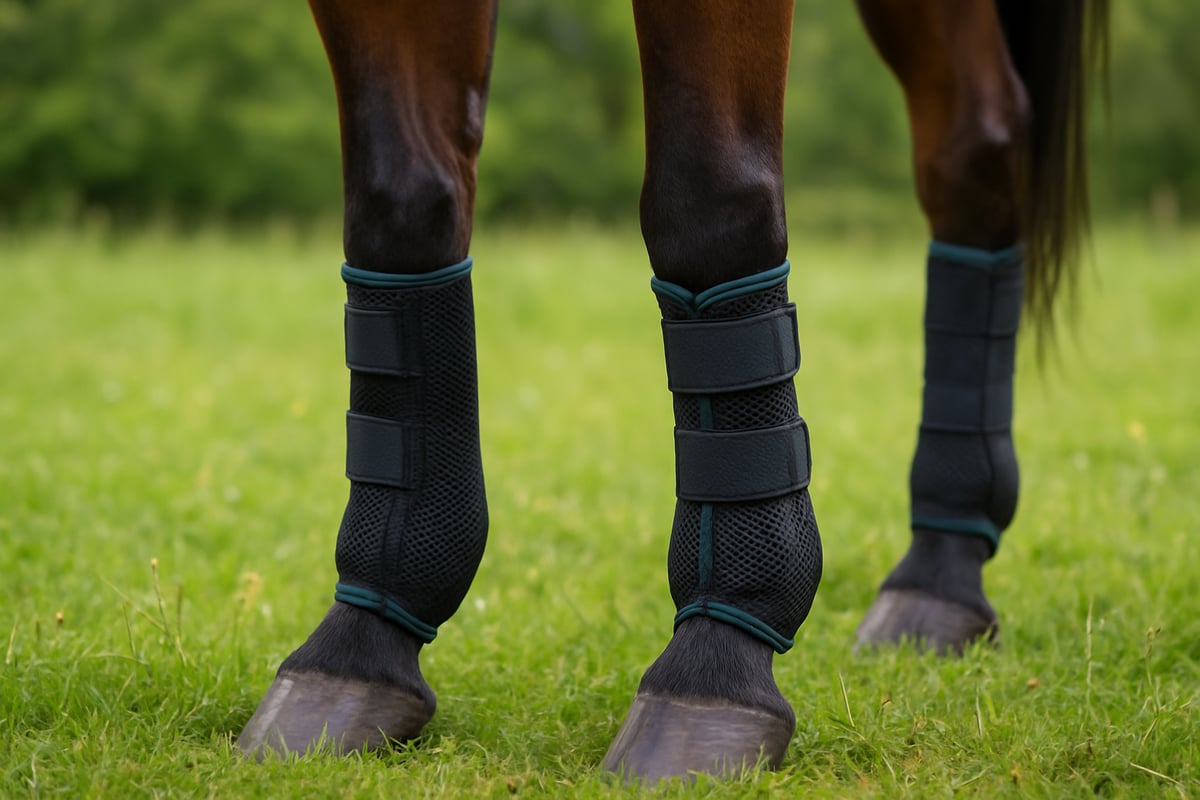
Fly boots are protective leg coverings designed specifically for horses. Their main purpose is to shield the lower legs from biting insects, dirt, and debris during turnout or riding. Unlike general horse boots that focus on support or impact protection, fly boots are constructed with lightweight, breathable materials to maximize airflow and minimize irritation.
These boots typically cover from the knee or hock down to the hoof, creating a barrier that deters flies and other pests. The use of fly boots helps reduce the risk of skin conditions and allergic reactions caused by insect bites, making them a valuable addition to any equine care routine.
Which Horses Benefit Most from Fly Boots?
Fly boots are ideal for equestrians, horse owners, and outdoor riders who want to enhance their horse's comfort and health. They are especially beneficial in regions or seasons where flies and biting insects are prevalent, such as during the warmer months or in humid climates.
For horses with sensitive skin or a history of leg injuries, fly boots offer an extra layer of protection. In addition, horses recovering from wounds or those prone to stomping due to irritation can greatly benefit from consistent use. Riders who participate in long trail rides or competitive events often rely on fly boots to keep their horses focused and free from distraction.
A Quick Guide to Different Fly Boot Types
There are several types of fly boots to suit different needs and environments:
- Turnout Boots: Designed for daily wear in pastures, offering full-leg coverage and durable materials.
- Riding Fly Boots: Made for use during exercise, often lighter and more flexible to allow natural movement.
- Therapeutic Fly Boots: Integrate features like cooling gels or compression to address specific medical issues.
Choosing between these types depends on your horse's daily activities and the specific challenges of your environment. Turnout boots are favored for maximum protection, while riding fly boots prioritize mobility. Therapeutic options are best for horses needing additional care.
Key Construction and Design Features
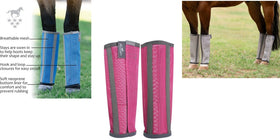
Fly boots are designed to be both effective and comfortable. Most are made from a light, airy mesh material that allows for plenty of airflow, keeping your horse’s legs cool while forming a physical barrier against biting insects. This simple protection can make a huge difference, reducing the constant stomping that can lead to loose shoes, joint stress, and general agitation. To prevent chafing, quality boots feature soft edging or fleece trim around the top and bottom. They are secured with strong, adjustable velcro closures that ensure a snug fit on the lower leg—the area a horse can’t easily protect with its tail.
Combination and Specialty Boots
While the basic design is straightforward, you can find fly boots with specialized features to meet specific needs. Some styles offer a more contoured, athletic fit, while others have a relaxed cut for comfortable all-day wear in the pasture. For horses needing extra protection, combination boots are an excellent choice, integrating a bell boot at the base to shield the hoof and coronary band from overreaching. With so many options available, from different sizes to materials, you can find the perfect piece of horse tack to keep your equine partner comfortable and happy all season long.
How Fly Boots Affect Your Horse's Comfort and Health
Research and expert opinions consistently highlight the positive effects of fly boots on horse wellbeing. By reducing fly bites and irritation, these boots help horses stay calm and comfortable, which can translate into better performance and fewer stress-related behaviors.
According to findings shared by the Fly control around horses, fly boots play a significant role in minimizing fly annoyance and preventing injuries caused by constant stomping. Statistics indicate that horses equipped with fly boots experience fewer skin lesions and have improved leg health during peak fly season.
Overall, the use of fly boots is a proactive measure that supports both the physical and mental health of horses, making them a smart investment for any horse owner.
Reducing Stomping and Stress
We’ve all seen a horse in a pasture relentlessly stomping to escape biting flies. It’s not just a nuisance; that constant irritation is a major source of stress and can lead to significant wear and tear on their legs and hooves. Fly boots offer a straightforward solution by creating a physical barrier that shields your horse’s sensitive lower legs from painful bites. This simple layer of protection gets to the root of the problem, giving your horse immediate relief. A horse that isn’t constantly fighting off insects is calmer and more comfortable, which translates to fewer stress-related behaviors and a much happier companion.
The benefits extend well beyond immediate comfort. All that stomping puts a tremendous amount of strain on a horse's joints, tendons, and hooves, which can contribute to soundness issues over time. As experts from the University of Minnesota Extension have noted, minimizing fly annoyance is key to preventing injuries and skin lesions caused by this repetitive impact. Adding fly boots to your horse's collection of protective gear is a proactive step in protecting their physical and mental health. It’s a simple but essential part of the routine to ensure your horse stays comfortable and sound through fly season.
The Ultimate Fly Boot Buying Checklist
Selecting the right fly boots in 2025 means knowing which features truly matter. With technology advancing and rider expectations higher than ever, it is crucial to identify the innovations that set the best fly boots apart from the rest.
What Are the Best Fly Boots Made Of?
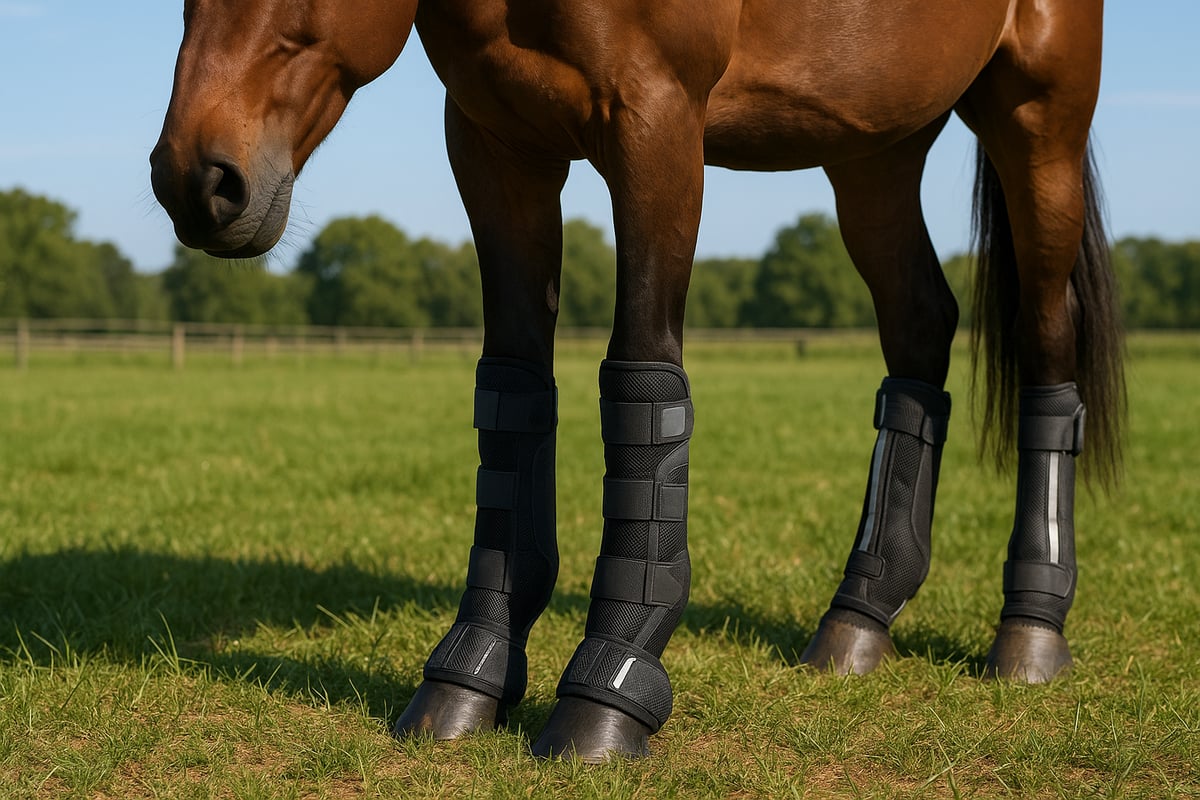
In 2025, fly boots have embraced a new era of material science. Today’s models often use lightweight, breathable mesh that allows for airflow yet keeps even the smallest insects out. UV-resistant fabrics shield sensitive skin from sun damage, while anti-microbial linings help prevent odor and irritation.
Traditional materials like canvas and neoprene remain, but modern fly boots now incorporate quick-dry technology, making daily care easier and more effective. Some brands are even introducing recycled or eco-friendly fibers, responding to sustainability demands.
To explore the latest in protective gear and material options, browse the Fly Season Protection Collection, which highlights current innovations in fly boots and related products.
Ensuring a Perfect, Comfortable Fit
The fit of fly boots is just as important as their construction. A well-designed boot should contour to your horse’s leg, avoiding bunching or slipping. In 2025, brands offer adjustable closures such as wide velcro straps, buckles, and elastic inserts, accommodating a variety of leg shapes and sizes.
Boot weight is also a key factor. Lightweight fly boots minimize interference with natural movement, ensuring your horse stays comfortable even during long turnout sessions. Proper fit prevents rubbing, which can lead to sores or reduced use. When evaluating fly boots, always check for customization options and user-friendly adjustments.
How Much Protection Does Your Horse Need?
Not all fly boots provide the same level of protection. Some models offer full-leg coverage, shielding from hoof to knee, while others focus only on the lower leg. Extra features like reinforced heel guards and padded strike zones help prevent injuries from knocks or overreaching.
Full-coverage fly boots are ideal in regions with heavy insect activity, while partial-leg designs may suffice in milder climates. Consider your environment and your horse’s activity level when choosing the optimal coverage. Reinforced seams and double-stitched panels also increase defense against both insects and abrasions.
Keeping Your Horse Cool and Comfortable
One of the most critical features in fly boots is breathability. Horses generate significant heat, and without proper ventilation, legs can overheat, leading to discomfort or skin irritation. Mesh panel designs, now common in 2025 models, allow for excellent airflow while maintaining effective protection.
Top brands test their fly boots for breathability, often comparing mesh types and vent placement. Look for boots with large, strategically placed panels and moisture-wicking linings. These features help keep your horse’s legs cool, even during peak summer months, and reduce the risk of heat-related issues.
Finding Boots That Last (and Are Easy to Clean)
Fly boots should withstand daily use in varied conditions. The best options use rip-resistant fabrics and reinforced stitching, ensuring a longer lifespan. Some models boast double or triple-layer construction in high-wear areas like the fetlock and cannon bone.
Maintenance is straightforward for most modern fly boots. Many are machine washable or easy to hose off and dry quickly. Pay attention to closure durability, as worn straps are a common point of failure. Regularly inspect for signs of wear to ensure ongoing protection and performance.
Considering Colors and Aesthetics
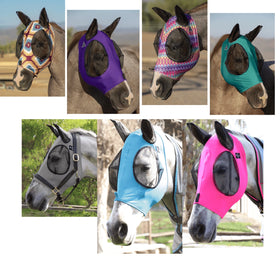
While protection and fit are the most important factors, there's no reason your horse's gear can't also look great. Fly boots have moved beyond being purely functional items and are now stylish accessories that let you express your horse's personality. You can find them in a huge variety of colors and patterns, from classic neutrals that match everything to bold prints like cheetah. This makes it easy to coordinate your fly boots with the rest of your horse tack, creating a polished and put-together look whether you're out in the pasture or working in the training ring.
Personalization is a big part of the equestrian world, and fly boots are no exception. Many brands now offer boots in sets with multiple color options, which lets you mix and match for a completely custom style. According to some trend-watchers, popular color combinations for the upcoming season include vibrant shades like ultraviolet and lavender, which can add a sophisticated and dreamy touch to your horse's look. Whether you prefer a subtle, classic appearance or want to make a statement with bright, eye-catching colors, the aesthetic options available today mean you never have to sacrifice style for your horse's comfort.
Don't Overlook These Safety Features
Safety features have become a top priority in fly boots for 2025. Reflective strips and bright color options improve visibility during dawn or dusk turnout. These enhancements help prevent accidental collisions, especially in shared spaces.
Some fly boots carry safety certifications or meet industry standards, offering extra peace of mind. User feedback consistently praises models with high-visibility elements, noting their role in reducing turnout accidents. When selecting fly boots, consider how added safety features align with your horse’s environment and daily routine.
Shop This Post

How to Find the Perfect Fly Boot Fit for Your Horse
Selecting the right size and fit for your horse’s fly boots is crucial for both comfort and protection. An accurate fit prevents rubbing, slipping, and discomfort, ensuring your horse benefits fully from modern fly boots. Let’s break down the process so you can confidently choose the best pair for your equine partner.
A Step-by-Step Guide to Measuring Your Horse
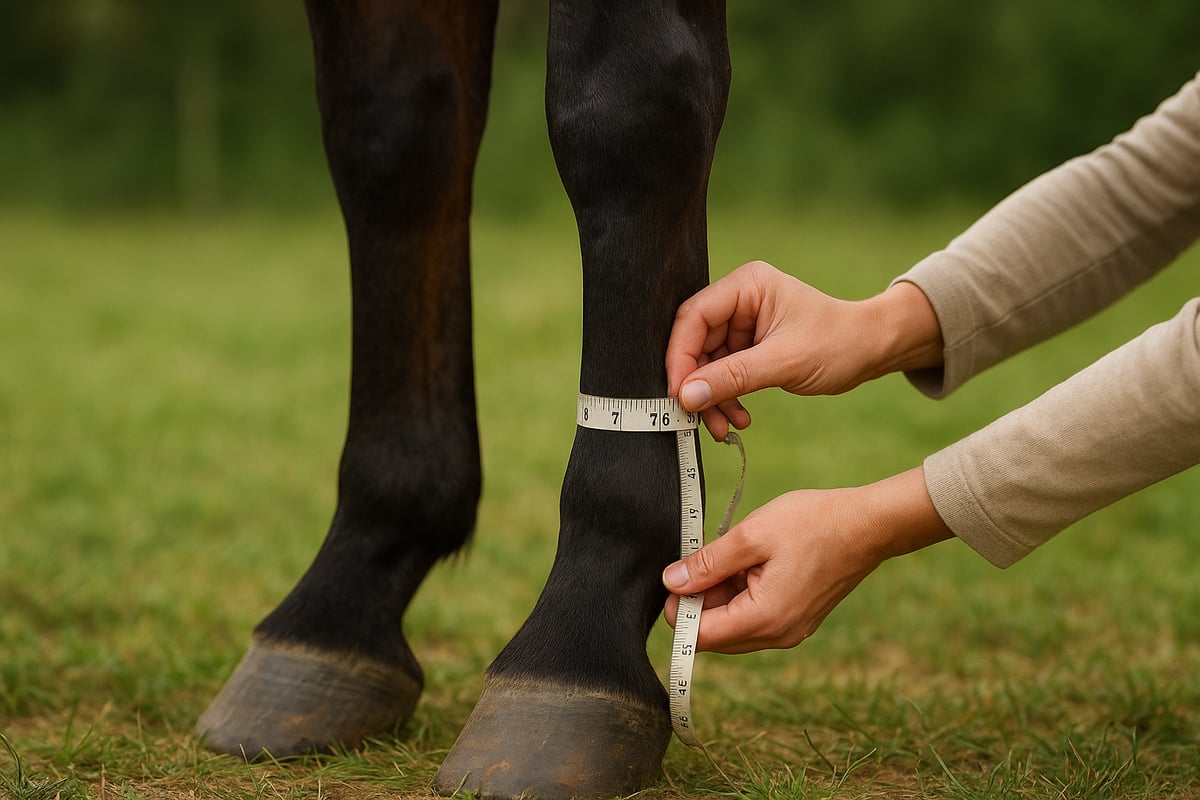
Begin by gathering a flexible measuring tape, a notepad, and a helper if possible. Accurate measurements are the foundation for choosing well-fitting fly boots. Measure each leg individually, as horses’ legs can vary in size.
Follow these steps:
- Ensure your horse is standing squarely on a flat surface.
- Measure the circumference of the leg at the cannon bone, just below the knee or hock.
- Note the length from the bottom of the knee or hock to just above the fetlock.
- Record all measurements for each leg, as some horses need different sizes on front and hind legs.
Common mistakes include pulling the tape too tightly or loosely, skipping leg measurements, or not measuring both pairs of legs. Use a soft, flexible tape for accuracy and repeat the process if unsure. Double-checking ensures your fly boots will fit securely and comfortably.
How to Read Sizing Charts (and Why Brands Differ)
After measuring, consult the sizing charts provided by manufacturers. Each brand may have slight differences in how they size their fly boots, so always refer to the specific chart for the model you are interested in. Sizes like small, medium, and large can vary significantly between brands such as Majyk Equipe and Shires.
If your horse’s measurements fall between sizes, opt for the larger size for more coverage, but check for adjustability features. Some brands offer more detailed guides, including measurement ranges and recommended leg types.
For a comprehensive view of different sizing options and models, you can explore the Horse Boots & Leg Protection collection, which showcases a variety of brands and their unique sizing guides.
Understanding Common Size Categories (Cob, Pony, Oversize)
When you start shopping, you'll notice that most fly boots are grouped into a few standard sizes. Understanding these categories will help you quickly narrow down your choices. The most common sizes you'll encounter are Pony, Cob, and Oversize, which often supplement a standard "Horse" or "Full" size. Pony sizes are designed for smaller breeds like Shetlands, with shorter and narrower dimensions for a snug fit. Cob size is perfect for horses that fall between a pony and a standard horse, such as Arabians or smaller Thoroughbreds.
The standard "Horse" or "Full" size typically fits average-sized breeds like Quarter Horses. For larger breeds with more substantial legs, like Drafts or Warmbloods, you'll want to look for Oversize options. These provide the extra length and circumference needed for a comfortable and secure fit. Getting familiar with these terms makes it much easier to find the right protective gear when browsing collections of horse tack and ensures you're starting your search in the right place.
How to Tell if the Fly Boots Fit Properly
Knowing the signs of proper fit is essential. Well-fitted fly boots should:
- Sit snugly without pinching or restricting movement.
- Stay in place during walking and turnout.
- Cover the intended area without slipping down or twisting.
Watch for issues like boots sliding down, causing rub marks, or restricting your horse’s gait. If you notice swelling, hair loss, or your horse resisting movement, the fit may be too tight or too loose. In borderline cases, try using liners or adjusting straps for a better fit. Regular checks help prevent discomfort and maximize the protective benefits of fly boots.
Fitting Horses with Special Conditions
Some horses have unique leg shapes, medical conditions, or are recovering from injury, requiring special consideration when fitting fly boots. Young or senior horses may have more delicate skin, so select boots with soft linings and extra padding.
For horses with swelling or previous injuries, choose boots with flexible, adjustable closures and breathable materials. If you are uncertain about fit due to unusual leg conformation or medical concerns, consult an equine professional or your veterinarian.
Taking extra care in these scenarios ensures your horse receives optimal protection and comfort from their fly boots, regardless of age or health status.
Our Top-Rated Fly Boot Brands and Models
Selecting the right fly boots can make a measurable difference in your horse's comfort, health, and performance. As the market evolves, top brands continue to innovate, offering a range of features and styles tailored to every equestrian need.
The Most Trusted Names in Fly Boots
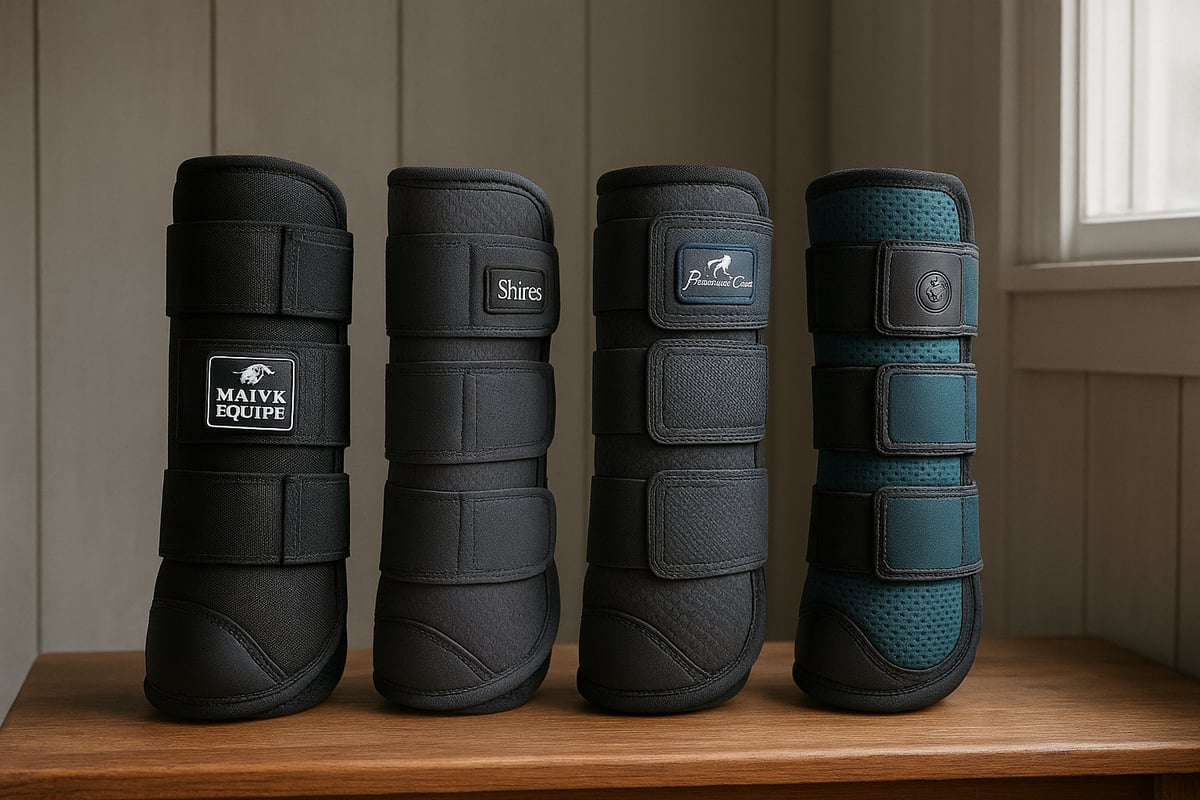
The fly boots market in 2025 is defined by a handful of trusted brands, each with its own innovations and reputation for quality. Majyk Equipe, Shires, and Professionals Choice stand out as industry leaders, consistently praised for their durability, comfort, and advanced materials.
Majyk Equipe is renowned for its technical designs and attention to anatomical fit. Shires, a long-standing favorite, is celebrated for its blend of affordability and performance. For a detailed look at their latest offerings, explore this Shires Brand Overview, which highlights new models and customer favorites. Professionals Choice is another top contender, valued for its robust protection and user-friendly features.
Customer service, warranties, and post-sale support also differentiate these brands. While Majyk Equipe often leads in innovation, Shires maintains a loyal following for its reliability and wide product range. Professionals Choice brings versatility, with options suitable for both turnout and riding.
More Brands to Explore
While the industry leaders we've covered offer fantastic options, several other brands bring unique strengths to the table and are absolutely worth considering. Exploring these alternatives can help you find the perfect match for your horse's specific needs, especially if you're looking for specialized features or a different style. Each one has a reputation for quality and thoughtful design, giving you even more great choices for keeping your horse comfortable and protected during fly season.
- Kensington Protective Products: Known for combining durability with style, Kensington makes boots from high-quality, UV-resistant fabrics. This makes them an excellent choice if your horse spends a lot of time in sunny pastures.
- Cashel Company: If comfort is your top priority, Cashel is a brand to watch. They focus on soft, breathable materials to prevent irritation and even offer therapeutic options for horses with sensitive skin.
- Horseware Ireland: This brand is great at blending function with a polished look. Horseware's fly boots provide excellent coverage and are designed to hold up in various environments.
- SmartPak Equine: Offering a wide selection, SmartPak caters to different budgets without compromising on quality. You can find boots with advanced materials designed for effectiveness and comfort.
A Closer Look at Top-Performing Models
Each year, several fly boots models earn top marks from riders and reviewers alike. For 2025, the Majyk Equipe Fly-Bye Boots are frequently cited for their lightweight mesh, UV protection, and ergonomic build. Shires Arma Mesh Fly Boots combine breathability with reinforced strike zones, making them a strong choice for active turnout.
Professionals Choice Comfort-Fit Fly Boots are popular for their soft linings and secure closures. These models are designed to minimize rubbing and slippage, even during extended wear. User feedback consistently notes reduced fly bites and improved comfort, particularly in challenging summer conditions.
Below is a quick comparison of standout models:
| Model Name | Key Features | Price Range |
|---|---|---|
| Majyk Equipe Fly-Bye Boots | UV mesh, ergonomic fit, anti-rub | $$$ |
| Shires Arma Mesh Fly Boots | Breathable, reinforced, easy clean | $$ |
| Professionals Choice Comfort-Fit | Soft lining, secure closure | $$ |
These fly boots lead the market in both sales and satisfaction, meeting the diverse needs of equestrians.
How Much Should You Spend on Fly Boots?
Fly boots are available across a spectrum of price points, making it possible to find the right balance between cost and performance. Budget options often use basic mesh and simple closures, providing essential protection for casual turnout. Mid-range boots, like those from Shires, offer enhanced features such as reinforced seams and improved fit.
Premium models, such as Majyk Equipe Fly-Bye Boots, command higher prices due to advanced materials, anatomical shaping, and added safety elements. When comparing value, consider factors like lifespan, warranty, and the specific needs of your horse.
Here is a summary of what to expect at each price level:
- Budget ($): Basic fly protection, suitable for light use.
- Mid-range ($$): Improved durability, comfort, and coverage.
- Premium ($$$): Cutting-edge materials, custom fit, maximum protection.
Investing in higher-end fly boots often results in better long-term value, especially for horses in demanding environments.
What to Expect at Different Price Points
Fly boot prices can vary quite a bit, but knowing what to expect at each level makes choosing the right pair much easier. Think of it in three tiers:
- Budget-Friendly ($): These are a great starting point for horses in light turnout or those who are generally easy on their gear. They provide essential protection with basic mesh and simple closures. While they’re perfect for casual use, they might not hold up to a horse that lives outside 24/7 or loves to play hard in the pasture.
- Mid-Range ($$): This is the sweet spot for many horse owners. Mid-range boots from trusted brands like Shires offer a fantastic balance of performance and price. You can expect more durable materials, reinforced seams, and a better anatomical fit designed to withstand daily wear and tear, making them a reliable choice for most horses.
- Premium ($$$): If your horse has sensitive skin, lives in a particularly buggy area, or needs maximum protection, premium boots are worth the investment. High-end models use advanced technical fabrics, offer superior shaping for a near-custom fit, and include extra comfort features. Their durability often means they last longer, providing better long-term value.
The best choice always comes down to your horse’s specific needs. Investing in a quality pair from our horse boots and leg protection collection ensures they get the right level of comfort and defense against pests all season long.
Should You Buy Online or at a Tack Shop?
Choosing where to purchase fly boots is as important as selecting the right model. Online retailers offer convenience, a broad selection, and often competitive pricing. Many sites feature free shipping, hassle-free returns, and customer reviews to guide your decision.
Local tack shops, on the other hand, provide the advantage of in-person fitting and expert advice. You can examine materials, test closures, and ensure a perfect fit before buying. Some shops also offer loyalty programs or custom ordering options.
When making your purchase, consider after-sales support, return policies, and available payment plans. Whether you shop online or in-store, prioritize reputable retailers to ensure authenticity and warranty coverage.
The Importance of a Good Return Policy
Even with the most careful measurements, sometimes a pair of fly boots just doesn't work out. That's why a retailer's return policy is such a critical part of your purchase. An improper fit can cause rubbing, slipping, or general discomfort, which means the boots won't provide the protection your horse needs. When you're shopping, look for a policy that gives you plenty of time to try the boots on and see how they perform during turnout. A standard 30-day window is good, but a truly customer-first company often provides more. Here at Hooves and Paws, we stand behind our handpicked products with a 365-day satisfaction guarantee. This gives you the confidence to know that if a product doesn't meet your expectations, you have options. A great return policy isn't just a safety net; it shows that a company is confident in its products and committed to your horse's well-being.
How to Make Your Fly Boots Last Longer
Regular care is essential for maximizing the performance and longevity of your fly boots. Proper maintenance not only extends their lifespan but also ensures they continue to offer optimal protection and comfort for your horse. By establishing a routine for cleaning, inspecting, and storing your fly boots, you can help prevent common issues such as material degradation, odor buildup, and premature wear.
The Right Way to Clean and Store Your Boots
Keeping fly boots clean is crucial to maintaining their effectiveness and comfort. After each use, gently shake off dirt, dust, and loose debris. For a deeper clean, hand wash the boots in cool water with a mild, horse-safe detergent. Avoid harsh chemicals, as they can break down the fabric and irritate your horse’s skin.
Once washed, rinse thoroughly to remove any soap residue. Pat the fly boots dry with a towel and allow them to air dry completely before storage. Never store damp boots, as this can lead to mold or mildew. Store fly boots in a dry, well-ventilated area, ideally hanging them or placing them in a breathable bag.
When to Repair vs. When to Replace
Inspect your fly boots regularly for signs of wear, such as fraying seams, loose stitching, or thinning material. Early detection of these issues can prevent more significant problems and keep your horse protected. Minor repairs, like reattaching a velcro strap or sewing a small tear, can often be done at home using basic tools.
However, if the integrity of the fly boots is compromised, replacement may be the safest option. Many top brands offer warranty or repair services, so check if your boots are covered. If you need guidance on the types of leg protection and their maintenance, refer to the Ultimate Horse Leg Protection Guide for further expert advice.
Off-Season Care and Storage
Fly boots require different care routines depending on the season. During hot, humid months, clean and dry them more frequently to prevent sweat buildup and bacterial growth. In wet weather, ensure boots are thoroughly dried after each use, as prolonged moisture can damage materials and harbor bacteria.
When fly boots are not in use, such as during winter or off-season, clean them thoroughly before long-term storage. Store them in a cool, dry space away from direct sunlight. Using silica gel packets in storage bags helps absorb excess moisture and keeps the boots in optimal condition.
Simple Habits to Extend Boot Life
To get the most out of your fly boots, rotate between pairs if your horse wears them daily. This allows each set ample time to dry and recover. Regularly inspect boots for early signs of wear and address minor issues promptly. Avoid exposing your boots to unnecessary stress, such as rough terrain or over-tightening straps.
Prompt repairs and consistent care can significantly extend the usable life of fly boots. Listening to feedback from other riders and learning from their experiences can also help you refine your maintenance routine. With attentive care, your fly boots will continue to safeguard your horse’s legs season after season.
How to Choose the Best Fly Boots for Your Horse
Choosing the right fly boots requires more than a quick glance at style or price. With the market expanding and new technology emerging, making a well-informed decision is crucial. Below, we break down expert buying tips to help you match your horse’s needs with the best products available in 2025.
Matching the Boots to Your Horse's Lifestyle
Before purchasing fly boots, evaluate your horse’s daily activities, environment, and any health concerns. Horses living in areas with high insect populations or spending long hours outdoors will benefit most from robust fly boots. If your horse has sensitive skin or past injuries, prioritize boots with extra padding or therapeutic features. Consider breed, age, and discipline as well, since each factor can affect fit and performance. By understanding your horse’s unique requirements, you can select fly boots that offer the right balance of protection, comfort, and durability without unnecessary features or expense.
How to Read Between the Lines of Product Reviews
Reading detailed reviews and seeking expert recommendations can help you narrow down the best fly boots for your situation. Look for consistent feedback on durability, comfort, and effectiveness against flies. Prioritize reviews from riders with horses similar to yours in size or activity level. Beware of overly positive or generic testimonials, and instead focus on specific experiences and before-and-after comparisons. Trusted equestrian forums and professional endorsements often provide insights beyond basic product descriptions. This approach ensures you select fly boots that have a proven track record in real-world conditions.
Setting a Realistic Budget
Setting a realistic budget for fly boots is essential. Consider how often your horse will wear the boots and whether you need a backup pair for rotation. Compare features across price ranges, keeping in mind that higher cost often reflects advanced materials or added protection. Take advantage of seasonal sales and bundle offers from reputable retailers to maximize value. Remember, investing in quality fly boots can save money in the long run by reducing the risk of fly-related injuries or frequent replacements. Plan your purchase to align with your horse’s needs and your financial goals.
The All-Important Fit Check
A proper fit is non-negotiable when choosing fly boots. Whenever possible, try boots on your horse before committing to a purchase. Examine how the boots conform to the legs, checking for gaps, pressure points, or slipping. Walk and trot your horse to observe movement and comfort. Take advantage of generous return policies offered by many retailers, allowing you to test fly boots at home. Monitor your horse during the initial days for signs of rubbing or irritation, and make necessary adjustments to achieve the ideal fit. Comfort and fit directly influence your horse’s willingness to wear fly boots.
Common Fly Boot Buying Mistakes to Avoid
Avoid rushing the buying process or relying solely on brand reputation. Skipping proper measurements can result in fly boots that slip or cause chafing. Do not overlook the importance of materials, as some options may trap heat or moisture, leading to discomfort. Failing to review maintenance requirements could result in premature wear or hygiene issues. Be wary of flashy marketing claims that do not align with your horse’s real needs. By steering clear of these common pitfalls, you ensure your investment in fly boots delivers comfort and protection throughout the season.
What's New in Fly Boot Technology?
The fly boots market in 2025 showcases exciting advancements, including smart fabrics with enhanced airflow, UV protection, and antimicrobial properties. Leading brands are introducing lighter designs with reinforced strike zones and improved closures. According to the Equestrian Equipment Market Share, Growth Trends, 2025-2034, demand for innovative fly boots is rising as equestrians seek better performance and style. Expect to see more customizable options, eco-friendly materials, and integration with digital tracking for monitoring wear. Staying informed about these trends ensures your next purchase is truly future-ready.
Now that you understand how crucial the right fly boots are for your horse’s comfort and protection, you’re ready to make an informed decision. With all the latest advances in materials, fit, and safety features we’ve discussed, you can confidently choose a pair that matches your horse’s needs and your own standards. At Hooves and Paws, you’ll find a carefully curated selection of top brands, free US shipping, and flexible payment options—making it easy to get the best for your horse. If you’re ready to take the next step, Buy Now and experience the difference quality fly boots can make.
Frequently Asked Questions
Can my horse wear fly boots 24/7? While many modern fly boots are designed for extended turnout, it's a good practice to remove them daily. This gives you a chance to check your horse's legs for any signs of rubbing or irritation, brush off any dirt, and let the skin breathe freely for a bit. A quick daily check ensures your horse stays comfortable and the boots remain effective.
Will fly boots make my horse's legs overheat in the summer? This is a common concern, but quality fly boots are designed specifically to prevent overheating. They are made from light, airy mesh materials that allow for constant airflow, unlike boots made from neoprene or leather. A proper fit is also key, as a boot that is too tight can restrict air circulation, so always ensure you can comfortably slip a finger between the boot and your horse's leg.
How do I know if the boots are rubbing my horse? When you take the boots off, run your hands over your horse’s legs and look closely for any signs of trouble. Pay special attention to the areas along the top and bottom edges and over the joints. Telltale signs of rubbing include broken or ruffled hair, redness, swelling, or any raw spots. If you notice any of these, the fit may be off or it might be time to try a different style with softer edging.
My horse is a master at getting his boots off. Any tips? A Houdini horse can be frustrating! The first thing to check is the fit. Boots that are too loose are easy for a clever horse to slide off. Ensure the velcro straps are snug but not tight. If the fit is right, you might consider trying a different brand. Some boots have a more contoured, anatomical shape or stronger closures that are more difficult for a horse to remove.
Do I need different sizes for the front and hind legs? Often, yes. A horse's hind legs are typically longer and shaped differently than their front legs, especially around the hock and fetlock. It's always best to measure both front and hind legs separately and compare those measurements to the brand's specific sizing chart. Some brands sell boots in sets of four with distinct front and hind designs, while others sell them in pairs, so you can buy the exact sizes you need.
Key Takeaways
- Focus on Fit for All-Day Comfort: An ill-fitting boot is useless, so always measure your horse's legs and compare the numbers to the specific brand's sizing chart. Look for breathable mesh and soft trim to prevent rubbing and ensure the boots stay securely in place without causing irritation.
- It's About More Than Just Flies: The real benefit of fly boots is preventing the constant stomping that leads to joint stress, hoof damage, and overall agitation. A comfortable horse is a healthier horse, making these boots a key part of their wellness routine during fly season.
- Make Your Gear Last with Simple Maintenance: Get the most out of your purchase by establishing a simple care routine. Regularly wash your boots with a mild detergent, allow them to air dry completely, and inspect the closures and seams for wear to catch small issues before they become big problems.


