


Are you looking for better control and communication with a horse that gets strong or leans on your hands? The right equipment can make all the difference. A gag bit is a specialized tool, and knowing which one to use is key to responsive, precise riding. But with so many options, it's easy to feel overwhelmed. This guide breaks down the seven essential gag bit types every rider should know. You'll learn how each one works and its unique benefits, helping you choose the best option to enhance performance, safety, and your partnership.
Gag Bits Explained: How They Work and When to Use Them
First Things First: What is a Gag Bit?
A gag bit is a specialized piece of horse tack designed to provide increased control through unique pressure distribution. Unlike standard snaffle or curb bits, a gag bit uses a sliding mechanism that applies pressure not only to the horse’s mouth but also to the poll, encouraging a specific head carriage and responsiveness.
Historically, gag bits evolved to address the needs of high-energy horses in disciplines such as show jumping and polo. Modern adaptations now offer improved comfort and safety. Disciplines like eventing, show jumping, and hunting frequently utilize gag bits for their adaptable action. Riders seeking detailed options can explore the Bits and curbs collection to see the range of gag bits available today.
How a Gag Bit Actually Works
The magic of a gag bit lies in its unique sliding action. Unlike a standard bit that applies direct pressure, a gag bit features special straps, often made of rolled leather or cord, that run through the bit rings. When you engage the reins, these straps slide, creating leverage that gently lifts the bit upward into the corners of your horse's mouth. This action is what sets it apart and provides a different kind of communication. It’s not just about stopping power; it’s about redirecting your horse’s energy and focus, particularly in high-stakes situations where clear signals are crucial for safety and performance.
Understanding Leverage and Severity
Because of its leverage system, a gag bit is considered a more assertive piece of equipment. The sliding motion gives you significant braking power and control, which is why it's essential to use it with a light, educated hand. The primary function is to discourage a horse from leaning on the bit or pulling down. When the bit slides upward, it applies pressure to the corners of the mouth and the poll, encouraging the horse to lift its head and rebalance its weight. This makes it a valuable tool for specific training challenges, but it also means it requires a rider who understands how to apply pressure correctly and release it instantly when the horse responds. Proper use is key to ensuring your horse tack works with you, not against you.
The Psychological Impact on Your Horse
The dual pressure on the horse's lips and poll has a distinct psychological effect. This combination often encourages a horse to raise its head, which can be incredibly helpful for horses that tend to pull hard or carry too much weight on their forehand. By asking the horse to lift its head, the gag bit helps shift its balance back over its hindquarters, leading to better collection and responsiveness. It’s a way of asking your horse to think differently about how it carries itself. However, it's important to remember that this is a strong signal, and it should be used to correct a specific issue rather than as a constant source of pressure.
Specialized Bridles and Cheek Pieces
You can use gag bits in a couple of different ways depending on their design. Some are built into a specialized "gag bridle," which has the sliding cheek pieces integrated directly into the headstall. Others can be added to a standard bridle using gag cheek pieces. Many riders opt to use two sets of reins with a gag bit. One rein attaches to the bit ring for normal snaffle action, while the second rein connects to the gag strap to activate the leverage only when extra control is needed. This setup allows for more nuanced communication, giving you the ability to use the gag’s function selectively without relying on it for every cue.
Why a Gag Bit Might Be Right for Your Horse
Choosing a gag bit can offer distinct advantages for both horse and rider. One major benefit is enhanced leverage, which allows the rider to communicate more clearly with strong, forward-going horses. This improved communication can lead to better precision and responsiveness during challenging maneuvers.
Gag bits are especially helpful for horses that tend to lean or become heavy in the hand, as the pressure encourages lighter contact. The flexibility of rein attachment also means riders can adjust the severity to suit each horse’s needs. Overall, a gag bit can address specific behavioral concerns and help maintain better control in demanding situations.
Knowing When to Reach for a Gag Bit
Deciding when to use a gag bit depends on several factors. Horses with strong personalities or those prone to pulling often benefit from the additional poll pressure a gag bit provides. However, correct use is essential for safety and horse welfare.
Gag bits are best suited to experienced riders who understand the mechanics and can avoid common mistakes, such as excessive force or poor rein handling. It is important to monitor the horse’s comfort and response, and to stay informed about trends in gag bit usage, which show a steady rise in popularity for 2026. Use a gag bit only when it aligns with the horse’s temperament and the rider’s skill level.
What's New in Gag Bit Design and Materials?
The year 2026 brings exciting innovations in gag bit design. Manufacturers now use advanced materials like stainless steel, sweet iron, and lightweight synthetics for increased durability and comfort. Ergonomic shapes and anatomical mouthpieces are becoming standard, reducing pressure points and supporting horse welfare.
Many new gag bits feature rollers or flexible joints to improve salivation and acceptance. Sustainability is also a growing trend, with eco-friendly materials and ethical production practices at the forefront. Leading brands are launching products that combine these advances, ensuring riders have access to the safest and most effective gag bit options available.
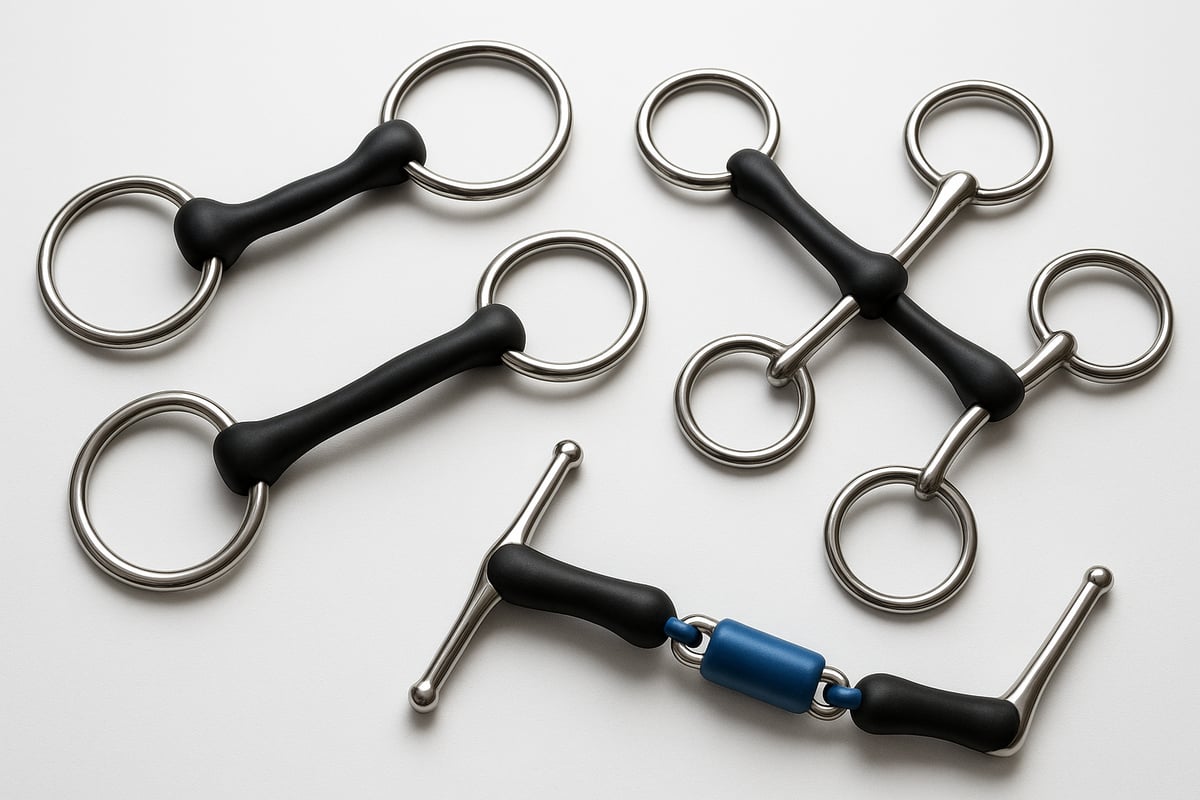
Common Mouthpiece Styles: Mullen vs. Jointed
When selecting a gag bit, you'll primarily choose between two mouthpiece styles: jointed or Mullen. A jointed mouthpiece, much like a standard snaffle, has a break in the middle. This design applies pressure to the bars of the horse's mouth and the tongue. In contrast, a Mullen mouthpiece is a solid, gently curved bar that distributes pressure more evenly across the tongue without the "nutcracker" action. The style you choose can dramatically change how the bit functions and how your horse responds. Some horses prefer the consistent, milder pressure of a Mullen, while others are more responsive to the specific cues of a jointed bit. Understanding your horse's sensitivity and preferences is key to making the right choice from any horse tack collection.
Materials Beyond Stainless Steel
While stainless steel is a durable and popular choice, gag bits are available in a variety of materials designed to improve comfort and communication. Metals like copper and sweet iron are known to encourage salivation, which helps keep the horse's mouth soft and responsive. For horses with sensitive mouths, bits wrapped in rubber or leather can offer a gentler alternative. You might also find options made from specialized materials like BLU Steel or brass, each providing unique benefits in terms of feel and longevity. The material of the bit directly impacts how your horse accepts it, so it's worth exploring different options to find what works best for your partner.
Harsh Mouthpieces to Approach with Caution
It's important to recognize that a gag bit is considered a severe piece of equipment due to its leverage system. It applies pressure to both the horse's mouth and the poll, which creates a head-lifting action. This makes it effective for horses that pull, get heavy on the forehand, or require correction in their head carriage. However, this bit should be used with caution and is best suited for experienced riders with soft, independent hands. Improper use can cause discomfort, pain, and resistance. As a family-owned business with decades of equine experience, we believe that advanced tools like gag bits should always be paired with proper training and a deep respect for the horse's well-being.
A Rider's Guide to 7 Common Gag Bit Types
Mastering the right gag bit can dramatically improve your horse's responsiveness and your control in the saddle. In this section, we break down the seven most essential gag bit types, highlighting their unique mechanics, benefits, and best use cases. Whether you're a seasoned competitor or refining your training approach, understanding these options will help you make informed decisions for 2026.
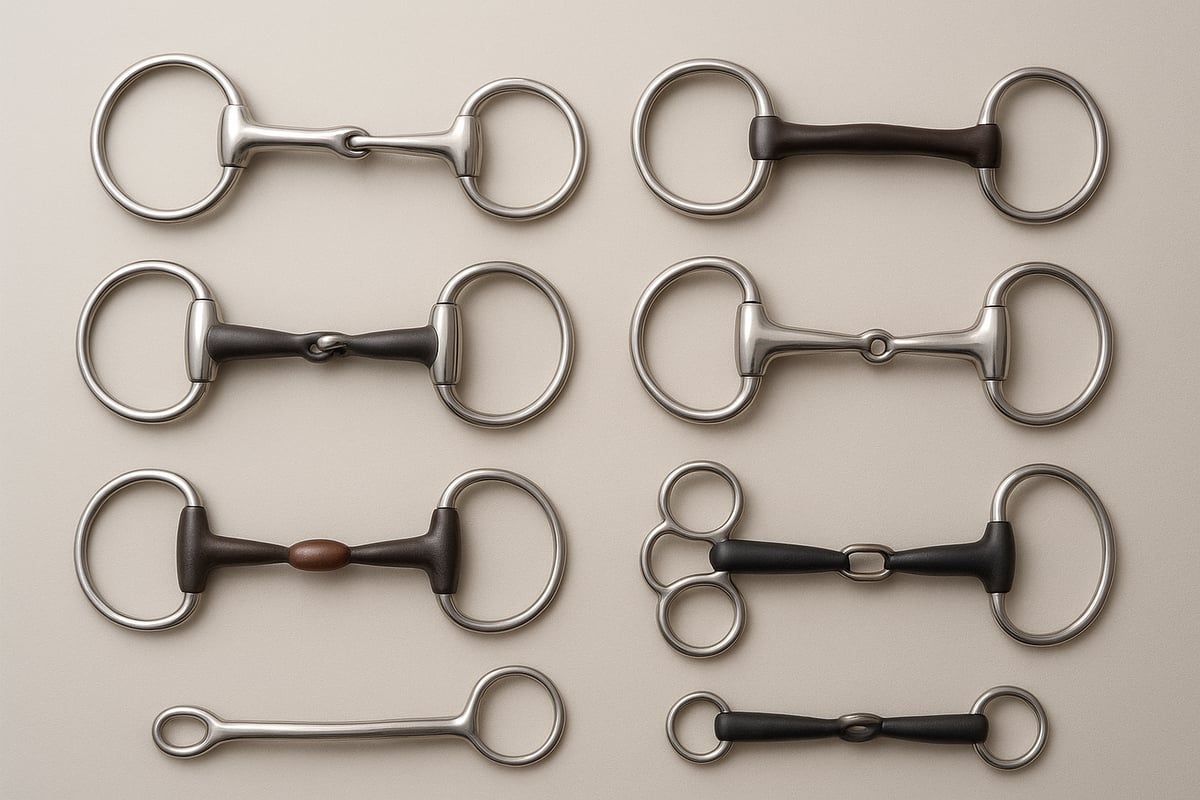
1. Loose Ring (Balding) Gag
The Loose Ring, or Balding gag bit, is a staple for riders seeking subtle yet effective communication. Its hallmark is the loose rings, which allow the mouthpiece to move freely and encourage a softer connection.
Sliding cheekpieces are a defining feature of this gag bit. When the rider applies pressure, the bit slides upward, creating poll pressure and prompting the horse to lighten its forehand. This mechanism helps discourage leaning and promotes a more balanced frame. The loose construction also distributes pressure evenly across the mouth, minimizing harshness.
Eventers and show jumpers often select the Balding gag bit for horses that need a reminder to stay light and responsive. Its popularity in competitive arenas is a testament to its versatility. Riders appreciate that, when used correctly, this gag bit remains gentle and encourages the horse to soften rather than resist.
However, the loose ring design can pinch the corners of the mouth if not paired with bit guards. For this reason, it is not recommended for inexperienced hands or riders lacking finesse. Proper fitting and careful rein handling are essential for safe, effective use.
When considering a gag bit for your horse, the Loose Ring option stands out for its balance of control and comfort. Always ensure the bit fits well and is introduced gradually, especially with sensitive horses.
Why It's Not a True Snaffle
You’ll often hear this bit called a "gag snaffle," which can be confusing. While the mouthpiece might look like a standard snaffle, its action is completely different. A true snaffle works with direct pressure on the horse's mouth without any leverage. The gag bit, however, is defined by its leverage system. Special cheek pieces slide through the bit rings, and when you apply rein pressure, the bit is pulled upward into the corners of the horse’s mouth. This movement creates simultaneous pressure on the lips and the poll (the top of the head), encouraging the horse to lift its head. This leverage is what provides extra control and braking power, placing it in a different category from true snaffles. Knowing how various pieces of horse tack function is essential for effective and humane communication with your partner.
2. Cheltenham (Eggbutt) Gag
The Cheltenham gag bit, also known as the Eggbutt gag, features fixed eggbutt rings that provide extra stability in the horse’s mouth. This design prevents the mouthpiece from rotating excessively, offering a consistent feel and reducing the risk of pinching.
With its smooth sliding action, the Cheltenham gag bit delivers clear communication from rider to horse. The fixed cheeks limit lateral movement, making it an excellent choice for horses that are sensitive to mouthpiece instability. Riders who want the benefits of a gag bit without the drawbacks of pinching or excessive movement often gravitate toward this style.
In hunter and jumper circuits, the Cheltenham gag bit is a popular choice. Its stable fit helps minimize mouth rubs and supports horses who might otherwise be fussy or difficult with more mobile bits. The design is particularly suitable for sensitive-mouthed horses that still require the poll action of a gag bit.
While the Cheltenham gag bit offers many advantages, it provides less lateral guidance compared to a full cheek design. Choosing the right mouthpiece thickness is crucial; a thinner mouthpiece increases severity, while a thicker one offers more comfort.
For riders looking to combine stability and effective poll pressure, the Cheltenham gag bit is a proven option. Its thoughtful design supports both communication and welfare.
Leverage Action Explained
A gag bit’s effectiveness comes from its unique leverage action. When you apply rein pressure, the bit’s cheekpieces slide upward along the bridle, creating pressure on the poll—the sensitive area right behind your horse’s ears. This dual-action system applies pressure to both the mouth and the poll, encouraging your horse to lower its head and lighten its front end. This mechanism is especially helpful for strong, forward-going horses or those that tend to lean on the bit. The result is clearer communication and improved responsiveness, helping you maintain a more balanced frame. Think of it as one key piece in a complete system of horse tack working together to refine your aids.
3. Nelson (Full Cheek) Gag
The Nelson, or Full Cheek gag bit, is renowned for its exceptional lateral control. Full cheeks extend above and below the mouthpiece, preventing the bit from being pulled through the horse’s mouth and aiding in precise steering.
This gag bit’s sliding action combines poll pressure with enhanced directional guidance, making it a top choice for training young or green horses. The full cheeks help reinforce turning aids, encouraging straightness and responsiveness. Many trainers rely on the Nelson gag bit for both schooling and show jumping, where accurate steering is essential.
The benefits of this gag bit include its ability to prevent the bit from drifting, especially in inexperienced horses. It also supports riders working on straightness and clear communication. However, the Nelson gag bit can be harsh if misused, as the added leverage and lateral influence require skillful handling.
Safety is paramount. Using bit keepers can stabilize the cheeks and prevent the bit from catching on tack or equipment. Riders must ensure the bit is correctly fitted and that the horse is comfortable with its action.
For those seeking a gag bit that offers both poll pressure and lateral control, the Nelson design is an invaluable tool in the training arsenal.
4. 2-Ring (Dutch/Pessoa) Gag
The 2-Ring gag bit, also known as the Dutch or Pessoa gag, is celebrated for its versatility and adjustable leverage. Its two-ring design allows riders to attach reins at different points, tailoring the amount of poll and mouth pressure to the horse’s needs.
Mechanically, this gag bit provides multiple options for severity. Attaching the rein to the top ring offers a milder effect, while the lower ring increases leverage and control. This flexibility makes the 2-Ring gag bit a favorite among jumpers, eventers, and cross-country riders who require adaptable control during intense phases.
The 2-Ring gag bit’s popularity has surged in international competitions, reflecting its effectiveness for managing strong or forward horses. It is widely available and easy to customize with different reins, making it accessible for many riders.
However, this gag bit can promote head tossing if misused or if the horse resents the increased poll pressure. It should be paired with suitable rein selection and used by riders with experience in leverage bits.
When choosing a gag bit for cross-discipline performance, the 2-Ring model offers unmatched adaptability. Always introduce it thoughtfully, observing the horse’s reactions and adjusting as needed.
How Poll Pressure Comes into Play
The effectiveness of the 2-Ring gag bit comes from its unique leverage system. When you apply rein pressure to the lower ring, the mouthpiece doesn't just press on the bars of the mouth; it slides upward along the cheekpieces. This movement pulls the bridle's headstall down, creating direct pressure on the horse's poll—the sensitive area just behind the ears. This poll pressure is the key feature that encourages the horse to lower its head and shift its weight back onto its hindquarters. It’s a clear signal that asks for a different frame, providing more control than a standard snaffle bit can offer alone, making it a valuable piece of horse tack for specific training goals.
This dual-pressure system, acting on both the mouth and the poll, is highly effective for horses that tend to get strong, lean on the bit, or carry their head too high. The poll pressure encourages them to soften and come off the forehand, which results in a lighter, more responsive feel in your hands. The goal isn't to force a head position but to rebalance the horse and refine communication. Understanding this mechanic is essential for using the bit correctly, as it allows you to apply subtle cues that your horse can easily understand, leading to a more harmonious and effective ride.
5. 3-Ring (Continental) Gag
The 3-Ring or Continental gag bit is designed for those who need maximum adjustability and control. Its distinctive three-ring construction allows riders to select from multiple leverage levels based on rein placement.
Enhanced poll pressure is a hallmark of this gag bit. By using lower rings, the rider can apply significant force, making the bit highly effective for strong, forward-going horses. The versatile rein setup also means this gag bit can be fine-tuned for various scenarios, from relaxed flatwork to high-stakes competition.
The 3-Ring gag bit is particularly popular in Grand Prix jumping and advanced eventing, where control and precision are non-negotiable. Its high level of adjustability makes it a go-to choice for riders managing difficult horses or facing challenging courses.
Despite its strengths, the 3-Ring gag bit is not suitable for every horse. Overuse or excessive severity can lead to resistance or discomfort. Riders must carefully assess when to choose the 3-Ring gag bit over the 2-Ring, considering the horse’s temperament and the demands of the activity.
For advanced riders seeking a powerful, adaptable gag bit, the 3-Ring delivers both control and flexibility.
6. American Gag (Elevator Bit)
The American gag bit, often referred to as the Elevator bit, features distinctive elevator shanks that amplify poll action. Its sliding mouthpiece and optional curb strap provide a unique blend of upward and downward pressure, encouraging the horse to lift its head and yield at the poll.
This gag bit is especially effective for horses that lean or pull down, offering a corrective solution for entrenched habits. The strong correctional action makes it a favorite in fast-paced disciplines, where quick response and elevated carriage are essential.
Riders appreciate the American gag bit’s ability to significantly improve responsiveness. However, its severity means it should only be used by experienced hands. Adjusting cheekpieces and the curb strap is crucial to ensure the bit acts as intended without causing discomfort.
Choosing the right gag bit can be a game-changer for horses requiring targeted correction. Always fit the American gag bit with care, and monitor the horse’s comfort throughout its use. For those interested in professional-grade options, Professionals Choice horse gear offers a curated selection of high-quality gag bits and related tack.
The Difference Between an American Gag and an Elevator Bit
It's easy to get tangled up in terminology, especially when "American Gag" and "Elevator Bit" are often used to describe the same piece of horse tack. While they are closely related, there's a subtle distinction worth knowing. Think of "Elevator Bit" as the general category for any bit designed to create an uplifting action on the horse's front end. The American Gag is a specific, popular style within that category. So, while every American Gag is an elevator bit, not every bit with an elevating effect is an American Gag. This small difference helps clarify the bit's primary function: to encourage the horse to lift its head and lighten its forehand.
7. Gag Curb (French Gag)
The Gag Curb, known as the French gag bit, is unique in its ability to combine both gag and curb actions. This dual-pressure system targets the poll and chin groove, providing precise control for horses that resist traditional gag bits.
Mechanically, the Gag Curb bit distributes pressure across multiple points, enhancing the rider’s ability to address resistance or evasiveness. It is commonly used in European show jumping, where tough, unresponsive horses require an extra level of influence.
The benefits of this gag bit lie in its unique pressure combination, making it highly effective for horses that ignore other gag bits. However, the complexity of fitting and the increased severity mean it is not suitable for novice riders.
Monitoring the horse’s comfort and response is essential when using the Gag Curb bit. Regular checks and professional fitting advice can help ensure the horse remains comfortable and responsive.
For cases where standard gag bits fall short, the Gag Curb offers a specialized solution for regaining control and enhancing communication.
8. Elevator Bit
The Elevator bit, also known as the American gag, is designed specifically to address horses that lean on the bit or pull their head down. Its defining features are the long shanks and a sliding mouthpiece, which work together to create significant poll pressure and a distinct lifting action on the horse's head. When a rider engages the reins, the mouthpiece slides up in the horse's mouth, encouraging an upward response and a lighter feeling in the hand. This makes it a powerful tool for re-schooling or for use in disciplines that demand quick transitions and an elevated frame, like show jumping or barrel racing. Due to its strong corrective nature, the Elevator bit is intended for skilled riders with a nuanced touch who understand leverage mechanics.
9. Half-Ring (Duncan) Gag
The Half-Ring gag, sometimes called the Duncan gag, is considered a very severe type of bit and should be reserved for specific situations with expert guidance. Its design is similar to a gag snaffle but features a half-ring where the gag cheek pieces pass directly through holes in the metal. This construction creates a sharp and immediate gag action when the rein is used. A critical feature of the Half-Ring gag is that it can only be used with a single gag rein; there is no option to add a second, milder snaffle rein. This lack of a less severe option means the rider has only the strong gag function available, making it a tool for correction rather than everyday riding.
10. Bevel (Wilkie) Bit
For riders looking for a much gentler effect, the Bevel bit, also known as a Wilkie bit, offers a mild gag action within a snaffle design. This bit encourages a horse to lower its head and work in a rounder outline without applying the strong poll pressure associated with more traditional gags. The mouthpiece is attached to a small, loose ring within a larger eggbutt-style ring, creating a subtle leverage that asks the horse to soften to the contact. It's an excellent choice for horses that are a bit strong but don't require the full force of a stronger gag. Many riders find it useful for gaining a bit more control and encouraging a better head carriage in a gentle, effective way.
11. Tom Thumb Bit
It's important to distinguish the Tom Thumb gag bit from the similarly named but very different Western curb bit. In the English riding context, the Tom Thumb is a compact bit that blends the functions of an American gag and an Elevator bit. It features a mouthpiece that slides along the bit rings, creating leverage that applies poll pressure. This design makes it a useful tool for horses that need the lifting action of an elevator bit but perhaps in a smaller package. Like other leverage bits, it requires a rider with soft, independent hands to ensure the communication is clear and fair to the horse. When exploring specialized options like this, it's always helpful to browse a wide selection of quality horse tack to compare designs and find the perfect fit.
Shop This Post

Featured in this article
AV Bob Avila Double Ring Snaffle Horse Bit - Sweet Iron Mouthpiece, 3" Rings - Multiple Sizes
$165.00
Shop Now →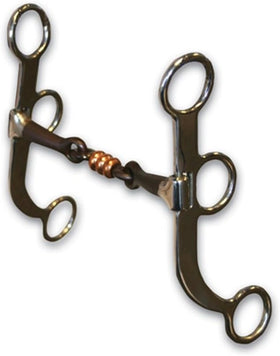

How to Choose the Perfect Gag Bit for Your Horse
Selecting the ideal gag bit for your horse is a process that blends observation, expertise, and ongoing evaluation. The right choice directly impacts both performance and well-being, making it crucial to approach this decision thoughtfully.

Start With Your Horse: What Do They Need?
Begin by evaluating your horse’s temperament, training background, and mouth sensitivity. Some horses respond well to a mild gag bit, while others may require a more specialized option due to behavioral tendencies or physical conformation.
Consulting with a knowledgeable trainer or equine professional can help identify which gag bit suits your horse’s discipline, such as show jumping or eventing. Trial and error, combined with careful observation of your horse’s reactions, will guide your selection. Always schedule regular dental checks, as oral health significantly affects bit comfort and effectiveness.
Case studies show that horses matched with the right gag bit exhibit improved responsiveness and confidence. This tailored approach ensures both horse and rider perform at their best.
How to Properly Fit and Adjust a Gag Bit
Proper fitting is essential for your horse’s safety and comfort when using any gag bit. Begin by placing the bit in your horse’s mouth, ensuring it rests comfortably at the corners without pinching or excessive slack.
Check for signs of improper fit, such as rub marks, resistance, or head tossing. Adjust cheekpieces so the gag bit sits evenly, and use bit guards if there’s a risk of pinching. Rein attachments should be secure and allow for clear communication.
Regularly inspect your gag bit for wear, rust, or damage, and make adjustments as your horse’s mouth changes over time. Data shows that incorrect fitting can lead to discomfort, behavioral issues, and reduced performance, so staying attentive is vital.
Are You Ready? A Note on Rider Responsibility
Matching the severity of a gag bit to your riding experience is crucial. Riders with advanced skills can use stronger gag bits responsibly, while novices should opt for milder options and seek professional guidance.
Ethical use of gag bits means prioritizing clear communication and the horse’s comfort. Avoid overuse, and monitor your horse for any signs of pain or confusion. Regulatory bodies often provide guidelines on acceptable bit types for competition, so stay informed.
Expert opinions stress the importance of understanding bit pressure and its impact on equine welfare. For a deeper look into how rein tension and bit choice affect your horse, see this thorough review on bit pressure and equine pain. Always seek advice if uncertain, ensuring your gag bit use supports both performance and humane treatment.
Using Two Reins for Clearer Communication
To get the most out of a gag bit, many experienced riders use two sets of reins. This setup allows for more refined communication and prevents the gag action from being constantly engaged. One rein attaches directly to the bit’s main ring, functioning like a standard snaffle for everyday cues. The second rein connects to the sliding cheekpiece or lower ring, activating the gag’s leverage only when you need extra control or lift. This dual system gives you the ability to apply gentle, direct pressure for most of your ride and reserve the poll pressure for specific moments, like approaching a complex jump or managing a strong puller. It’s a nuanced approach that requires steady hands but offers a clearer, kinder way to communicate with your horse.
Use Across Different Riding Disciplines
You’ll find gag bits are most common in disciplines that demand speed, agility, and a high degree of control. In eventing, especially during the cross-country phase, a gag bit helps riders maintain control and balance over varied terrain and solid obstacles. Show jumpers also rely on them to help lift a horse’s front end before a fence and prevent them from getting heavy on the forehand. Gag bits are also a staple in fast-paced sports like polo and are sometimes seen in Western events like barrel racing. While they are powerful tools for competition, many riders also use them for general hacking if their horse is particularly strong or excitable. The key is matching the bit to the specific needs of the horse and the demands of the activity, and you can explore a variety of options in a quality horse tack collection.
Competition Rules and Restrictions
While gag bits are valuable tools, it’s important to know they aren’t permitted in every competitive arena. For instance, gag bits are illegal in dressage competitions. The philosophy of dressage centers on the horse achieving softness, submission, and self-carriage through training, and the use of a leverage bit like a gag suggests the horse is not fully accepting of the rider's aids. Similarly, you won’t see gag bits in the hunter ring. Hunter classes reward horses that are calm, relaxed, and move with a long, low frame. The head-raising action of a gag bit is contrary to this ideal. Before entering any competition, always check the official rulebook for your specific discipline and association to ensure your tack is compliant.
Keeping Your Gag Bit in Top Condition
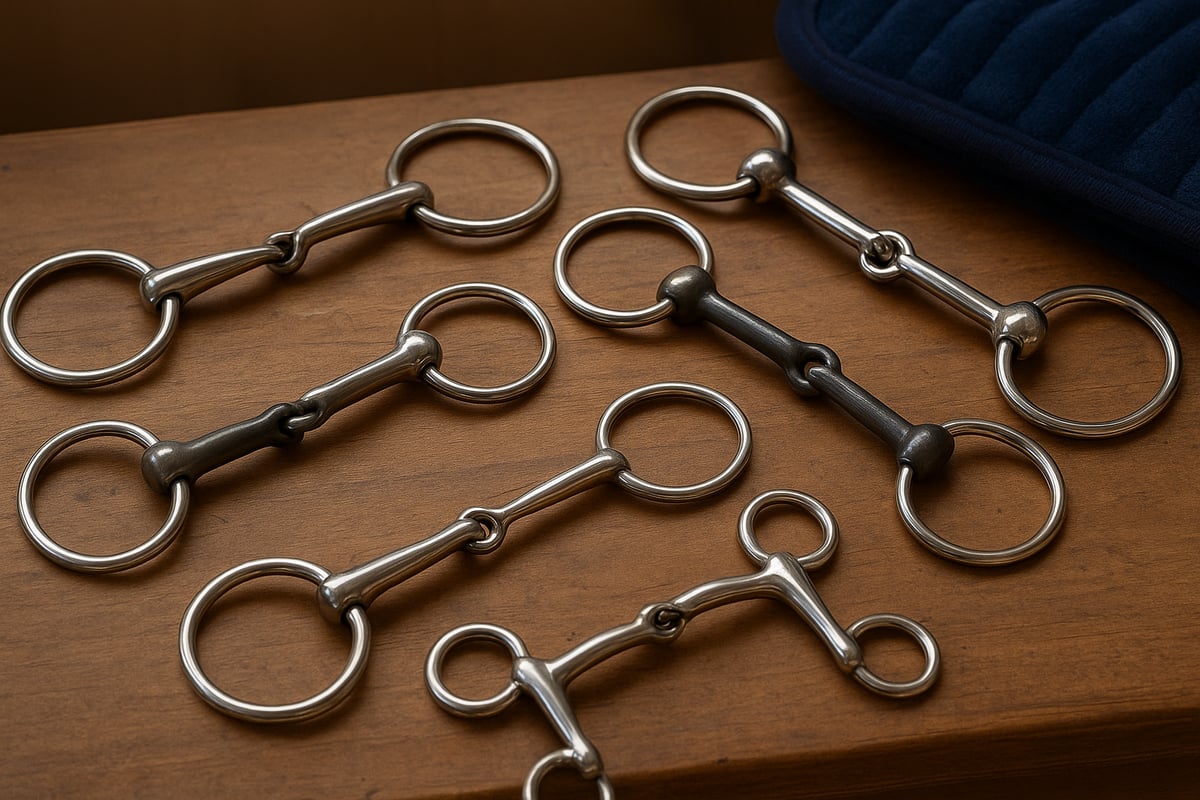
Proper care and maintenance of your gag bit are essential for ensuring both horse comfort and rider safety. A well-maintained gag bit not only lasts longer but also delivers consistent performance in every ride.
Your Simple Cleaning Routine
Cleaning your gag bit after each use prevents residue buildup and corrosion. For stainless steel, use warm water and a soft brush to remove debris, then dry thoroughly. Sweet iron bits require immediate drying to avoid rust, while synthetic bits can be wiped with a damp cloth and mild soap.
- Rinse bits after every ride
- Avoid harsh chemicals that may damage materials
- Inspect joints and moving parts for trapped debris
When to Check for Wear and Tear
Regularly inspect your gag bit for signs of wear, sharp edges, or rust. Even minor cracks can lead to discomfort or injury. Replace your gag bit at the first sign of significant wear or if it no longer fits your horse properly.
- Look for discoloration or rough patches
- Check for loose or damaged rings and cheekpieces
- Replace immediately if structural issues appear
How to Store Your Bit to Make It Last
Store your gag bit in a dry, well-ventilated area, ideally hung separately from other tack to prevent scratches or deformation. Use bit guards or soft cloth wraps for added protection. Keeping your equipment organized with the right horse protection essentials can further extend the life of your gag bit and other tack.
Building a Quick Maintenance Routine
Top riders follow a routine of weekly deep cleaning and monthly full inspections. Recommended products include bit wipes, soft cloths, and gentle metal polishes suitable for equine equipment. Consistent maintenance ensures your gag bit remains safe, effective, and comfortable for your horse.
Regular care and timely replacement of your gag bit not only improve its longevity but also support optimal horse health and reliable communication in every discipline.
Now that you’ve explored the key features and benefits of each gag bit type for 2026, you’re well equipped to enhance your horse’s comfort and responsiveness. Finding the right bit can make all the difference in your riding experience, helping you build clearer communication and improve performance. At Hooves and Paws, you’ll find a curated selection of quality gag bits, plus the expertise and customer support you need to make the best choice for both you and your horse. Enjoy free US shipping and flexible payment options—start your journey to better control today.
Buy Now
Frequently Asked Questions
How do I know if my horse actually needs a gag bit? A gag bit is a specific tool for a specific problem. It's generally a good option to consider if your horse is strong, tends to pull downward, or gets heavy on the forehand, especially in high-energy situations like jumping or cross-country. If you feel like you've lost a degree of control or your horse ignores your half-halts, the lifting action of a gag can help rebalance them and encourage them to listen. It's less about a "need" and more about finding the right tool to improve communication when other bits aren't getting the message across.
Are gag bits considered harsh? Any bit can be harsh in the wrong hands. Because gag bits use leverage to apply pressure on the poll and lips, they are considered stronger than a standard snaffle. The key is responsible use. A rider with light, independent hands who understands when to apply and release pressure can use a gag bit as a clear and effective communication tool. It’s not meant for constant pressure but for specific, corrective cues.
What's the real difference between a 2-ring and a 3-ring gag? Think of it as having more gears. A 2-ring gag gives you two main options: a mild snaffle-like action on the top ring and a moderate gag action on the bottom ring. A 3-ring gag adds another level, providing a stronger leverage option on the lowest ring. The choice really comes down to how much adjustability you need. The 3-ring is often reserved for very strong, powerful horses in demanding situations where a rider might need to access that extra degree of control.
Can I use a gag bit with just one rein? You certainly can, but using two reins is often recommended for more nuanced riding. When you use a single rein attached to the gag's leverage ring, every cue you give engages the poll pressure. By using two reins—one on the main snaffle ring and one on the gag ring—you can ride primarily off the snaffle for gentle communication and only engage the gag action when you truly need that extra lift or control. This approach is often clearer and kinder for the horse.
My horse has a sensitive mouth. Is there a gag bit that might still work? Absolutely. A horse's sensitivity doesn't automatically rule out a gag bit, but it does mean you need to be more selective. Look for gag bits with thicker, smoother mouthpieces, like a solid Mullen mouth, which distributes pressure more evenly than a jointed one. Materials also matter; some horses prefer the feel of rubber or sweet iron over stainless steel. The Cheltenham (Eggbutt) gag is also a great option, as its fixed rings provide more stability and reduce the chance of pinching.
Key Takeaways
- Understand a Gag Bit’s Unique Action: A gag bit isn’t simply a stronger snaffle; it uses a sliding mechanism to apply pressure on the poll and lift the bit in the mouth. This action is specifically designed to help a horse that gets heavy or pulls down, encouraging a lighter frame.
- Choose the Right Type for Your Specific Challenge: Each gag bit, from a stable Cheltenham to an adjustable 3-Ring, serves a different purpose. Identify whether you need more lateral control, stopping power, or a lifting effect to select the most effective and fair tool for your horse.
- Prioritize Skillful Handling and Proper Fit: These are advanced tools that require soft, independent hands and a precise fit to work correctly. Consider using two reins for more nuanced communication and always ensure the bit is adjusted properly to prevent discomfort and ensure clear signals.


