


Walking into a tack shop and seeing a wall of leg wraps is a familiar sight. Soft fleece polos, thick padded standing wraps, and heavy-duty shipping boots—it's a lot to take in. Do you really need all of them? Which one is right for today's ride? The truth is, each type of wrap has a very specific job. Choosing the right horse leg wraps comes down to understanding their purpose. This guide will help you cut through the noise, explaining what each wrap does, when to use it, and how to apply it safely for your horse’s protection and comfort.
Key Takeaways
- Match the wrap to the task at hand: Use flexible polo wraps for light exercise, padded standing wraps for stall rest, and heavy-duty shipping boots for travel. Remember their main purpose is to protect from impact, not to act as a structural brace for tendons.
- Apply wraps with smooth, even pressure: A safe wrap is snug, not tight, with no wrinkles or lumps. Uneven pressure can restrict circulation and cause serious tendon damage, so always ensure the wrap lies flat against the leg.
- Keep it clean and cool: Always use clean wraps on clean, dry legs to prevent skin infections. It is just as important to remove wraps right after a workout to let tendons cool down, as trapped heat can lead to injury.
What Exactly Are Horse Leg Wraps?
Horse leg wraps are protective coverings for your horse's lower legs. Think of them as a multi-tool for leg care: they can offer support during exercise, help manage swelling after a workout, protect against bumps and scrapes, and even aid in healing after an injury. From the delicate tendons to the cannon bone, a horse’s lower legs are surprisingly vulnerable, and wraps provide a much-needed layer of defense and stability. They are a fundamental piece of horse tack for a reason.
While they might seem simple, not all wraps are created equal. The type you choose depends entirely on the situation. A wrap designed for a strenuous jumping session is very different from one used for recovery in a stall or for protection during a long trailer ride. Understanding the specific materials, designs, and functions of each type is key to using them safely and effectively. When used correctly, leg wraps are an invaluable part of keeping your horse sound, comfortable, and ready for whatever you have planned.
Understanding the Materials and Design
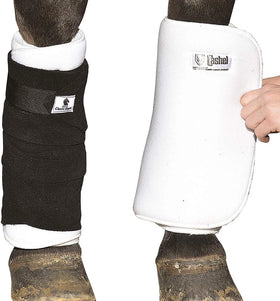
The world of leg wraps can be broken down into a few key types, each designed for a specific job. The most common ones you’ll encounter are polo wraps, standing wraps, and shipping boots. Polo wraps are the soft, stretchy fleece bandages you often see used during riding for light support and protection from minor scrapes. Standing wraps are thicker and more padded, designed for use in the stall to reduce swelling or protect an injury while the horse is resting. Finally, shipping boots are the most heavy-duty option, offering tall, cushioned protection specifically for travel in a trailer.
Features That Actually Matter
Beyond just covering the leg, wraps serve a few critical functions. First, there’s protection. They act as a shield against impact, whether from a horse accidentally striking its own leg (called interference) or from hitting a jump rail. They also provide gentle stability to the tendons and ligaments during strenuous work. After a workout or during stall rest, wraps help prevent fluid from pooling in the lower legs. If there's an injury, they apply pressure to help control bleeding and keep the area clean, which is vital for proper healing.
Specialized and Therapeutic Fabrics
Beyond basic fleece and cotton, some modern leg wraps are made with advanced, therapeutic fabrics. You might see materials infused with fine ceramic powder, which are designed to work with your horse’s own body heat. This special fabric reflects that energy back as a soothing, far-infrared warmth. This gentle thermal effect can help increase circulation, making these wraps excellent for both injury prevention and recovery. Many riders use them to help a stiff horse warm up more easily before a ride or to reduce inflammation and soreness after a tough workout, giving your horse a comfortable advantage in their daily care routine.
Performance-Oriented Designs
For horses in regular work, some wraps are specifically designed to support performance. These aren't just for protection; they are engineered to actively help your horse's legs function at their best. By providing gentle compression and support, these wraps can encourage healthy blood flow and help reduce the minor inflammation that naturally occurs during exercise. Think of them as a proactive tool in your horse’s care routine. Using performance-oriented wraps can help keep your horse’s legs feeling tight and fresh, supporting their soundness and readiness for the next training session or competition.
Condition-Specific and Convenient Options
Sometimes, you need a wrap for a very specific job, like managing swelling from stocking up or providing support for a healing injury. There are many condition-specific options available, from icing boots to poultice wraps, that are essential for any well-stocked equine first-aid kit. These wraps are often designed for convenience, with simple hook-and-loop closures that make them much easier and safer to apply than complex traditional bandages. Having the right wrap on hand for a specific treatment or preventative measure can make a huge difference in your horse’s comfort and recovery.
Why Use Horse Leg Wraps?
Think of horse leg wraps as a versatile tool in your horse care kit. While they might seem simple, they serve several important functions that contribute to your horse's health and safety. From protecting delicate legs during a workout to aiding in recovery after an injury, the right wrap can make a significant difference. Using them correctly helps shield your horse from impact, manage swelling, and keep wounds clean. Understanding the specific job of each wrap ensures you’re giving your horse the best care possible, whether you're in the ring, on the trail, or resting in the barn.
An Expert Look at the Purpose of Wraps
At their core, horse leg wraps serve three main purposes: protection, support, and compression. They act as a shield for the delicate structures of the lower leg, protecting against bumps, scrapes, and self-inflicted strikes from an opposite hoof—a common issue known as interference. This layer of defense is crucial for preventing minor injuries from becoming bigger problems down the road. They are a fundamental piece of any rider's horse tack collection for this very reason.
Beyond general protection, different wraps are designed for specific situations. Soft, stretchy polo wraps are ideal for light exercise, offering gentle stability to tendons and ligaments. In contrast, thicker, padded standing wraps are used in the stall to help manage swelling after a workout or to keep a wound clean and protected. Then you have shipping boots, the most heavy-duty option, which provide cushioned protection from the coronet band to the knee or hock for the bumps of travel. Choosing the right one ensures your horse gets the correct care.
Keep Your Horse Safe During Exercise
One of the most common reasons to use leg wraps is for protection during exercise. A horse's lower legs are surprisingly vulnerable, with tendons and ligaments lying just beneath the skin. During training, jumping, or even a spirited turnout, a misplaced step or interference from another hoof can cause cuts, scrapes, or bruises. Exercise wraps, like polo wraps, provide a physical barrier against this kind of impact. They help shield the cannon bones, tendons, and other soft tissues from direct blows, keeping your horse’s legs safe while they work. This simple layer of protective horse tack can prevent minor injuries that might otherwise sideline your horse.
Reduce Swelling and Support Circulation
Leg wraps are incredibly useful for managing swelling and promoting healthy circulation, especially when a horse is standing still for long periods. If your horse is on stall rest or traveling in a trailer, fluid can pool in their lower legs, a condition often called "stocking up." Standing wraps apply gentle, consistent pressure that discourages this fluid buildup and supports normal blood flow. This pressure helps move fluid back up the leg, reducing puffiness and stiffness. It’s a simple, non-invasive way to keep your horse comfortable during periods of inactivity and ensure their legs are in good shape when it’s time to move again.
Aid Healing and Protect Wounds
When your horse sustains a leg injury, a proper wrap becomes an essential part of the healing process. For cuts or abrasions, a bandage wrap serves multiple purposes. First, it helps apply pressure to control bleeding and reduce initial swelling. Second, it creates a clean environment by shielding the wound from dirt, debris, and bacteria, which is crucial for preventing infection. By keeping the wound covered and immobilized, a wrap can support faster healing and minimize scarring. It’s a fundamental tool for first aid and ongoing wound care, helping your horse recover safely and comfortably.
Debunking Myths About Leg Support
It’s important to clear up a common myth: leg wraps do not provide significant structural support to a horse's tendons and ligaments. Many riders believe that wraps function like an athletic brace for humans, preventing sprains or strains from overuse. However, equine health experts agree that the materials used in wraps aren't strong enough to truly support the immense forces placed on a horse's legs during movement. Their primary benefit is protection from external impact, not internal structural failure. Thinking of them as shields rather than braces will help you use them for their intended purpose: protecting your horse from bumps, scrapes, and cuts.
Shop This Post

Featured in this article
Professional's Choice Polo Wraps - 9-Foot Length, Set of 4, Premium Double-Sided Fleece Horse Leg Support
$27.52
Shop Now →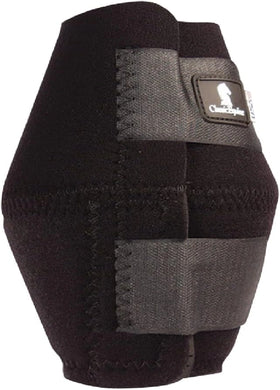

The Different Types of Horse Leg Wraps, Explained
Walking into a tack shop can feel overwhelming with all the different leg wraps available. Each type has a specific job, and using the right one at the right time is key to keeping your horse comfortable and safe. Think of leg wraps like your own athletic gear; you wouldn't wear running shoes to go skiing. The same logic applies here. Whether you’re training, traveling, or helping your horse recover from an injury, there’s a wrap designed for the task. Let's break down the main types so you can feel confident you’re making the best choice for your horse’s needs. Understanding the purpose of each wrap will help you build a complete and effective care kit.
Polo Wraps: Your Go-To for Training
Polo wraps are the soft, stretchy fleece bandages you often see on horses during training sessions. Their main purpose is to provide light support to tendons and ligaments while protecting the lower legs from minor scrapes, bumps, or interference from the other hooves. Because they are made from flexible materials like fleece, they allow for a full range of motion, making them ideal for activities like flatwork, lunging, and schooling. Think of them as a protective layer that guards against small impacts without restricting movement. They are a staple in many riders' horse tack collections for everyday use.
Standing Wraps: Essential for Stall Rest
When your horse is on stall rest or needs extra support after a tough workout, standing wraps are what you’ll reach for. These are applied over a thick layer of padding, like a quilt or no-bow wrap, and are designed to be worn while the horse is stationary. Their primary jobs are to reduce swelling, improve circulation, and protect the legs from injury in the stall. They are also essential for holding wound dressings in place. Many owners use them to prevent "stocking up," which is fluid buildup in the lower legs that can happen after intense exercise or during long periods of inactivity.
Shipping Boots: For Stress-Free Travel
Trailering can be tough on a horse’s legs, which is why shipping boots are so important. These are heavily padded boots or wraps that cover the leg from the knee or hock all the way down to the coronary band. Their sole purpose is to offer maximum protection against bumps, scrapes, and kicks during transport. They also provide gentle compression to help prevent stocking up, a common issue when horses have to stand still for extended periods. Using a good set of shipping boots gives you peace of mind that your horse will arrive at your destination with their legs safe and sound.
Therapeutic Wraps: When Your Horse Needs Extra Care
For horses dealing with chronic conditions like arthritis or recovering from specific injuries, therapeutic wraps can offer specialized care. These wraps often contain materials like ceramics or magnets, which are designed to reflect the horse's body heat and increase circulation to the area. This improved blood flow can help reduce inflammation, ease muscle soreness, and speed up healing. The science behind these wraps shows that the gentle pressure they apply can also help manage swelling by preventing excess fluid from leaking into the leg tissues, making them a great tool for targeted therapy.
Splint and Brush Boots
Splint boots, often called brush boots, are a fantastic alternative to polo wraps for everyday exercise. Their main job is to protect the horse's lower leg, particularly the cannon bone and splint bones, from impact. This is especially important for preventing "interference," which is when a horse accidentally strikes one leg with the opposite hoof while moving. These boots typically feature a reinforced strike pad on the inner side to absorb these blows. They are much quicker to put on and take off than wraps, making them a convenient and popular choice for daily training, lunging, and turnout. You can find a great variety of protective boots in any quality horse tack collection.
Bell Boots
Bell boots are designed to protect the soft, sensitive heel bulbs and the coronary band at the top of the hoof. They are essential for horses that "overreach," meaning their hind foot steps on the back of their front foot. This can cause painful injuries and even pull off a front shoe. Bell boots, which are shaped like a bell that fits over the hoof, provide a durable barrier against this type of impact. They are commonly used during riding, lunging, and even turnout for horses prone to overreaching. They are a simple and effective way to prevent lost shoes and keep your horse’s hooves and pasterns safe from nicks and cuts.
Skid Boots
If you participate in disciplines that involve quick stops and turns, like reining, roping, or barrel racing, skid boots are a must-have. These specialized boots are designed to protect the back of the hind fetlocks and pasterns. During sliding stops or sharp pivots, a horse's hind legs can make hard contact with the ground, leading to abrasions known as "burns." Skid boots feature a reinforced cup that covers this vulnerable area, allowing the horse to perform these athletic maneuvers without risking injury. They are built from tough, durable materials to withstand friction while still allowing for the necessary flexibility.
Other Protective Gear
Beyond the common boots for everyday riding, some situations call for more specialized protection. These pieces of gear target very specific areas of the leg to prevent or help heal unique injuries. While you might not need them for daily use, knowing they exist can be incredibly helpful if your horse has a particular conformation or develops a specific issue.
Pastern Wraps and Fetlock Rings
For horses needing targeted protection in the pastern area, pastern wraps and fetlock rings offer a solution. Pastern wraps provide a soft, flexible layer of defense for the delicate pastern joint, which can be vulnerable to scrapes and interference, especially in deep footing. Fetlock rings, which are often simple rubber "donuts," are designed to prevent injury from hyperextension. They are placed above the fetlock and stop the joint from dropping too low during high-impact movements. Both are excellent tools for horses recovering from specific injuries or those with a conformation that makes them prone to striking themselves in these areas.
Shoe Boil Boots
A shoe boil, or capped elbow, is a soft swelling that can form on the point of a horse's elbow. It's usually caused by repeated pressure from the heel of the shoe when the horse lies down. A shoe boil boot is designed to prevent this. It’s essentially a padded, donut-shaped ring that fits around the horse's pastern. When the horse lies down, the boot gently pushes the foot forward, preventing the shoe from resting on and irritating the elbow. This allows an existing shoe boil to heal and stops new ones from forming, offering a simple solution to a persistent problem.
How Leg Wraps Help Prevent Injury
Using leg wraps is one of the best ways to keep your horse sound and comfortable, but it helps to know exactly what they do and what they don't do. Think of them less as a brace and more as a versatile tool for protection and recovery. When used correctly, wraps can shield your horse from common injuries, help manage swelling after a tough workout, and keep wounds clean. Understanding how they work will help you choose the right type of wrap for any situation, whether you’re schooling in the arena, resting in the stall, or hitting the road.
Protection from Bumps, Scrapes, and Knocks
One of the most important jobs of a leg wrap or boot is to act as a physical shield for your horse’s delicate lower legs. During exercise, it’s easy for a horse to accidentally strike one leg with the hoof of another, an issue known as interference. This can cause everything from minor scrapes to serious injuries. Wraps also provide a crucial layer of defense against external impacts, like hitting a jump rail or knocking against a fence post. The material of the wrap helps absorb and distribute the force of a blow, reducing the risk of bruising, cuts, and damage to the underlying tendons and ligaments.
The Truth About Wraps and Heat
While wraps offer great protection, they can also trap heat. A horse’s tendons have a limited blood supply, which makes them slow to cool down and susceptible to damage from high temperatures. Studies have shown that some boots and wraps can increase the leg's temperature significantly, which isn't ideal for tendon health over long periods. This is why it’s so important to choose breathable materials for exercise and to remove wraps promptly after your ride is over. For stall or therapeutic use, look for materials designed to manage temperature. Always check for excessive heat when you remove a wrap.
What Wraps Can (and Can't) Do for Circulation
After a strenuous workout or during stall rest, fluid can pool in a horse’s lower legs, causing swelling or "stocking up." This is where wraps really shine. The gentle, even pressure from a correctly applied standing wrap can help prevent fluid from accumulating and encourage healthy circulation, which aids in recovery. If your horse has a cut or scrape, a wrap can also apply light pressure to help stop bleeding and keep the wound clean. It’s important to remember, however, that wraps don’t provide significant structural support to the tendons and ligaments themselves. Their main circulatory benefit comes from managing swelling, not from acting like an ankle brace.
When to Use Each Type of Leg Wrap
Knowing which leg wrap to grab from the tack room can feel like a pop quiz, but it doesn't have to be. The right wrap depends entirely on what your horse is doing, whether they're schooling in the arena, resting in their stall, or heading to a show. Each situation calls for a specific type of protection and support to keep their legs safe and sound. Let's break down the most common scenarios so you can wrap with confidence every time.
For Training and Competition Days
When your horse is working, their legs need protection from scrapes, impacts, and interference. For general schooling, jumping, or even polo, soft fleece polo wraps offer mild support and a protective barrier against minor knocks. For higher-impact activities, you might reach for brush boots. These are specifically designed to shield the delicate structures of the lower leg from injury, like a horse hitting its own leg with a hoof or knocking a rail. The goal here is prevention, so choosing the right piece of protective horse tack is a key part of your daily routine.
During Recovery and Stall Rest
After a tough workout or during stall rest, your horse’s legs can benefit from a different kind of attention. This is where standing wraps come in. Applied over padding, these longer, thicker wraps provide gentle compression from the knee or hock down to the hoof. This helps reduce or prevent "stocking up," which is when fluid pools in the lower legs from inactivity. They also keep the legs clean, offer warmth to improve circulation, and can protect a healing wound from dirt and germs while your horse is resting.
When You're on the Road
Trailering presents a unique set of risks, from bumps and scrapes to the stress of balancing in a moving vehicle. Shipping boots are your go-to for travel. These tall, heavily padded boots are designed for maximum coverage, protecting the entire lower leg from the knee and hock all the way down past the coronet band. Beyond guarding against impact, they also help prevent fluid buildup in the legs during long hauls. Think of them as essential travel insurance for your horse’s most important assets, ensuring they arrive at their destination safe and sound.
As Part of Post-Injury Care
When an injury occurs, proper wrapping is a critical part of the healing process. Under your vet's guidance, wraps can be used to manage pain and swelling, support ligaments or tendons, and keep wounds clean. By applying steady, even pressure, a wrap can help reduce inflammation and encourage healthy blood flow to the injured area. It also serves as a protective barrier, keeping sterile dressings in place and shielding the wound from contamination. This support can make a significant difference in your horse's comfort and recovery time, helping them get back on their feet sooner.
How to Apply Leg Wraps Correctly
Applying a leg wrap correctly is a fundamental skill for any horse owner. It’s about providing support and protection without causing harm, as an improper wrap can lead to pressure sores or even tendon injuries. While it might seem tricky, mastering this task is achievable with practice and attention to detail. Following the right steps ensures your horse stays safe and comfortable, whether they’re recovering in their stall or getting ready for a ride. Let’s walk through the process together.
Step 1: Get the Leg Prepped and Padded
A great wrap starts with great prep. Before you begin, make sure your horse’s leg is completely clean and dry. Trapped dirt or moisture can lead to skin irritation, so it’s a step you can’t skip. If you’ve applied any ointments, allow them to dry fully. Your horse tack, including wraps and any underlying padding, should also be clean and smooth. Taking a few moments to prepare the area properly sets you up for a safe and effective wrap that will keep your horse comfortable.
Step 2: Perfect Your Wrapping Technique
Consistency is key to a safe wrap. Always start on the inside of the cannon bone, just below the knee or hock, and wrap toward the back of the leg. As you unroll the wrap, create a downward spiral, overlapping each layer by about 50%. This technique helps distribute pressure evenly. The wrap should be snug, but never tight. You can check the tension by sliding two fingers under the wrap at the bottom and one at the top. Keep the pressure steady and finish with the fastener on the outside of the leg.
Step 3: Check for Safety and Red Flags
An incorrect wrap can be dangerous, so it’s wise to practice with an experienced equestrian or your vet until you feel confident. After applying the wrap, check it often to ensure it hasn’t slipped or become too tight. Look for any swelling above or below the wrap, as this is a major red flag for restricted circulation. Your horse should also appear comfortable and move freely. If you notice any heat, discomfort, or irritation, remove the wrap immediately to assess the situation.
Choosing the Right Leg Wraps for Your Horse
With so many options on the market, picking the right leg wraps can feel a bit overwhelming. It’s about more than just finding a color that matches your saddle pad; it’s about selecting the right tool for the job to keep your horse safe, comfortable, and sound. The best choice depends entirely on what you’re doing, your horse’s specific needs, and the quality of the gear itself. Making an informed decision is one of the most important things you can do to protect your horse’s delicate leg structures.
Think of it like choosing your own shoes. You wouldn’t wear hiking boots to a formal dinner, and you wouldn’t wear flip-flops for a run. The same principle applies to your horse. The right wrap provides protection and support where it’s needed most, without causing discomfort or restricting movement. To make the best choice, you’ll want to focus on three key areas: matching the material to the activity, getting the sizing just right, and identifying high-quality features that will last. We have a wide selection of horse tack to help you find exactly what you need for any situation.
Match the Material to the Activity
The first step in choosing a leg wrap is to consider what your horse will be doing while wearing it. Different activities call for different materials and designs. For example, polo wraps, which are typically made of fleece, are perfect for riding because they offer flexible support for tendons and protect against minor scrapes or impacts. On the other hand, shipping boots are built for travel. They are much taller and more heavily padded to shield your horse’s legs from the cannon bone all the way down to the coronary band during a trailer ride. Always match the gear to the task at hand to ensure your horse is getting the right kind of protection.
Get the Sizing and Fit Just Right
A perfect fit is critical for both the safety and effectiveness of any leg wrap. A wrap that’s too loose can slip down, unravel, and become a dangerous tripping hazard. If it’s too tight, it can restrict blood flow and potentially damage the tendons and ligaments it’s meant to protect. Before you buy, measure your horse’s cannon bone length and circumference, and compare those numbers to the manufacturer’s sizing chart. If you’re new to wrapping, it’s a great idea to ask an experienced trainer, barn manager, or your veterinarian to show you the proper technique. Getting it right is worth the extra time.
Considering Size and Color Options
Once you know the right type of wrap for the job, you can focus on the finer points like size and color. Getting the size right is non-negotiable for safety. Most brands offer a range of sizes, from Small to XX-Large, to fit different breeds and builds. A wrap that’s too short won’t provide enough coverage, while one that’s too long can be bulky and difficult to apply without creating unsafe pressure points. After you’ve confirmed the correct size, you can have some fun with color. Wraps come in a huge variety of shades, from classic black and navy to vibrant greens and reds, making it easy to coordinate with your other horse tack and show off a bit of personal style. It’s the perfect way to combine essential function with a touch of flair.
Spotting the Signs of a Quality Wrap
Investing in well-made leg wraps is an investment in your horse’s well-being. High-quality gear from trusted brands will not only last longer but will also provide more reliable protection. When you’re shopping, look for durable materials, strong stitching, and secure closures that won’t come undone during activity. For standing wraps, always use soft, clean padding like pillow pads underneath the bandage. This helps distribute pressure evenly across the leg, preventing pressure sores and reducing the risk of a bandage bow. Checking out a store’s best-selling products can be a great way to see what other horse owners trust and recommend.
Browse our horse boots and leg protection collection to discover what other horse owners trust for wrapping, support, and everyday leg care.
Understanding Cost and Longevity
Investing in leg wraps is an investment in your horse’s health and safety, so it’s important to find a balance between cost and quality. You don’t need to spend a fortune to get effective protection, but understanding the price landscape can help you make a smart choice that will last. The price of a wrap often reflects the quality of its materials, its durability, and its specific features. By knowing what to expect, you can find gear that fits your budget without compromising on the protection your horse needs.
Typical Price Range
You'll find that horse leg wraps come in a wide range of prices. Basic exercise wraps or simple polos can start as low as $20, while more specialized or therapeutic options can be significantly more. For example, a good set of four shipping boots designed for travel might cost around $30. The price often depends on the brand, the materials used, and the wrap's intended purpose. While it can be tempting to go for the cheapest option, remember that higher-quality materials and construction often mean better protection and a longer lifespan for your horse tack, which can save you money over time.
Availability of Replacement Parts
When you're thinking about longevity, look for brands that offer replacement parts. Some high-quality wraps are designed with replaceable liners or padding. This is a fantastic feature because the outer shell of a boot or wrap often outlasts the inner cushioning, which can get compressed or worn down with use. Being able to purchase a new liner instead of a whole new set of wraps is not only more cost-effective but also more sustainable. It’s a sign that a manufacturer stands behind their product and has designed it for long-term use, ensuring you get the most out of your investment.
Common Leg Wrap Mistakes (and How to Avoid Them)
Using leg wraps can be a fantastic way to care for your horse, but getting it wrong can do more harm than good. It’s one of those skills where the details really matter. The most common slip-ups happen in three key areas: how you put them on, deciding when to use them, and how you care for them.
Think of it like this: a poorly applied wrap can create pressure points, leaving a wrap on for too long can trap heat, and a dirty wrap can cause skin infections. But don’t worry, avoiding these issues is straightforward once you know what to look for. Let’s walk through the most frequent mistakes so you can feel confident that you’re wrapping your horse’s legs safely and effectively every single time.
Sidestepping Common Application Errors
The single most important rule of wrapping is to apply smooth, even pressure. When a wrap is applied unevenly, with lumps, wrinkles, or tight spots, it can restrict blood flow and potentially damage the delicate tendons in your horse’s legs. This is often called a "bandage bow," and it's a serious injury that can result from incorrect wrapping.
To get it right, make sure the padding and the wrap lie flat against the leg with no bumps. As you wrap, use consistent tension with each pass. Your goal is a snug, uniform fit that feels secure but not tight. You should be able to slide one finger comfortably between the wrap and your horse’s leg. Taking the extra minute to get the application just right is one of the best things you can do for your horse’s well-being.
Knowing When (and When Not) to Wrap
It can be tempting to wrap your horse’s legs for every little thing, but more isn’t always better. Wraps trap heat, and while that can be therapeutic in some situations, prolonged heat can be detrimental to tendons. Before you reach for a wrap, ask yourself if the benefit outweighs this risk. For example, using wraps to protect a clean wound from dirt or to apply pressure to stop minor bleeding makes perfect sense. They are also excellent tools for managing swelling during stall rest or providing protection in a trailer.
However, leaving wraps on during turnout in a safe pasture is often unnecessary and can lead to overheating. It’s all about making a thoughtful choice based on the situation. Understanding the science behind equine bandages can help you make an informed decision for your horse's specific needs.
Prioritizing Professional Advice
Always Consult Your Veterinarian
While this guide gives you a solid foundation for using leg wraps, it’s crucial to remember that they are a tool, not a cure-all. When it comes to your horse’s health, your veterinarian is your most important partner. If you suspect an injury, or if you’re dealing with persistent swelling or lameness, your first step should always be to call your vet. A wrap can easily hide a more serious underlying issue, like a fracture or a torn ligament, and using one incorrectly could make the situation worse. Your vet can provide an accurate diagnosis and create a specific treatment plan, which may or may not include wrapping. They can give you precise instructions on the right way to care for an injury, ensuring you’re helping, not hurting, the healing process.
How to Care For and Store Your Wraps
Good hygiene is non-negotiable when it comes to leg wraps. Always start with clean, dry legs. Applying a wrap over mud, dirt, or moisture can trap bacteria against the skin, leading to irritation, scratches, or fungal infections. The wraps themselves must also be clean for every use. After you use them, wash them according to the manufacturer’s instructions and let them dry completely.
Once your horse is wrapped, check on them frequently. Make sure the wraps haven’t slipped or become too tight. Storing your horse tack properly is also part of the process. Rolling your wraps neatly after they’re clean and dry keeps them in good condition and ready for the next time you need them. A little bit of prep work goes a long way in keeping your horse safe and comfortable.
Related Articles
- A Guide to Horse Leg Protection Boots
- Toklat Woof Wear Training Wraps | Protective Horse Leg Support & Protection
Frequently Asked Questions
Do leg wraps really support my horse's tendons like a brace? This is a great question and a really common misconception. While wraps provide excellent protection from bumps and scrapes, they don't function like a human ankle brace. The materials just aren't strong enough to provide true structural support against the massive forces a horse's leg endures. It's much more accurate to think of them as a protective shield that guards against external impact, rather than an internal support system.
How can I tell if I've wrapped my horse's legs too tightly? Getting the tension right is the most important part of wrapping. A good rule of thumb is to check your work by sliding your fingers under the wrap; you should be able to fit one finger comfortably under the top and bottom. Another major warning sign is any swelling that appears above or below the bandage after it's been on for a bit. This indicates that circulation is being restricted, and you should remove the wrap immediately.
Is it okay to turn my horse out in the pasture with wraps on? It's generally best to avoid turning a horse out in wraps. Wraps can easily get wet or muddy, which can trap moisture against the skin and cause irritation. They can also slip, become tangled, or get caught on something in the field, creating a serious safety hazard. For turnout, a well-fitted pair of protective boots is a much safer choice if your horse needs protection.
What's the difference between a standing wrap and a polo wrap? The main difference comes down to their job. A polo wrap is a stretchy fleece bandage used during exercise for light protection against scrapes and interference. A standing wrap is used when the horse is resting in a stall. It consists of a thick, padded layer underneath a non-stretchy bandage and is designed to manage swelling, improve circulation, and protect the leg during inactivity. You would never ride in a standing wrap.
How often do I need to wash my horse's leg wraps? You should wash your leg wraps after every single use. Reusing a dirty wrap can trap dirt, sweat, and bacteria against your horse's skin, which can lead to skin infections or irritation. Tossing them in the wash after a ride is a simple habit that makes a big difference in your horse's health. Always make sure they are completely dry before rolling them up for storage.


