


We all worry about that one bad step in the ring. A single misstep can lead to serious injury, months of stall rest, and frustrating vet bills. While we can’t prevent every accident, we can be proactive. Choosing the right horse leg protection is one of the smartest things you can do for your horse's soundness. The right pair of boots can absorb impact and prevent a minor knock from turning into a major setback. This guide cuts through the confusion, helping you make an informed decision to keep your partner safe and sound.
Key Takeaways
- Treat leg protection as essential gear: A horse's lower legs are vulnerable to impact and interference injuries, and the right boots can prevent a minor knock from turning into a serious problem.
- Match the boot to the ride: There is no single boot for every situation, so choose specific styles like open front boots for jumper training or brushing boots for daily flatwork to provide the most effective protection.
- Focus on fit and follow-through: A proper fit is crucial for safety, so always measure and check for snugness. Complete your routine by cooling down your horse's legs after every ride and keeping your boots clean to prevent irritation.
Does Your Jumper Really Need Leg Protection?
Watching a horse soar over a jump is a beautiful thing. They are incredible athletes, combining power, grace, and heart. But for all their strength, their lower legs are surprisingly delicate. The complex system of bones, tendons, and ligaments below the knee and hock has very little muscle or soft tissue to cushion it from impact. This makes them vulnerable to injury, especially during a high-impact activity like jumping.
Think of leg protection as essential safety gear, just like your helmet. It’s not about bubble-wrapping your horse; it’s about providing a smart, simple defense against the most common risks in the ring. Injuries can happen in a split second, whether it’s from knocking a rail, scrambling through a tricky combination, or even just the horse hitting its own legs. The right pair of boots can mean the difference between a minor scrape and a serious injury that requires extensive vet care and a long, frustrating recovery. Investing in quality protective horse tack is one of the most important things you can do to keep your partner happy, sound, and performing their best.
The Common Injuries You Want to Avoid
Most injuries sport horses sustain happen to their lower legs. When jumping, these injuries typically come from two things: external impact and interference. External impact is what we usually think of first, like hitting a jump standard or rapping a pole. While this can cause bruising and soreness, a more frequent and often more serious issue is interference. This is when a horse strikes one leg with the hoof of another. For example, a horse’s hind hoof might come up and strike the sensitive tendon area on the back of a front leg as it lands from a jump. This can cause deep cuts, bruises, and significant damage to the delicate structures underneath.
More Than a Vet Bill: The True Cost of Injury
A minor knock from a pole might sting, but an injury from interference can be devastating. The tendons and ligaments in a horse's lower leg are vital for movement and have a limited blood supply, which means they heal very slowly. An injury to one of these structures can easily lead to months of stall rest, expensive veterinary treatments, and a long, careful rehabilitation process. In some cases, it can even be career-ending. Using the right leg protection is a proactive way to guard against these risks. A simple pair of boots can absorb the force of an impact, deflect a misplaced hoof, and prevent a minor misstep from turning into a major setback.
A Guide to the Different Types of Jumping Boots
Walking into a tack shop can feel overwhelming with all the different styles of horse boots on display. Each one is designed with a specific purpose in mind, from everyday protection to specialized support for high-impact sports like show jumping. Understanding the job of each boot will help you make the best choice for your horse’s safety and comfort. With so many types of horse tack available, let's break down the most common jumping boots you’ll encounter and what they do. This will help you build the perfect leg protection toolkit for your horse, whether you're schooling at home or heading to a competition.
Brushing Boots: Your Go-To for Everyday Protection
Think of brushing boots, sometimes called splint boots, as your go-to for everyday protection. Their main job is to guard your horse’s lower leg, especially the splint bone, from “brushing” or “interfering,” which is when the opposite hoof strikes the leg. These boots are typically lightweight, flexible, and comfortable enough for daily schooling, lunging, or even turnout. While they are most often used on the front legs, you can also use them on the hind legs to give your horse all-around protection from self-inflicted knocks and scrapes. They are a versatile and essential piece of equipment for most riders.
More Than Just for Jumping
While we often associate heavy-duty boots with jumping, the need to protect your horse's legs extends far beyond the show ring. Whether you're schooling on the flat, lunging, or simply turning your horse out in the pasture, their legs are still vulnerable to knocks and scrapes. Different activities call for different types of protection, but the goal is always the same: to shield the delicate tendons and ligaments from impact and interference. Thinking about leg protection as essential horse tack for all kinds of work, not just jumping, is a key part of responsible horse ownership. It’s a simple step that helps ensure your partner stays sound and comfortable during training, travel, and even recovery.
Open Front Boots: Balancing Protection and Feel
Open front boots are a show jumper's staple. As the name suggests, the front of the boot is open, leaving the cannon bone exposed while a hard shell protects the tendons and ligaments at the back and sides of the leg. This design is intentional. It allows the horse to feel the rail if they get a little too close on their way over a jump. That light tap serves as a natural reminder to pick their feet up and be a bit tidier with the next fence. It’s a smart design that encourages a horse to become a more careful and athletic jumper over time.
Bell Boots: How to Prevent Overreaching Injuries
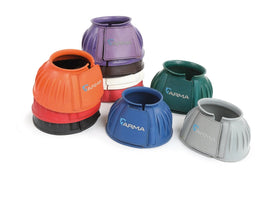
Bell boots are designed for one primary reason: to prevent overreaching. This happens when a horse’s hind hoof clips the heel of their front hoof, which can cause painful injuries or pull off a shoe. These bell-shaped boots fit over the hoof and protect the soft, sensitive heel bulbs and the coronary band. They are especially useful for horses with big, powerful movements or those who tend to forge during their stride. You’ll see them used in various disciplines, not just jumping, to give that extra bit of protection during intense work or even just for turnout.
An Essential for Horses with Studs
Using studs for extra grip on slick or uneven ground is a smart move, but it makes proper leg protection absolutely essential. Those same studs that provide stability can turn a simple interference knock into a serious injury. A misplaced hoof with a sharp metal stud can easily cause a deep puncture wound to the opposite leg, damaging the very tendons and ligaments we've talked about. Since a horse's lower legs are already so vulnerable, this added risk is something you can't ignore. A durable pair of brushing boots acts as a crucial shield, absorbing and deflecting impact to keep a minor slip-up from becoming a major problem.
Tendon Boots: Maximum Support Over Fences
Tendon boots are all about providing serious protection to the delicate tendons running down the back of your horse’s front legs. These structures are vulnerable to strike injuries from the hind hooves and bear a tremendous amount of strain during high-impact activities. Tendon boots feature a reinforced, hard-shell strike pad that absorbs and disperses the force of a blow, keeping the underlying tendons safe. They are essential for fast-paced work like jumping, cross-country, or galloping, where the risk of a significant impact is highest and you need maximum shock absorption.
Ankle Boots: Shielding the Hind Fetlocks
Ankle boots, also known as fetlock boots, are made specifically for the hind legs. They are shorter than other boots and designed to protect the fetlock joint from interference, where the horse hits the inside of one fetlock with the opposite hoof. This is common in jumpers, especially as they push off the ground and bring their hind legs forward over a fence. Ankle boots are often paired with open front or tendon boots on the front legs to create a complete protective system for the show ring, ensuring every leg is covered and supported.
Beyond the Arena: Other Types of Leg Protection
While jumping boots are designed for the specific demands of the show ring, your horse’s legs need protection in many other situations. From daily training and trailering to simple turnout time, a well-rounded collection of leg wear ensures your horse is covered no matter the activity. Think of it as having the right shoes for different occasions; you wouldn't wear running shoes to a formal dinner, and you shouldn't use jumping boots for trailering. Understanding the full spectrum of available horse tack helps you provide comprehensive care for your equine partner.
Beyond the specialized boots for jumping, there are options for providing support, preventing scrapes during transport, and even aiding in recovery. Polo wraps offer customizable support for schooling, while sports medicine boots provide a higher level of stability for tendons and ligaments. For specific disciplines like reining, skid boots are essential. Even time in the pasture has its risks, which is where turnout and fly boots come in. Finally, therapeutic wraps can play a key role in your horse's wellness routine. Let's look at these other essential types of leg protection.
Polo Wraps
Polo wraps are long, soft strips of fleece that you wrap around your horse's lower leg. They are a classic choice for training and flatwork because they offer light support and protection from minor knocks and scrapes. One of their biggest advantages is the custom fit; you can apply them to conform perfectly to your horse’s unique leg shape, which is especially helpful for horses with old injuries or unusual conformation. While they provide good support for tendons and ligaments during less strenuous work, it's important to remember that their soft material doesn't offer much defense against a hard impact from a jump rail or a powerful strike from another hoof.
How to Apply Polo Wraps Correctly
Applying polo wraps correctly is a skill every equestrian should master, as an improper wrap can do more harm than good. The key is to use even, consistent pressure—not too tight, not too loose—to avoid restricting blood flow or damaging the delicate tendons. Start the wrap just below the knee or hock, rolling it toward the back of the leg. Work your way down, overlapping each layer by about half, and then wrap back up the leg. Make sure there are no wrinkles or bunches, as these can create pressure points. Always finish your wrap on the outside of the leg with the fastener facing backward to prevent it from coming undone during your ride.
Sports Medicine Boots
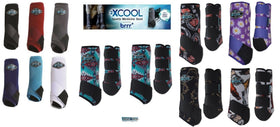
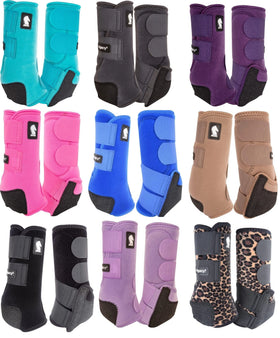
When your horse needs more than just basic protection, sports medicine boots are an excellent choice. Typically made from neoprene or other shock-absorbing materials, these boots are engineered to provide superior support to the tendons and ligaments that work so hard during athletic activities. They are particularly beneficial for horses that already have injuries related to support, as they are designed to cradle the lower leg and brace the fetlock joint, reducing strain and preventing hyperextension. Think of them as a step up in stability, ideal for demanding training sessions, high-intensity disciplines, or any horse that needs a little extra help staying sound.
Skid Boots
If you participate in reining, cutting, or other fast-paced Western events, skid boots are a non-negotiable piece of equipment. These boots are designed for one specific and crucial job: to protect the hind fetlock joints during sliding stops and sharp turns. When a horse drops into a deep slide, their hind fetlocks are extremely vulnerable to abrasion and impact with the ground. Skid boots feature a reinforced, cupped design that shields the back of the fetlock, absorbing the friction and impact. They are a simple but highly effective tool for preventing the painful scrapes and injuries that can occur during these powerful maneuvers.
Shipping Boots
Traveling can be stressful for horses, and trailering is one of the most common situations where leg injuries occur. Shipping boots are your horse's best defense against bumps, scrapes, and slips in a moving vehicle. These high-coverage, heavily padded boots typically extend from the knee or hock all the way down past the coronet band, offering complete protection for the entire lower leg. They are designed to absorb impacts from jostling against the trailer walls and protect your horse from stepping on their own feet. Investing in a quality set of shipping boots provides peace of mind and helps ensure your horse arrives at your destination safe and sound.
Turnout and Fly Boots
Protection doesn't stop when the bridle comes off. Your horse’s time in the pasture can expose them to a different set of risks, from pesky insects to rough terrain. Turnout and fly boots are made from lightweight, breathable mesh that allows for plenty of airflow while shielding the legs from biting flies, thorns, and even harmful UV rays. A major benefit is that they can prevent constant stomping, a common response to insects that can lead to loosened shoes, hoof cracks, and unnecessary fatigue on joints. These boots are an easy way to keep your horse comfortable and protected during their downtime.
Wraps for Therapy and Recovery
Just like human athletes, horses benefit from therapies that aid in recovery and maintain peak condition. Therapeutic wraps are designed to support the body's natural healing processes. Some of these products, like ceramic-infused wraps, are made with special materials that reflect the horse's own body heat back into the tissues as gentle, thermal energy. This can help improve blood flow, reduce inflammation, and ease soreness after a strenuous workout. Using these wraps as part of your cool-down or post-ride routine can help keep your horse's legs tight and comfortable, supporting their long-term soundness and well-being.
Shop This Post

How to Choose the Best Horse Leg Protection
Picking the right jumping boots can feel like a big decision, but it really comes down to four key things: fit, material, your horse's specific job, and breathability. Getting these elements right ensures your horse is not only protected but also comfortable, allowing them to perform their best. Let’s walk through how to find the perfect pair for your partner.
Getting the Measurements Just Right
A proper fit is the most critical factor when selecting boots. As any rider knows, choosing the correct size is very important. Boots that are too big can slip down, get filled with debris, or even trip your horse. On the other hand, boots that are too small can pinch, rub, and restrict blood flow. To get it right, use a soft measuring tape to find the circumference of the widest part of your horse’s cannon bone and its length from just below the knee to the top of the fetlock. Always compare your measurements to the manufacturer’s sizing guide, as sizing can vary between different brands of horse tack.
Does the Boot Material Really Matter?
The material of the boot determines its level of protection, durability, and maintenance. The protective material should not be too hard; it should absorb shock and prevent outside injuries. Hard-shell plastic exteriors offer excellent impact protection from poles, while softer leather or synthetic options provide great flexibility and a classic look. Linings made of neoprene or fleece can offer cushioning, but be sure to check them for breathability. Think about your routine, too. If you need something easy to clean after a muddy ride, a synthetic material you can simply hose off might be your best bet.
Common Materials and Their Benefits
When you're browsing different horse tack, you'll notice a few common materials used for leg protection. Hard-shell plastic or TPU (thermoplastic polyurethane) is a popular choice for the outer layer of jumping boots because it offers fantastic impact protection against poles and obstacles. It’s tough and does a great job of absorbing shock. For a more traditional look, leather is always a classic option, offering great flexibility and molding to your horse’s leg over time. However, if you want the classic look without the upkeep, synthetic materials are a fantastic alternative. They are durable and super easy to clean—a quick hose-off is often all you need after a muddy ride. The inside lining is just as important; materials like neoprene and fleece provide excellent cushioning, but it's crucial to ensure they are also breathable to prevent heat buildup.
Matching the Boot to Your Horse's Job
The right boot always depends on the job at hand. The type of boot you need depends on what your horse is doing and your horse's own needs. A horse schooling over small cross-rails has different requirements than one competing in a high-level show jumping event. Consider your horse’s conformation and way of going. Does your horse tend to interfere or strike himself? Brushing boots would be a smart choice. For jumpers, open-front boots are popular because they protect the tendons from hind-hoof strikes while allowing the horse to feel a rail if they get too close.
Why Breathability is a Non-Negotiable
An often-overlooked feature is ventilation. Boots can trap heat around a horse's legs, which could potentially harm sensitive tendons over time, so good ventilation in boots is important. Heat buildup can weaken soft tissues, making them more susceptible to injury. When shopping, look for boots designed with perforated shells, breathable linings, or mesh vents that allow air to circulate. This helps keep your horse’s legs cool and comfortable, especially during intense training sessions or on warm days. Many of our best-selling products are chosen by riders specifically for their advanced, breathable features.
Browse our full range of horse leg protection boots to find breathable, rider-approved options designed for jumping and high-impact work.
Weighing the Pros and Cons of Each Boot
Choosing the right leg protection involves balancing different needs. Every boot style comes with its own set of advantages and potential drawbacks. Understanding these trade-offs is key to picking the perfect gear for your horse’s specific job, whether you’re schooling at home or heading to a show. The goal is to find the sweet spot between maximum protection and minimum interference, ensuring your horse can perform comfortably and safely. Let's break down what you can expect from the most common types of jumping boots.
Brushing Boots: All-Around Protection vs. Bulk
Brushing boots are the all-rounders of leg protection. Their main job is to shield the lower leg, particularly the splint bone, from "brushing" or "interference" injuries, which happen when a horse strikes one leg with the opposite hoof. The biggest pro is their straightforward, reliable protection for flatwork and general riding. They are typically lightweight and easy to use. The potential downside is that they can be bulkier than more specialized boots and may not offer the targeted tendon support needed for high-impact jumping. While they're a fantastic staple in any horse tack collection, they might not be the first choice for serious jumping.
Open Front Boots: Feel vs. Full Coverage
Designed specifically for show jumping, open front boots have a hardened shell that protects the tendons at the back of the leg from impact with a jump rail or hind hooves. Their defining feature is the open front, which is a pro for training. It allows the horse to feel the rail if they get too close, which encourages them to jump more carefully and cleanly. The con is obvious: less coverage means less protection on the front of the cannon bone. This makes them less ideal for situations with a higher risk of direct frontal impact, like cross-country, but perfect for controlled stadium jumping.
Bell Boots: Total Safety vs. Potential Restriction
Bell boots are all about preventing overreaching, an injury that occurs when a hind hoof strikes the heel bulb of a front foot. Their major advantage is the safety they provide, especially for horses with big, powerful movements or those that tend to forge. They can save you from nasty cuts and pulled shoes. The main drawback is fit. If they are too tight or not shaped correctly, they can rub and cause irritation around the pastern. Some horses also find them distracting at first. However, with a proper fit, most horses adapt quickly, making them an essential piece of protective gear for many jumpers.
The Hidden Danger of Heat Buildup
One universal concern with any type of leg boot is heat buildup. A horse's tendons have a limited blood supply, which makes them slow to heal and susceptible to damage from overheating. While boots provide critical protection, they can also trap heat against the leg. This is a significant con to consider, especially during long training sessions or in warm weather. To manage this risk, always choose boots made from breathable materials and remove them as soon as you’re done riding. Checking out our best-selling products can give you an idea of what well-ventilated, rider-approved options look like.
Should You Use Boots for Every Single Ride?
Deciding whether to boot up your horse can feel like a puzzle. While the goal is always protection, there are times when less is more. The choice depends on your horse's training, experience, and the demands of your ride. It’s a personal decision based on knowing your horse and your goals. For many riders, boots are a non-negotiable part of their daily horse tack. But it’s worth thinking critically about why you’re using them. Understanding the context helps you make the best choice for your horse’s comfort and performance.
Booting Up for Training vs. Show Day
Your booting strategy might look different on a training day compared to a show day. During training, especially with a horse that’s learning to be more careful, some riders opt for less protection. The idea is to let the horse feel when they hit a rail. That little tap can be a great teacher, encouraging them to pick up their feet and be tidier over the next fence. In a competition setting, however, the priority shifts to maximum protection. The jumps are bigger and the stakes are higher, so you want to give your horse every advantage to perform safely.
Does a Green Horse Need More Protection?
A young, green horse is still figuring out where its legs are. They’re more likely to knock themselves or interfere, making protective boots a smart choice for most rides. As a horse becomes more experienced and develops better body awareness, you might reconsider your approach. Some riders feel that seasoned jumpers perform better without boots on their front legs because they can feel the pole if they get too close. This sensitivity can make them sharper. Ultimately, it comes down to your horse’s individual way of going. If they have a history of interfering, boots are always a good idea.
When Leg Protection May Not Be Necessary
While boots are a staple for jumping, they aren't always necessary for every moment you're in the saddle. For a quiet hack on good footing or a light flatwork session, you might decide to let your horse’s legs go bare. This is especially true for experienced horses that are well-balanced and don't interfere with themselves. Some trainers even skip boots during certain schooling sessions to allow a horse to feel a light tap from a pole, which can be a valuable learning experience. The key is to know your horse. If your partner has a history of interfering or you're planning a more intense workout, providing protection with the right horse tack is always the safest bet. Making the right call comes down to understanding your horse's individual needs and the specific demands of your ride.
Common Horse Leg Protection Myths, Busted
One of the biggest myths is that boots provide significant tendon "support." While they offer excellent protection from impact, they don't function like a brace. The idea of support often comes from our human perspective, not equine physiology. Another major concern is heat. Wrapping a horse’s legs, especially with materials that don’t breathe, can trap heat, which isn't great for their tendons. This is why choosing high-quality, ventilated boots from a collection of best-selling products and removing them promptly after your ride is so important for long-term soundness.
The Perfect Fit: How to Apply Jumping Boots
You can have the best jumping boots in the world, but if they don’t fit correctly, they can do more harm than good. A poorly fitted boot can slip, rub, or create dangerous pressure points on your horse’s delicate tendons. Taking a few extra minutes to get the fit right is one of the most important things you can do to keep your horse safe and comfortable. It’s all about finding that perfect balance: secure enough to stay put and offer protection, but not so tight that it restricts movement or circulation.
The Risks of a Poor Fit
A boot that doesn't fit right isn't just ineffective; it's dangerous. If it's too loose, it can slide down, collect dirt and sand that causes chafing, or even trip your horse at a critical moment. On the other hand, a boot that’s too tight is just as bad. It can pinch sensitive skin, rub areas raw, and even restrict blood flow to the very tendons and ligaments you’re trying to protect. A poorly fitted boot can quickly do more harm than good, turning a piece of safety equipment into a source of irritation and potential injury.
Beyond the obvious problems of slipping or pinching, an incorrect fit can create uneven pressure points on your horse’s legs. This can lead to soreness and put undue stress on delicate structures. You can have the most advanced horse tack in your barn, but if it’s not applied correctly, it can’t do its job. Taking those few extra moments to ensure a snug, even fit is one of the simplest and most effective things you can do to keep your horse comfortable and sound for the long haul.
Your Step-by-Step Guide to a Secure Fit
Getting the right fit starts with choosing the correct size. Boots that are too big can slip down the leg and cause a trip, while boots that are too small can pinch and create painful rubs. When you're looking at new horse tack, always check the manufacturer's sizing chart. Once you have the right size, make sure you know which boot goes on which leg, as many are shaped specifically for front or hind legs. To apply the boot, place it on a clean, dry leg, aligning the supportive structure with the tendons. Fasten the straps from front to back. They should be snug enough to prevent spinning, but you should still be able to slide one finger between the strap and your horse’s leg.
Are You Making These Common Fitting Mistakes?
One of the most frequent mistakes is over-tightening the straps. It’s easy to think tighter is more secure, but this can restrict blood flow and put dangerous pressure on the tendons. On the other hand, leaving boots too loose is also a problem. A loose boot can slide down, get filled with debris, or even trip your horse. Another common oversight is forgetting about heat buildup. Boots insulate the leg, and while some heat is normal, excessive, trapped heat can be detrimental to tendon health. Always remove boots as soon as you’re done with your ride to let the legs cool down and breathe.
How to Know if the Fit is Just Right
A well-fitted boot should be snug, but not tight. It needs to cover the intended areas without getting in the way of your horse's natural movement, especially at the knee and fetlock. Before you head to the ring, do a final check. Walk your horse a few steps and watch to see if the boots shift or rub. After your ride, and once the boots are off, run your hands over your horse’s legs. This is a great habit. By checking their legs daily, you’ll learn what’s normal and quickly spot any unusual swelling or heat. You can find some of our community's most trusted options in our collection of best-selling products.
Explore our complete horse boots and leg protection collection to find community-trusted options built for performance and long-term soundness.
What Separates a Good Boot from a Great One?
When you're shopping for jumping boots, the options can feel endless. It’s easy to get drawn in by flashy colors or a low price tag, but the real value lies in the boot's construction and design. A quality boot is an investment in your horse's soundness and your peace of mind. It’s about finding that perfect balance of protection, comfort, and durability. Let's break down exactly what you should be looking for to ensure you're getting gear that will stand up to the demands of jumping and keep your horse's legs safe.
Anatomy of a High-Quality Jumping Boot
The main job of a jumping boot is to protect your horse from impact, whether from hitting a rail or interfering with their own hooves. A great boot has a tough outer shell, but the material shouldn't be rock-hard. You want something that can absorb shock rather than just deflecting it. Inside, look for a soft, conforming lining like neoprene or memory foam that cushions the leg and prevents rubbing. Finally, pay close attention to the closures. Strong, reliable straps, whether Velcro or buckles, are non-negotiable. They need to keep the boot securely in place without overtightening, even during the most athletic efforts.
Innovative Design Features to Look For
Beyond the basics of fit and function, many modern jumping boots incorporate advanced features designed for superior performance and safety. Look for boots with anatomically molded shells that follow the natural contours of your horse’s leg for a more precise, comfortable fit. Ventilation is another key innovation; many top-tier boots now feature strategically placed air vents or perforated materials that allow heat to escape, which is critical for protecting sensitive tendons during hard work. The materials themselves are also evolving. You'll find boots that combine a tough, impact-resistant outer layer with advanced shock-absorbing linings that dissipate force more effectively. These thoughtful details are what make a piece of modern horse tack a truly worthwhile investment in your horse's long-term soundness.
Finding the Sweet Spot Between Protection and Airflow
While a boot’s primary role is protection, it’s crucial to remember that your horse's legs generate a lot of heat during exercise. Wrapping them in non-breathable material can trap that heat, which isn't great for long-term tendon health. The best jumping boots are designed with this in mind. Look for features like perforated shells, mesh panels, or linings made from breathable, moisture-wicking materials. This ventilation allows air to circulate, helping to keep the leg temperature down. It’s a delicate balance, but modern boot technology makes it possible to get solid protection without compromising on airflow, keeping your horse comfortable and his tendons cooler.
How to Tell if Your Boots Are Built to Last
You want boots that will last more than one season, and durability often comes down to quality materials and smart construction. When you're examining a boot, check the stitching. Is it even, tight, and reinforced in high-stress areas? Feel the outer shell and the lining; they should feel substantial, not flimsy. High-quality leather or synthetic materials will better withstand scrapes and scuffs. Remember, a proper fit is also key to a boot's longevity. A boot that slides around or fits poorly will experience uneven wear and tear. Investing in well-made gear from trusted brands, like those found in our best-selling products, is always a good strategy for finding equipment that’s built to last.
Developed with Professional Riders
The best protective boots aren't just designed in a lab; they're tested and refined in the real world by professional riders. These experts bring invaluable insights to the table, sharing what works and what doesn't when you're galloping toward a five-foot oxer. They understand that the right boot needs to do more than just look good—it has to fit perfectly, stay in place, and provide reliable protection without hindering performance. This collaboration ensures that every piece of horse tack is thoughtfully engineered for the demands of the sport. When you choose gear developed with professional input, you're not just buying a product; you're trusting decades of collective experience dedicated to keeping horses safe and sound.
Your Essential Post-Ride Leg Care Routine
Your job as a rider doesn’t end when you untack. A consistent post-ride routine is one of the best ways to keep your horse sound, healthy, and happy in their work. After a demanding jumping session, their legs need special attention to recover properly and prevent minor strains from turning into major problems. Taking just a few extra minutes after each ride to care for their legs can make a huge difference in their long-term athletic health. Think of it as an essential part of your training program. By building these simple habits, you’re investing in your partner’s well-being and ensuring you can both enjoy many more years in the saddle together. This isn't about complicated procedures or expensive gadgets; it's about consistent, hands-on care that forms the foundation of good horsemanship. The following steps are simple, effective, and crucial for any jumping athlete, from the local circuit star to the weekend warrior. It's about paying attention to the details that show your horse you're a true partner, not just a passenger.
The Right Way to Cool Down Your Horse's Legs
Immediately after a tough jump school or competition, the first thing you should do is cool down your horse's legs. The tendons and ligaments work hard, and cooling them helps reduce inflammation and manage any micro-damage that occurs during exercise. The key is to do it right away, before you even start grooming or putting your horse away. You can use cold hosing for about 10 to 15 minutes per leg, or apply ice boots or cold packs for a more targeted approach. Some riders even use buckets with ice and water. This simple step is a powerful tool for preventing swelling and soreness, helping your horse’s legs recover faster and stay tighter.
Making Daily Leg Checks a Habit
Get to know your horse’s legs like the back of your hand. The most important part of any leg care program is checking them every single day. Run your hands down each leg, feeling for any changes. You’re looking for anything out of the ordinary: heat, swelling, new bumps, cuts, or scrapes. When you know what your horse’s legs feel like on a normal day, you’ll be able to spot even the smallest change instantly. Make it a part of your daily grooming routine. This hands-on approach is the best way to catch potential issues before they become serious injuries, ensuring your horse gets the care they need right away.
How to Spot the First Signs of a Leg Injury
Catching an injury early can be the difference between a few days of rest and a long, complicated recovery. That’s why those daily leg checks are so critical. When you feel your horse’s legs before and after every ride, you’re creating a baseline for what’s normal. A little bit of puffiness, a warm spot over a tendon, or sensitivity to touch can all be early warning signs that something isn’t right. Trust your gut. If you notice a change, even a minor one, it’s always better to be cautious. You are your horse’s biggest advocate, and your attention to detail is their best defense against injury. Our team at Hooves and Paws has seen firsthand how proactive care makes all the difference, which is why we stand by our 30 years of expertise.
How to Clean and Care for Your Jumping Boots
Your leg care routine should also include caring for your equipment. Always clean and dry your horse’s boots after every use. Dirt, sand, and sweat can build up inside the boots, causing rubs, sores, and general irritation. Even worse, boots that are put away wet can become a breeding ground for bacteria and fungus, which can lead to skin problems. A quick brush-off and wipe-down is usually all it takes. Make sure they are completely dry before you use them again. Keeping your horse tack clean is a simple but essential step in preventing discomfort and skin issues for your horse.
Related Articles
- A Guide to Horse Leg Protection Boots
- The Complete Guide to Leg Protection Boots
- Tendon Boots Guide 2026: Essential Tips for Horse Protection
Frequently Asked Questions
What’s the real difference between open front boots and tendon boots? Think of it this way: both boots protect the vulnerable tendons on the back of the front leg, but they have slightly different jobs. Open front boots are designed for show jumpers in training. The open front allows the horse to feel a light tap from a rail, which encourages them to be more careful. Tendon boots, on the other hand, offer more complete protection and are built to absorb serious impact, making them ideal for faster work like cross-country where you need maximum defense against hard knocks.
Do jumping boots actually provide support for my horse's tendons? This is a common misconception. While we call them "supportive," jumping boots don't function like a medical brace for a human. Their primary job is protection, not structural support. They act as a shield to guard the delicate bones, tendons, and ligaments of the lower leg from impact injuries caused by hitting a jump or a horse striking its own leg.
How can I be sure my horse's boots aren't too tight? A perfectly fitted boot should be snug enough that it doesn’t spin or slide down the leg during work. A good rule of thumb is that you should be able to comfortably slide one finger between the strap and your horse’s leg. After you take the boots off, run your hand over the area to check for any indentation marks or unusual warm spots, which could be signs that the fit is too restrictive.
Is it okay for my horse to wear boots during turnout? It depends on the boot and the horse. Lighter, more flexible boots like brushing boots or bell boots can be great for turnout, especially if your horse is prone to interfering or overreaching in the field. However, you should avoid leaving performance boots, like open fronts, on for extended periods. They can trap heat and are not designed for all-day wear. Always ensure the fit is perfect and check your horse daily for any signs of rubbing or irritation.
Why is cooling my horse's legs down after a ride so important? Jumping is a high-intensity workout that generates a lot of heat in your horse's tendons and ligaments. This heat can lead to inflammation and, over time, can weaken these sensitive structures. Cold hosing or icing the legs immediately after a ride helps to quickly reduce that heat and inflammation. It’s a simple, proactive step that aids in recovery, minimizes soreness, and helps prevent minor strains from becoming serious injuries.


