


From sliding stops to clearing jumps, your horse is an athlete. And just like any athlete, their legs bear the brunt of the work with every stride, turn, and landing. That’s why so many riders in demanding disciplines rely on horse sports medicine boots. They provide an essential layer of defense against injury. But with so many options, how do you choose the right pair? This guide cuts through the noise. We'll break down how these boots actually work, which brands the pros trust, and most importantly, how to get a perfect fit for your horse.
Key Takeaways
- Prioritize a Perfect Fit for Effective Protection: A boot's main job is to shield your horse's legs from impact, and this only works if the fit is perfect. Always use the one-finger test to ensure a snug, but not tight, fit to prevent slipping and skin irritation.
- Match the Boot to Your Horse's Job: The type of riding you do determines the kind of protection your horse needs. Choose a versatile, all-purpose SMB for general training or opt for specialized boots designed for the unique demands of jumping, trail riding, or cross-country.
- Practice Smart Boot Habits for Health and Longevity: To keep your horse safe and make your gear last, develop a consistent routine. Always apply boots correctly, remove them immediately after work to let legs cool, and clean them after each ride to prevent skin issues.
Does Your Horse Need Sports Medicine Boots?
If you’ve spent any time in the equestrian world, you’ve likely seen horses sporting sleek, colorful boots during training or competition. Sports Medicine Boots, often called SMBs, are one of the most common types of protective leg wear. These boots are designed to wrap around your horse's lower leg, covering the sensitive area from just below the knee down to the pastern. Their main job is to guard the delicate tendons and ligaments against impact from hooves, branches, or other obstacles.
So, does your horse actually need them? The answer really depends on your horse and the work you're doing. For intense activities like reining, jumping, or even long trail rides over rough terrain, SMBs can provide an essential layer of protection. They are also a popular choice for turnout, helping to prevent pasture injuries. While not every horse needs boots for every ride, they are a valuable piece of horse tack to consider if your horse is in regular work, has a history of leg injuries, or tends to interfere (hit their own legs) while moving.
How Do Sports Medicine Boots Actually Work?
Sports Medicine Boots work by creating a physical barrier around the lower leg. They are typically made from a shock-absorbing neoprene material and secured with strong Velcro straps. A key feature of many SMBs is a distinctive strap that cradles the fetlock joint (the horse's ankle). This sling-like design helps absorb impact and provides some protection against hyperextension of the joint during strenuous exercise. However, for a boot to do its job effectively, the fit has to be just right. A boot that’s too loose can slip and fail to protect, while one that’s too tight can cause rubbing, pressure sores, and even tendon damage.
The Science of Impact Absorption
The real magic of Sports Medicine Boots lies in their ability to absorb and dissipate the energy from impact. The neoprene construction acts as the first line of defense, but the fetlock sling is the key player. This design is engineered to cradle the joint and help prevent hyperextension during high-intensity movements like sharp turns or landings. Research from Professional's Choice shows that a well-designed SMB can absorb up to 26% of the negative energy from a hoof striking the ground. This significantly reduces the concussive force that travels up the horse's leg, protecting vulnerable tendons and ligaments. The goal isn't to immobilize the leg, but to support it. As the experts at Weaver Equine note, the best boots shield legs from impact while still allowing the horse to move naturally. This balance of flexible protection is what makes them such an essential piece of horse tack for keeping equine athletes sound and confident in their work.
Protection or Support: What Do Horse Boots Really Do?
You’ll often hear the words "protection" and "support" used interchangeably when talking about horse boots, but it’s helpful to understand the distinction. The primary and undisputed function of an SMB is protection. It shields the leg from external trauma like strikes and scrapes. The idea of support is a bit more debated. A fabric boot can't truly support the immense weight and force placed on a horse's leg structures. Instead, think of the "support" feature as a way to help limit excessive joint movement and absorb some of the energy from impact. The snug fit and fetlock sling can help guard against overuse injuries, but they aren't a replacement for proper conditioning and training.
The Health and Safety Benefits for Your Horse
Using a well-fitted pair of sports medicine boots offers several key benefits for your horse's well-being. First and foremost, they provide excellent impact protection, reducing the risk of injury from interference, overreaching, or hitting an obstacle on the trail or in the arena. They also act as a shield, keeping sand, dirt, and other debris from getting against the skin, which can prevent rubs and irritation. Finally, by absorbing some of the shock during high-motion activities, they can help safeguard the vulnerable tendons and ligaments that work so hard to keep your horse moving soundly. Think of them as a proactive tool to help keep your equine partner safe and comfortable during work and play.
Which Type of Sports Boot Is Right for You?
With so many different horse boots on the market, it’s easy to feel a little lost. The key is to match the boot to your horse’s job. A reining horse has very different needs than a cross-country eventer, and their legwear should reflect that. Each type of boot is designed to offer specific protection or support tailored to the demands of a particular activity. Let's walk through the most common types of sports medicine boots so you can feel confident choosing the right gear for your partner. Understanding the function of each style will help you keep your horse comfortable, protected, and ready to perform.
For Everyday Riding: All-Purpose SMBs
Think of these as the versatile workhorses of the boot world. All-purpose Sports Medicine Boots, or SMBs, are designed for comprehensive coverage. They wrap around the lower leg from just below the knee down to the pastern. What makes them unique is a supportive strap that cradles the fetlock joint, which helps support the critical suspensory ligament on both front and hind legs. This makes them a solid choice for a wide range of activities, from training and schooling to trail riding. They are a staple in many horse tack rooms for good reason.
For Jumping: Tendon and Fetlock Boots
If you and your horse spend time in the jumping arena, these boots are likely a familiar sight. Tendon boots are specifically designed for the front legs to protect the delicate tendons at the back of the cannon bone from being struck by a hind hoof when going over a jump. Fetlock boots do a similar job for the hind legs. A good pair will provide hard-shell protection against impact while remaining open in the front. This design ensures the horse can feel a rail if they touch it, which encourages cleaner jumping, all without restricting the joint's freedom of movement.
Understanding Show Jumping Competition Rules
If you plan to compete, it's crucial to know that show jumping has specific regulations for protective legwear. These rules aren't universal; they can change depending on the governing body, like the FEI for international events, and even the type of class you're entering. For instance, the rules for young horse classes are often stricter. A key regulation to remember is the weight limit—the total weight of any boot and its accessories on a horse's leg cannot exceed 500 grams. Additionally, all approved boots must have a completely smooth inner surface to ensure the horse's comfort and safety. It's worth double-checking the rulebook for your specific competition, because using non-compliant gear will result in elimination.
For High-Impact Sports: Cross-Country Boots
Cross-country riding demands the toughest gear, and these boots deliver. Built for the rigors of galloping over varied terrain and solid obstacles, cross-country boots offer maximum protection. They shield the entire lower leg, including the cannon bone and tendons, from strikes, scrapes, and impacts with brush or fences. Unlike other boots, they are specifically designed to be lightweight and not absorb water or collect debris like sand and mud. This ensures they won't weigh your horse down or cause irritation during a long and demanding course. These boots are an essential piece of safety equipment for eventers.
For Leg Interference: Brushing and Splint Boots
Brushing boots, sometimes called splint boots, are designed for one primary purpose: to protect a horse from hitting itself. Many horses have a gait that causes one hoof to "brush" against the opposite leg, which can lead to scrapes or more serious injuries to the splint bone. These boots provide a protective layer on the inside of the leg where these impacts are most likely to occur. They are perfect for everyday use, including flatwork, lunging, trail riding, or even turnout, offering simple and effective protection for your horse during light exercise.
Shop This Post

Beyond Sports: Other Essential Horse Boots
While sports medicine boots are a go-to for training and competition, your horse’s leg care doesn't stop when the saddle comes off. A well-stocked tack room includes gear for all aspects of your horse's life, from turnout and travel to rest and recovery. Different situations present unique risks, and having the right type of boot on hand can prevent injuries and support healing. Understanding these other essential boots will help you provide comprehensive protection for your equine partner in and out of the arena. These pieces of equipment are just as important as your performance gear for maintaining your horse's long-term health and soundness.
Bell Boots for Overreach Protection
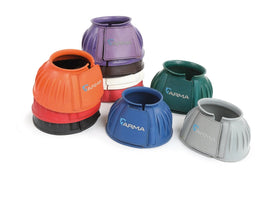
Bell boots are one of the simplest yet most effective pieces of protective gear you can own. These bell-shaped boots fit around the pastern and cover the entire hoof down to the heel. Their main job is to prevent a horse from "overreaching"—when a hind hoof steps on the back of a front heel. This common action can cause painful wounds or even pull off a front shoe. Bell boots are fantastic for use during riding, lunging, and especially turnout, where horses are more likely to be playful. They provide a durable, shock-absorbing barrier, making them an inexpensive and indispensable tool for keeping your horse safe.
Travel Boots for Safe Hauling
Trailering can be a stressful experience for a horse, and even the best drivers can’t prevent every bump or sudden stop. Travel boots, or shipping boots, are like armor for your horse's legs during transport. These heavily padded boots extend from the knee or hock all the way down to the coronary band, offering complete coverage against scrapes, kicks, and impacts inside the trailer. They are typically designed with simple, sturdy Velcro closures, making them easy to put on and take off. Using a quality set of travel boots provides peace of mind, ensuring your horse arrives at your destination with their legs as sound as when you left.
Therapy and Medical Boots for Recovery
When your horse is on stall rest or recovering from an injury, specialized boots become essential. Medical boots are designed to help the healing process by covering wounds and keeping bandages clean and dry. They are a must-have for managing abscesses or protecting a sutured area. Therapy boots go a step further, incorporating elements like ice packs or magnets to reduce inflammation and promote circulation. Unlike riding boots, these are meant for stationary use or gentle hand-walking. It's critical that they fit perfectly and are kept meticulously clean to prevent infection and ensure they are helping, not hindering, your horse's recovery.
Polo Wraps for Versatile Use
Polo wraps are a classic staple in the equestrian world for a reason. These long, soft fleece bandages are wrapped around the lower leg to offer light protection from minor scrapes, bumps, and interference during activities like flatwork or lunging. While they provide minimal actual joint support, they are excellent for keeping legs clean and shielded from arena footing. However, it is absolutely crucial to learn the proper wrapping technique. Wraps applied too tightly or unevenly can cause serious pressure damage to the delicate tendons. When used correctly, they are a versatile and useful piece of horse tack for everyday schooling.
Your Checklist for Choosing the Perfect Sports Boots
Finding the perfect sports medicine boots for your horse can feel like a big task, but it boils down to a few key considerations. The right pair will offer protection and support without causing discomfort, so it’s worth taking the time to get it right. When you’re browsing different styles of horse tack, you’ll want to focus on four main areas: getting the fit just right, matching the boot to your riding discipline, checking the materials, and making sure the design is breathable.
Each of these elements plays a crucial role in your horse's safety and comfort. A boot that fits poorly or isn't suited for your activity can do more harm than good, while the right material can make all the difference in durability and care. Thinking through these factors will help you select a pair of boots that keeps your horse’s legs protected, supported, and cool, no matter what your ride looks like.
How to Measure Your Horse for a Perfect Fit
Fit is everything when it comes to horse boots. A boot that’s too loose can slip down or allow dirt and sand to get trapped inside, causing rubs and irritation. On the other hand, a boot that’s too tight can restrict blood flow and cause serious discomfort. The general rule of thumb is that you should be able to slide one finger snugly between the boot and your horse's leg. This ensures the boot is secure without being restrictive. Always check the manufacturer’s sizing guide before you buy, as measurements can vary between brands. For the best results, use a soft measuring tape to find the circumference and length of your horse's cannon bone.
Tips for When You're Between Sizes
It’s a common scenario: you’ve carefully measured your horse’s leg, but the numbers fall right between a medium and a large. So, what do you do? The safest bet is almost always to choose the larger size. A boot that’s too tight can restrict blood flow and cause serious discomfort, which is a risk you never want to take. While a boot that’s too loose can also cause problems like slipping or trapping debris, you often have more leeway to tighten the straps for a secure fit. A boot that’s too small, however, offers no flexibility. After you've made your choice, always double-check with the one-finger test to ensure the boot is snug but not restrictive. This final check is your best indicator of a proper fit, regardless of the size on the tag. When browsing different horse tack options, remember that sizing can vary, so always consult the specific brand's guide.
Matching the Boot to Your Riding Discipline
The type of riding you do will determine the kind of protection your horse needs. Sports Medicine Boots (SMBs) are a fantastic all-around choice for many disciplines because they are designed to absorb impact and prevent hyperextension. They wrap around the lower leg and fetlock joint, and most feature a distinctive strap that wraps underneath the fetlock. This design helps provide crucial support to the suspensory ligament on both front and back legs, making them ideal for strenuous activities like reining, cutting, or intense training sessions. While other boots are designed for specific obstacles, like jumping, SMBs offer comprehensive coverage for demanding work.
What to Look for in Materials and Construction
The materials and build quality of a boot determine its durability and how it performs. Most sports medicine boots are made from neoprene because it’s shock-absorbent, flexible, and conforms well to the horse’s leg. However, some neoprene can trap heat, so it’s important to look for higher-quality, perforated versions. Pay close attention to the stitching and the quality of the closures. Strong, industrial-grade hook-and-loop fasteners are essential to ensure the boots stay securely in place during fast work. When choosing a material, also consider the upkeep. For example, neoprene boots are best hand-washed with warm water and a mild soap to preserve the material’s integrity over time.
Common Boot Materials
The material a boot is made from directly impacts its protective qualities, breathability, and how easy it is to clean. Most sports medicine boots are made from neoprene because it’s shock-absorbent, flexible, and conforms well to the horse’s leg. The main drawback is that some types of neoprene can trap heat, which isn't ideal for hardworking muscles and tendons. To counter this, it’s important to look for higher-quality, perforated versions that allow for better airflow. Some boots also feature outer shells made of durable synthetic materials for added protection against strikes, while others have soft fleece linings for extra comfort, all of which are features you'll find in quality horse tack.
Types of Boot Closures
A boot is only as good as its ability to stay put, which makes the closures a critical feature to inspect. The vast majority of sports medicine boots use hook-and-loop fasteners, and you'll want to look for wide, sturdy straps. Pay close attention to the stitching and the quality of the closures. Strong, industrial-grade hook-and-loop fasteners are essential to ensure the boots stay securely in place during fast work. A secure closure system prevents the boot from slipping down the leg, which is key for both effective protection and preventing dangerous trips or tangles. Always check your tack for wear and tear before every ride to ensure it's safe and functional.
Why Breathability Is a Non-Negotiable
A horse’s legs can generate a lot of heat during exercise, and trapping that heat can be uncomfortable and even damaging to soft tissues. As your horse's activity level increases, the skin covered by the boot can overheat and sweat, leading to irritation and discomfort. To prevent this, look for boots made with breathable, perforated materials or designs that incorporate ventilation. Many of our best-selling products feature modern, lightweight materials that allow air to circulate, wicking away moisture and keeping the leg cooler. This is especially important if you ride in a warm climate or for extended periods. A breathable boot is a simple way to support your horse’s long-term leg health.
Exploring Special Features and Accessories
Beyond the fundamentals of fit, material, and breathability, the world of sports medicine boots includes some impressive innovations. As technology advances, so does the gear available to protect our horses. Manufacturers are constantly developing new features to solve specific problems, from preventing overheating to offering more comprehensive protection in a single boot. These specialized designs can make a real difference in your horse's comfort and safety, especially if you have unique needs based on your climate, discipline, or your horse's way of going. Let's look at a couple of popular advanced features you might find when shopping for your next pair of boots.
Boots with Cooling Technology
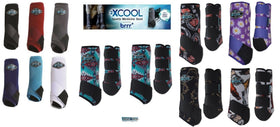
We’ve already touched on how important breathability is, but some boots take it a step further with dedicated cooling technology. Traditional neoprene is great for shock absorption, but it can also trap a lot of heat. To combat this, some modern boots are made entirely without neoprene, using lightweight, super-breathable materials designed specifically to keep legs cool. These advanced fabrics allow for maximum airflow, helping to dissipate heat and reduce sweat buildup during intense work. This is an excellent feature to look for if you live in a hot climate or if your horse will be wearing boots for extended training sessions.
Combo Boots for All-in-One Protection
If you find yourself putting on both sports medicine boots and bell boots, a combo boot might be the perfect streamlined solution for you. This clever design combines a standard SMB with an integrated bell boot, offering 360-degree protection for the entire lower leg and hoof area. This is especially useful for horses that overreach, as it guards the pastern, coronet band, and heel bulbs while also protecting the cannon bone and soft tissues. Some of these boots can absorb up to 26% of impact energy, providing serious defense in a single, easy-to-apply piece of horse tack.
Which Brands Do Riders Trust Most?
When you start shopping for sports medicine boots, you’ll quickly notice a few names that pop up again and again. These brands have earned their reputations by consistently creating high-quality, durable, and effective leg protection for horses across all disciplines. While there are many great options on the market, focusing on these trusted manufacturers is a great way to ensure you’re getting a product that’s built to last and designed with your horse’s safety in mind. Let’s look at some of the top players in the industry.
Professional's Choice: The Industry Standard
If you’ve spent any time in a tack shop or at a horse show, you’ve likely seen Professional’s Choice boots. They are incredibly popular, and for good reason. Their Sports Medicine Boots (SMBs) are some of the best-selling equine leg care products in the world, trusted by riders in demanding sports like barrel racing, jumping, and polo. The brand is known for its commitment to equine health, designing boots that absorb energy from impact and protect the delicate structures of the lower leg. When you choose Professional’s Choice, you’re investing in a product with a long track record of performance and reliability.
Classic Equine: A Rider Favorite
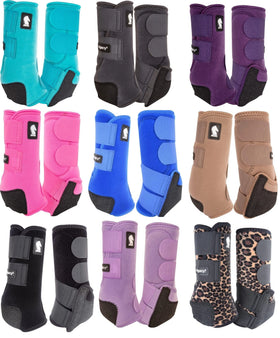
Classic Equine is another powerhouse brand that equestrians rely on for top-tier gear. Their sports medicine boots are designed to provide excellent support and protection without hindering your horse’s natural movement. They focus on creating products that stand up to the rigors of training and competition, ensuring your horse stays comfortable and safe. Whether you’re on a trail ride or in the performance arena, Classic Equine offers a range of boots that combine thoughtful design with durable materials. They are a fantastic choice for riders who need dependable horse tack that performs day in and day out.
Iconoclast: For Maximum Support
For riders who prioritize superior support, Iconoclast boots are often the top recommendation. These boots are engineered with a patented design to provide exceptional support for the suspensory and sesamoid regions of the horse's leg. This makes them a popular choice for everything from intense competition to rehabilitation after an injury. Many veterinarians and top equestrians stand by Iconoclast for their ability to protect against hyperextension and provide stability during strenuous work. They are an ideal option for anyone looking for maximum support for both competitive and recreational riding.
Weaver Leather & Other Brands to Know
Weaver Leather has built a stellar reputation for its high-quality leather goods, and that same craftsmanship extends to their line of protective equine gear. Weaver Equine’s sports boots are known for their durability and effectiveness, offering reliable protection for training, competitions, and everyday riding. Their products are trusted by many equestrians who value well-made, practical gear. While Professional's Choice, Classic Equine, and Iconoclast are leaders in the field, brands like Weaver prove that there are many excellent choices available. The key is to find the one that best fits your horse and your specific needs.
Are You Making These Common Booting Mistakes?
Sports medicine boots are fantastic tools for protecting your horse, but using them correctly is just as important as choosing the right pair. Even the highest-quality boots can cause problems if they aren't fitted or used properly. A few common missteps can lead to discomfort, skin irritation, or even injury for your horse. Taking a moment to get the details right ensures your horse gets all the benefits of their boots without any of the drawbacks. Let's walk through some of the most frequent mistakes so you can feel confident every time you tack up. From getting the fit just right to knowing when to take the boots off, these simple checks will keep your horse comfortable, protected, and ready to perform.
Mistake #1: An Improper Size or Fit
This is the most common mistake and can cause the most trouble. A boot that’s too tight can restrict blood flow and cause pressure sores, while a boot that’s too loose can slip down or allow dirt and debris to get trapped against the skin. This can lead to painful rubs and irritation. A good rule of thumb is that you should be able to slide one finger snugly between the boot and your horse's leg. If you're unsure, always check the manufacturer's sizing guide before you purchase new horse tack. Taking the time to measure correctly will save you and your horse a lot of discomfort down the road.
Mistake #2: Incorrect Application or Wear Time
Even a perfectly sized boot needs to be applied correctly. Make sure the straps are pulled with even tension and are facing the correct direction (usually pointing backward) to avoid putting undue pressure on tendons. Another major error is leaving boots on for too long. Protective boots are designed for wear during exercise, not for lounging in a stall or pasture. As a general guideline, you shouldn't leave sports boots on for more than four hours at a time. Extended wear can trap heat and moisture, leading to skin issues and discomfort for your horse. Always remove them promptly after your ride is over.
Mistake #3: Not Checking for Rubs and Sores
It’s a great habit to check your horse’s legs both before and after every ride. Before you put the boots on, make sure their legs are clean and dry. Any trapped dirt, sand, or mud can act like sandpaper under the boot, causing sores and hair loss. After you take the boots off, run your hand over their legs to check for any swelling, heat, or tender spots. Catching a small rub early is much easier than dealing with a significant sore later. This quick check is a simple way to ensure the boots are doing their job without causing any unintended skin irritation.
Mistake #4: Ignoring the Risk of Overheating
A horse's tendons have very little blood supply, which makes it hard for them to cool down efficiently. When you cover them with a boot, especially during intense exercise, heat can build up quickly. While many modern boots are made with breathable materials, overheating is still a risk. Excessive heat can damage the delicate tendon structures over time. After a workout, feel your horse’s legs. If they feel very hot to the touch, it’s a sign the boots may be trapping too much heat. Always remove boots as soon as you’re done working to let the legs breathe and cool down naturally.
Make Your Sports Boots Last: A Care Guide
Investing in a quality pair of sports medicine boots is a great step toward protecting your horse's legs. To get the most out of that investment, you’ll want to keep them in top shape. Proper care not only extends the life of your boots but also ensures they continue to provide the right protection and support, ride after ride. Neglecting them can lead to skin irritation for your horse and a faster breakdown of the materials, forcing you to buy a new pair sooner.
The good news is that caring for your boots doesn't have to be complicated. A few simple habits can make a world of difference. By building a quick cleaning and storage routine, you can keep your gear effective, safe, and ready for your next adventure. Think of it as part of your regular tack care, just as important as wiping down your saddle or cleaning your bit.
The Right Way to Clean Your Boots After Each Ride
It’s tempting to toss your boots in the tack trunk and call it a day, but taking a few minutes to clean them is crucial. Sweat, dirt, and arena footing can get trapped inside, leading to uncomfortable rubbing and skin problems for your horse. A simple post-ride wipe-down prevents this buildup.
For daily cleaning, just use a stiff brush to knock off loose dirt, then wipe the boots inside and out with a damp cloth. For a deeper clean, especially for neoprene boots, hand wash them with a mild soap and warm water. Make sure to rinse them thoroughly to remove any soap residue that could irritate your horse’s skin. This quick step keeps your horse tack in great condition and your horse comfortable.
Hand-Washing and Natural Cleaning Solutions
When it comes to a deeper clean, you don't need harsh chemicals. A simple, homemade solution can be just as effective, especially if your horse has sensitive skin. A great option is a mixture of one part white vinegar to two parts warm water. The vinegar works wonders at cutting through sweat and grime without damaging the neoprene material of the boots. Just let the boots soak for about 15 minutes in the solution, then use a soft brush to gently scrub away any stubborn dirt. The most important step is to rinse them completely with clean water to remove all traces of vinegar. This simple routine is a fantastic way to maintain all your horse tack, ensuring it stays in great shape and keeps your horse comfortable.
How to Store Boots to Prevent Damage
How you store your boots is just as important as how you clean them. Tossing damp boots into an enclosed tack box or bag is a recipe for mildew and can cause the materials to break down prematurely. Always let your boots air dry completely after cleaning or a sweaty ride.
The best way to do this is to hang them in a well-ventilated area. You can simply fasten the Velcro straps over a rail or hook. Just be sure to keep them out of direct, prolonged sunlight, as the UV rays can damage and weaken materials like neoprene over time. Proper drying and storage will maintain the boot’s shape and integrity, ensuring they’re ready and effective for your next ride.
When Should You Replace Your Horse's Boots?
Even with the best care, sports medicine boots don't last forever. Over time, materials stretch, padding compresses, and Velcro loses its grip. Using boots that are past their prime can be risky, as they no longer offer the intended support and can even cause harm if they slip or fit improperly.
Regularly inspect your boots for signs of wear. Check for stretched-out elastic, stitching that is coming undone, or Velcro that no longer fastens securely. If the supportive inner structures feel soft or broken down, it’s time for a replacement. Protecting your horse’s legs is the whole point, so when your current pair is worn out, it's best to invest in a new one from our collection of best-selling products.
Related Articles
- Tendon Boots Guide 2026: Essential Tips for Horse Protection
- A Guide to Horse Leg Protection Boots
- The Complete Guide to Leg Protection Boots
- Leg Protection Boots Guide | Hooves & Paws
Frequently Asked Questions
Can I leave sports medicine boots on my horse for turnout? While these boots can offer great protection against pasture injuries, it's a decision that requires careful management. If you choose to use them for turnout, the fit must be perfect to prevent dirt or mud from getting trapped inside, which can cause serious skin irritation. It's also important to remove them daily to clean them and let your horse's legs breathe, as prolonged wear can trap heat and moisture.
What's the difference between front and hind sports medicine boots? Many all-purpose sports medicine boots are designed to work on both front and hind legs, but you'll often find that hind boots are slightly longer and larger. This is to accommodate the different anatomy of the hind legs, which typically have longer cannon bones. Always refer to the brand's specific sizing chart to ensure you get the correct fit for both the front and back.
Do these boots really "support" my horse's leg? This is a great question, as the term "support" can be a bit misleading. The primary function of a sports medicine boot is protection from impact, like a horse hitting its own leg. While the snug fit and fetlock strap can help absorb shock and limit excessive joint movement during hard stops or turns, a fabric boot cannot truly support the immense weight carried by a horse's tendons and ligaments. Think of them as a protective shield first and foremost.
How do I know if the boots are too tight or too loose? The fit is the most important factor, and there's a simple way to check it. Once the boot is fastened, you should be able to slide one finger snugly between the boot and your horse's leg. If you can't fit a finger, it's too tight and could restrict circulation. If you can easily fit more than one finger, it's too loose and could slip or allow debris to get inside.
What's the best way to clean my boots to make them last? Consistent care is key. After each ride, it's a good idea to brush off any loose dirt and wipe them down with a damp cloth. For a more thorough cleaning, hand wash them in a bucket of warm water with a mild soap. Be sure to rinse them completely to remove all soap residue, then hang them to air dry completely before using them again. This prevents skin irritation and helps the materials last longer.


