


Keeping your horse healthy is your top priority, but deworming can feel like a wrestling match. We’ve all been there: you get the syringe ready, and your horse immediately knows what’s coming. They toss their head, clamp their jaw, and you end up wearing more of the paste than they swallow. It’s a frustrating process that leaves you wondering if they even got the correct dose. That’s where a simple, thoughtful detail makes all the difference. The Ivermectin horse wormer apple flavor is designed to solve this exact problem. It makes the paste more palatable, turning a stressful chore into a quick, calm part of your routine. This guide will cover everything from proper dosing to safety, showing you how this one product can make your parasite control plan more effective and a lot less messy.
Key Takeaways
- Choose a flavor your horse will accept: The apple flavor is a practical feature, not a gimmick, designed to make administration easier and ensure your horse consumes the entire, effective dose.
- Dose with precision for the best results: Correctly dosing based on your horse's exact weight is critical, as an incorrect amount can be ineffective or contribute to parasite resistance.
- Deworm as part of a larger strategy: Work with your vet to create a rotational deworming schedule. Using different types of dewormers and performing fecal tests helps prevent resistance and keeps your horse protected long-term.
What Is Apple-Flavored Ivermectin Horse Wormer?
If you've been around horses for a while, you know that keeping them healthy is a top priority, and a huge part of that is managing internal parasites. Apple-flavored ivermectin is a popular oral deworming paste used to control a wide range of parasites, from strongyles to bots. It typically comes in a pre-filled syringe with a 1.87% ivermectin concentration, making it easy to dose based on your horse's weight. The standard dose is generally 91 mcg per pound of body weight, which allows for precise administration.
The apple flavoring isn't just a gimmick; it’s designed to make the deworming process less stressful for both you and your horse. By making the paste more palatable, your horse is more likely to accept it without a fight. This simple but effective tool is a staple in many barns for maintaining a horse's overall well-being and preventing the health issues that parasites can cause. It's an accessible and straightforward way to support your horse's health from the inside out, making it a go-to choice for many experienced horse owners.
How It Works Against Internal Parasites
Apple-flavored ivermectin works as an oral paste that you administer directly into your horse's mouth. The apple taste helps ensure your horse swallows the full dose instead of spitting it out, which is a common challenge with unflavored medications. Once ingested, the ivermectin gets to work targeting the nervous systems of parasites, leading to their paralysis and death. The parasites are then passed out of the horse's system. This method is a straightforward and effective way to handle an internal parasite load and keep your horse feeling its best. It takes the guesswork out of deworming and makes the experience a little more pleasant for everyone involved.
Which Parasites Does It Target?
Ivermectin is a broad-spectrum dewormer, meaning it’s effective against a wide variety of common internal parasites. This is one of the reasons it's such a trusted part of a complete horse health plan. A single dose can help control many of the most problematic parasites that can affect your horse's health and performance.
Specifically, it targets:
- Large and small strongyles
- Pinworms
- Ascarids (roundworms)
- Bots
- Hairworms
- Lungworms
- Stomach worms
- Threadworms
By covering such a wide range, ivermectin helps protect your horse from the digestive distress, weight loss, and colic symptoms these parasites can cause.
Why the Apple Flavor Makes a Difference
Anyone who has tried to give a picky horse medication knows the struggle is real. You can end up wearing more of the paste than your horse swallows. That’s where a simple, thoughtful detail like apple flavoring comes in. It’s not just a gimmick; it’s a practical solution designed to make deworming a less stressful and more effective process for both you and your horse. When a dewormer is palatable, your horse is more likely to accept it willingly. This small change transforms a potential battle into a straightforward part of your horse's care routine, ensuring they get the protection they need without the fight. It’s about working with your horse's preferences to achieve a common goal: keeping them healthy and parasite-free.
A Flavor Your Horse Won't Fight
Let's be honest, a deworming syringe isn't your horse's favorite treat. But it doesn't have to be a source of dread. The apple flavoring is specifically added to make the paste more appealing, which helps reduce the stress of administration. A horse that doesn't mind the taste is less likely to toss its head, clamp its jaw shut, or spit out the medication. This means you can be confident they’re getting the full, correct dose every time. It turns a potentially messy and frustrating task into a quick, calm interaction, which is a win for everyone involved.
Apple-Flavored vs. Unflavored Wormers
While you might see unflavored ivermectin pastes available, many experienced horse owners will tell you the apple-flavored version is worth it. Why? Because some horses simply refuse to eat the regular, unflavored paste. They might find the taste or smell off-putting, leading them to reject it entirely. Choosing the apple-flavored option from the start can save you time, money, and frustration. It’s a small investment to ensure your horse actually consumes the dewormer, making your parasite control program much more reliable and effective.
Easier Dosing for a Healthier Horse
A cooperative horse makes accurate dosing so much simpler. When your horse accepts the apple-flavored paste without a fuss, you can focus on administering the correct amount. Ivermectin syringes are designed for precision, with clear markings that allow you to dose in 250-pound increments for a horse weighing up to 1,250 pounds. This user-friendly design, combined with a flavor your horse enjoys, ensures the deworming process is both easy and effective. Consistent and accurate dosing is a cornerstone of any good horse health and wellness plan, and a palatable dewormer helps you achieve just that.
Shop This Post

Featured in this article
Durvet Ivermectin 1.87% Paste Apple Flavored Horse Wormer - Single Dose Broad Spectrum Dewormer for Bots and Strongyles
$21.99
Shop Now →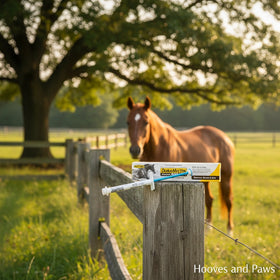
How to Administer Ivermectin Paste Correctly
Giving your horse a dewormer paste can seem tricky, but it’s a simple process once you get the hang of it. Proper administration ensures the medication works effectively and that the experience is low-stress for both you and your horse. The key is to be prepared, confident, and methodical. By following a few straightforward steps for dosing and delivery, you can make deworming a quick and easy part of your horse’s care routine. Let’s walk through exactly how to do it right every time.
Dose Based on Your Horse's Weight
Getting the dosage right is the most important step in effectively deworming your horse. An incorrect dose can either be ineffective or, in rare cases, harmful. The amount of ivermectin paste you give is based entirely on your horse's body weight. To get an accurate measurement, you can use a weight tape or the scale at your veterinarian's office. One standard 6.08-gram tube of ivermectin is formulated to treat a horse weighing up to 1,250 pounds. Knowing your horse’s weight is a fundamental part of their overall care, so it’s a great number to have on hand for your horse health and first aid records.
Read the Syringe for an Accurate Dose
Once you know your horse’s weight, it’s time to set the syringe. Ivermectin paste syringes are designed for easy and accurate dosing. The oral syringes feature adjustable locking rings with clear markings, which are typically in 250-pound increments. Before you do anything else, take a look at the plunger and find the marking that corresponds to your horse’s weight. You’ll then turn the plastic ring on the plunger until it locks into place at that weight. This acts as a stopper, so when you depress the plunger, it will only release the correct amount of paste. Double-check that the ring is secure before you proceed.
Administer the Paste Step-by-Step
With the dose set, you’re ready to administer the paste. For the medication to work, you need to get it into the horse's mouth so they swallow it. The paste should be squeezed directly onto the back of the horse's tongue to prevent them from spitting it out.
Here’s how to do it smoothly:
- Make sure your horse’s mouth is clear of any food.
- Stand by your horse’s head, facing the same direction.
- Gently insert the syringe tip into the corner of their mouth, in the space between the front and back teeth.
- Angle the syringe toward the back of the tongue and depress the plunger completely.
- Remove the syringe and hold your horse’s head up for a few seconds to encourage them to swallow.
How Often Should You Deworm Your Horse?
Figuring out the right deworming frequency for your horse can feel like solving a puzzle. The truth is, there isn't a single schedule that works for every horse. Factors like your horse's age, where you live, and how much time they spend on pasture all play a role in their parasite exposure. A strategic approach is key to keeping them healthy without overusing medication.
The best plans are proactive, not reactive. Instead of waiting for a problem, you can get ahead of parasites by creating a thoughtful schedule and rotating your dewormers. This helps ensure your horse gets the right protection at the right time. Let’s walk through how to build a smart deworming strategy with your veterinarian.
Create a Seasonal Deworming Schedule
A great starting point is to think seasonally. Parasite activity often peaks during grazing seasons when horses are munching on grass where parasite larvae live. The American Association of Equine Practitioners (AAEP) offers a general guideline to deworm adult horses every six to eight weeks during these high-risk times. Young horses, however, are more susceptible to parasites and often need a more frequent schedule.
To get even more specific, you can work with your vet to perform a fecal egg count (FEC). This simple test shows which parasites are present and in what numbers, helping you tailor a deworming plan directly to your horse’s needs. An FEC can help you avoid deworming when it isn't necessary and confirm your program is working effectively.
Rotate Dewormers to Prevent Resistance
Just like bacteria can become resistant to antibiotics, parasites can develop resistance to dewormers. If you use the same type of dewormer over and over, you might be unintentionally helping the strongest, most resistant parasites survive and reproduce. This makes future treatments less effective. To prevent this, it's crucial to rotate between different chemical classes of dewormers.
The AAEP’s parasite control guidelines recommend this rotation strategy to maintain the effectiveness of the drugs we have available. By switching things up, you target a broader spectrum of parasites and reduce the chances of resistance developing. Integrating this practice into your overall horse health and first aid plan is one of the best things you can do for your horse's long-term wellness.
Is Apple-Flavored Ivermectin Safe for All Horses?
As a horse owner, your animal's safety is always top of mind. Ivermectin is one of the most widely used and trusted dewormers on the market, but it's smart to know when and how to use it correctly. While it’s considered safe for the vast majority of horses, there are a few key considerations to ensure you're protecting your horse's health. Understanding these guidelines will help you administer apple-flavored ivermectin with confidence.
Use in Pregnant Mares, Stallions, and Foals
If you have a breeding operation or a young, growing herd, you'll be glad to know that ivermectin is a suitable choice for most of your horses. It is generally considered safe for use in breeding stallions as well as pregnant or lactating mares, which is a huge plus for keeping the whole herd on a consistent schedule. For the little ones, ivermectin is typically safe for foals over four weeks of age. This broad safety profile makes it a staple in many barns, but it's always a good idea to confirm the timing with your vet, especially for your youngest horses.
When to Use Extra Caution
The effectiveness and safety of a dewormer depend heavily on its quality. You should always ensure you are using a veterinary-approved equine product from a trusted source. This helps you avoid counterfeit, expired, or improperly stored products that could be ineffective or even harmful. If your horse has a pre-existing health issue, is recovering from an illness, or is significantly underweight, it's wise to consult your vet before administering any dewormer. They can help you create a safe deworming strategy that fits into your horse's complete horse health and first aid plan.
Potential Side Effects to Watch For
While adverse reactions to ivermectin are rare, they can happen. It’s important to know what to look for after you’ve administered the paste. Some horses may experience mild, temporary side effects, which can sometimes be caused by the parasite die-off rather than the medication itself. Watch for signs of digestive upset like diarrhea, or potential allergic reactions such as hives or swelling. Lethargy or lack of appetite can also be indicators. If you notice any of these symptoms or anything else out of the ordinary, don't hesitate to call your veterinarian for advice.
A Critical Warning: Ivermectin Horse Wormer Is Not for Human Use
This point cannot be stressed enough: DO NOT USE THIS PRODUCT ON HUMANS. Ivermectin paste for horses is formulated specifically for equine use. The dosage is calculated for an animal that weighs a thousand pounds or more, and it contains ingredients that are not approved or safe for people. The FDA has not approved ivermectin for treating or preventing viruses like COVID-19 in humans, and attempting to use the animal version can be extremely dangerous. Always store horse medications securely and out of reach of children. This medicine is only for animals.
Clearing Up Common Ivermectin Misconceptions
When it comes to your horse’s health, you want to get things right. But with so much information floating around about deworming, it’s easy to run into conflicting advice. Let’s clear the air and tackle a few common myths about ivermectin. Getting the facts straight helps you make the best, most confident decisions for your horse’s care and well-being. These simple truths will guide you toward a more effective and safer deworming routine.
Myth: "More is better when it comes to dosing."
It might seem like giving a little extra dewormer would offer more protection, but this is a harmful misconception. The correct dose is based on your horse's exact weight, and accuracy is key. Giving too little ivermectin won't be effective and can lead to parasites developing resistance, making them harder to treat in the future. On the other hand, giving too much increases the risk of side effects without adding any benefit. Always use a weight tape or scale to get an accurate measurement before dosing. Proper dosing is a cornerstone of your horse's overall horse health and first aid plan.
Myth: "It's safe for other animals without a vet's guidance."
Ivermectin paste for horses is formulated specifically for equine use and should never be given to other animals without direct veterinary supervision. The concentration and ingredients are designed for a horse’s unique metabolism and body weight. Using it on other pets can be extremely dangerous. For example, certain dog breeds are highly sensitive to ivermectin, and an incorrect dose can be toxic or even fatal. If you have concerns about parasites in your other furry family members, stick to products made for them. Your vet can recommend the right approach to support your dog's health essentials.
Myth: "Any dewormer works the same for every horse."
Think of dewormers like tools in a toolbox; you need the right one for the job. While ivermectin is a broad-spectrum dewormer effective against parasites like strongyles, pinworms, and bots, it doesn’t target everything. For instance, it is not effective against tapeworms. A truly effective parasite control strategy often involves rotating between different types of dewormers to target a wider range of parasites and prevent resistance from developing. Working with your vet to create a strategic deworming schedule is the best way to ensure your horse is protected from all common internal threats.
How to Store and Handle Ivermectin Paste
Once you have your apple-flavored ivermectin, it’s important to store and handle it correctly to ensure it stays effective and safe. Think of it like any other medication in your home or barn; a little care goes a long way in protecting your horse, your family, and yourself. Following a few simple steps will keep your dewormer ready for use and prevent any accidental issues.
Proper Storage for Maximum Effectiveness
To make sure your ivermectin paste works as intended, store it at room temperature. Keep it away from direct sunlight and moisture, so a hot dashboard or a damp wash stall are not ideal spots. The original packaging is designed to protect the paste from environmental factors that could reduce its potency. Proper storage is a key part of your horse's overall health and first aid plan. Before you administer a dose, always glance at the expiration date on the box or syringe. Using an expired product is a waste of money and, more importantly, it won’t effectively protect your horse from parasites.
Safe Handling and Disposal Practices
When you’re ready to deworm your horse, it’s a good idea to wear gloves. Ivermectin can be absorbed through the skin, so this simple step minimizes your contact with the medication. Always wash your hands thoroughly with soap and water after you’re finished. If you have any unused or expired paste, don’t just toss it in the trash or wash it down the drain. Environmental regulations for disposing of veterinary medications can vary by location, so check with your local waste authority for guidance. Finally, and most importantly, store ivermectin paste securely out of reach of children and other pets. Accidental ingestion can be very harmful, especially for certain dog breeds sensitive to ivermectin.
Where to Find Quality Apple-Flavored Ivermectin
Finding the right dewormer is just the first step; knowing where to buy it is just as important for your horse's safety. When you're shopping for apple-flavored ivermectin, you want to be confident you're getting a genuine, effective product. It's not just about finding a good deal, but about ensuring the health and well-being of your horse. Let's walk through what to look for in a product, how to think about pricing, and why sticking with trusted retailers is the smartest move you can make for your herd.
What to Look for in a Product
First and most importantly, always choose an ivermectin product that is specifically formulated for equine use. You'll see products from trusted brands like Durvet that are clearly labeled as a "horse wormer paste." This is critical because formulations for other animals have different concentrations and ingredients that can be ineffective or even harmful to your horse. Check the packaging to confirm it’s an apple-flavored ivermectin 1.87% paste designed for horses. This ensures you’re giving the correct medication at the right strength. A quality product will have clear dosing instructions and manufacturer information, giving you peace of mind that you're using a reliable part of your horse health and first aid toolkit.
Consider Price and Bulk Options
Once you've identified the right product, it's smart to consider the cost. Prices can vary between retailers, but you can generally expect to pay around $15 to $20 for a single syringe, which is typically enough to treat a horse up to 1,250 pounds. If you have several horses, look for retailers that offer bulk purchasing options. Buying a multi-pack of dewormer syringes can often bring the price per dose down, saving you money over the course of a year. Just be sure to check the expiration dates before you stock up. This way, you can stay on top of your deworming schedule without breaking the bank.
Why You Should Only Buy from Trusted Retailers
This might be the most important tip of all: only purchase dewormer from reputable sources. It can be tempting to grab a seemingly good deal from a random seller on a large online marketplace, but the risks are high. There's a real danger of receiving counterfeit, expired, or improperly stored products that could be ineffective at best and dangerous at worst. A trusted retailer ensures you're getting a genuine, veterinary-approved equine product every time. Companies with a long history and deep expertise, like our team here at Hooves and Paws, stand behind the products we sell. We know how much your animals mean to you, which is why we've built our reputation on trust and quality for over 30 years.
Integrating Ivermectin into Your Horse's Health Plan
When you’re mapping out your horse's care, a solid deworming strategy is one of the most important pieces of the puzzle. Integrating a dewormer like Ivermectin can be a straightforward and effective way to protect your horse from a wide range of internal parasites. Its broad-spectrum formula is designed to handle common threats, including large and small strongyles, pinworms, ascarids, bots, and lungworms. Think of it as a reliable workhorse in your deworming rotation, helping keep your horse feeling its best.
A consistent deworming schedule is a cornerstone of responsible horse ownership. Building a complete horse health and first aid kit for your barn means having the right tools on hand before you need them, and that includes effective dewormers. By planning ahead, you can prevent the health complications that often come with parasitic infections and ensure your horse stays healthy and comfortable through every season.
What makes Ivermectin paste a go-to for so many horse owners is its thoughtful design. The palatable apple flavor helps make dosing a much calmer experience for everyone involved, while the easy-to-read syringe ensures you can administer an accurate dose based on your horse’s weight. It’s a versatile option that is safe for most adult horses, including breeding stallions and pregnant mares, as well as foals of the appropriate age. As with any medication, always read the product label for complete instructions and consult your veterinarian to create a deworming plan tailored specifically for your horse.
Related Articles
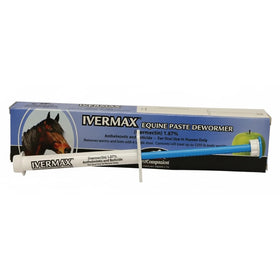
- Ivermax Apple Flavored Ivermectin Equine Paste Dewormer - 2 Pack
- durvet Duramectin Ivermectin Paste 1.87% for Horses, 0.21 oz (Pack of 2)
- Duramectin Ivermectin Paste for Horses – Parasite Control
Frequently Asked Questions
Does apple-flavored ivermectin kill all types of worms? Ivermectin is a fantastic broad-spectrum dewormer that targets many common and damaging internal parasites, like strongyles, pinworms, and bots. However, it is not effective against tapeworms. For complete protection, you'll need to incorporate a dewormer that specifically targets tapeworms, such as one containing praziquantel, into your rotation. Your veterinarian can help you create a comprehensive plan for your horse's specific needs.
How do I know how much dewormer to give if I don't know my horse's exact weight? Getting the dose right is crucial, so guessing is not a good idea. The easiest and most affordable way to get a reliable estimate is by using a weight tape. These tapes are simple to use and give you a close approximation of your horse's weight, allowing you to dose accurately. Knowing your horse's weight is essential for many aspects of their care, making a weight tape a valuable tool in your horse health and first aid kit.
Is it okay to use the same ivermectin dewormer every time? While ivermectin is effective, you should not use it exclusively. Relying on a single type of dewormer can lead to parasite resistance, which means the medication will eventually stop working. The best practice is to rotate between different chemical classes of dewormers. Working with your vet to create a strategic rotation schedule is the smartest way to keep your horse protected long-term.
What should I do if my horse spits out some of the paste? It can be frustrating when some of the paste ends up on the ground instead of in your horse. If you think a significant amount was lost, the safest approach is to simply wait until the next scheduled deworming. Trying to guess how much was lost and giving another partial dose can lead to inaccurate treatment. The good news is that the apple flavor makes this a much less common problem.
Is this horse wormer safe to give to my dog or other pets? Absolutely not. Ivermectin paste for horses is specifically formulated and dosed for a large equine body. Giving it to other animals, especially dogs, can be extremely dangerous and potentially fatal. Certain breeds are particularly sensitive to ivermectin. Always use products designed for the specific animal, and consult your vet for the right parasite control for your other pets. You can find safe and effective options in our dog health essentials collection.


